



























You did not find the product you love ?
Make your own mouthpiece
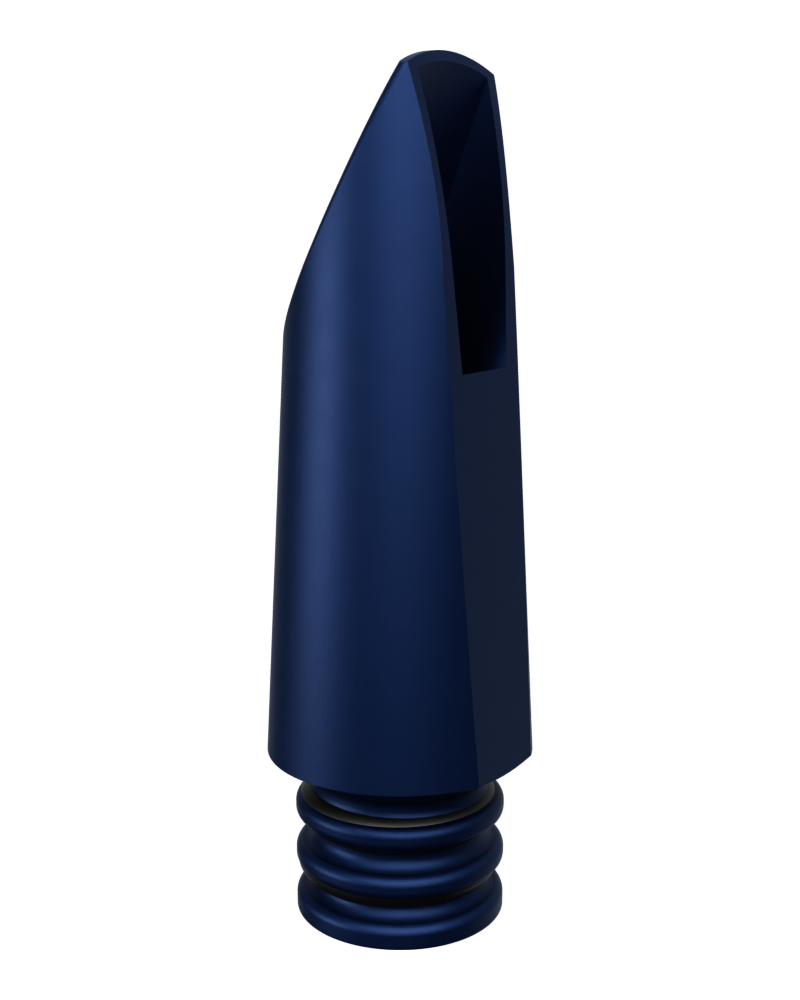
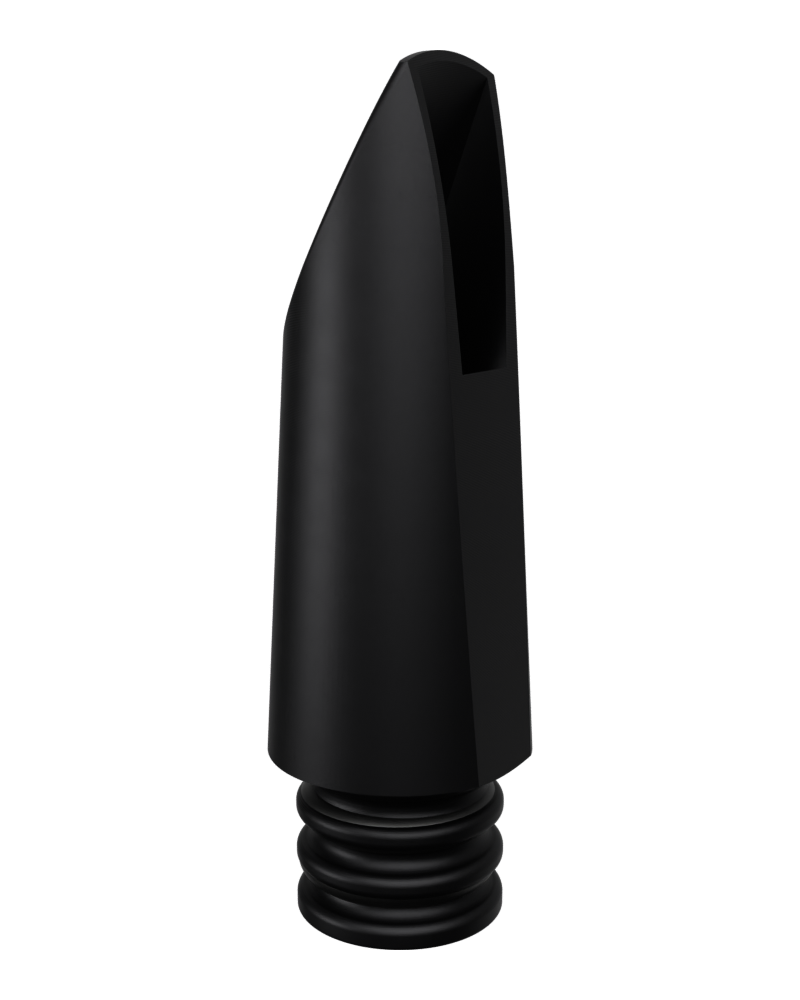
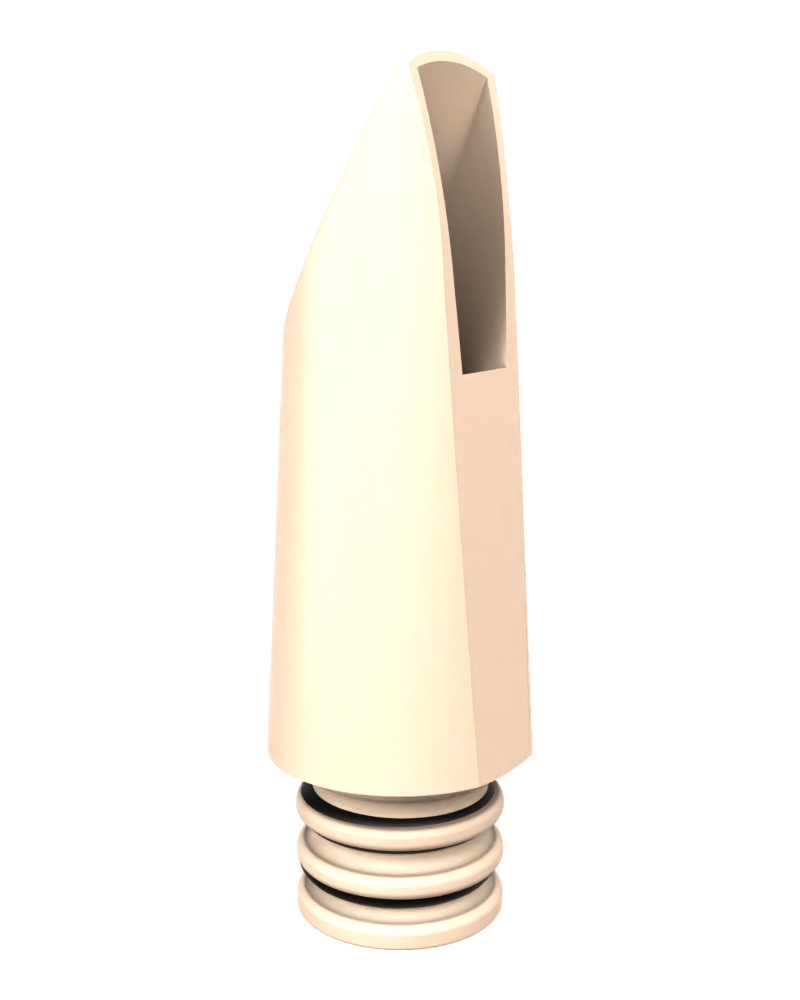
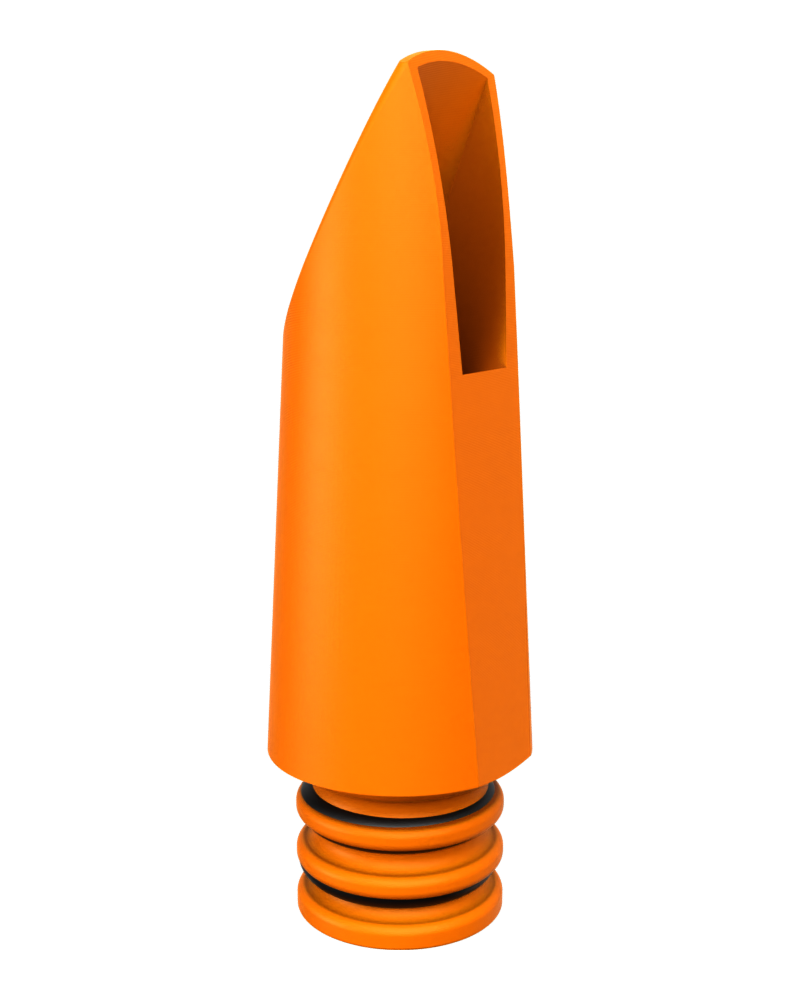
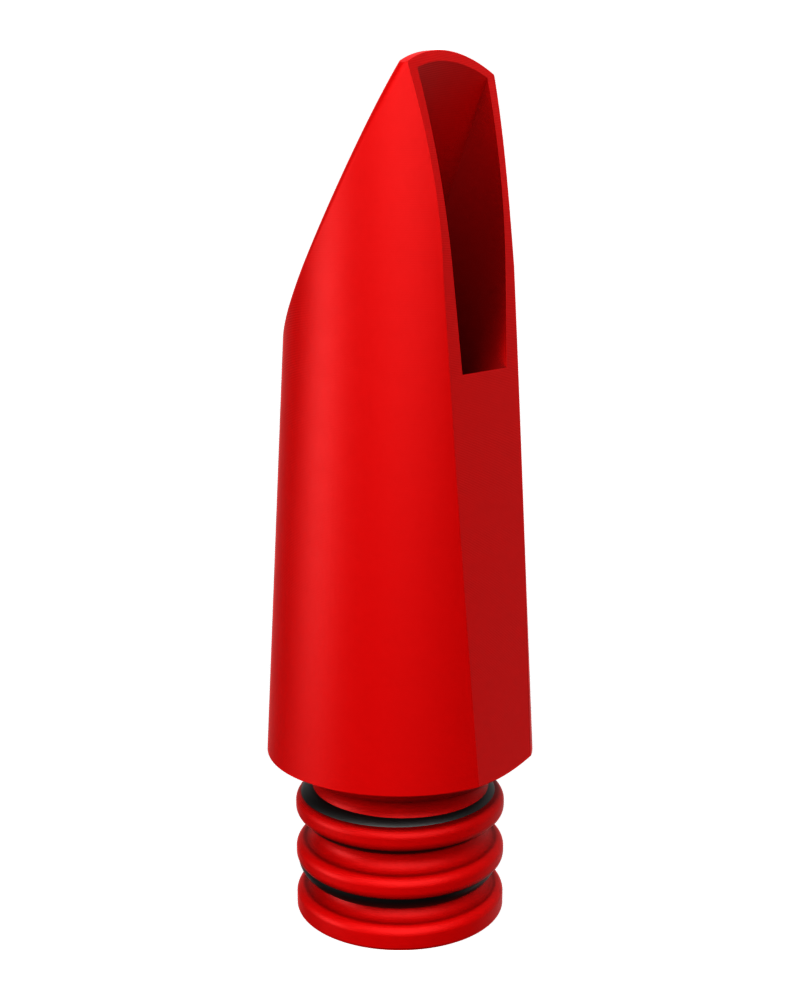
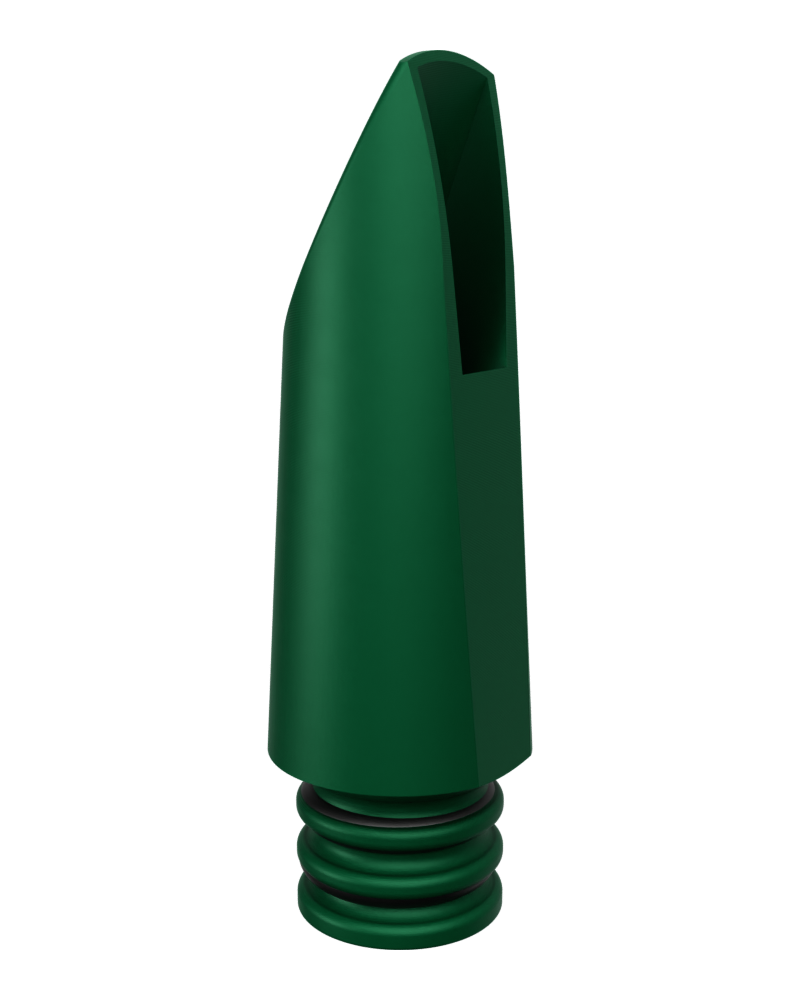
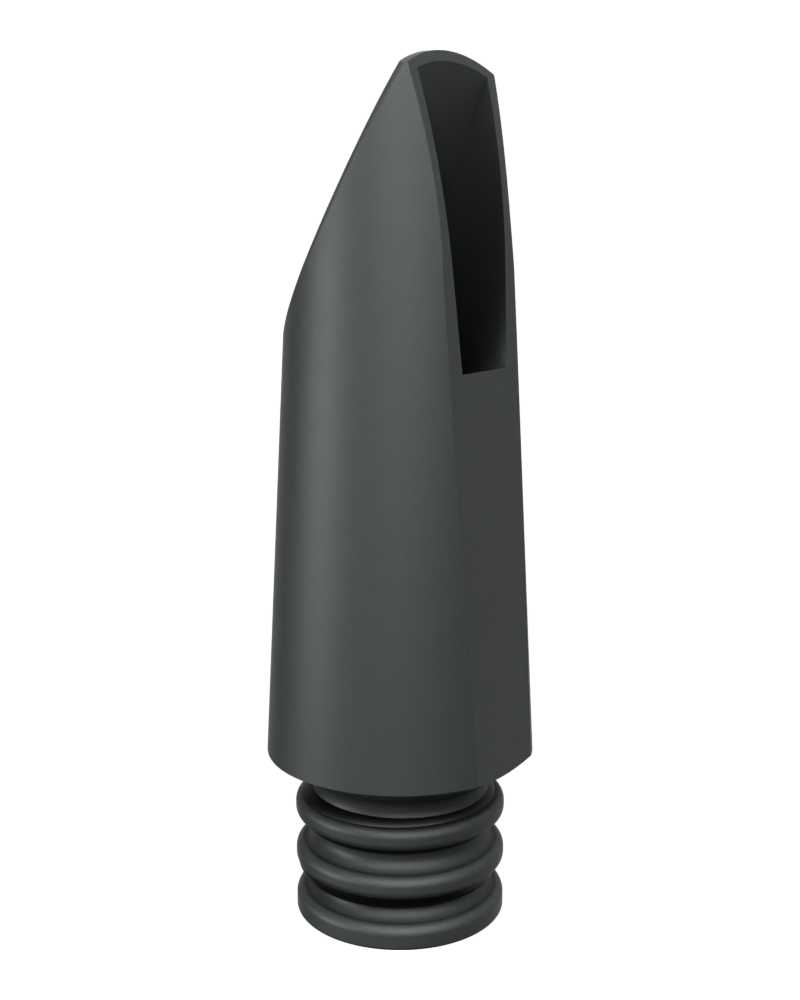
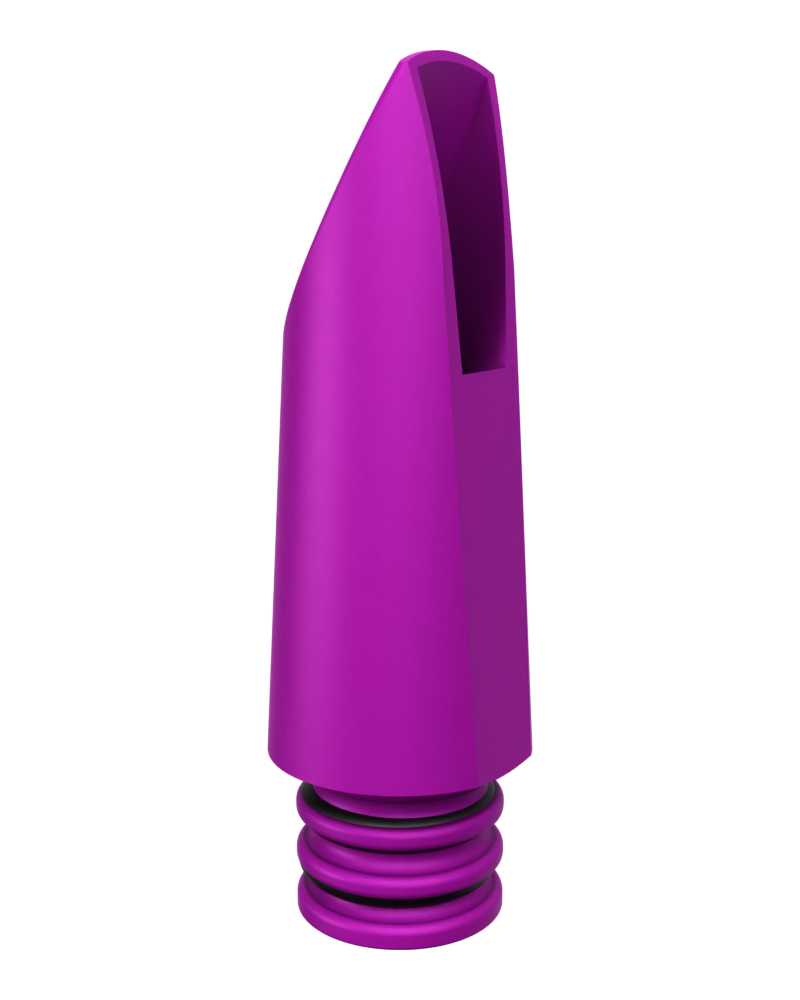
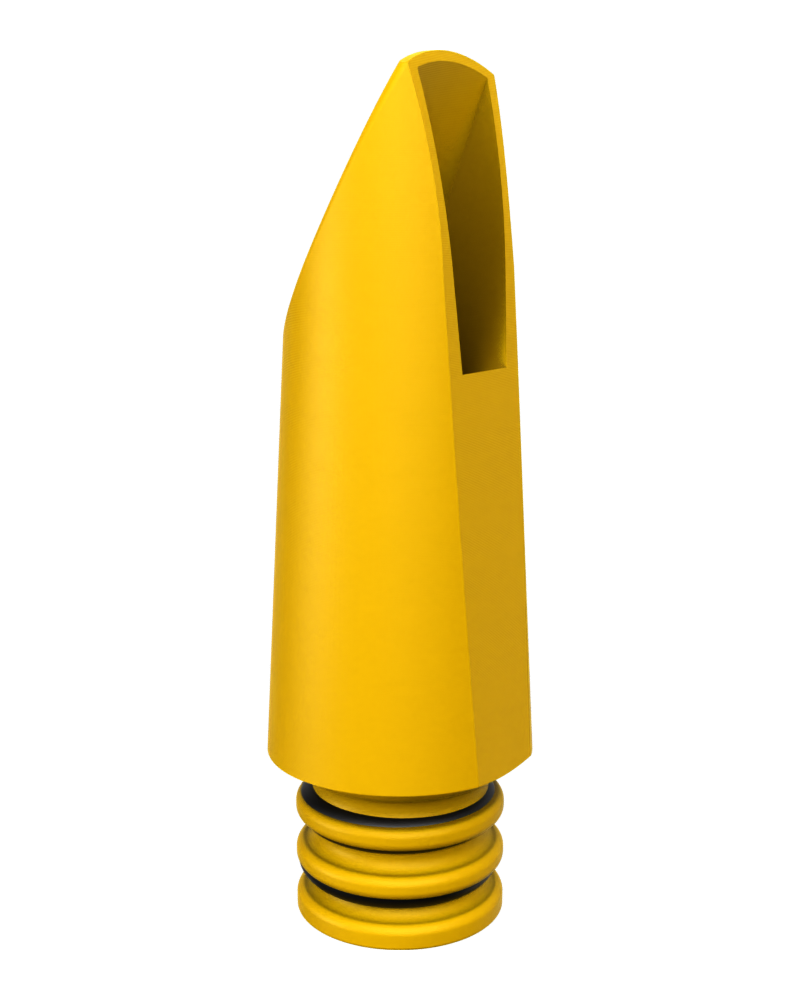
Bass Clarinet Mouthpieces Engineered to Be Easy to Play
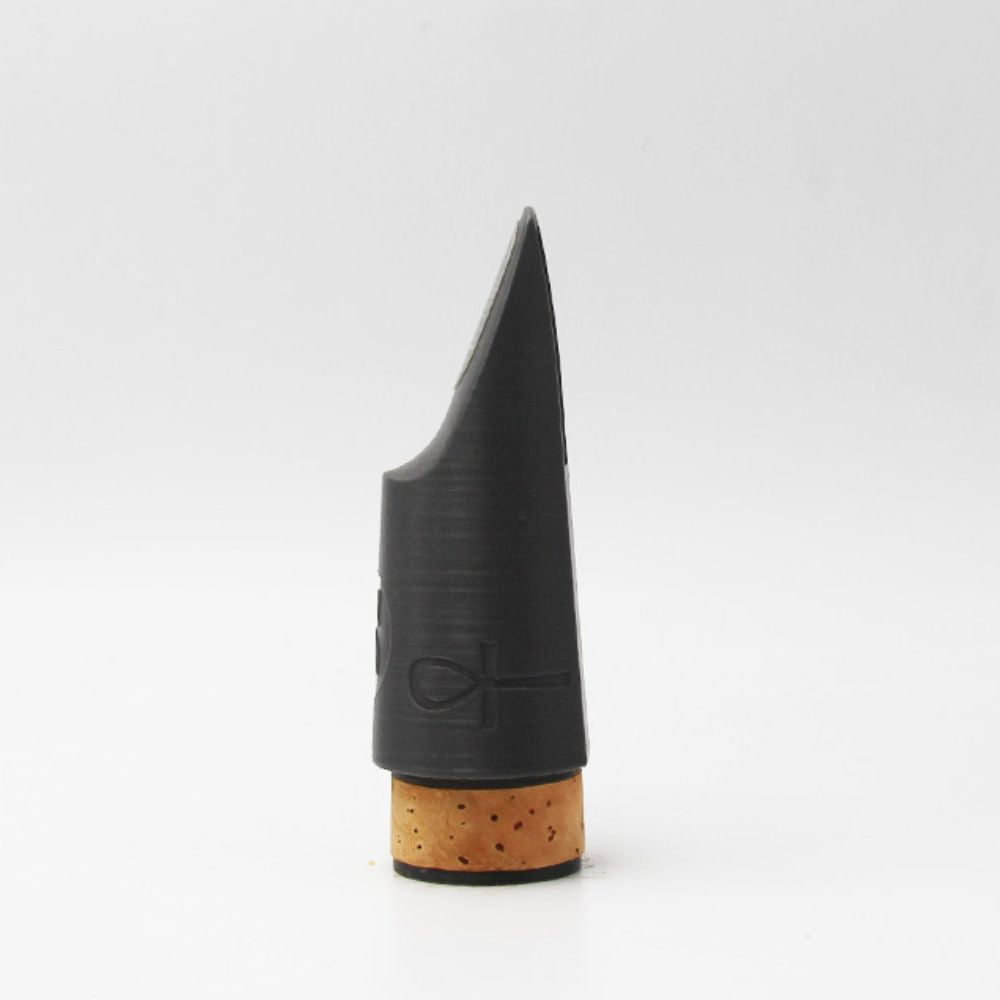
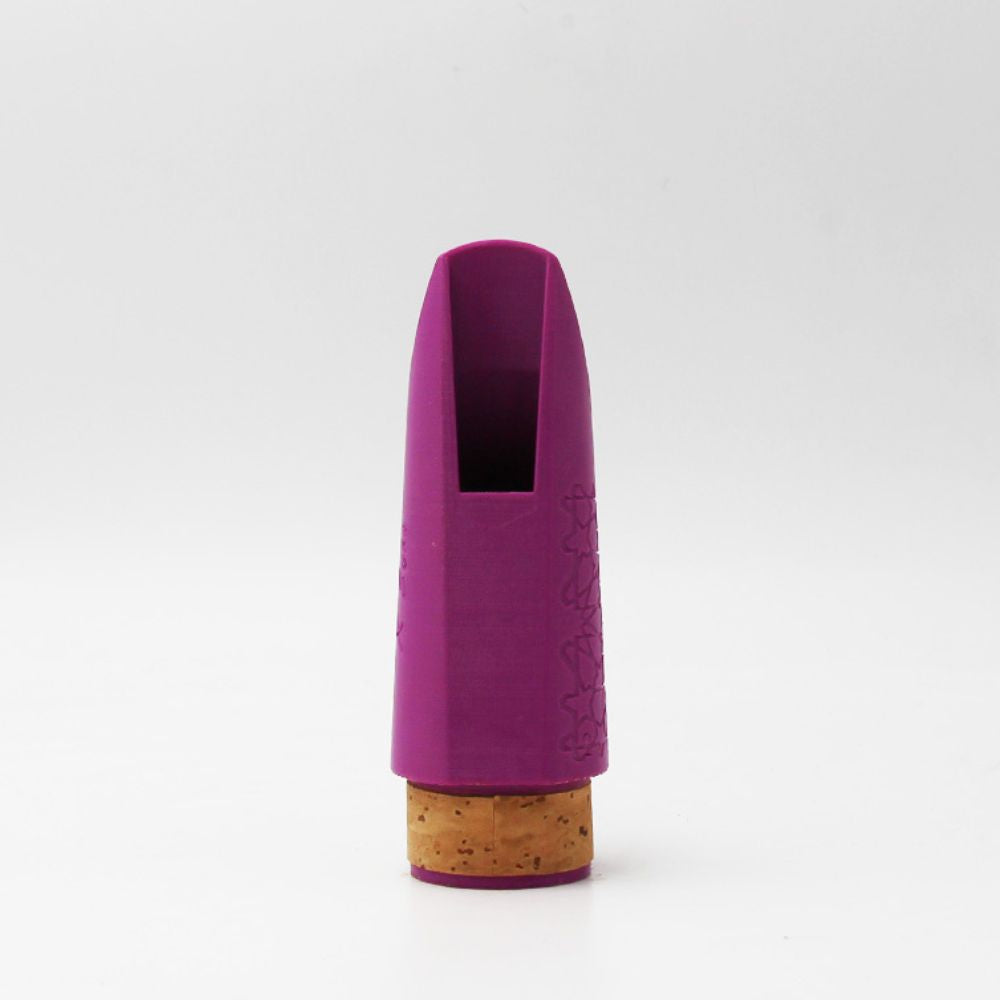
Every bass clarinettist has a sound in their head. The mouthpiece is what gets you there - or holds you back. Syos bass clarinet mouthpieces are engineered to be easy to play — for every level, every style. Using a proprietary acoustic simulation process, we optimise the geometry so that intonation is stable, register transitions are smooth, and your response is immediate and consistent.
The bass clarinet occupies a unique space — part of the clarinet family, but with the weight, depth, and projection demands of a much larger instrument. The right mouthpiece unlocks its full range, from a deep, enveloping low register to a powerful, singing high end. Chamber shape, ceiling design, and tip opening all interact to define how the instrument responds. Syos takes the guesswork out of that equation.
Why are Syos mouthpieces easier to play?
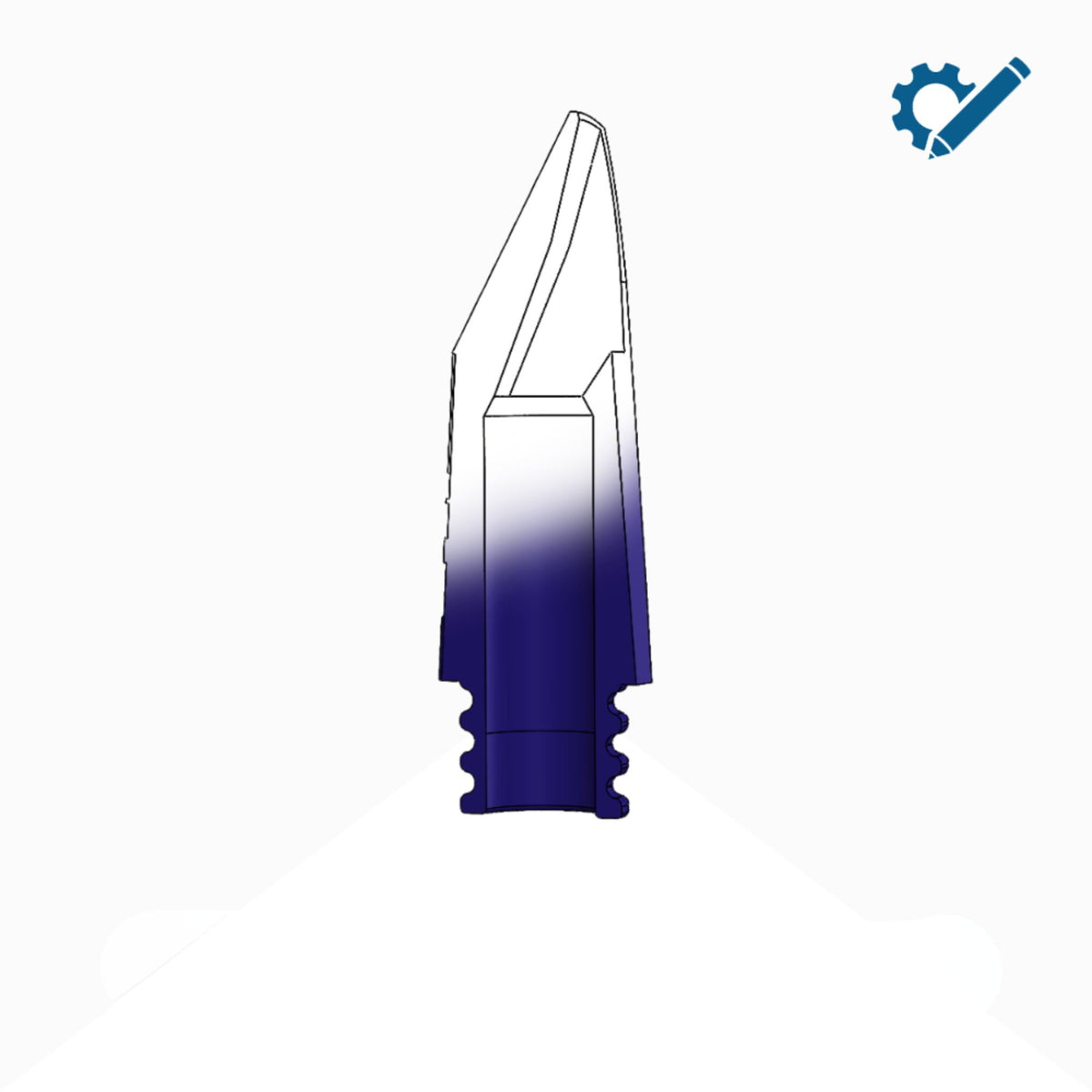
Playability comes down to geometry. Syos uses acoustic simulation to optimise the internal shape of each mouthpiece — the chamber, ceiling, and bore — so that sound production is efficient and responsive. This means stable intonation across the full range, smooth transitions between registers, and immediate response to your air and embouchure changes. Rather than fighting the mouthpiece, you can focus on your sound and your music. That's what "easy to play" means: the mouthpiece works with you, not against you.
What is the best bass clarinet mouthpiece?
There's no single answer - but there are clear patterns.
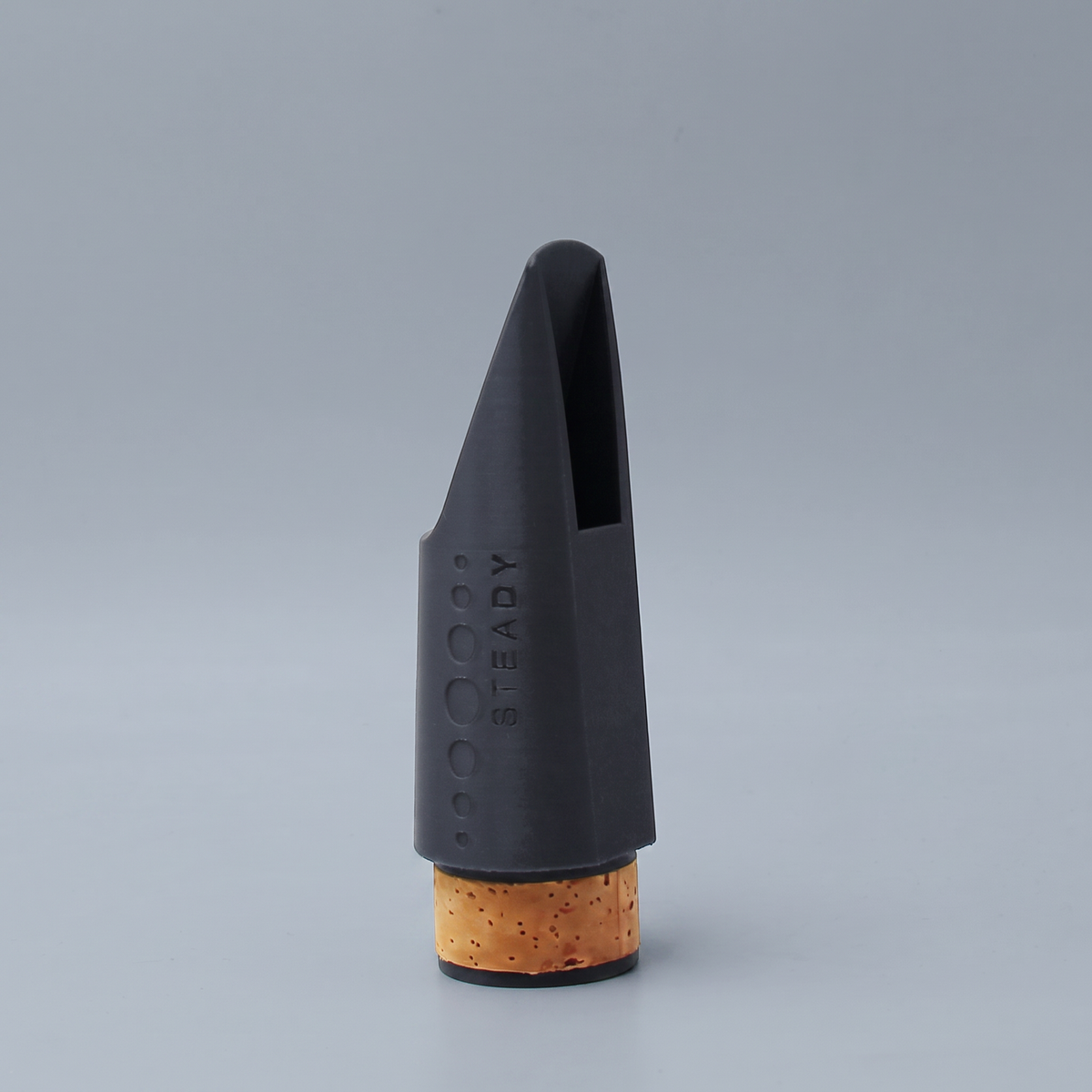
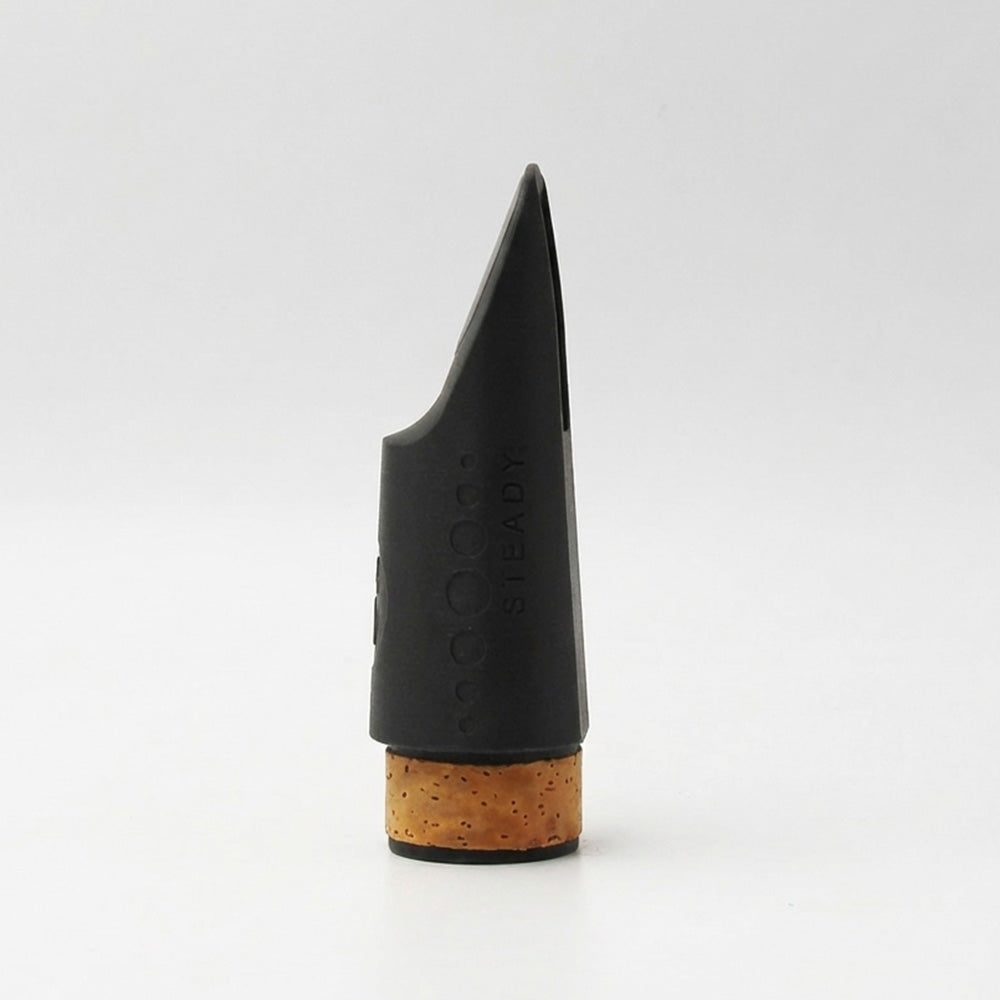
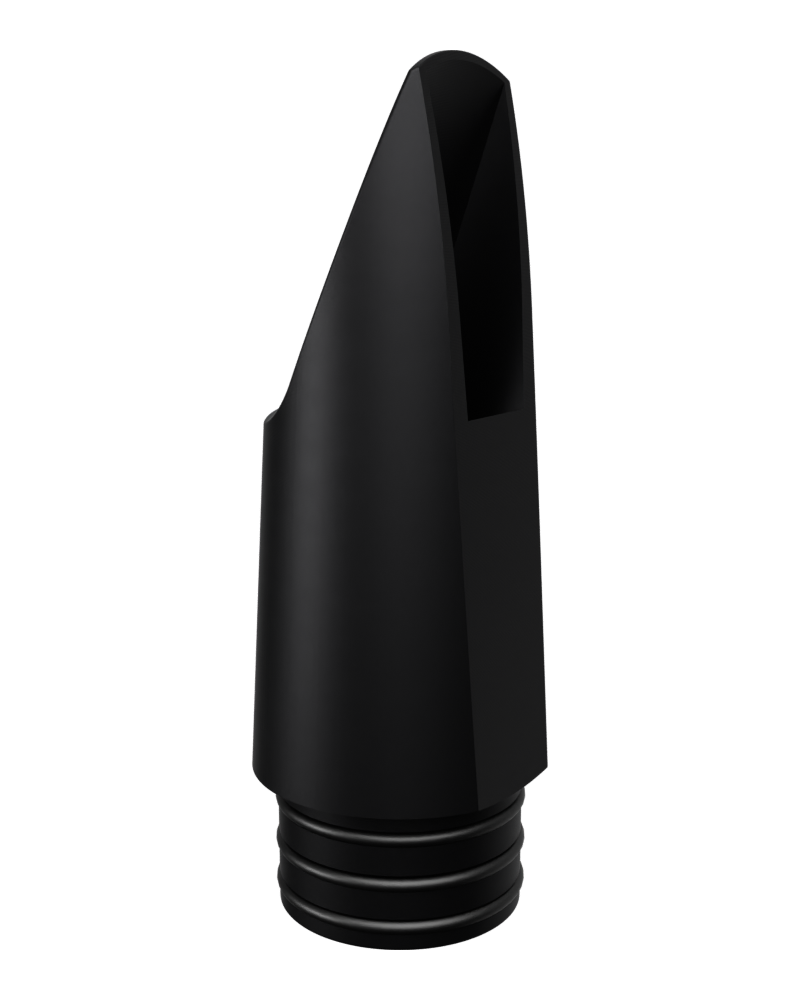
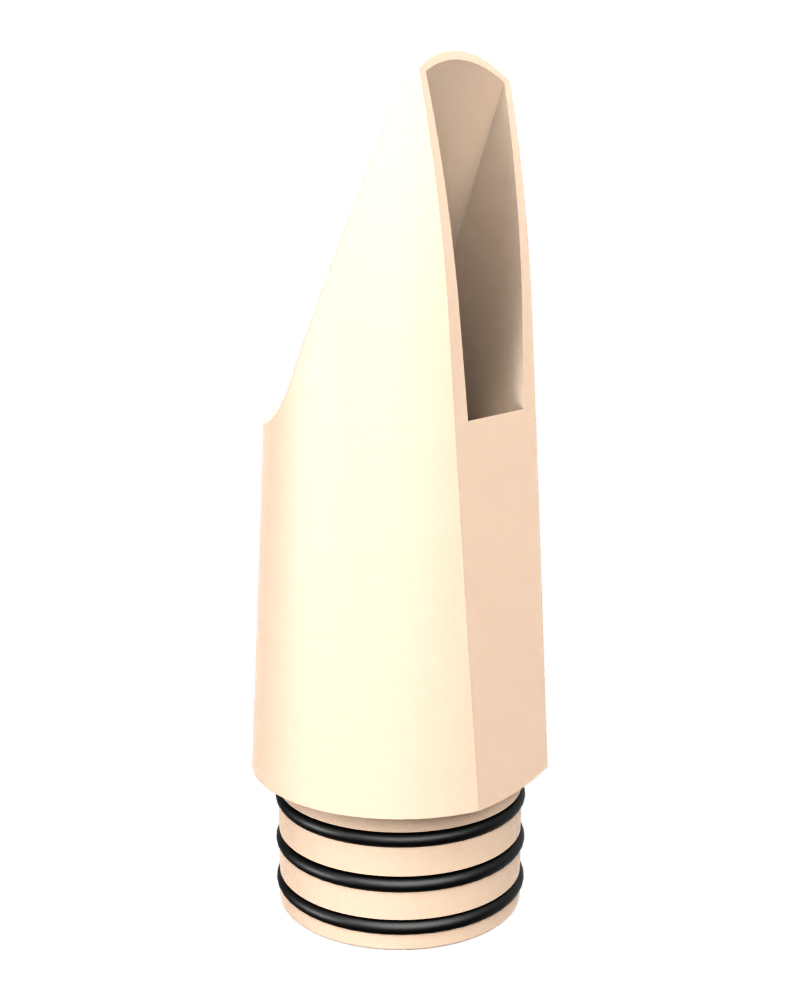
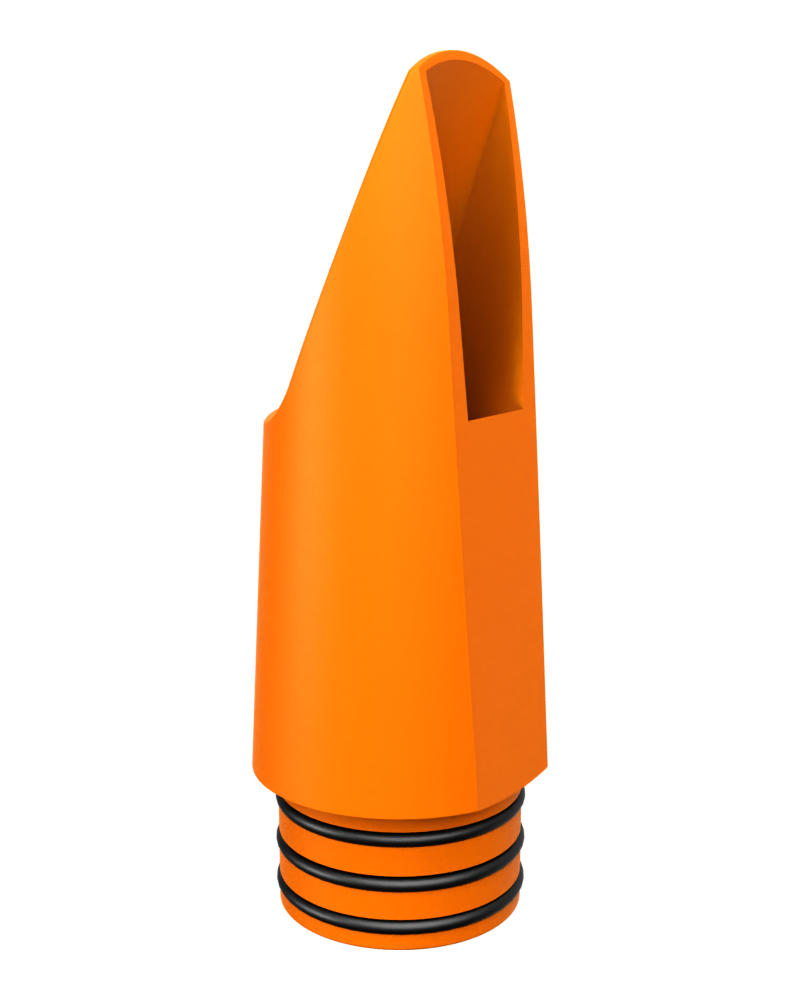
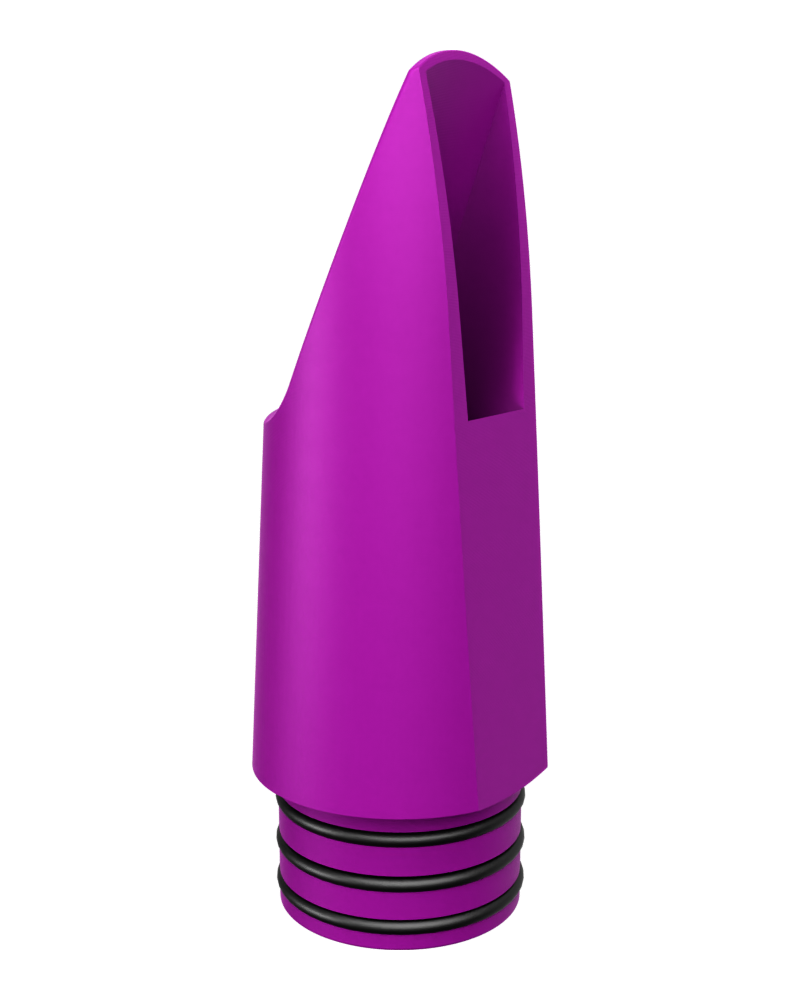
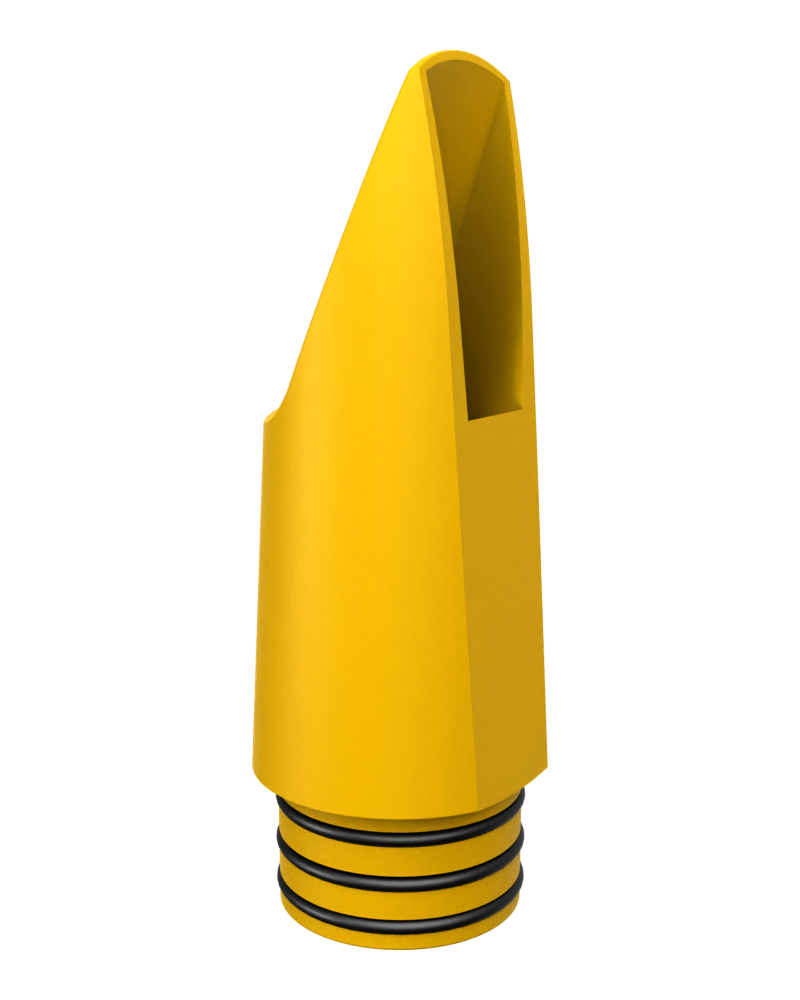
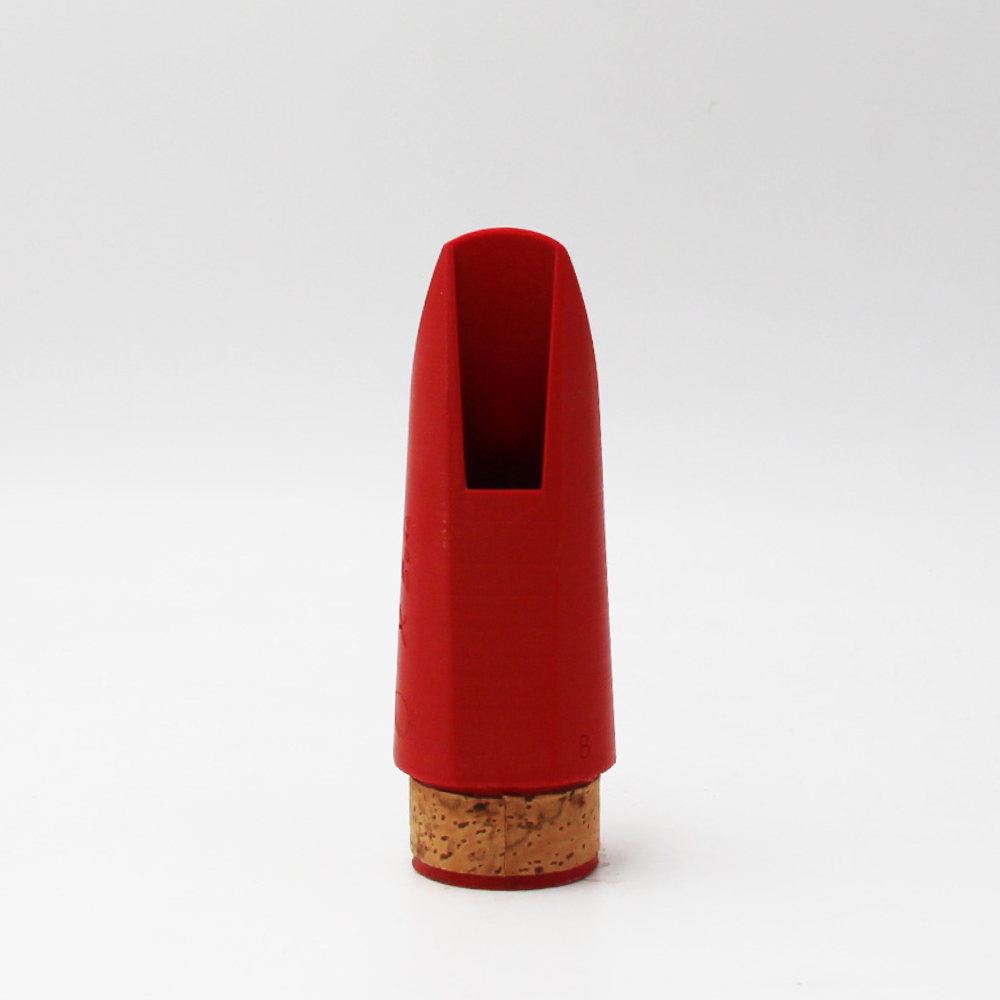
- For versatility and everyday playing: the Syos Originals Steady — small rectangular chamber, slight step baffle. A direct, balanced tone that brings just the right amount of power. Its geometry is forgiving and consistent across registers, making it the natural starting point for players who need one mouthpiece that works across styles and contexts.
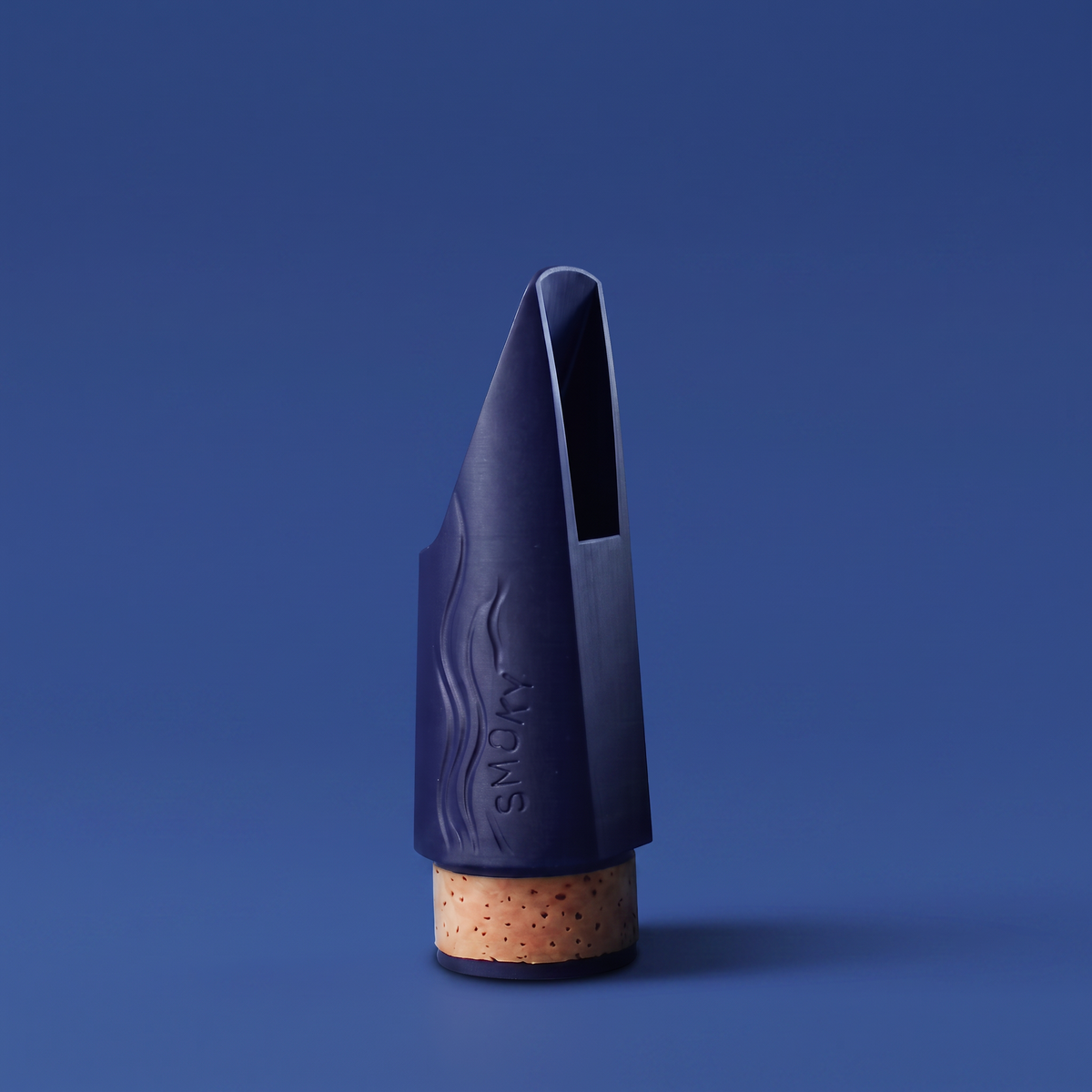
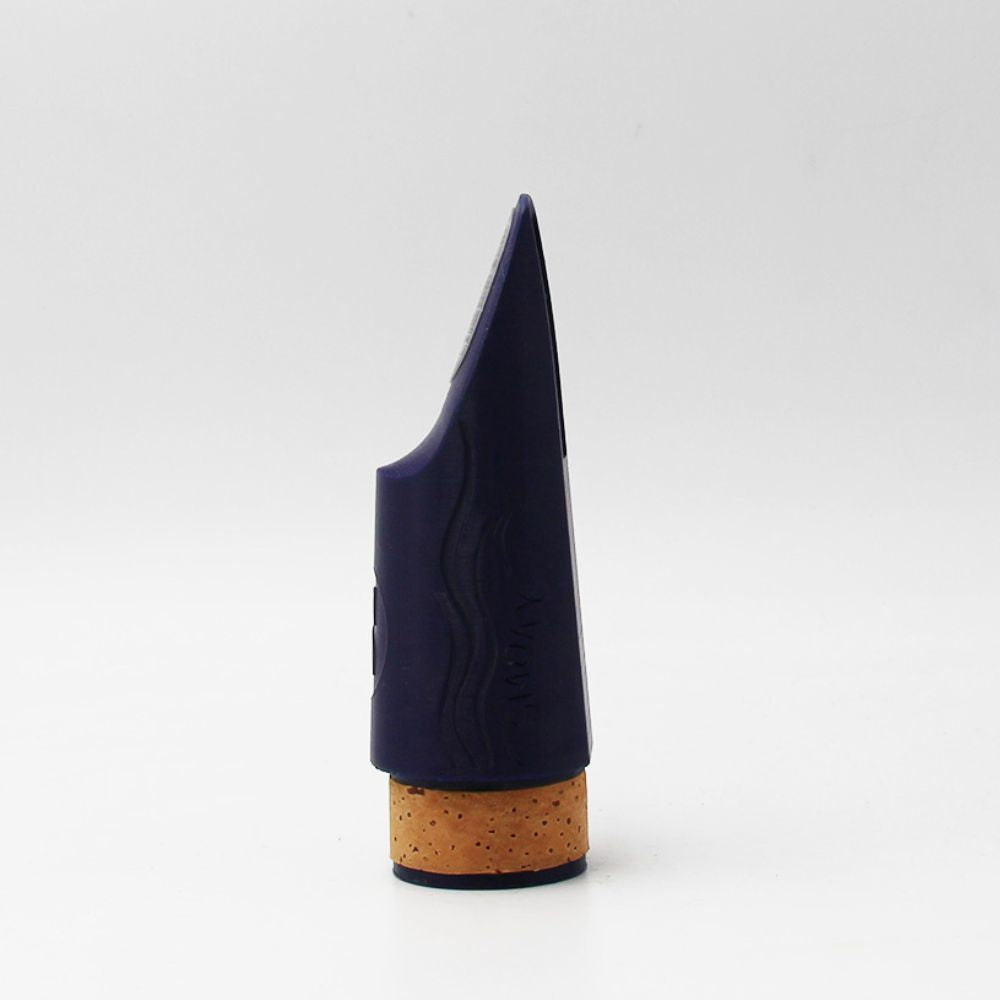
- For warm, soft playing: the Syos Originals Smoky — large trapezoidal chamber, straight baffle. A soft, warm timbre with great ease of emission. The large chamber opens up the sound and reduces resistance, making it effortless to produce a deep, enveloping tone. The go-to for players who want warmth, depth, and ease above all.
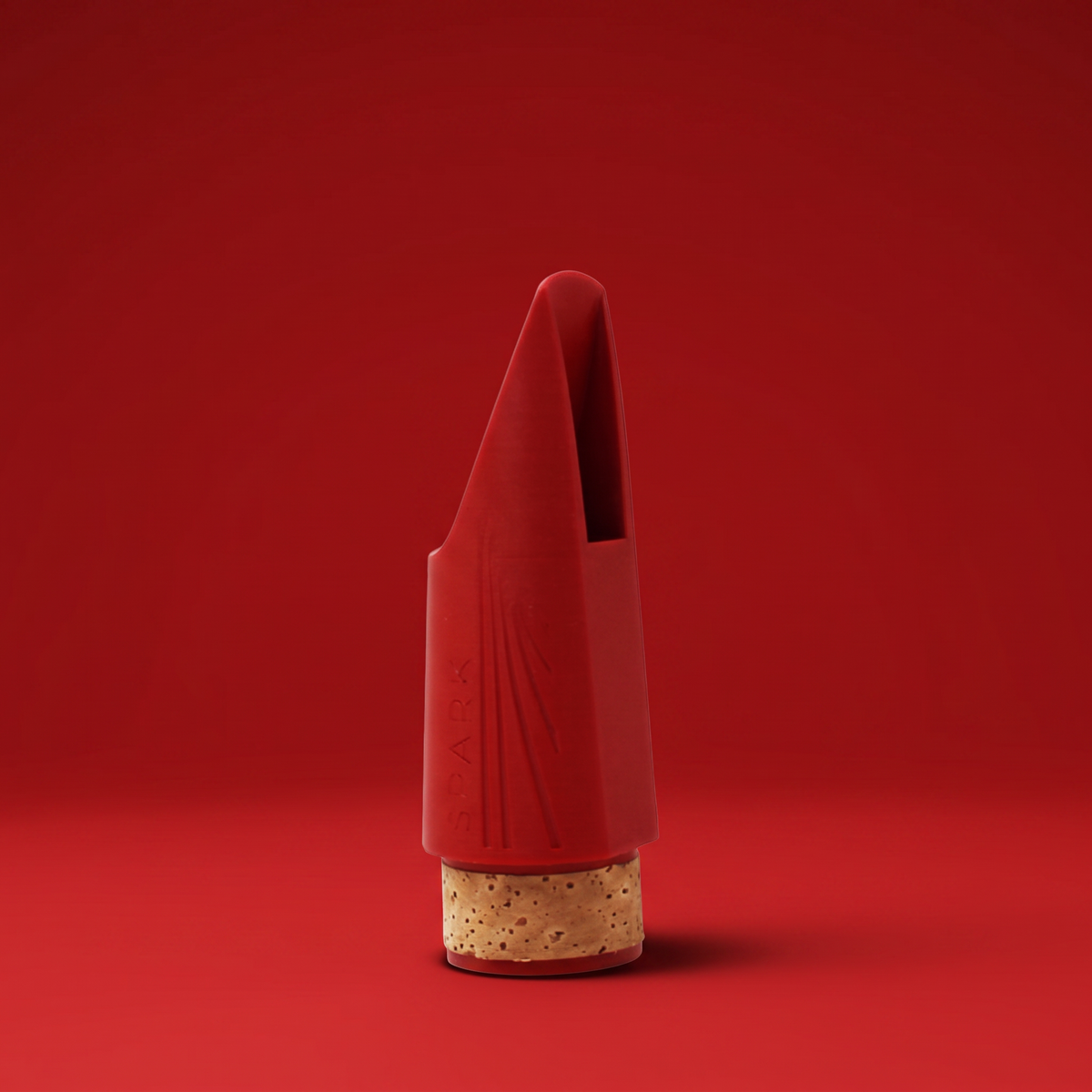
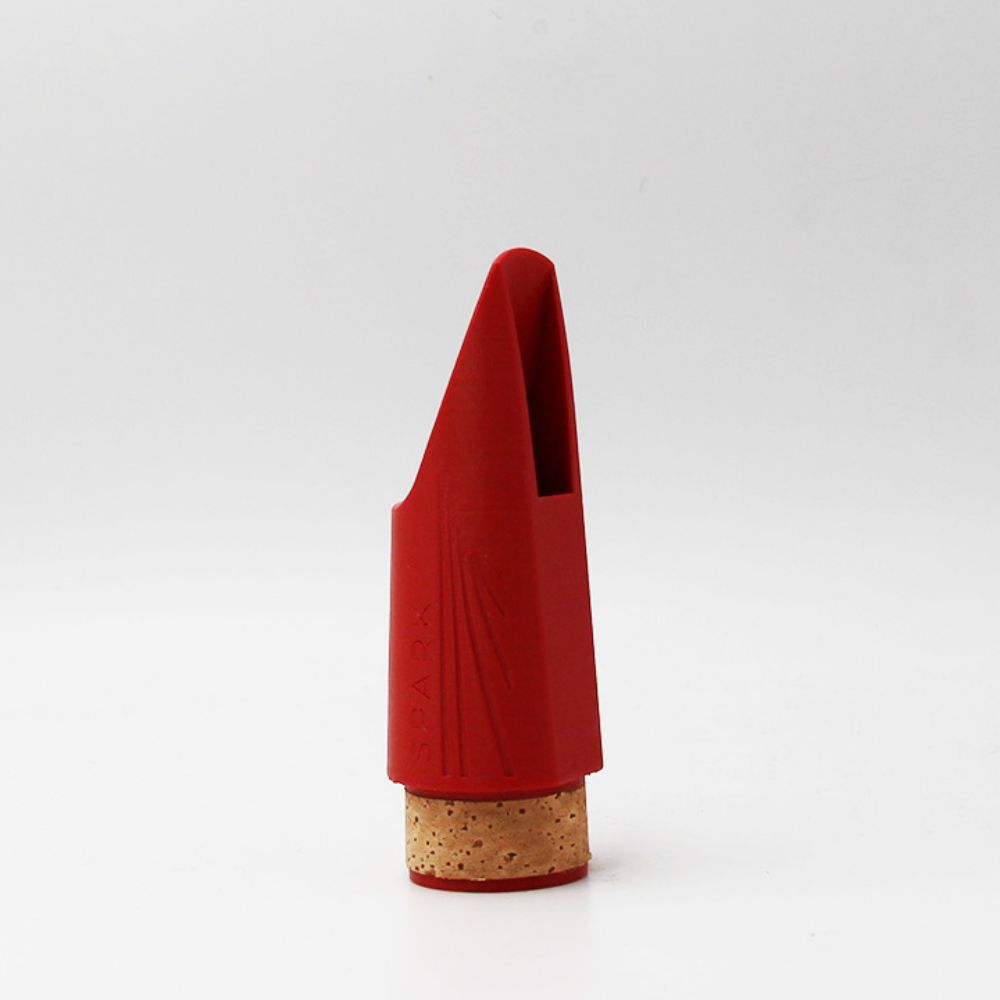
- For powerful, brilliant playing: the Syos Originals Spark — small rectangular chamber with step baffle. Power and brilliance in one package — a mouthpiece built to project and cut through. For players who need the bass clarinet to be heard, not just felt.
The best mouthpiece is the one that fits your sound, your music, and your reed setup. That's the whole point of having a range.
How do I choose a bass clarinet mouthpiece?
Three parameters drive the decision: tip opening, chamber shape, and ceiling design.
Tip opening controls resistance and flexibility. Narrower openings give more resistance and suit controlled, centred playing. Wider openings give more flexibility and dynamic range — important on bass clarinet, where air volume demands are already high.
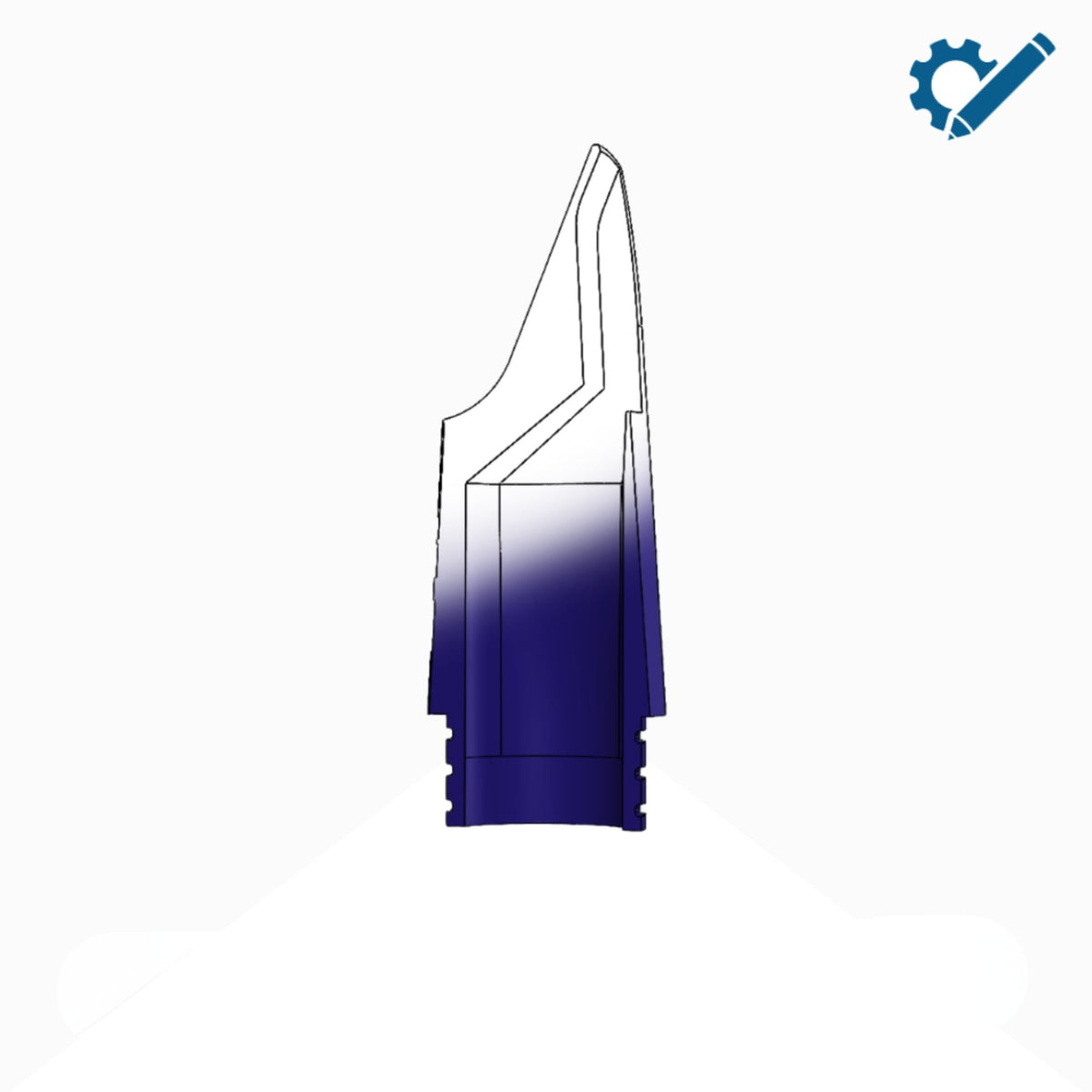
Chamber shape defines the core character of the sound. A small rectangular chamber (Steady, Spark) focuses the sound for directness and power. A large trapezoidal chamber (Smoky) opens up the sound for warmth and ease of emission.
Baffle shapes brightness and projection. A straight baffle (Smoky) lets air flow freely for a warmer, softer tone. A step baffle (Steady, Spark) reflects air for more brightness, focus, and power.
If you're unsure, start with a tip opening 6 or 7 (2.00–2.10 mm) and the Steady — it's the most forgiving starting point across all styles and levels.
What tip opening should I choose for bass clarinet?
Tip opening is measured in millimetres. On the Syos scale, tip openings run from 3 to 12* (with starred variants sitting between whole numbers).
Here's a practical guide by style:
- Classical / orchestral / beginners: 1.70–1.90 mm (tip openings 3–4). Narrow openings suit the controlled, centred tone classical playing demands and help beginners manage the air volume required by the bass clarinet.
- Versatile / transitional: 1.90–2.10 mm (tip openings 4–6). The sweet spot for players who move between styles or are still defining their sound.
- Jazz / contemporary: 2.00–2.20 mm (tip openings 5–7). Most jazz players land here. Wider openings allow the expressive dynamic range and flexibility these styles require.
- Experimental / extended techniques: 2.20 mm and above (tip opening 7 and above). Very wide openings suit players pushing the instrument's limits in free jazz, noise, or avant-garde contexts.
A tip opening of 5 or 6 (1.90-2.00 mm) is the most common starting point for intermediate players. The Smoky is recommended at 5 or 6 (1.90–2.00 mm); the Steady at 6 or 7 (2.00–2.10 mm); the Spark at 7 or 8 (2.10–2.20 mm).
Which bass clarinet mouthpiece is best for jazz and contemporary playing?
Jazz and contemporary bass clarinet playing spans a huge range — from the warm, lyrical depth of Eric Dolphy to the raw, projecting power of avant-garde and free jazz. The right mouthpiece depends on where you sit in that spectrum.
For mainstream jazz and lyrical playing, the Syos Originals Smoky is the natural choice. Its large trapezoidal chamber and straight ceiling deliver a soft, warm tone with great ease of emission — effortless to play, rich in depth. Most players pair it with a 5 or 6 tip opening (1.90–2.00 mm).
For powerful, projecting jazz and contemporary playing, the Syos Originals Spark delivers. Its broken ceiling and step baffle produce a bright, focused, powerful sound that cuts through any ensemble. Tip openings 7 and 8 (2.10–2.20 mm) are the most popular choices here.
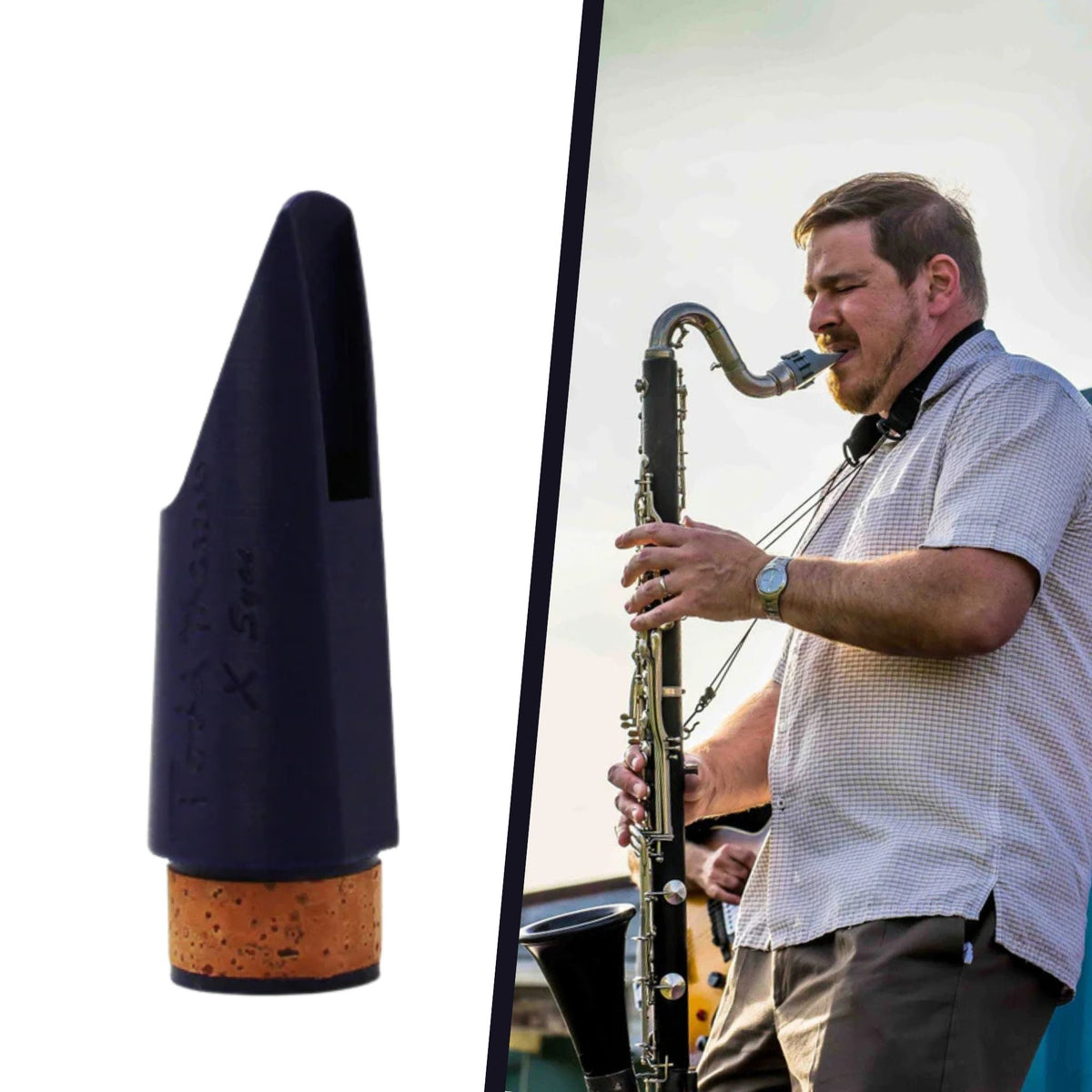
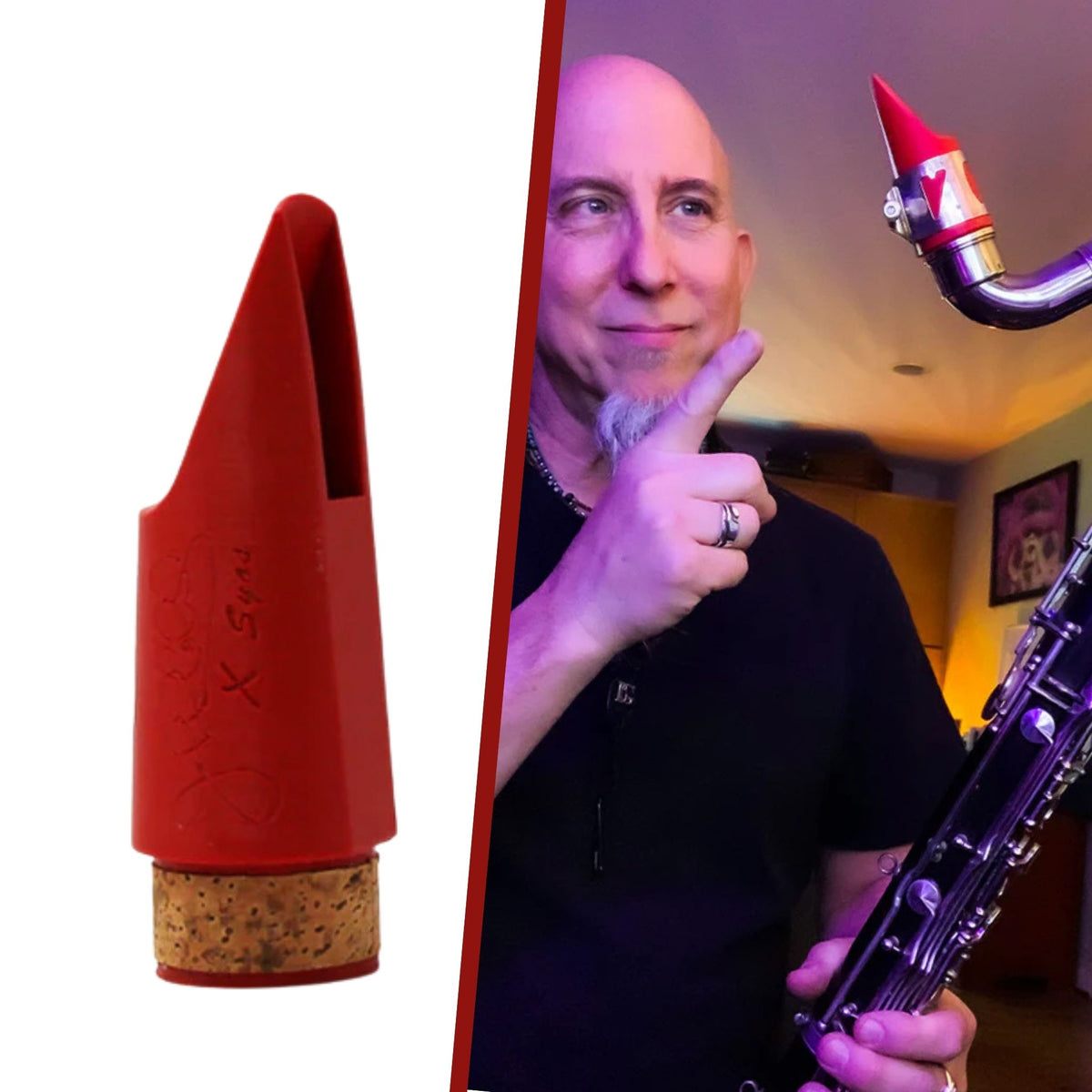
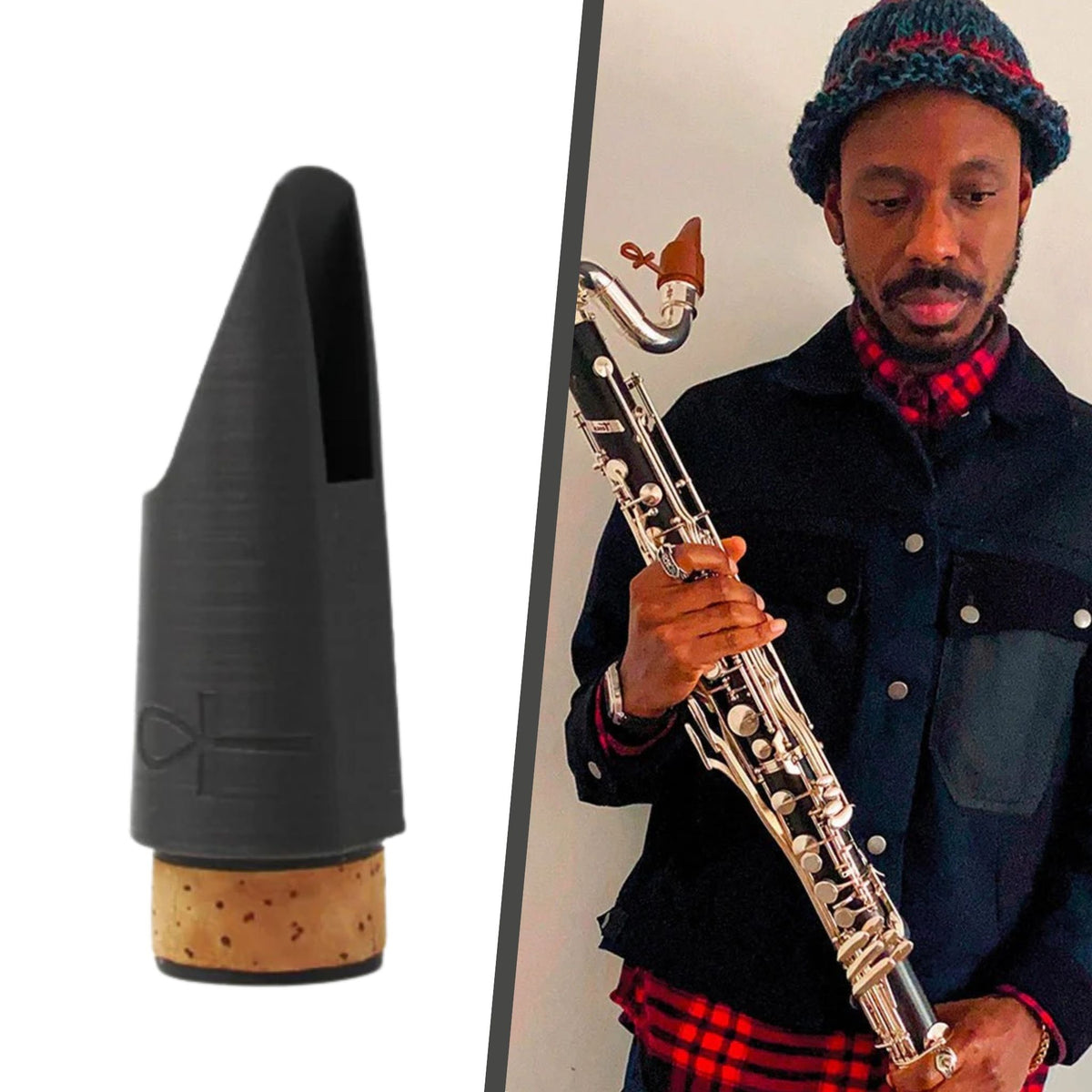
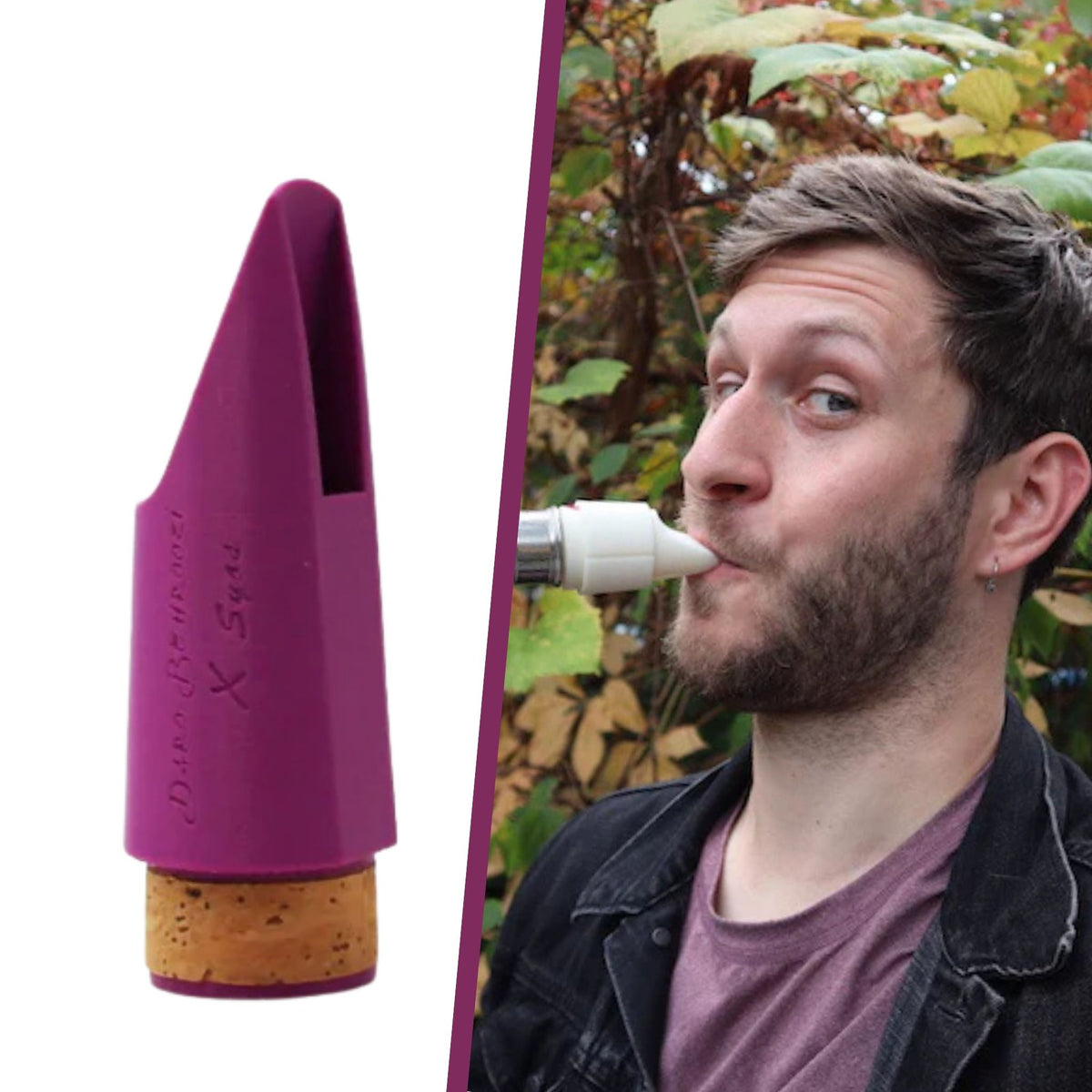
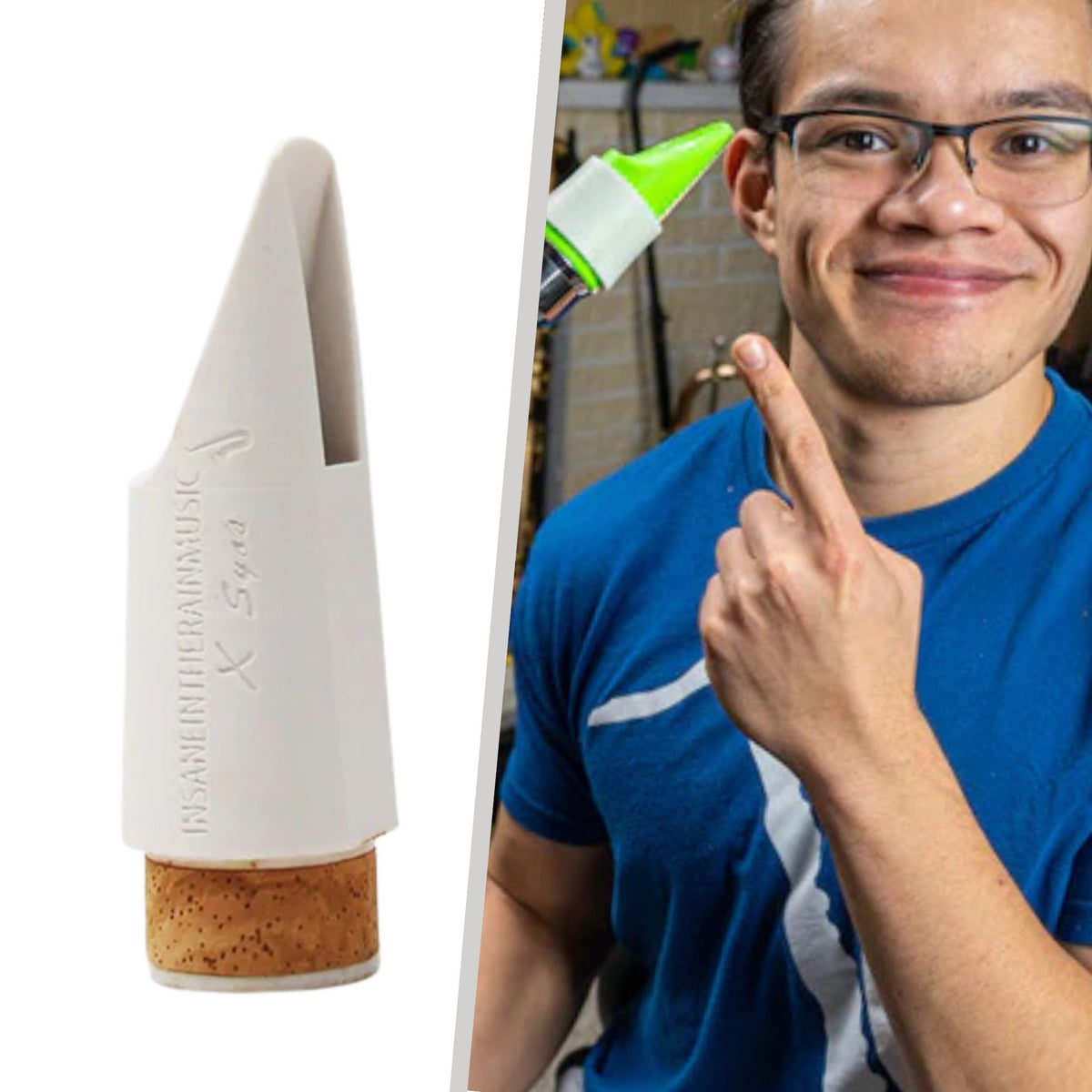
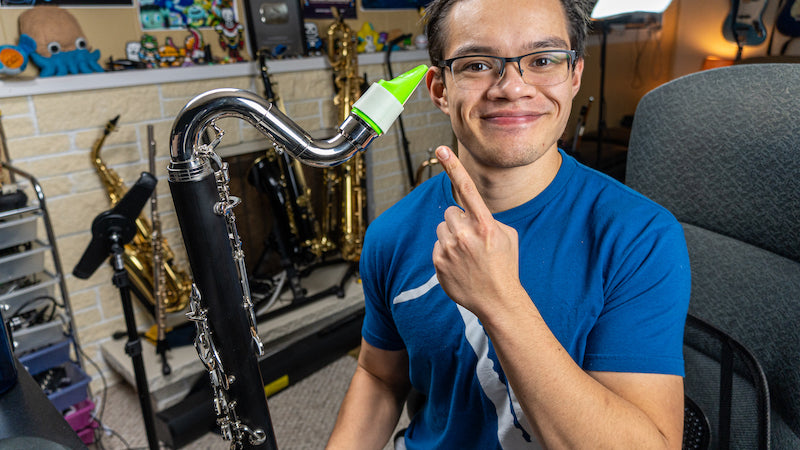
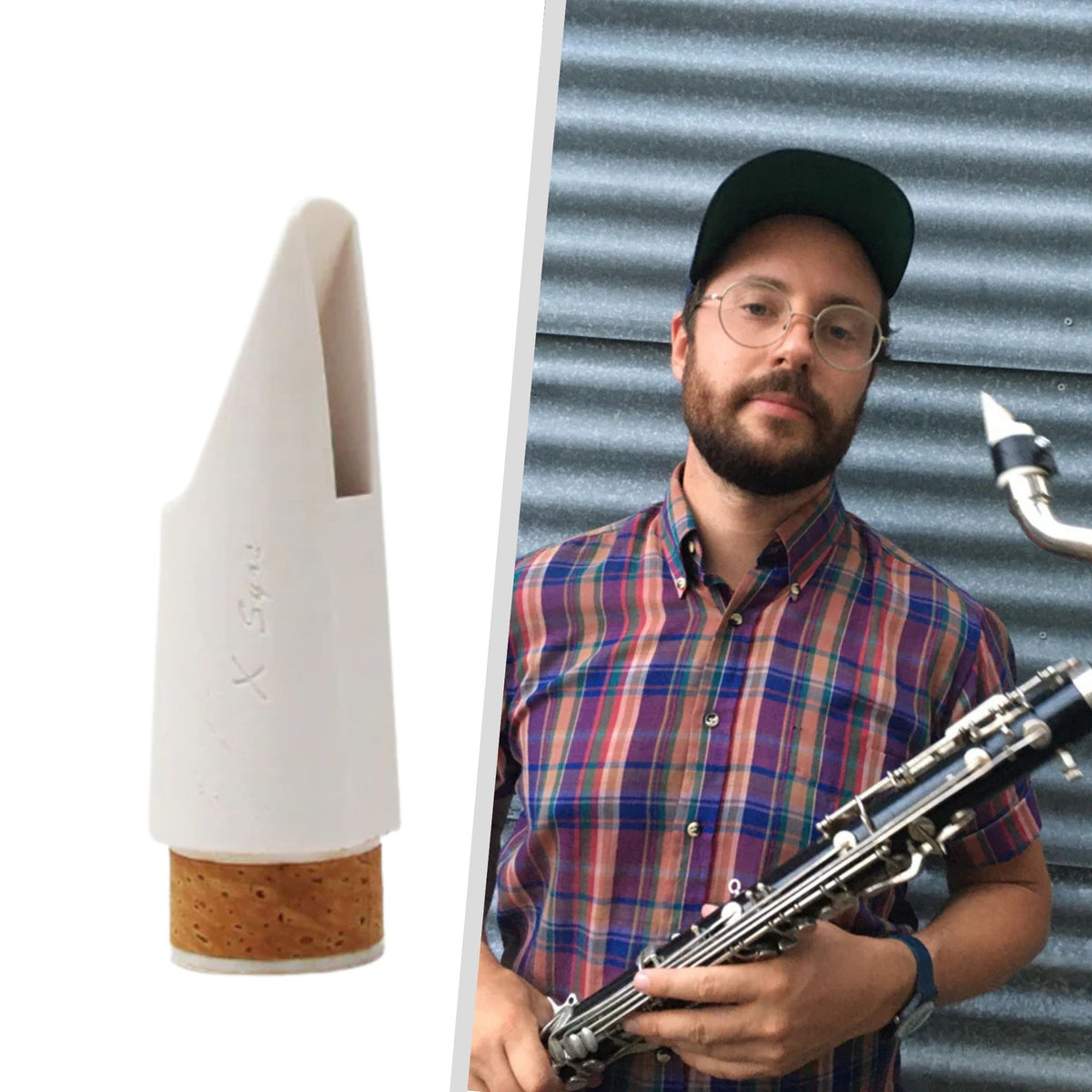
Among the Signature models, Daro Behroozi, Shabaka Hutchings, and Todd Marcus all have their own bass clarinet mouthpieces developed with Syos — each with a distinct voice rooted in jazz and contemporary playing.
Which mouthpiece is best for experimental and extended techniques?
The bass clarinet has become a central instrument in experimental, free jazz, and avant-garde music — and that demands a mouthpiece that can handle extreme dynamic range, multiphonics, and unconventional playing techniques.
The Syos Originals Spark is the strongest option here. Its step baffle and small rectangular chamber produce a focused, powerful sound that responds immediately to unconventional air and embouchure demands. Tip openings 7 and above (2.10 mm+) give the flexibility these techniques require.
The Insaneintherain and Arrington de Dionyso Signature models are built for exactly this territory — both artists push the bass clarinet well beyond its traditional boundaries.
Are SYOS mouthpieces good for beginners?
Yes — because Syos mouthpieces are engineered to be easy to play.
The bass clarinet is a physically demanding instrument, and beginners benefit most from mouthpieces that make the fundamentals easier: stable intonation, smooth register transitions, and immediate, predictable response. That's exactly what Syos optimises for. Our acoustic simulation process removes the guesswork from geometry, so you get a mouthpiece that responds consistently and doesn't fight you as you're building your embouchure and air support.
Choose the right tip opening: beginners often struggle with very wide tip openings because they require more air volume and embouchure control than most players have developed early on. Start with a tip opening 5 or 6 (1.90–2.00 mm). It gives you enough resistance to build proper technique without fighting the mouthpiece.
The Syos Originals Smoky is a strong first choice for beginners: its large trapezoidal chamber and straight ceiling make emission easy and natural, with a warm, forgiving response that rewards good air support without punishing imprecision.
The most important thing to know: every Syos mouthpiece comes with a 30-day trial period. You can play it in real conditions — rehearsals, concerts, practice sessions — and return it if it's not right. For beginners especially, that guarantee matters. You're not locked into a decision before you've had time to really hear yourself play.
Why are SYOS mouthpieces easy to play?
Playability comes down to geometry. Syos uses acoustic simulation to optimise the internal shape of each mouthpiece — the chamber, ceiling, and bore — so that sound production is efficient and responsive. This means stable intonation across the range, smooth transitions between registers, and immediate response to your air and embouchure changes. Rather than fighting the mouthpiece or compensating for poor geometry, you can focus on your sound and your music. That's what "easy to play" means: the mouthpiece works with you, not against you.