










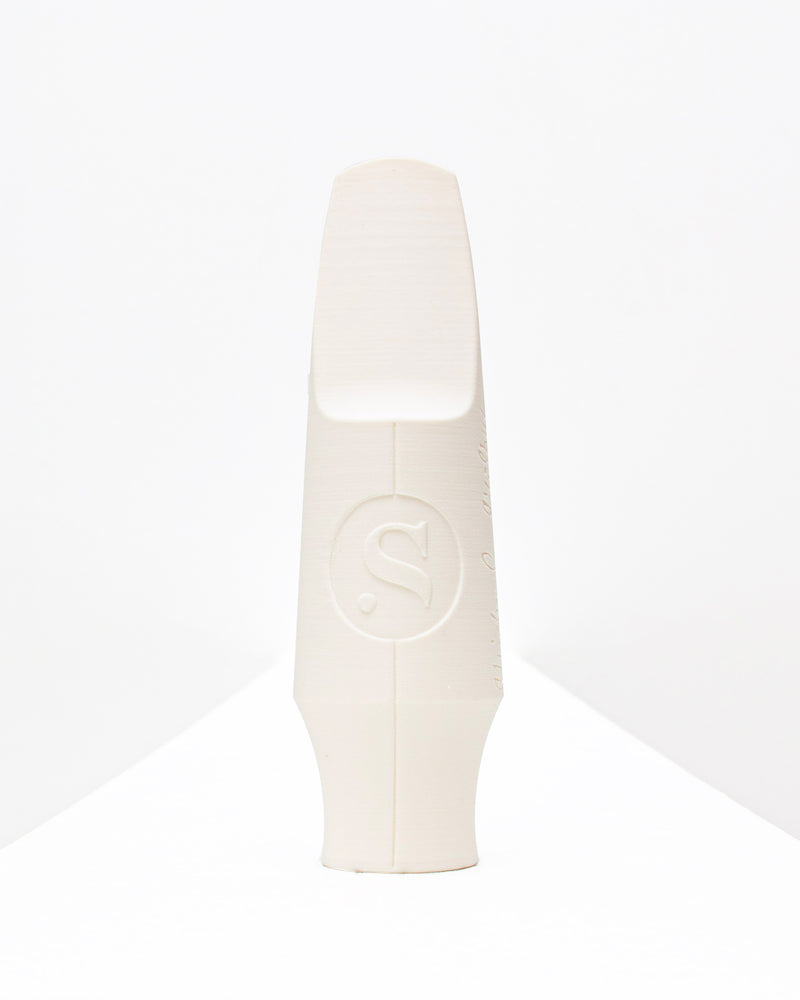
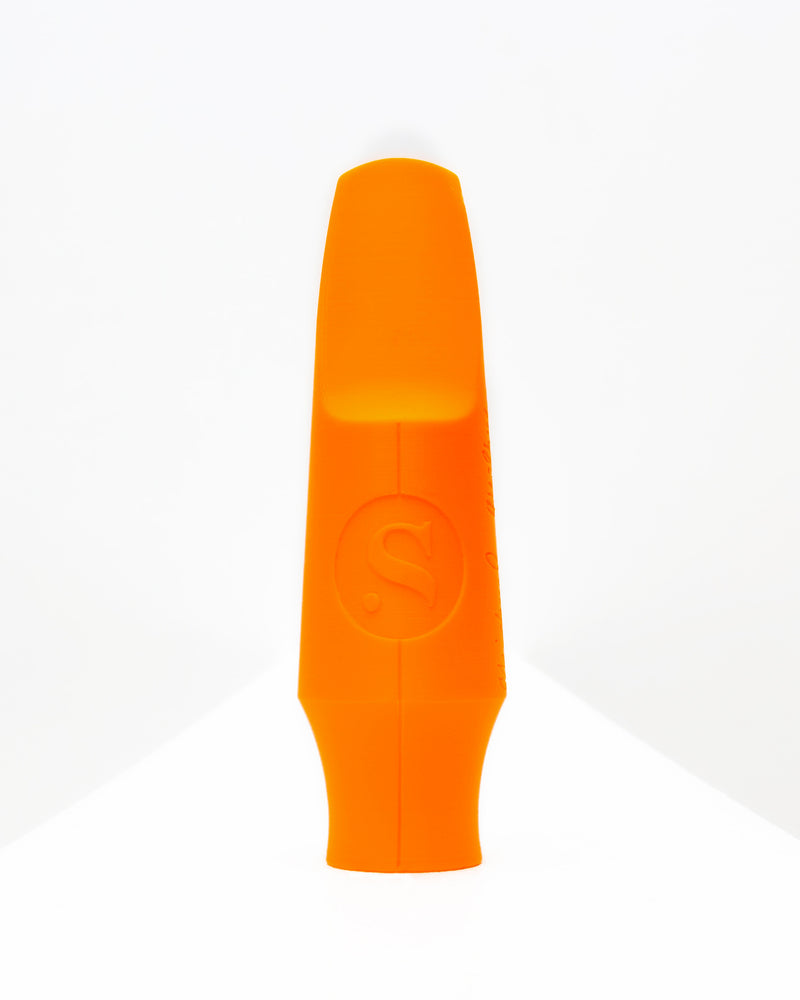
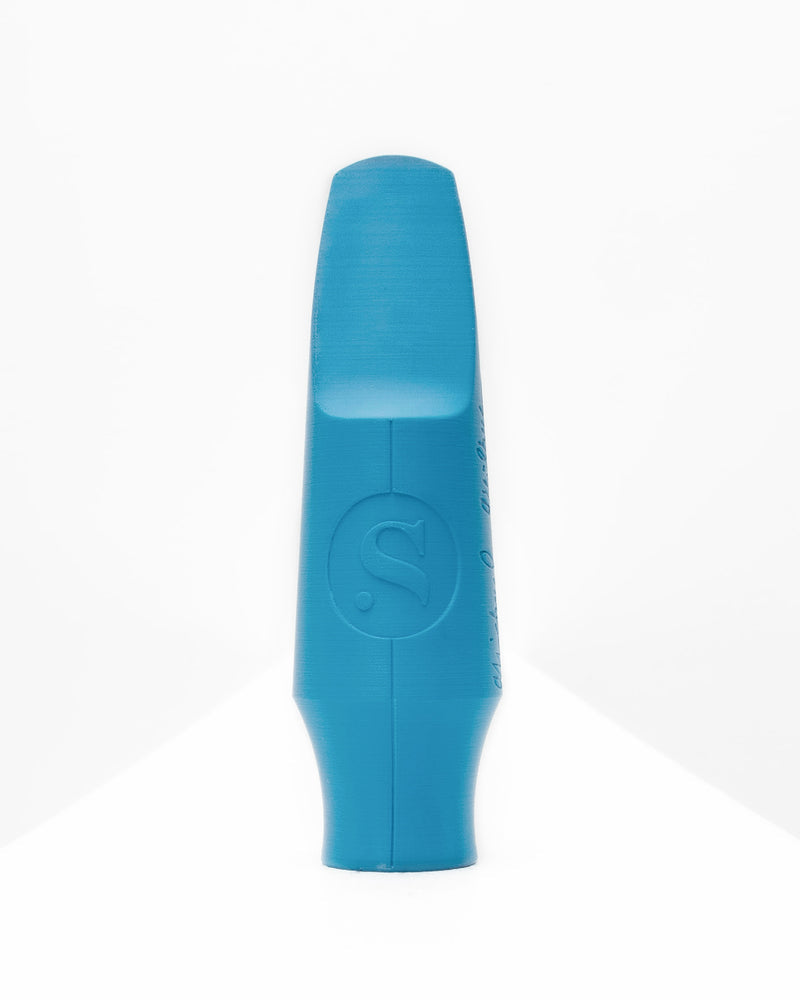
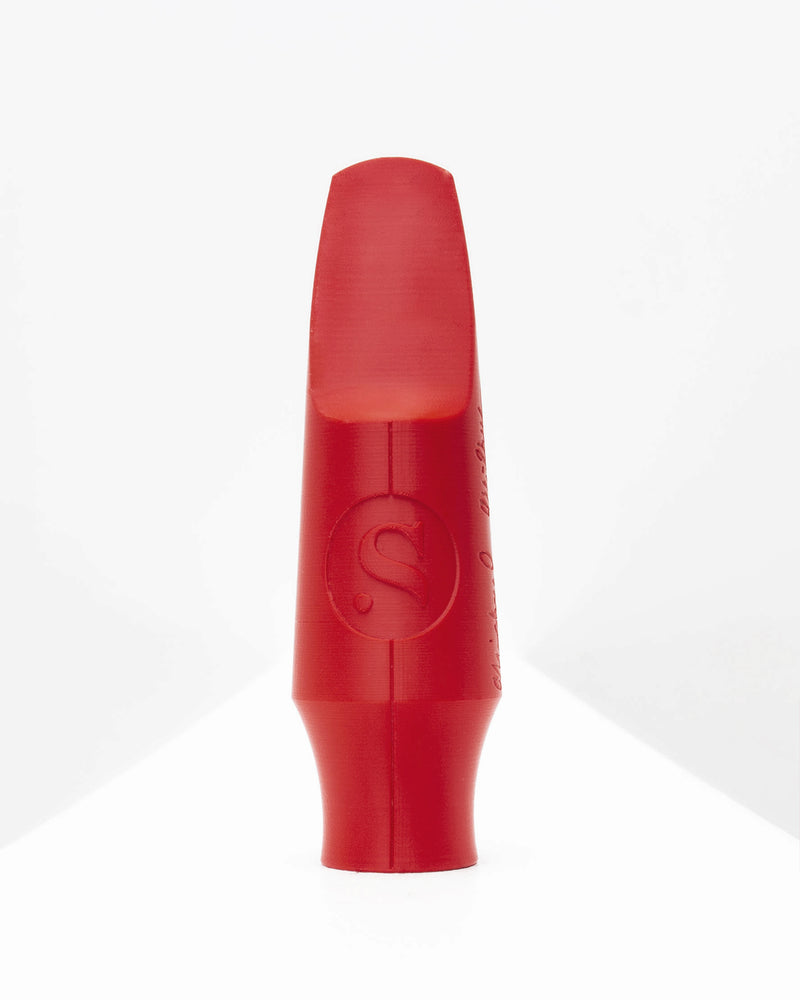














































You did not find the product you love ?
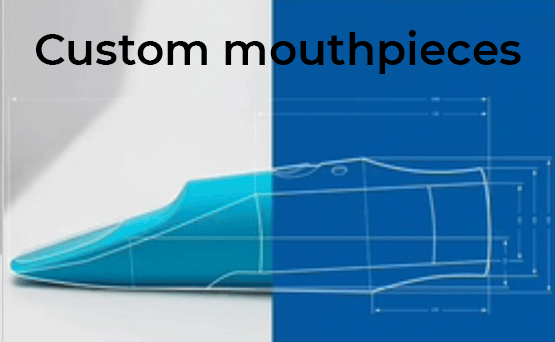
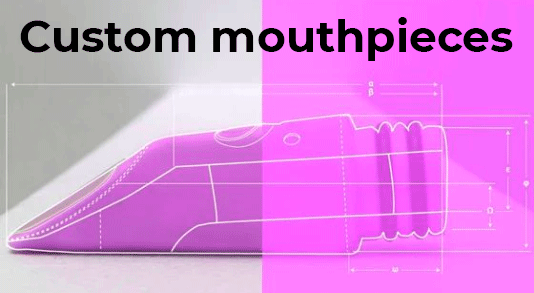
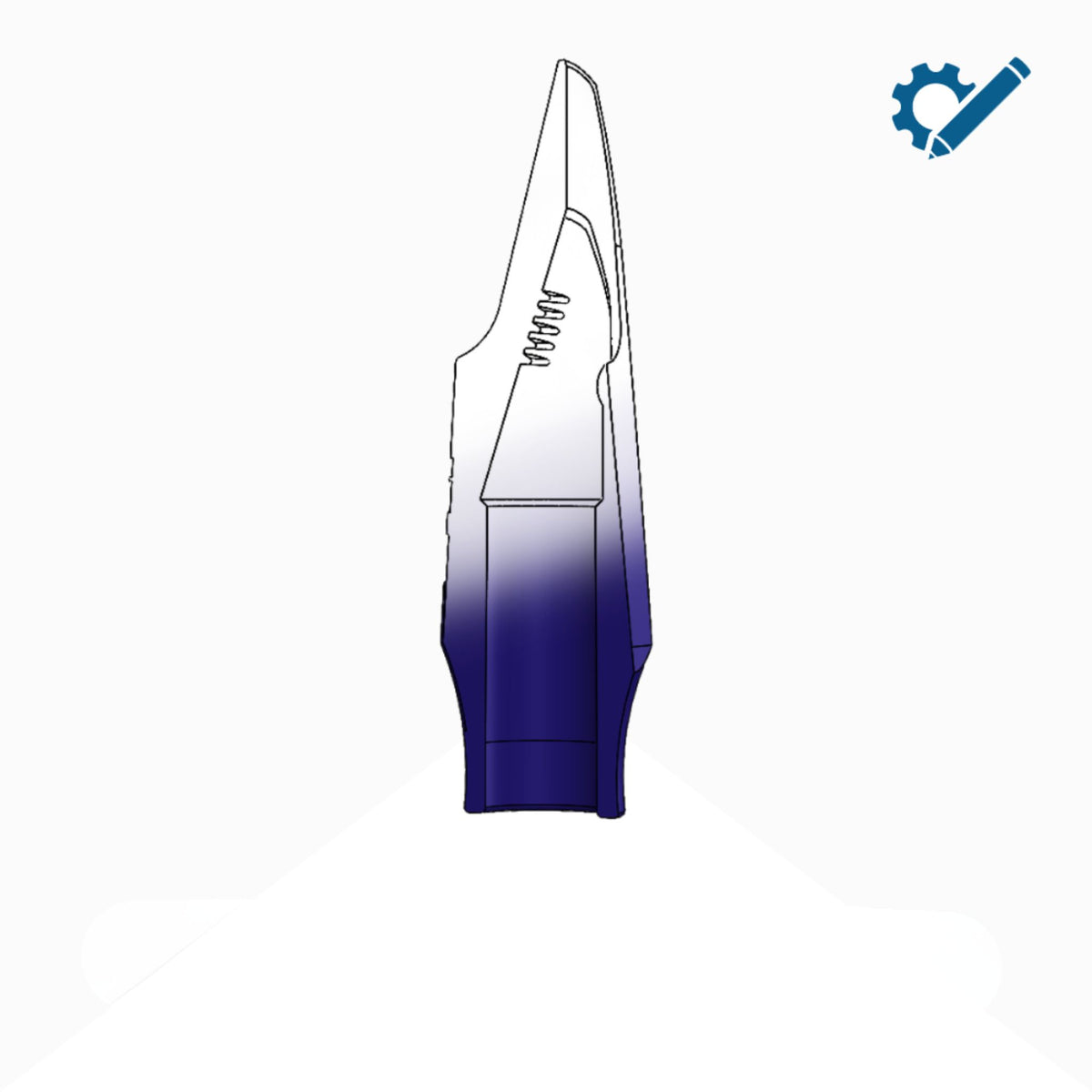
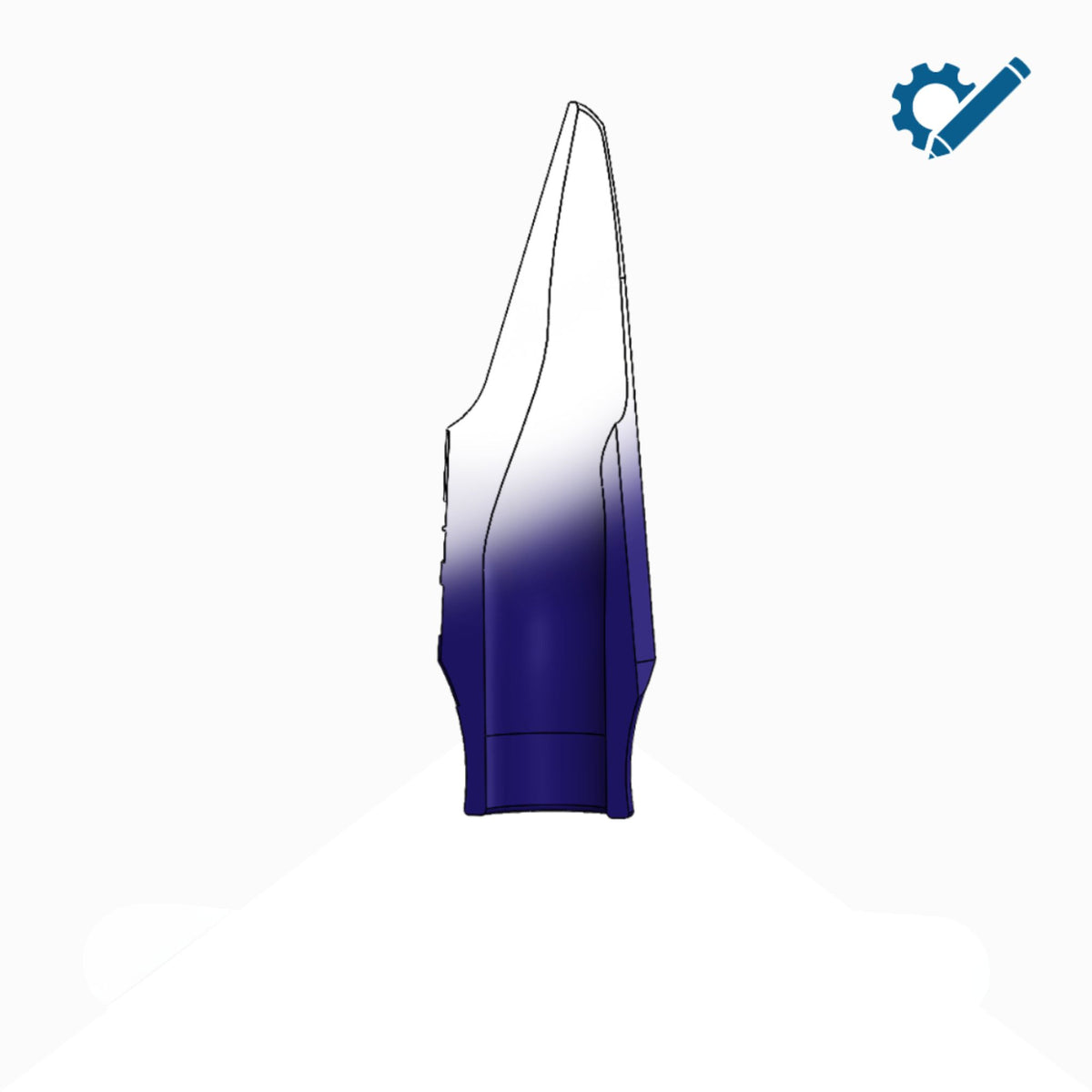
Make your own mouthpiece
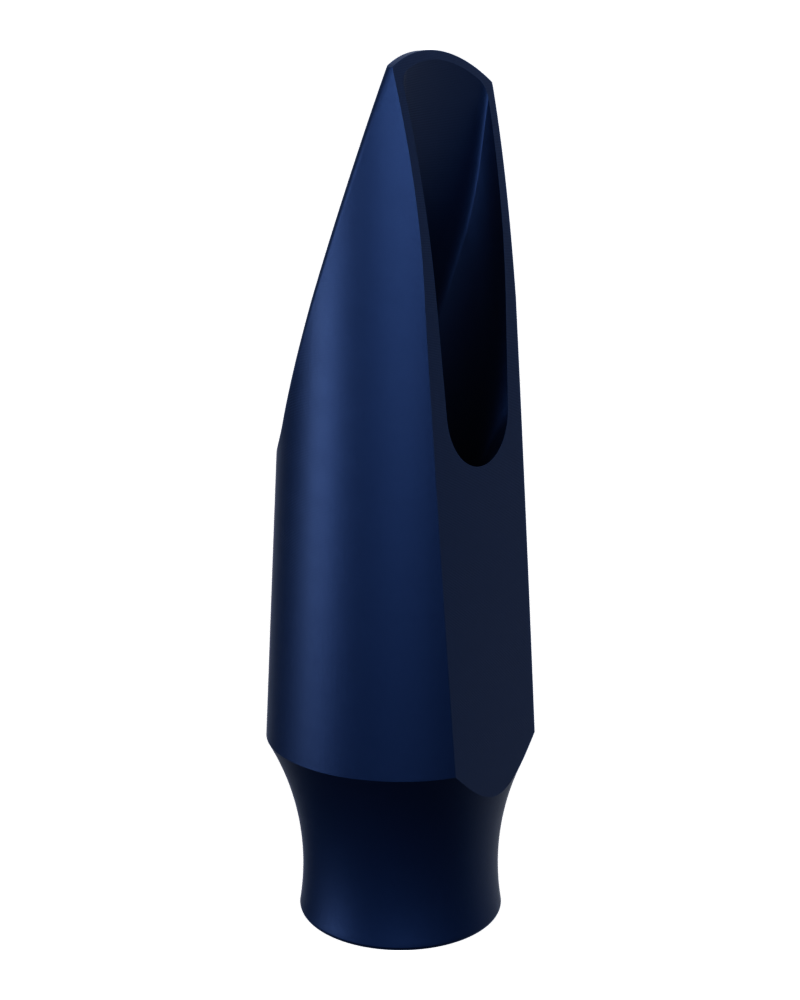
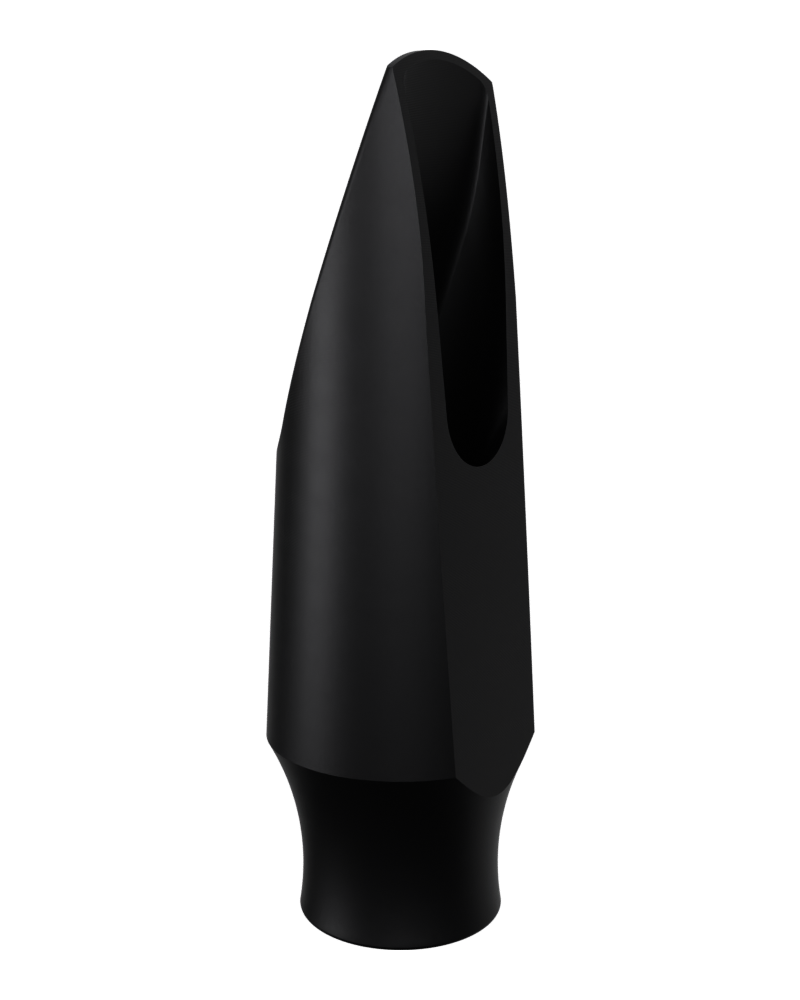
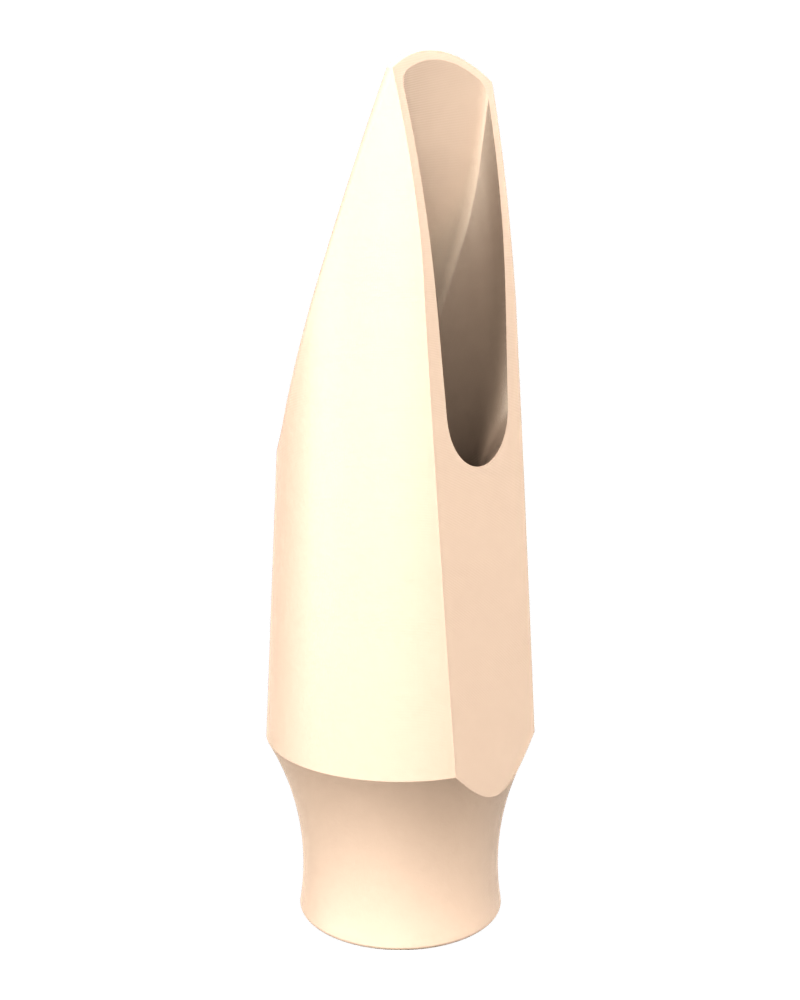
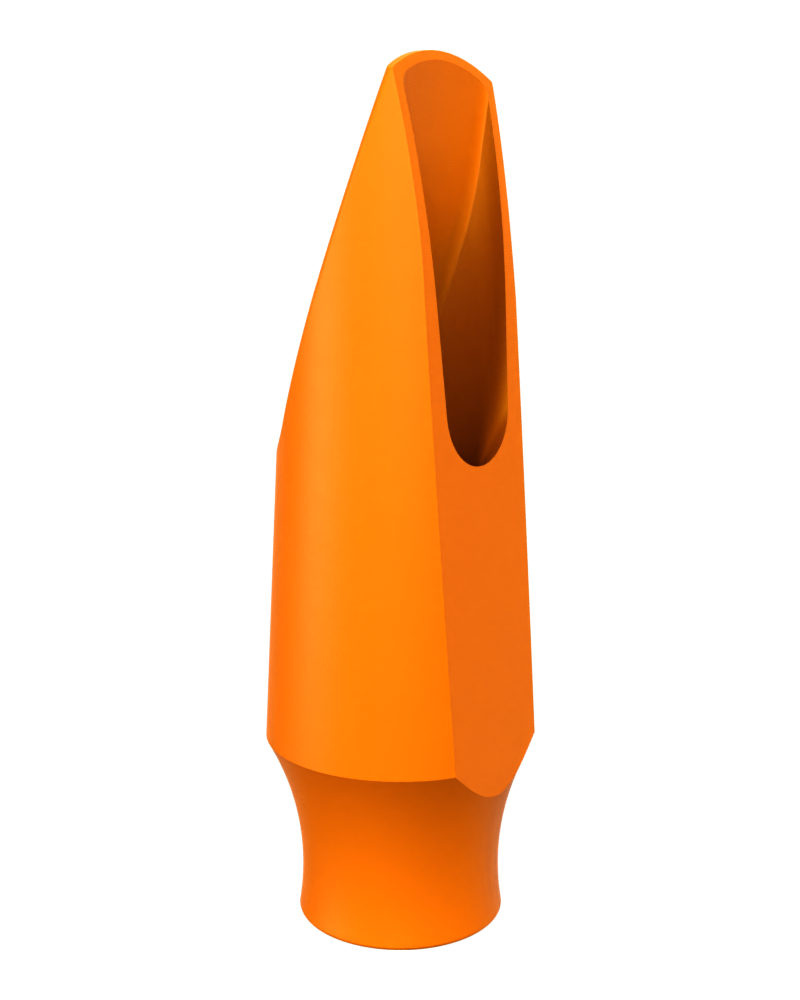
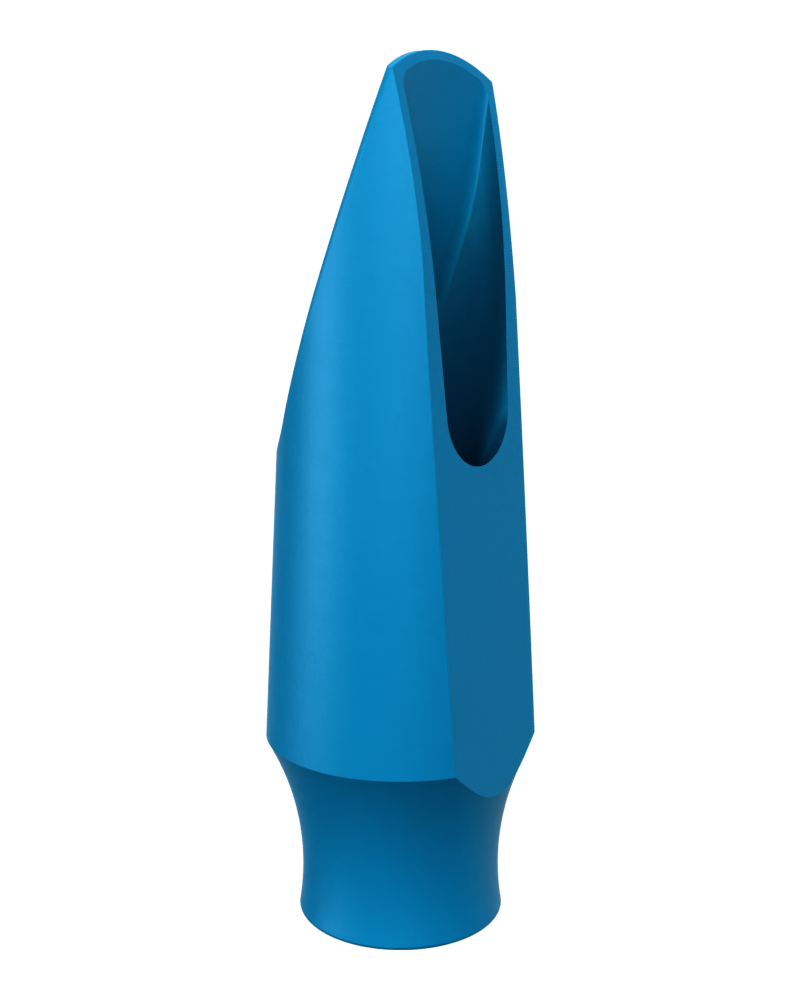
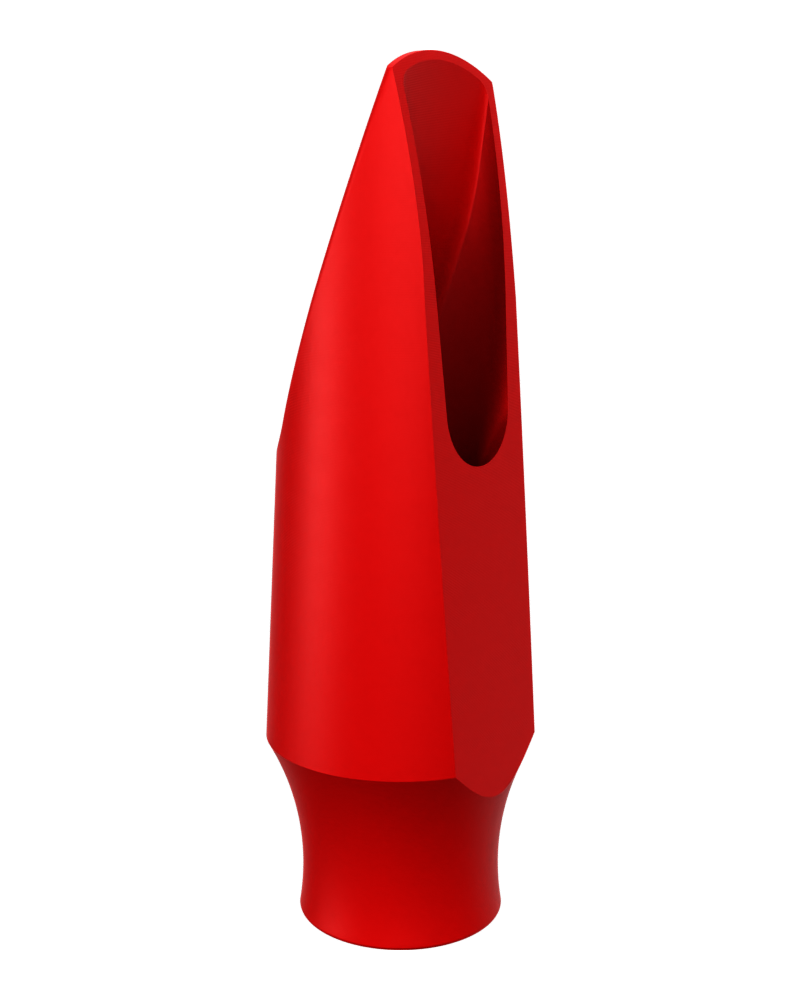
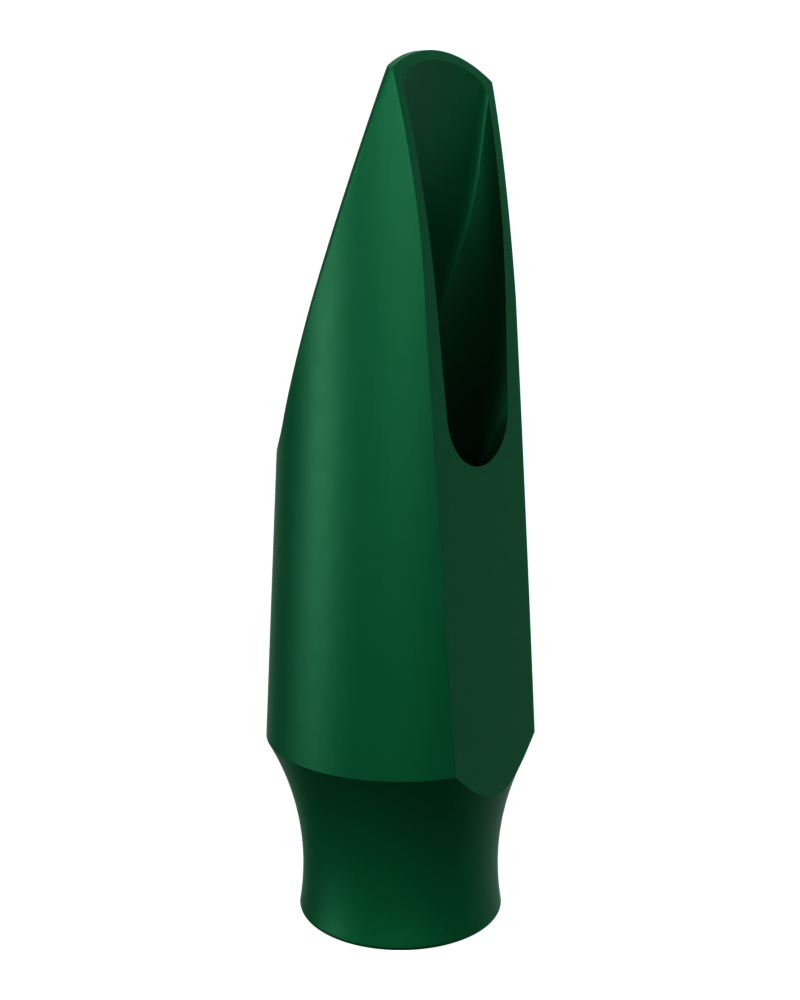
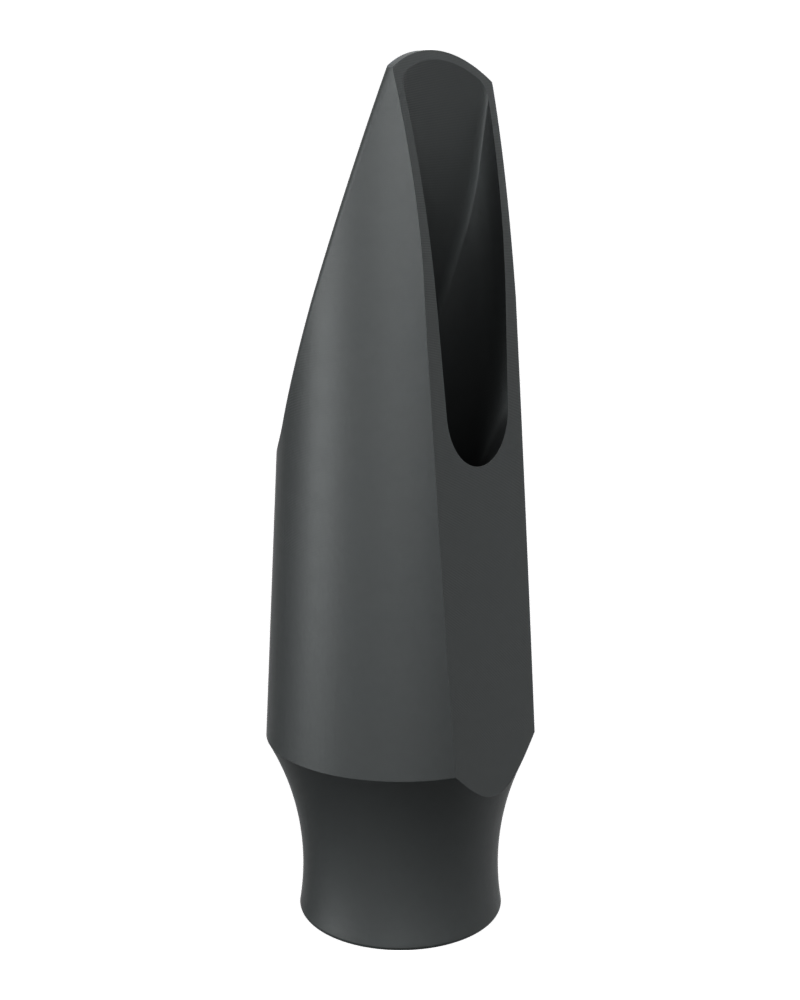
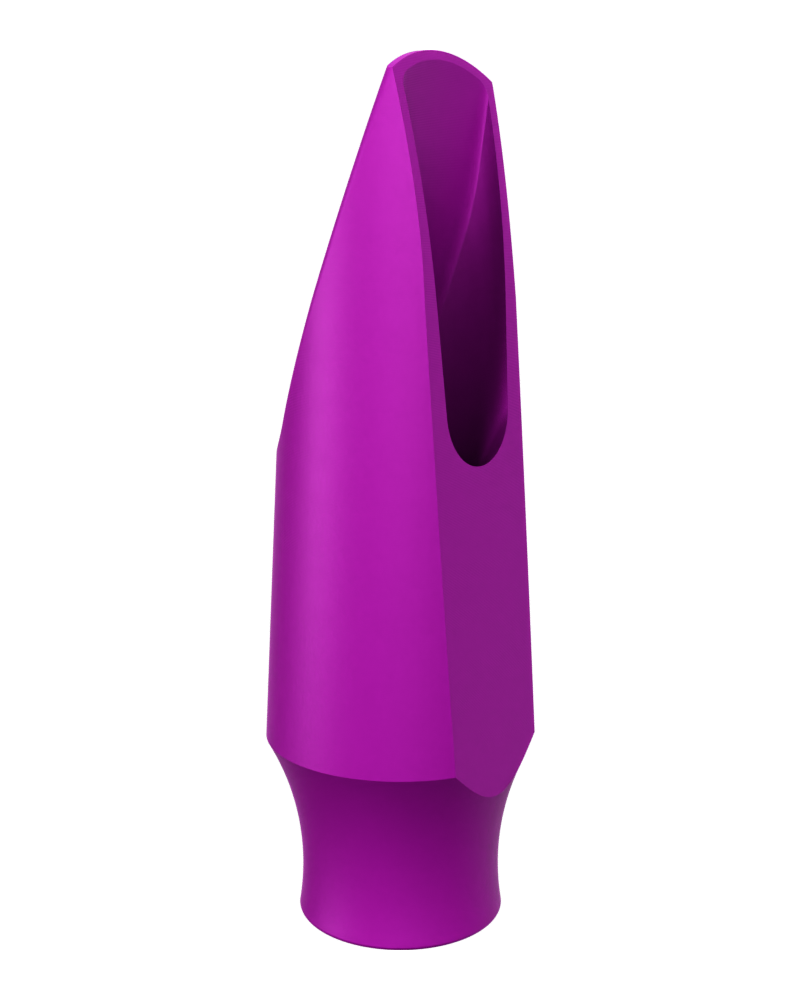
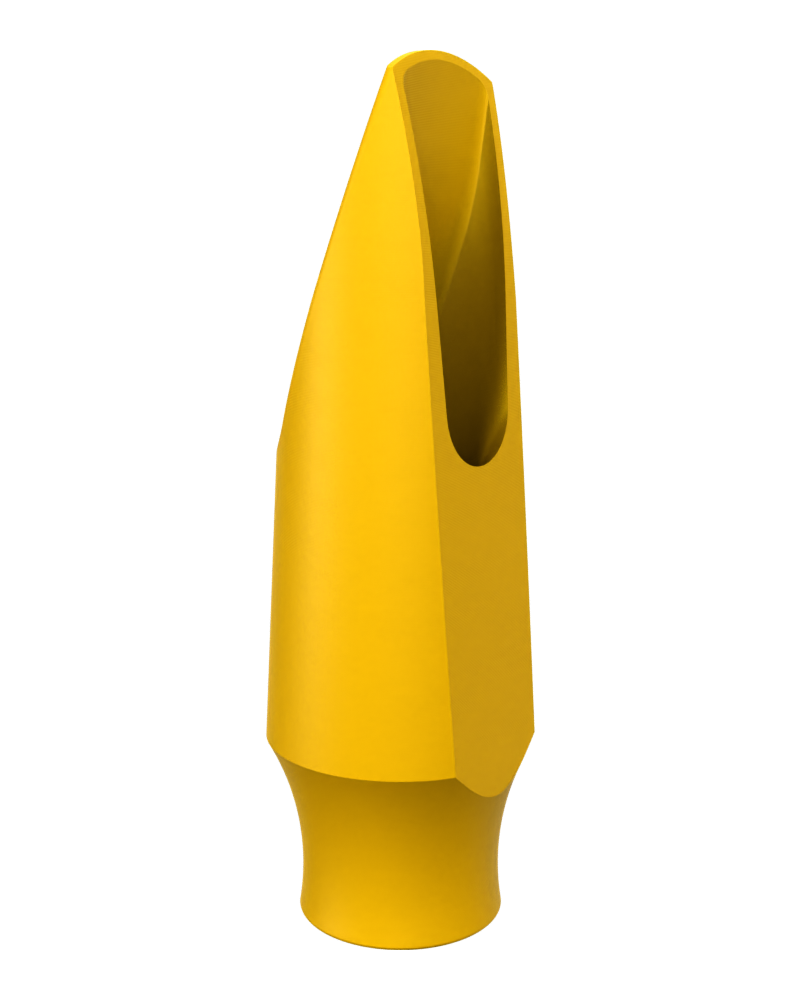
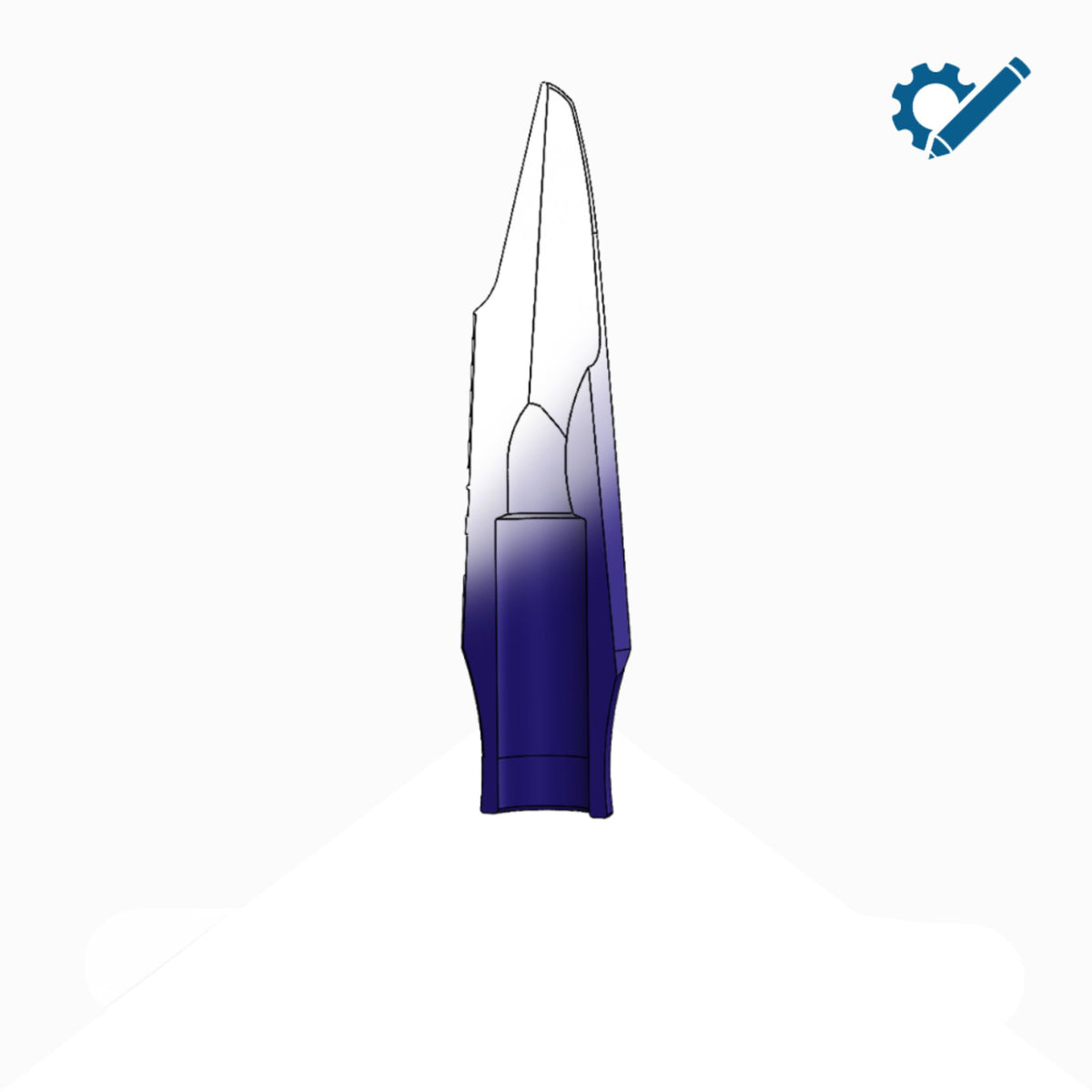
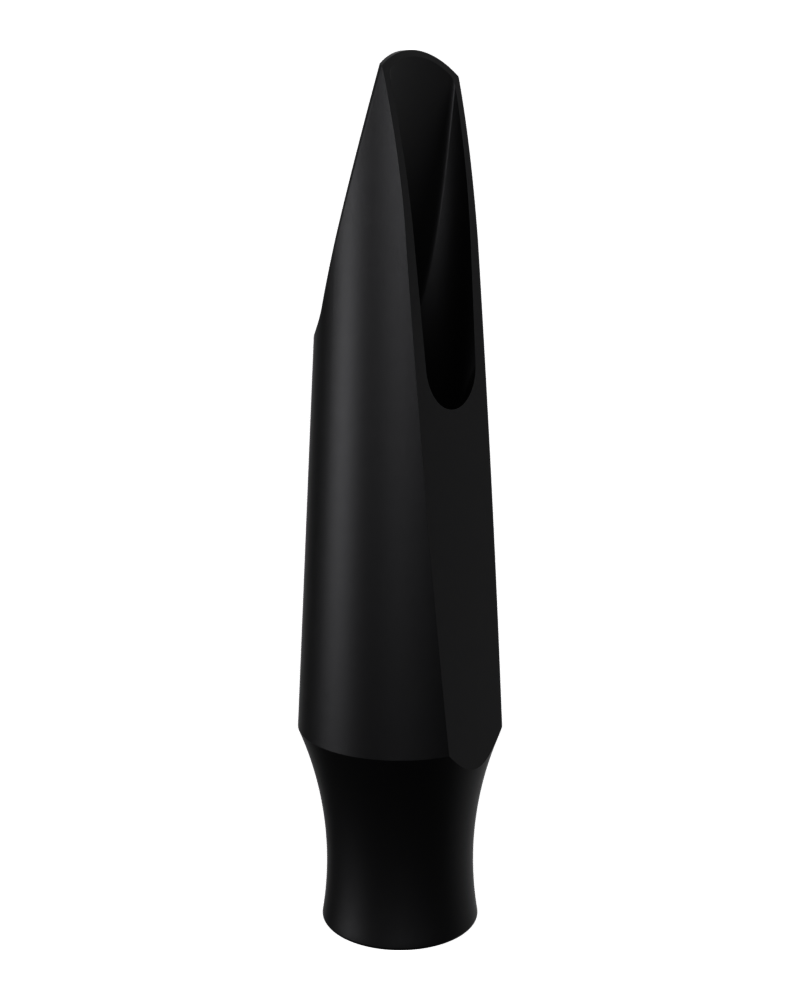
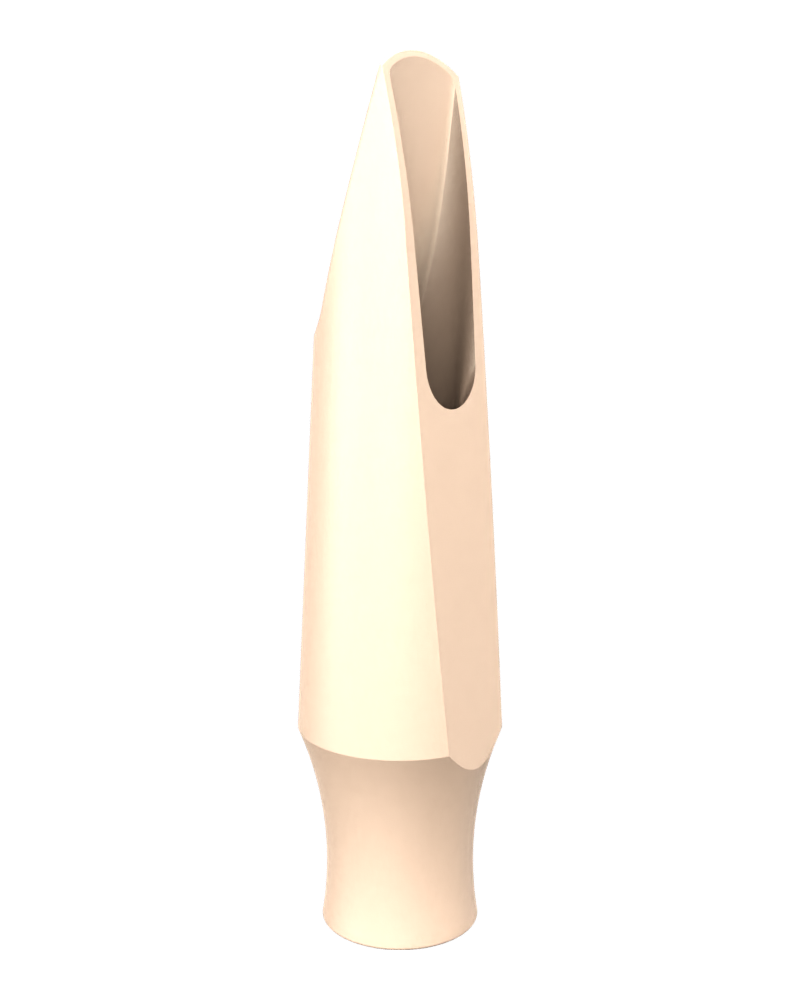
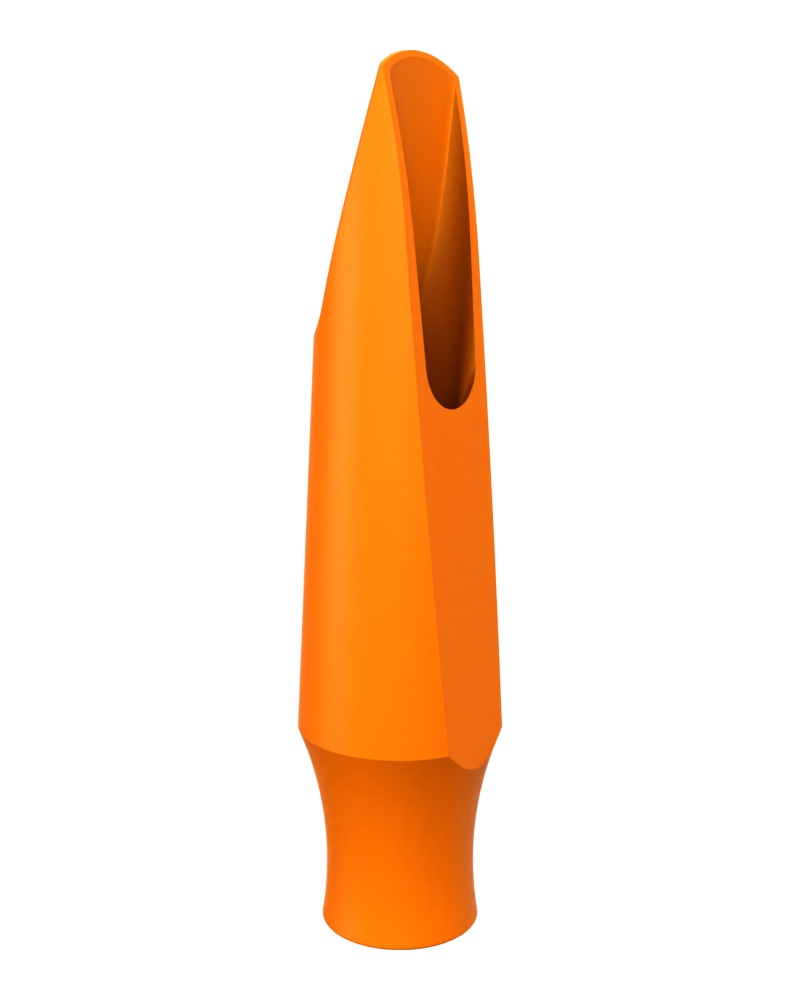
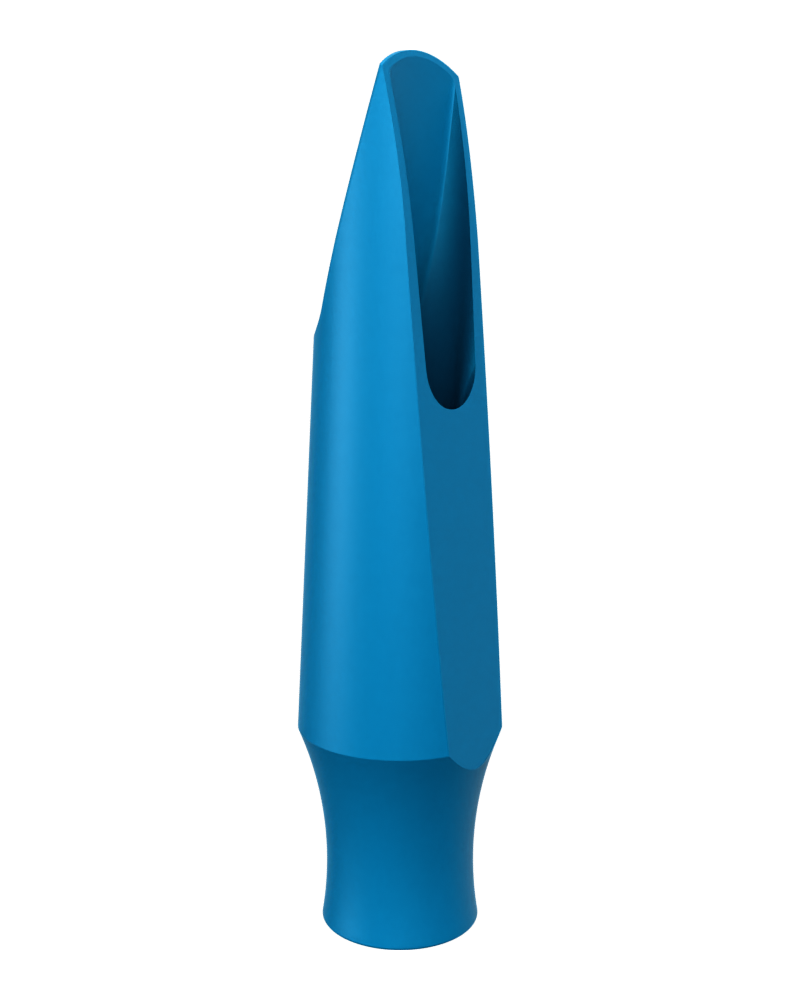
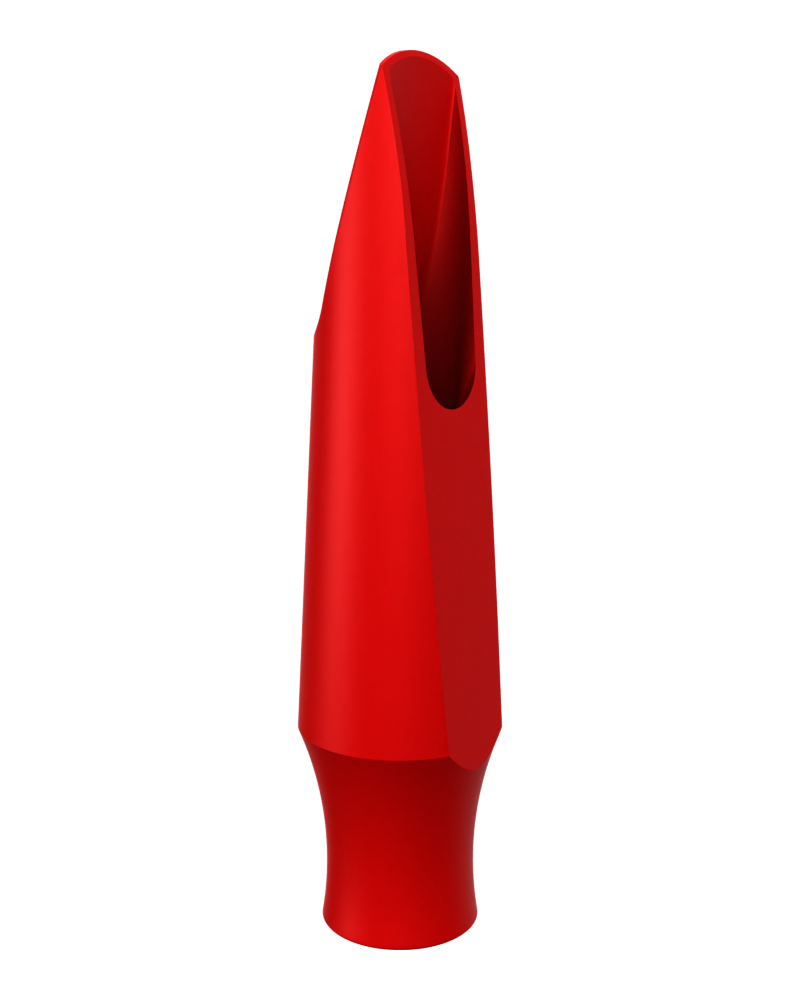
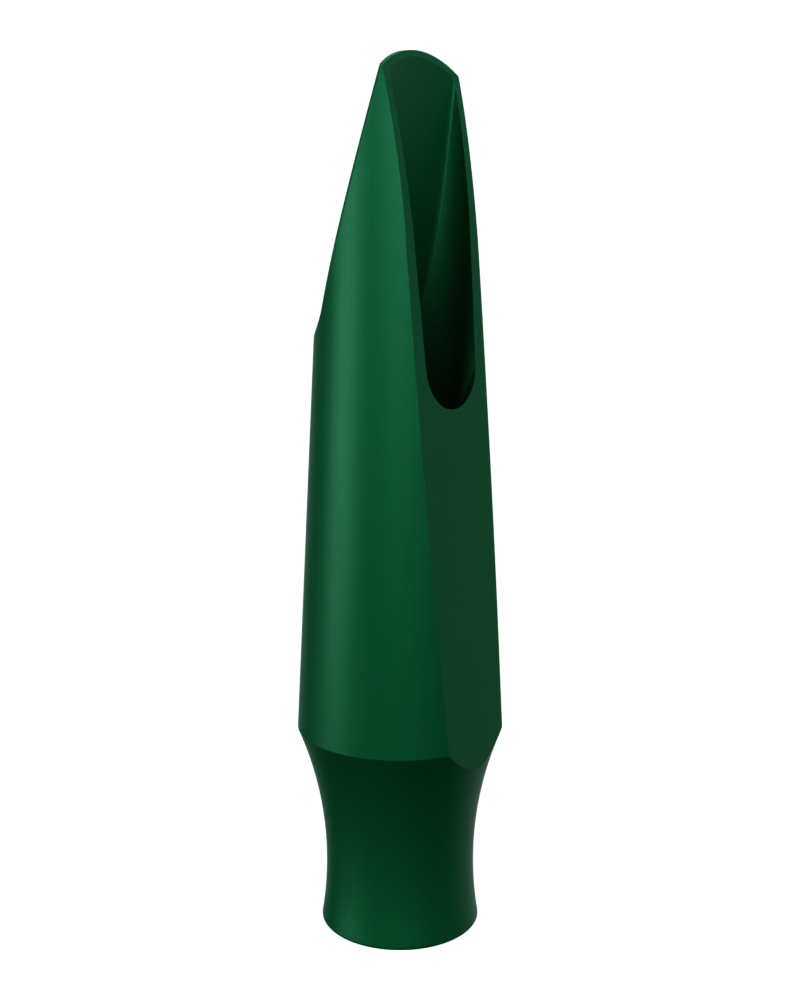
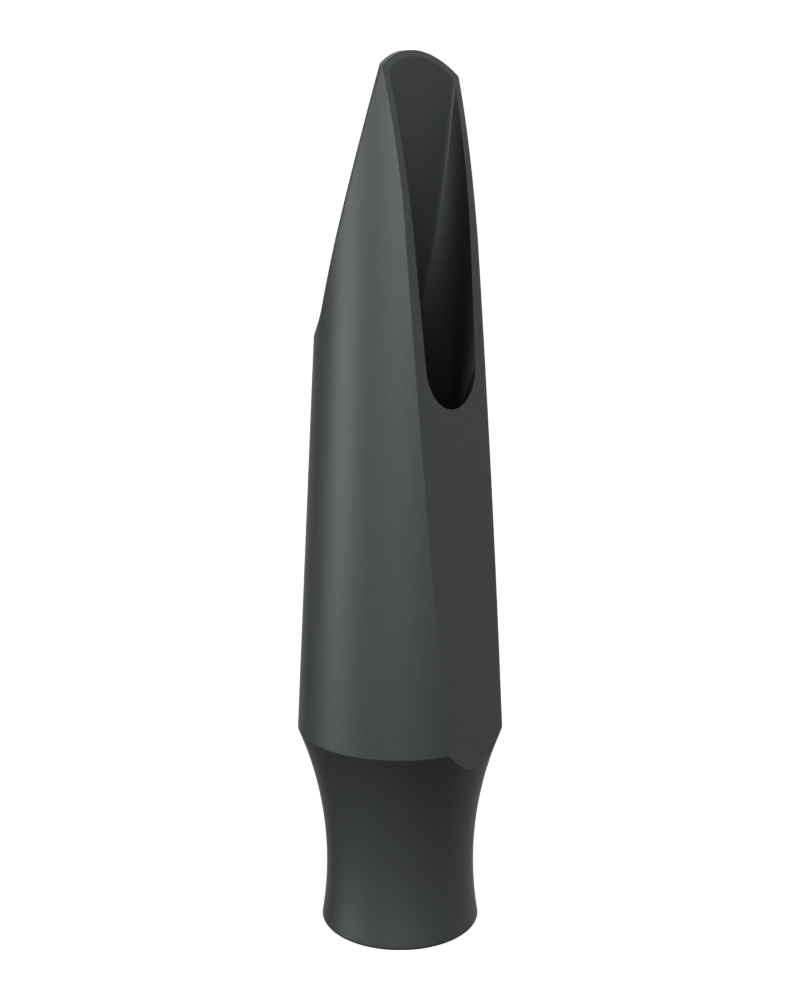
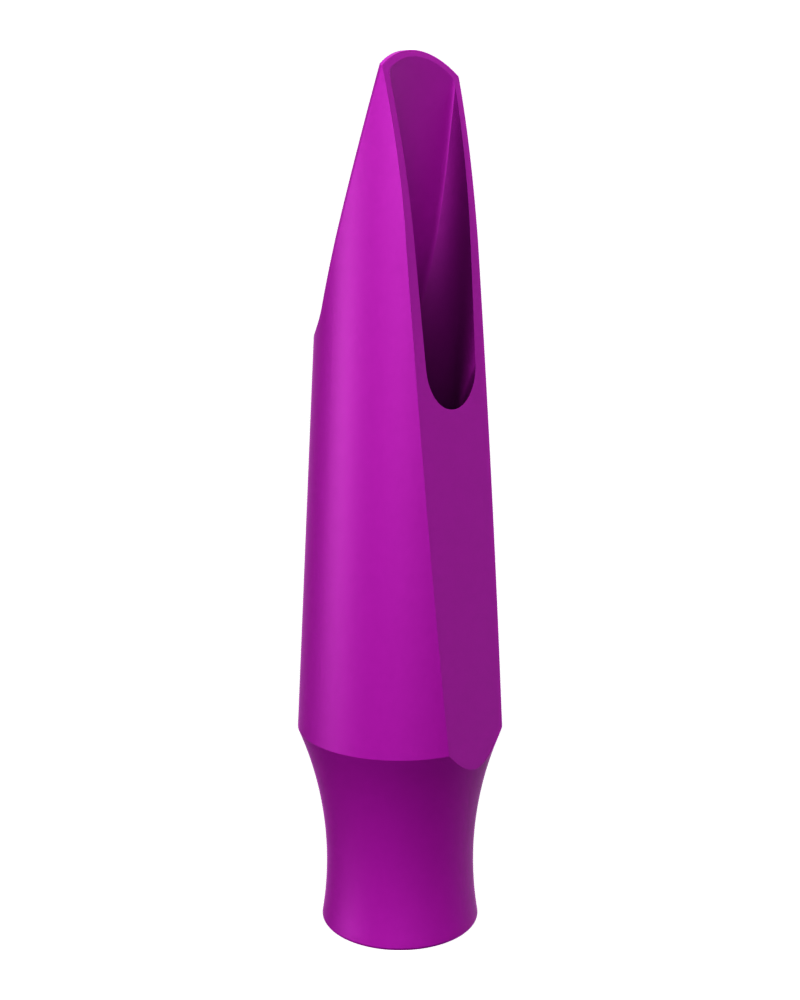
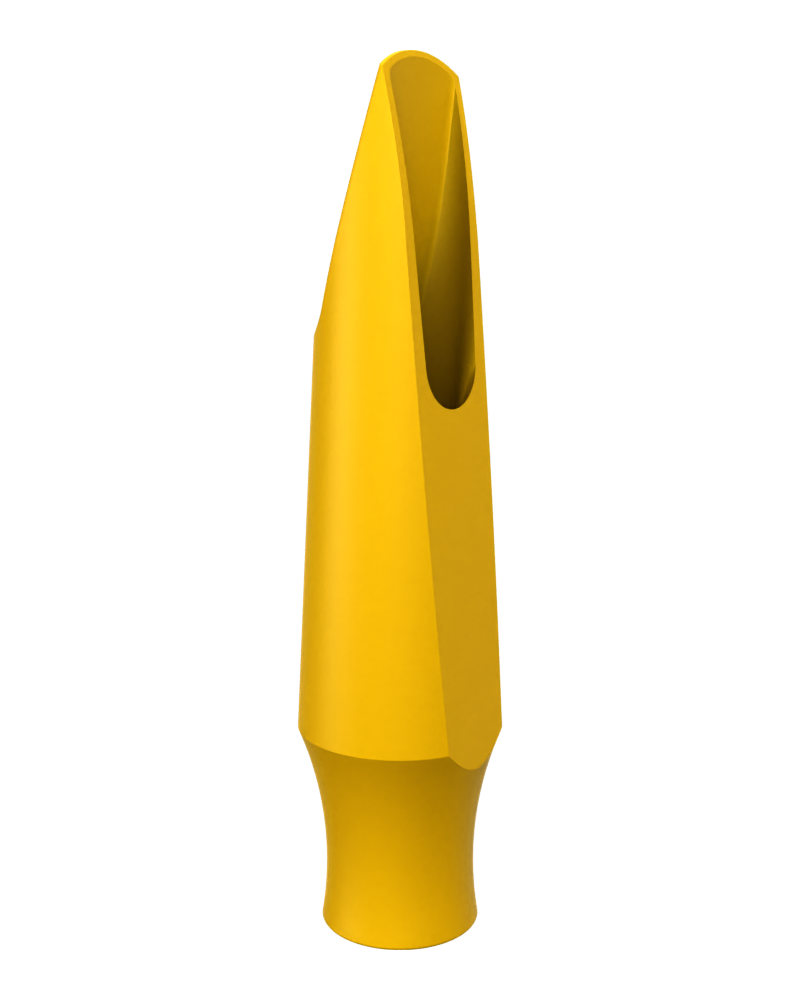
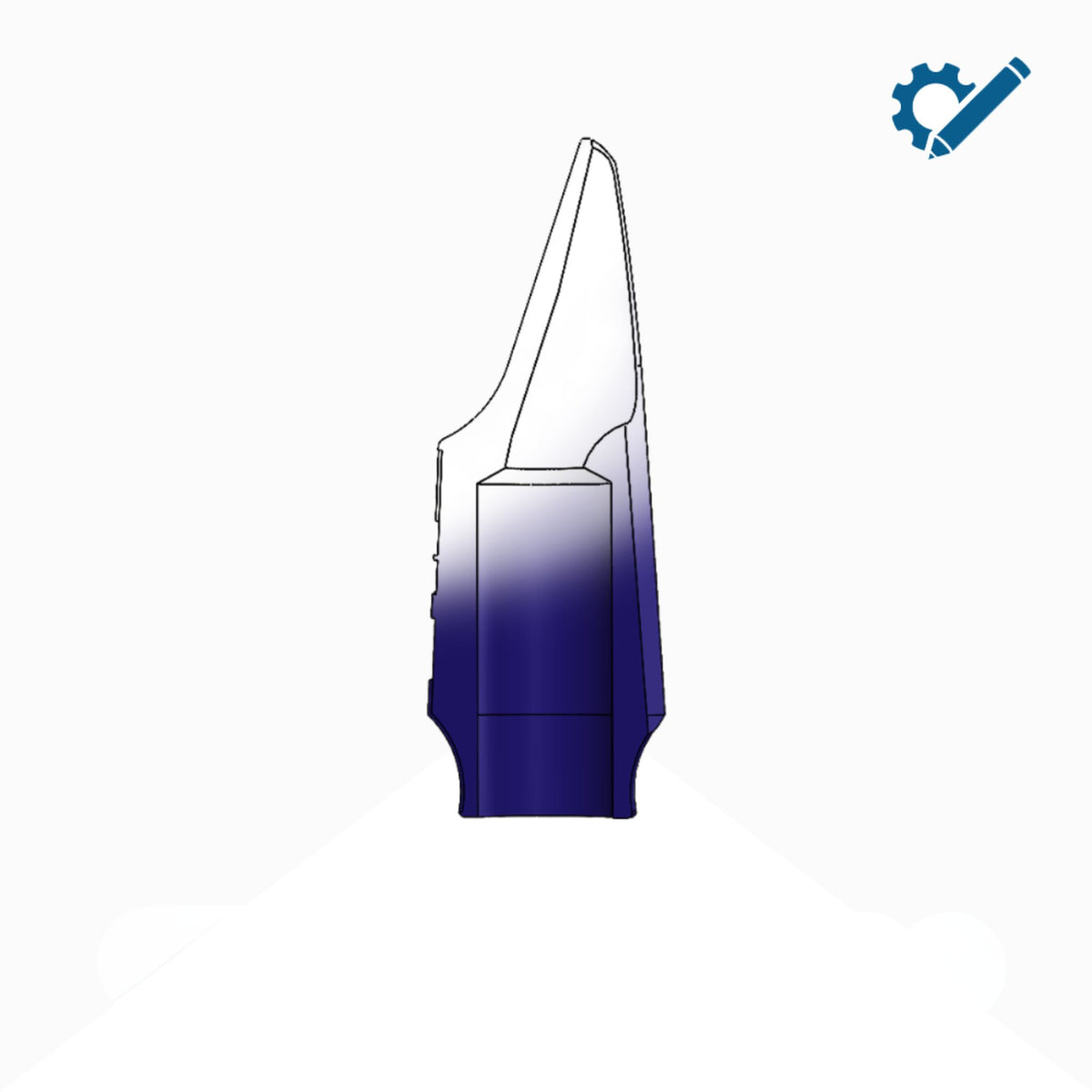
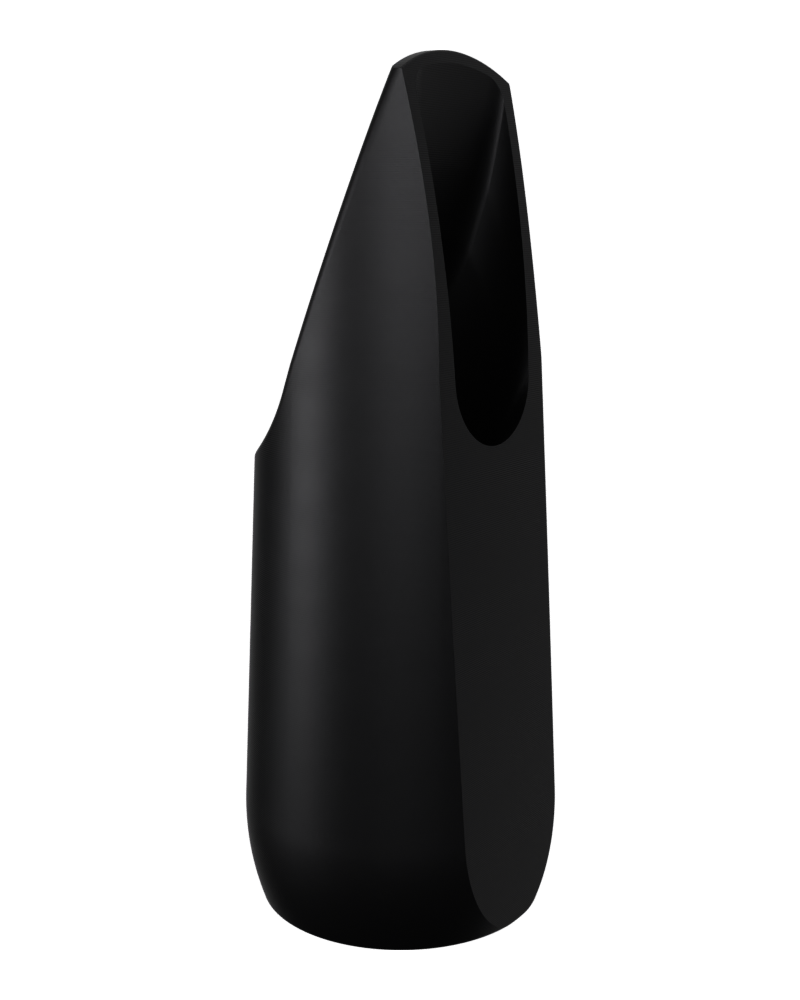
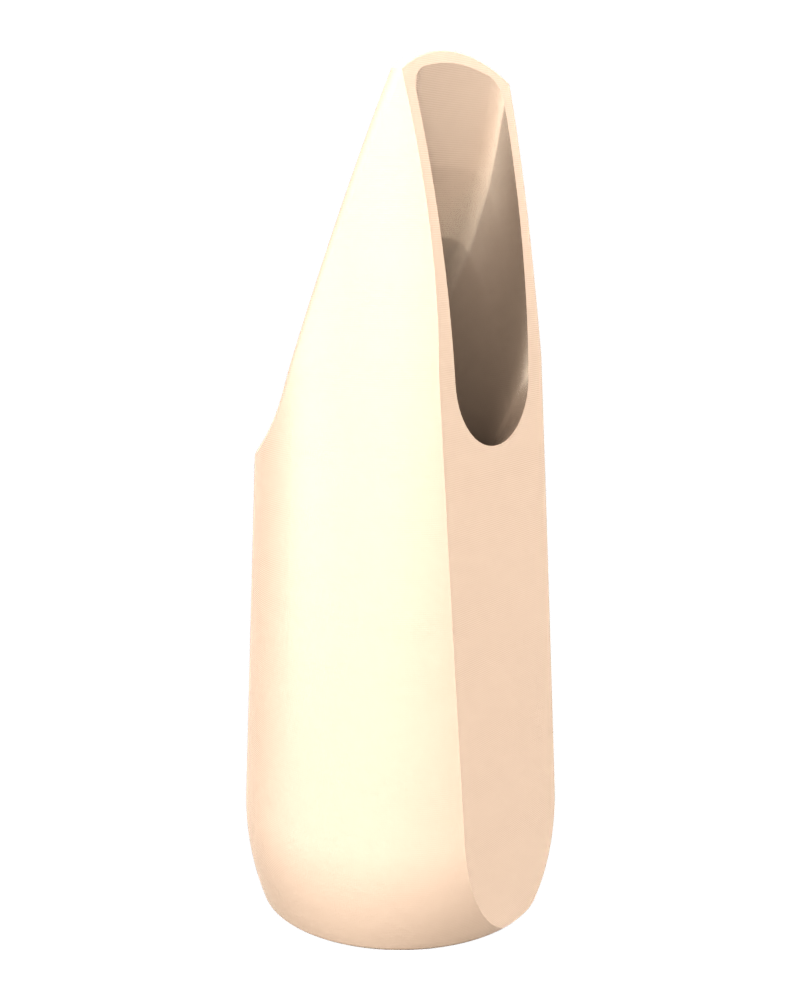
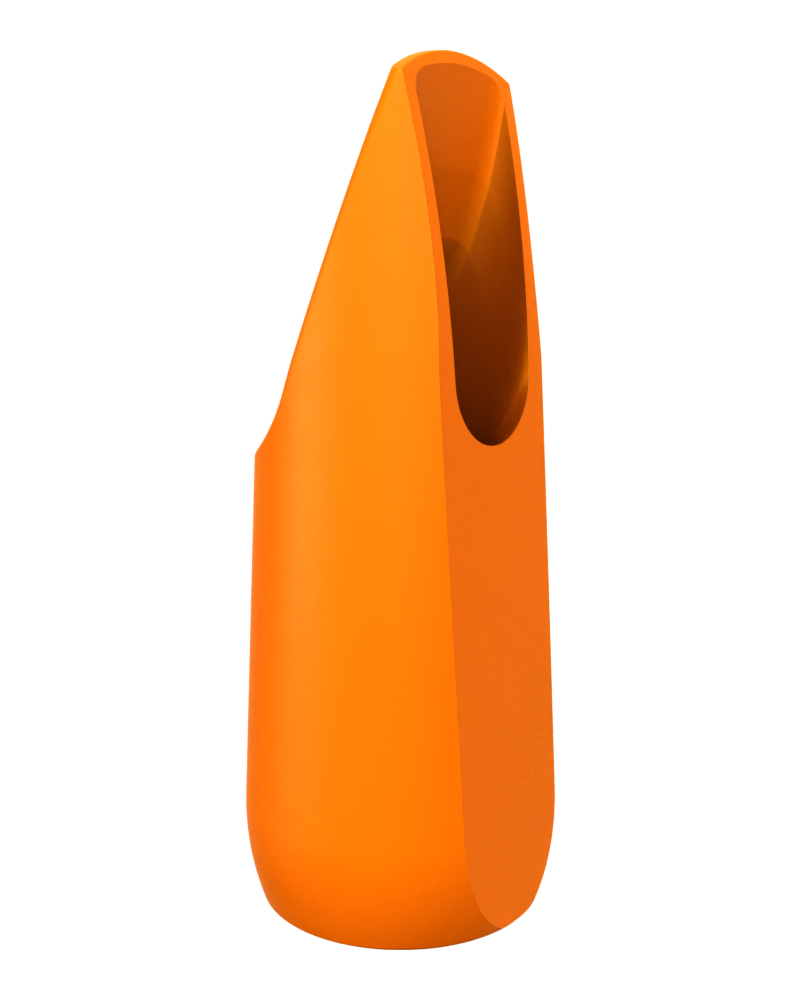
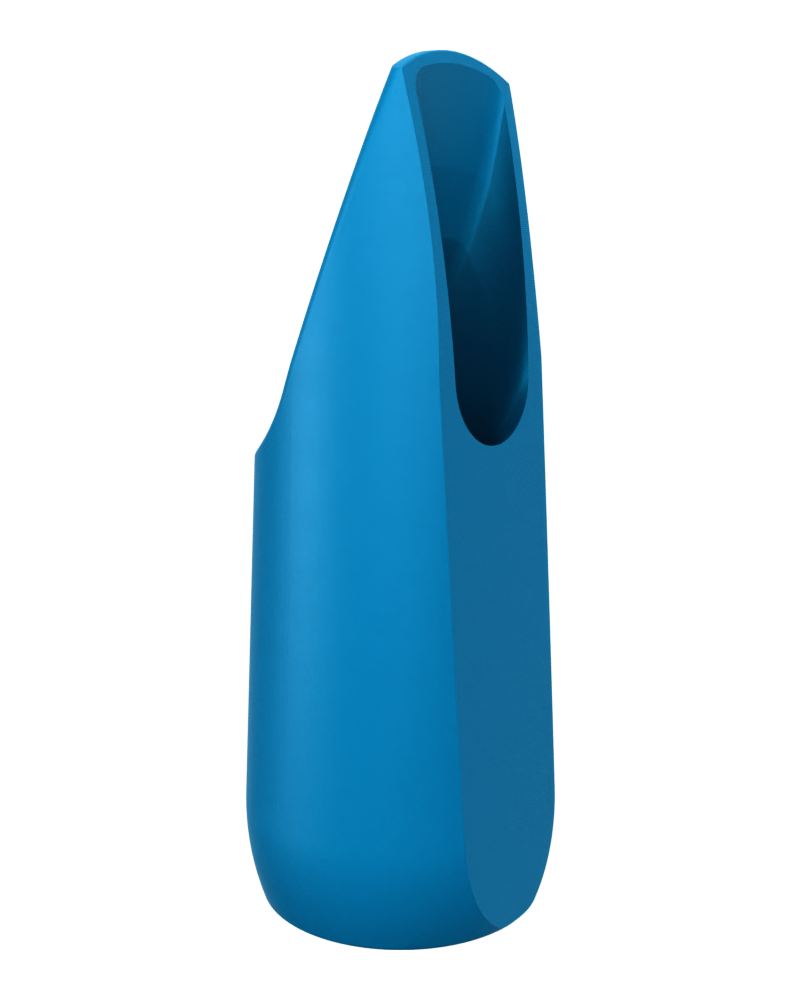
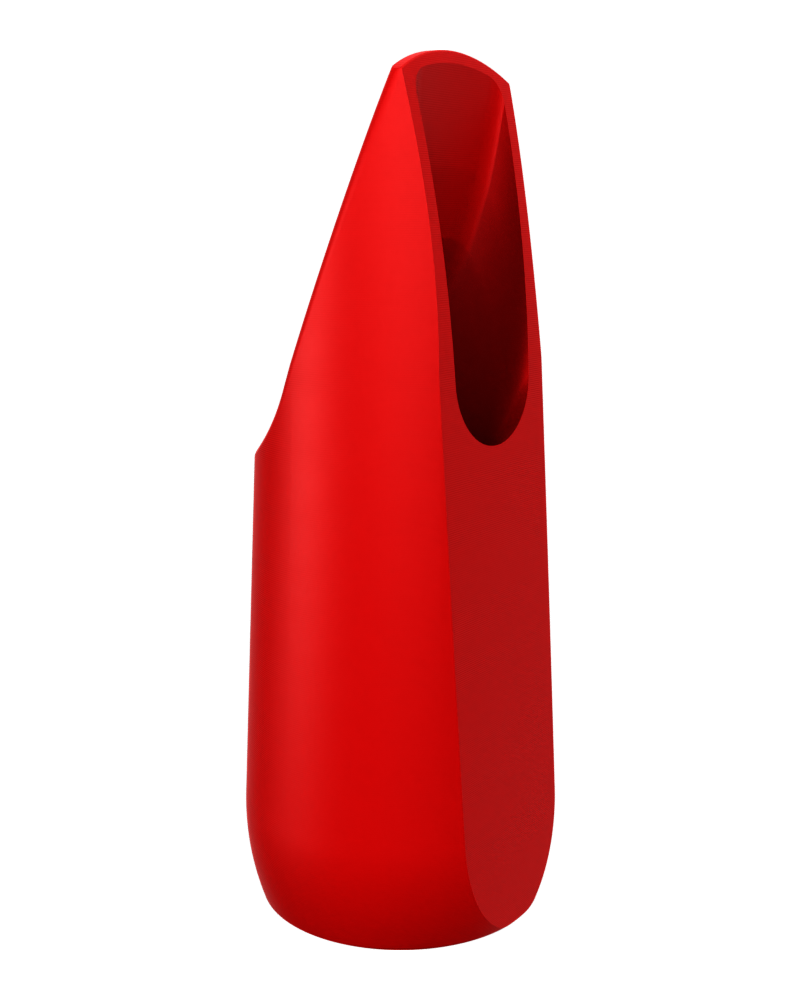
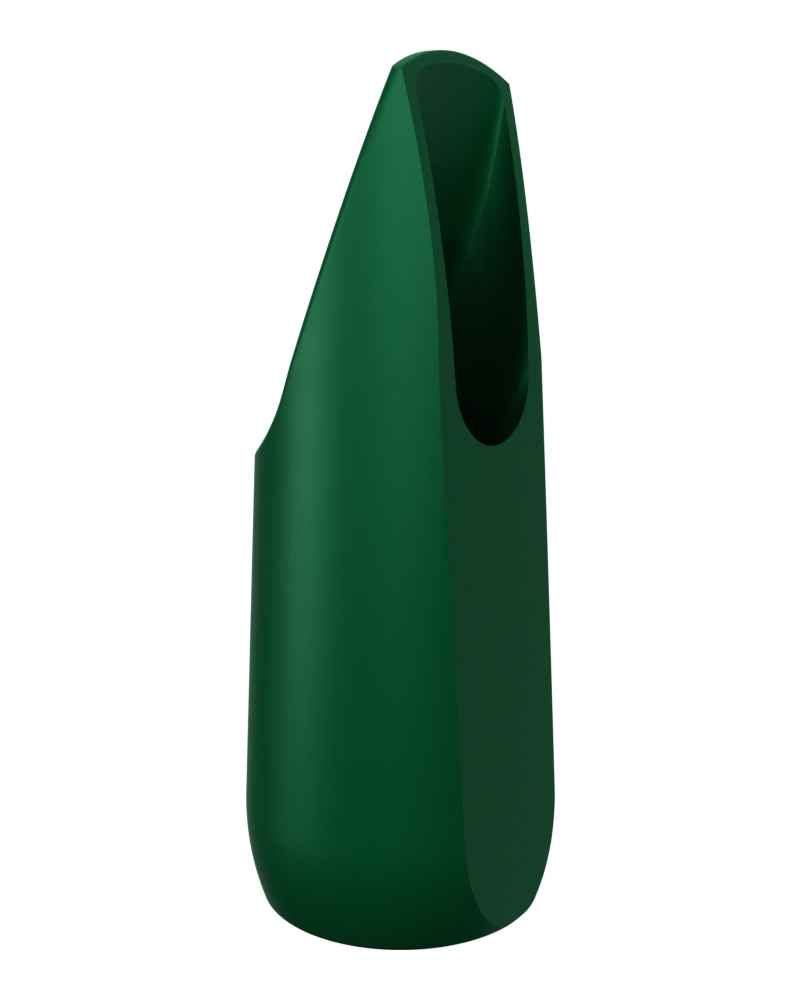
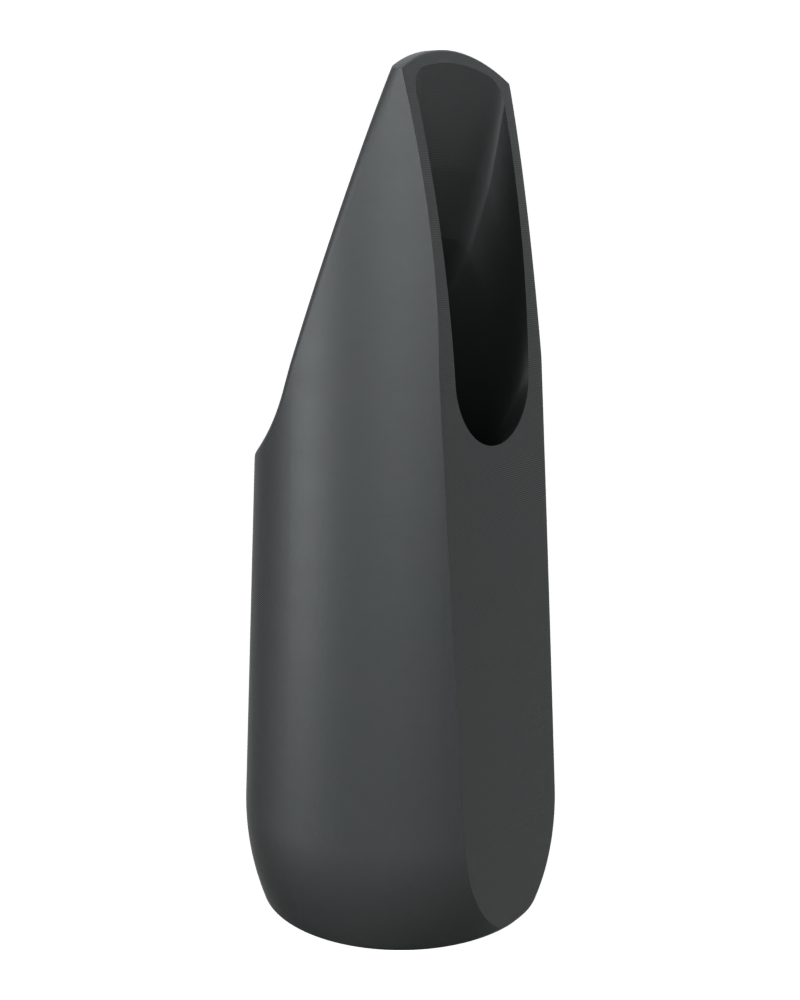
Find the Right Tenor Saxophone Mouthpiece for Your Sound
Every tenor player has a sound in their head. The mouthpiece is what gets you there - or holds you back. Syos mouthpieces are engineered to remove friction between you and your sound: they're designed to be easy to play. Using a proprietary acoustic simulation process, we optimise the geometry so that intonation is stable, register transitions are smooth, and your response is immediate and consistent. The result is a collection that covers the full spectrum from dark, smoky jazz to cutting rock and funk, with precise, repeatable specs you can actually rely on.
Not sure where to start? Read our complete saxophone mouthpiece guide for an in-depth breakdown of every key parameter.
What is the best tenor saxophone mouthpiece?
There's no single answer - but there are clear patterns.
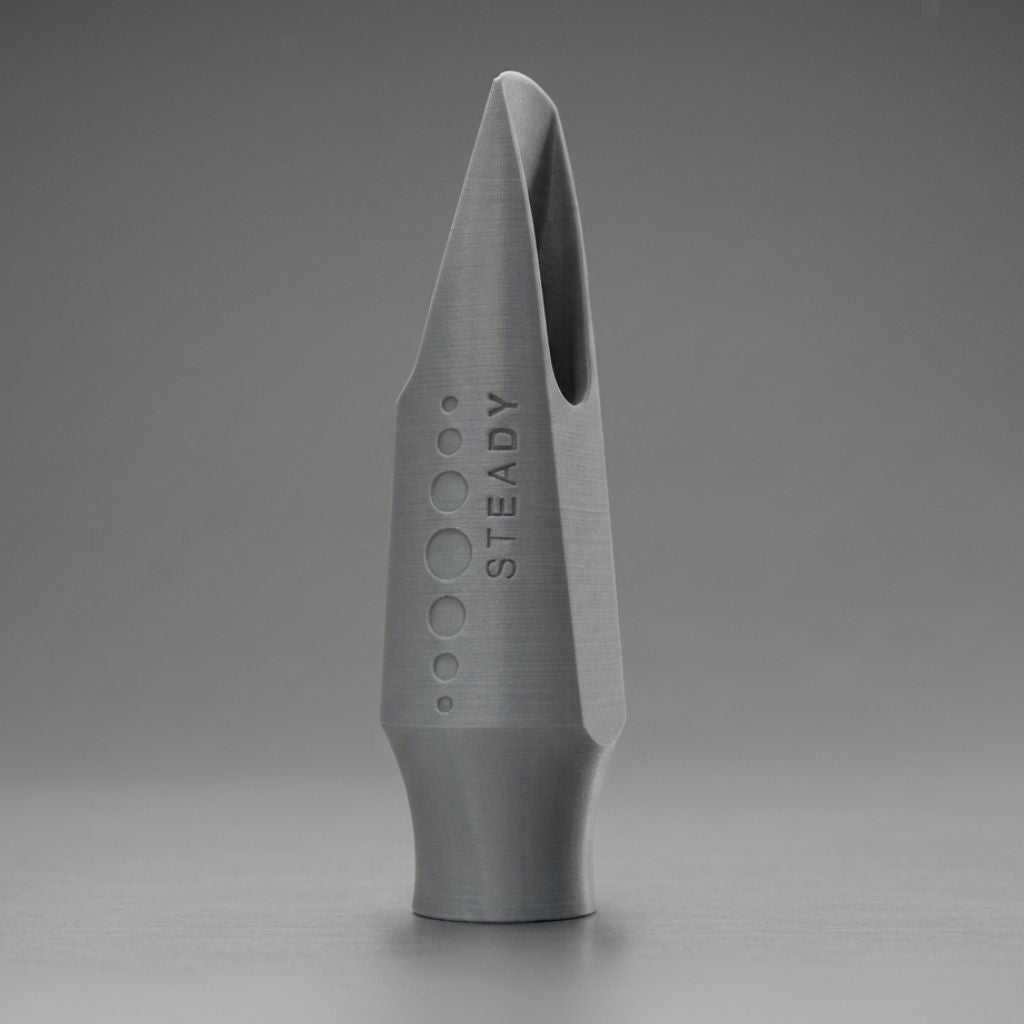
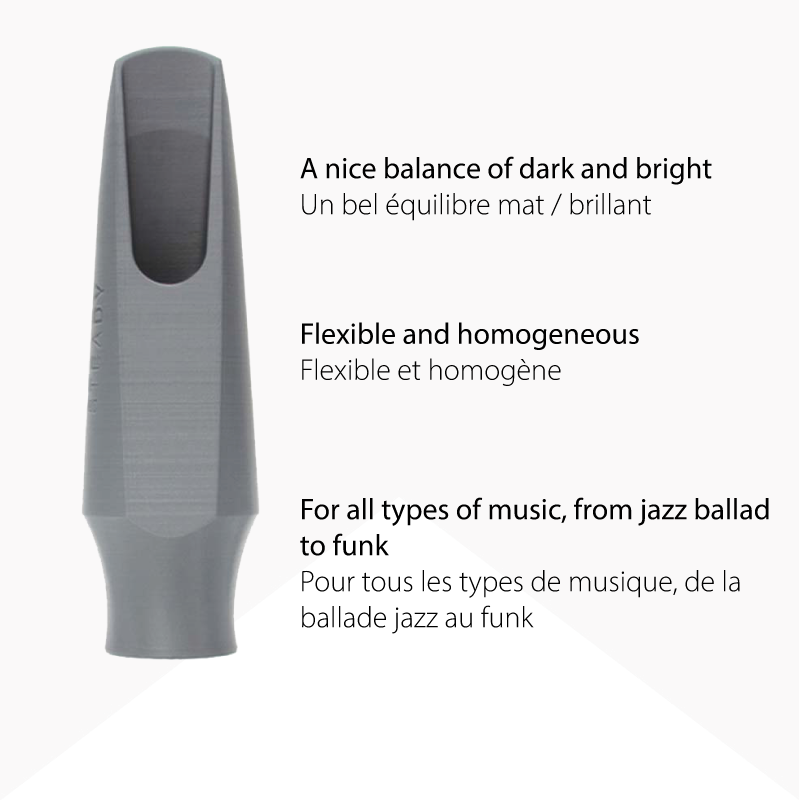
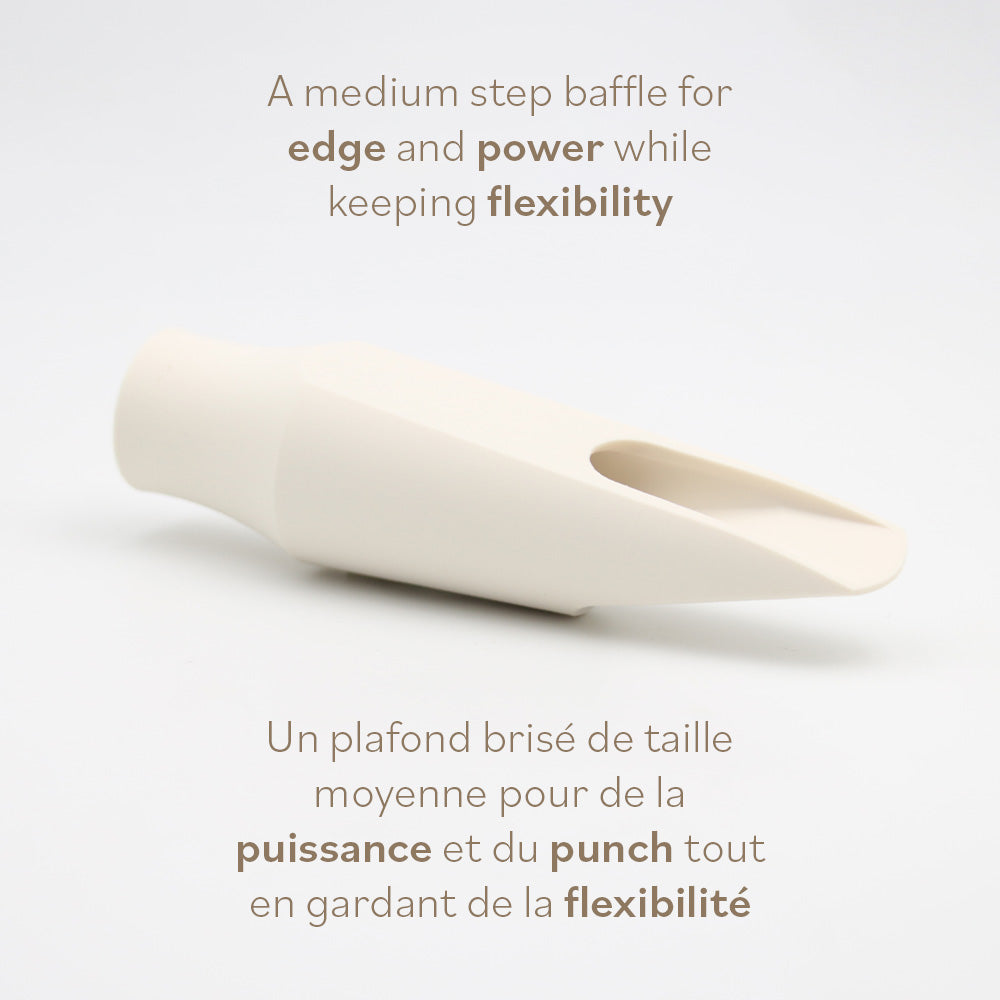
- For versatility and everyday playing: the Syos Originals Steady is the most balanced option in the collection. Medium step baffle, balanced projection, works across jazz, pop, and contemporary styles. Its forgiving geometry makes it easy to play across registers, so you can focus on your sound rather than fighting the mouthpiece. A genuine all-rounder.
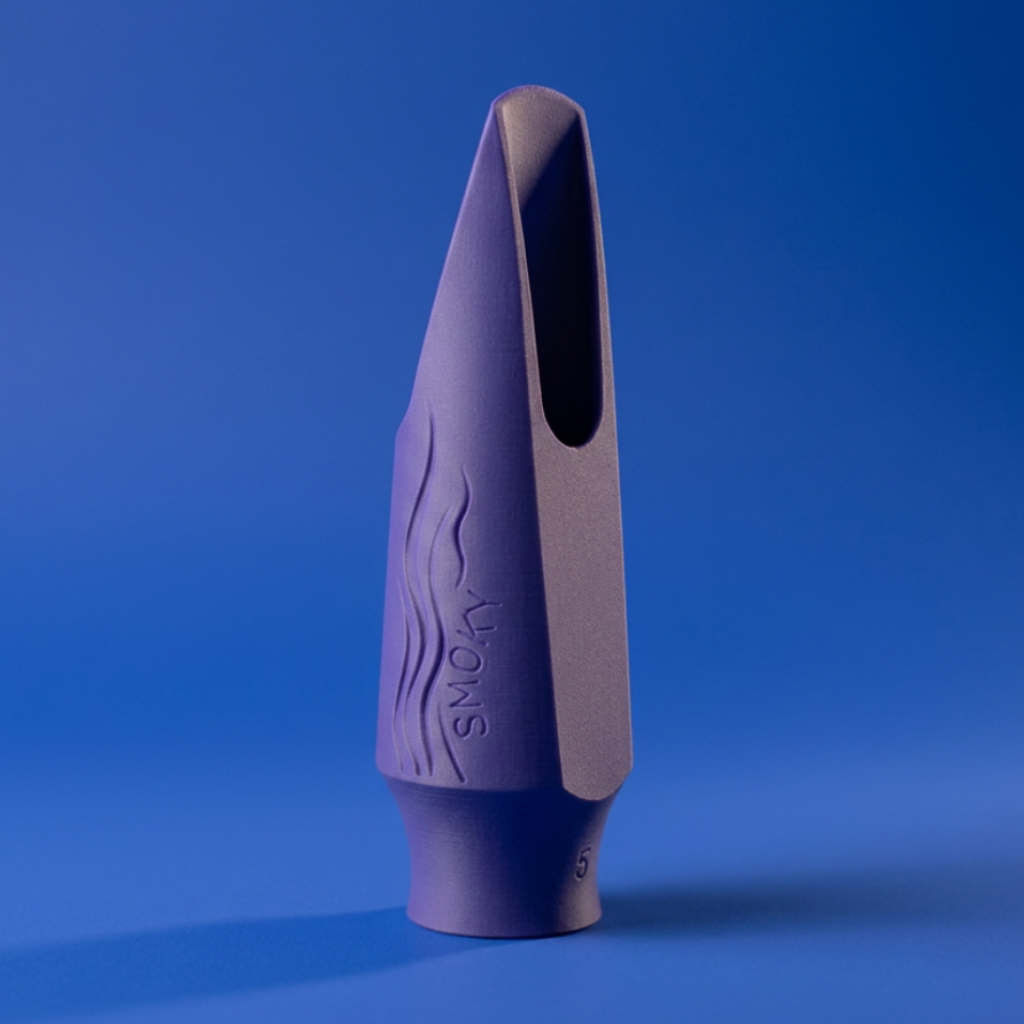
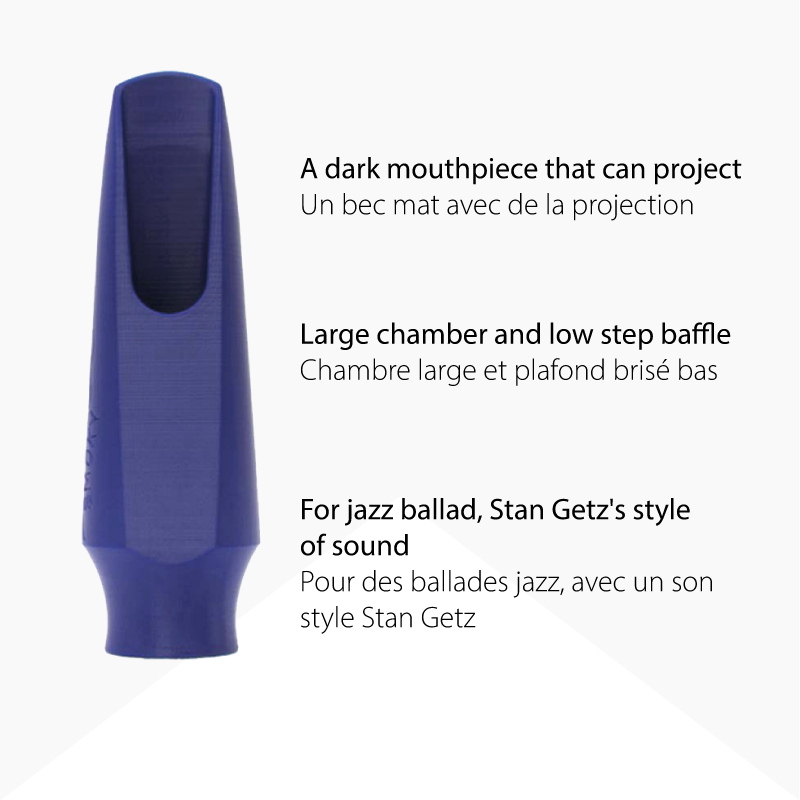
- For dark, traditional jazz: the Syos Originals Smoky - low step baffle, extra-large chamber - delivers the warm, full-bodied tone associated with players like Dexter Gordon or Joe Henderson. The large chamber reduces back-pressure, making it easier to produce that rich, enveloping tone without excessive air resistance. Nothing else in the lineup sounds quite like it.
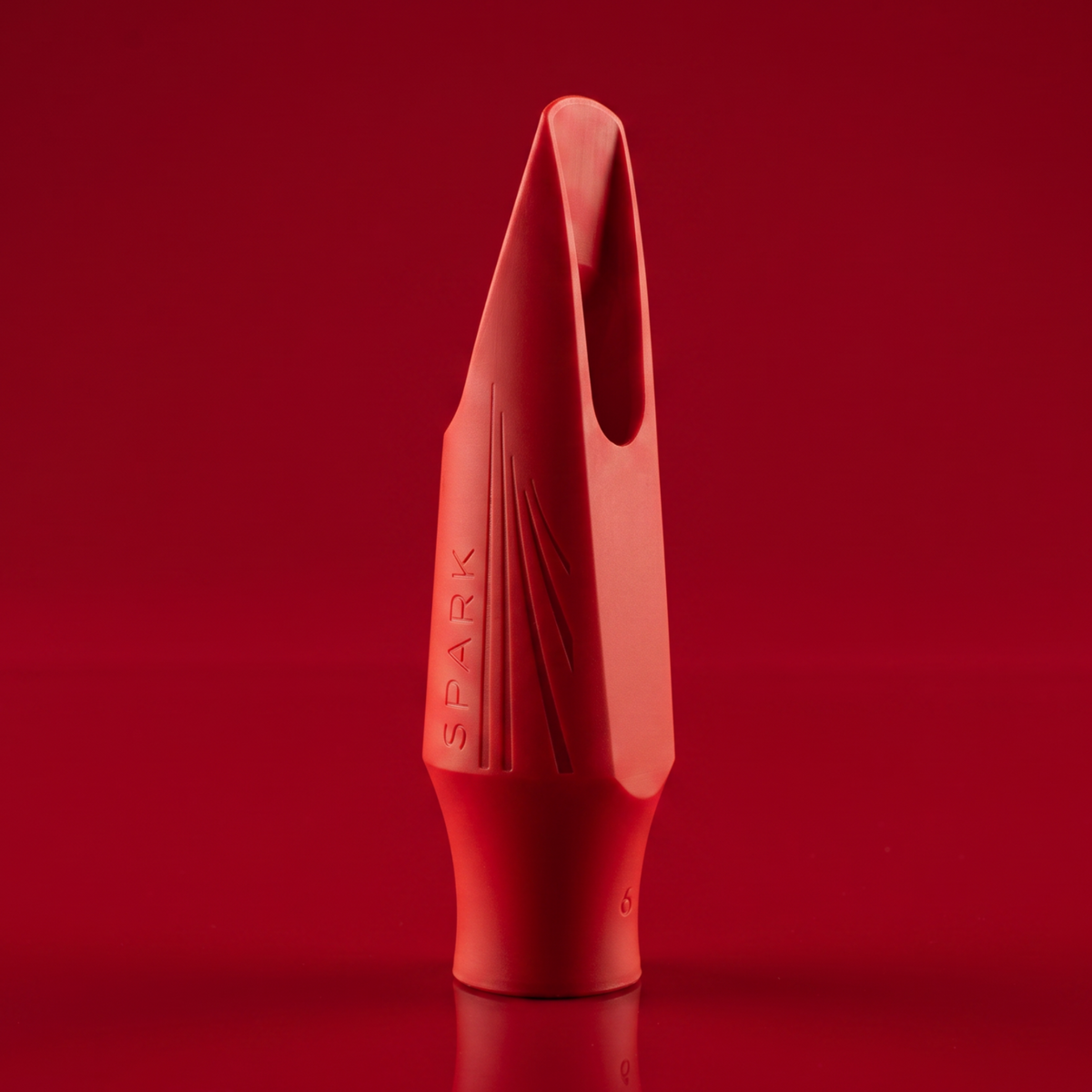
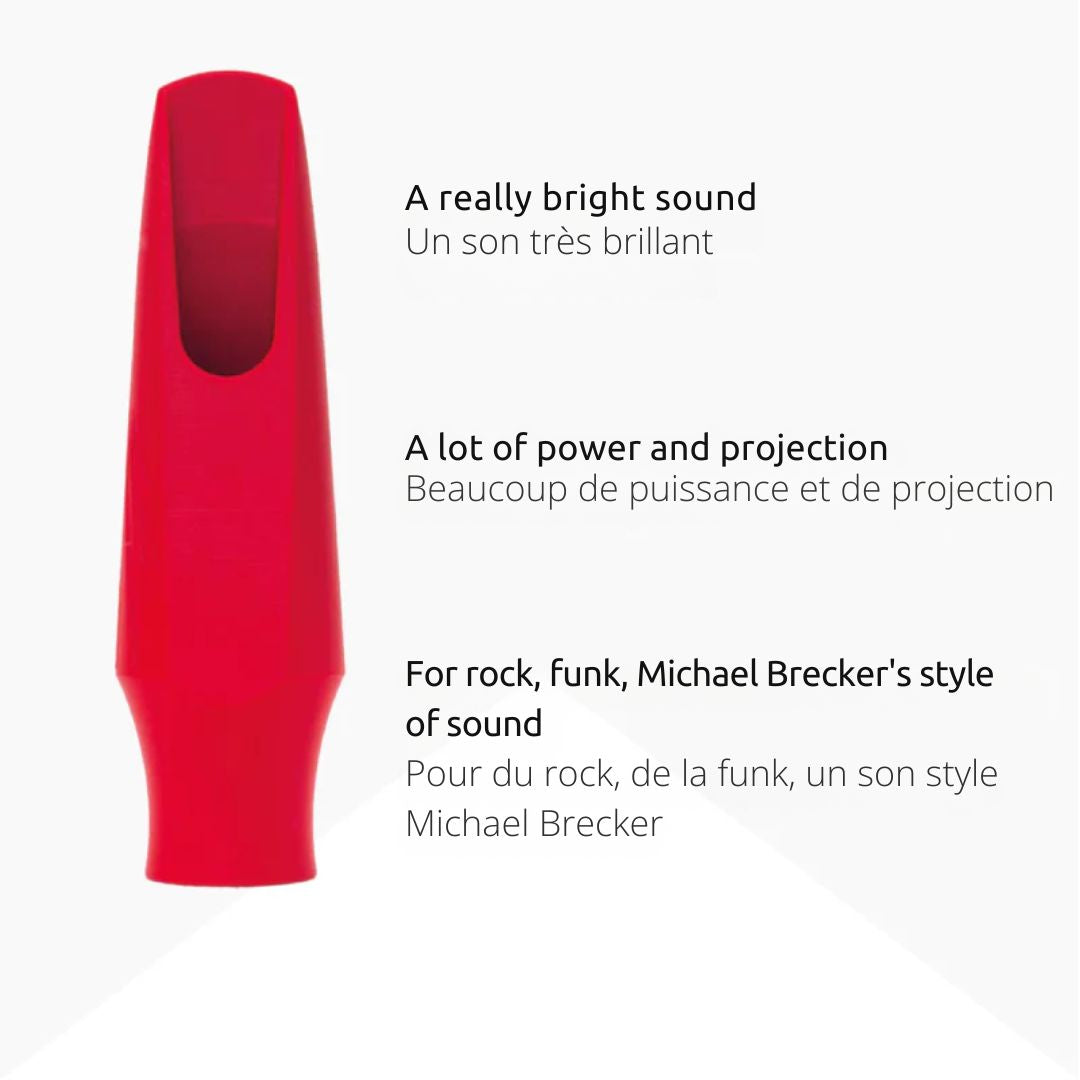
- For funk, rock, and high-energy contemporary playing: the Syos Originals Spark - high step baffle, medium chamber - is bright, powerful, and cuts through any mix. The high baffle makes projection effortless, so you can deliver the volume and presence these styles demand without strain.
The best mouthpiece is the one that fits your sound, your music, and your reed setup. That's the whole point of having a range.
How do I choose a tenor saxophone mouthpiece?
Three parameters drive the decision: tip opening, baffle, and chamber.
Tip opening controls resistance and volume potential. Wider openings give you more dynamic range but demand more embouchure control. Narrower openings are easier to manage and suit controlled, focused styles.
Baffle shapes the brightness and the power. A high baffle reflects air upward and produces a bright, projecting sound. A low baffle lets air flow more freely, creating a darker, rounder tone.
Chamber affects warmth and general tone. A larger chamber produces a fuller, more open sound. A smaller chamber tightens and brightens the tone. The sound is more focused.
Beyond the specs, think about your genre, your current reed strength, and the ensemble you're playing in. If you're unsure, start in the middle - a medium tip opening (7 or 7*) and a balanced baffle like the Steady gives you room to explore before committing to something more extreme.
What tip opening should I choose for tenor saxophone?
Tip opening is measured in hundredths of an inch or in millimetres. On the Syos scale, tip openings run from 5 to 11 (with starred variants like 7* sitting between whole numbers).
Here's a practical guide by style:
- Classical / orchestral / beginners: 1.7–2.0 mm (tip openings 4–5). Narrow openings suit the controlled, centred tone classical playing demands.
- Versatile / transitional: 2.0–2.5 mm (tip openings 6–7). The sweet spot for players who move between genres or are still defining their sound.
- Jazz: 2.5–2.9 mm (tip openings 7–8*). Most jazz players land here. Wider openings allow the expressive dynamic range jazz requires.
- Rock / funk / contemporary: 2.5 mm and above (tip opening 7 and above). High-energy styles benefit from the extra resistance and projection a wider opening provides.
A tip opening of 6 or 7 is the most common starting point for intermediate players. It's forgiving enough to learn on and open enough to grow into.
Which tenor saxophone mouthpiece is best for jazz?
Jazz is the tenor's natural home, and the range reflects that.
For mainstream and modern jazz, the Syos Originals Steady is the go-to. Its medium step baffle produces a balanced, focused tone with enough projection to hold its own in a band context - without the harshness of a high baffle. Tip openings 6 and 7 (2.28–2.54 mm) are the most popular choices here.
For dark jazz, soul, and traditional hard bop, the Syos Originals Smoky is in a class of its own. The low step baffle and extra-large chamber create the kind of rich, enveloping tone that recalls Dexter Gordon's weight or Joe Henderson's depth. If that's the sound you're chasing, this is the direct route. Most players pair it with a 6 or 7 tip opening (2.28–2.54 mm).
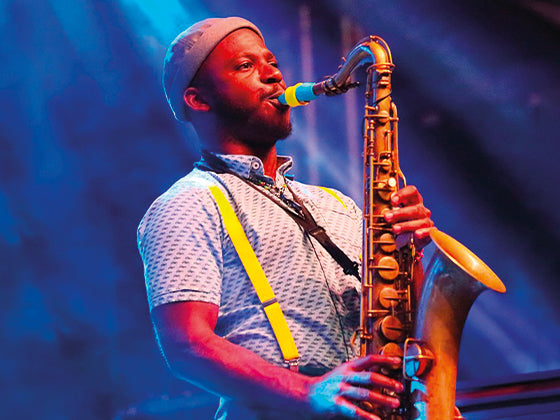
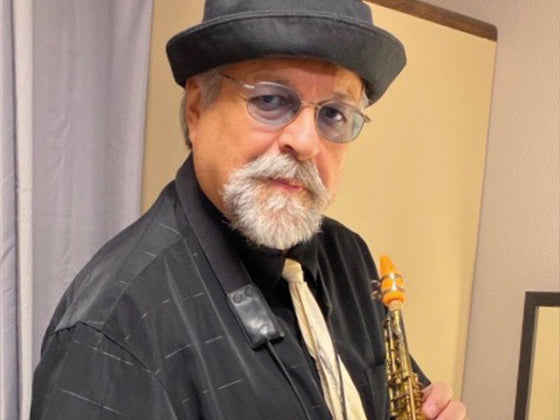
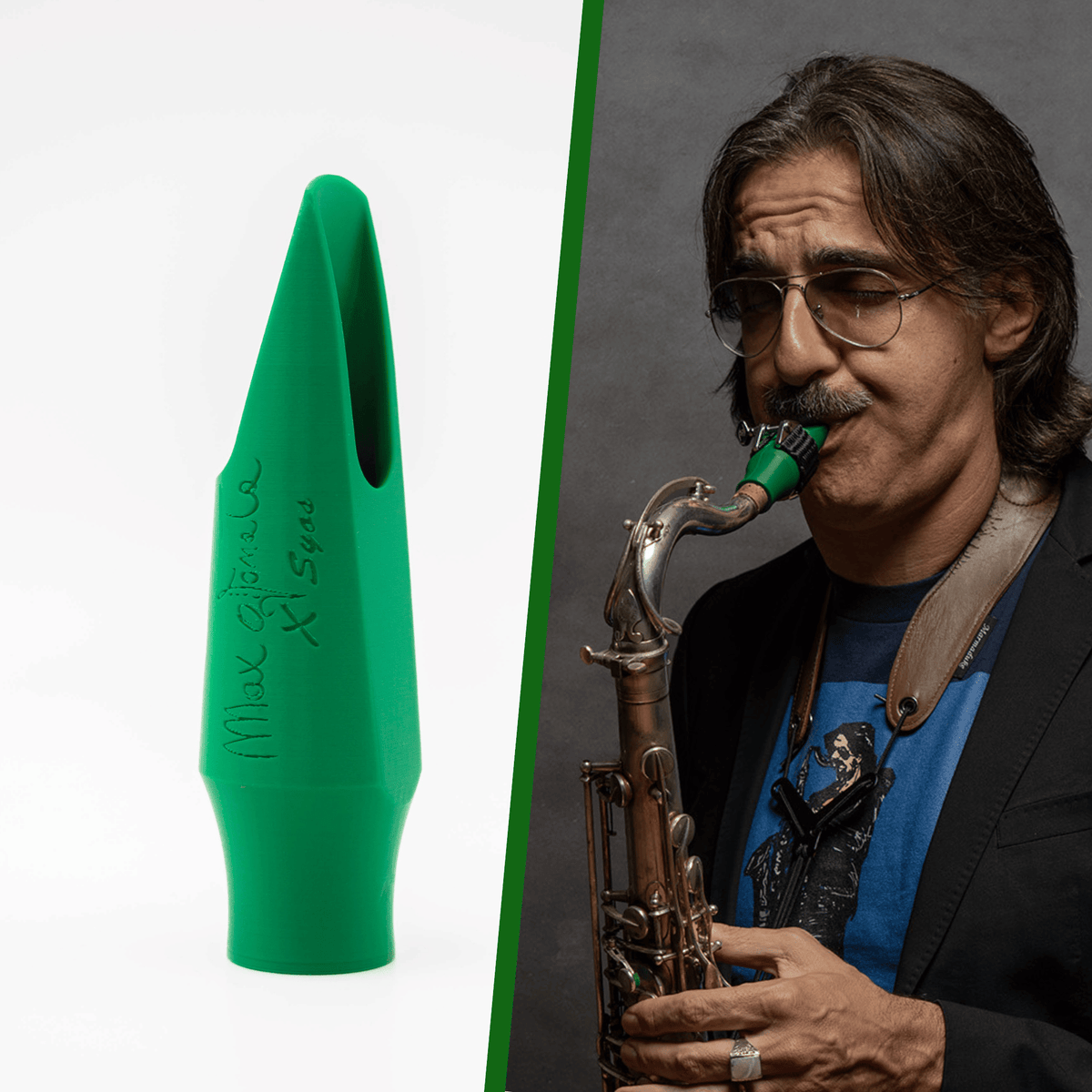
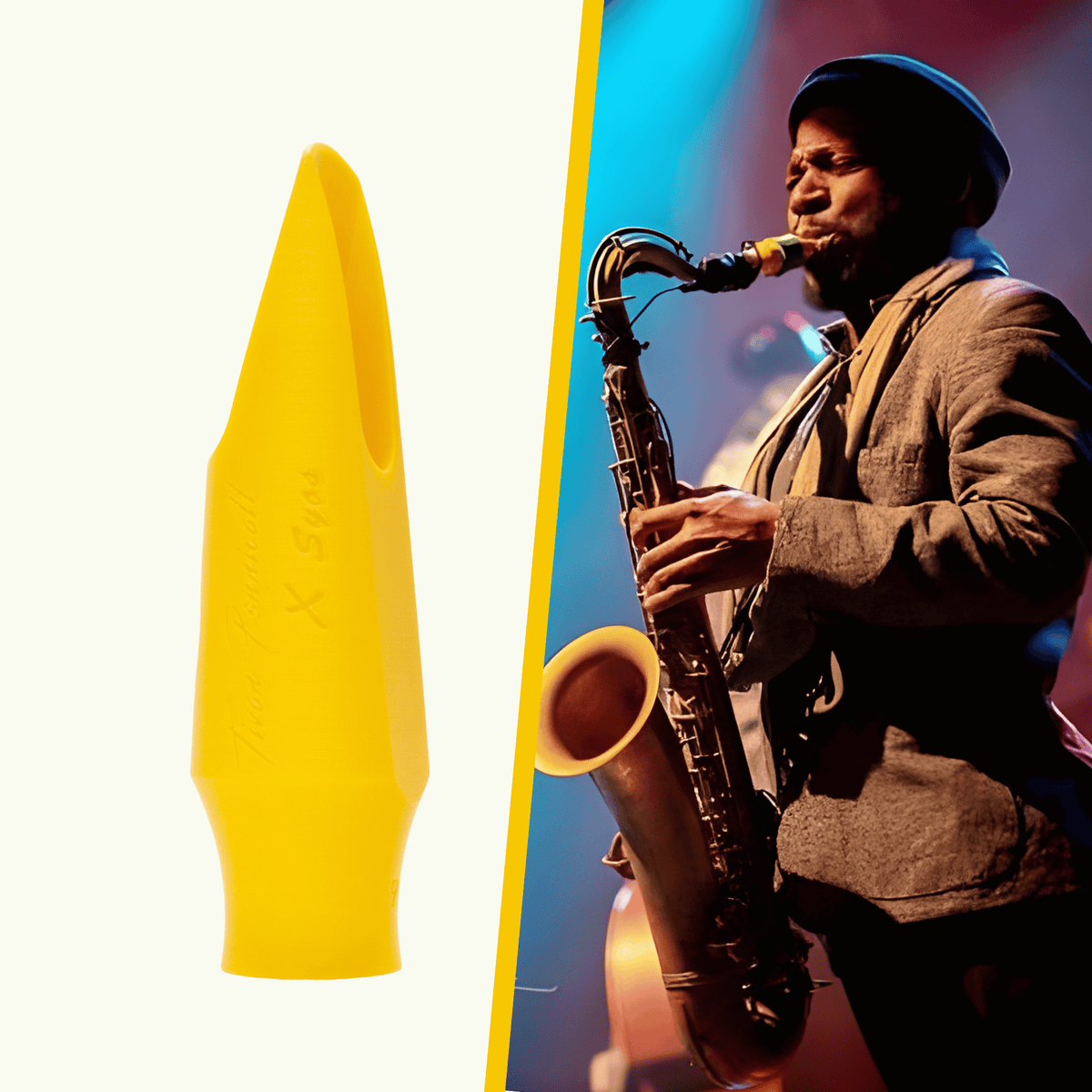
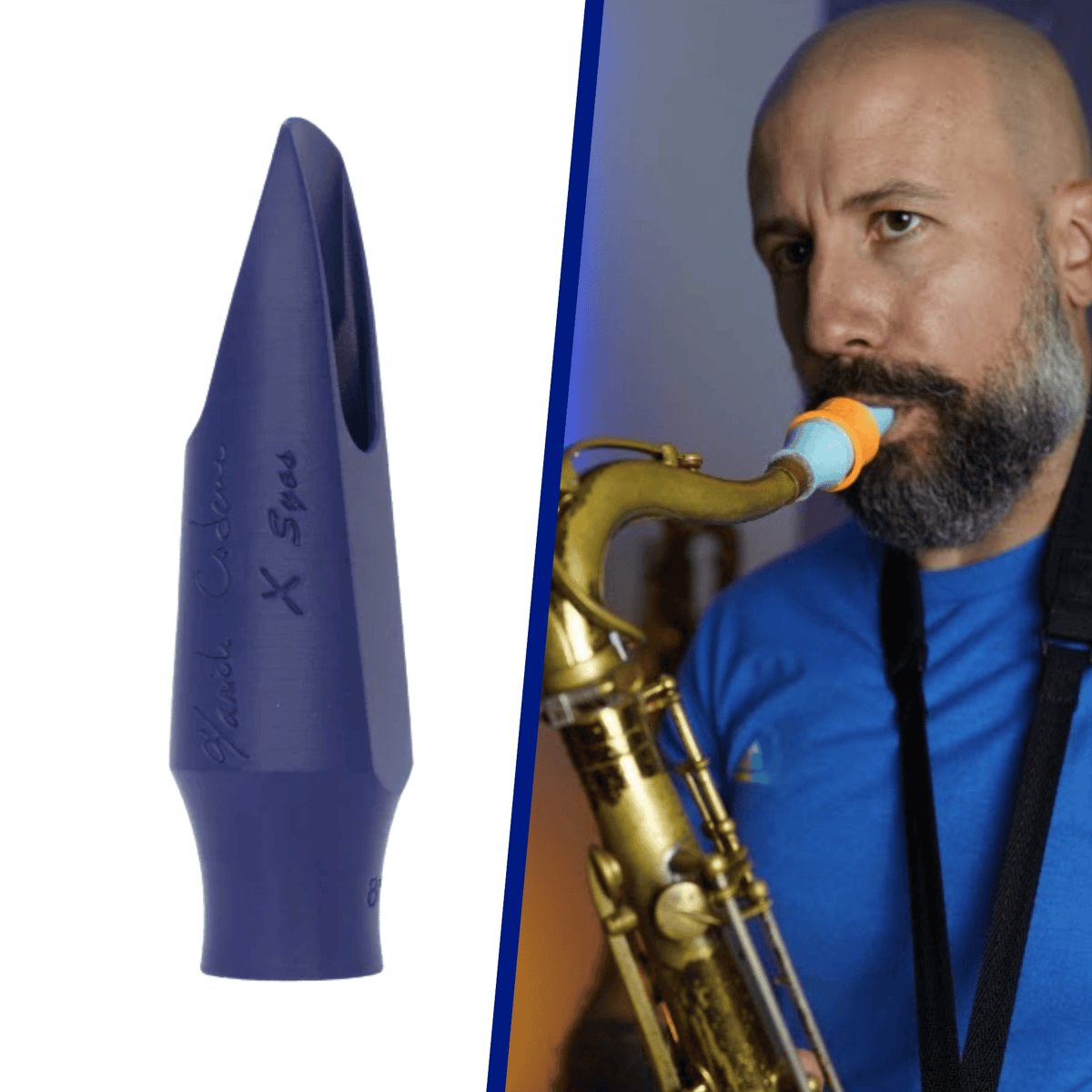
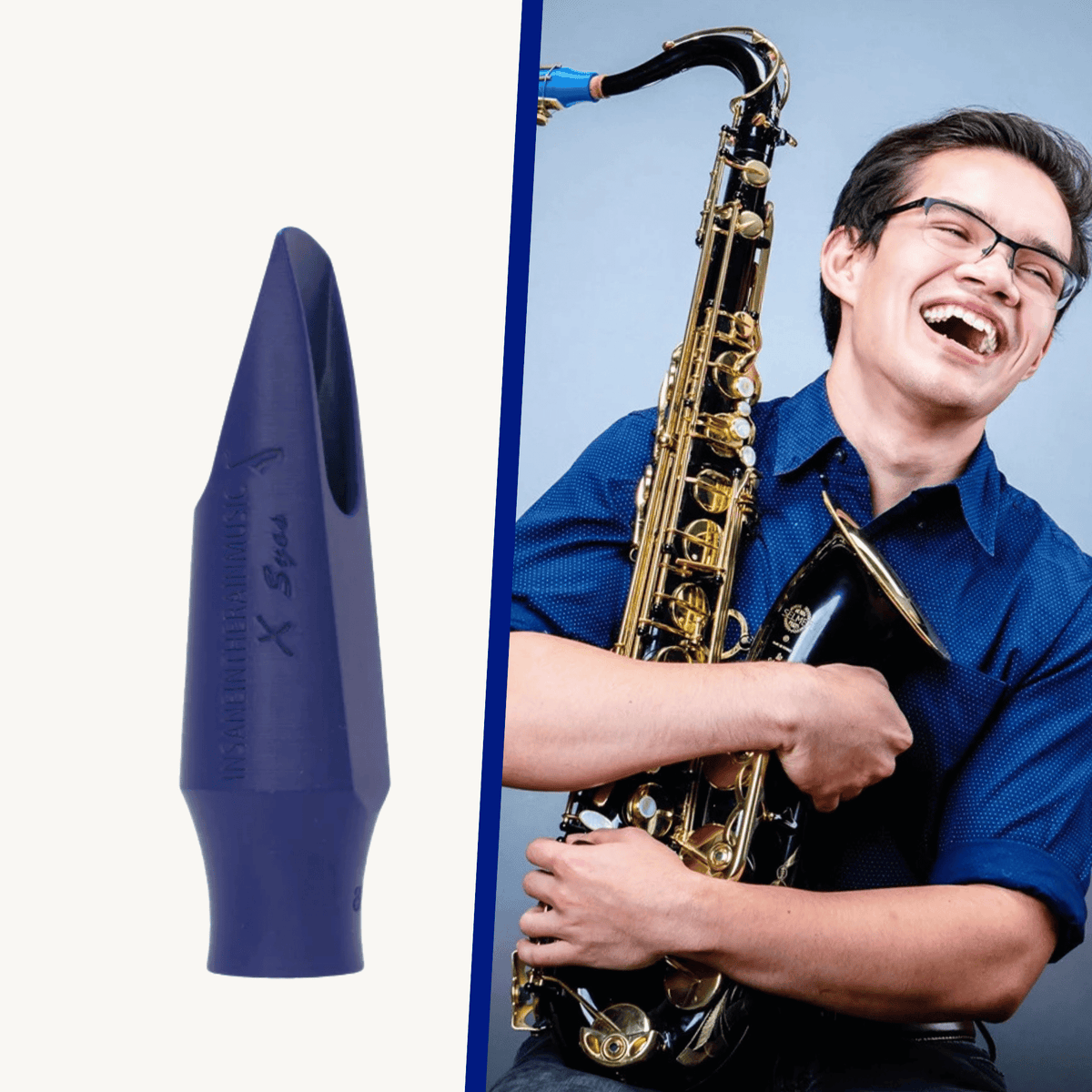
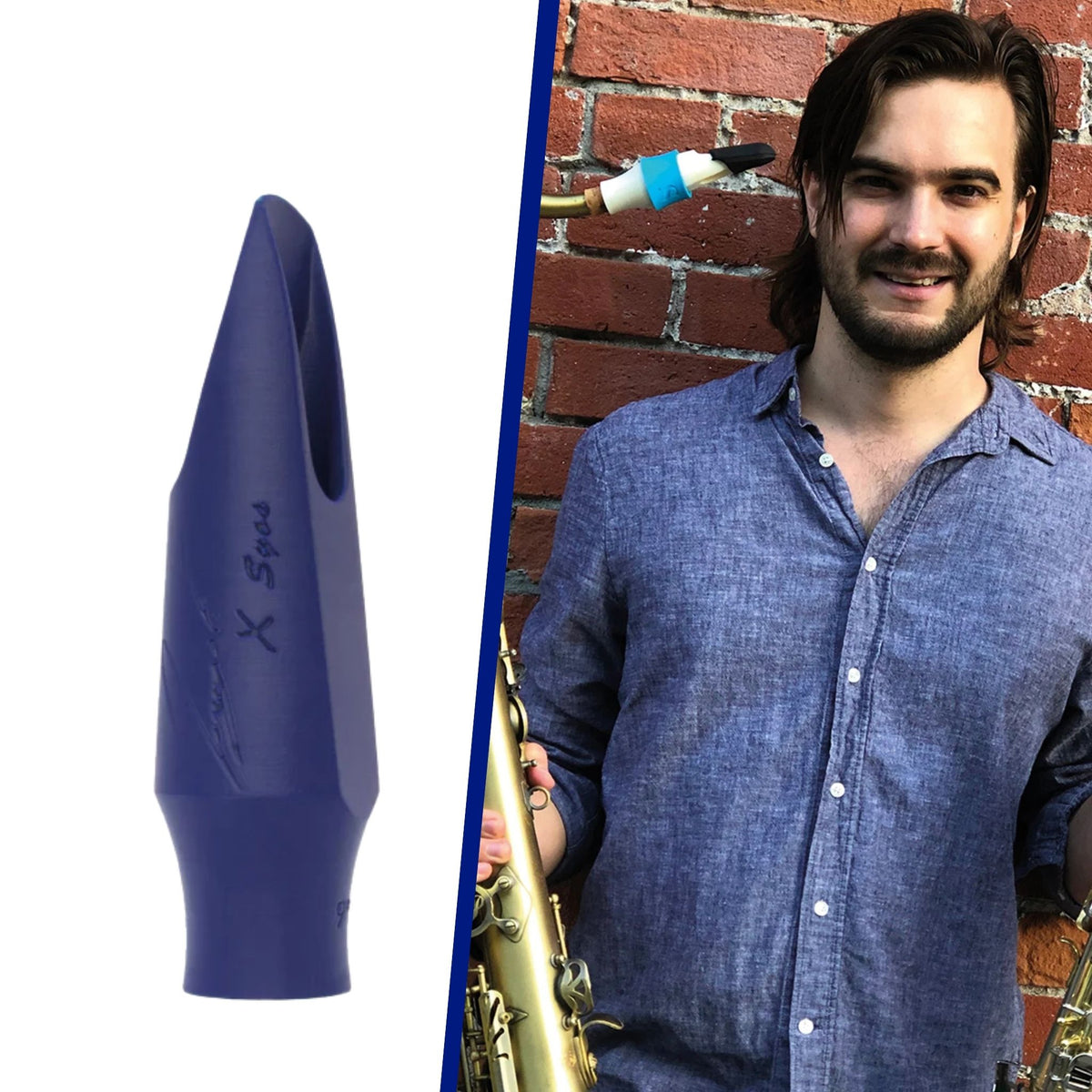
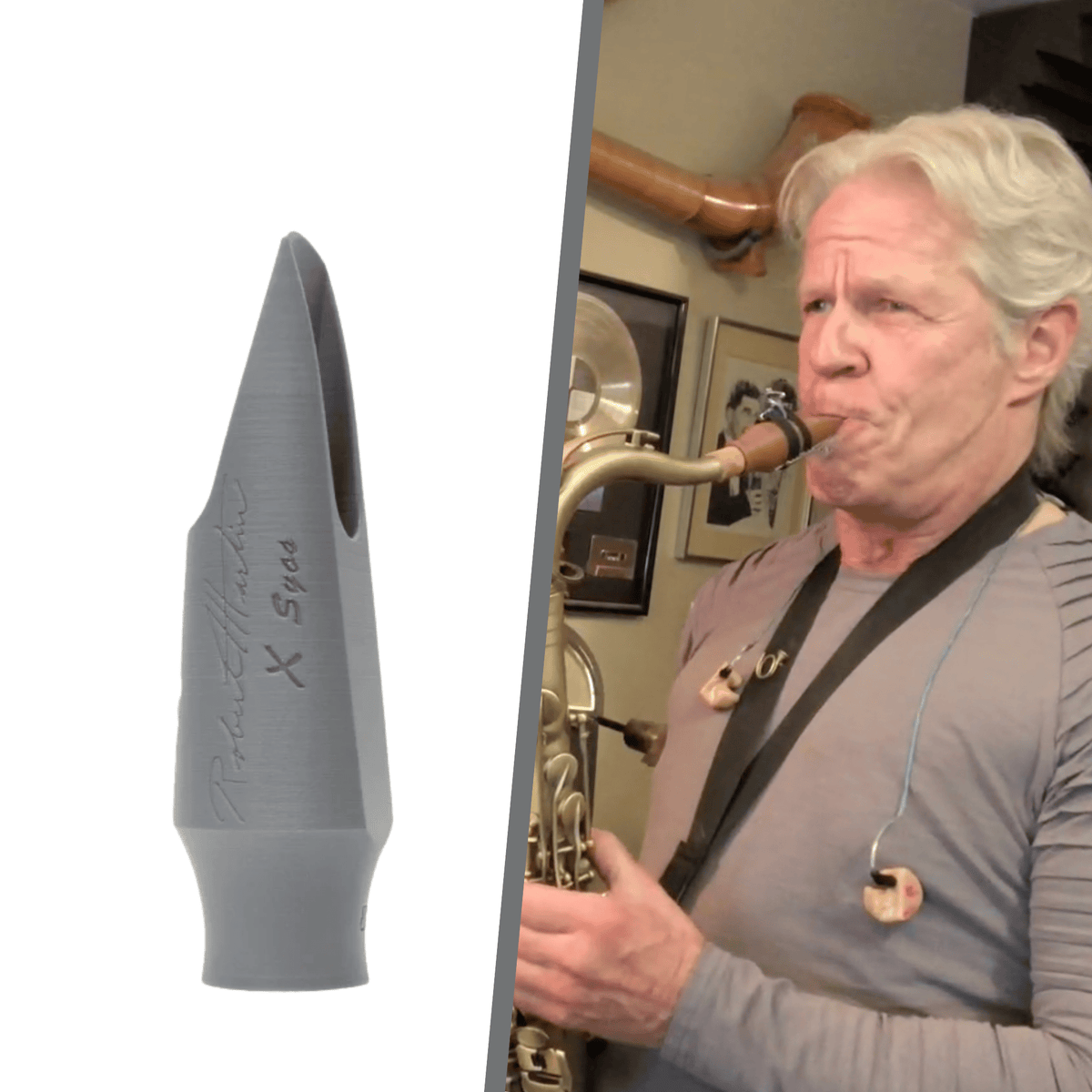
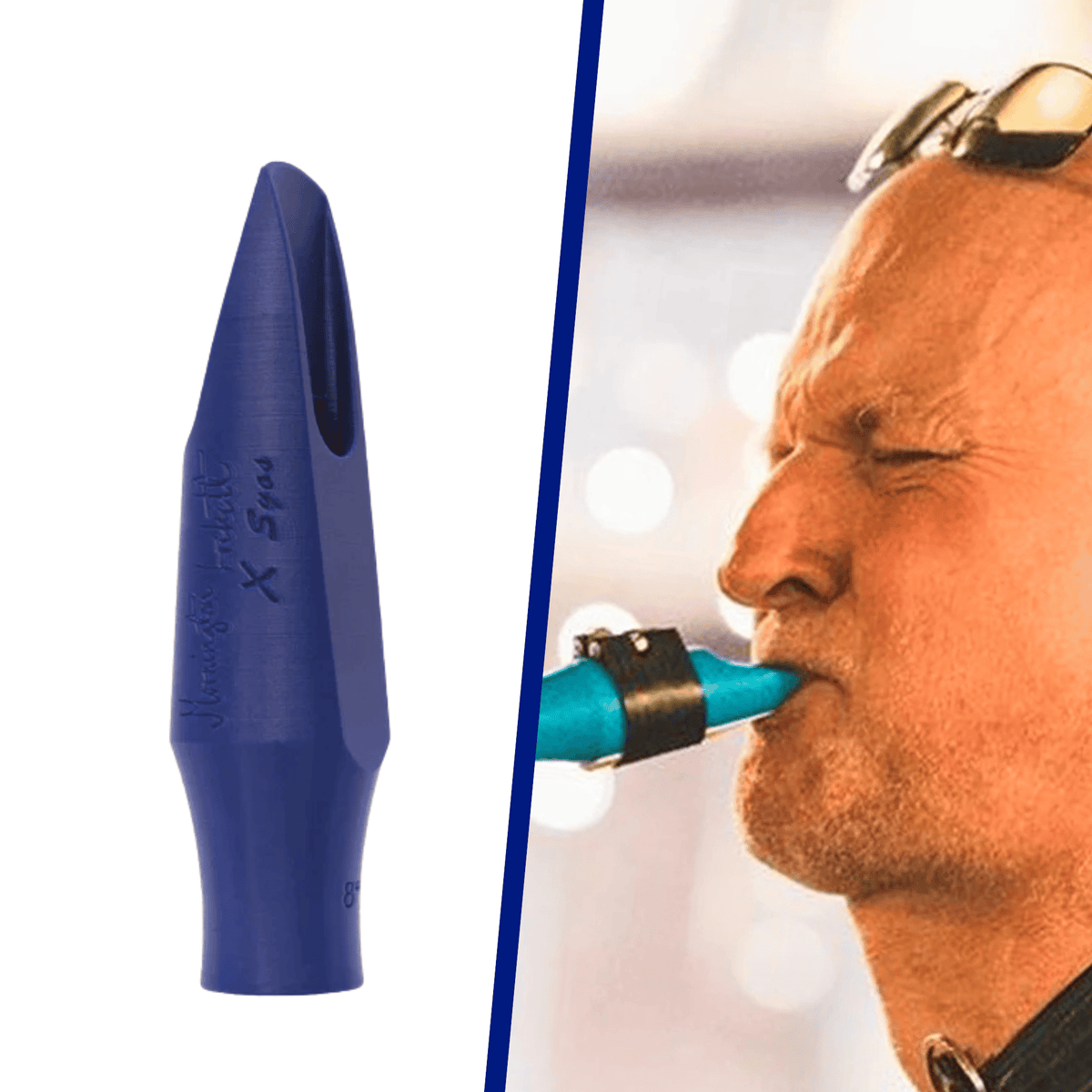
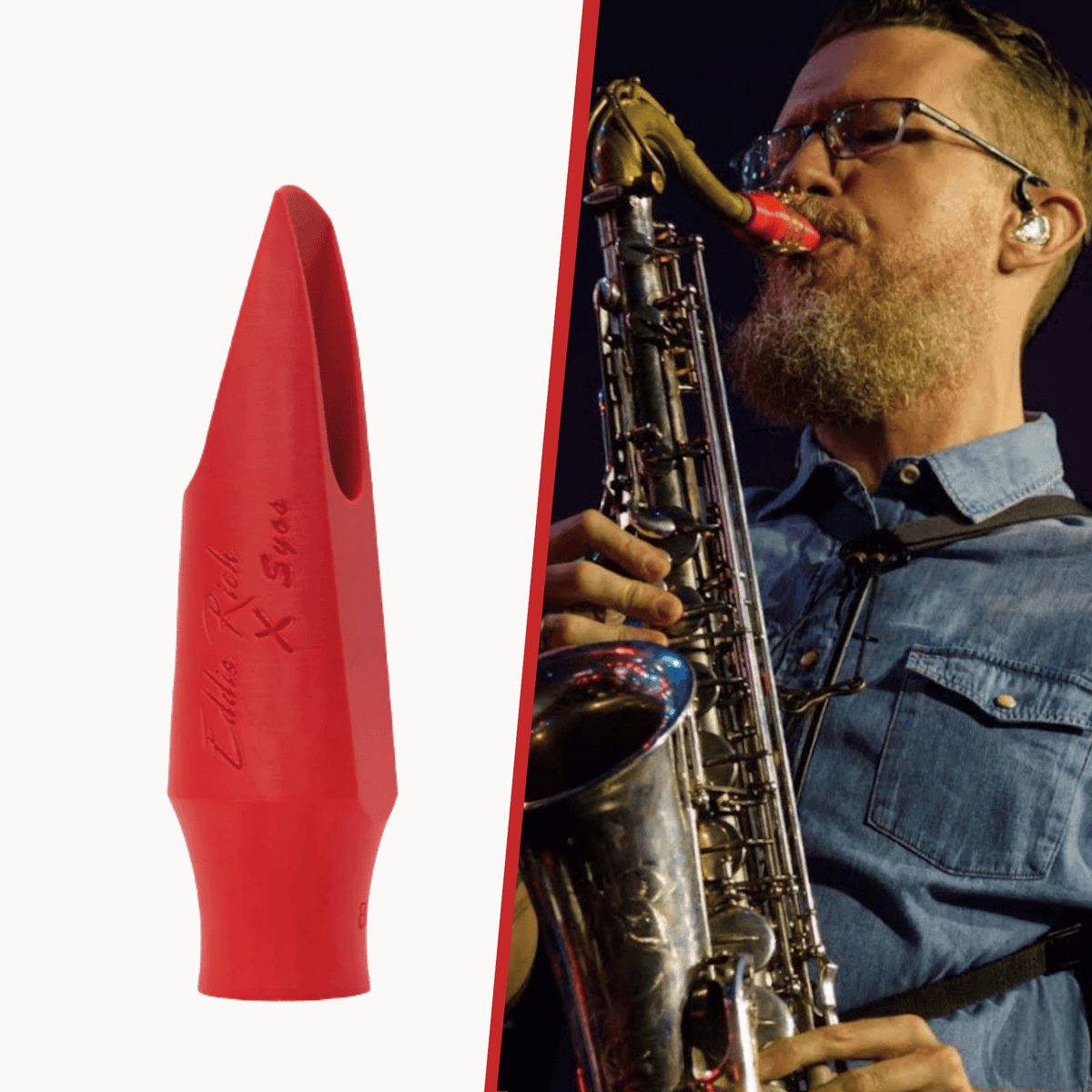
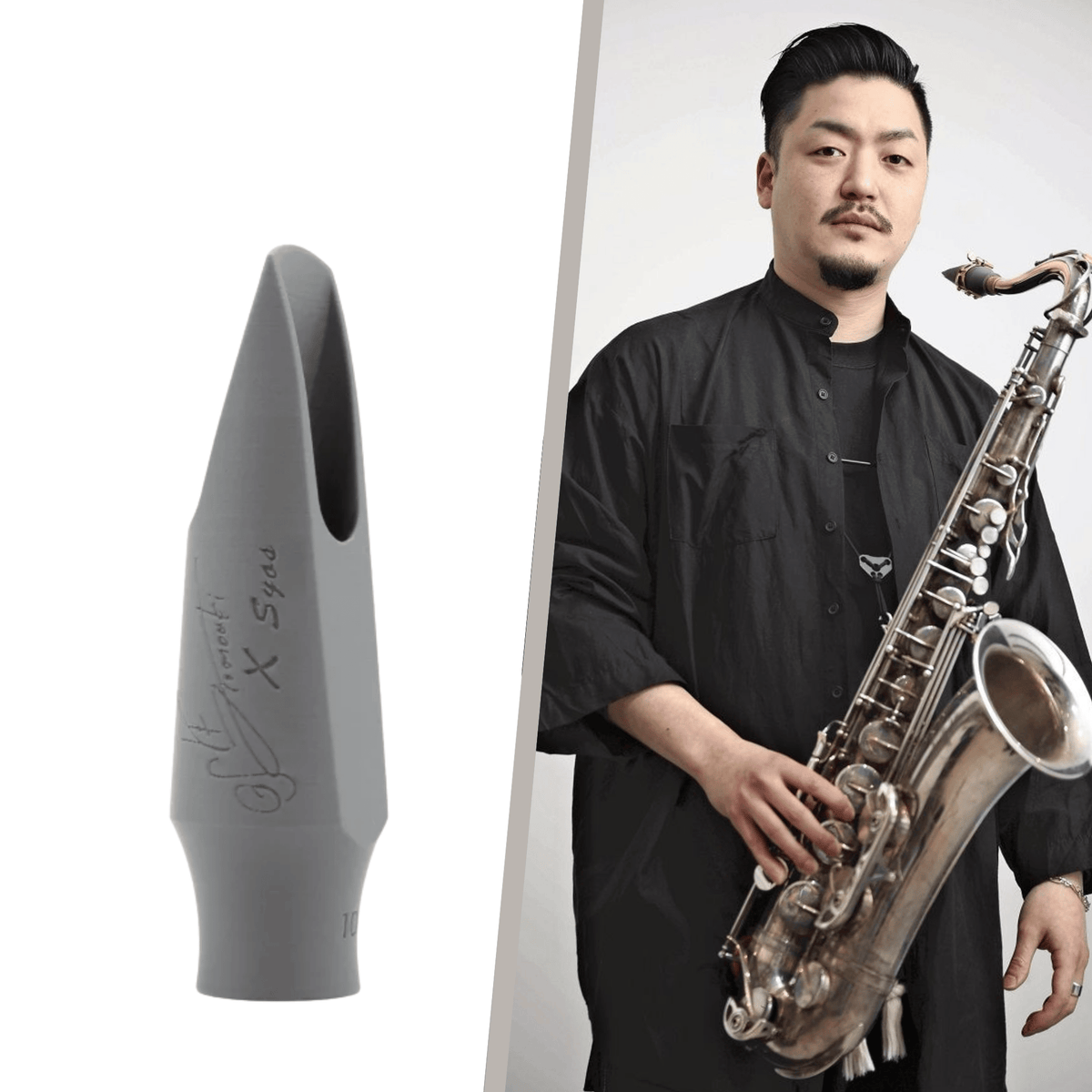
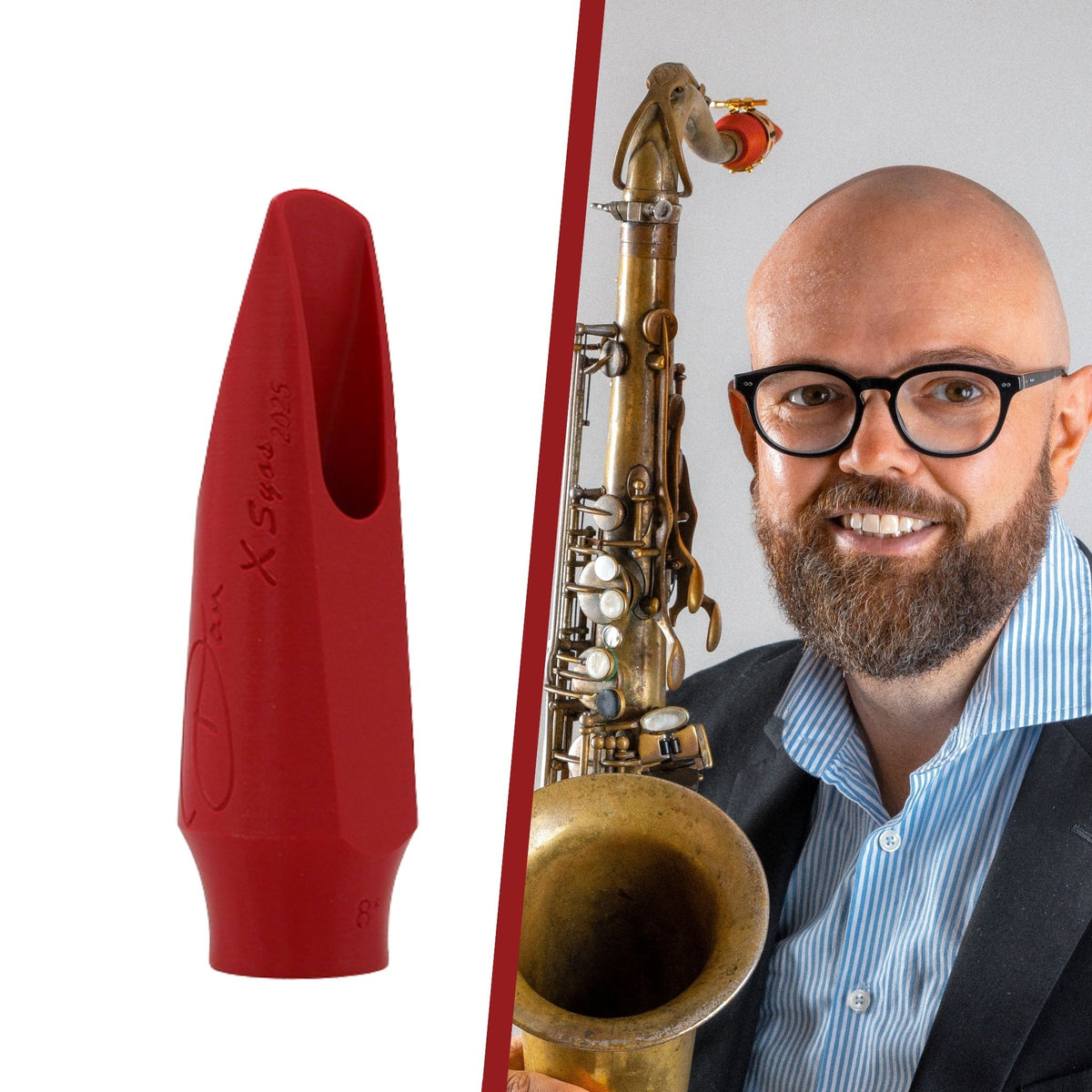
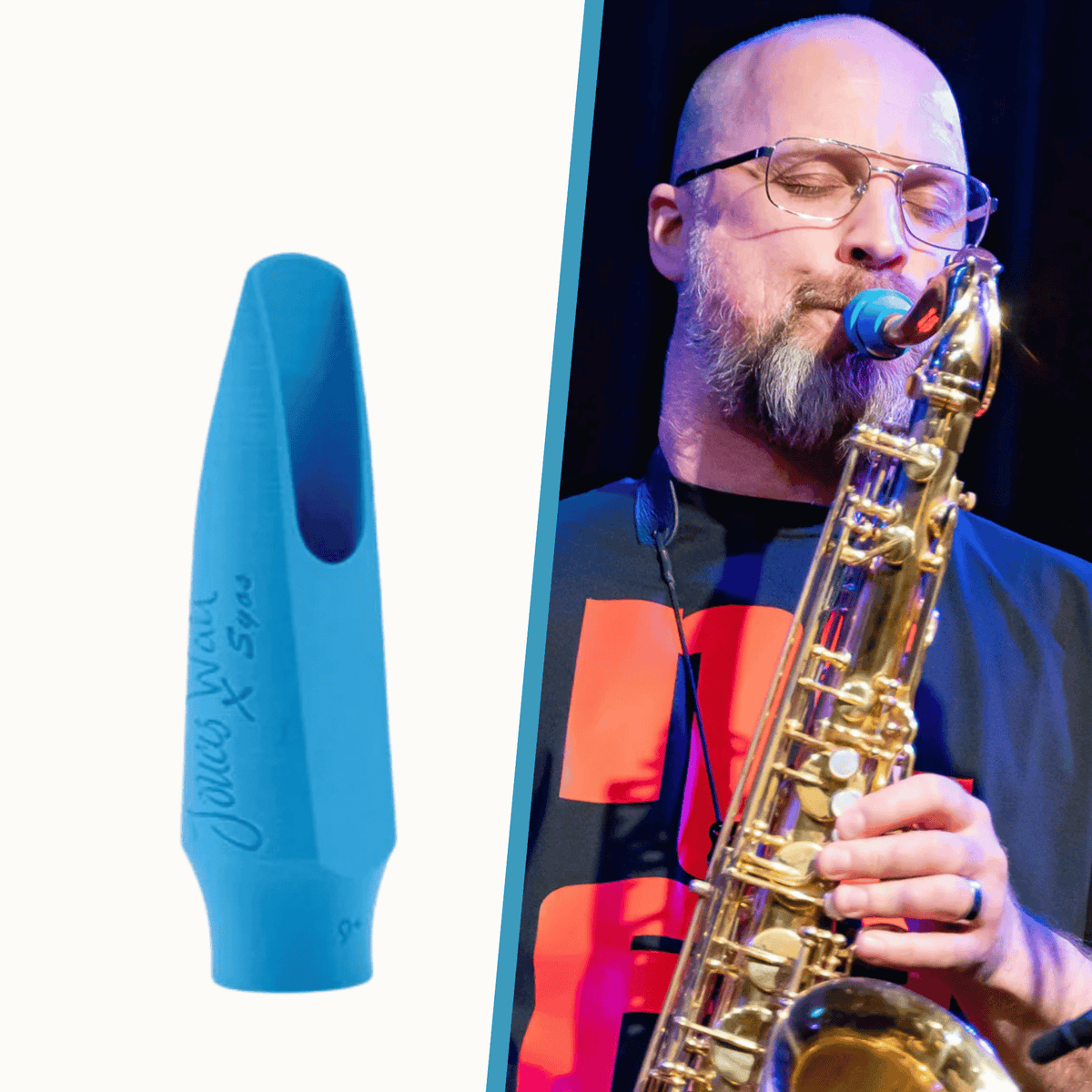
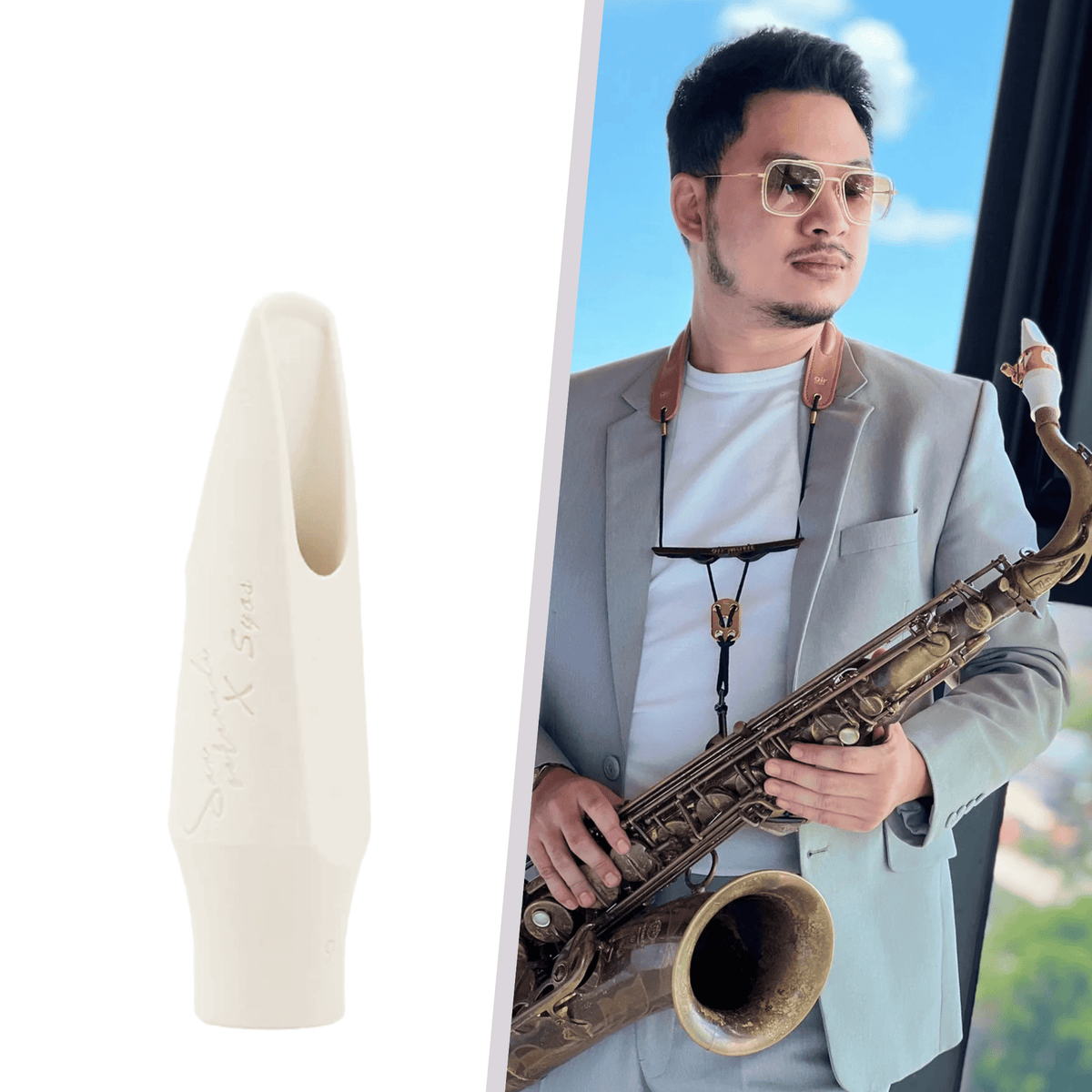
Among the Signature models, Tivon Pennicott and Max Ionata both have their own tenor mouthpieces developed with Syos. Tivon's model leans dark and soulful; Max Ionata's sits in the medium-dark range with a warm, singing quality. Both are worth exploring if you connect with either artist's sound.
Which mouthpiece is best for rock and funk?
Rock and funk demand projection, brightness, and the ability to cut through a loud stage mix. That means a high baffle and a tip opening wide enough to generate real volume.
The Syos Originals Spark was built for exactly this. High step baffle, medium chamber - it's bright, powerful, and immediate. Tip openings 7 and 8 (2.54–2.79 mm) are the most popular choices for players who need to be heard over drums and electric guitars.
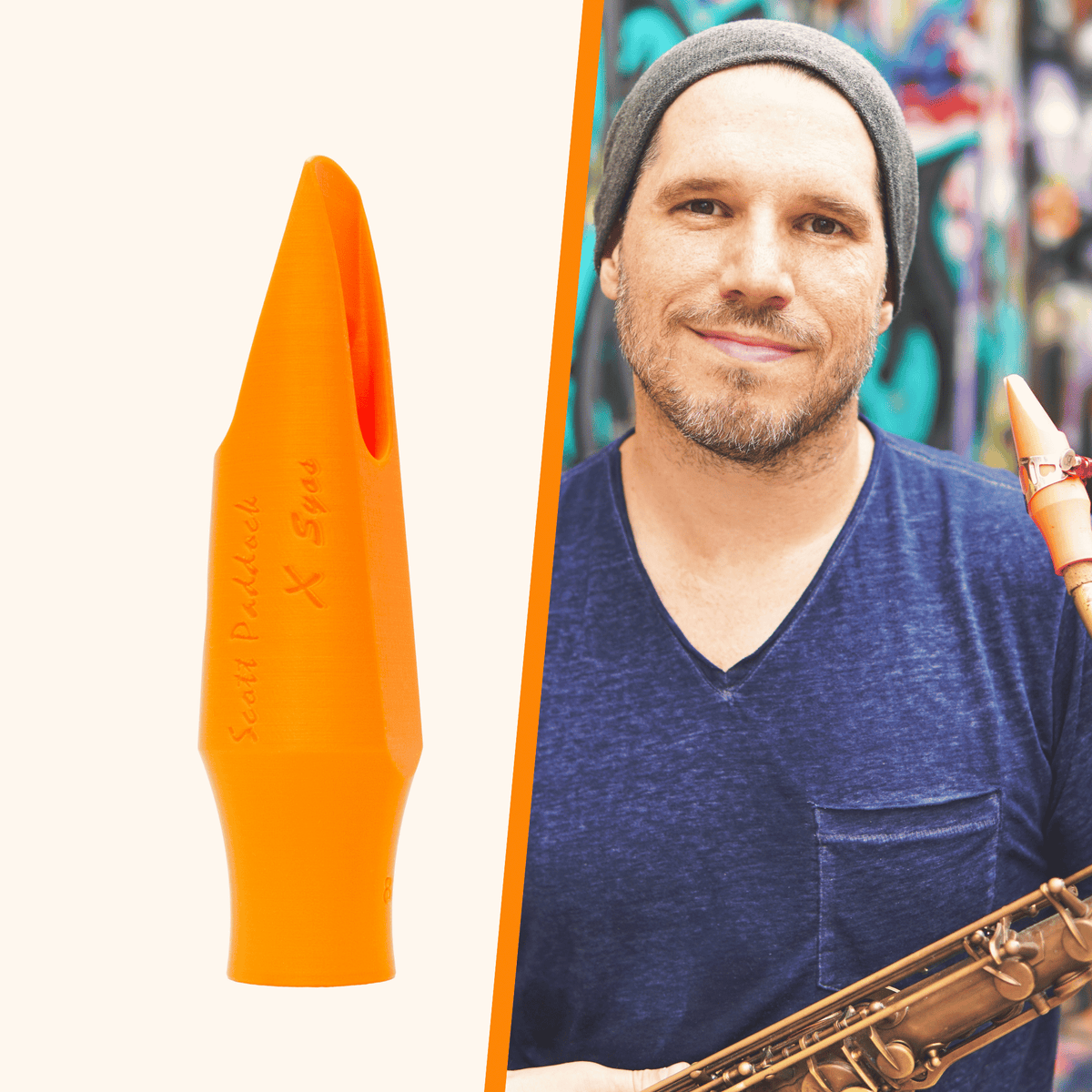
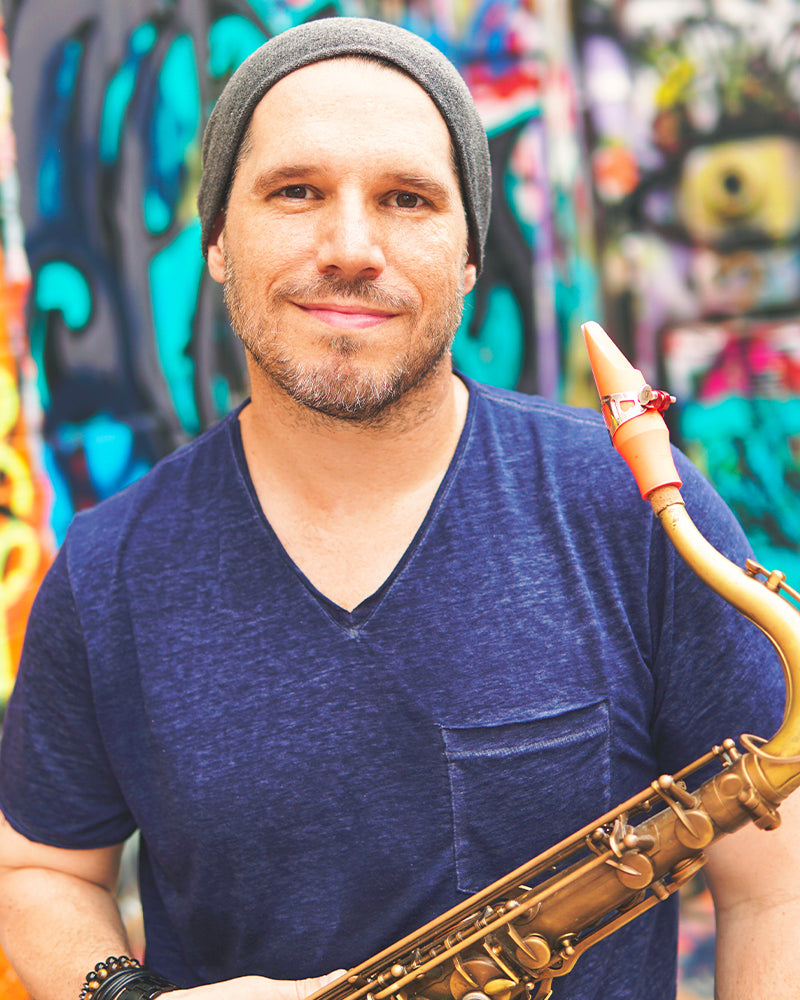
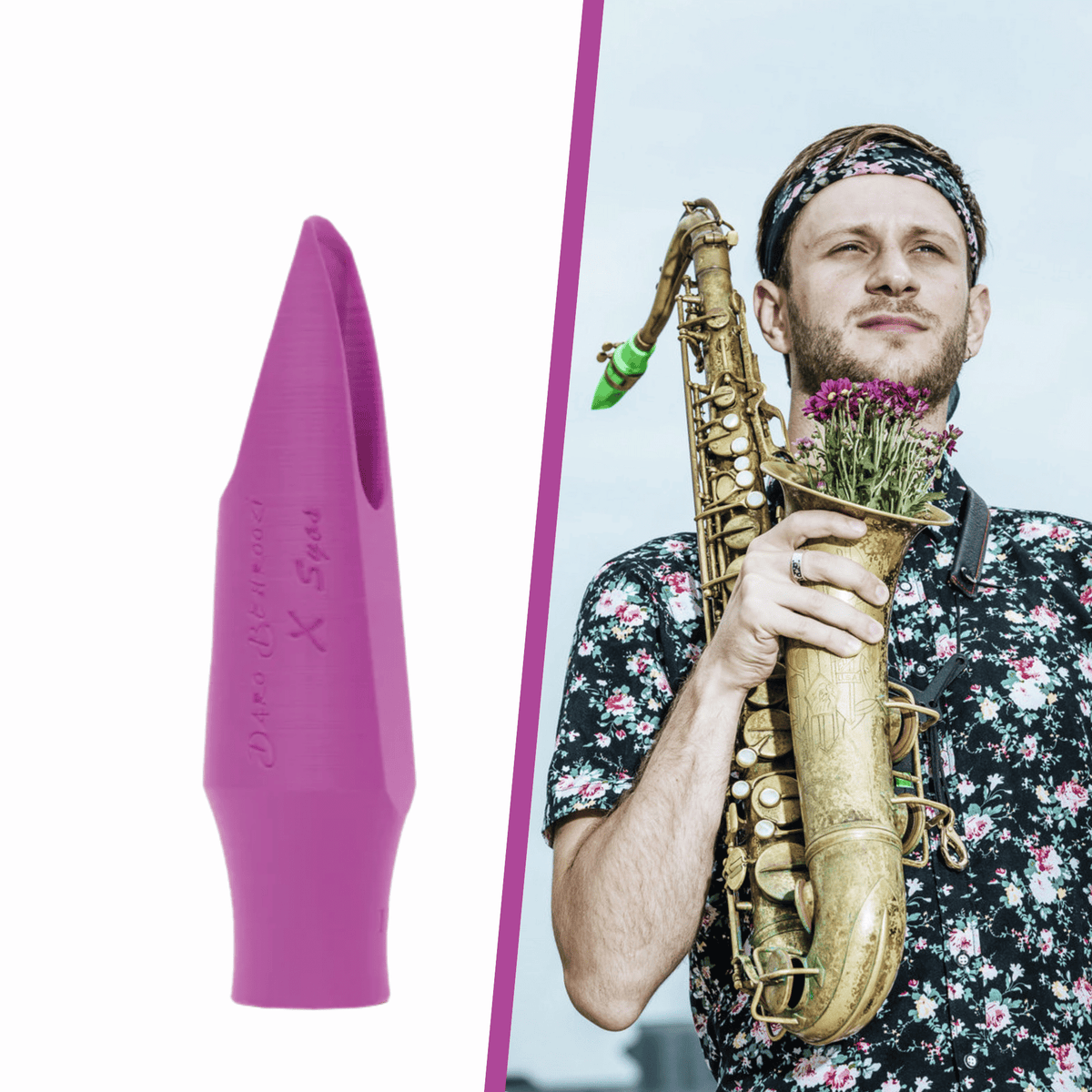
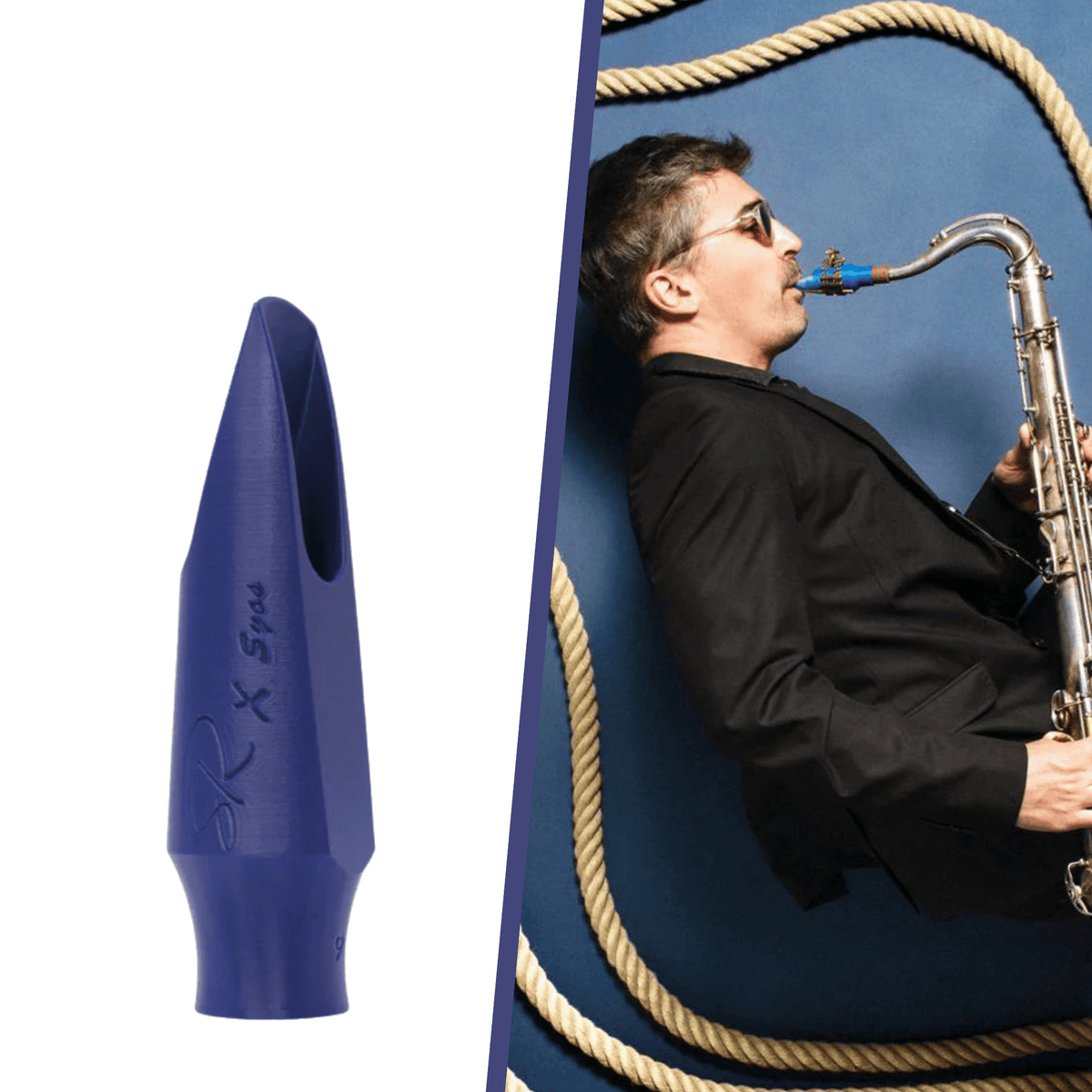
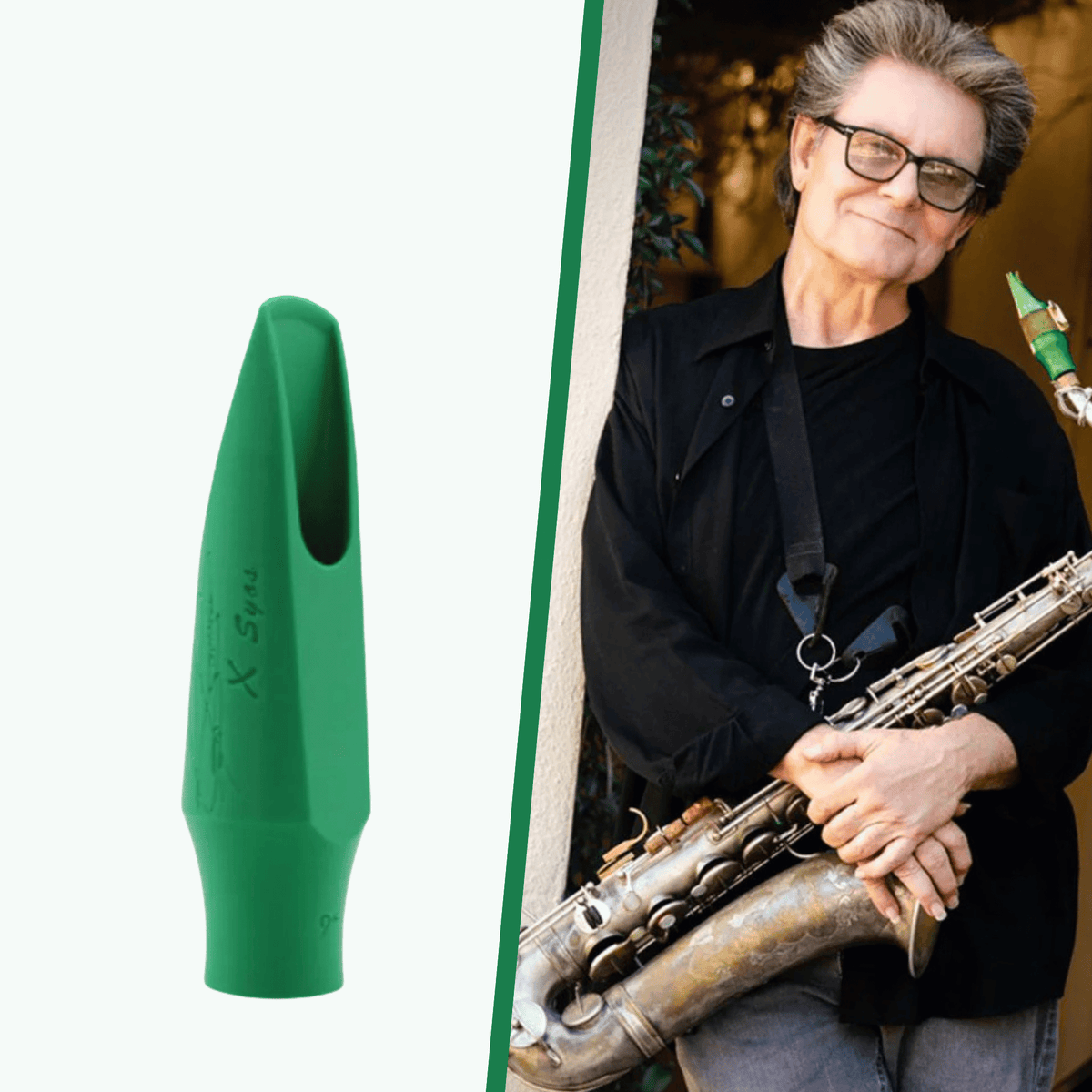
The Scott Paddock model is another strong option in this territory. Scott's playing spans funk, soul, and high-energy contemporary styles, and his mouthpiece reflects that - bright, assertive, with serious stage presence.
Are SYOS mouthpieces good for beginners?
Yes - because Syos mouthpieces are engineered to be easy to play.
Beginners benefit most from mouthpieces that make the fundamentals easier to control: stable intonation, smooth register transitions, and immediate, predictable response. That's exactly what Syos optimises for. Our acoustic simulation process removes the guesswork from geometry, so you get a mouthpiece that responds consistently and doesn't fight you as you're building your embouchure.
Choose the right tip opening: beginners often struggle with very wide tip openings (7 and above) because they require more embouchure strength and air support than most players have developed early on. Start with a tip opening 5 or 6 (2.03–2.28 mm). It gives you enough resistance to build proper technique without fighting the mouthpiece.
The Syos Originals Steady is a strong first choice: its balanced geometry is forgiving, responsive, and works with a wide range of reed strengths (a soft 2 or 2.5 reed is a good starting point).
The most important thing to know: every Syos mouthpiece comes with a 30-day trial period. You can play it in real conditions - rehearsals, gigs, practice sessions - and return it if it's not right. That removes the biggest risk of buying a mouthpiece online: not knowing how it'll feel until it's too late. For beginners especially, that guarantee matters. You're not locked into a decision before you've had time to really hear yourself play.
Why are SYOS mouthpieces easy to play?
Playability comes down to geometry. Syos uses acoustic simulation to optimise the internal shape of each mouthpiece - the baffle, chamber, and bore - so that sound production is efficient and responsive. This means stable intonation across the range, smooth transitions between registers, and immediate response to your air and embouchure changes. Rather than fighting the mouthpiece or compensating for poor geometry, you can focus on your sound and your music. That's what "easy to play" means: the mouthpiece works with you, not against you.
Not sure which model suits your style? Read our best tenor saxophone mouthpiece guide — warm jazz to big band picks compared.