
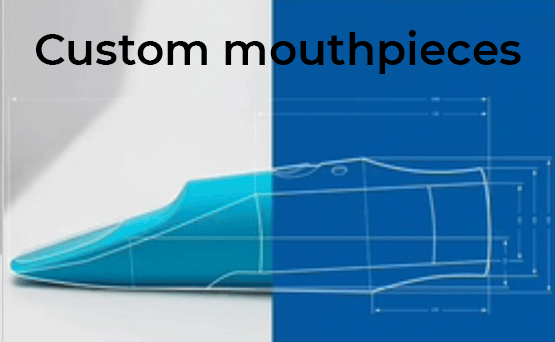
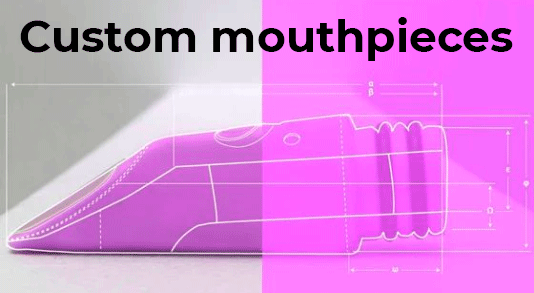




No encontraste el producto que buscas?
Crea tu propia boquilla
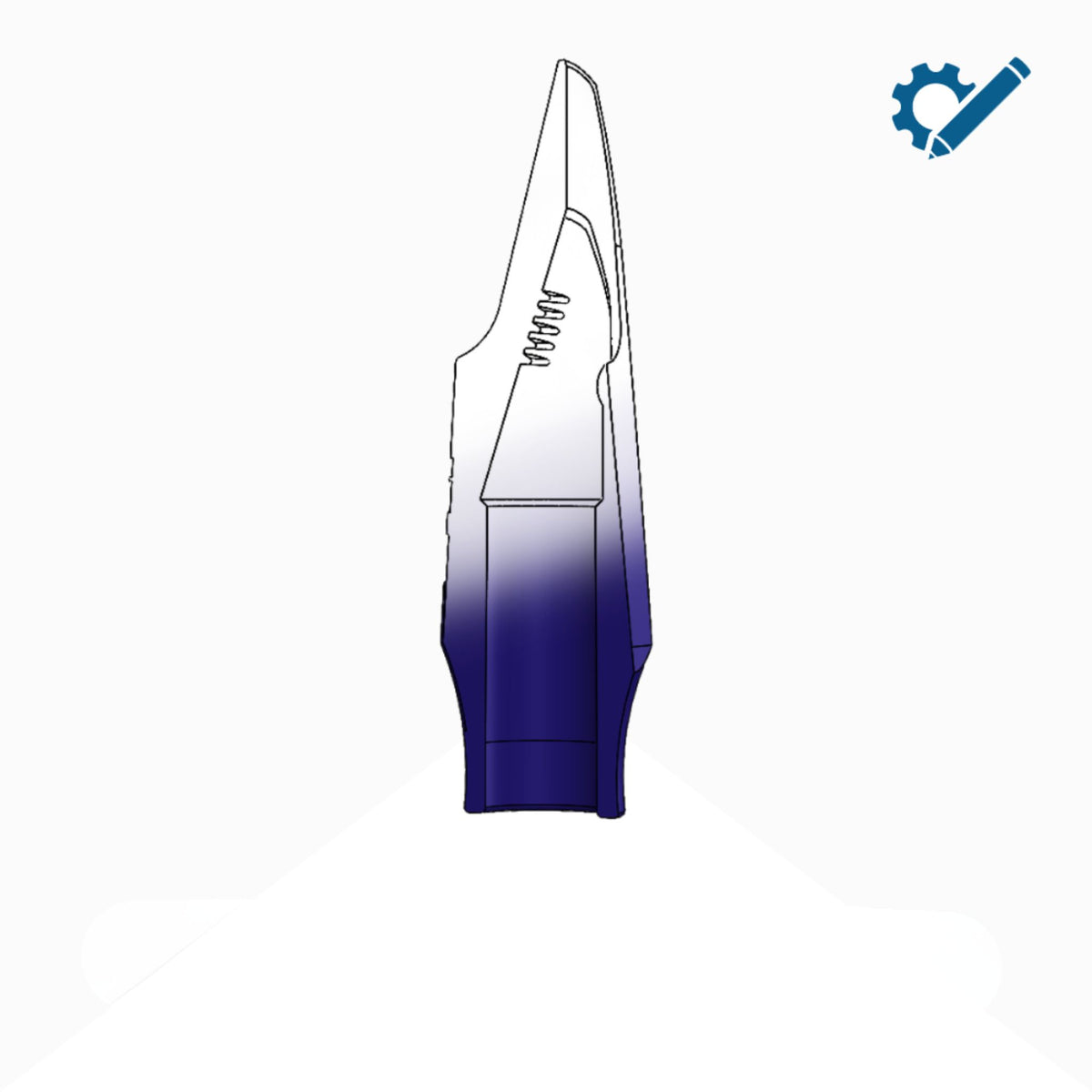

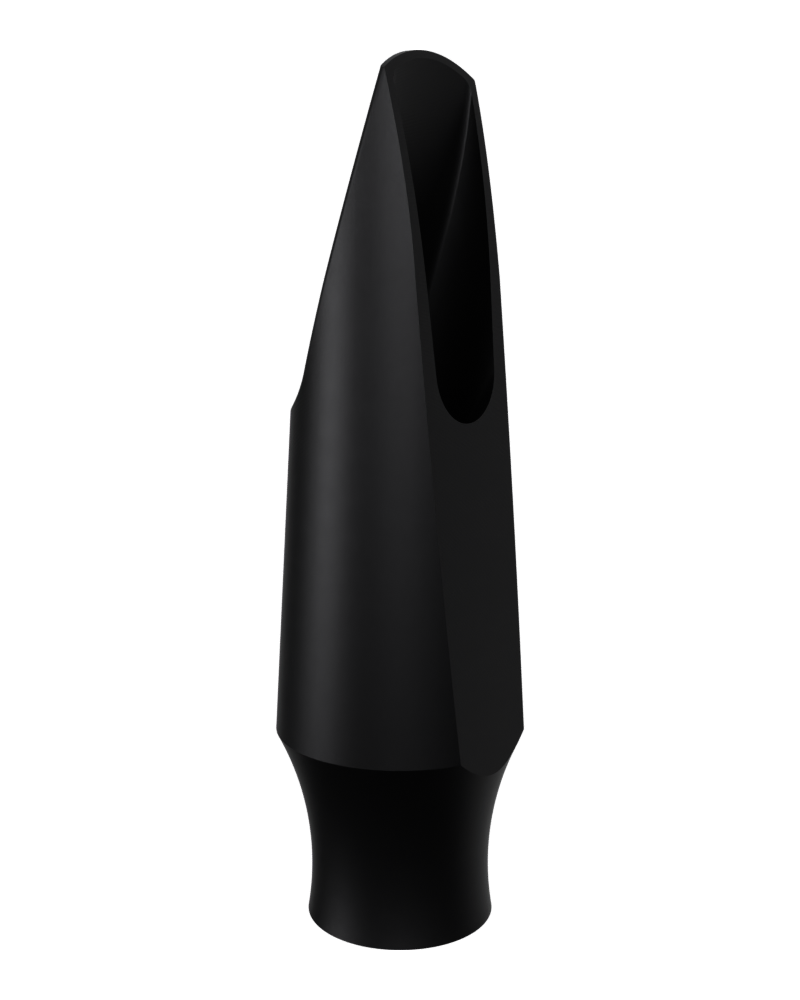
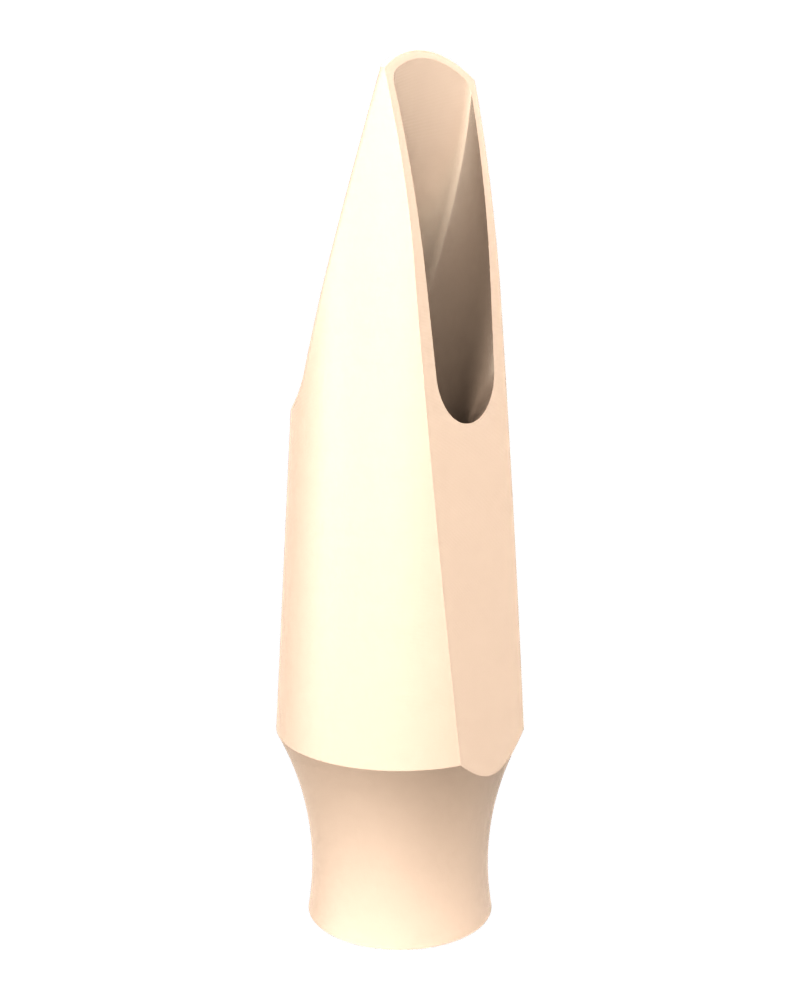
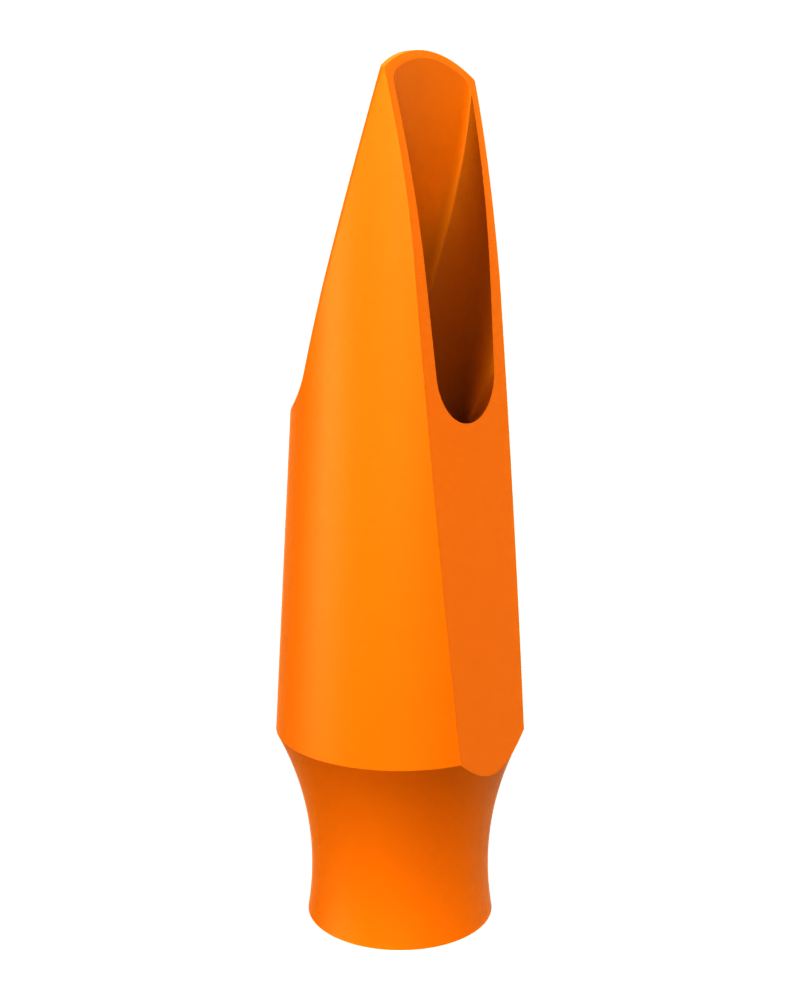
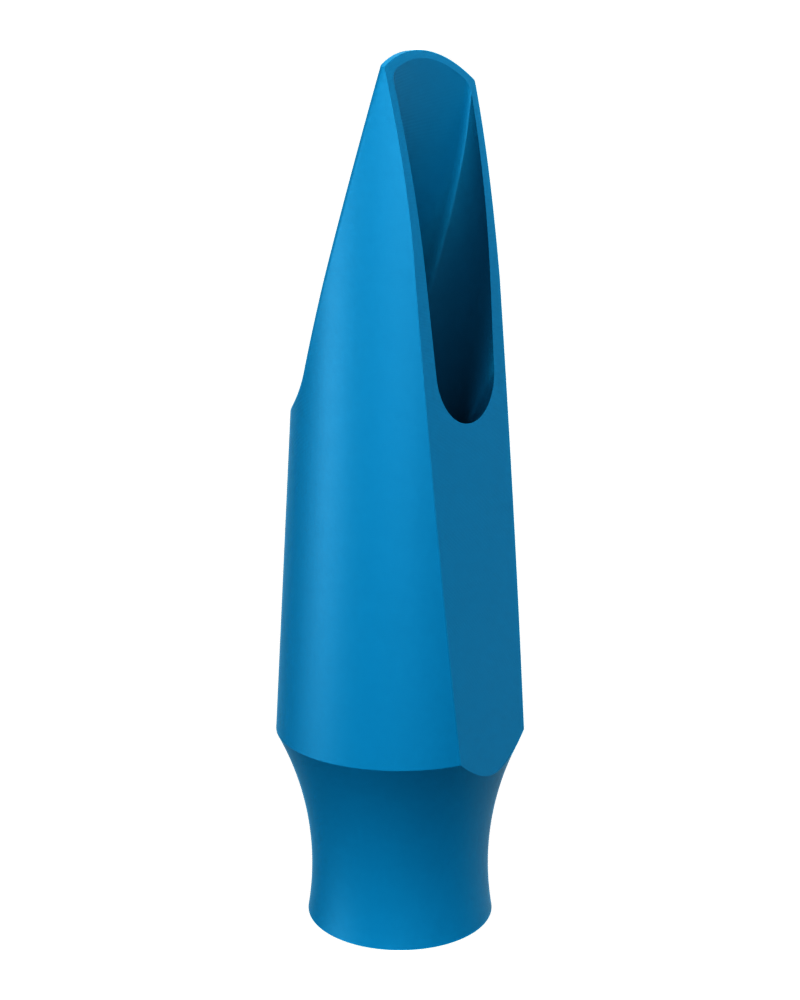
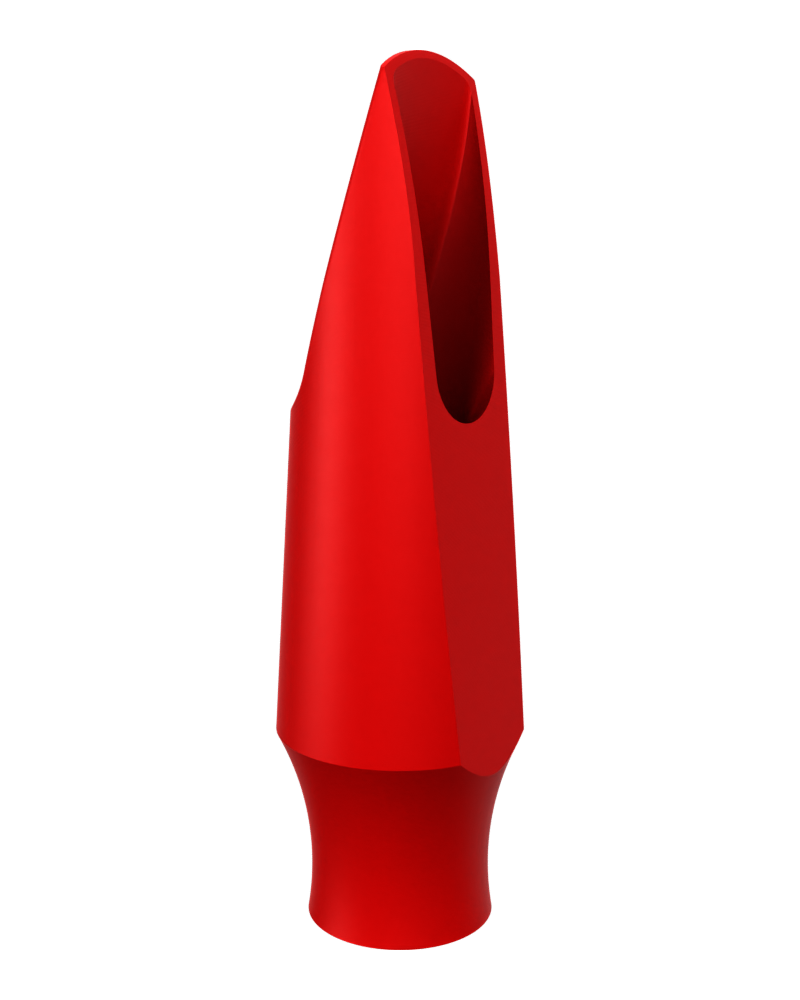
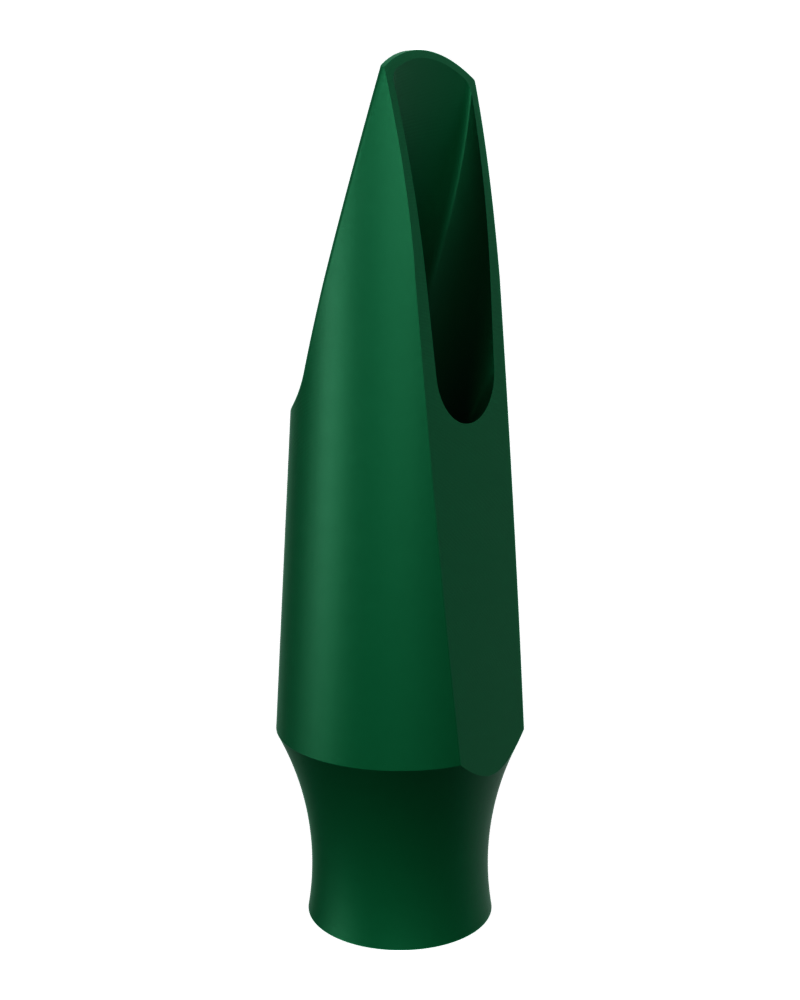
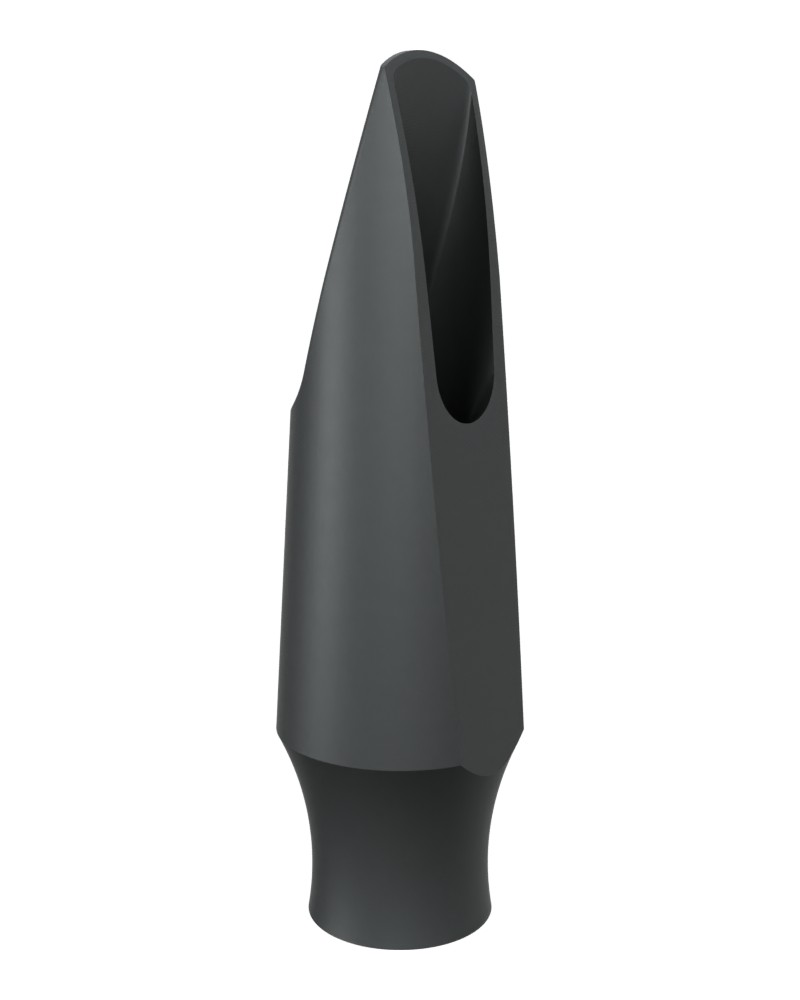
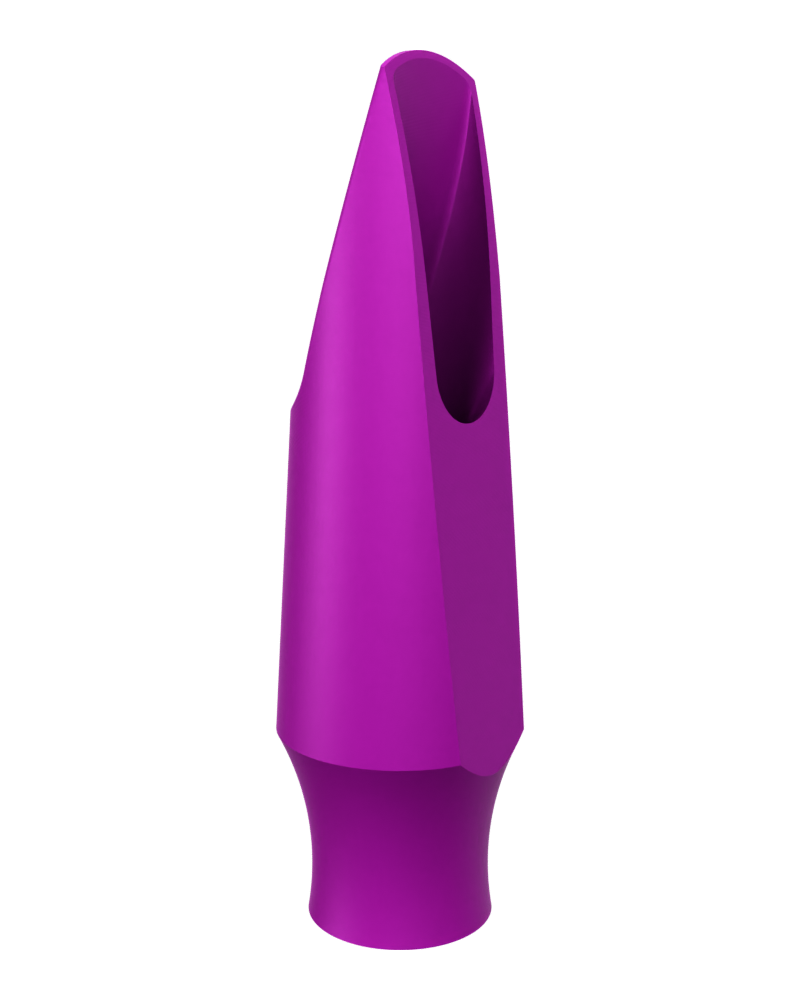
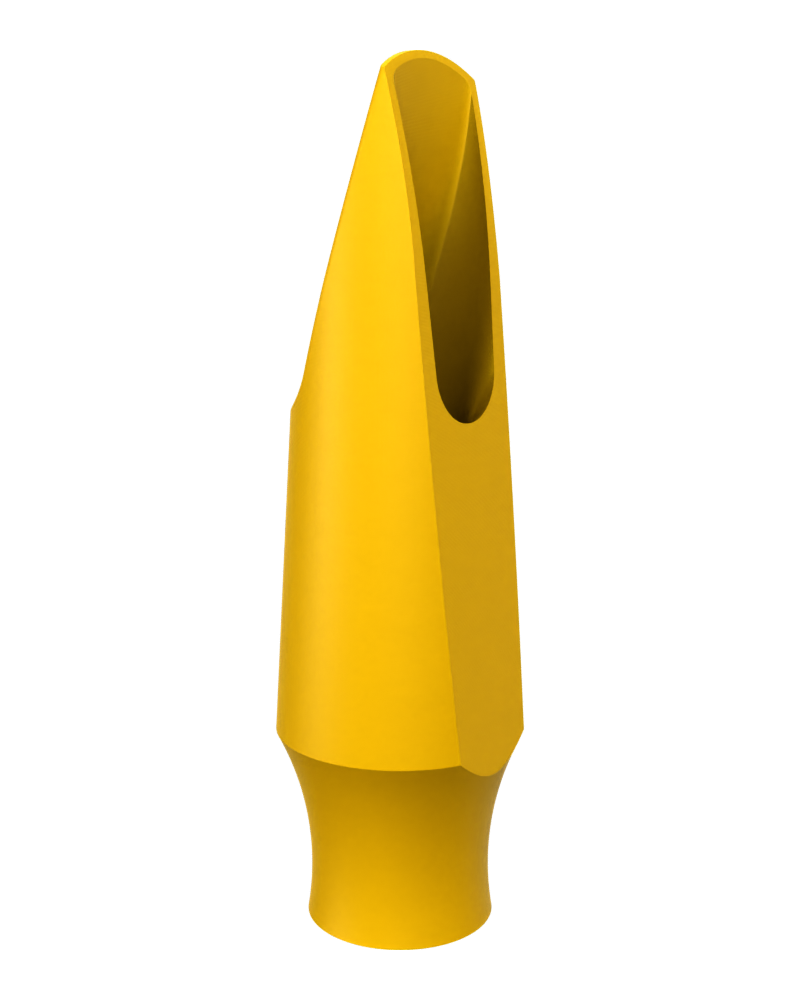
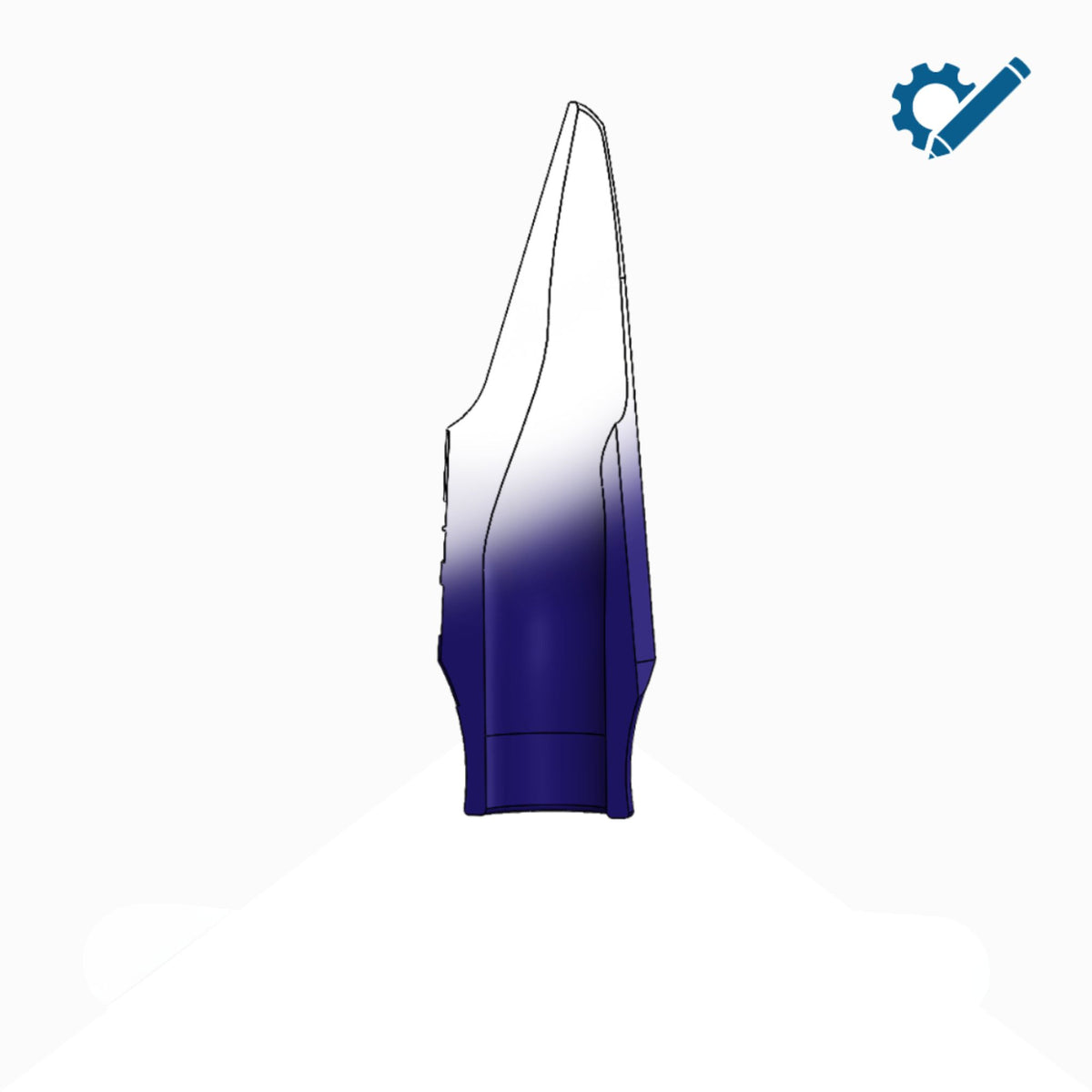
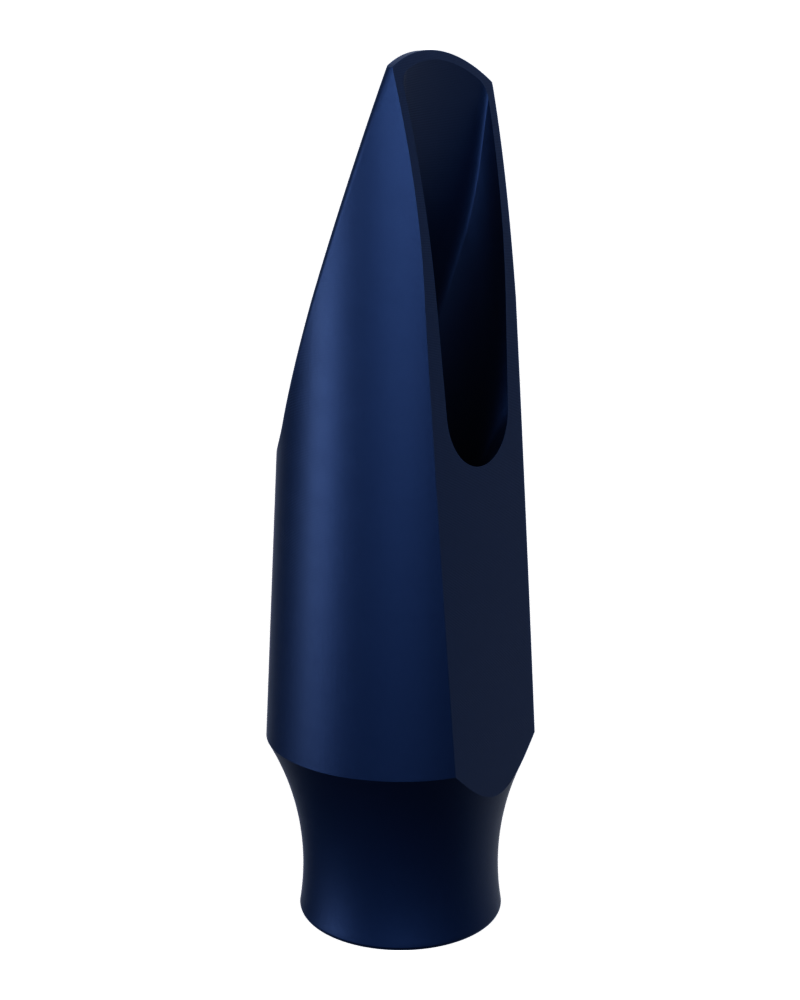
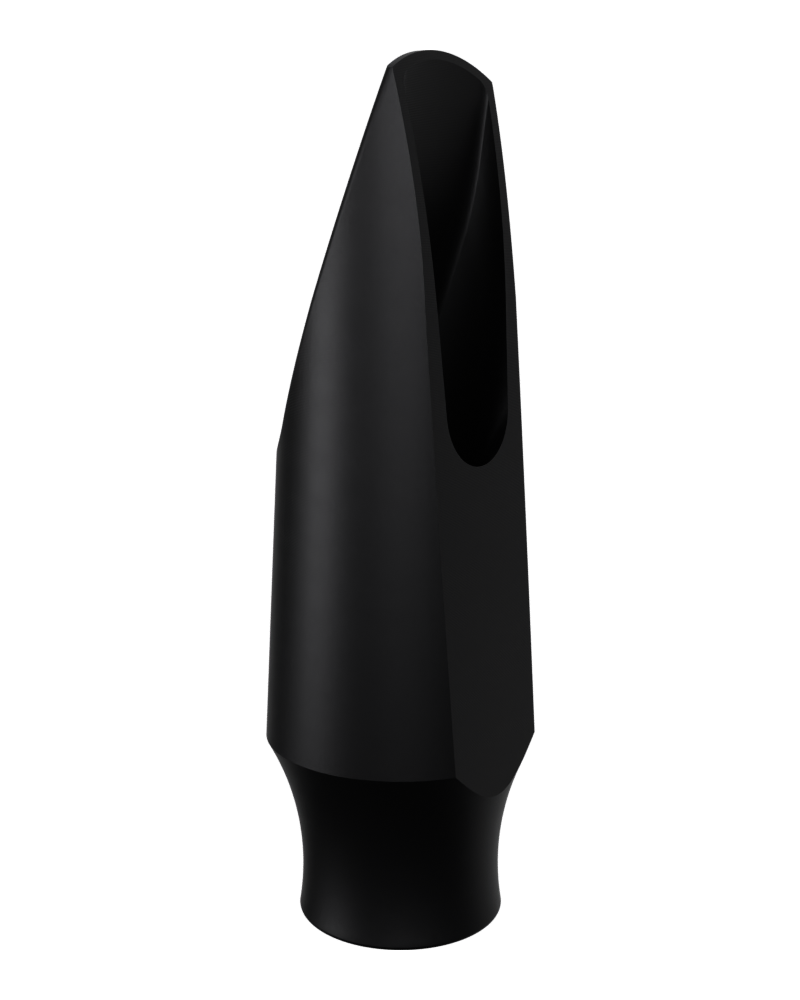
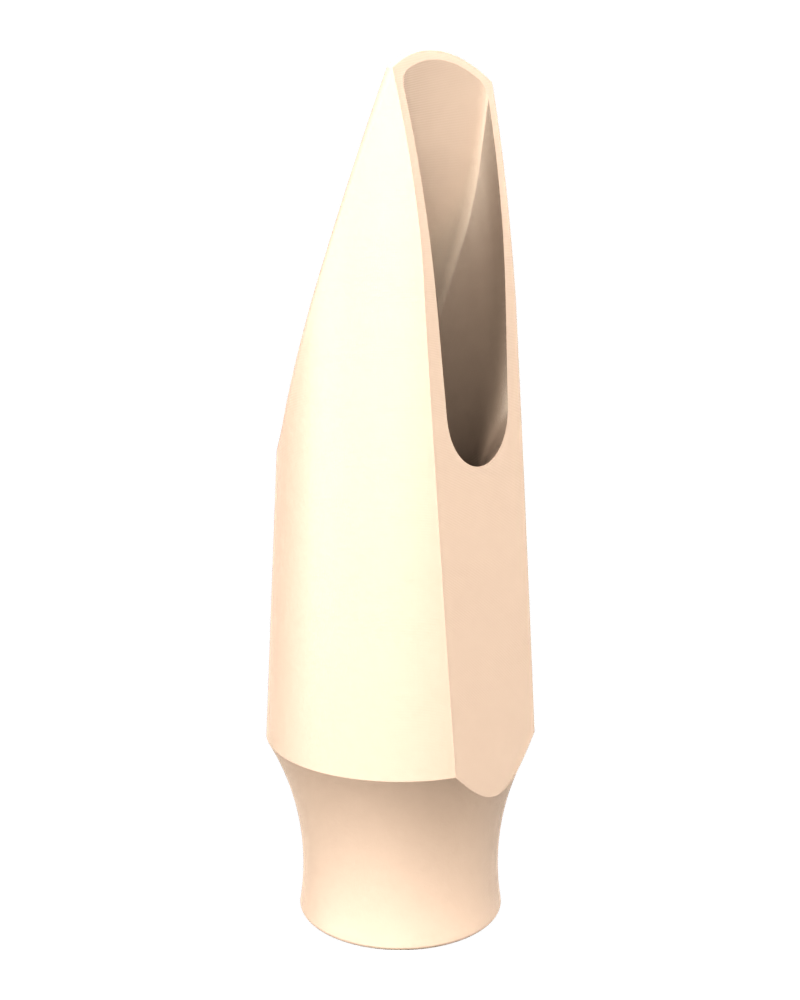
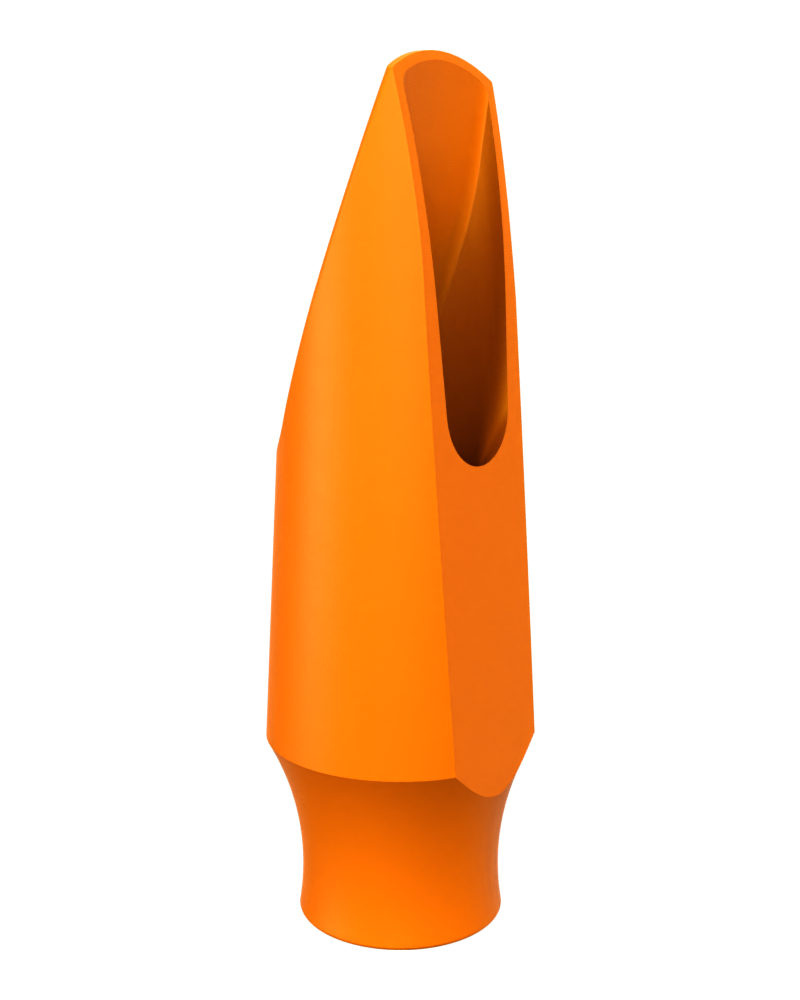
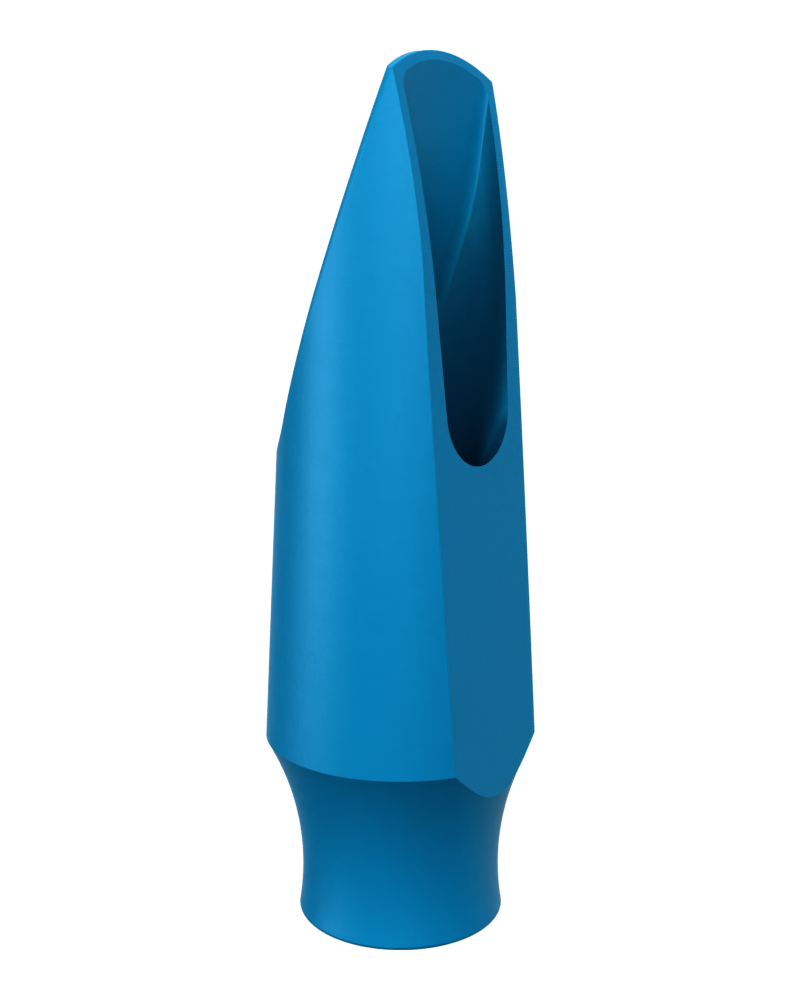
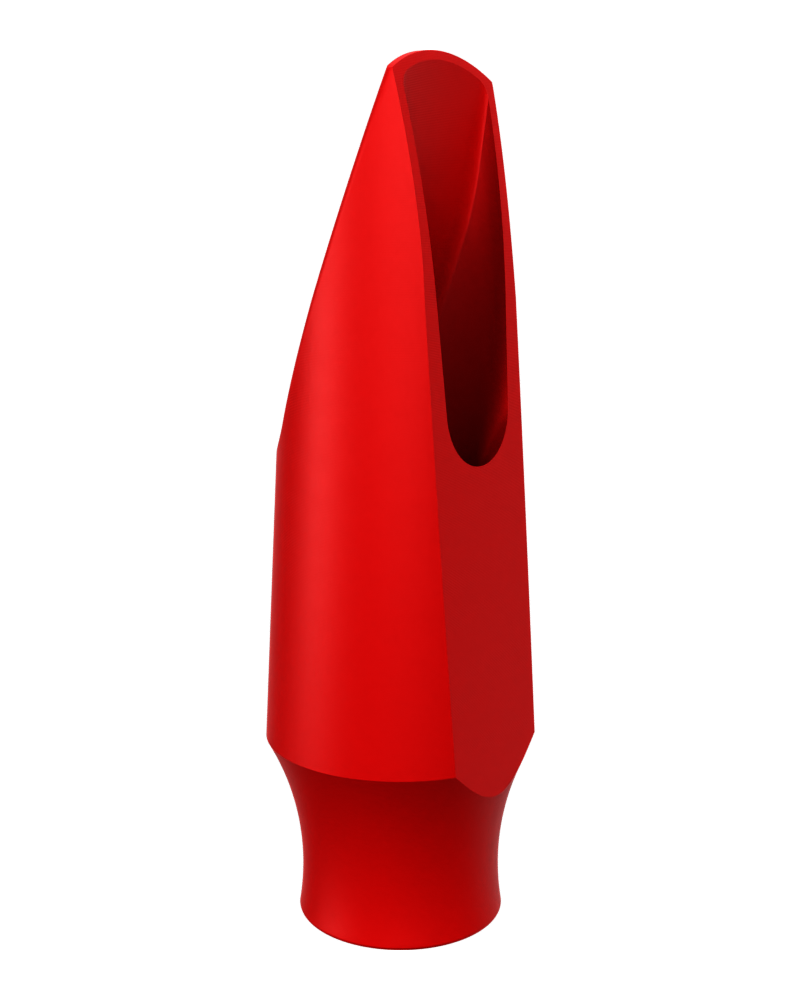
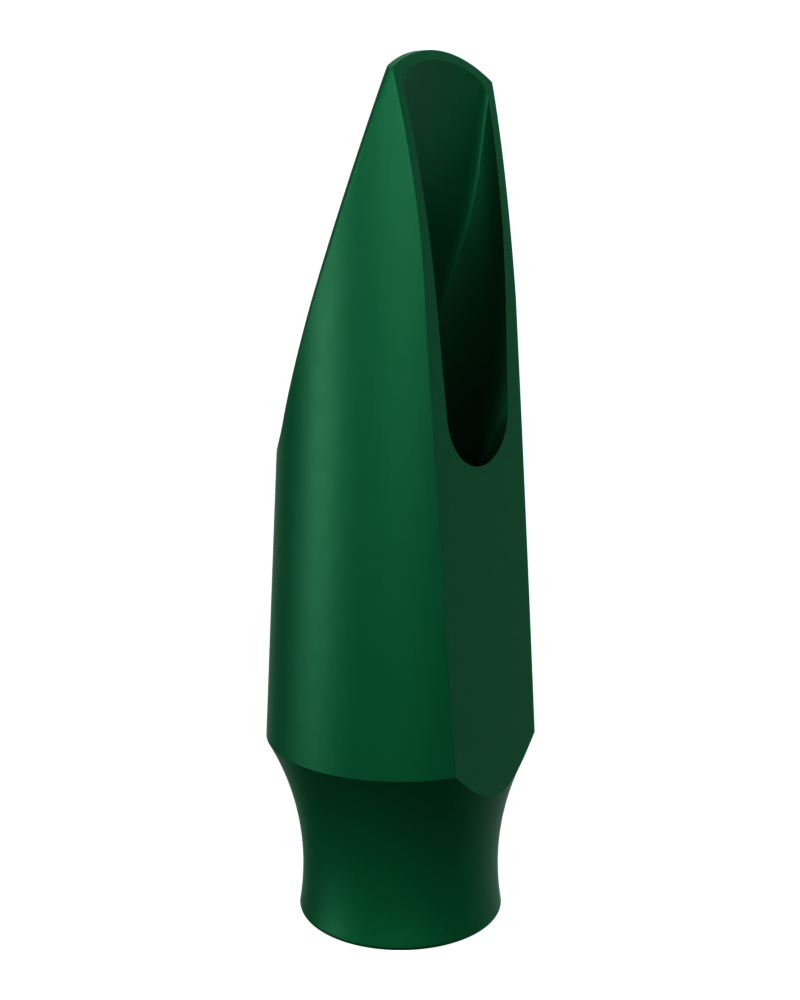
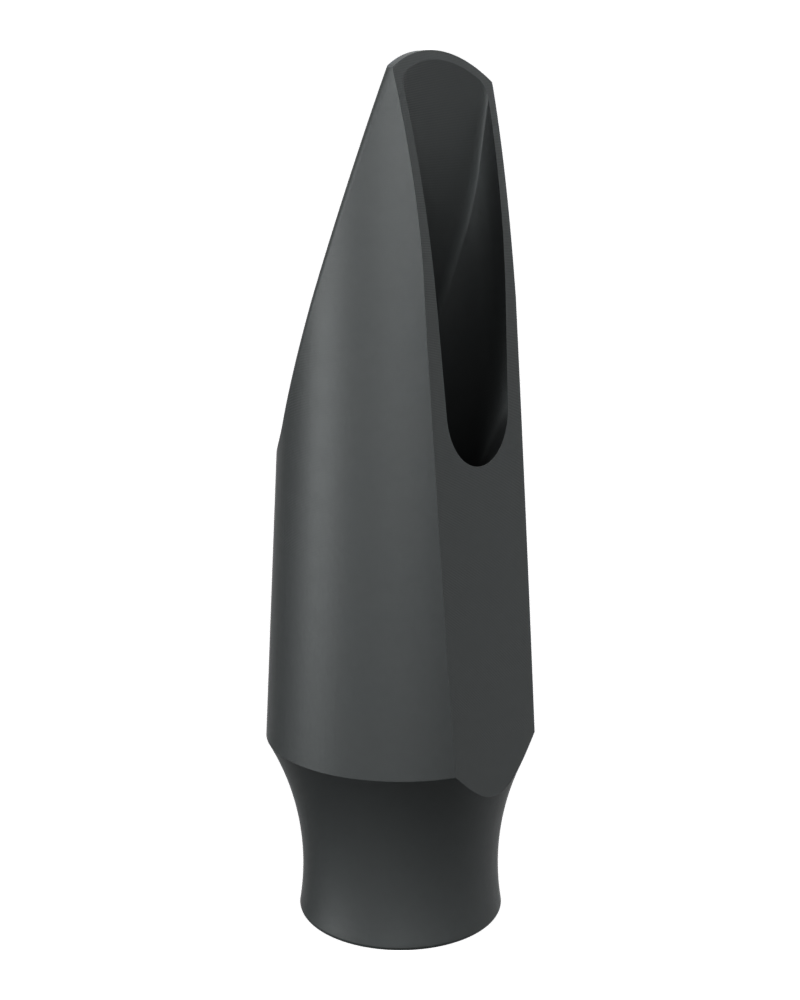
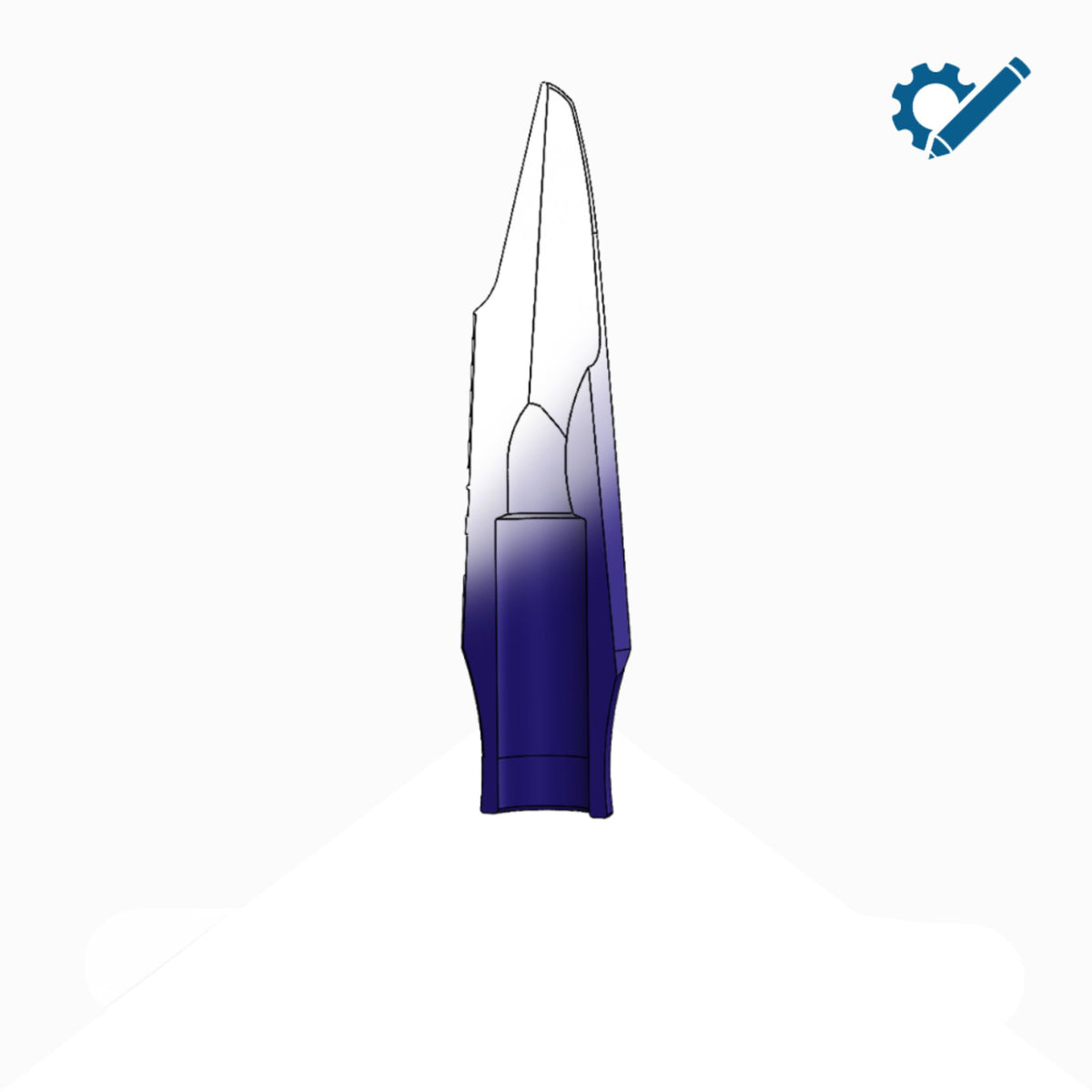
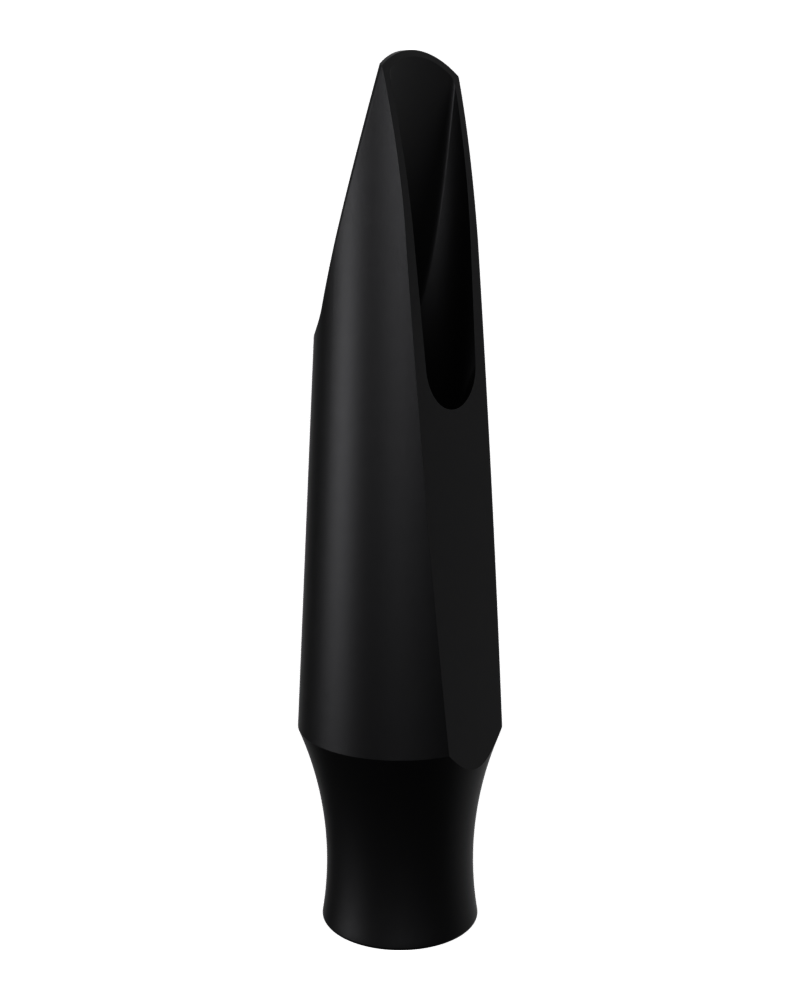
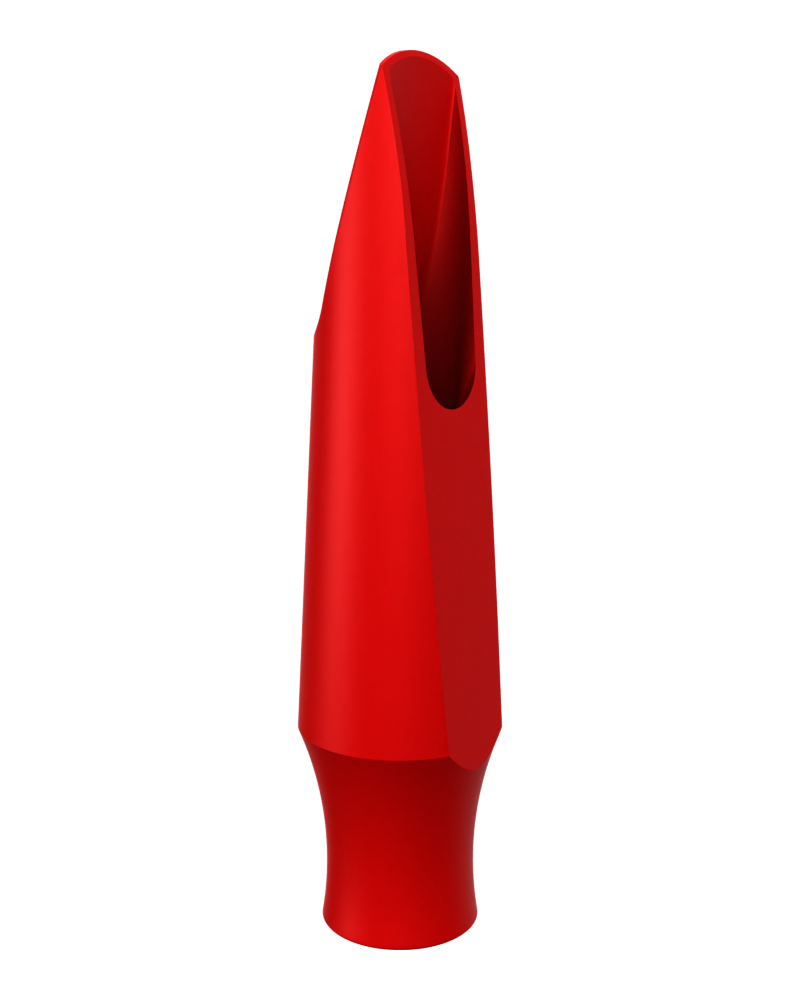
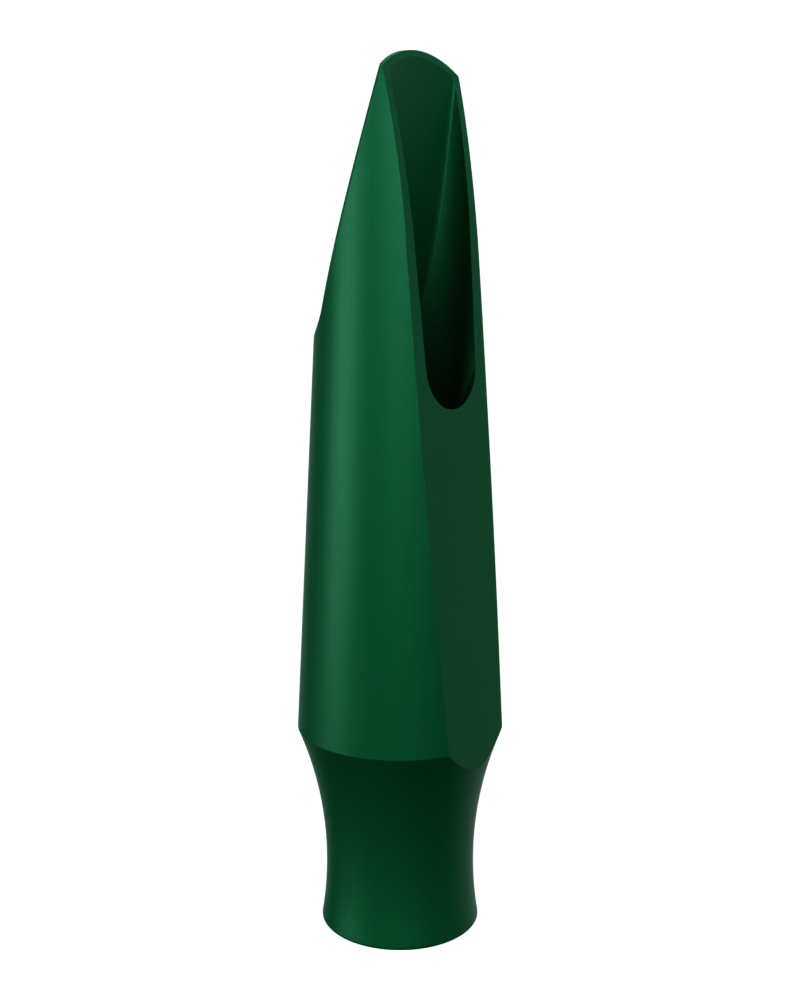
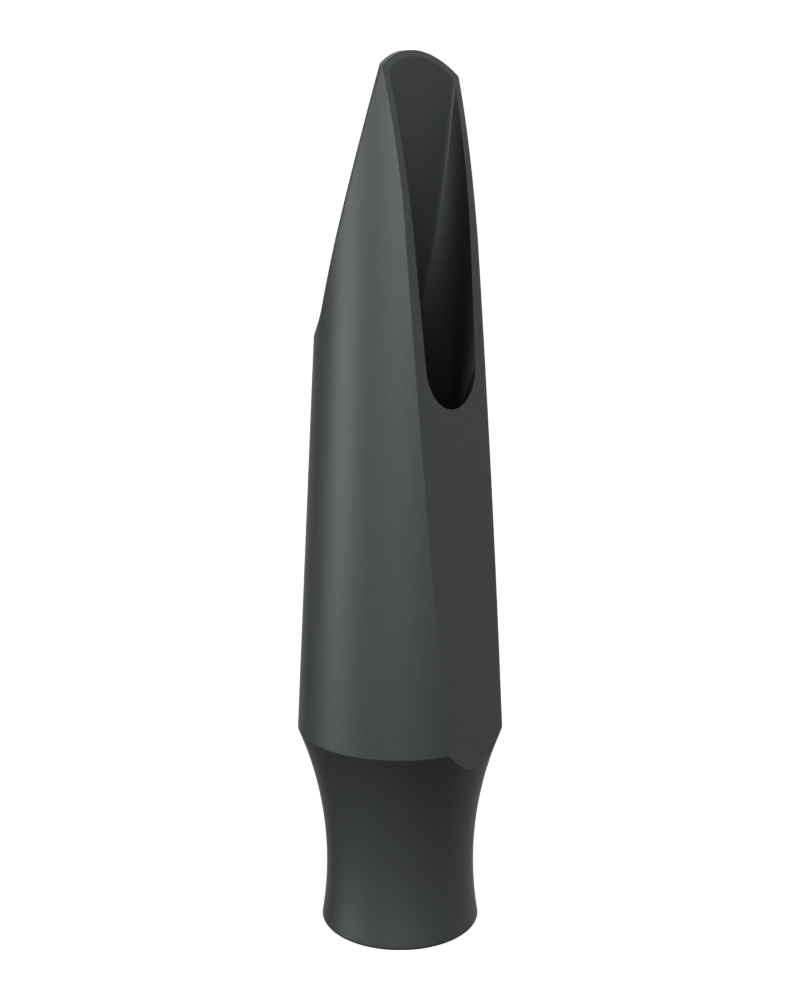
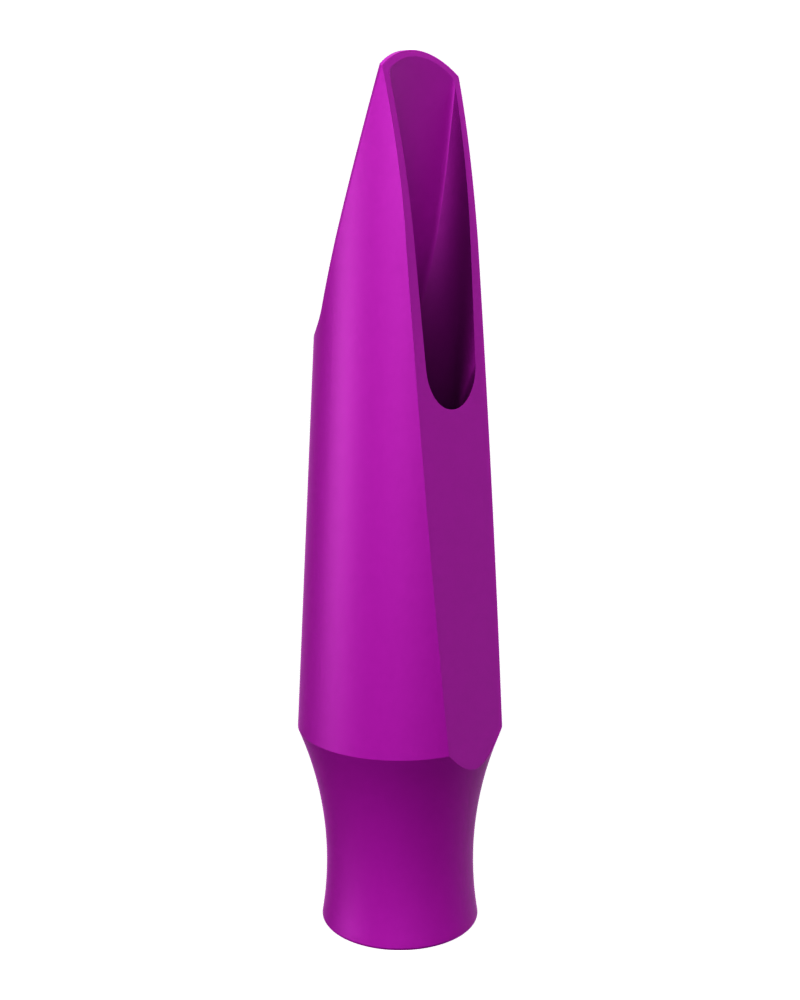
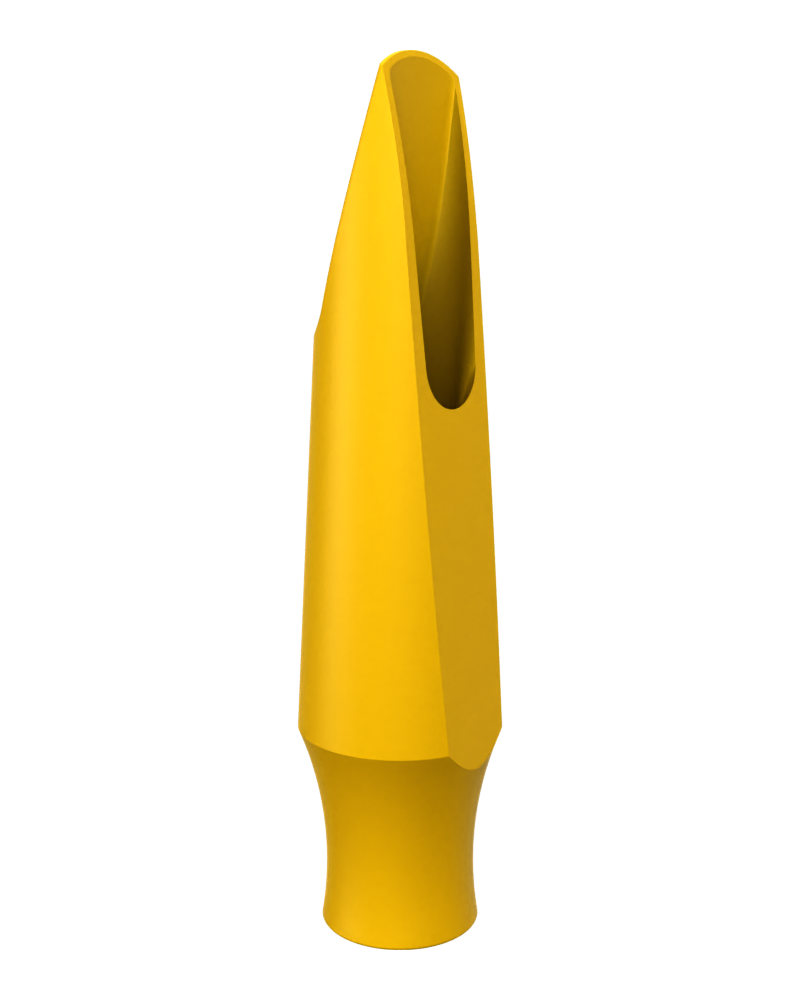
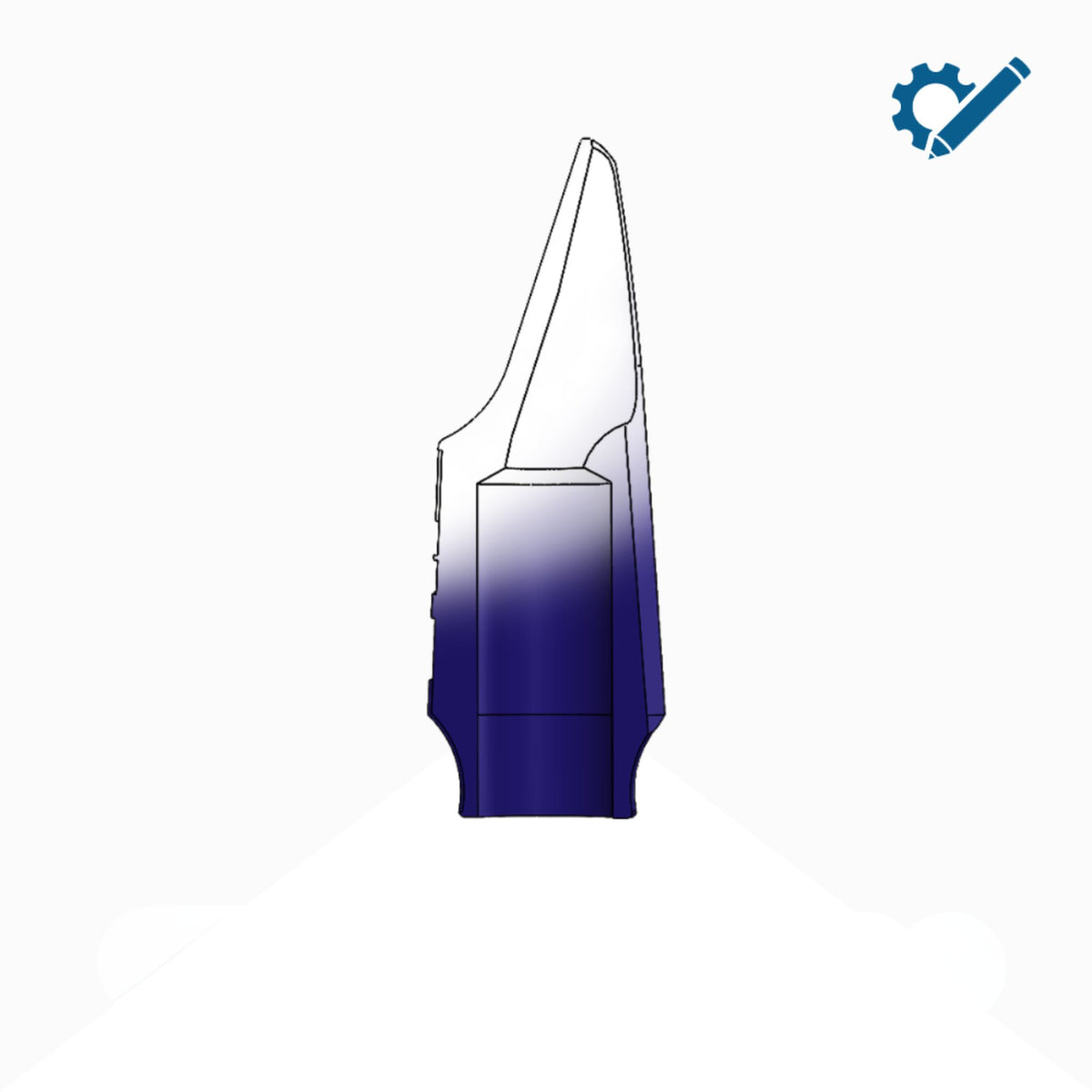
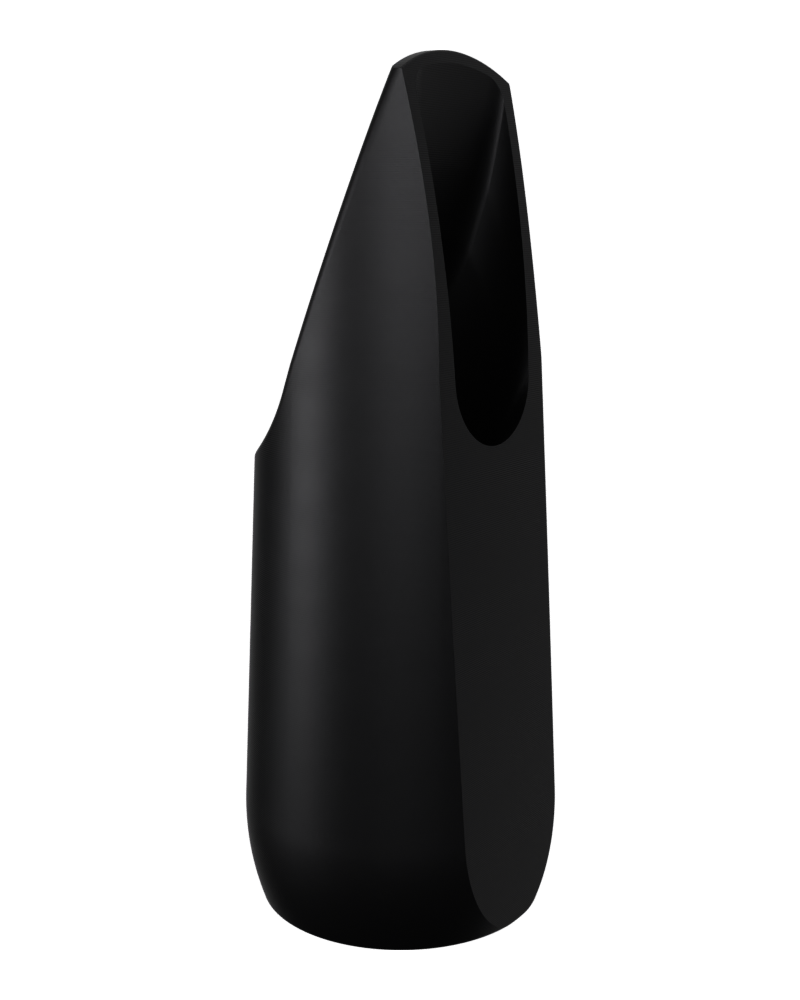
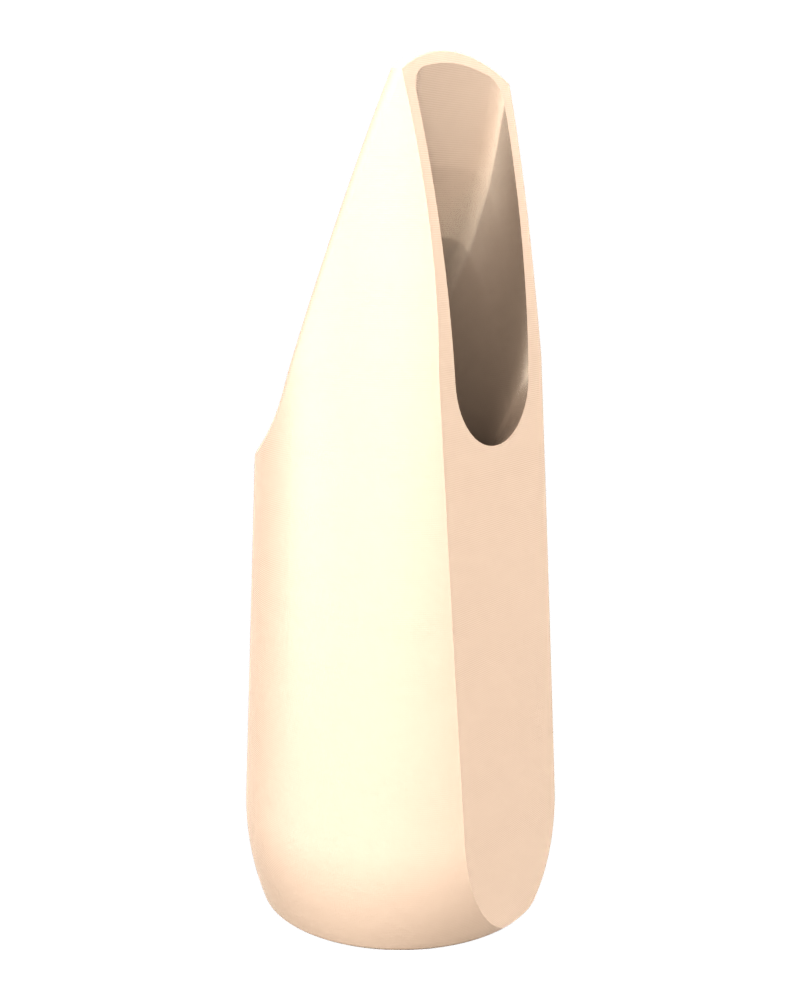
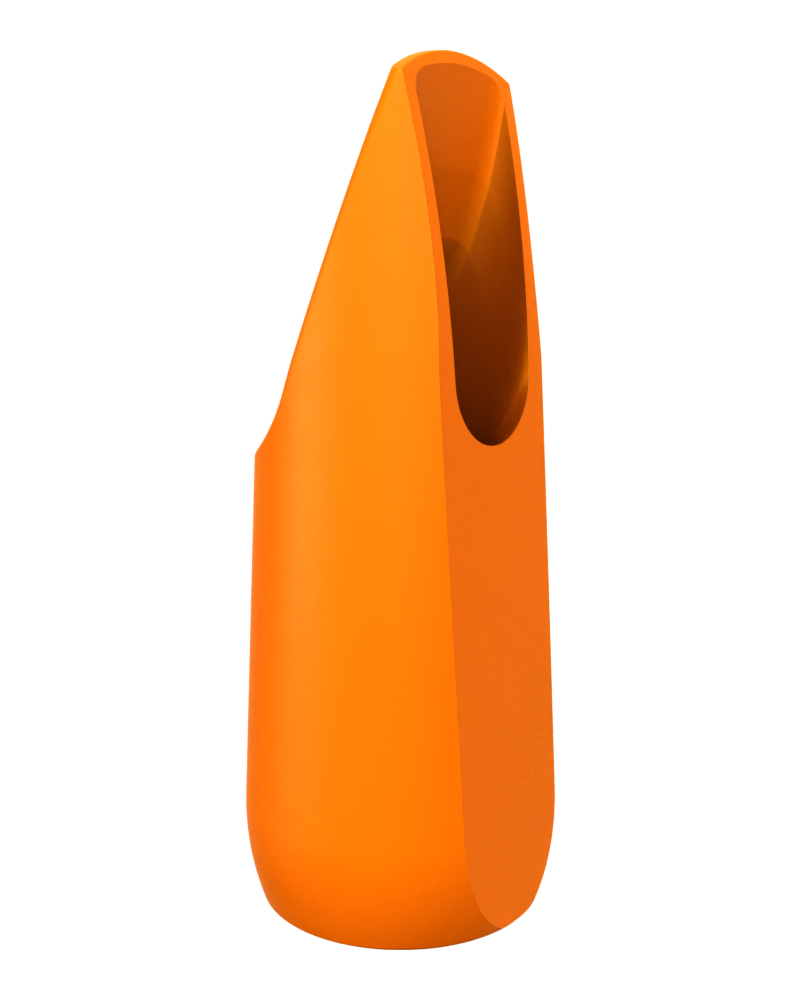
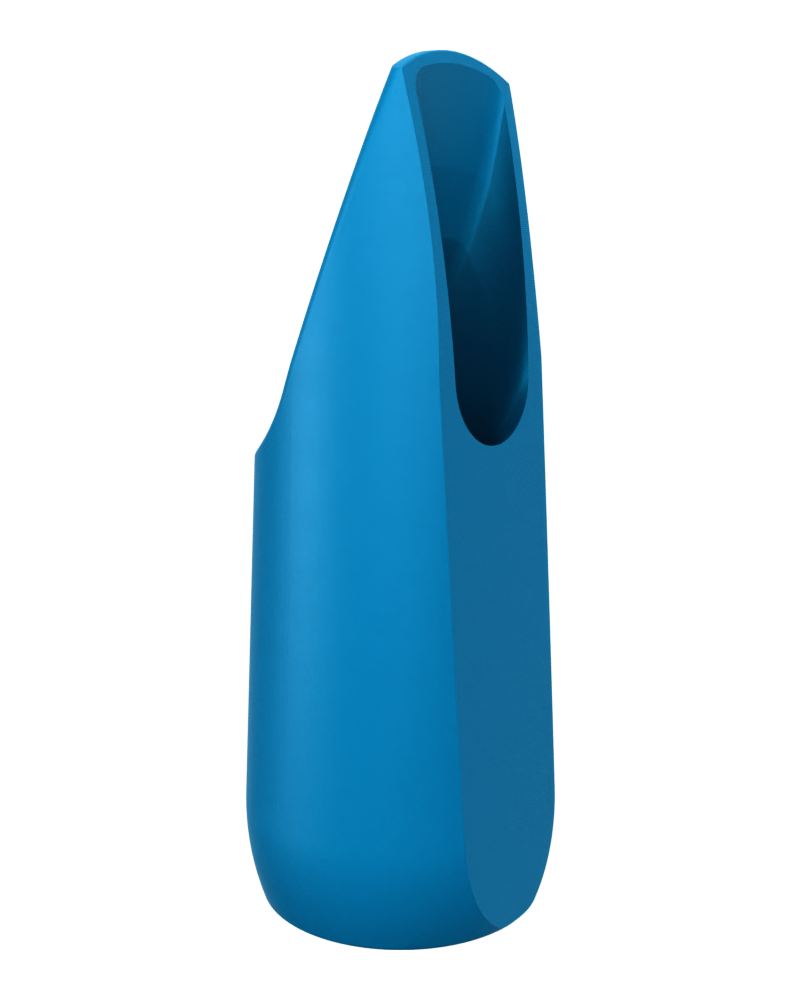
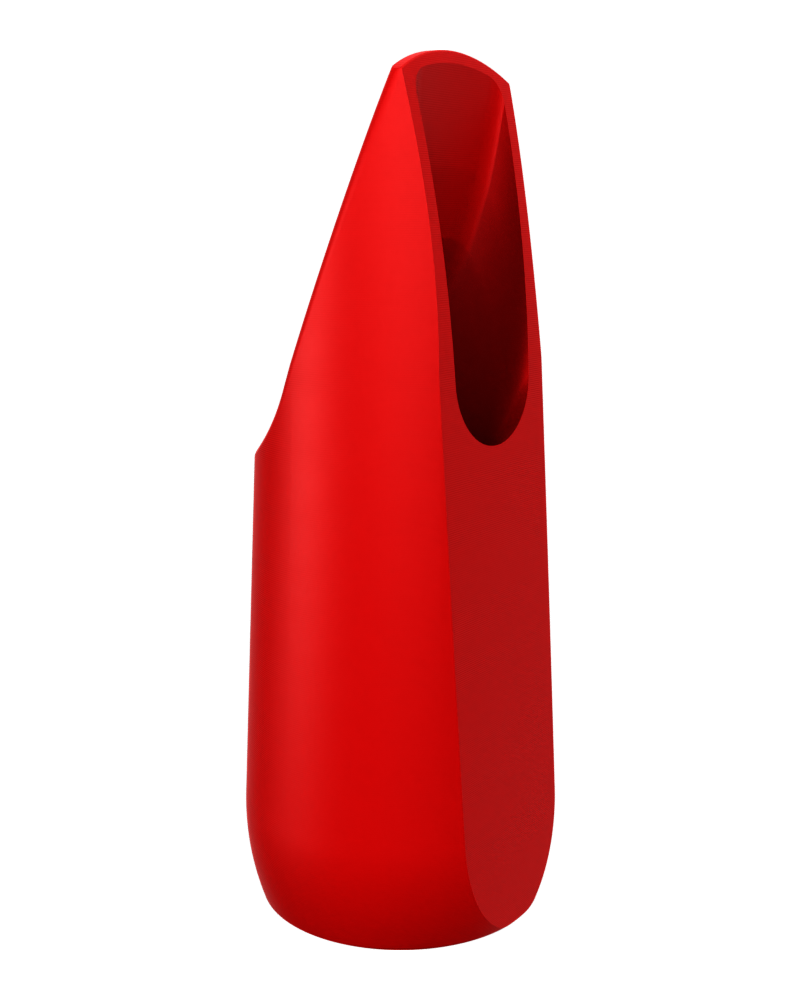
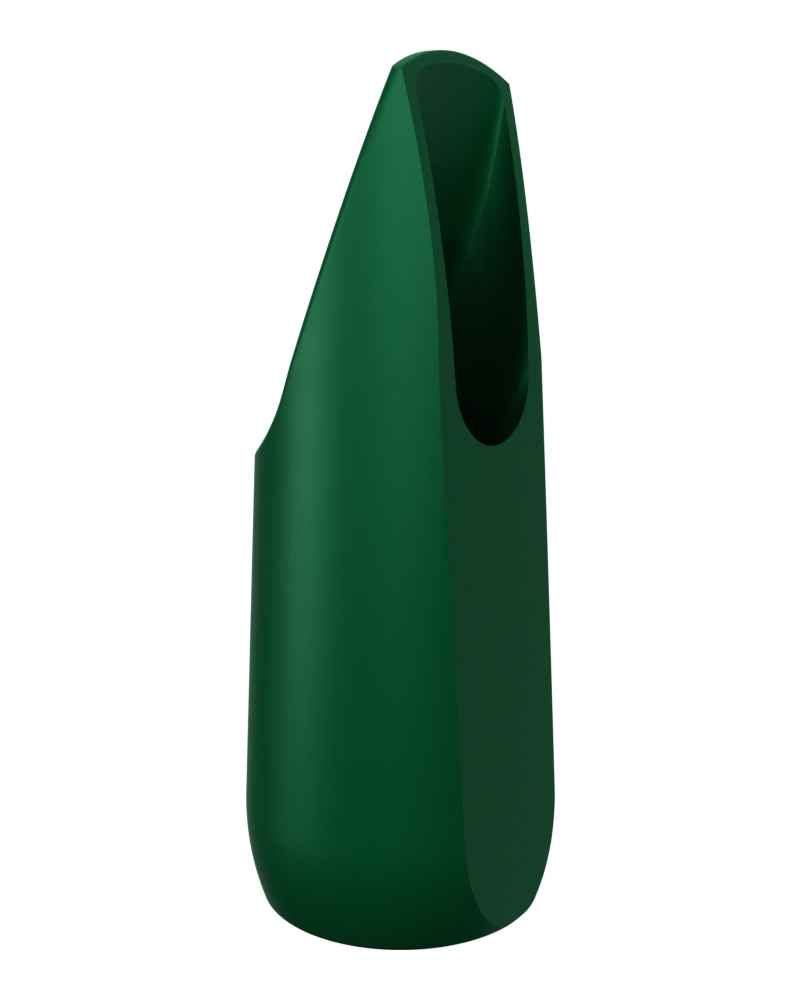
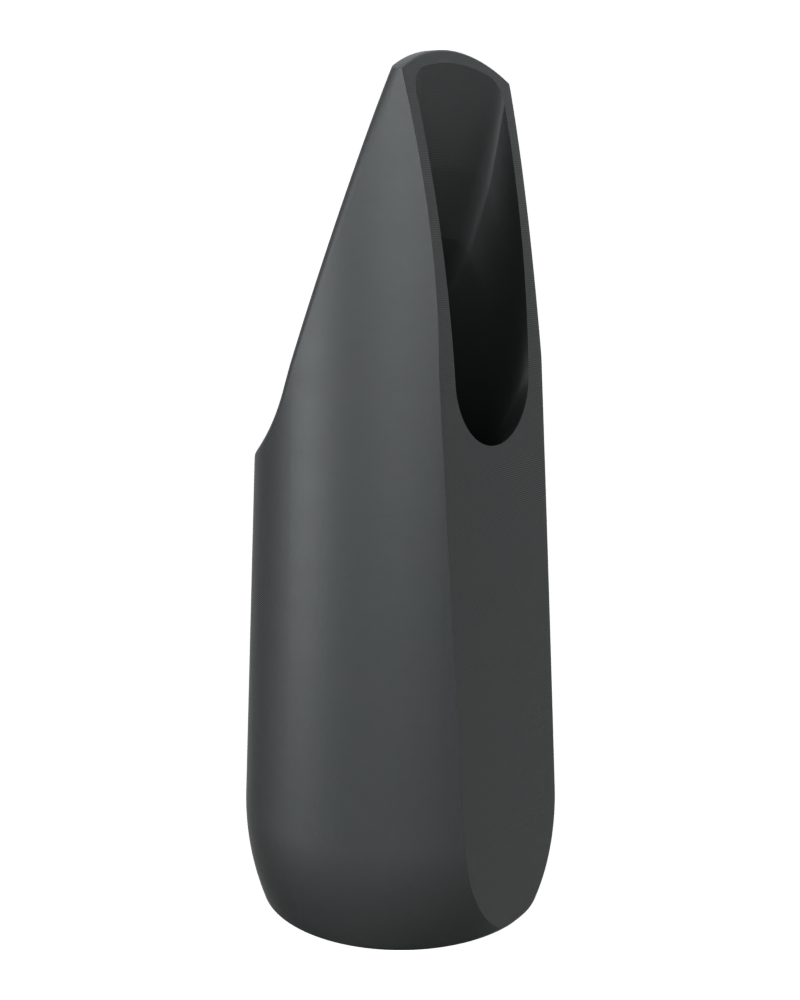
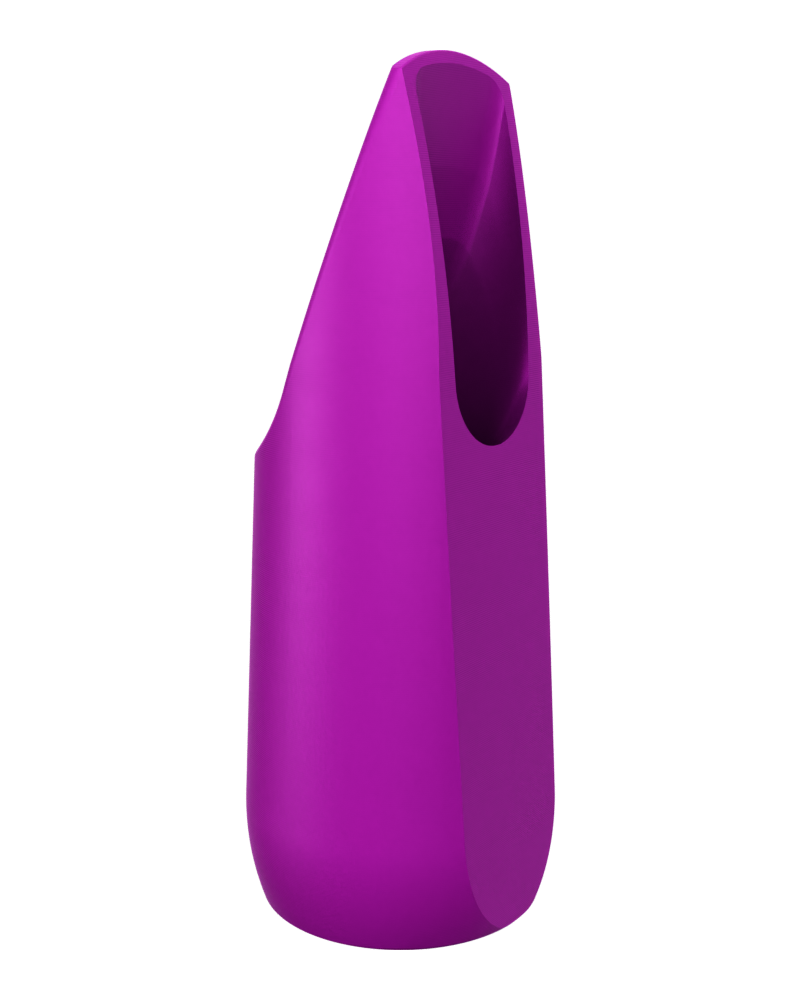
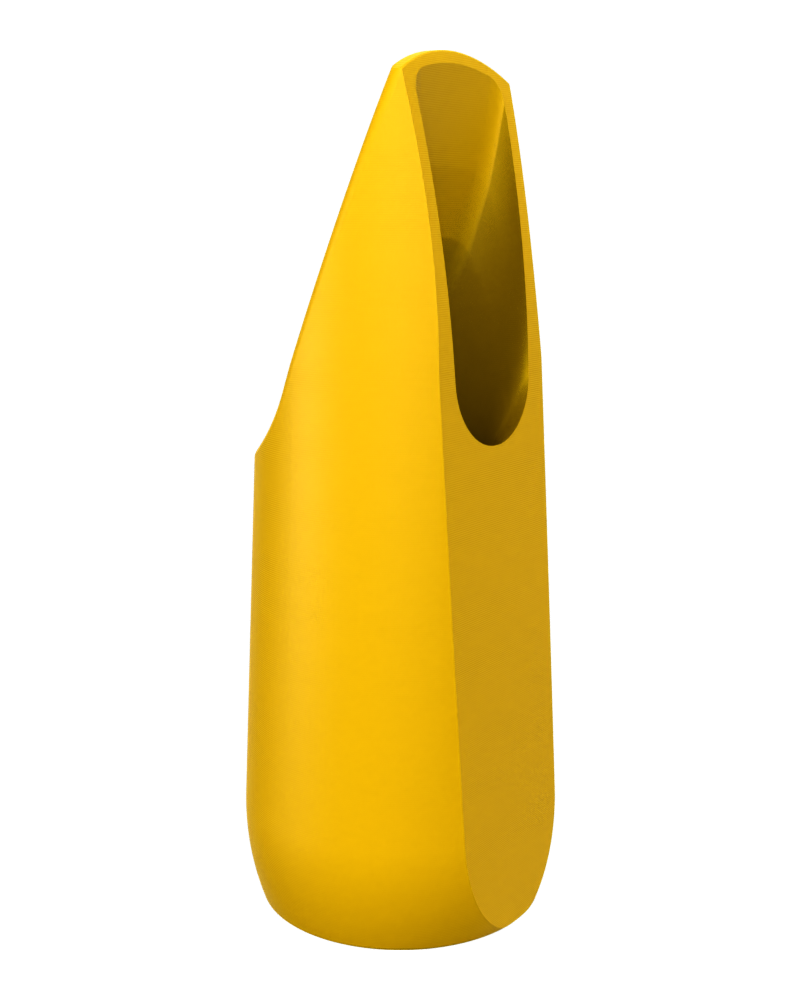
Encuentra la boquilla de saxofón alto adecuada para tu sonido
Todo saxofonista alto tiene un sonido en la cabeza. La boquilla es lo que te acerca a él, o lo que te lo impide. Las boquillas Syos están diseñadas para eliminar la fricción entre tú y tu sonido: están pensadas para ser fáciles de tocar. Con un proceso propio de simulación acústica, optimizamos la geometría interna para que la afinación sea estable, las transiciones de registro sean fluidas y la respuesta sea inmediata y consistente en todo el rango del instrumento.
El saxofón alto ya tiene de por sí un timbre brillante y centrado: cuerpo más pequeño y caña ligeramente más receptiva que la del tenor. La boquilla adecuada trabaja con esas características, no en su contra. El resultado es una colección que abarca desde el jazz tradicional, oscuro y cálido, hasta el funk incisivo y los estilos contemporáneos, con especificaciones precisas y repetibles en las que realmente puedes confiar.
¿No sabes por dónde empezar? Lee nuestra guía completa de boquillas para saxofón alto, con un desglose detallado de cada parámetro clave.
¿Cuál es la mejor boquilla para saxofón alto?
No hay una única respuesta, pero sí patrones claros.
- Para versatilidad y uso diario: la Syos Originals Steady es la opción más equilibrada de la colección. Bafle circular, un tono ni demasiado oscuro ni demasiado brillante, funciona bien en jazz, pop y estilos contemporáneos. Su geometría flexible la hace fácil de tocar en todos los registros, así que puedes concentrarte en tu sonido en lugar de pelear con la boquilla. Una verdadera todoterreno, y el punto de partida más popular de la gama.
- Para jazz oscuro y tradicional, y soul: la Syos Originals Smoky —bafle circular bajo, cámara extra grande— ofrece un tono cálido y lleno de cuerpo, en contraste con el carácter naturalmente brillante del alto. La cámara grande reduce la contrapresión, lo que facilita producir ese sonido rico y envolvente sin demasiada resistencia del aire. Nada más en la gama suena igual.
- Para funk, rock y estilos contemporáneos de alta energía: la Syos Originals Spark —bafle brisé alto, cámara media— es brillante, potente y atraviesa cualquier mezcla. En un alto, ese bafle alto toma la brillantez natural del instrumento y la amplifica hasta volverla realmente contundente. La proyección sale sin esfuerzo.
La mejor boquilla para saxofón alto es la que se adapta a tu sonido, a tu música y a tu caña. Para eso existe una gama tan amplia.
¿Cómo elijo una boquilla de saxofón alto?
Tres parámetros guían la decisión: apertura, bafle y cámara.
La apertura controla la resistencia y el potencial de volumen. Las aperturas más anchas dan más rango dinámico, pero exigen más control de la embocadura. Las más estrechas son más fáciles de manejar y se adaptan a estilos controlados y centrados. Como la caña del alto es algo más receptiva que la del tenor, pequeños cambios de apertura tienen un efecto notable, así que conviene elegir el punto de partida con cuidado.
El bafle da forma a la brillantez y la potencia. Un bafle alto refleja el aire hacia arriba y produce un sonido brillante y proyectado. Un bafle bajo deja fluir el aire con más libertad, generando un tono más oscuro y redondo. En el alto, un bafle alto puede producir un sonido muy penetrante: ideal para funk y rock, pero potencialmente áspero si buscas un tono cálido de jazz.
La cámara afecta a la calidez y al color general del tono. Una cámara más grande produce un sonido más amplio y abierto. Una cámara más pequeña ajusta y aclara el sonido.
Más allá de las especificaciones, piensa en tu género, en la fuerza de tu caña actual y en el conjunto en el que tocas. Si no estás seguro, empieza por el medio: una apertura 6 o 6* y un bafle equilibrado como el Steady te dan margen para explorar antes de comprometerte con algo más extremo.
¿Qué apertura debo elegir para saxofón alto?
La apertura se mide en milímetros (o centésimas de pulgada). En la escala Syos, las aperturas para alto van de 5 a 9 (con variantes con asterisco como 6*, situadas entre números enteros).
Aquí tienes una guía práctica por estilo:
- Clásica / orquestal: 1,5–1,6 mm (aperturas 4*–5). Las aperturas estrechas se adaptan al tono controlado y centrado que exige la música clásica, y son indulgentes con la embocadura.
- Versátil / transitoria: 1,6–1,9 mm (aperturas 5–6). El punto óptimo para quienes se mueven entre géneros o todavía están definiendo su sonido.
- Jazz: 1,9–2,3 mm (aperturas 6–7*). La mayoría de los músicos de jazz se sitúan aquí. La apertura más ancha permite el rango dinámico expresivo que requiere el jazz, sin dejar de ser manejable.
- Rock / funk / contemporáneo: 2,1 mm en adelante (apertura 7 en adelante). Los estilos de alta energía se benefician de la resistencia y proyección extra que ofrece una apertura más ancha. En el alto, este rango produce un sonido realmente incisivo y potente.
Una apertura 6 o 6* (aprox. 1,9–2,0 mm) es el punto de partida más habitual para músicos de nivel intermedio. Tiene la indulgencia suficiente para aprender y la apertura justa para seguir creciendo.
¿Qué boquilla de saxofón alto es mejor para jazz?
El jazz cubre mucho terreno en el alto, desde el sonido fresco y aéreo de Paul Desmond hasta la intensidad cruda de Ornette Coleman. La gama refleja esa amplitud.
Para el jazz mainstream y moderno, la Syos Originals Steady es la opción de referencia. Su bafle circular produce un tono equilibrado y centrado, con la proyección suficiente para destacar en un contexto de banda, sin la aspereza de un bafle alto. Las aperturas 6 y 7 son las más elegidas aquí.
Para el jazz oscuro, el soul y los estilos tradicionales, la Syos Originals Smoky está en una categoría aparte. Su bafle curvo bajo y su cámara extra grande llevan el tono del alto hacia algo más cálido y redondo de lo que cabría esperar de este instrumento. Si ese es el sonido que buscas, esta es la vía directa.
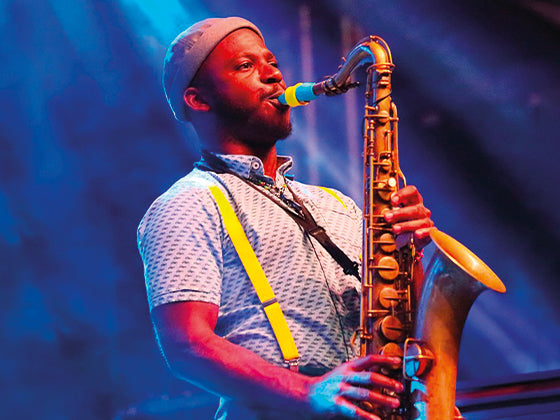
Entre los modelos Signature, Patrick Bartley y Godwin Louis se sitúan ambos en el rango más bien oscuro, con un tono rico, matizado y de verdadera profundidad. El modelo signature de Greg Osby es brillante y preciso, reflejo de su enfoque anguloso y moderno. Vale la pena explorar los tres si te identificas con alguno de esos sonidos.
¿Qué boquilla de alto es mejor para rock y funk?
El rock y el funk exigen proyección, brillo y capacidad para abrirse paso en una mezcla escénica con mucho volumen. En el alto, eso significa apoyarse en la brillantez natural del instrumento y luego amplificarla con el bafle y la apertura adecuados.
La Syos Originals Spark se diseñó precisamente para esto. Bafle brisé alto, cámara media: es inmediata, contundente y potente en el mejor sentido. Las aperturas 7 en adelante son las más elegidas por quienes necesitan hacerse oír por encima de la batería y las guitarras eléctricas.
Entre los modelos Signature, Jimmy Sax y Yanick Coderre se sitúan ambos en el rango más bien brillante, con esa presencia escénica que funciona bien en pop, funk y contextos contemporáneos de alta energía. El modelo signature de Mornington Lockett es brillante y potente, pensado para quienes buscan la máxima proyección sin sacrificar el control.
¿Son buenas las boquillas Syos de alto para principiantes?
Sí, porque las boquillas Syos están diseñadas para ser fáciles de tocar.
Los principiantes se benefician sobre todo de boquillas que facilitan el control de lo esencial: afinación estable, transiciones de registro fluidas y una respuesta inmediata y predecible. Eso es justo lo que Syos optimiza. El proceso de simulación acústica elimina las conjeturas en la geometría, así que obtienes una boquilla que responde de forma consistente y no te complica las cosas mientras desarrollas tu embocadura y tu apoyo de aire.
Elige bien la apertura: los principiantes suelen tener dificultades con aperturas muy anchas (7 en adelante), porque requieren más fuerza de embocadura de la que la mayoría ha desarrollado en esa etapa. Empieza con una apertura 5 o 6 (1,6–1,9 mm). Te da la resistencia suficiente para construir una técnica correcta sin pelear con la boquilla.
La Syos Originals Steady es una excelente primera opción: su geometría equilibrada es indulgente, receptiva y funciona bien con un amplio rango de fuerzas de caña. Una caña blanda de 2 o 2,5 es un buen punto de partida.
Lo más importante que debes saber: cada boquilla Syos incluye un periodo de prueba de 30 días. Puedes tocarla en condiciones reales —ensayos, conciertos, sesiones de práctica— y devolverla si no es la adecuada. Para los principiantes, en particular, eso elimina el mayor riesgo de comprar una boquilla online: no saber cómo se sentirá hasta que sea demasiado tarde. No te comprometes con una decisión antes de haber tenido tiempo de escucharte tocar de verdad.
¿Por qué son fáciles de tocar las boquillas Syos de alto?
La facilidad de juego depende de la geometría. Syos utiliza simulación acústica para optimizar la forma interna de cada boquilla —el bafle, la cámara y la perforación— de modo que la producción del sonido sea eficiente y receptiva desde la primera nota. Esto se traduce en una afinación estable en todo el rango del alto, transiciones fluidas entre registros y una respuesta inmediata a los cambios de tu aire y tu embocadura.
En lugar de pelear con la boquilla o compensar una geometría deficiente, puedes concentrarte en tu sonido y en tu música. Eso es lo que significa fácil de tocar en la práctica: la boquilla trabaja contigo, no en tu contra. Y en un alto —donde la brillantez natural del instrumento y la receptividad de la caña ya exigen cierto control— tener una geometría correctamente optimizada marca una diferencia real y audible.
¿No sabes qué modelo se adapta a tu estilo? Lee nuestra guía de la mejor boquilla de saxofón alto: comparativa de jazz, clásica y para principiantes.