




A few years ago we wrote an article about what a saxophone mouthpiece baffle is and how it changes your sound. The article is a nice overview on the general role of the baffle. It's better to start by reading it to get the basics. But this time I wanted to make an exhaustive list of all the baffles we use at Syos and what is their impact on the sound and the playing characteristics. Let's go!
Which baffle for which sound? The quick guide
Not sure where to start? Here is the short version, with the mouthpieces that use each baffle:
- Dark and soft: the straight baffle, like Sarah Dunbar's signature for alto.
- Dark with a nice projection: the low step baffle, like the signatures of Dan Forshaw and Max Ionata.
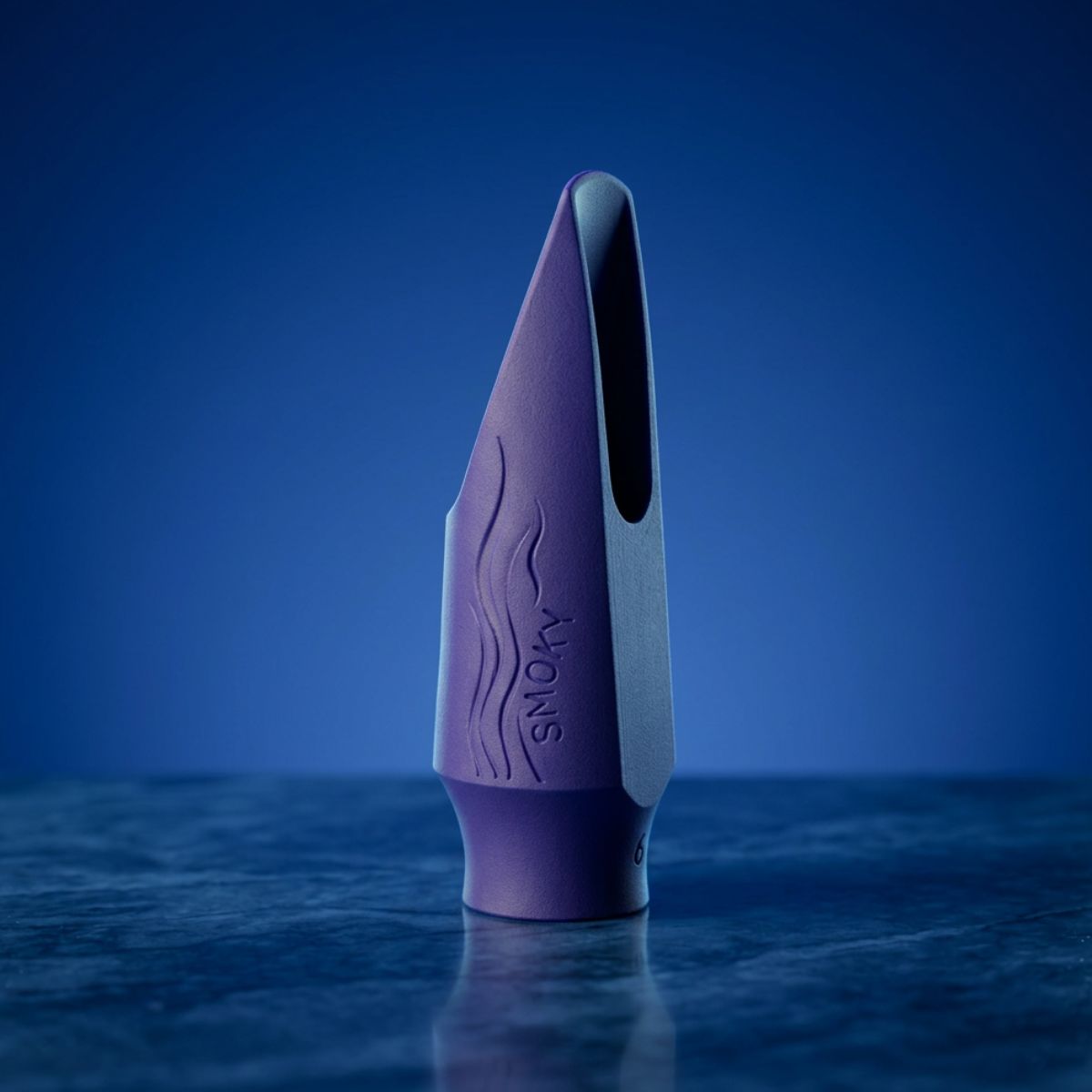
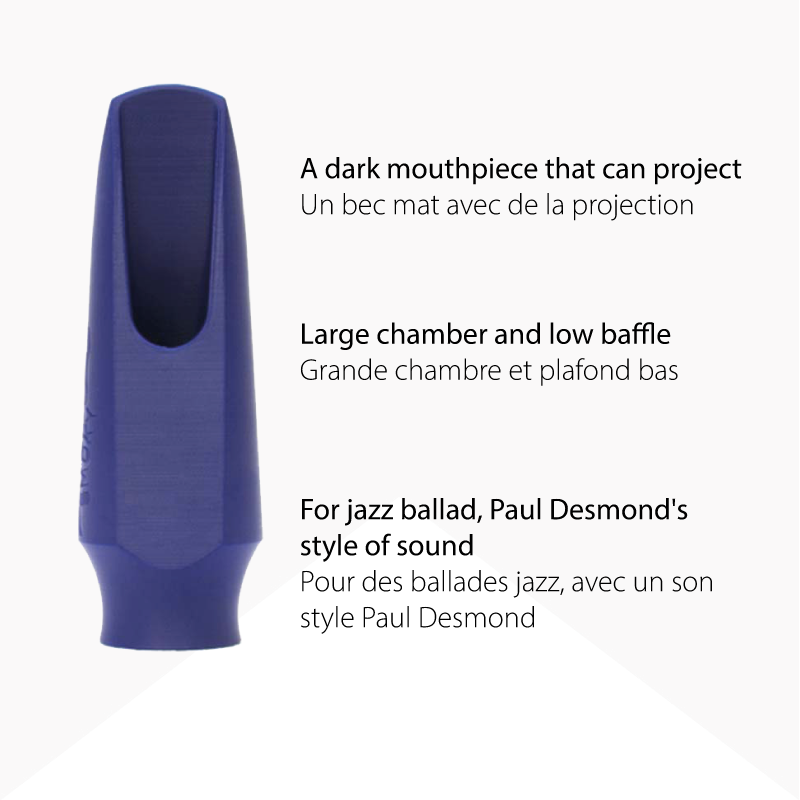
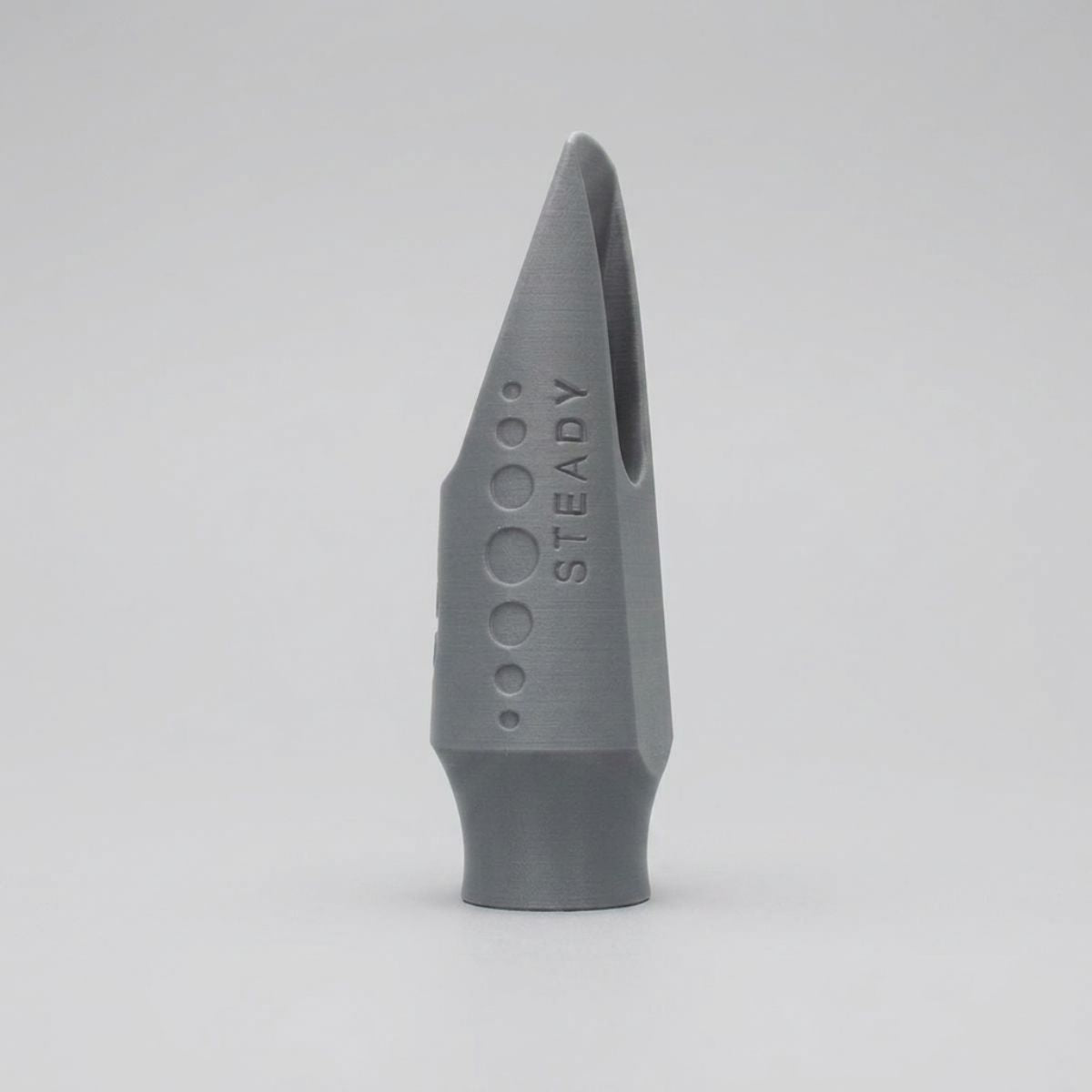
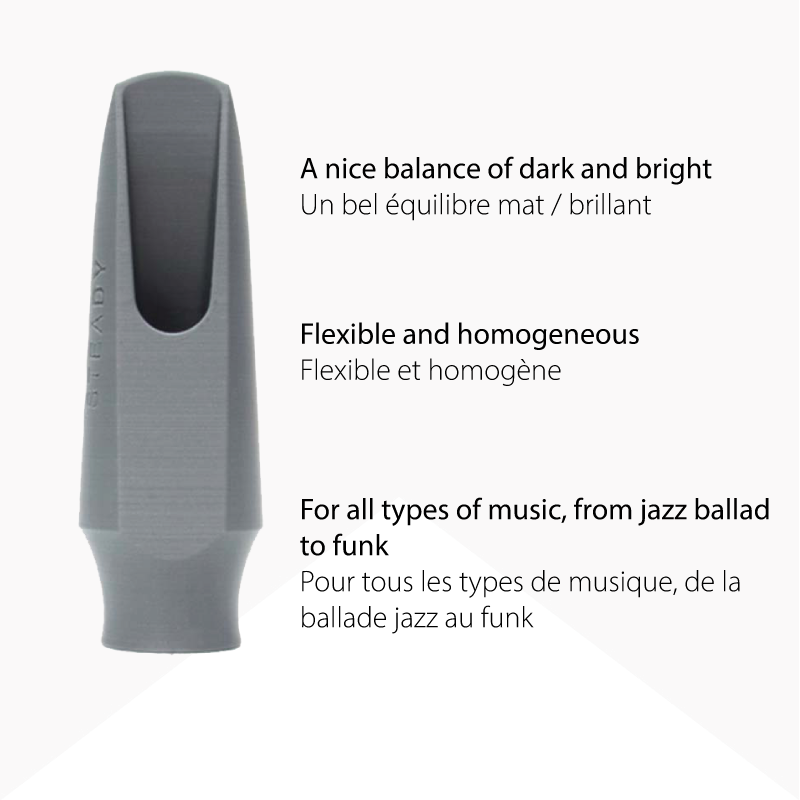
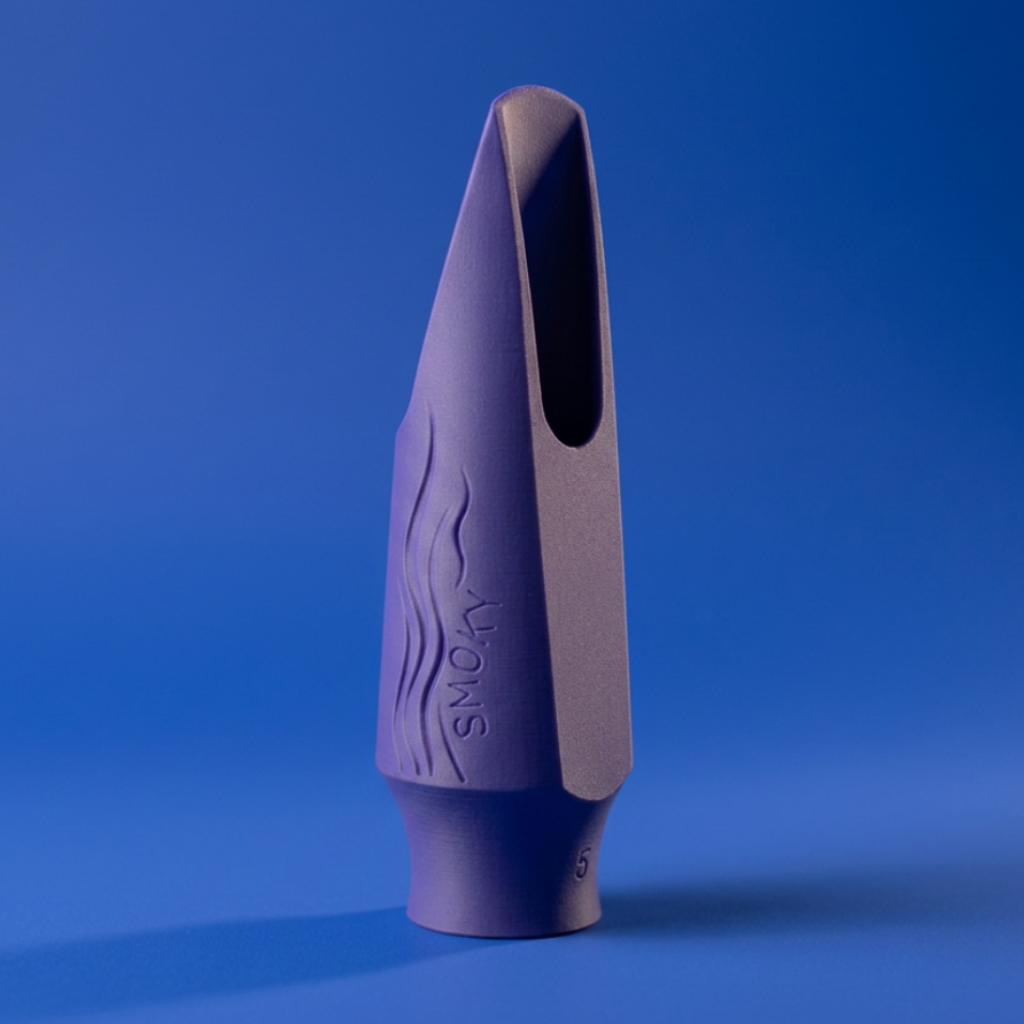
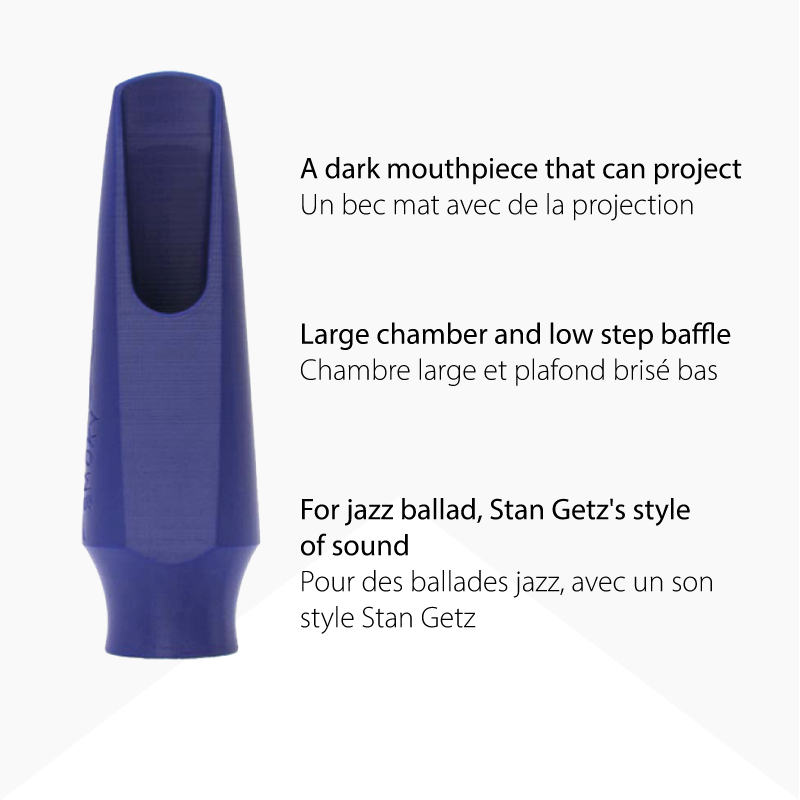
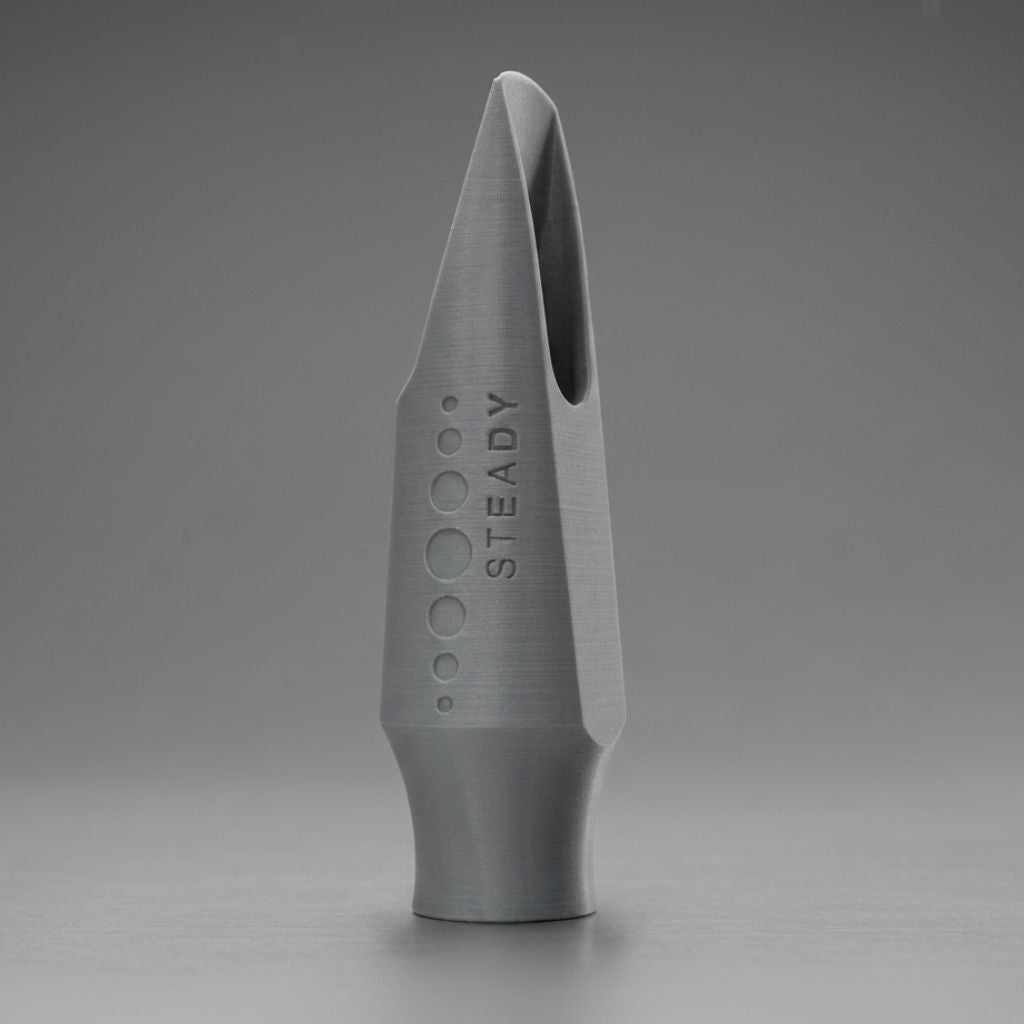
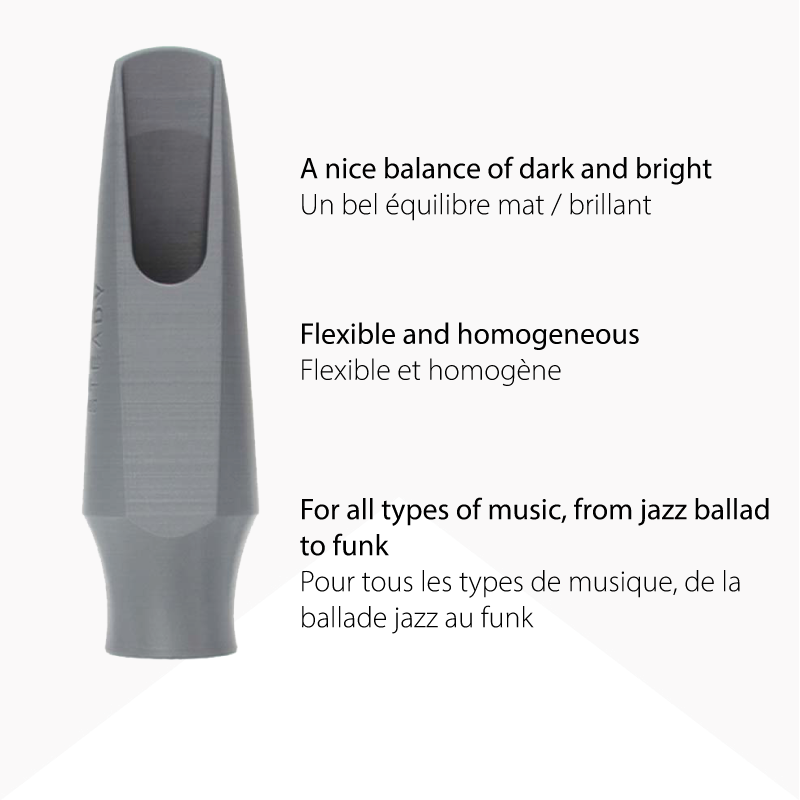
- Balanced: the medium step baffle with a medium chamber (Steady for tenor), the curved baffle (Smoky for alto) and the spheric baffle (Baritone Steady).
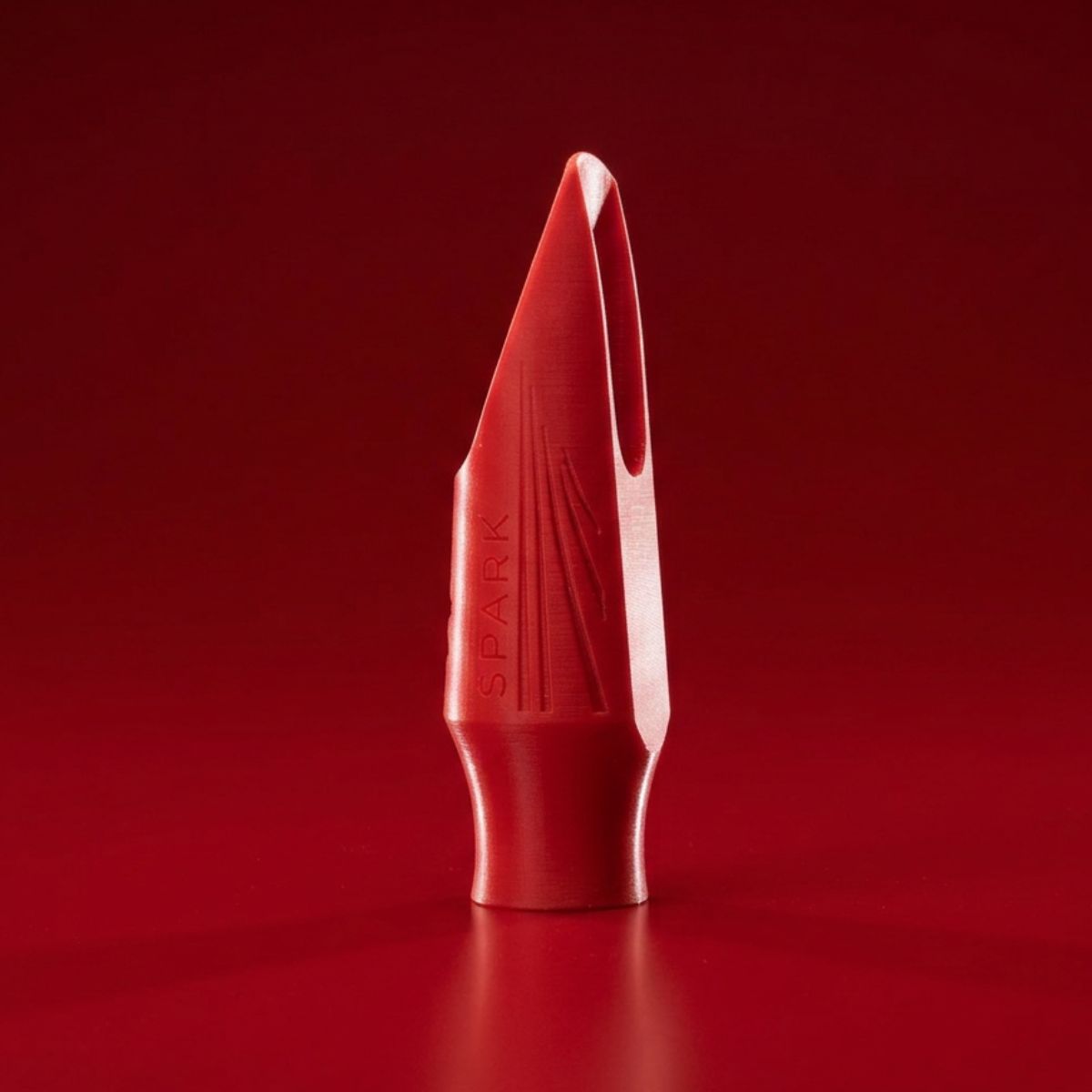
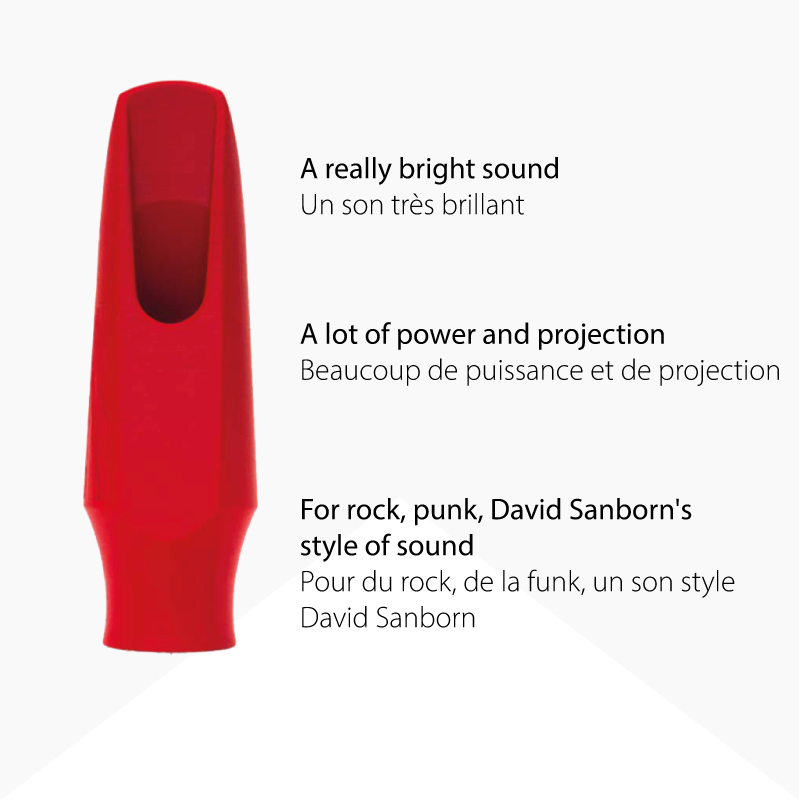
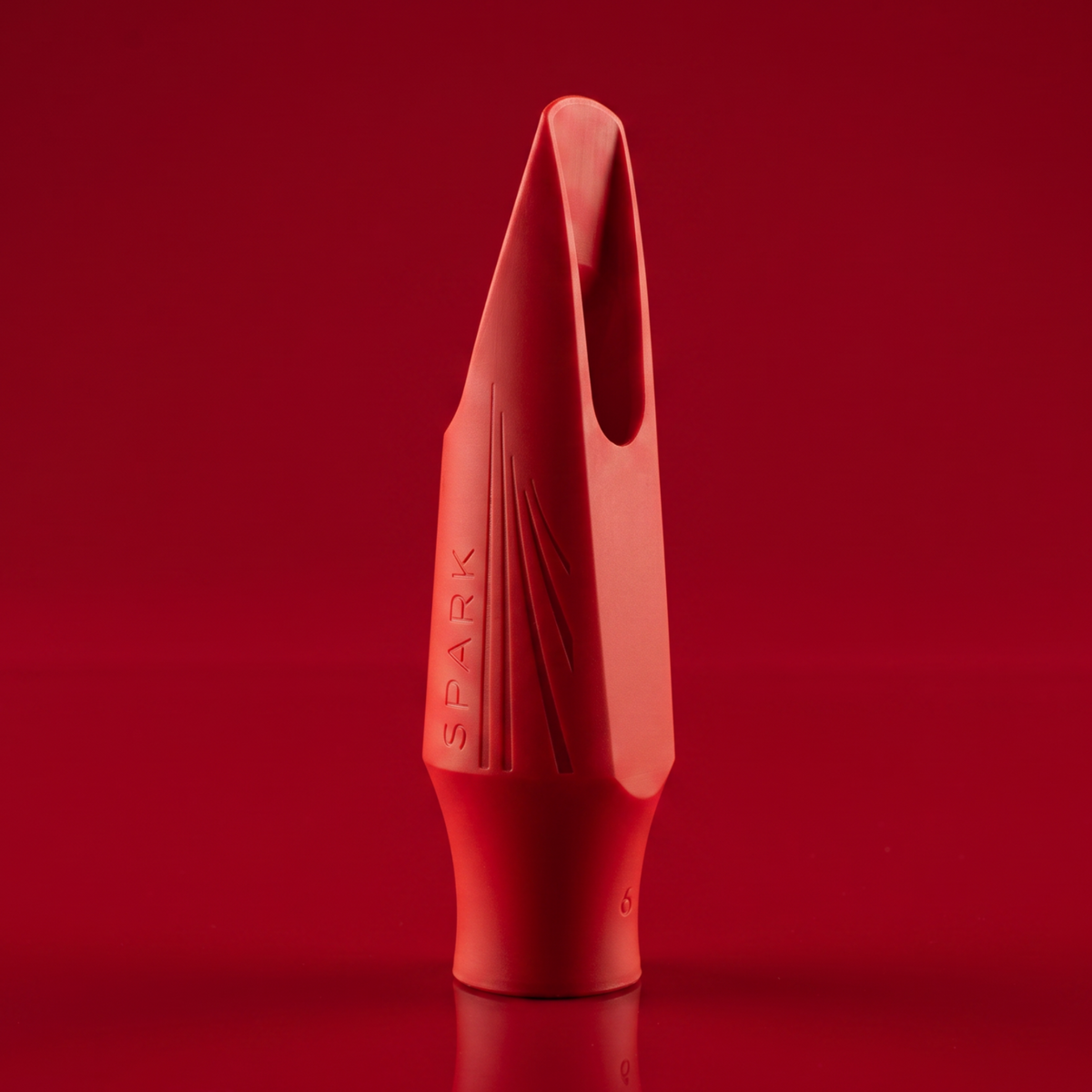
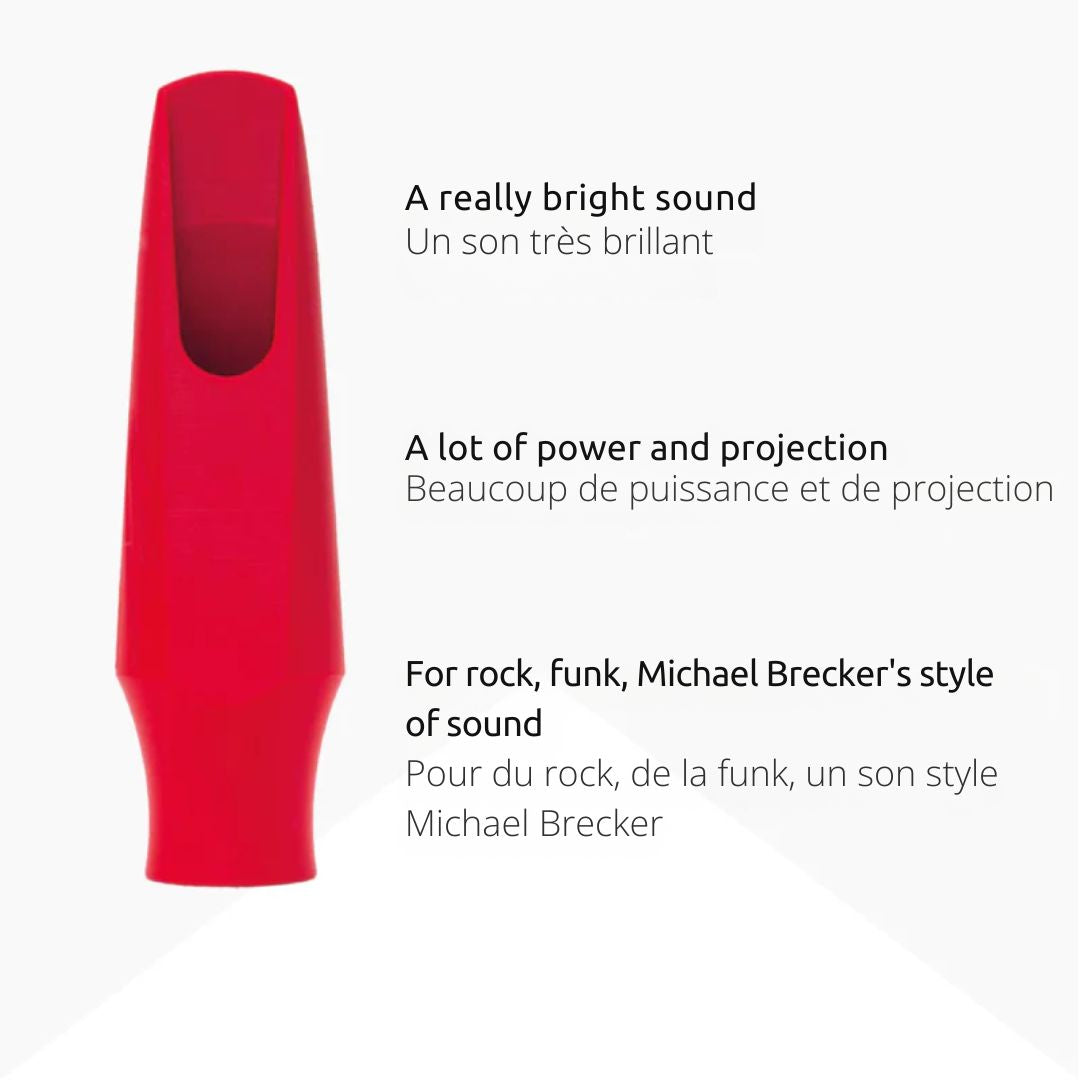
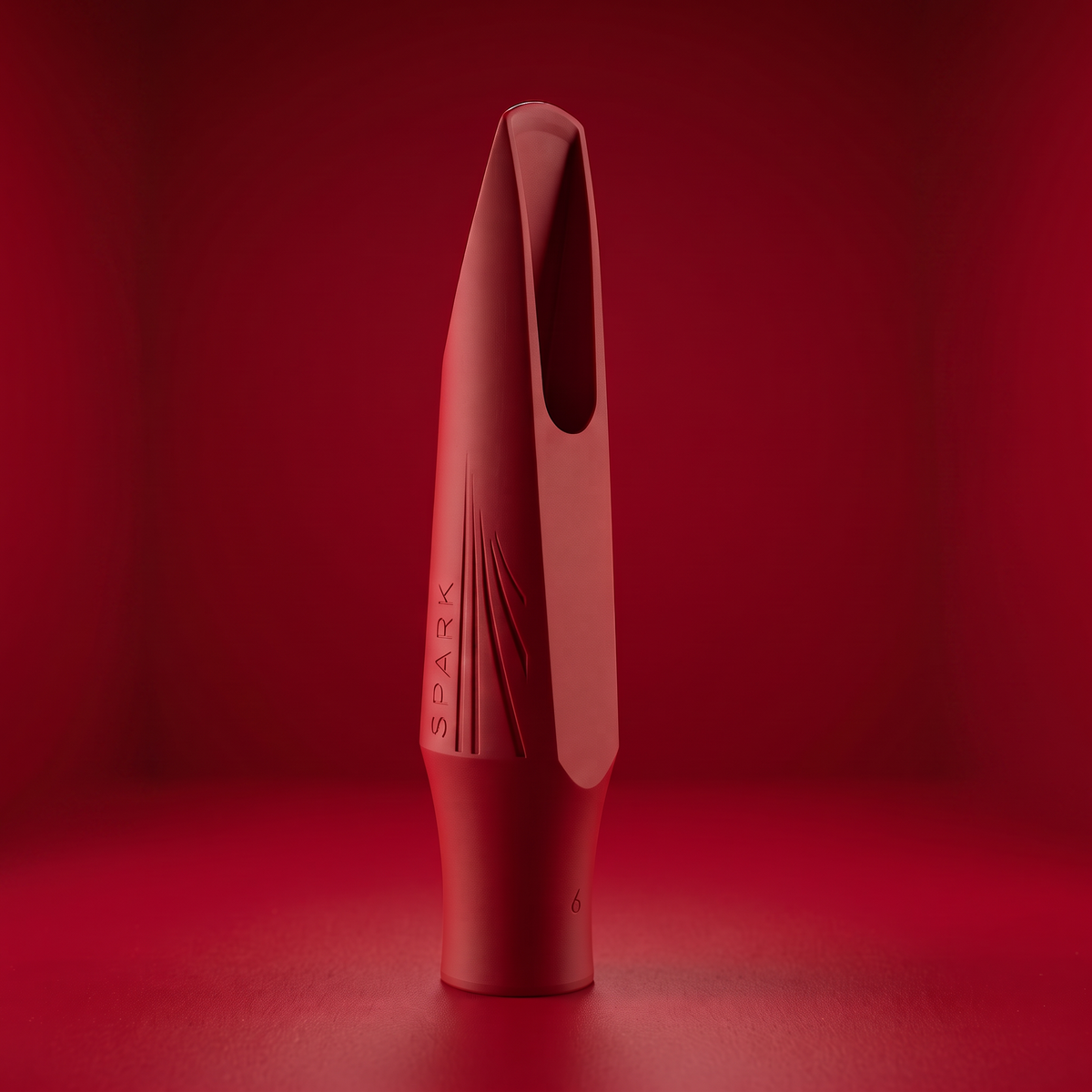
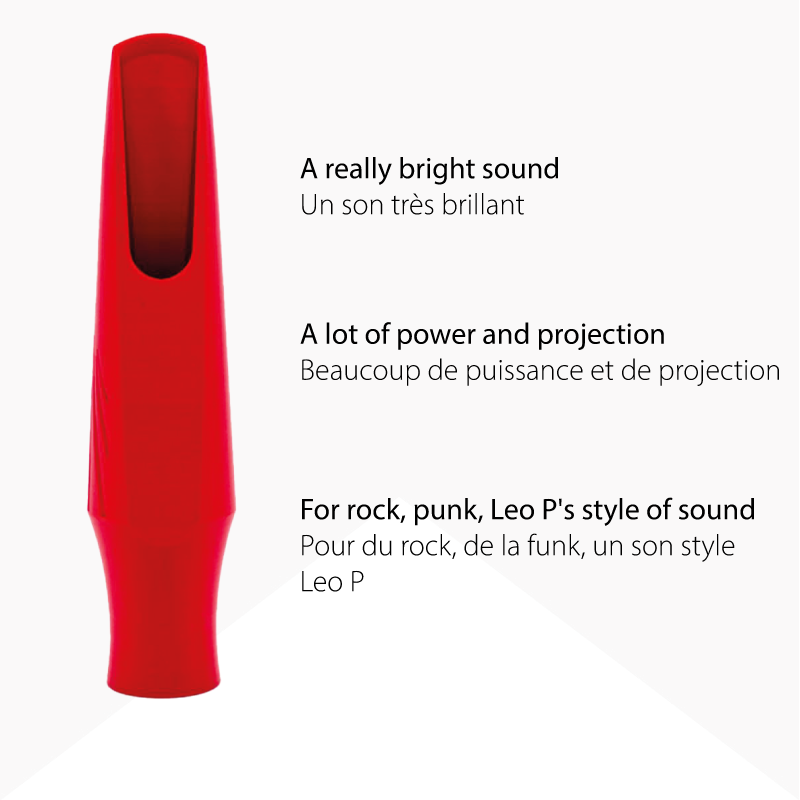
- Bright and powerful: the high step baffle, like Scott Paddock's signature for tenor and the Spark for tenor.
- Powerful without being too bright: the rollover baffle (Daro Behroozi's signature for tenor), the ridges (Tomoaki Baba's signature for tenor) and the high circular baffle on alto (Greg Osby's signature).

The straight baffle
This one is the simplest: it's a straight line between the tip and the chamber. This is the most resistant type of baffle (we could do something more resistant with a concave baffle but we haven't used that so far). We use this type of baffle mostly for classical mouthpiece. Like on the Sarah Dunbar's signature mouthpiece for alto.
The step baffle
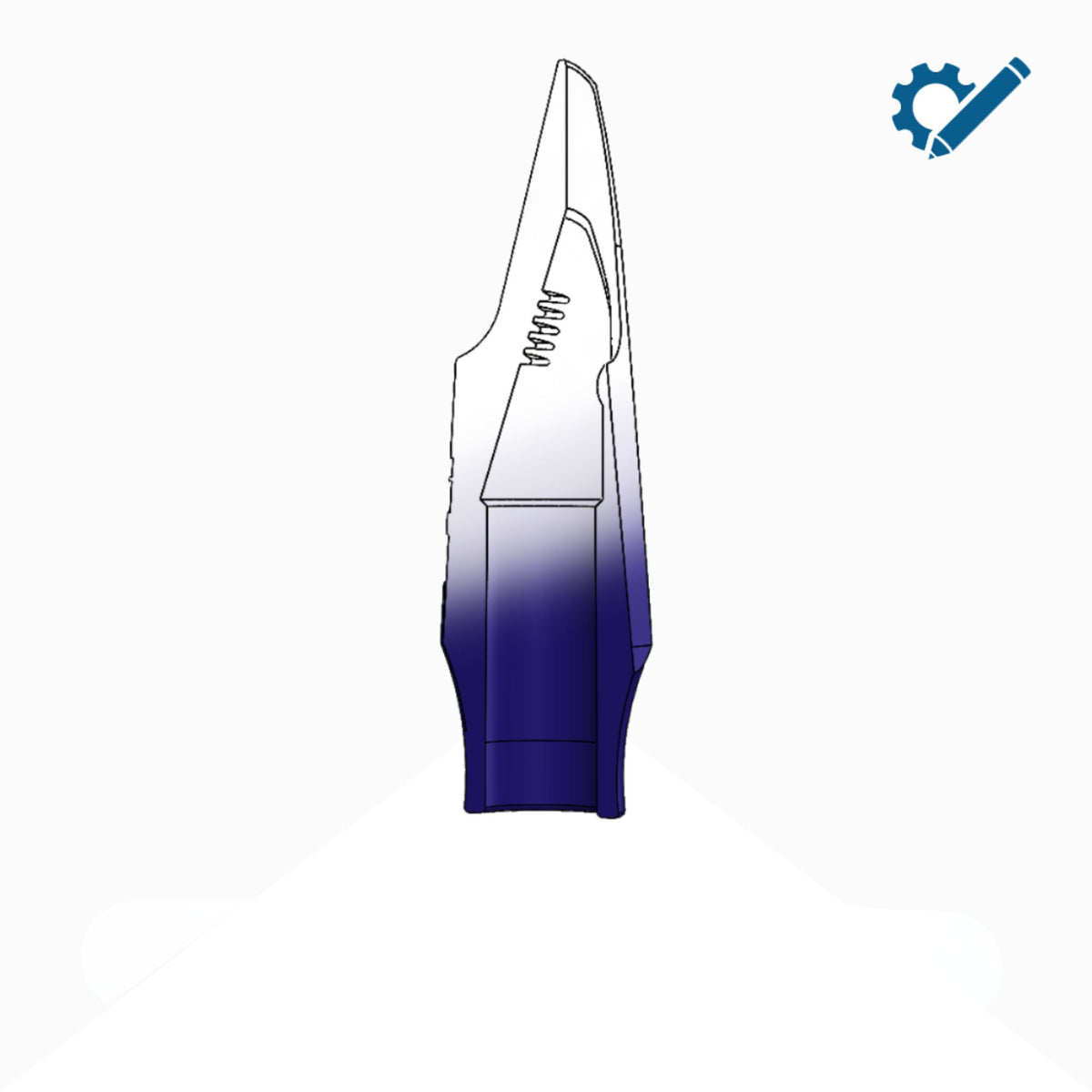
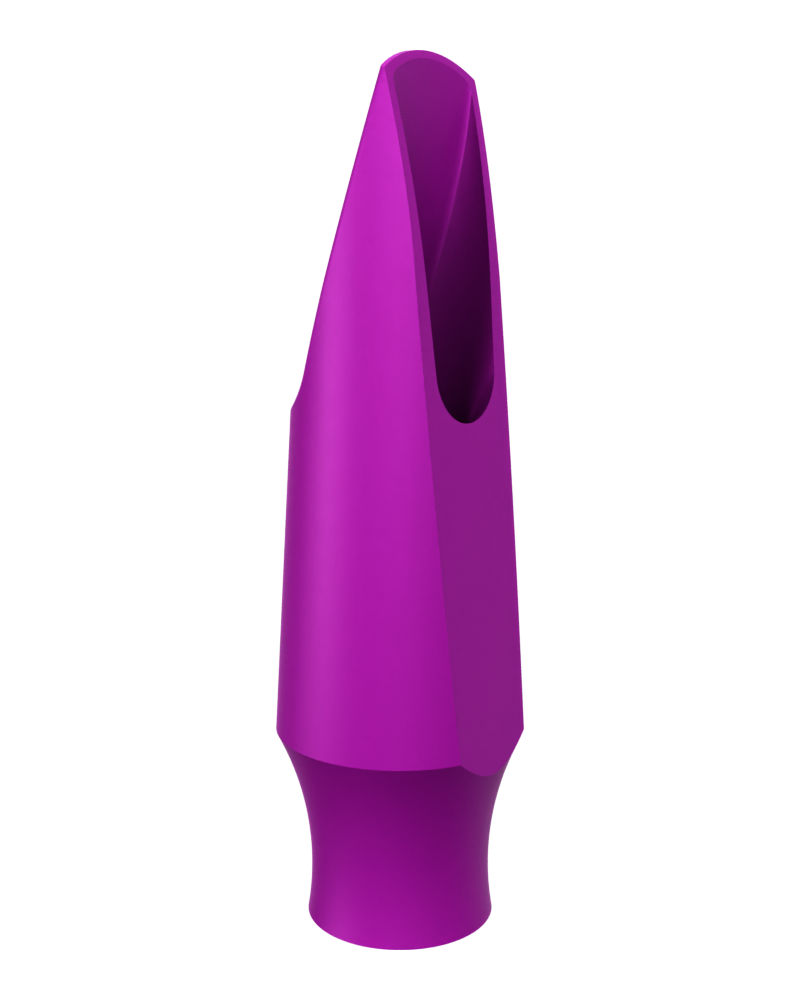
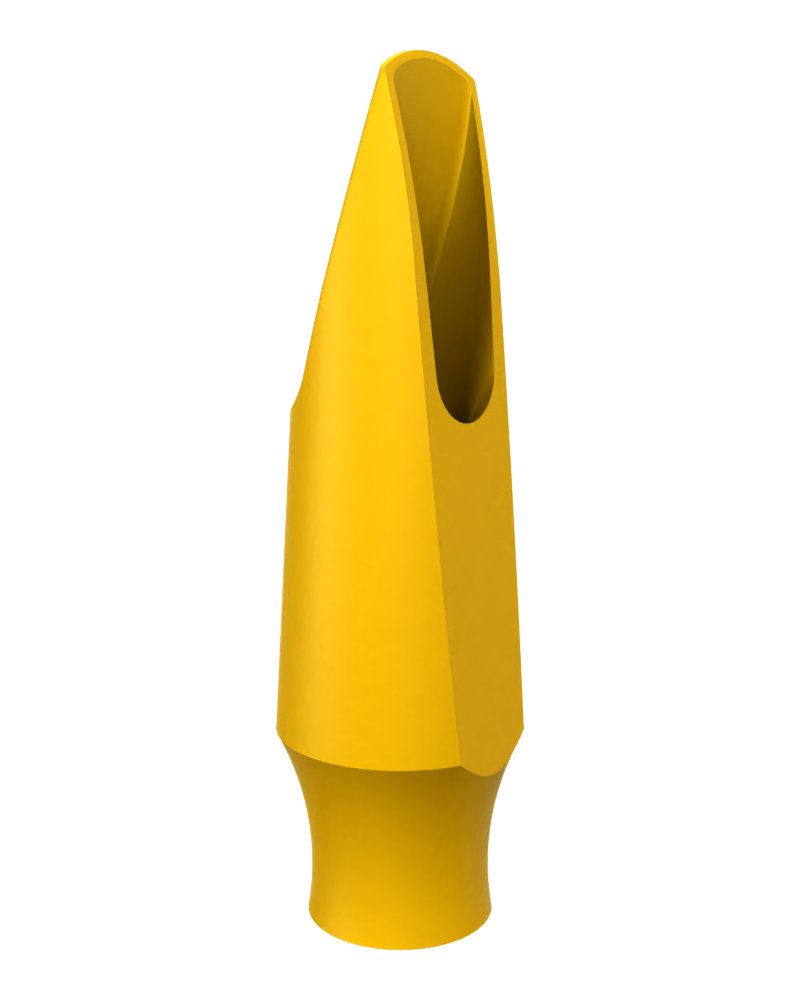
This baffle is made of two straight lines, as shown in the picture. What's really interesting with that baffle is that, depending of the measurements of the two lines, it can make a mouthpiece really bright and powerful or it can make it dark. The longer and the closer to the reed the first line is, the brighter and the more powerful the mouthpiece is. It's what we call a high step baffle. It is this type of baffle that is used for the Tenor Scott Paddock's signature or the Spark for tenor. To understand how the height of the baffle changes the sound, read how baffle height affects your sound and playability.

But we can also keep this baffle low, and it will give a dark mouthpiece but with a nice projection. Coupled with a large chamber we will have a dark mouthpiece with a large sound, like the Dan Forshaw's signature mouthpiece. And coupled with a small chamber, we will get a dark mouthpiece with a centered sound like the Max Ionata's signature mouthpiece.
The medium step baffle, coupled with a medium chamber, gives a really balanced mouthpiece, like the Steady on tenor sax.
⚠️ The high step baffle is difficult to control, it can easily squeak. If you are a beginner, you should go for another type of baffle.

The circular baffle
The circular baffle is made of several circular arcs of different lengths and diameters, touching each other in order to connect the tip to the chamber. Like the step baffle, depending on the size of the different arcs and if they are close or not to the reed, this baffle can be really powerful or really resistant. It will never be as powerful and bright as the high step baffle though.
On tenor, we use it mostly in its resistant configuration, like in the Tivon Pennicott's signature model. On alto, we like to use high circular baffles to give a nice punch to the sound, like in the Greg Osby's signature mouthpiece.
The curved baffle
For this baffle we use a spline to make the junction between the tip and the chamber. This baffle can also be high or low but even in the high configuration it won't be as powerful as the step baffle and the circular baffle. So this baffle is more used for dark or balanced mouthpieces. We use it on the Smoky for alto for example.

The rollover baffle
We designed this baffle for the first time for Daro Behroozi's signature mouthpiece for tenor sax. It's different from the traditional rollover baffle because on our design it has a small bump at the tip which gives an extra punch. This baffle can almost be as powerful as the high step baffle but it won't be as bright so it's really nice to have a really powerful mouthpiece but without having a sound too bright and nasal. Also, this baffle is way easier to control than the step baffle. So it's a good choice if you are a beginner and want a powerful mouthpiece.
The spheric baffle
This baffle is a baffle we only use on the baritone at the moment. It's a straight line that ends with a small diameter circular arc. This baffle gives great balanced mouthpieces on baritone. That's why we use it for the Baritone Steady.

The ridges
We put what we called "the ridges" on some baffles like in the Tomoaki Baba's signature mouthpiece. As explained in our guide to baffle height, when we want to add power to a mouthpiece, we need to make the baffle higher. But the higher the baffle, the brighter the mouthpiece. So these ridges, that we have patented, gives more power to the sound but without bringing the brightness.

The special one: the stair baffle
This baffle is a little weird. It's composed of several step baffles, which makes the baffle look like a staircase. This baffle is difficult to control: depending on the angle you blow you air inside the mouthpiece, the mouthpiece can be really powerful or really resistant. So it looks cool but it's not ideal, that's why we don't use it anymore. Nevertheless, Terry Edwards fell in love with that baffle when I made him try at Rock en Seine in 2017 when he was playing with PJ Harvey, and he is still playing on that mouthpiece 8 years later!
FAQ: Syos saxophone mouthpiece baffles
Which Syos baffle is the brightest?
The high step baffle. It is the brightest and the most powerful of our baffles. We use it on Scott Paddock's signature for tenor and on the Spark for tenor. It is difficult to control and can easily squeak, so if you are a beginner, choose another type of baffle.
Which Syos baffle gives a dark sound?
The straight baffle gives a dark, soft sound and is the most resistant one. A low step baffle also gives a dark mouthpiece with a nice projection, like the signatures of Dan Forshaw and Max Ionata. The curved baffle is mostly used for dark or balanced mouthpieces, like the Smoky for alto.
Which baffle gives power without being too bright?
The rollover baffle. It can be almost as powerful as a high step baffle, without the brightness and the nasal sound, and it is much easier to control. It is a good choice if you are a beginner and want a powerful mouthpiece, like Daro Behroozi's signature for tenor.
What are the ridges on some Syos mouthpieces?
The ridges are small reliefs on the baffle, which we have patented. A higher baffle adds power but also brightness. The ridges give more power to the sound without bringing the brightness, like on Tomoaki Baba's signature for tenor.
Find the baffle that fits your sound
Start with the quick guide at the top of this page, then pick a mouthpiece. If you want to understand why the shape and the height of the baffle change the sound, read what a saxophone mouthpiece baffle is and how it changes your sound. To try a baffle, browse our saxophone mouthpieces.