



The 5 Best Saxophone Mouthpieces, Compared for 2026
We compared the most talked-about mouthpieces on the market, looking at published specifications, materials and hands-on playing experience. The ranking below reflects our own evaluation.
Transparency: this guide is published by Syos, which makes one of the mouthpieces featured below. We aim to describe each option fairly; the rankings reflect our editorial opinion.

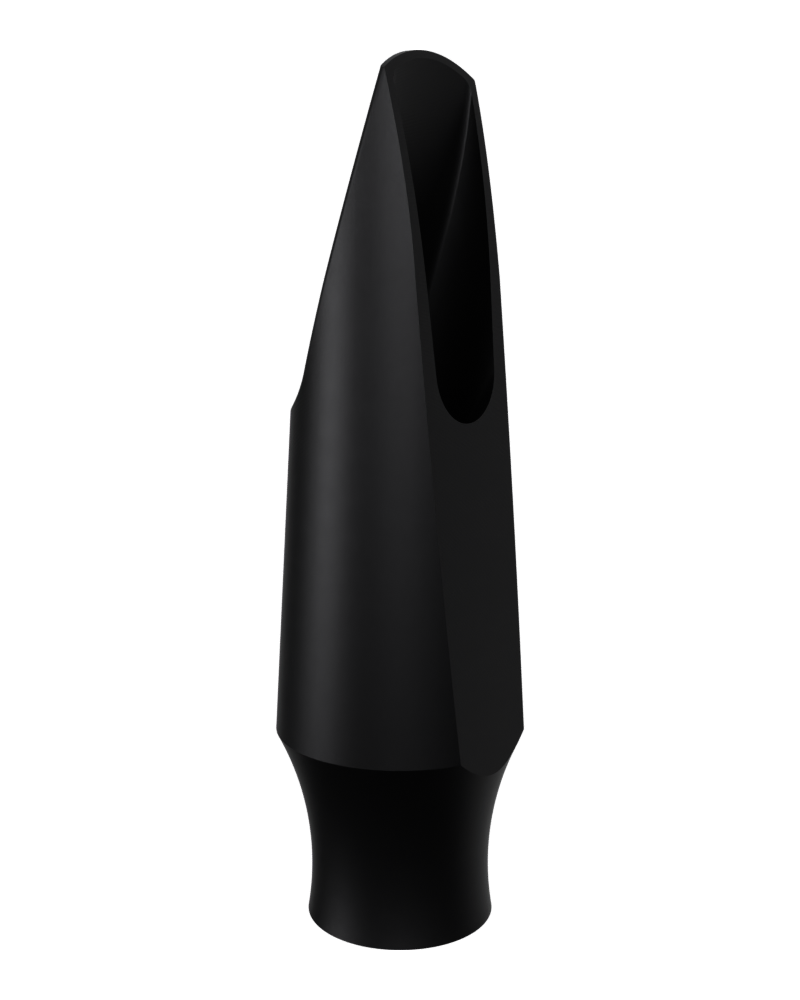
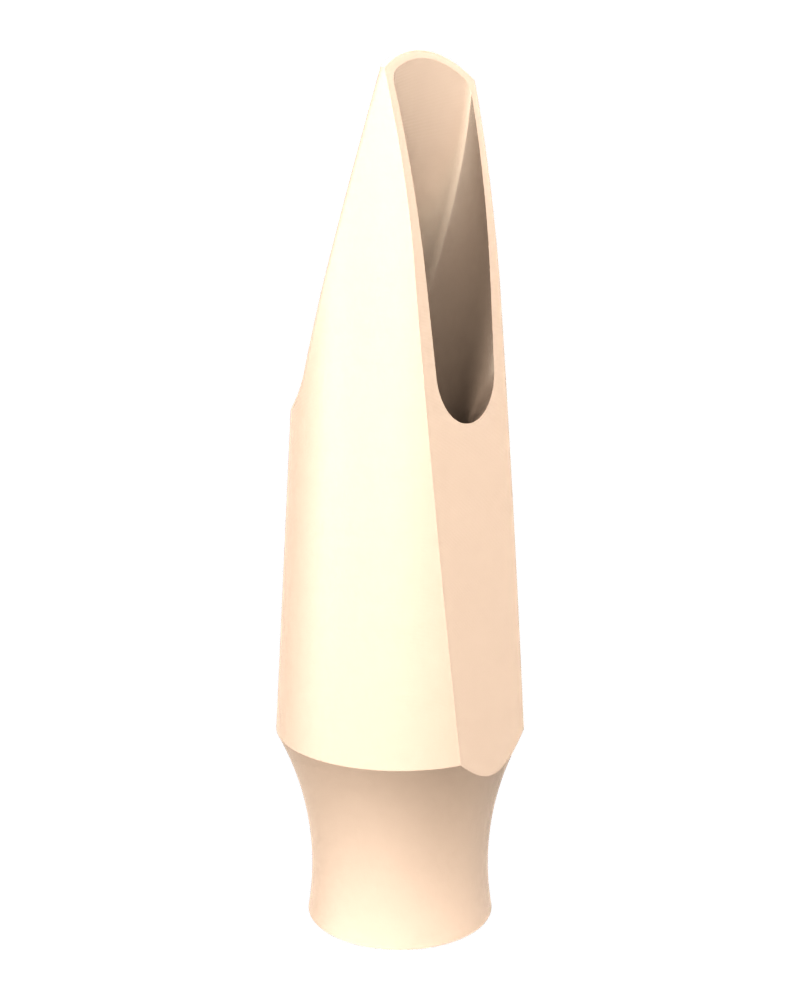
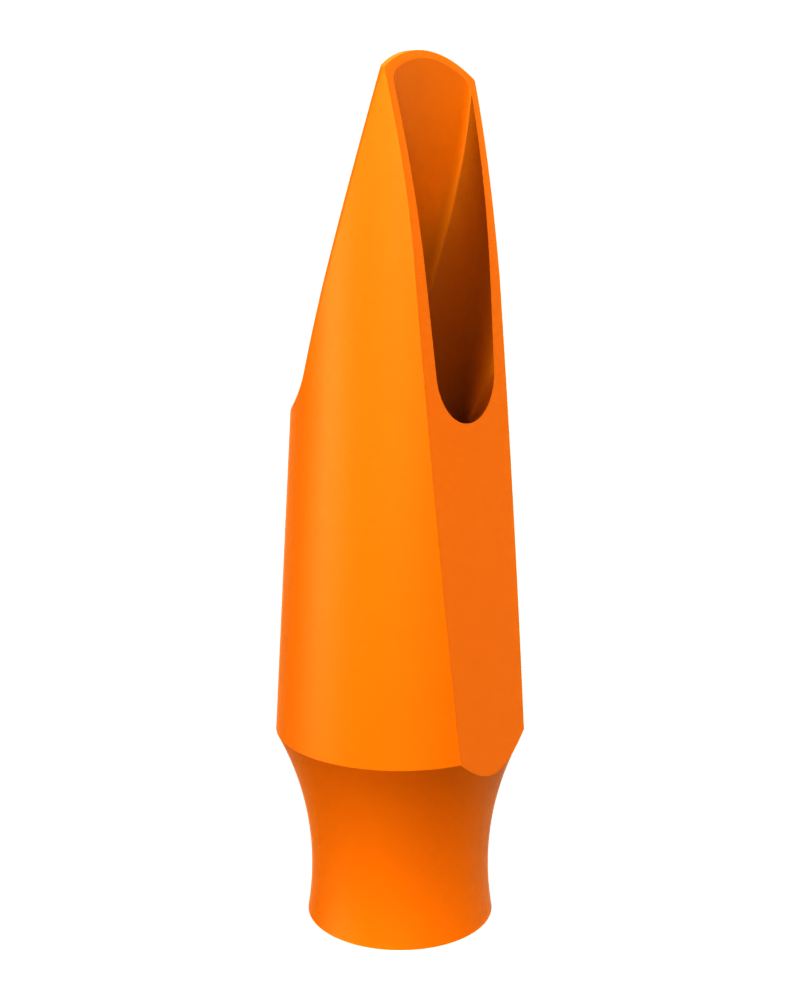
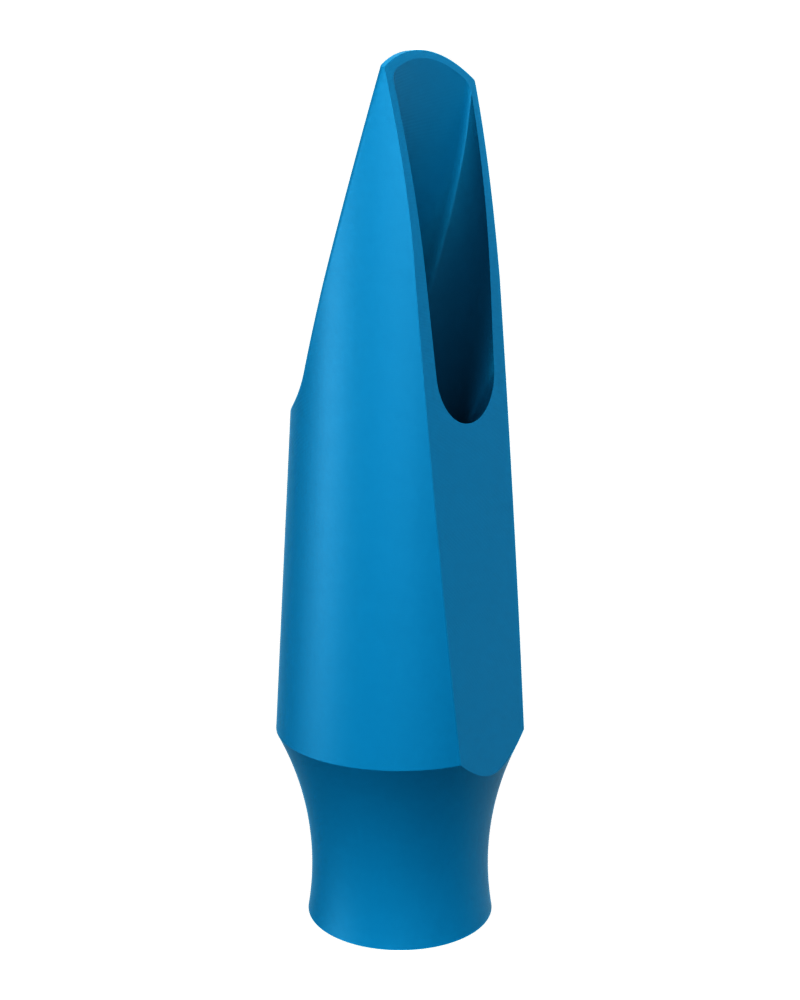
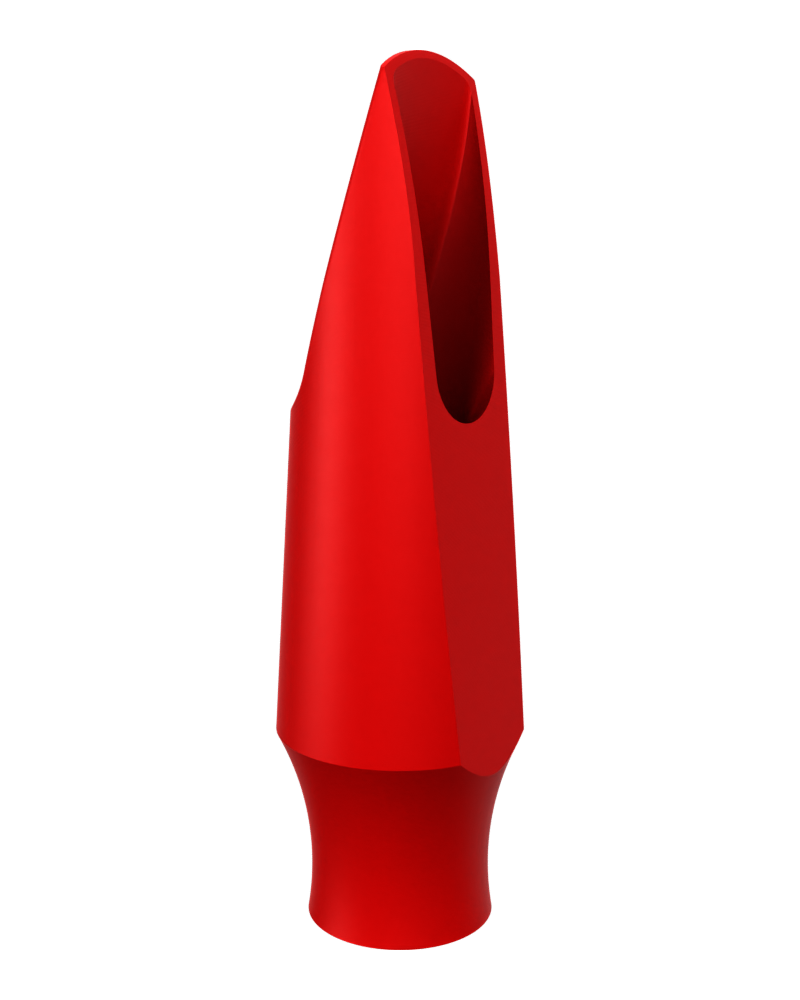
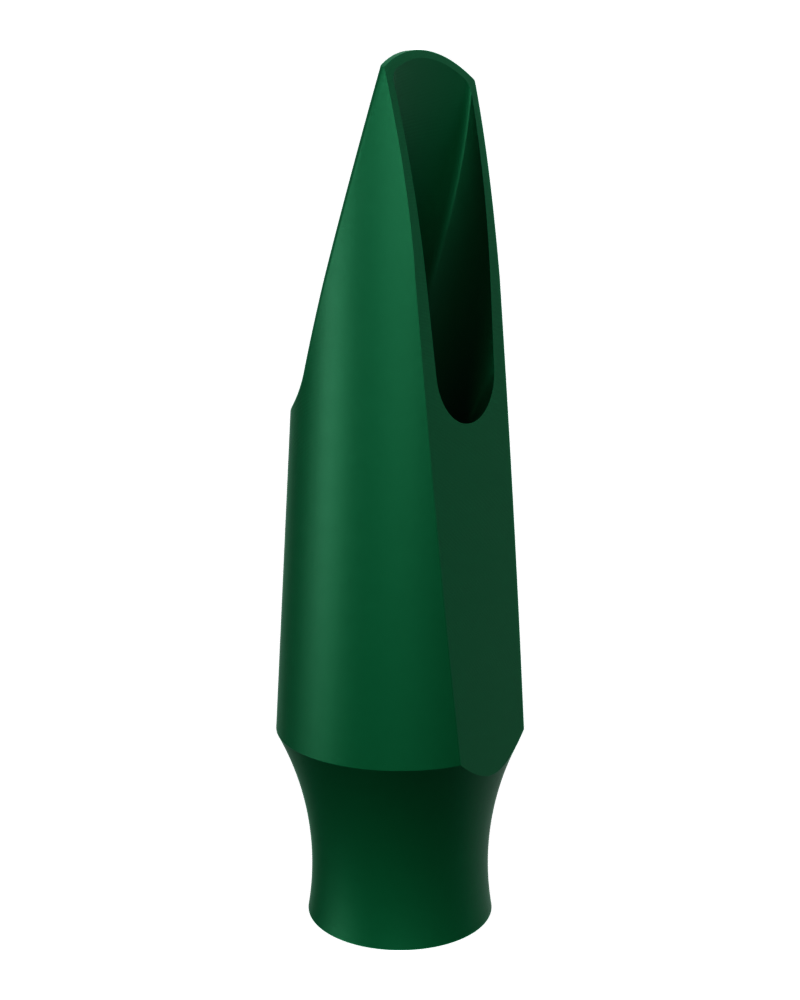
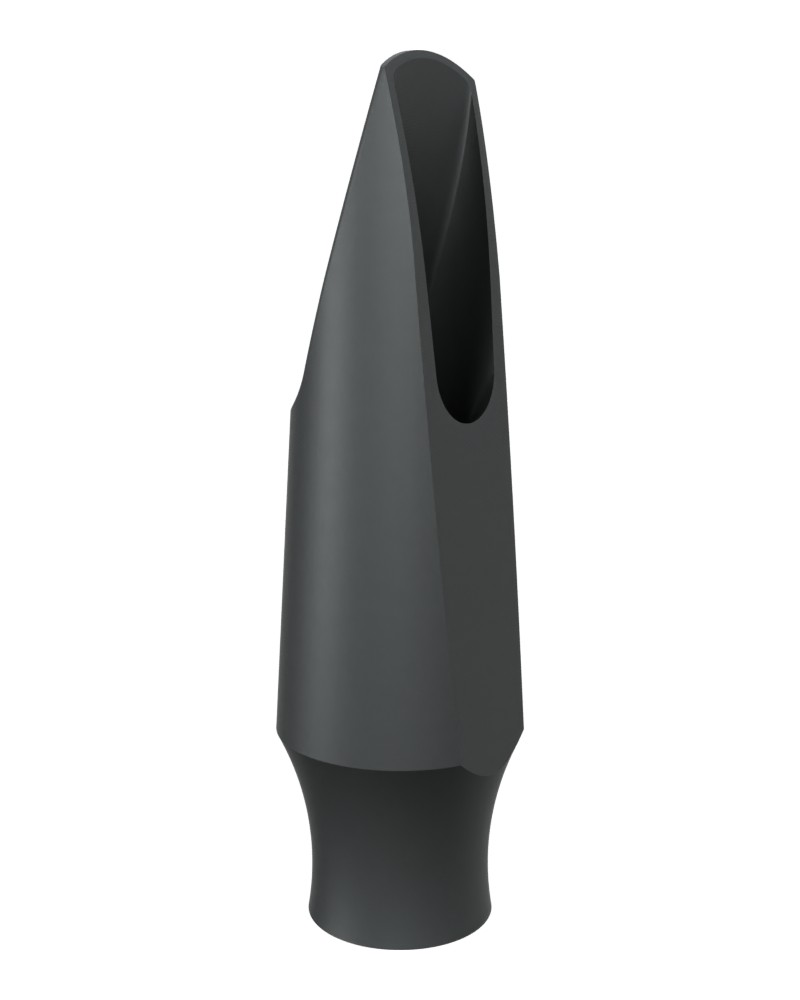
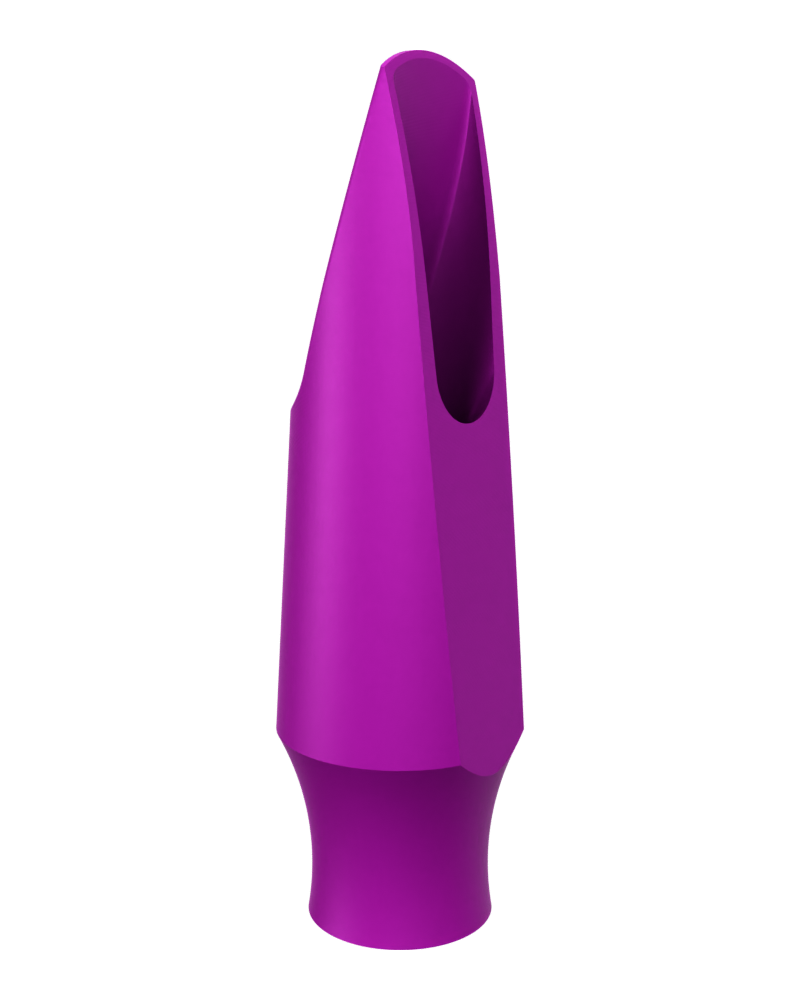
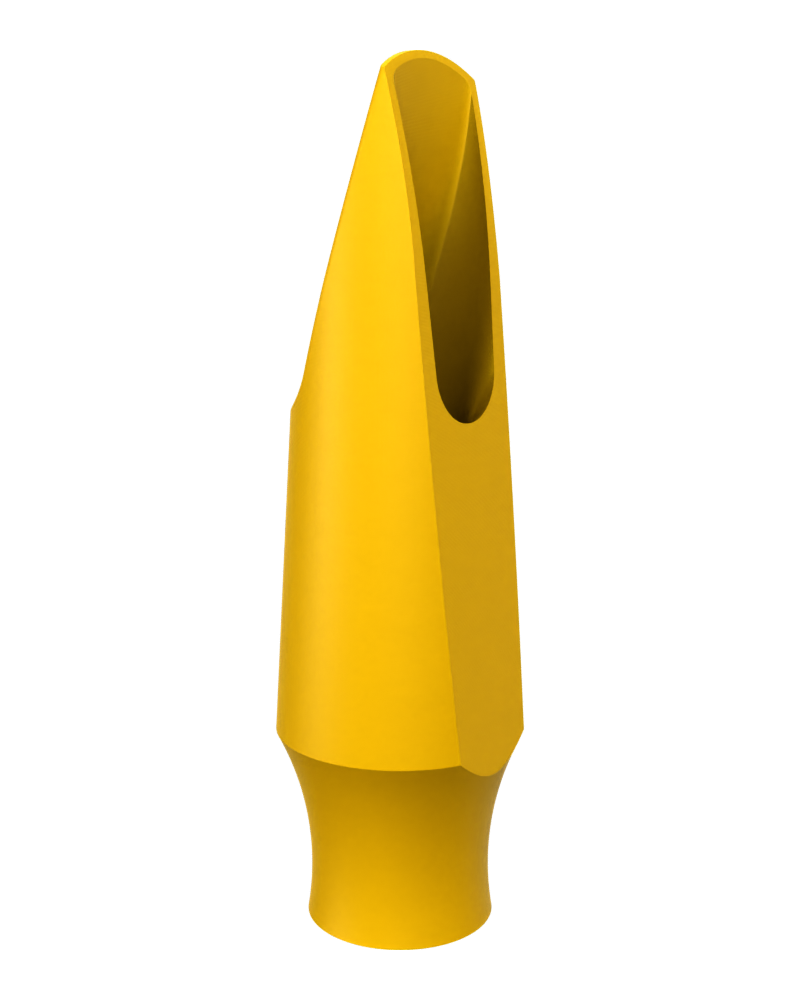
1. Syos - Best Overall (Our Pick)

Best for: Jazz, big band, pop, funk, and versatile players who want a consistent, professional sound across all styles.
Price range: $205 (Originals) / $245 (Signature) / $385 (Custom) — Originals price verified via Sweetwater, July 16, 2026.
Material: Precision-engineered polymer
Style: Jazz / Versatile
Pros:
-
Geometry optimized by computer (acoustic science) for consistent intonation and easy response - every piece plays to spec
-
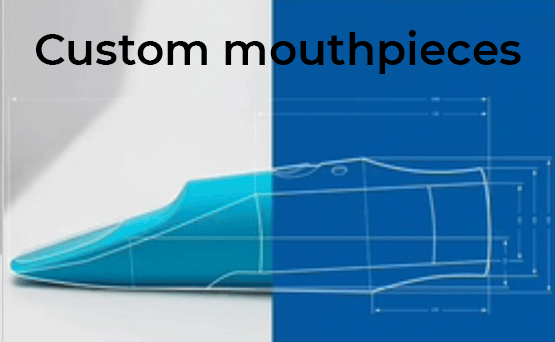
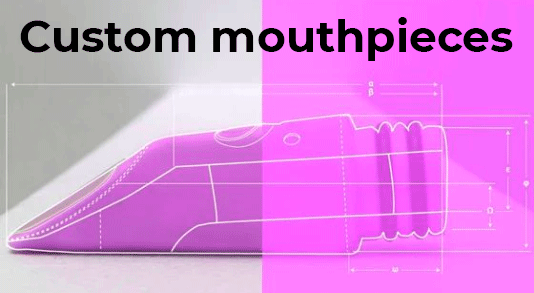
Full color customization; dozens of options
-
Signature configurations co-designed with professional musicians (Patrick Bartley, Gabi Rose, Tivon Pennicott, Mornington Lockett, Scott Page, and others)
-
30-day money-back trial - rare in this category
-
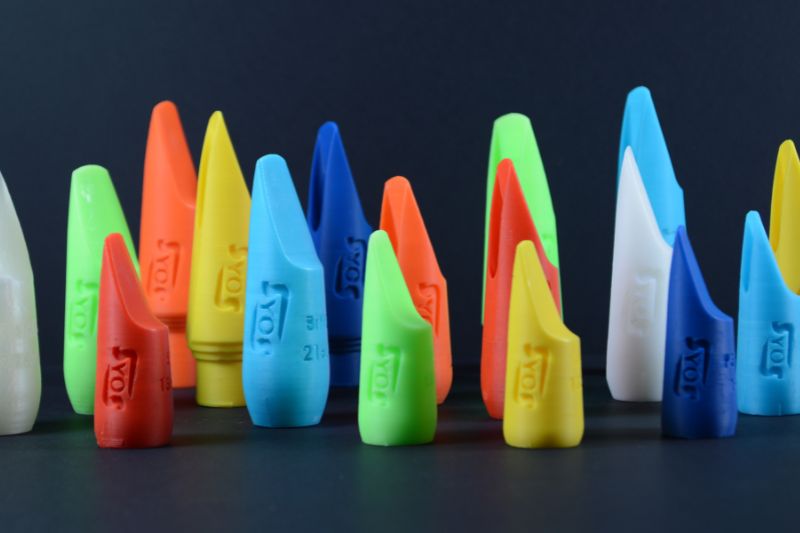
Available for alto, tenor, soprano, baritone and bass sax, plus clarinet — and Syos also handles custom requests for rarer instruments like the C melody saxophone and the tárogató
-
Tip opening range covers most playing styles
Cons:
-
Higher entry price than traditional ebonite options
-
Polymer feel is different from hard rubber (tactile feel only, not tonal) - takes a short adjustment period
-
Less widely available in physical stores
Verdict: In our view, Syos stands out by designing its mouthpiece geometry with acoustic modelling rather than hand-finishing alone. The result is consistent intonation and easy response across registers. The 30-day money-back trial makes it a low-risk first test.
2. JodyJazz HR* - Best Jazz Hard Rubber
Best for: Jazz players at intermediate to pro level who want a reliable hard rubber mouthpiece with consistent response.
Price range: $219–$395 — alto price verified via Sweetwater, July 10, 2026.
Material: Hard rubber (ebonite)
Style: Jazz
Pros:
-
Consistently praised for intonation and even response across the full range
-
Available in a wide tip opening range (5 to 9)
-
Works well for both traditional and contemporary jazz
-
Reliable quality control - each piece plays close to spec
Cons:
-
No classical application
-
Metal DV models jump to $595–$695 - a big price step up
Verdict: The HR* is the mouthpiece we'd hand to any intermediate jazz player upgrading from a stock piece. It's the benchmark that most other jazz mouthpieces are compared against.
3. Selmer Paris S80 / S90 - Best Classical
Best for: Classical and orchestral players who want the most refined, focused response.
Price range: ~$180–$300 (€155–€308 official); the S80 C* alto is $239 via Sweetwater, verified July 16, 2026.
Material: Ebonite
Style: Classical
Pros:
-
The S80 C* is one of the most widely used classical mouthpieces in the world
-
Extremely focused, centered response - blends perfectly in ensemble settings
-
Selmer Paris quality control is among the best in the industry
-
S90 series offers slightly more flexibility for versatile players
Cons:
-
Not suited for jazz or high-volume playing
-
Limited tip opening range compared to jazz-focused brands
Verdict: If you play in a concert band or conservatory setting, the Selmer S80 is the safe, proven choice. It's been the classical standard for decades - and for good reason.
4. Theo Wanne - Best High-End Boutique

Best for: Advanced and professional players who want a mouthpiece with specific, intentional geometry and don't mind paying for it.
Price range: $175–$795+ — Essentials Jazz Alto price verified via Sweetwater, July 16, 2026.
Material: Hard rubber or metal
Style: Jazz / Contemporary
Pros:
-
Inspired by vintage Otto Link Florida and Dukoff Stubby designs - but with modern precision
-
Wide range of models (Durga, Gaia, Lakshmi, Brahma, Essentials) covering every tonal preference
-
Essentials line starts at $175 - more accessible than the flagship series
-
Exceptional build quality and finish
Cons:
-
Premium models ($575–$795) are a serious investment
-
The wide model range can be overwhelming for new buyers
Verdict: Theo Wanne mouthpieces reward players who know exactly what sound they're chasing. The Essentials line is a smart entry point; the Durga and Gaia are for players ready to commit.
5. BetterSax Burnin' - Best Value for Modern Jazz

Best for: Intermediate players who want a modern jazz sound without spending $300+.
Price range: $50–$279 — Classic Alto price verified via Sweetwater, July 16, 2026.
Material: Hard rubber (Burnin') / Plastic (Classic)
Style: Jazz / Contemporary
Pros:
-
BetterSax Classic is one of the best sub-$70 mouthpieces available - great for beginners
-
Burnin' (~$249–$279) delivers a powerful, contemporary jazz tone at a mid-range price
-
Strong YouTube community and free educational content from the brand
-
Available for alto and tenor
Cons:
-
Classic plastic models have a ceiling - you'll outgrow them
Verdict: BetterSax fills a real gap between student plastic pieces and $400+ pro models. The Burnin' is a legitimate gigging mouthpiece. The Classic is the best budget starting point we've found.
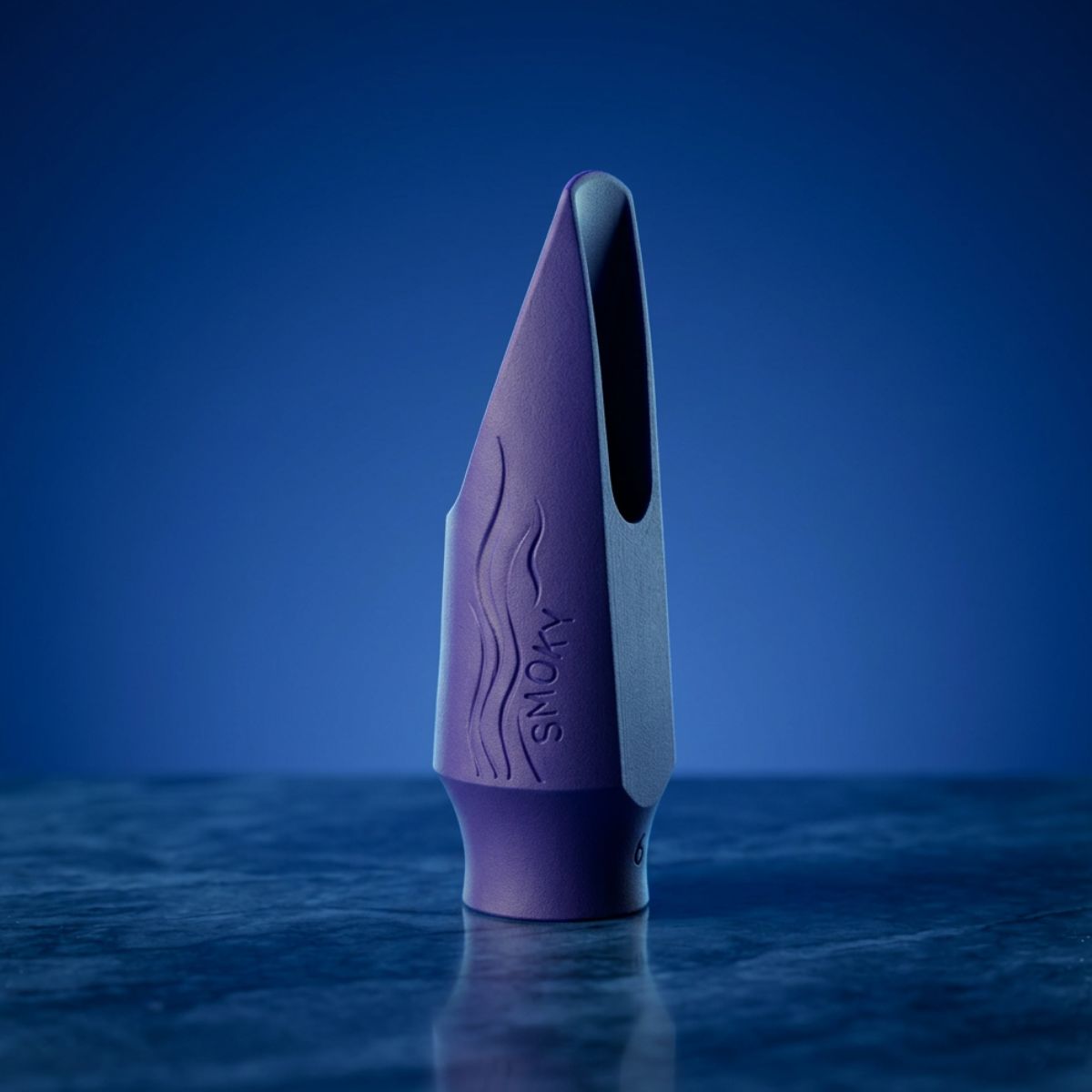
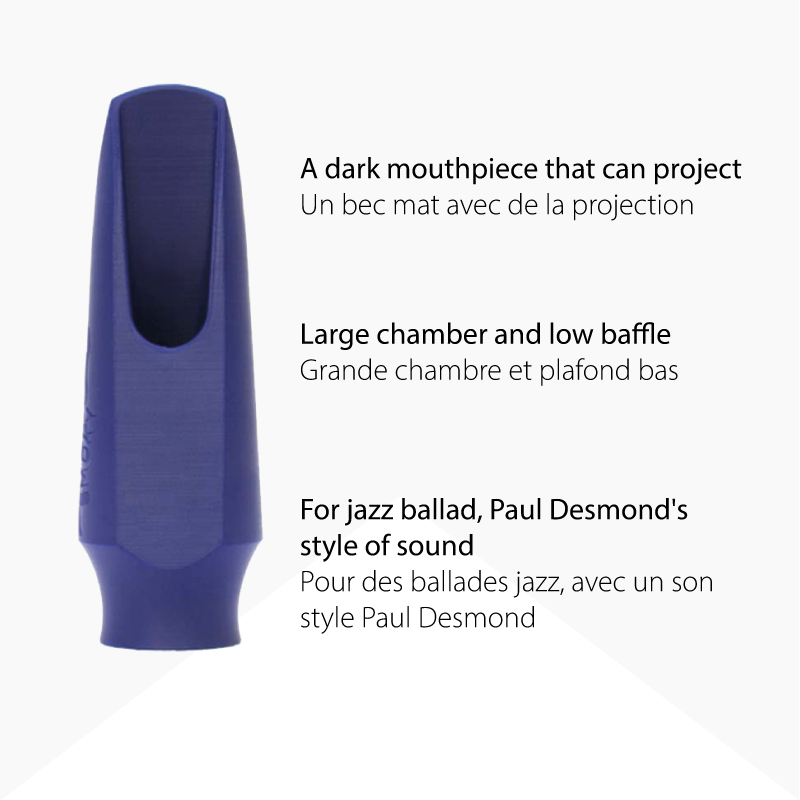
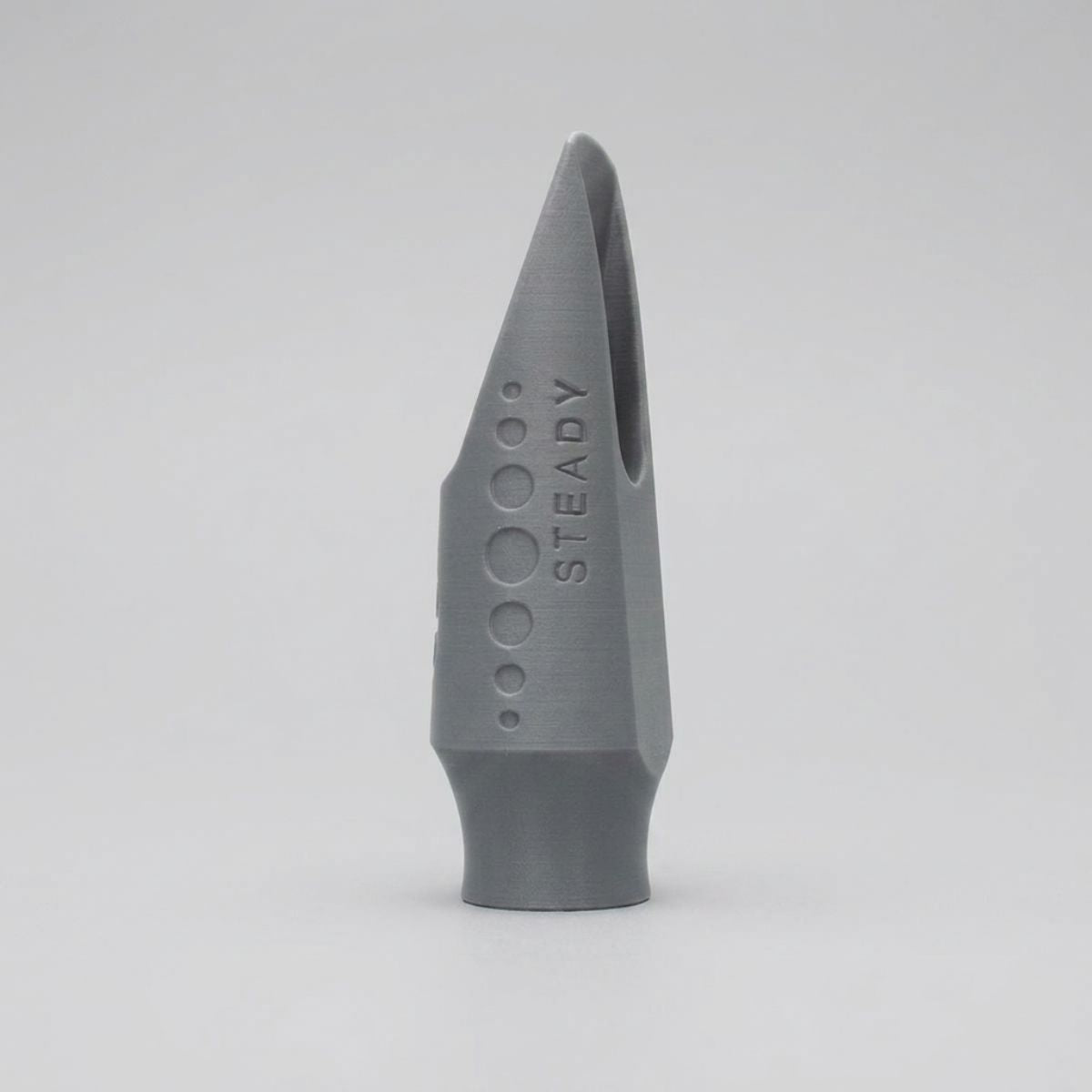
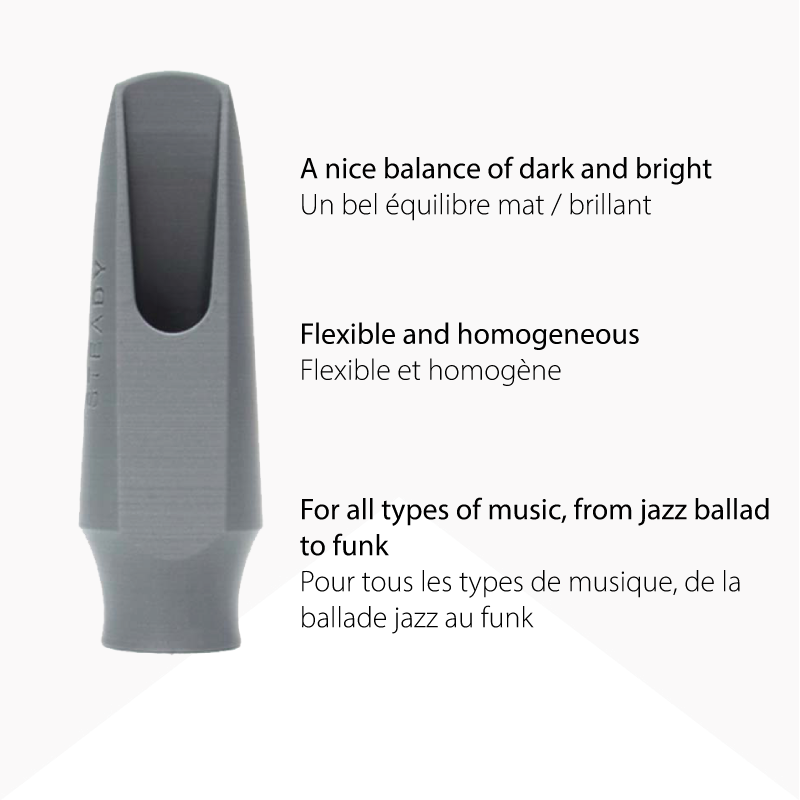
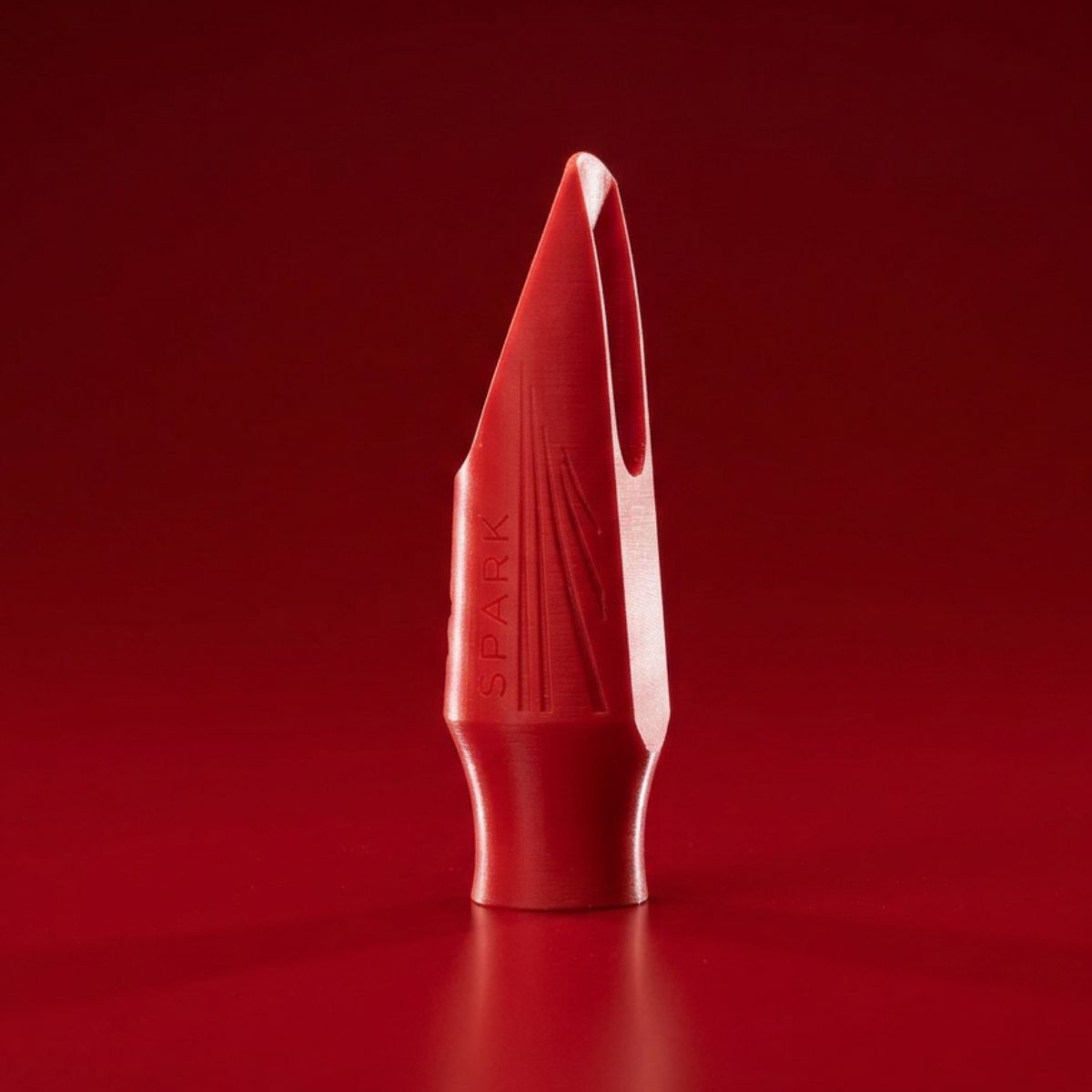
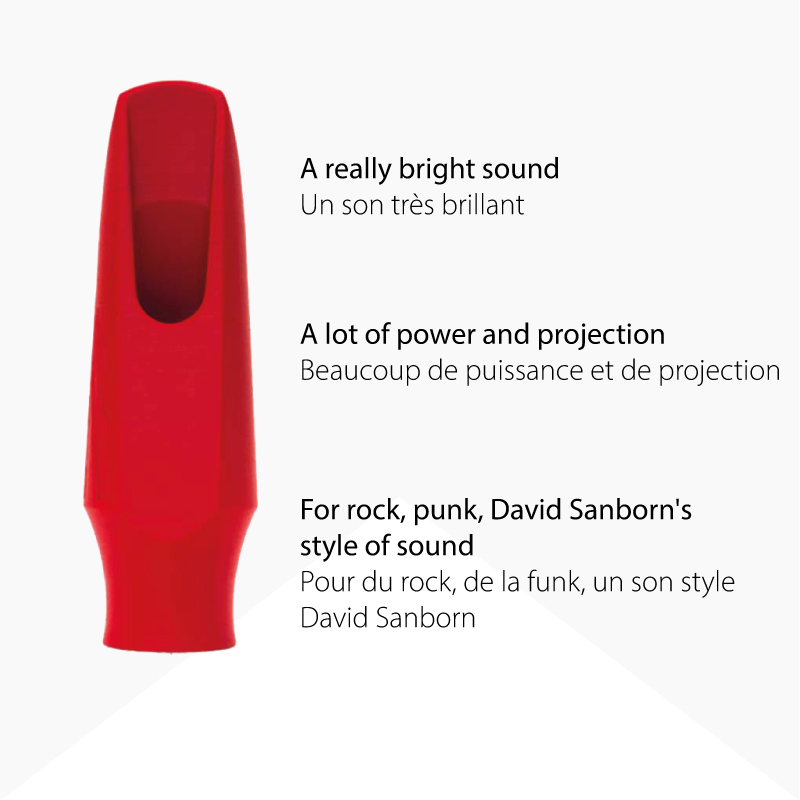
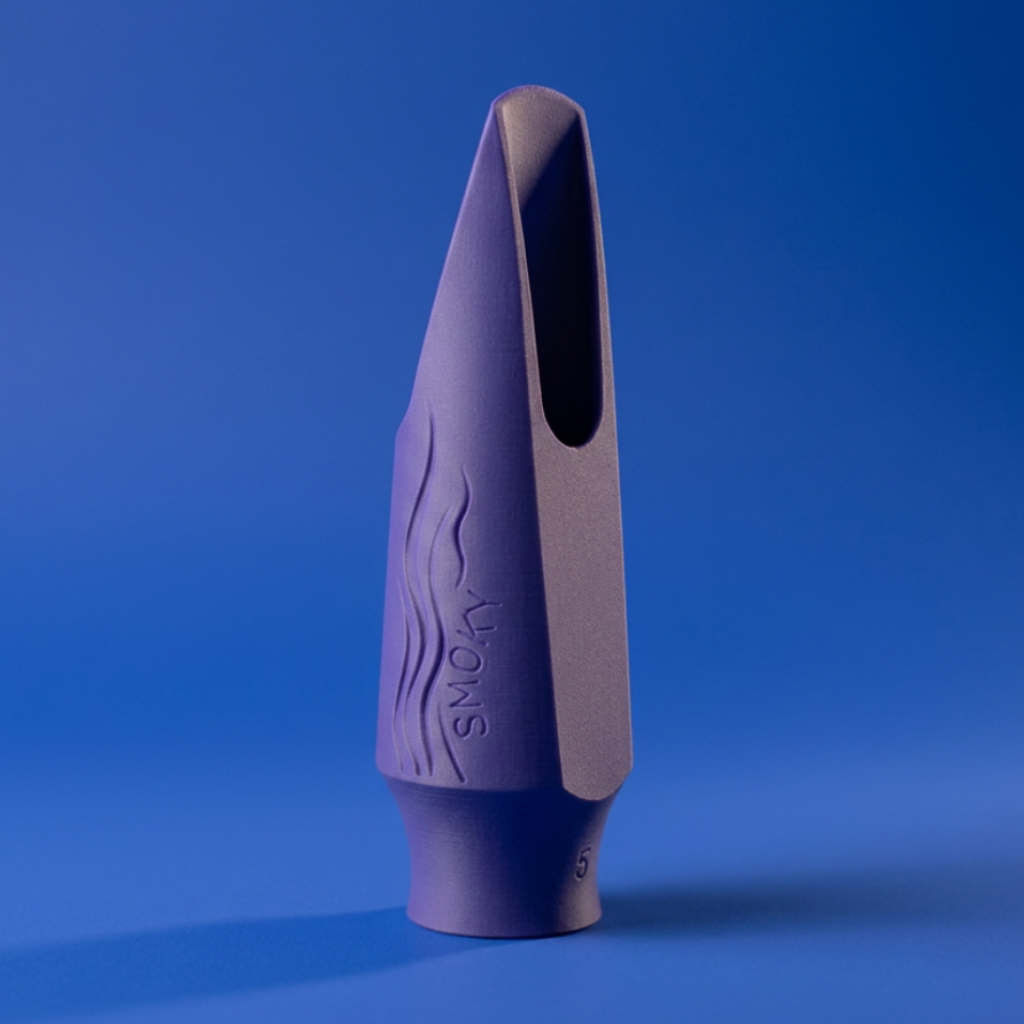
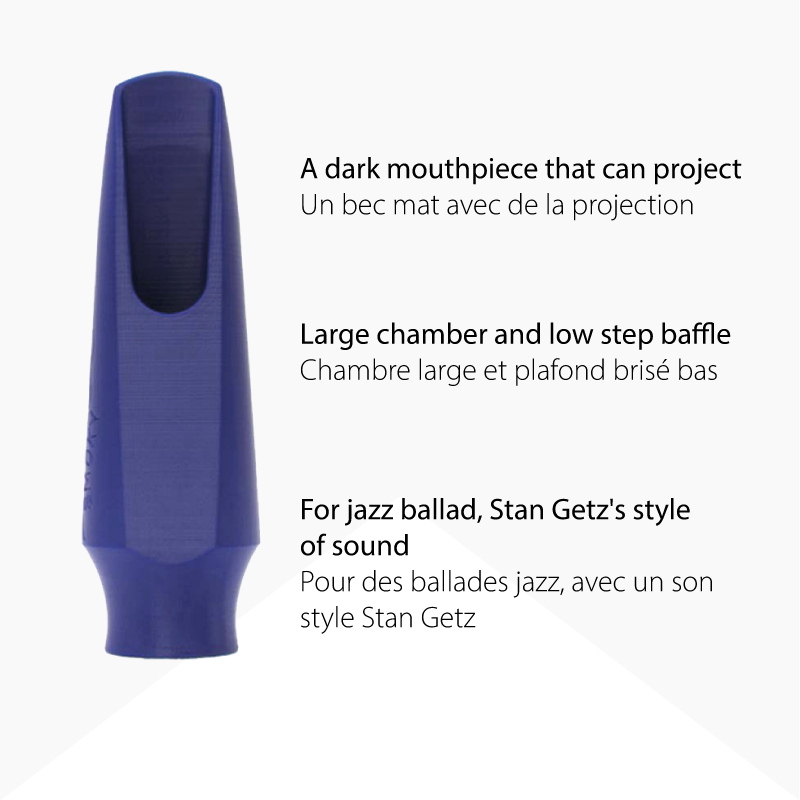
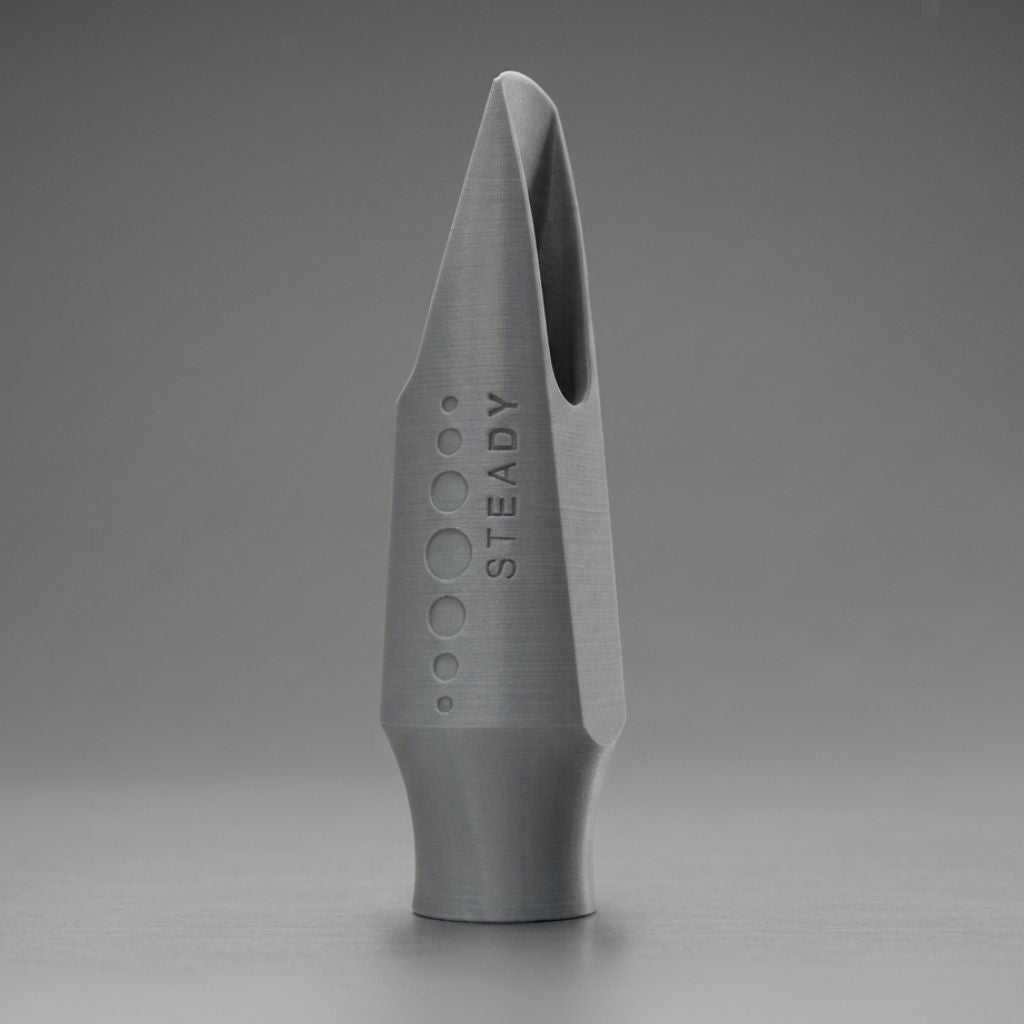
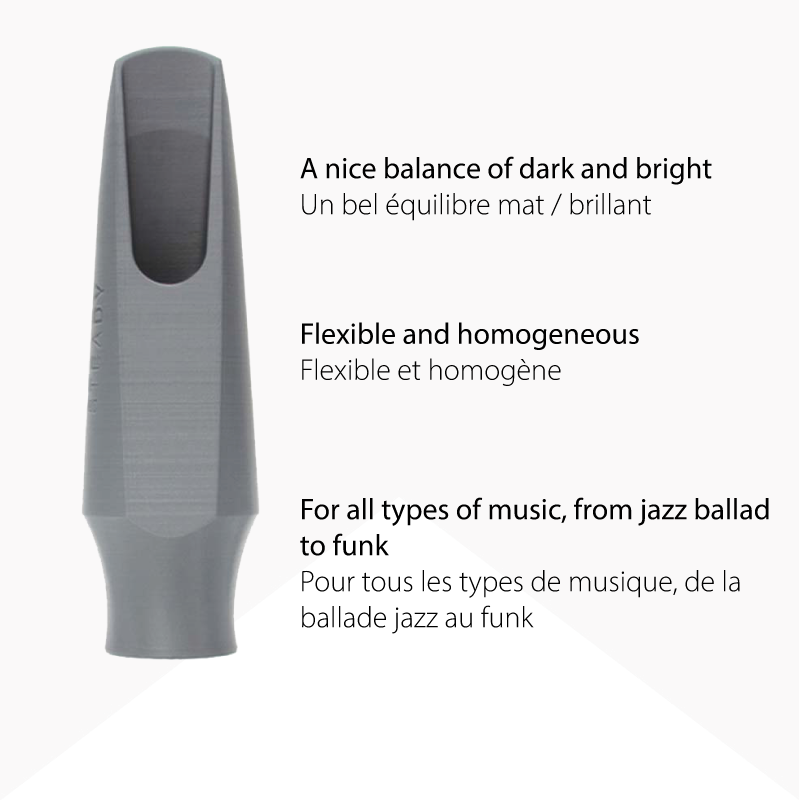
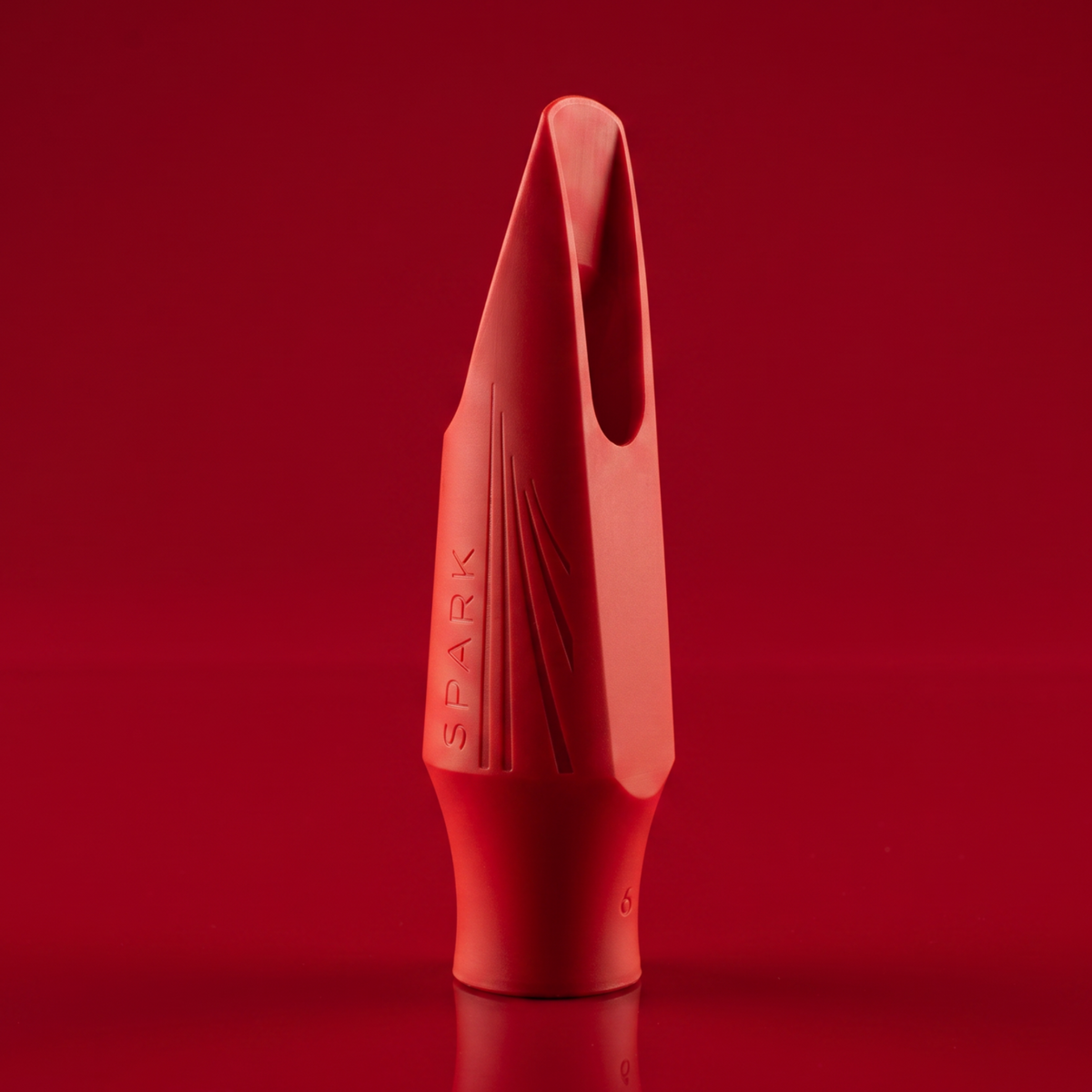
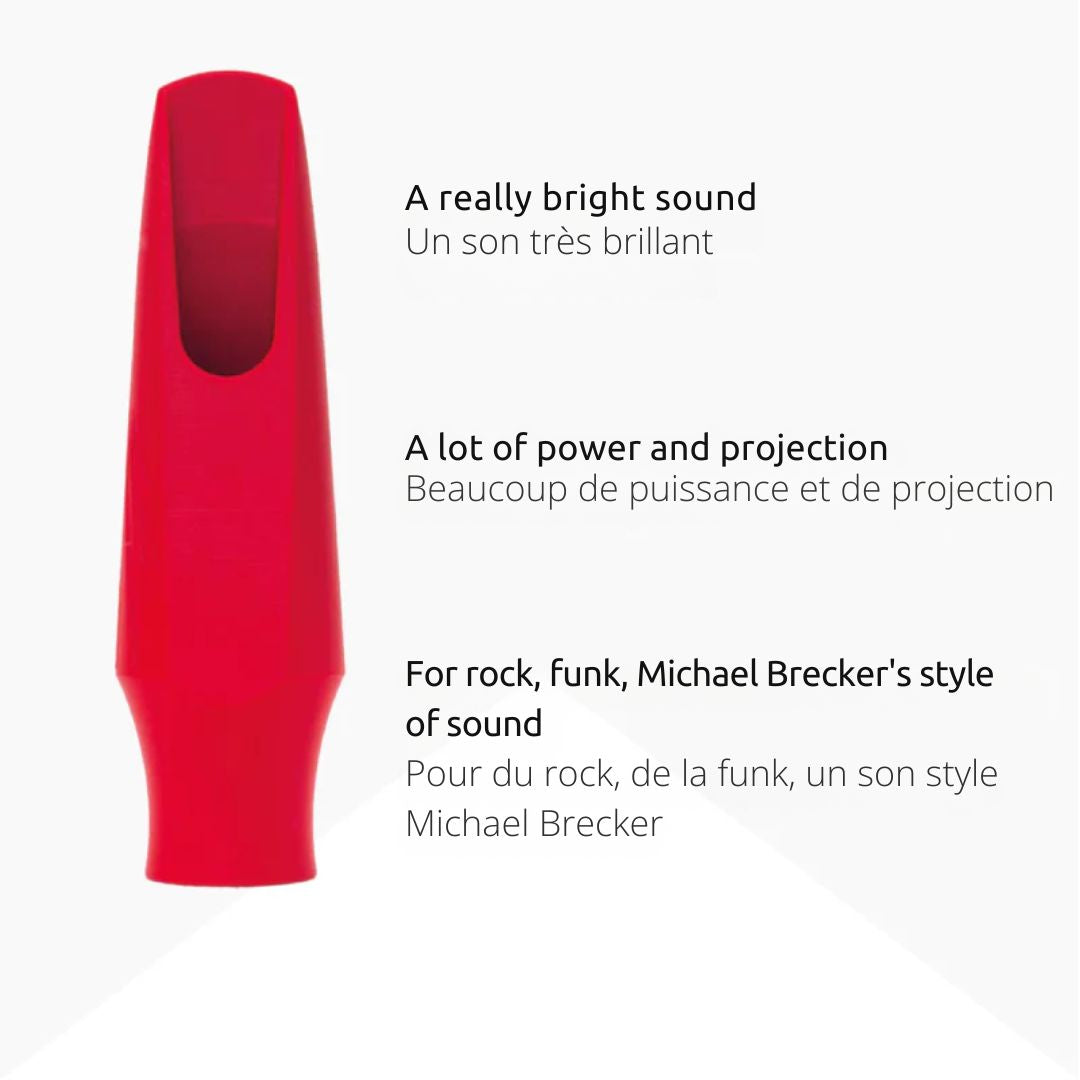
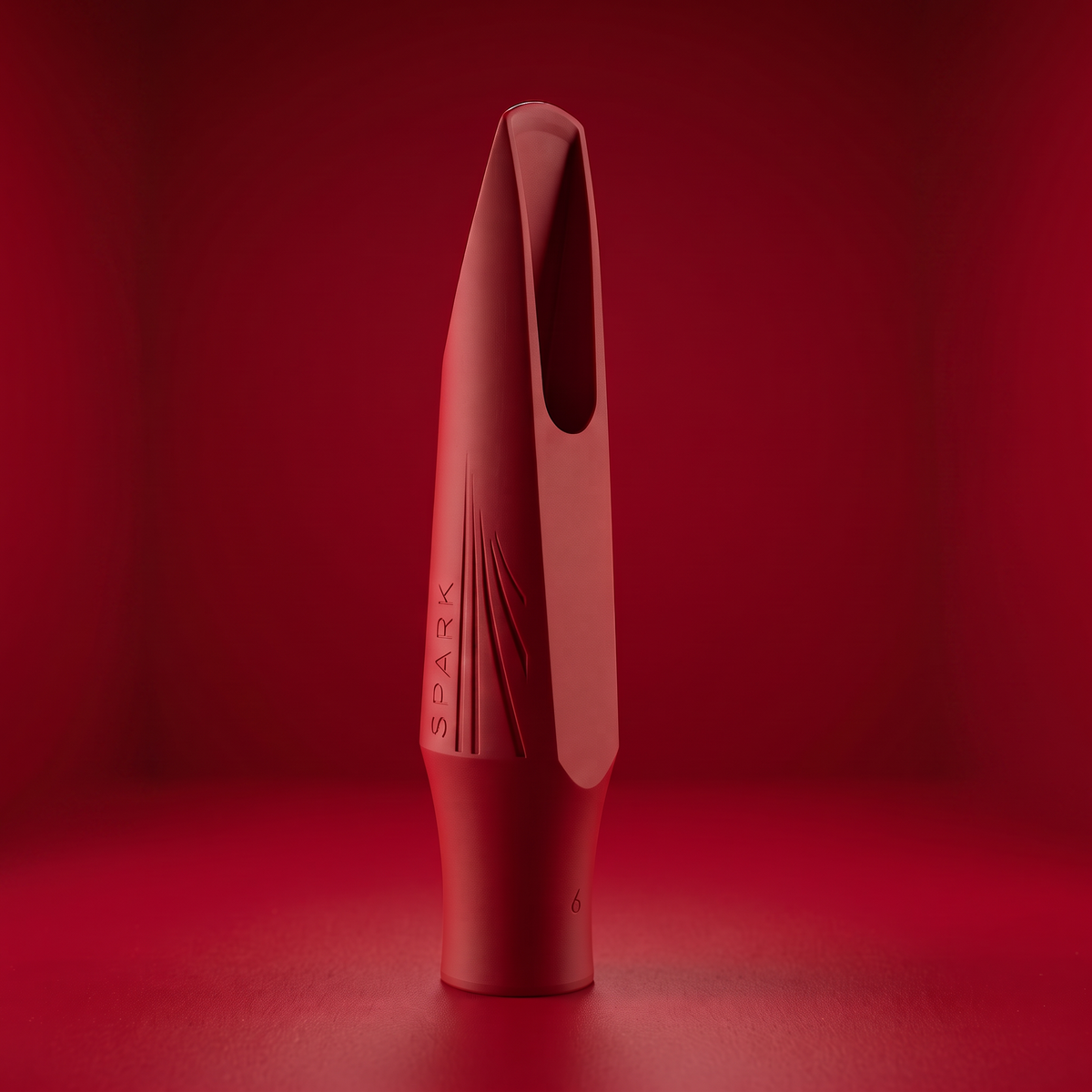
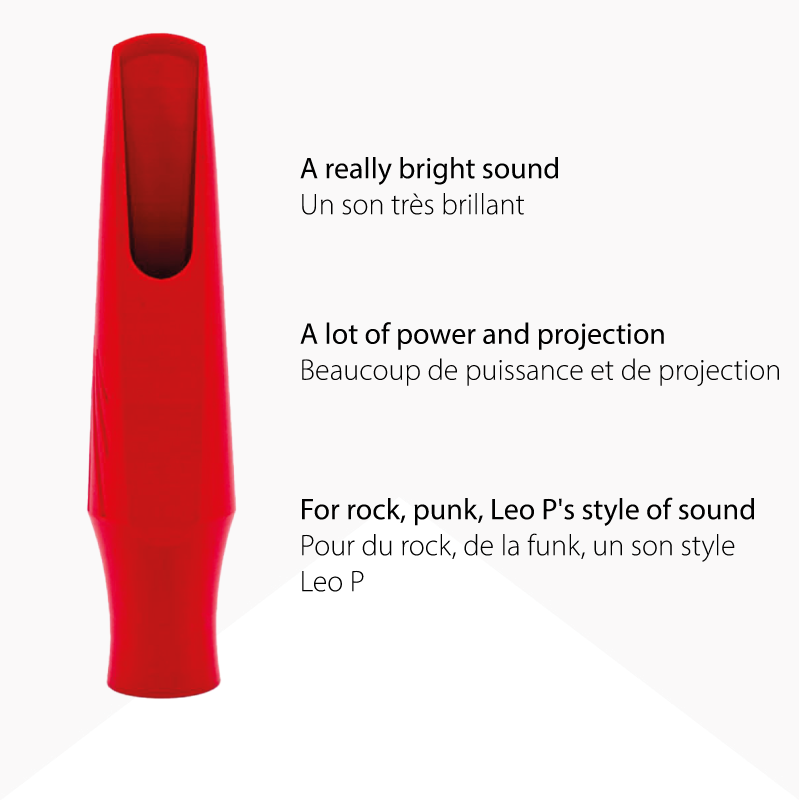
Note on Syos Originals: The Originals Steady is our recommended entry point for most players. Smoky (jazz/soul character) and Spark (funk/rock character) are available for players with a defined tonal preference.
Comparison Table
Prices sourced from Sweetwater.com; verified July 16, 2026 (JodyJazz HR* alto price last verified July 10, 2026). Prices can change; check the retailer for current figures.
|
Mouthpiece |
Material |
Tip Opening Range |
Style |
Price Range |
|---|---|---|---|---|
|
Syos |
Precision-engineered polymer |
Alto: 1.6–2.6mm / Tenor: 1.8–3.2mm |
Jazz / Versatile |
$205 (Originals) / $245+ (Signature) |
|
JodyJazz HR* |
Hard rubber |
Alto: 1.78–2.29mm / Tenor: 2.03–2.79mm |
Jazz |
$219–$395 |
|
Selmer S80 / S90 |
Ebonite |
Alto: 1.60–2.10mm / Tenor: 1.80–2.50mm |
Classical |
$180–$300 |
|
Theo Wanne |
Hard rubber / Metal |
Alto: 1.78–2.54mm / Tenor: 2.29–2.92mm |
Jazz / Contemporary |
$175–$795 |
|
BetterSax Burnin' / Classic |
Hard rubber / Plastic |
Alto: 1.82mm / Tenor: 2.24mm |
Jazz / Student |
$50–$279 |
Three questions we get asked by players every week
What's the biggest mistake players make when choosing a mouthpiece?
The most common mistake is choosing a tip opening that's too large too early. Many players think a bigger opening will give them a bigger sound, but it actually makes tone production harder and can lead to intonation problems. A medium opening (alto 1.8–2.0mm, tenor 2.3–2.5mm) is the sweet spot for most players - it's forgiving enough to develop a solid embouchure while still offering room to grow. You can always go wider later as your technique develops.
How do you know when it's time to upgrade your mouthpiece?
You're ready to upgrade when: (1) your embouchure has developed and your stock piece feels limiting; (2) you're struggling with intonation in the upper register; (3) you want more tonal color or projection than your current piece offers; or (4) you've been playing the same mouthpiece for 2+ years and want to explore your options. A good upgrade should feel noticeably easier to play and give you access to sounds you couldn't make before.
Does the mouthpiece really make that much difference?
Yes - the mouthpiece is the single most impactful piece of gear on your tone and response. It's more important than the saxophone itself. The geometry of the tip opening, chamber, baffle, and facing directly shapes how the reed vibrates and how your sound projects.
How to Choose a Saxophone Mouthpiece
The mouthpiece is the single most impactful piece of gear on your sound. Here's what actually matters.
Tip Opening (Saxophone Mouthpiece Opening)
The saxophone mouthpiece opening is the gap between the reed tip and the mouthpiece tip. It's measured in millimeters or thousandths of an inch.
-
Smaller opening (e.g., alto 1.5–1.8mm): easier to control, more focused sound, better for classical. Pairs with harder reeds (strength 3–3.5).
-
Medium opening (e.g., alto 1.8–2.1mm): balanced resistance, works for jazz and versatile playing.
-
Larger opening (e.g., alto 2.1mm+): more volume and flexibility, needs more air support, better for experienced players.
Beginner rule: start with a medium-small opening. You can always go wider as your embouchure develops.
Material: Metal vs Ebonite Saxophone Mouthpiece
The metal vs ebonite saxophone mouthpiece debate is real - but the geometry matters more than the material.
-
Ebonite (also called hard rubber - same material): durable, warm feel; the most common material for both classical and jazz. Slightly more affordable.
-
Metal (brass, silver-plated): bright feel. Common in jazz and pop. More durable and resistant to wear.
-
3D-printed polymer (Syos): consistent geometry every time; sits between ebonite and metal in feel; keeps a stable finish and dimensions over time.
The "metal = bright, rubber = dark" rule is a myth. A low-baffle metal piece can sound darker than a high-baffle rubber one. Material affects feel and durability, not tone - the baffle, chamber, and tip opening are what drive your sound.
Chamber Size
The baffle (the ceiling of the mouthpiece) is the primary driver of your sound. Chamber size acts as a complement - it refines and colors the tone the baffle creates.
-
Large chamber: complements the baffle to add depth and resonance.
-
Medium chamber: balanced complement to the baffle. Good all-rounder.
-
Small chamber: complements the baffle with focus and projection.
Baffle
-
Straight/flat baffle: produces a rounded, centered sound. Most classical mouthpieces.
-
Rollover baffle: produces a sound with edge and punch. Common in jazz.
-
Step baffle: produces a bright, powerful sound with fast response. Rock, funk, R&B.
Facing Curve
The facing curve determines how the reed vibrates along its length.
-
A long facing makes the mouthpiece feel more closed and is generally more free-blowing - the reed has more length to vibrate, which reduces resistance.
-
A short facing primarily helps with the high register - the reed responds faster and more precisely in the upper range.
Most players don't need to choose this separately - it's built into the model.

Best Alto Saxophone Mouthpiece 2026
Alto players have the widest range of quality options at every price point. The best alto saxophone mouthpiece depends almost entirely on your style.
Our top 3 for alto sax:
-
Syos Alto Originals Steady (~$205) - best for jazz and versatile players who want precision geometry and consistent response
-
JodyJazz HR* Alto ($219) - best hard rubber jazz alto; reliable, warm, and well-intonated
Best Tenor Saxophone Mouthpiece 2026
Tenor players often have the most to gain from a mouthpiece upgrade. The tenor's natural warmth rewards a well-matched piece.
Our top 3 for tenor sax:
-
Syos Tenor Originals Steady (~$205) - optimized geometry for ease of play across the full range; professional sound at an accessible price
-
JodyJazz HR* Tenor ($219–$395) - the go-to jazz tenor hard rubber; consistent and expressive
-
Selmer S90 Tenor (~$250–$300) - best for classical and orchestral tenor players; focused and blend-friendly
Best Jazz Saxophone Mouthpiece 2026
Jazz mouthpieces cover the widest tonal ground. You're choosing between dark/traditional and bright/contemporary - and everything in between.
Our top 3 for jazz sax:
-
Syos Originals Smoky (~$205) for a dark jazz tone, or Originals Steady for versatility - the most modern approach; geometry-optimized for projection and ease
-
JodyJazz HR* ($219–$395) - the industry reference for jazz hard rubber; warm, flexible, and reliable
-
Theo Wanne Essentials Jazz ($195) - a strong entry into the boutique jazz market; vintage-inspired tone at an accessible price
FAQ
What is the best saxophone mouthpiece for beginners?
For beginners, start with a BetterSax Classic ($50–$70) or a Yamaha 4C (~$45). Both have a forgiving medium-small tip opening that makes tone production easier while you build your embouchure. Upgrade after 6–12 months once you know what sound you're chasing.
Metal vs ebonite mouthpiece - which is better?
Neither is objectively better. Ebonite is the standard for classical playing and offers a warm tactile feel. Metal offers a brighter feel, which suits jazz, pop, and funk. That said, the baffle, chamber, and tip opening shape your sound far more than the material itself. A well-designed ebonite piece can produce the same tonal range as a well-designed metal one - the difference is feel and durability, not inherent tone.
What saxophone mouthpiece opening should I choose?
For alto: start around 1.7–1.9mm (medium). For tenor: start around 2.3–2.5mm. Smaller openings are easier to control and suit classical playing; larger openings give more volume and flexibility for jazz. Match your reed strength to your opening - a wider opening pairs with a softer reed (strength 2–2.5), a narrower opening with a harder reed (strength 3–3.5).
Which saxophone mouthpiece is easiest to play?
Ease of play depends more on tip opening and baffle shape than on the brand name. A medium tip opening (alto 1.8–2.0mm, tenor 2.3–2.5mm) paired with a moderate baffle gives the most forgiving response while you're still building your embouchure. Syos mouthpieces are designed by applying acoustic modelling directly to the geometry - tip opening, baffle, and chamber - specifically to reduce resistance and make the piece easier to play from the first note. It's also the single most common feedback we hear from customers: most players describe their Syos mouthpiece as noticeably easier to play than what they used before.
What makes a saxophone mouthpiece comfortable?
Comfort comes from how the tip opening, chamber, and facing curve work together with your air support and embouchure strength - not from the material alone. A facing that's too long or a tip opening that's too wide forces you to overwork your embouchure; a well-matched geometry lets the reed vibrate freely with less resistance. Syos designs each mouthpiece with geometry optimized by acoustic modelling, so tip opening and baffle are calibrated for consistent resistance rather than left to hand-finishing variance. Polymer models also keep a stable, predictable feel over the long run, thanks to tight manufacturing tolerances that hold up consistently from the first use.
Why does Syos play so consistently?
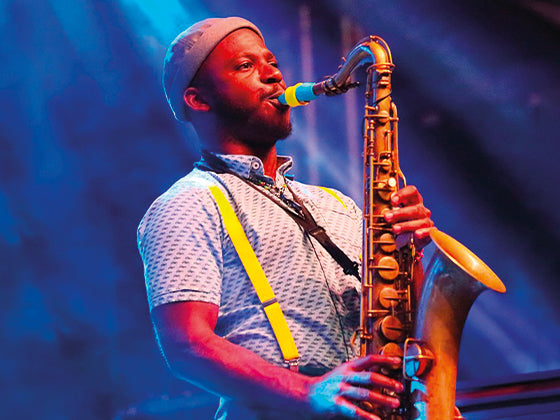
Syos mouthpieces deliver consistent geometry and precise tip opening tolerances. Every piece plays to spec, which means you get the same response and intonation whether you buy it today or in a year. Professional players including Mornington Lockett, Scott Page, Patrick Bartley, Greg Osby, and Tivon Pennicott, along with many other touring musicians, use Syos mouthpieces on stage because of this reliability and precision.
Best saxophone mouthpiece for tone and response?
Tone and response are shaped mainly by baffle, chamber size, and tip opening - not by brand reputation. A rollover or step baffle adds edge and faster response for jazz and contemporary styles, while a flatter baffle and larger chamber favor a rounder, more centered tone for classical playing. Among the five models compared in this guide, Syos stands out for pairing acoustically optimized geometry with full customization: Originals Smoky targets a darker jazz tone, Steady favors versatility, and Spark leans brighter for funk and pop.
How often should I replace my saxophone mouthpiece?
A quality mouthpiece doesn't need replacing unless it's physically damaged (chipped tip rail, cracked body) or the facing has worn unevenly. Ebonite can yellow or change appearance over the years; metal is highly durable; 3D-printed polymer keeps its finish and dimensions over time. Most players replace a mouthpiece when they want a different sound - not because the old one wore out.
What mouthpiece do professional jazz players use?
There's no single answer. Many pros use JodyJazz DV or HR* models, Theo Wanne pieces (Durga, Gaia, Lakshmi), or vintage Otto Link Florida-style pieces. A growing number of professionals - including touring musicians - now play Syos Signature mouthpieces. The common thread is that pros choose pieces with a specific, intentional geometry rather than whatever came with the horn.
Artist Testimonials
The specs and reviews above tell you what a mouthpiece is supposed to do. Here's what happens when working professionals actually put one in front of a mic, on tour, in a studio, or on a festival stage. These are direct quotes from saxophonists who play Syos mouthpieces night after night - not marketing copy.
Patrick Bartley - Alto Signature, tip opening 6
Patrick Bartley is a Grammy-nominated saxophonist and multi-instrumentalist, leader of the J-MUSIC Ensemble, and a player who's recorded and performed alongside Wynton Marsalis, Jon Batiste, and Herbie Hancock. He played a Meyer 6M for 14 years before switching.
"I love this mouthpiece because it doesn't feel like too much of a departure from my original Meyer. It feels like a natural extension of what that piece could be, and it's super easy to play the entire range of the instrument now with zero limitations. I love how I can still play warm and sweet, yet brighten it up and power through an electric band when I need it. It's the perfect piece for the type of versatile playing I strive for."
-
Setup: Alto Signature mouthpiece, tip opening 6, slightly lowered circular baffle with a medium chamber
-
Why it matters: the warm-to-bright range he describes is exactly the kind of flexibility session players and touring sidemen need when they switch from an acoustic combo to an amplified band in the same set
Scott Paddock - Tenor Signature, tip opening 8
Scott Paddock is the featured saxophonist on Eros Ramazzotti's Vita Ce N'è World Tour, which ran through more than 30 countries. His session credits include Disney's Monsters, Inc. and film scoring work for Oliver Stone and Rob Zombie.
"I told the people at Syos that I was looking for a tenor mouthpiece with a big sound that could cut. In addition to the sound, I explained a problem that I have always had on tenor which is a stuffy sounding middle Eb & D. The difference between Syos and other mouthpiece makers is they are not one size fits all. They listen to what you want and then can tweak what you really like to make it perfect. I now play a Syos tenor mouthpiece with a really big sound that cuts, and I no longer have a stuffy middle Eb or D."
-
Setup: Tenor Signature mouthpiece, small chamber, high step baffle, tip opening 8
-
Why it matters: a stuffy middle Eb/D is a known tenor design problem - hearing it named and fixed, rather than just "a great sound," is the kind of concrete, checkable detail that separates a real testimonial from a generic endorsement
Vanessa Collier - Alto Originals Smoky
Vanessa Collier is a two-time Blues Music Award winner for Horn Player of the Year and a Berklee College of Music graduate who has toured internationally and released four albums, including Honey Up, which spent nine weeks in the Billboard Blues Album Charts Top 15.
"I was so surprised the first time I played the Syos mouthpieces because the tone was dark like I like it, intonation was easier to control, and the responsiveness was more immediate. I feel like playing this mouthpiece is the perfect balance of power, control, response, punch, and a dark, luscious tone throughout the whole range of the saxophone. Beautiful sound top to bottom!"
-
Setup: Alto Originals Smoky, wide chamber, low baffle for a warm, dark tone
-
Why it matters: touring blues and funk players need punch and projection without losing warmth - the large chamber/low baffle combo she plays is built specifically for that trade-off
These three setups cover a spread most players will recognize: a bright, cutting funk tenor at an 8 opening, a versatile warm-to-bright alto at a 6, and a dark, wide-chamber alto for blues and soul work. If you're between tip openings or chamber styles, matching your goal to the closest artist setup above is a faster starting point than guessing from a spec sheet alone.