




Our Top 5 Tenor Saxophone Mouthpieces for 2026
The tenor sax mouthpiece market is crowded. We cut through it by focusing on what actually matters for tenor players: tip opening in millimeters, baffle profile, intonation in the low register, and how each piece handles the tenor's natural warmth. Every pick below is tenor-specific - no generic saxophone content.

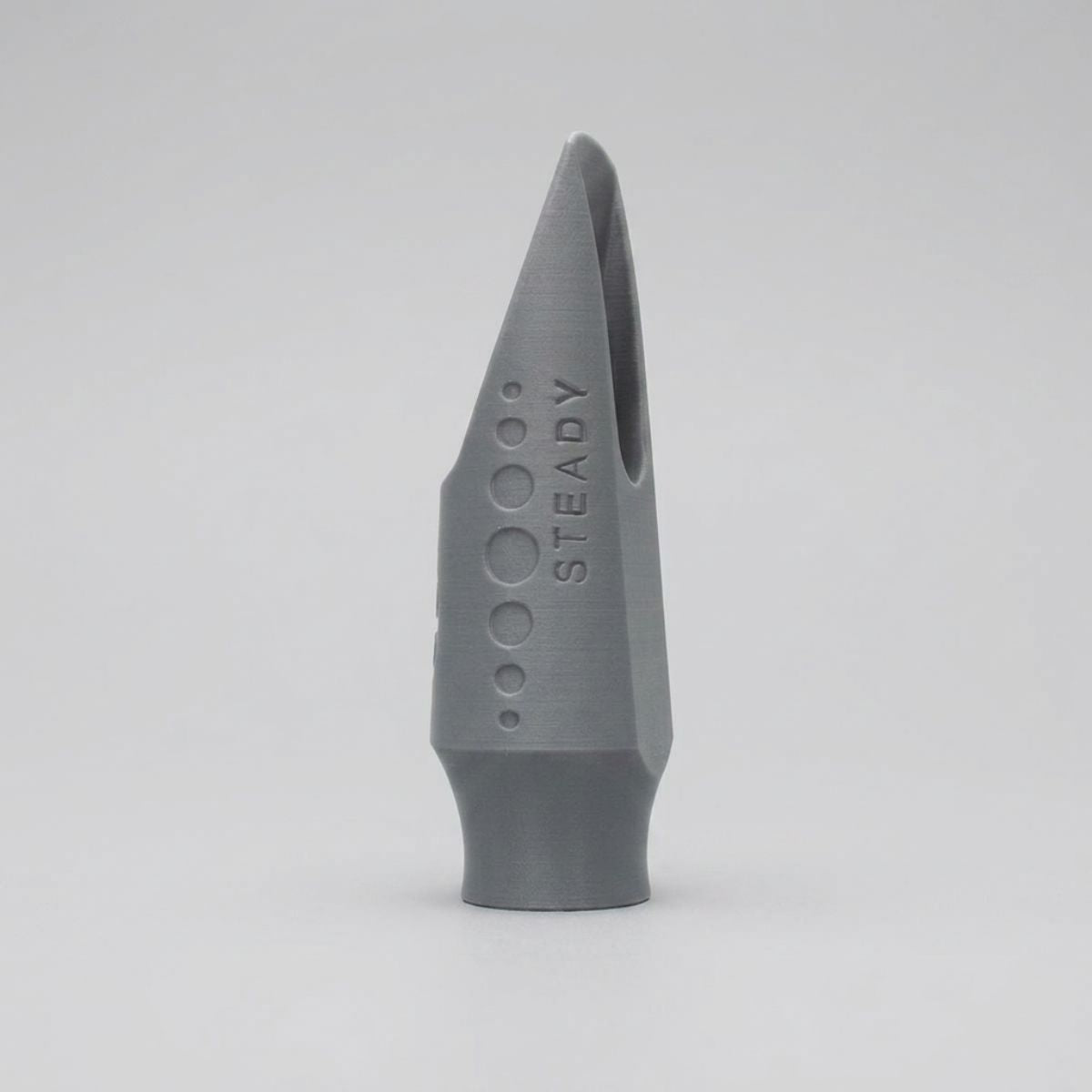
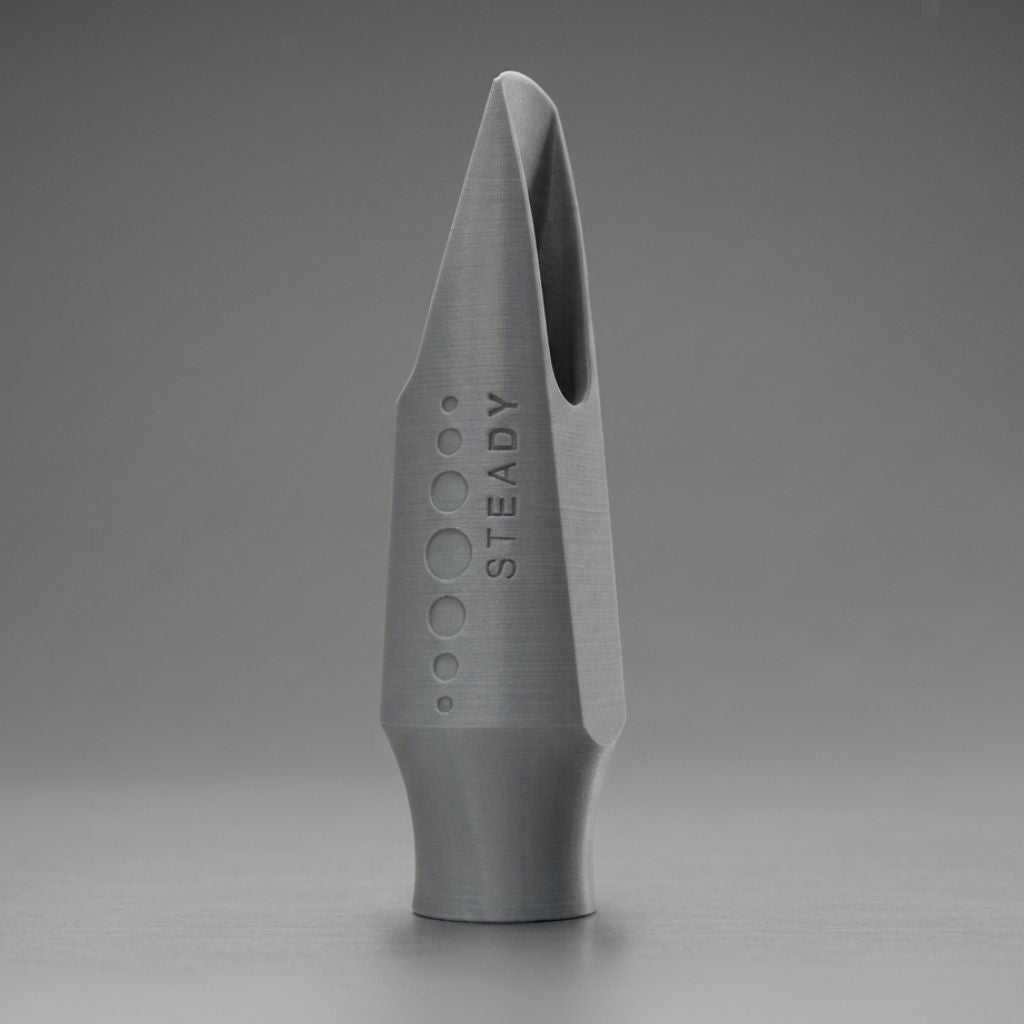
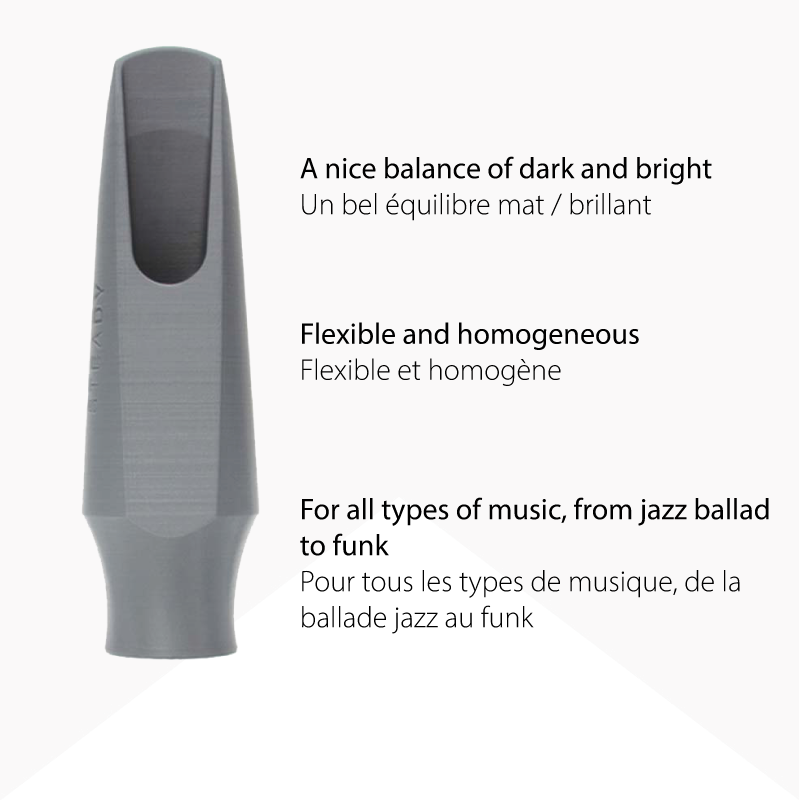
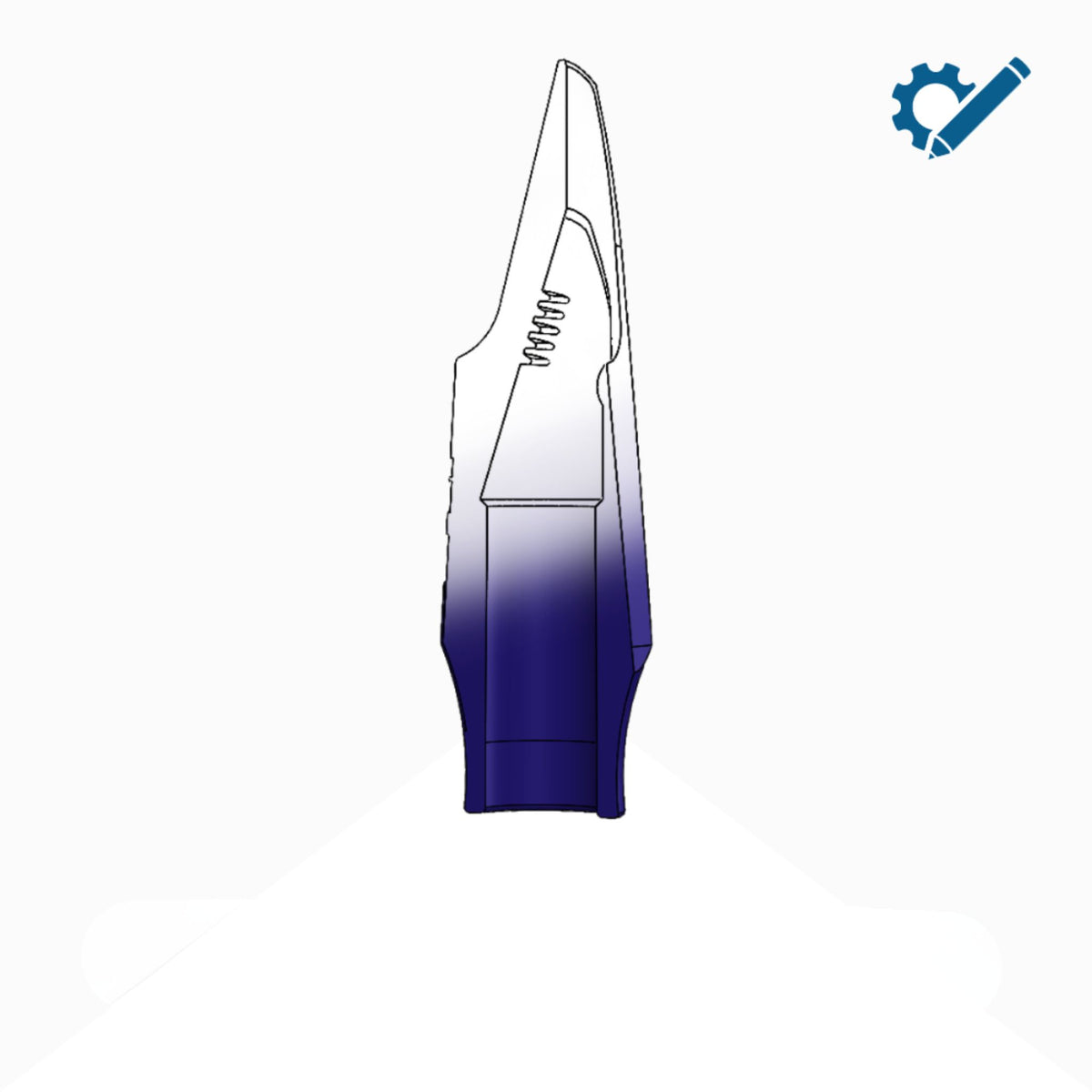
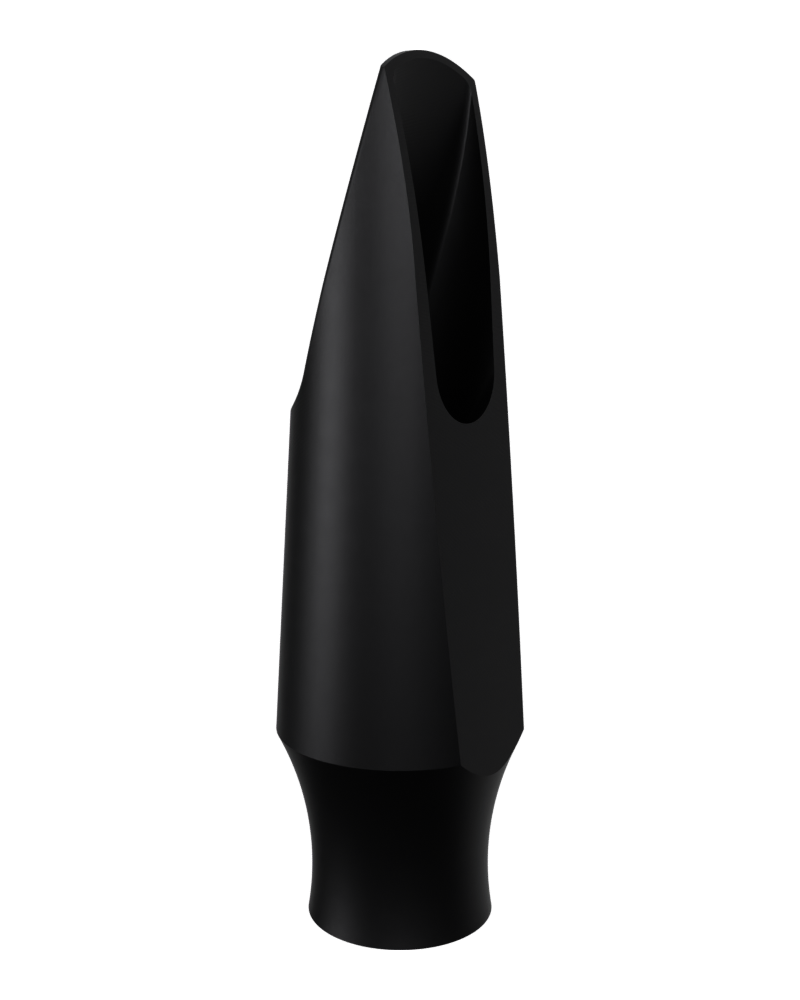
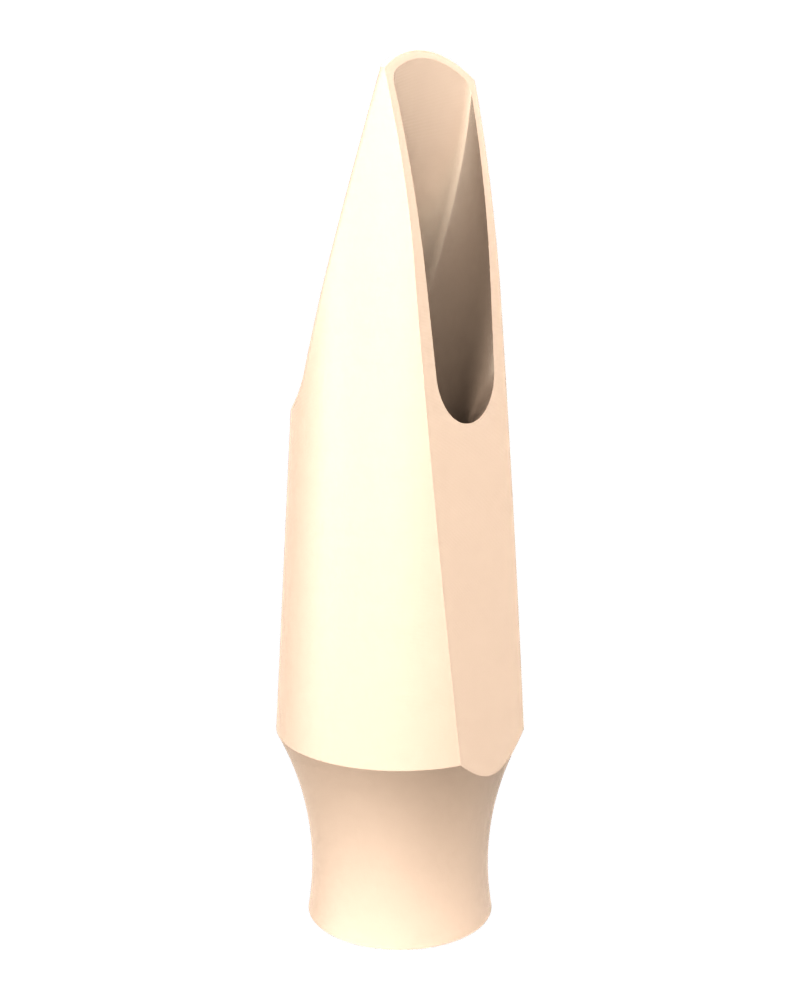
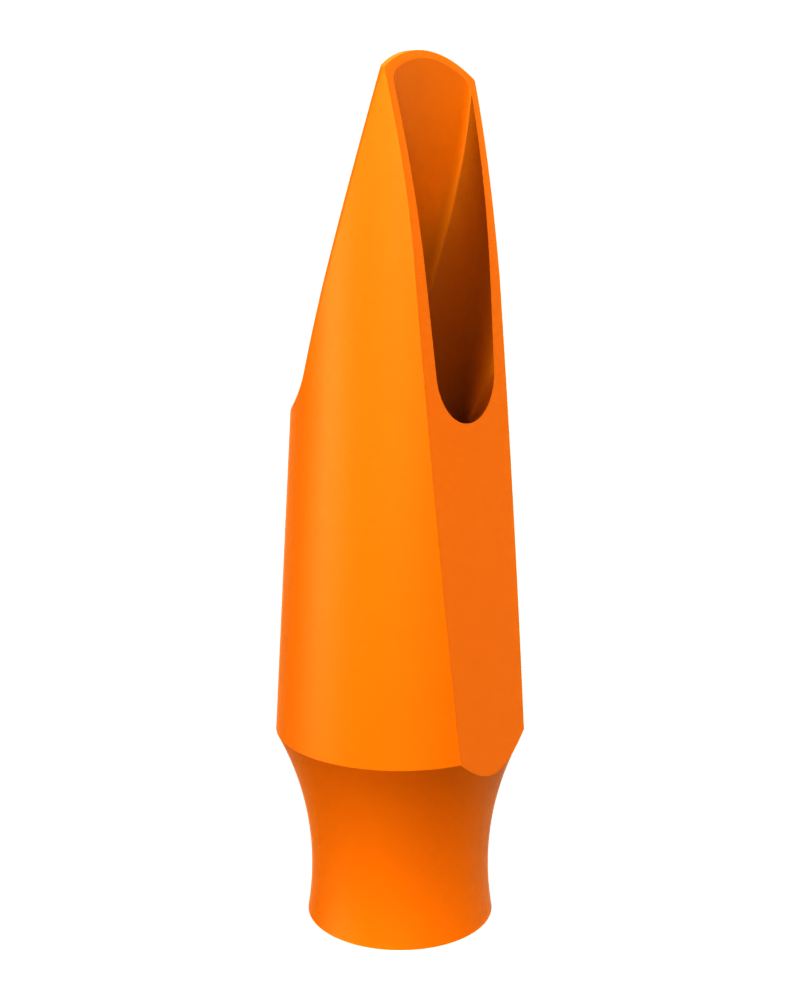
1. Syos Originals Steady - Best Overall Tenor Mouthpiece

Best for: Jazz, big band, versatile tenor players who want consistent intonation and easy response across the full range.
Price: $205 (Originals) / $245 (Signature)
Material: Precision-engineered polymer
Tip opening: Available from size 5 to 9* (approx. 1.9–2.9mm)
Style: Jazz / Versatile
Pros:
-
Optimized geometry means every piece plays to spec - no lottery with individual units
-
Consistent intonation across the full tenor range, including the notoriously tricky low Bb, B, and C
-
Easy response from the first note; doesn't demand the extra air pressure that many open-tipped pieces do
-
30-day money-back trial - genuinely rare in this category
-
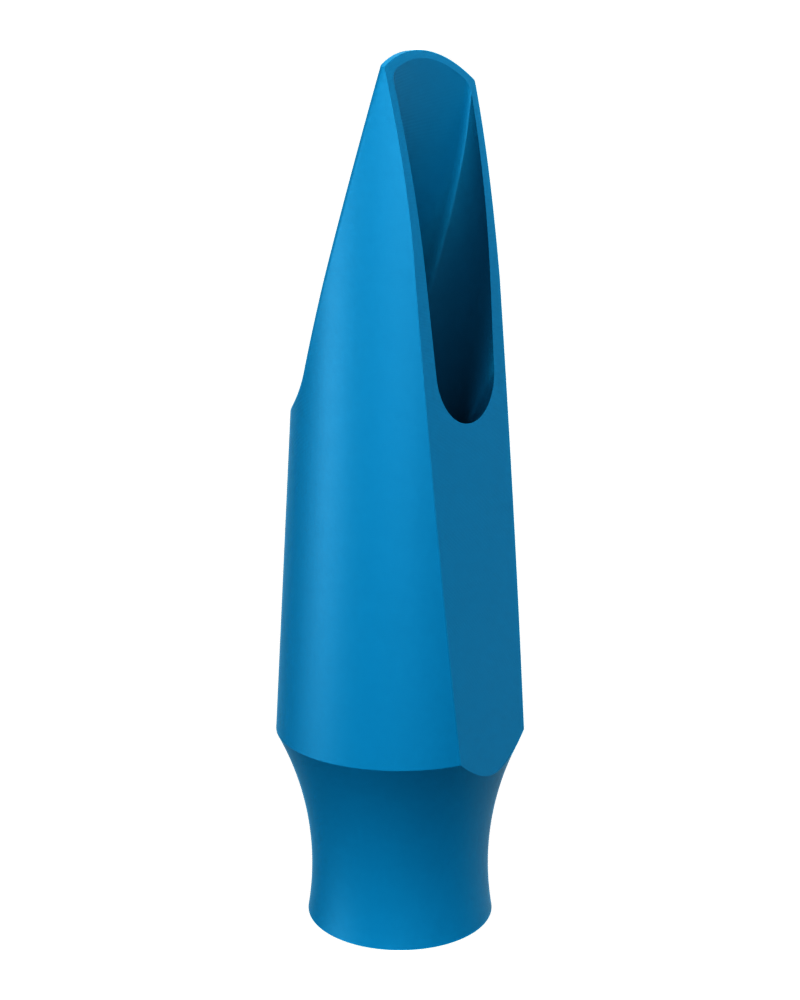
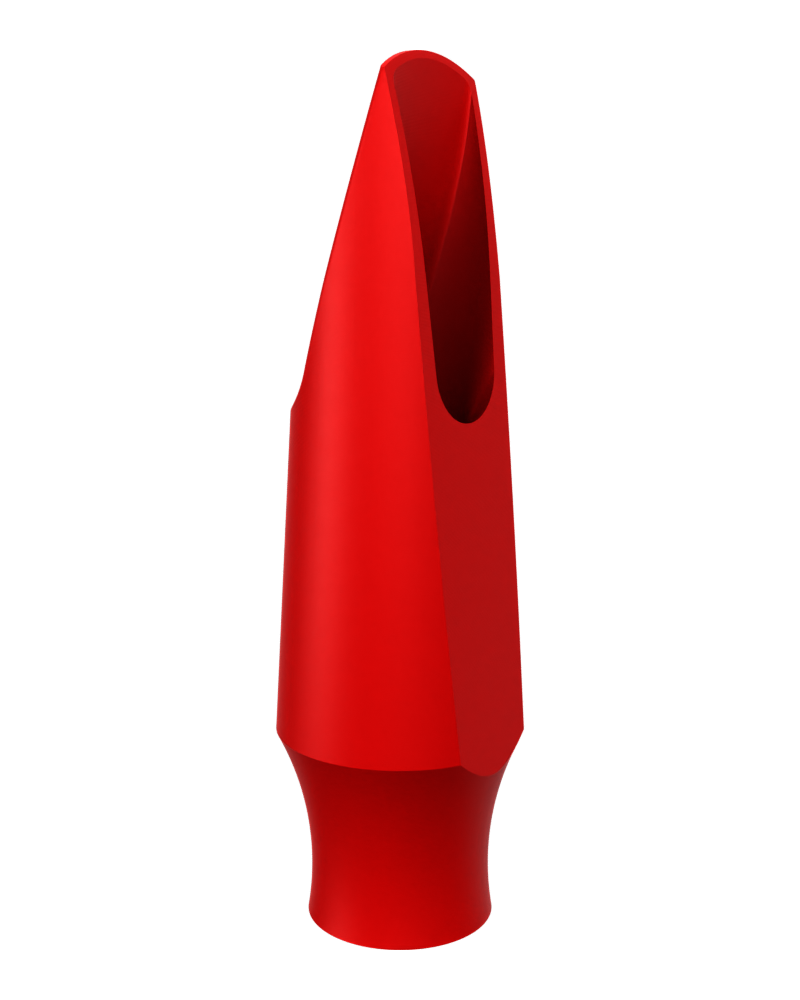
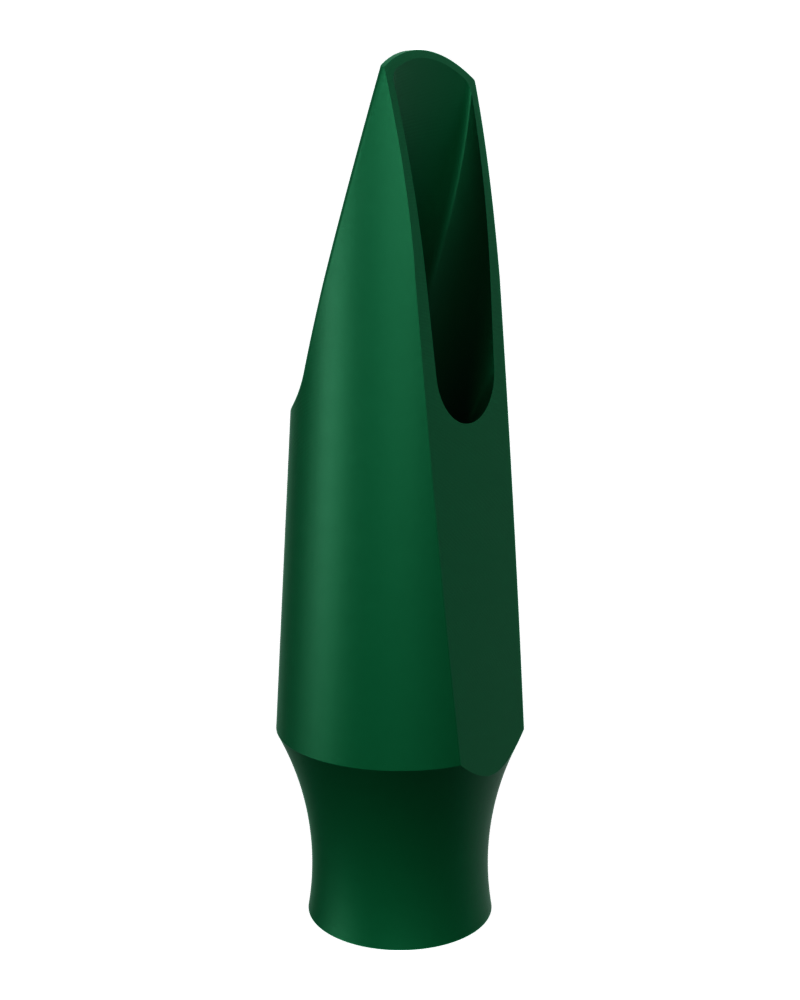
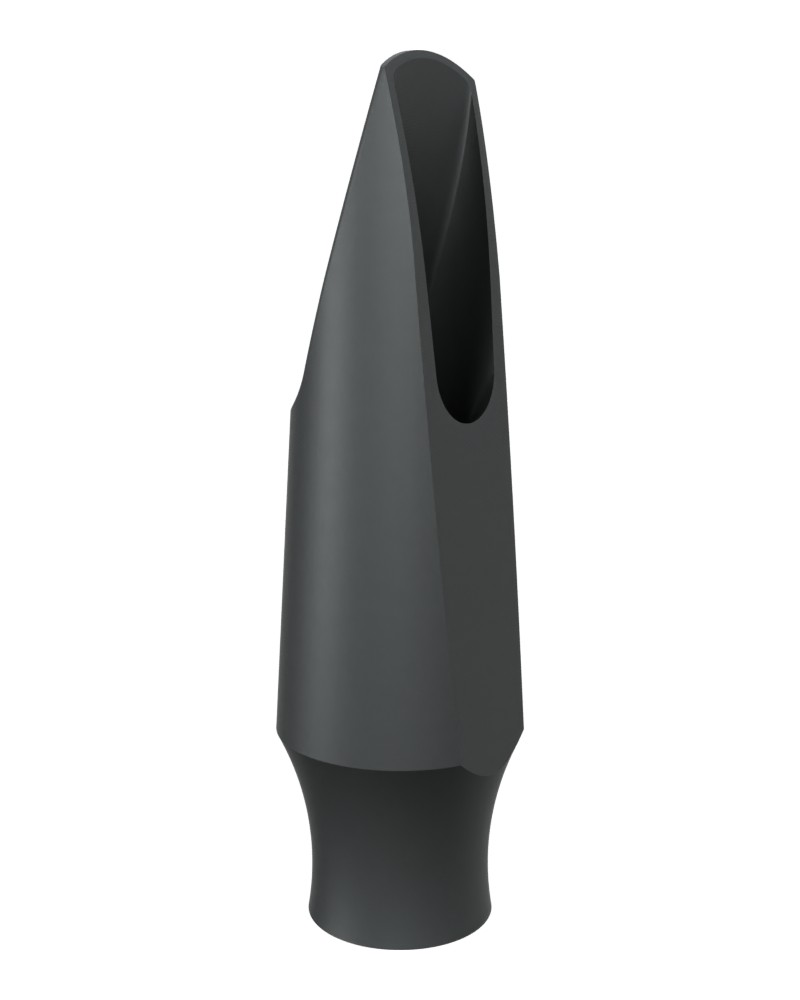
Full color customization (Phantom Blue, Carmine Red, Forest Green, and more)
-
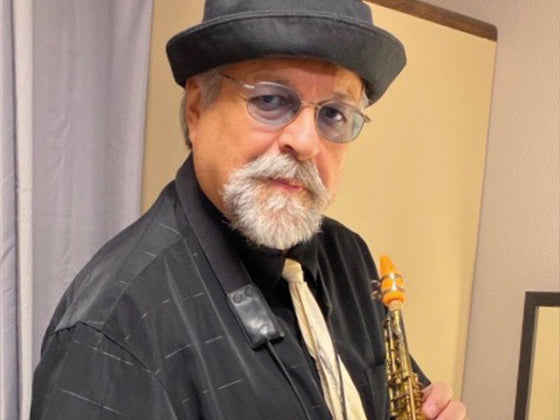
Signature configurations co-designed with pro tenor players (Tivon Pennicott, Max Ionata, Scott Paddock, and others)
Cons:
-
Higher entry price than traditional ebonite options
-
Polymer feel is different from hard rubber - tactile feel only, not tonal; takes a short adjustment period
-
Less widely available in physical stores
Verdict: The Syos Steady is our top tenor pick because it solves the two biggest problems tenor players face: inconsistent intonation in the low register and unpredictable response between units. The optimized geometry delivers the same playing experience every time. The 30-day trial removes the risk. Start at size 7 (approx. 2.5mm) if you're coming from a stock piece - it's the sweet spot for most jazz tenor players.
2. JodyJazz HR* Tenor - Best Jazz Hard Rubber Tenor Mouthpiece

Best for: Jazz tenor players at intermediate to pro level who want a reliable hard rubber piece with a warm, free-blowing character.
Price: ~$229
Material: Hard rubber (ebonite - same material, different name)
Tip opening: 5* = 2.16mm / 7 = 2.54mm / 7* = 2.67mm / 8 = 2.79mm
Style: Jazz
Pros:
-
Consistently praised for even intonation and smooth response across the tenor's full range
-
Medium rollover baffle - the sweet spot for jazz tenor; adds edge without harshness
-
Wide tip opening range covers most jazz tenor needs
-
Works equally well for traditional and contemporary jazz styles
Cons:
-
No classical application - the rollover baffle is too present for ensemble blend
-
Metal DV models jump to $595+ - a big price step up from the HR*
Verdict: The HR* Tenor is the mouthpiece most jazz tenor players compare everything else against. The 7* (2.67mm) is the most popular size - open enough for a full jazz sound, controlled enough to keep intonation in check. If you're upgrading from a stock piece, this is the safest first move.
3. Selmer S80 C* Tenor - Best Classical Prestige
 Best for: Orchestral and conservatory tenor players who need the most refined, focused classical response.
Price: ~$279
Material: Ebonite
Tip opening: 1.90mm (0.075")
Style: Classical
Pros:
-
Square chamber and concave baffle produce a pure, centered tone that blends perfectly in ensemble settings
-
Excellent intonation uniformity across the tenor's full range
-
Selmer Paris quality control is among the best in the industry
-
The most widely used classical tenor mouthpiece in professional settings worldwide
Cons:
-
Very limited volume ceiling - pushing it hard produces a nasal, overblown tone
-
Short facing curve makes fast jazz articulation difficult (confirmed in Steve Neff's 2026 comparison)
-
Not suited for jazz or high-volume playing
Verdict: The S80 C* is the classical tenor standard for a reason. It's not the most exciting piece to play, but in an orchestral or concert band context, its focused, uniform tone is exactly what you need. If you're a classical player, this is the safe, proven choice.
4. Theo Wanne Essentials Jazz 7* - Best Boutique Entry Tenor

Best for: Intermediate to advanced tenor players who want a boutique-quality jazz mouthpiece without the flagship price tag.
Price: ~$175–$195
Material: Hard rubber (ebonite)
Tip opening: 7* = 2.67mm (0.105")
Style: Jazz / Contemporary
Pros:
-
Medium round chamber and medium-height rollover baffle - the ideal combination for jazz tenor
-
Strong projection and volume (rated 8/10 by Steve Neff) without tipping into harshness
-
Fat low end; sub-tones well; altissimo register is clean and responsive
-
Sits on the brighter side of the dark-to-bright spectrum - works in jazz, big band, and contemporary settings
Cons:
-
Medium chamber is smaller than what some experienced jazz players prefer
-
Reed sensitivity is higher than classical pieces - a slightly softer reed (BSS 3 Silver Label vs LaVoz Medium Hard) makes a noticeable difference
Verdict: The Essentials Jazz 7* is Theo Wanne's most accessible entry into the boutique jazz tenor market. The medium rollover baffle and round chamber are a well-matched combination for the tenor's natural warmth. It's a legitimate gigging mouthpiece at a mid-range price.
5. D'Addario Select Jazz D7M - Best Value Jazz Tenor Mouthpiece

Best for: Intermediate jazz tenor players who want a reliable, well-intonated mouthpiece without spending $200+.
Price: ~$130
Material: Hard rubber (ebonite)
Tip opening: D7M = 2.67mm (0.105")
Style: Jazz
Pros:
-
Medium round chamber and medium rollover baffle - same profile as the Theo Wanne Essentials Jazz, at a lower price
-
Focused, warm tone with enough presence for jazz and section playing
-
Excellent intonation and even response across the tenor range
-
Low beak profile is noticeably comfortable (Steve Neff highlighted this in his 2026 comparison)
-
Available in D6M (2.41mm), D7M (2.67mm), and D8M (2.79mm) - easy to step up as your embouchure develops
Cons:
-
Fits tighter on the neck cork than most other tenor mouthpieces - check fit before buying
-
D8M (2.79mm) requires substantial air support; not recommended as a first upgrade
Verdict: The D7M is the best value tenor sax mouthpiece we've found. The geometry is well-executed, the intonation is reliable, and the price is honest. If you're upgrading from a Yamaha 4C or 5C and don't want to spend $200+, start here.
A Note on Syos Tenor Originals: Which One Is Right for You?

The Syos Originals line has three tenor configurations. The difference is baffle and chamber - not tip opening, which you choose separately.
-
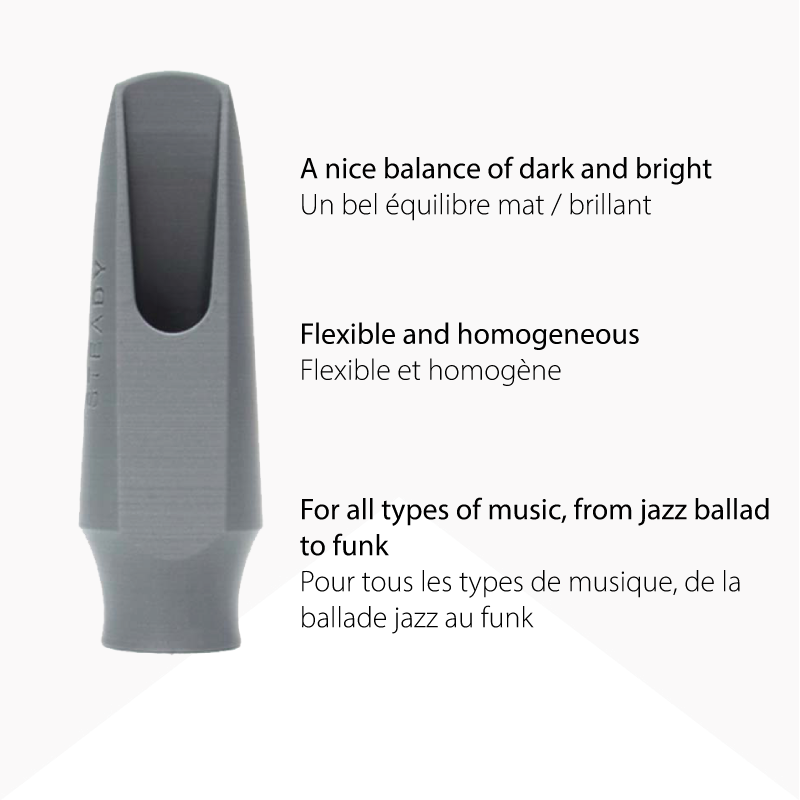
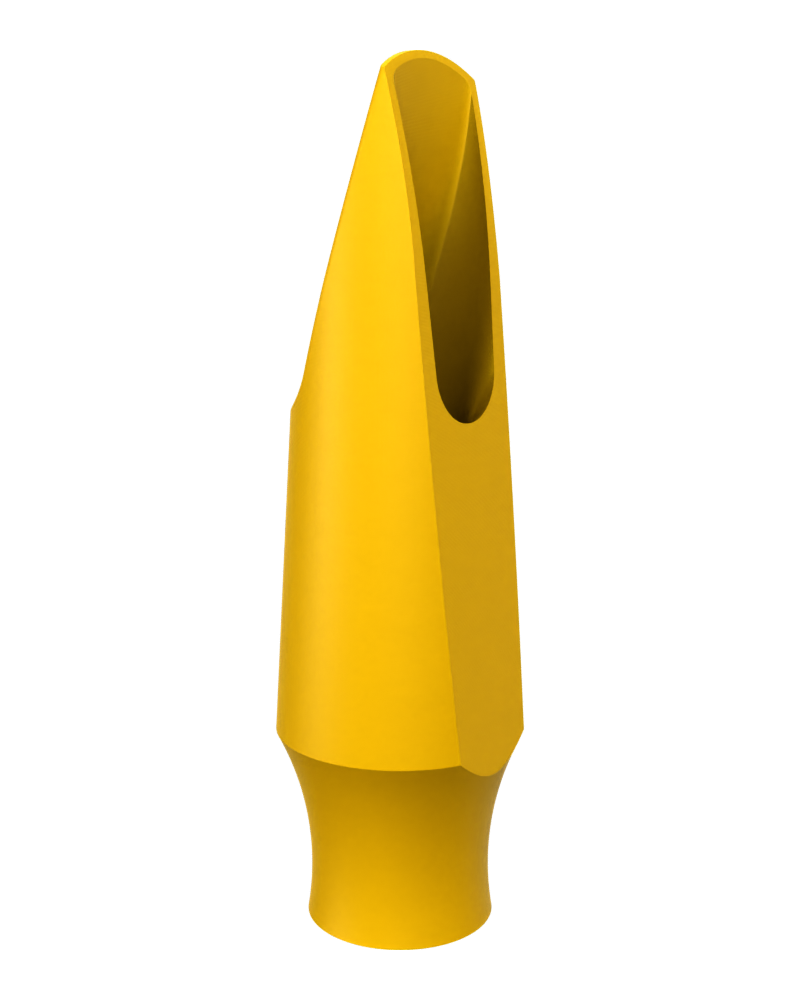
Steady ($205) - Recommended for most players. Medium step baffle, medium chamber. Balanced sound with clarity, projection, and flexibility. The right starting point for jazz, big band, and versatile players.
-
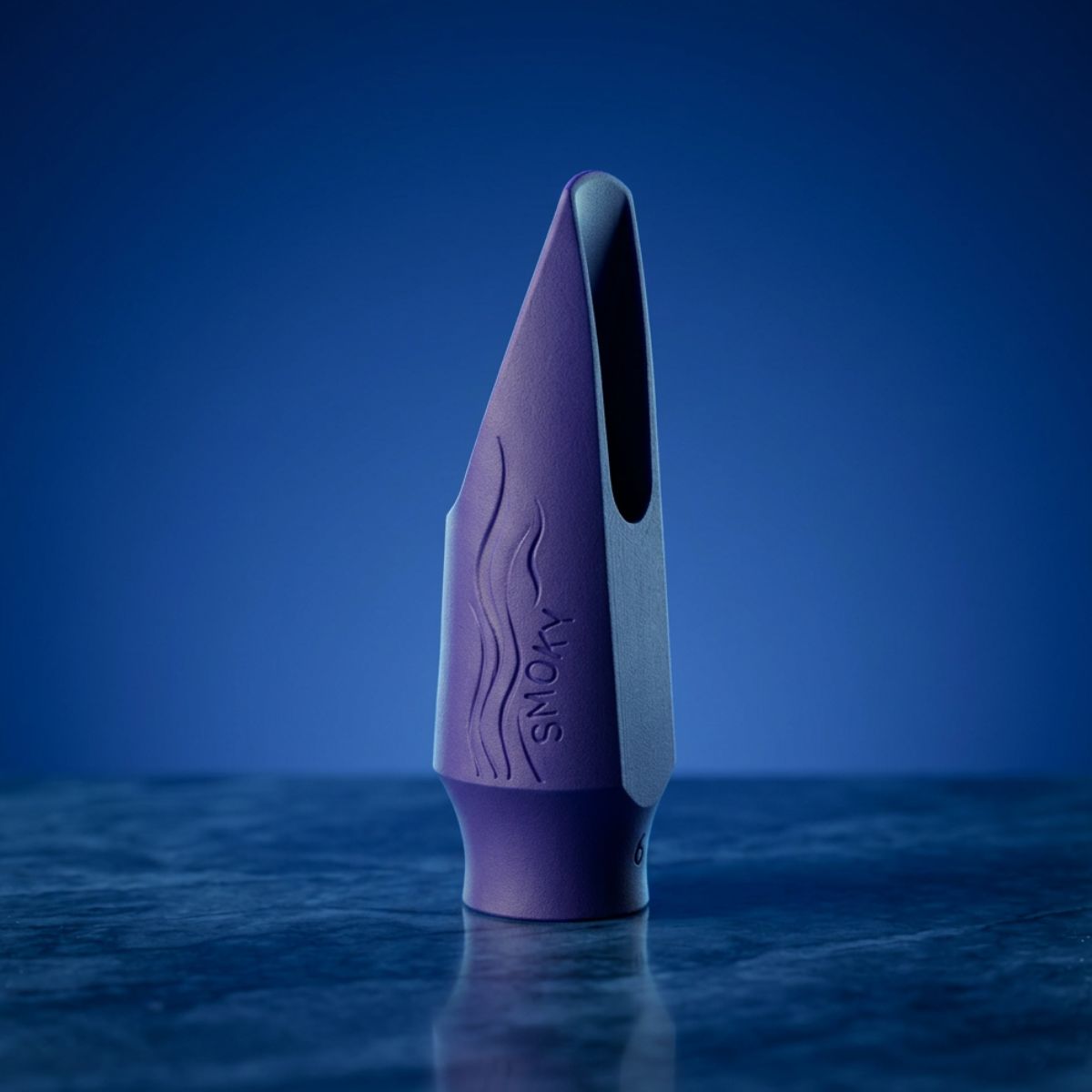
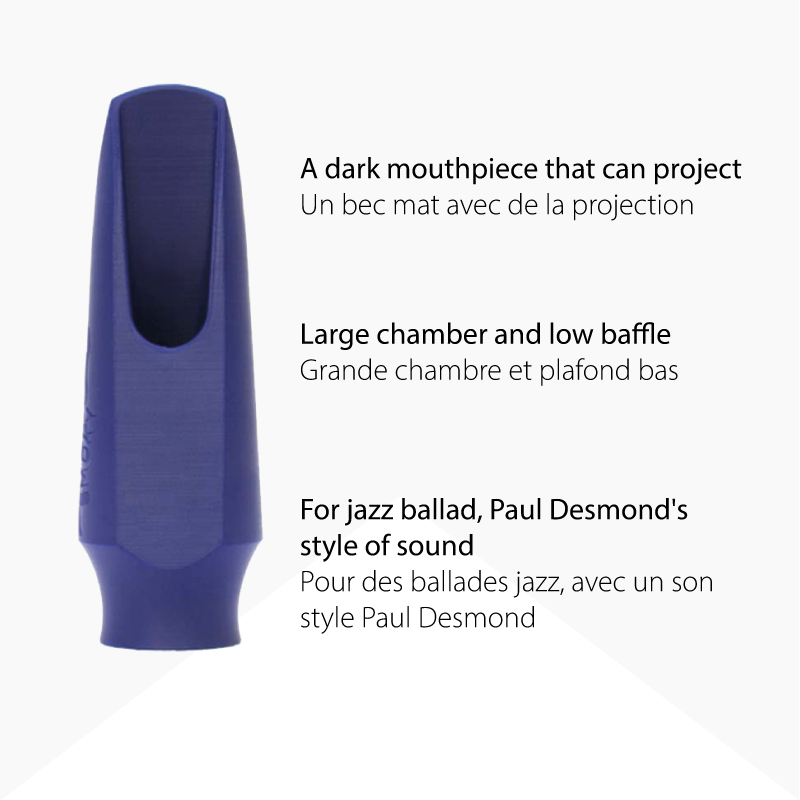
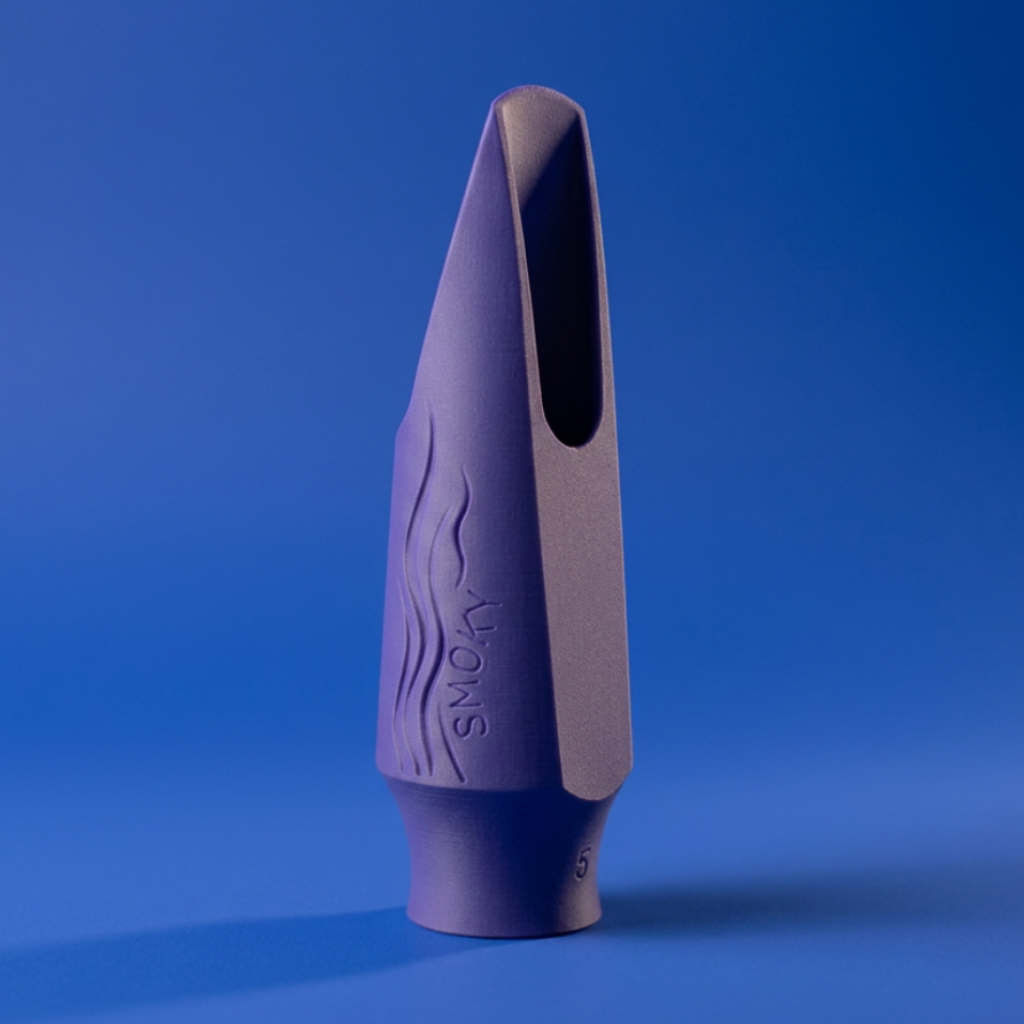
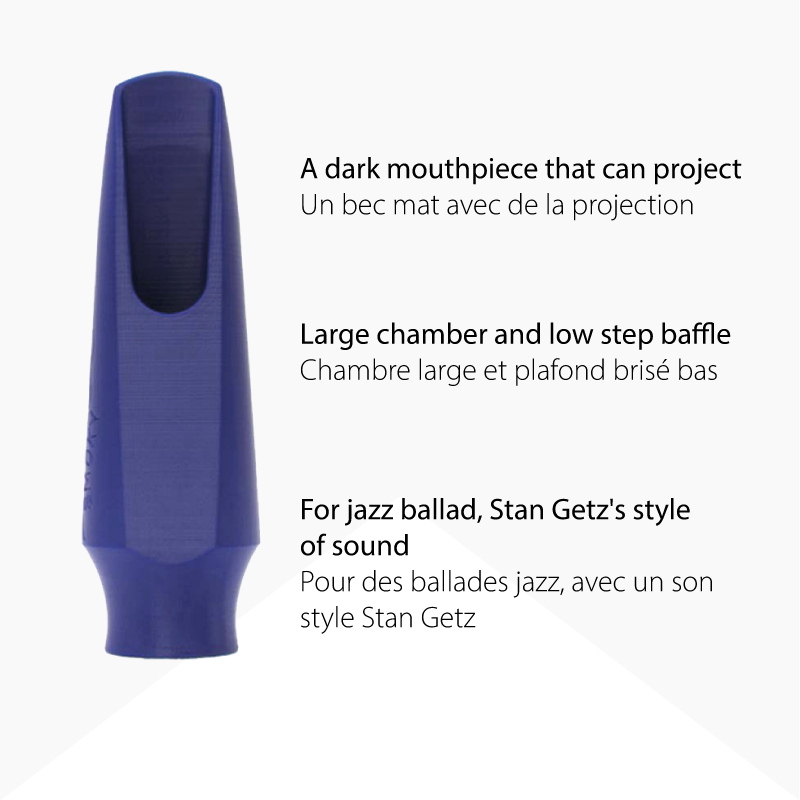
Smoky ($205) - For dark jazz and soul players. Low step baffle, extra-large chamber. Warm, round, and rich. If you're chasing a Dexter Gordon or Joe Henderson-style sound, this is the one.
-
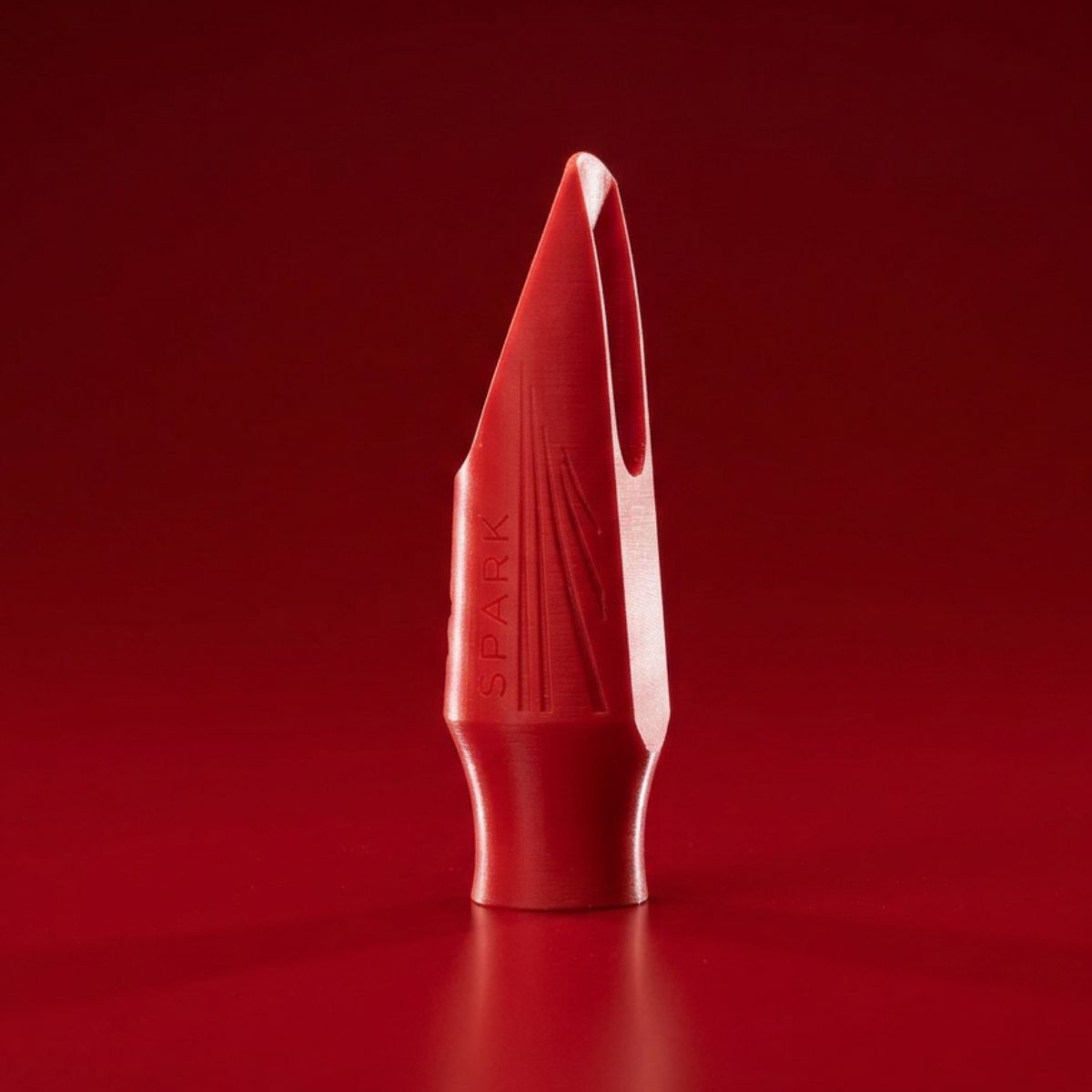
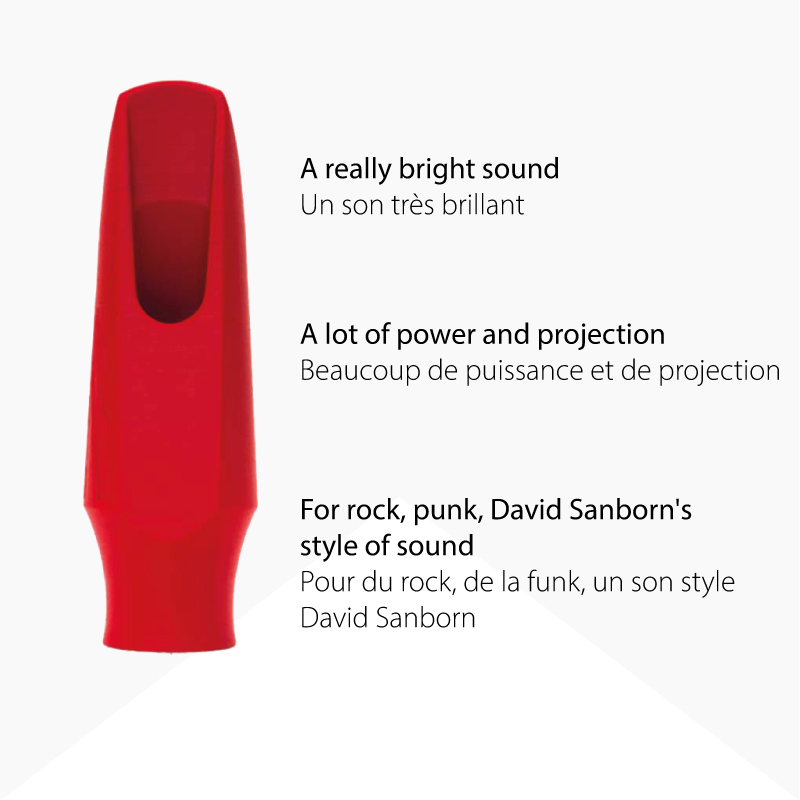
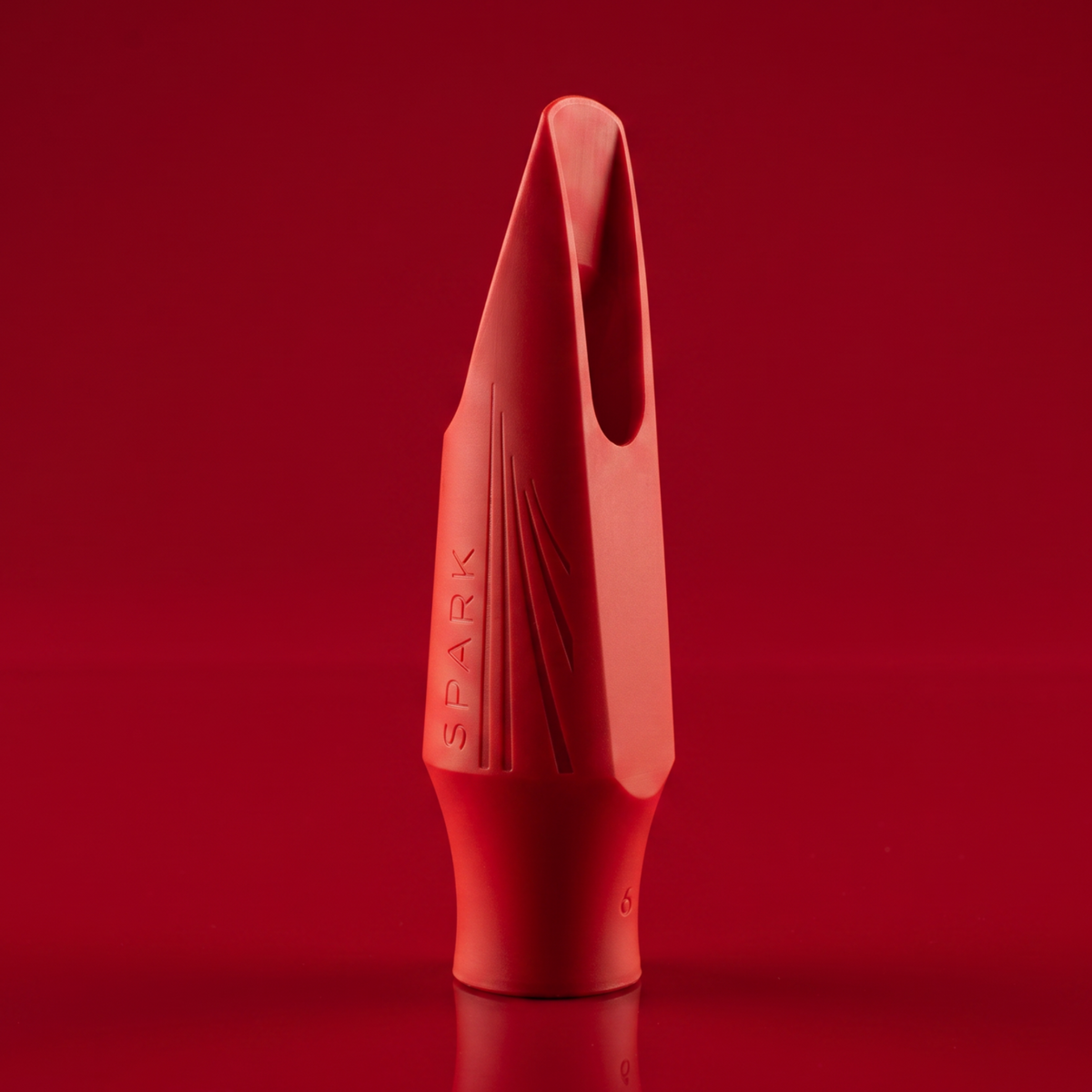
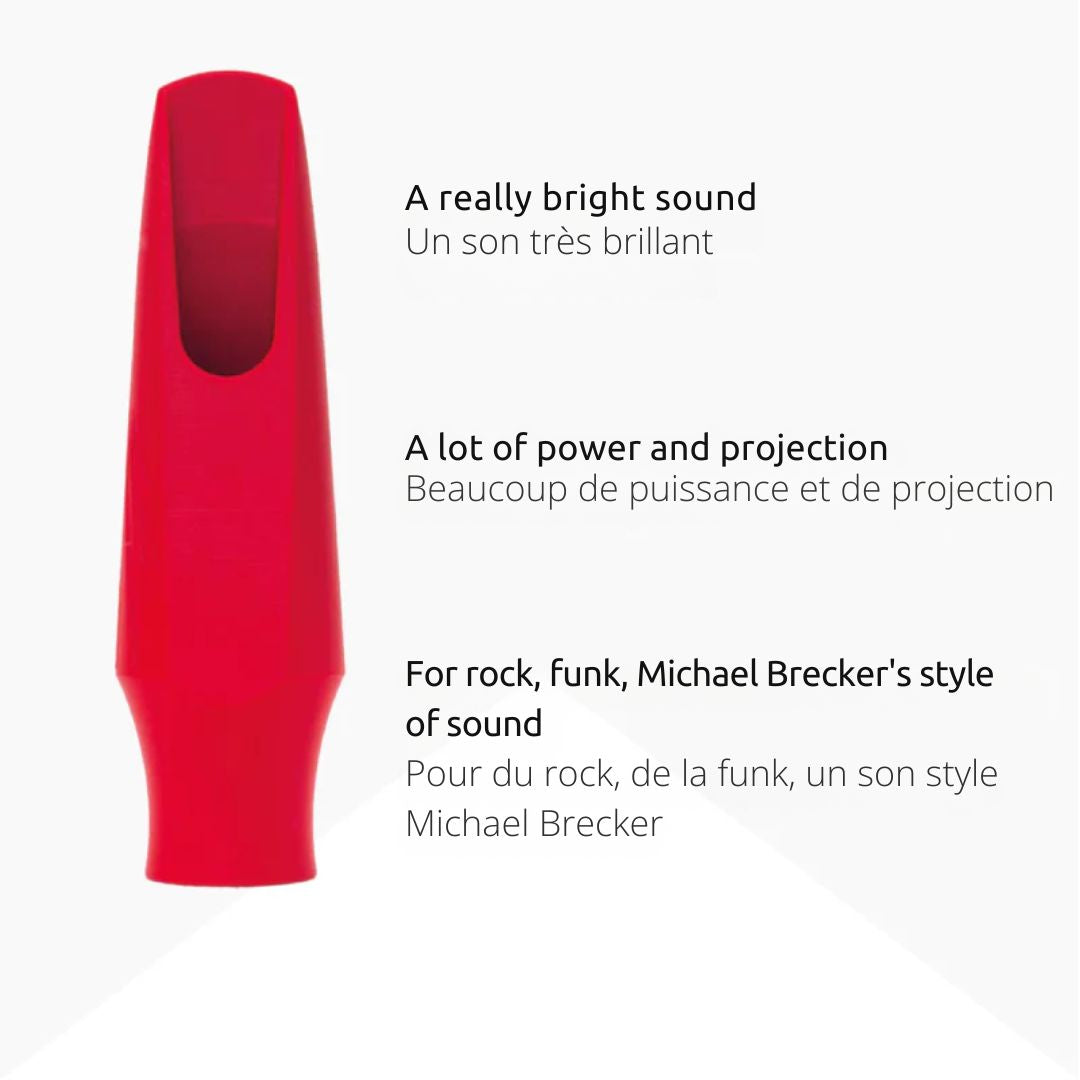
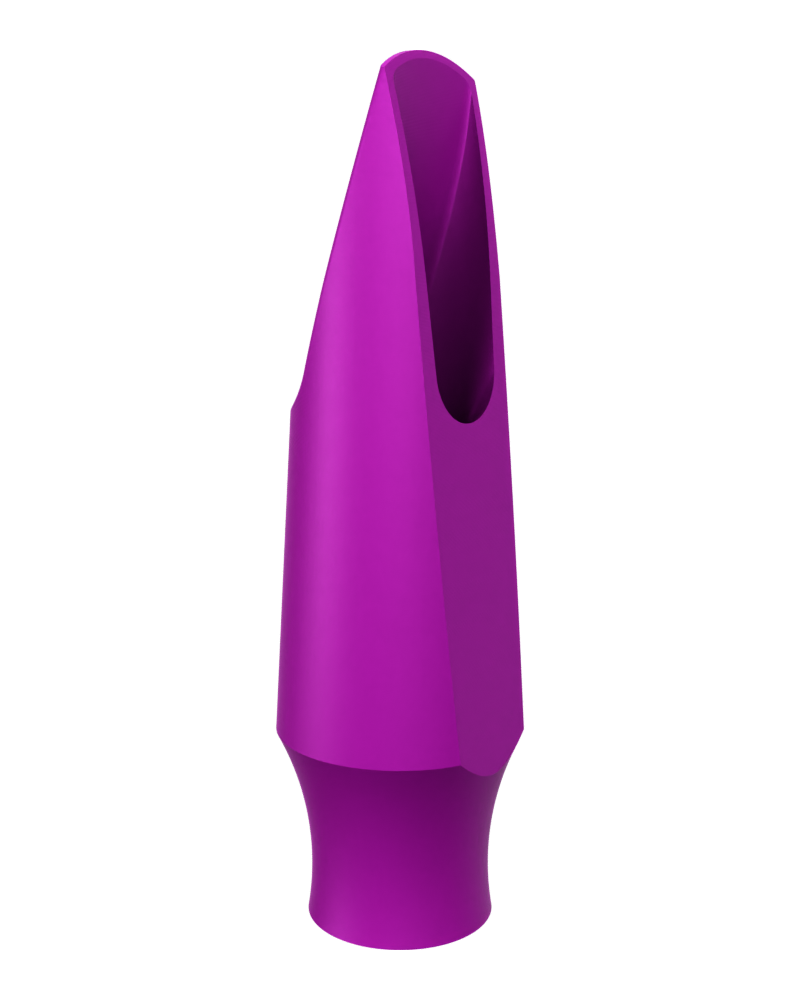
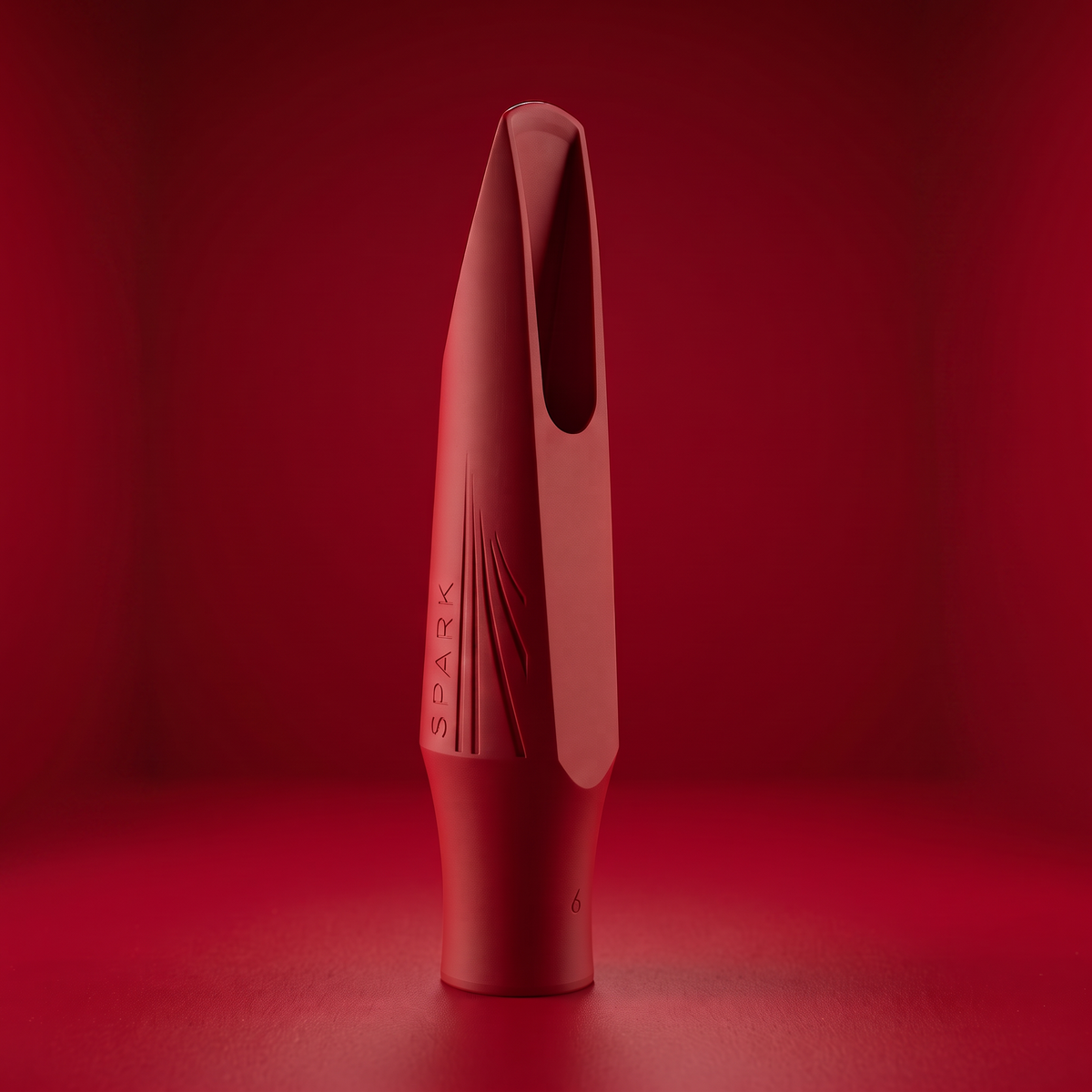
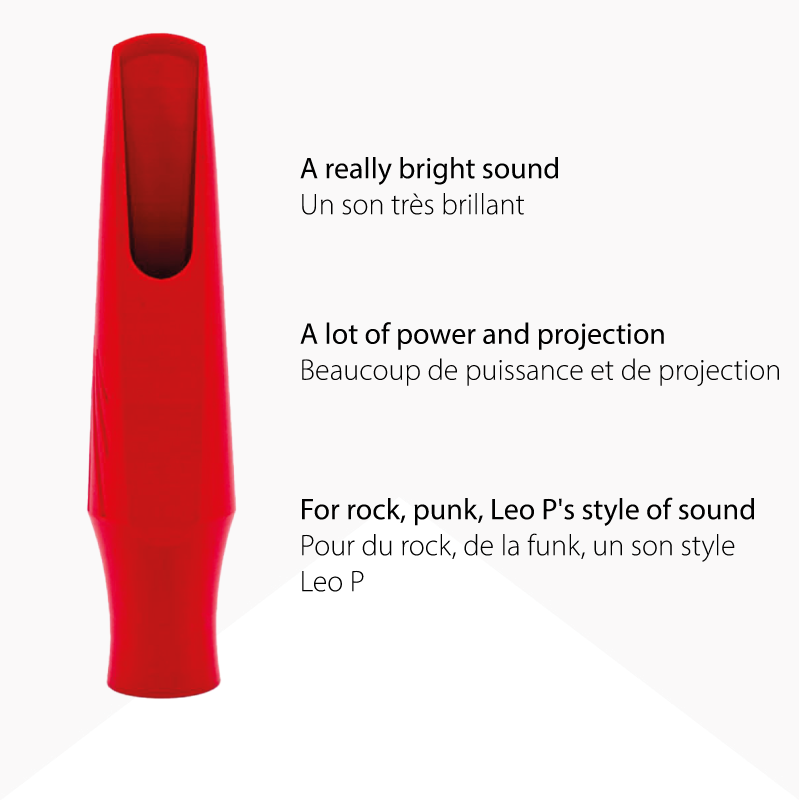
Spark ($205) - For funk, rock, and contemporary players. High step baffle, medium chamber. Bright, powerful, cuts through a loud band. Not the right choice for traditional jazz or classical settings.
The Signature line ($245) takes the same optimized geometry and adds configurations co-developed with specific pro tenor players - Tivon Pennicott (dark jazz), Max Ionata (medium-dark), Scott Paddock (bright), and others. If one of those artists' sounds is what you're after, the Signature is the direct path there.
Tenor Saxophone Mouthpiece Comparison Table
|
Mouthpiece |
Material |
Tip Opening (mm) |
Style |
Price Range |
|---|---|---|---|---|
|
Precision-engineered polymer |
2.03–2.79mm (sizes 5–8) |
Jazz / Versatile |
$205 / $245 (Signature) |
|
|
JodyJazz HR* Tenor |
Hard rubber (ebonite) |
2.16–2.79mm (5*–8) |
Jazz |
~$229 |
|
Selmer S80 C* Tenor |
Ebonite |
1.90mm |
Classical |
~$279 |
|
Theo Wanne Essentials Jazz 7* |
Hard rubber (ebonite) |
2.67mm |
Jazz / Contemporary |
~$175–$195 |
|
D'Addario Select Jazz D7M |
Hard rubber (ebonite) |
2.67mm |
Jazz |
~$130 |
Three Questions Tenor Players Ask Every Week
What's the biggest mistake tenor players make when choosing a mouthpiece?
Going too wide too fast. It's the most common mistake we see, and it's understandable - a bigger opening sounds like it should produce a bigger sound. But on tenor, a tip opening that's too large for your current embouchure development makes tone production harder, intonation less stable, and the low register (Bb, B, C) genuinely difficult to control.
Our recommendation: Start at 2.4–2.6mm. That's a size 7 or 7* on most brands. It's open enough for a full jazz tenor sound, forgiving enough to develop a solid embouchure, and still leaves room to move up to 2.7–2.8mm later as your air support and embouchure control improve.
How do you know when it's time to upgrade your tenor mouthpiece?
Four concrete signals:
-
Your stock piece feels like it's capping your volume - you're blowing hard but the sound isn't growing.
-
You're fighting intonation in the low register (Bb, B, C) on every session, not just occasionally.
-
You want more tonal color - more edge for jazz, more warmth for ballads - and your current piece won't give it to you.
-
You've been playing the same mouthpiece for 2+ years and your embouchure has clearly developed past it.
A good upgrade should feel noticeably easier to play within the first 15 minutes. If it doesn't, the piece isn't right - not the player.
Does the mouthpiece really make that much difference on tenor?
More than on alto. The tenor's natural warmth and low-register resonance amplify geometry differences between mouthpieces. A baffle change that produces a subtle tonal shift on alto produces a dramatic one on tenor. A facing curve that's slightly too short for your embouchure will fight you on every low Bb. The geometry of the tenor sax mouthpiece - tip opening, baffle, chamber, facing curve - shapes your sound more than the saxophone itself.
How to Choose a Tenor Saxophone Mouthpiece: The Buying Guide

Every variable below is tenor-specific. The numbers and dynamics are different from alto - don't apply alto advice to a tenor purchase.
Tip Opening for Tenor Sax
Tenor tip openings are significantly larger than alto. The typical jazz tenor range is 2.4–2.8mm - compared to 1.8–2.1mm on alto. Classical tenor pieces sit lower, usually 1.7–2.0mm.
-
1.7–2.0mm: Classical and concert band. Focused, centered tone. Pairs with harder reeds (strength 3–3.5).
-
2.0–2.3mm: Versatile. Good for players transitioning from classical to jazz, or doubling between styles.
-
2.4–2.6mm: The recommended starting range for jazz tenor. Balanced resistance, full sound, manageable embouchure demand.
-
2.7–2.8mm: Open jazz tenor. More volume and flexibility, but requires more air support and embouchure control. Not recommended as a first upgrade.
-
2.9mm+: Very open. For experienced players with a developed embouchure who know exactly what they're doing.
The "big sound" trap: Many tenor players jump to 2.8mm or wider because they want a big sound. The result is usually a spread, unfocused tone and intonation problems in the low register. Start at 2.4–2.6mm. You can always go wider.
Baffle on Tenor: Why It Matters More Than on Alto
The baffle is the ceiling of the mouthpiece - the surface the air hits first after passing the reed. It's the primary driver of your tone. On tenor, baffle choice is more critical than on alto because the instrument's natural warmth amplifies every baffle characteristic.
-
Flat/concave baffle: Dark, centered, controlled. The standard for classical tenor mouthpieces (Selmer S80). Not suited for jazz.
-
Medium rollover baffle: The sweet spot for most jazz tenor players. Adds edge and presence without tipping into harshness. Found on the JodyJazz HR*, Theo Wanne Essentials Jazz, and D'Addario Select Jazz.
-
High baffle (step or shelf): Bright, powerful, aggressive. Works for funk, rock, and contemporary playing. On tenor, a high baffle can sound harsh in jazz or ensemble contexts - use with intention, not by default.
A high baffle on tenor is not a mistake - it's a stylistic choice. But it's a loud one. If you're playing in a jazz combo or big band, a medium rollover baffle will serve you better in most situations.
Chamber Size on Tenor
Chamber size complements and refines the tone the baffle creates. It doesn't override it.
-
Large chamber: Adds depth, resonance, and warmth. Favored in classical and dark jazz settings. Syos Smoky uses an extra-large chamber for this reason.
-
Medium chamber: Balanced. The most common choice for jazz tenor. Found on the JodyJazz HR*, Theo Wanne Essentials Jazz, and D'Addario Select Jazz.
-
Small chamber: Adds focus and projection. Suits pop, R&B, and high-volume settings.
Facing Curve on Tenor
The facing curve is the length over which the mouthpiece table separates from the reed. It affects how the reed vibrates and how the mouthpiece feels to play.
-
Long facing: More free-blowing. The reed has more length to vibrate, which reduces resistance and makes the mouthpiece feel more open.
-
Short facing: Helps the high register respond faster and more precisely. More resistance overall. Common in classical tenor pieces.
Most players don't choose facing curve separately - it's built into the model. But if you're struggling with high register response, a shorter facing may help. If the mouthpiece feels stuffy or resistant, a longer facing is worth exploring.
Material: Feel and Durability (Not Tone)
Material affects how a tenor sax mouthpiece feels in your mouth and how long it lasts. It does not determine your tone. The "metal = bright, rubber = dark" rule is a myth - a low-baffle metal piece will sound darker than a high-baffle ebonite piece every time. Geometry drives tone.
-
Ebonite (also called hard rubber - same material, different name): The most common material for both classical and jazz tenor mouthpieces. Warm tactile feel. Can yellow and oxidize over years, but doesn't affect tone until the facing is physically worn.
-
Metal (brass, silver-plated): Durable and resistant to wear. Feels different under the lip - some players love it, others don't. The feel is personal preference, not a tonal advantage.
-
Precision-engineered polymer (Syos): Consistent geometry every time. Doesn't yellow or degrade like rubber. Feels different from ebonite - slightly firmer under the lip. Takes a short adjustment period, but the tonal output is determined by the geometry, not the material.

Best Tenor Saxophone Mouthpiece for Jazz 2026
Jazz tenor players need a medium rollover baffle, a tip opening in the 2.4–2.8mm range, and a mouthpiece that doesn't fight the tenor's natural warmth. These three deliver.
-
Syos Originals Steady ($205) - Optimized geometry, consistent intonation, easy response. The best overall jazz tenor mouthpiece in 2026 for players who want reliability and a modern approach.
-
JodyJazz HR* Tenor (~$229) - The jazz tenor benchmark. Warm, free-blowing, reliable. The 7* (2.67mm) is the most popular size for a reason.
-
D'Addario Select Jazz D7M (~$130) - The best value jazz tenor mouthpiece. Medium rollover baffle, consistent intonation, honest price.
Best Tenor Saxophone Mouthpiece for Classical 2026
Classical tenor playing demands a flat or concave baffle, a smaller tip opening (1.7–2.0mm), and a mouthpiece that blends in an ensemble without projecting aggressively. These three are the standard.
-
Selmer S80 C* Tenor (~$279) - The classical prestige choice. Pure, centered, and perfectly intonated. The standard in orchestral and conservatory settings.
-
Theo Wanne Essentials Concert 5 (~$175) - A darker, more lush classical option. The horseshoe chamber and concave baffle produce a velvety, diffused tone that's unique in this price range.
Best Tenor Saxophone Mouthpiece for Beginners 2026
Beginners need a forgiving tip opening (2.0–2.4mm), easy response, and consistent intonation. Don't start too wide - it makes everything harder.
-
D'Addario Select Jazz D6M (~$130) - The D6M (2.41mm) is slightly smaller than the D7M and easier to control for developing embouchures. Reliable intonation, good tone, honest price.
-
Theo Wanne Essentials Jazz 7* (~$175–$195) - For beginners who already know they want to play jazz. The medium rollover baffle and round chamber are forgiving, and the 2.67mm opening is manageable with proper air support.
Note for alto players switching to tenor: The adjustment is significant. Tenor demands more air, more embouchure control, and a different physical approach to the low register. Start at 2.4mm or below. Give yourself 4–6 weeks before judging whether a mouthpiece is right for you on tenor.
FAQ: Best Tenor Saxophone Mouthpiece 2026
What is the best tenor saxophone mouthpiece for beginners?
For beginners in a jazz context, the D'Addario Select Jazz D6M (~$130) is the safest starting point. The 2.41mm tip opening is manageable, the medium rollover baffle gives you a real jazz sound, and the intonation is reliable. For classical beginners, the Selmer S80 C* is the right call. Avoid starting above 2.6mm on tenor; it makes tone production and intonation significantly harder while your embouchure is still developing.
What tip opening should I choose for tenor sax?
The typical jazz tenor range is 2.4–2.8mm. Start at 2.4–2.6mm (size 7 or 7* on most brands) and move wider only when your embouchure and air support are genuinely ready for it. Classical tenor mouthpieces sit lower, usually 1.7–2.0mm. The single most common mistake tenor players make is going too wide too fast - a 2.8mm piece won't give you a bigger sound if your embouchure can't support it; it'll give you a spread, unfocused tone and intonation problems in the low register.
Metal vs ebonite tenor mouthpiece - which is better?
Neither is objectively better. The material affects feel and durability, not tone. Ebonite (hard rubber) is the standard for both classical and jazz tenor - warm tactile feel, durable, and the most common choice at every price point. Metal feels different under the lip and is more resistant to wear; some players love it, others don't. The "metal = bright" rule is a myth. A low-baffle metal tenor piece will sound darker than a high-baffle ebonite one. Baffle and chamber geometry drive your tone - material is a feel and durability choice.
Why does Syos play so consistently on tenor?
Syos uses computational acoustics and optimized geometry to produce every mouthpiece to exact specifications. On tenor, this matters more than on alto because the instrument's natural warmth amplifies any inconsistency in tip opening or baffle profile. With a hand-finished ebonite piece, two units from the same batch can play noticeably differently. With Syos, every piece plays to spec - same tip opening tolerance, same baffle geometry, same response. The material doesn't degrade like rubber, so the piece plays the same way in five years as it does today. That's why professional tenor players who need reliability on stage choose Syos.
What tenor mouthpiece do professional jazz players use?
There's no single answer - pros are opinionated and specific. Many use JodyJazz DV or HR* models, Theo Wanne pieces (Durga, Gaia), or vintage Otto Link Florida-style pieces. A growing number of professional tenor players - including Tivon Pennicott, Max Ionata, and Scott Paddock - now play Syos Signature mouthpieces. The common thread is that pros choose pieces with a specific, intentional geometry rather than whatever came with the horn. The best jazz tenor mouthpiece for a professional is the one that matches their sound concept - not the most expensive one on the shelf.
How does the mouthpiece affect intonation on tenor sax?
More than most players realize - especially in the low register. Tenor intonation on Bb, B, and C is notoriously difficult. A poorly designed facing curve creates uneven reed vibration that shows up as flat or sharp notes in the low register, regardless of how well you play. A well-designed facing curve distributes reed vibration evenly across the full range, which stabilizes intonation where it's hardest to control. This is one of the main reasons the Syos Steady performs well on tenor - the optimized geometry addresses the facing curve precisely, not by hand-finishing. If you're consistently fighting intonation on low Bb and B, the mouthpiece geometry is the first thing to look at.
Ready to order? Browse the full range of Syos tenor saxophone mouthpieces - all available with color customization and a 30-day trial.