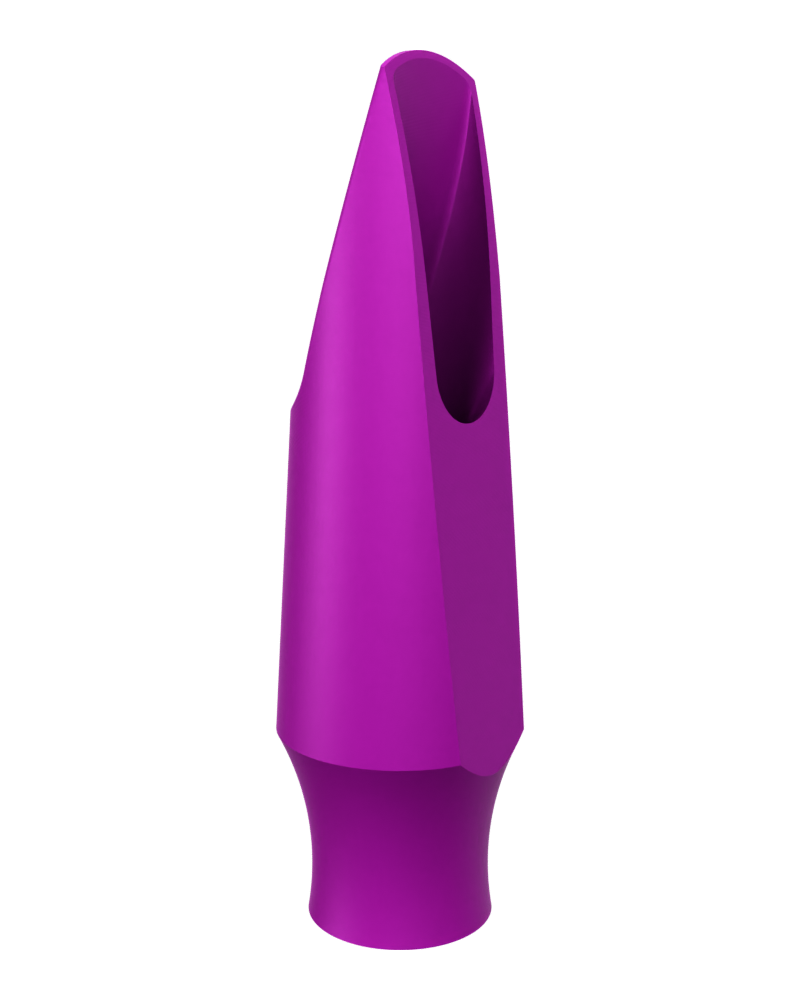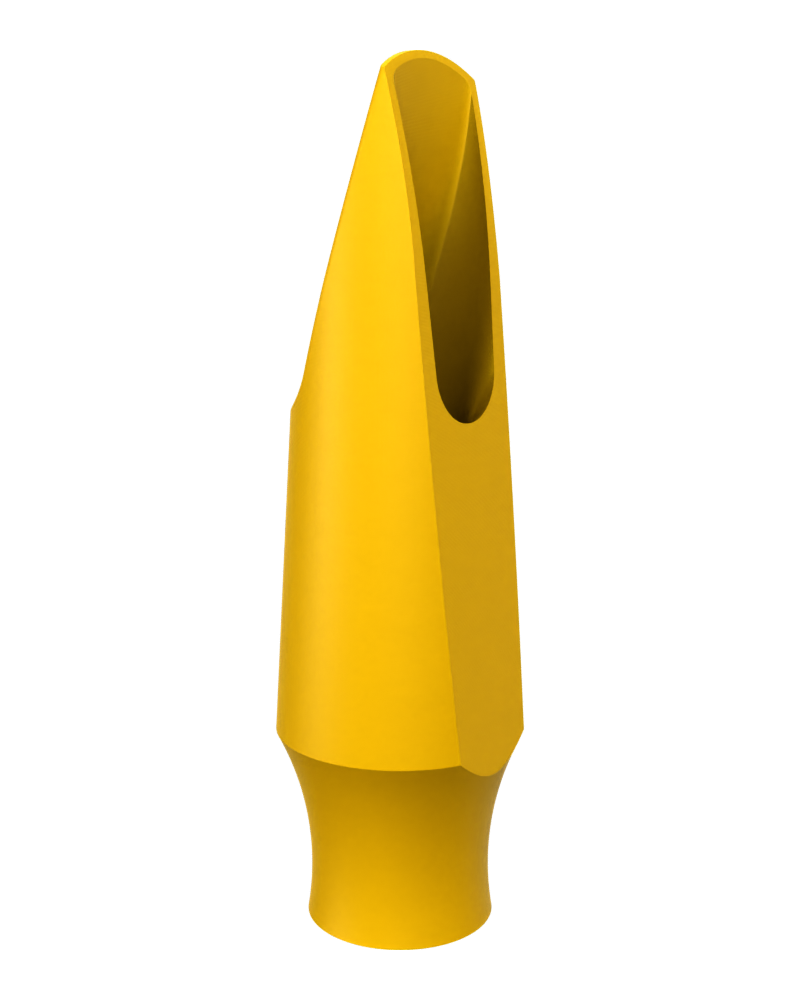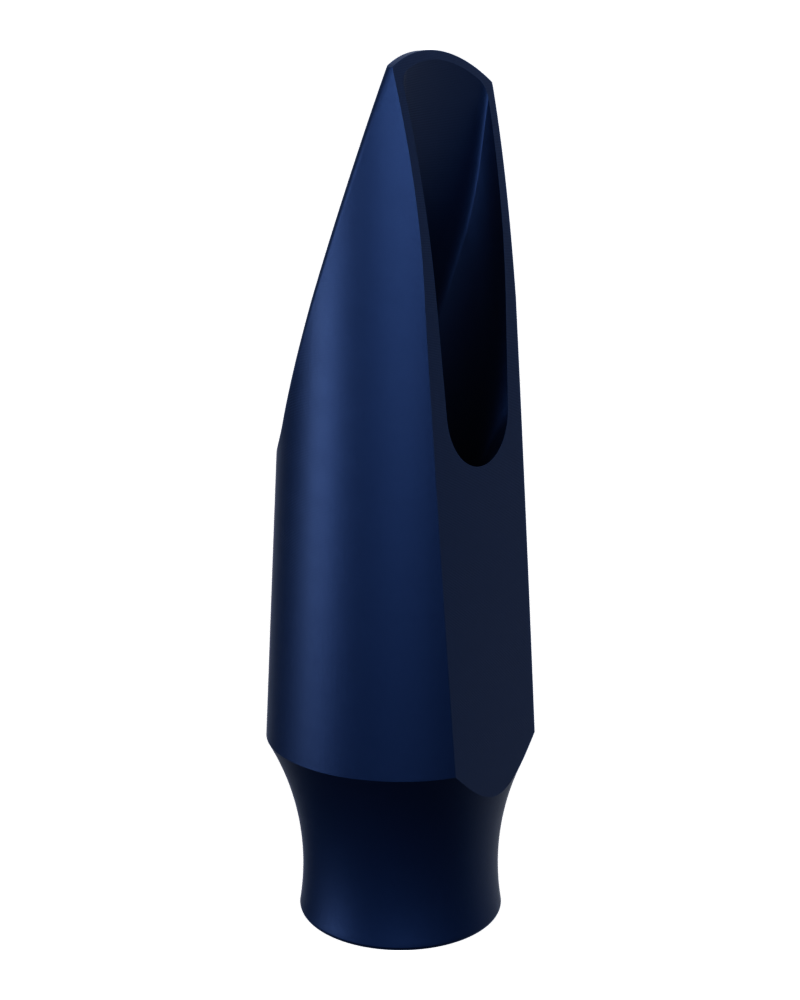

When French astronaut Thomas Pesquet launched for the International Space Station in November 2016, his saxophone could not come with him. The strict weight limits on orbital cargo do not allow much room for personal instruments. A few months into his mission, his family arranged, with the cooperation of the European Space Agency, to send the saxophone up to him by space freighter as a birthday present.
During his mission, Pesquet played his saxophone inside the dome of the ISS. The scene, surreal by any measure, was captured by a French film crew that had been following him on the ground for more than a year.
The film that came out of that mission is called 16 levers de soleil (16 Sunrises). Directed by Pierre-Emmanuel Le Goff and produced by La Vingt-Cinquième Heure and Prospect TV with support from the CNC, the feature-length documentary was authorized by NASA and the ESA, and released in theaters on October 3, 2018.
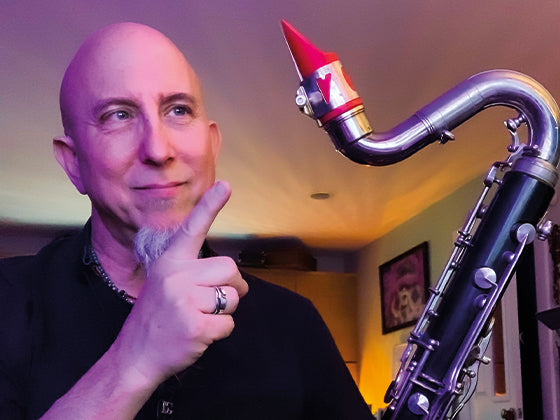
How SYOS ARTIST Guillaume Perret got the project
The filmmaking team behind 16 Sunrises had worked with Guillaume's music before. An earlier documentary they produced, The Right Stuff, had used tracks from his existing albums. When the new project came up, with footage from the station and even the possibility of recording a track in space, they reached out to him directly.
"Obviously, I was incredibly excited," Guillaume told Alternative Radio. He sent Pesquet the score for one of his pieces by email, and the astronaut recorded a part in zero gravity.
Best known for his work with his band The Electric Epic, Guillaume had already released three albums before this one. He saw the documentary commission not as a side project but as a chance to build a full album around it. The soundtrack, released under the same name as the film, came out on September 28, 2018, a few days before the film opened in theaters.
Composing for orbit
Guillaume started from the imagery of the station, of Earth from above, of the cosmos. "I put myself in Thomas Pesquet's shoes," he told the CNC. "I simply listened to the musicality of the emotions, the sensations of a rocket launch, of being weightless. I let myself be guided."
The brief was unusually specific. "I was asked to make music that would represent the song of the Earth, one that would be the dialogue between Thomas and the planet, to create tension," he said. "The American agency sent communications and other elements. For my part, I had a certain number of recordings, files. It was a real desire on my part to put sounds of planets and atmospheres from the International Space Station."
The album is built, in places, from real space station sounds and from recordings of the frequencies emitted by the planets themselves.
The process itself was fast at the front end and slow at the back. Guillaume had two days of rehearsal with his musicians before going into the studio for two or three days of recording. After that came roughly five months of work at home with his sound engineer, layering and sculpting the tracks into the finished album.
Listening to the soundtrack
For an album about a journey through orbit, the record covers an unusually wide field. Guillaume's saxophone is present across all of it, but its role shifts from track to track, sometimes lead voice, sometimes texture, sometimes nearly disappearing into the ambient bed beneath it.
The overall mood is hopeful and life-affirming, with a streak of quirk running through it, but the edges are there too. A Certain Trip 1 and Alea Jacta Est lean into tension, and mood. A Certain Trip 2 makes a sharp turn into nineties hip-hop, groove-first sensibilities you would hear from A Tribe Called Quest, before the album drifts back outward. Lost in Space is ambient and drone-like, restrained and haunting, with the saxophone weaving through it in a different voice than anywhere else on the record. Dans la Paume de Gulliver brings in a contemporary rap feature. Amerika interpolates the American anthem with Guillaume's saxophone playing it bent, weird, and his. Song of the Earth closes back into ambient territory, but warmer this time. Loving. Hopeful. The feeling is one of return, of arrival, of achievement.