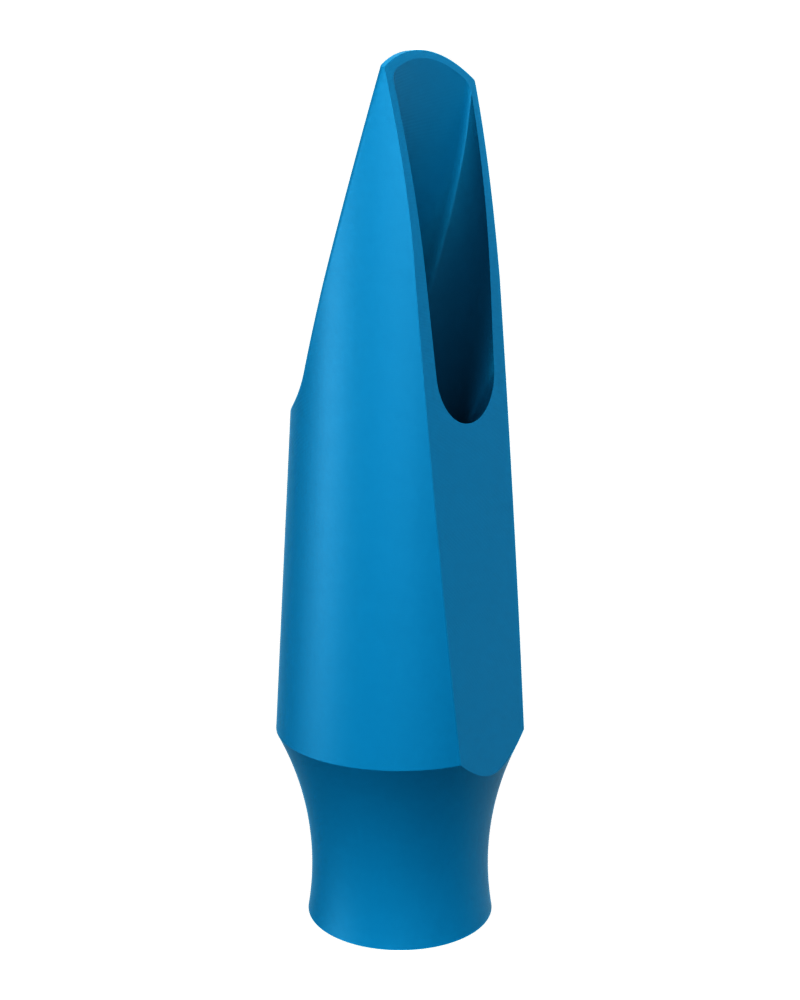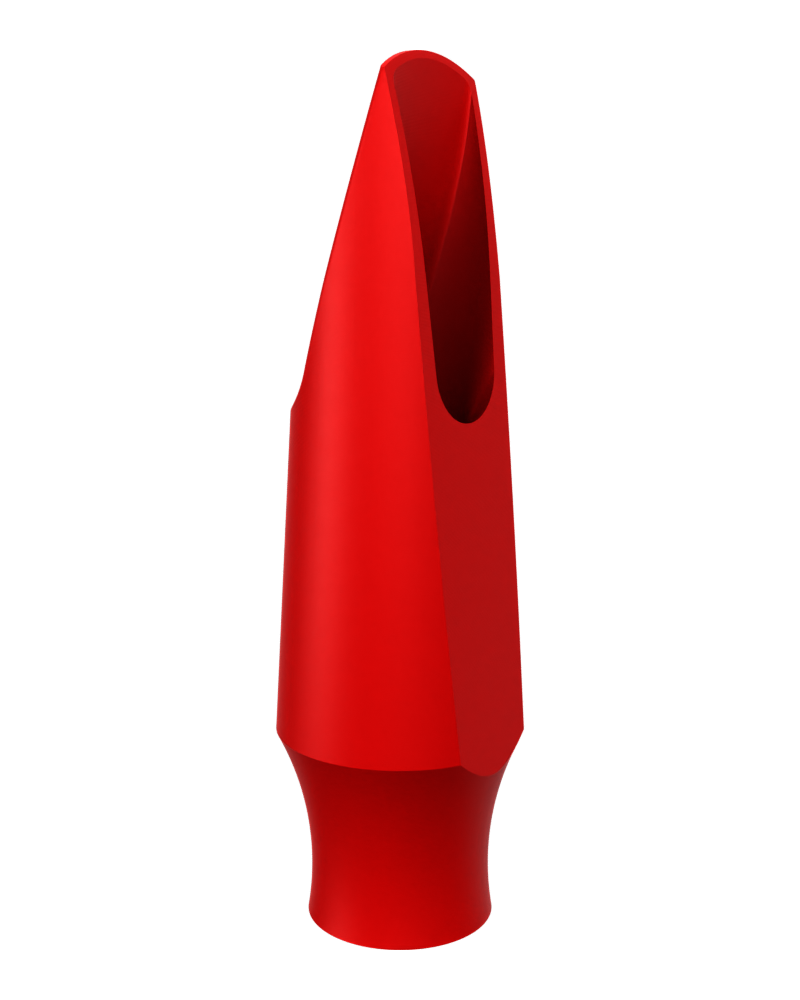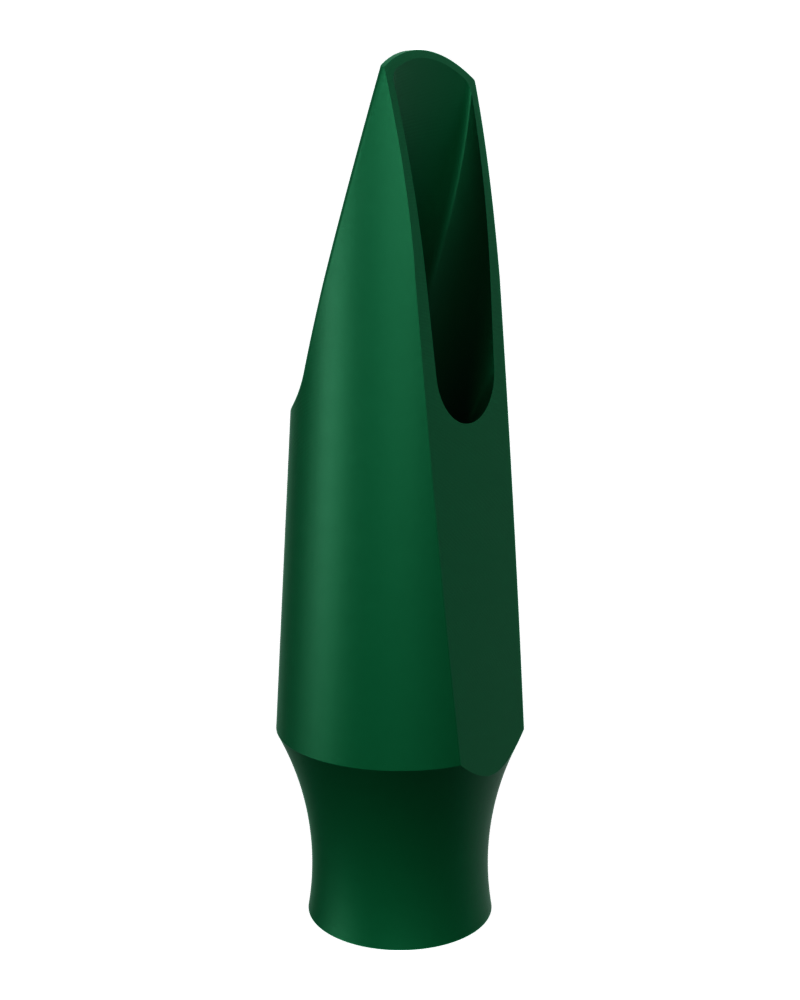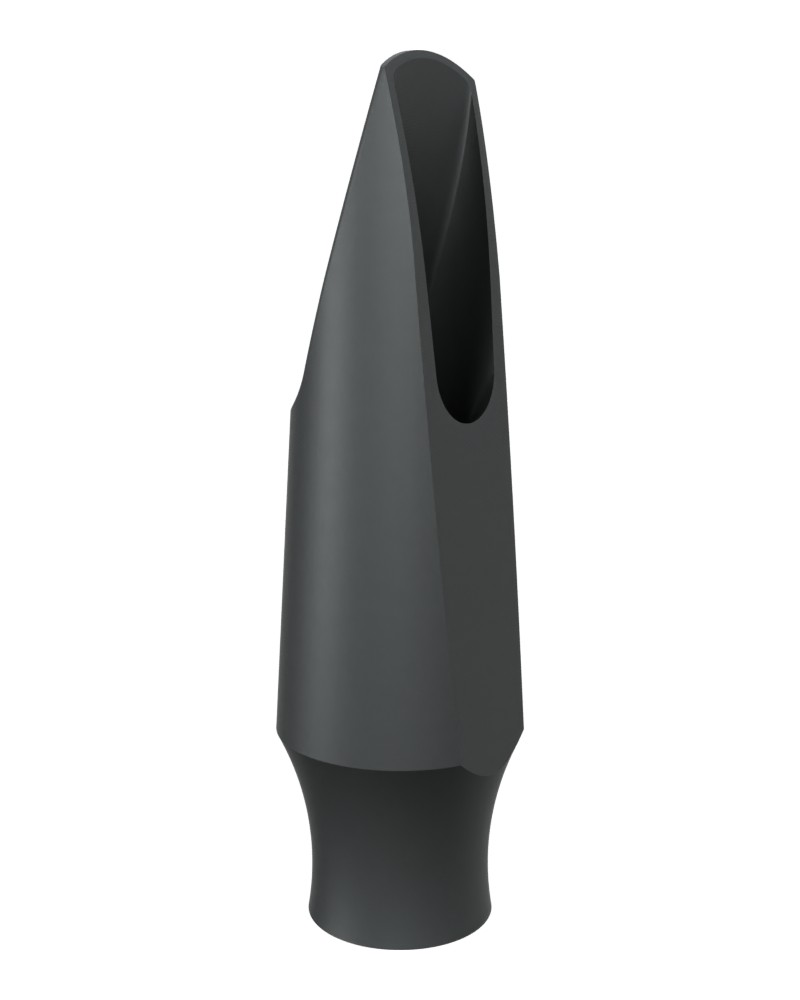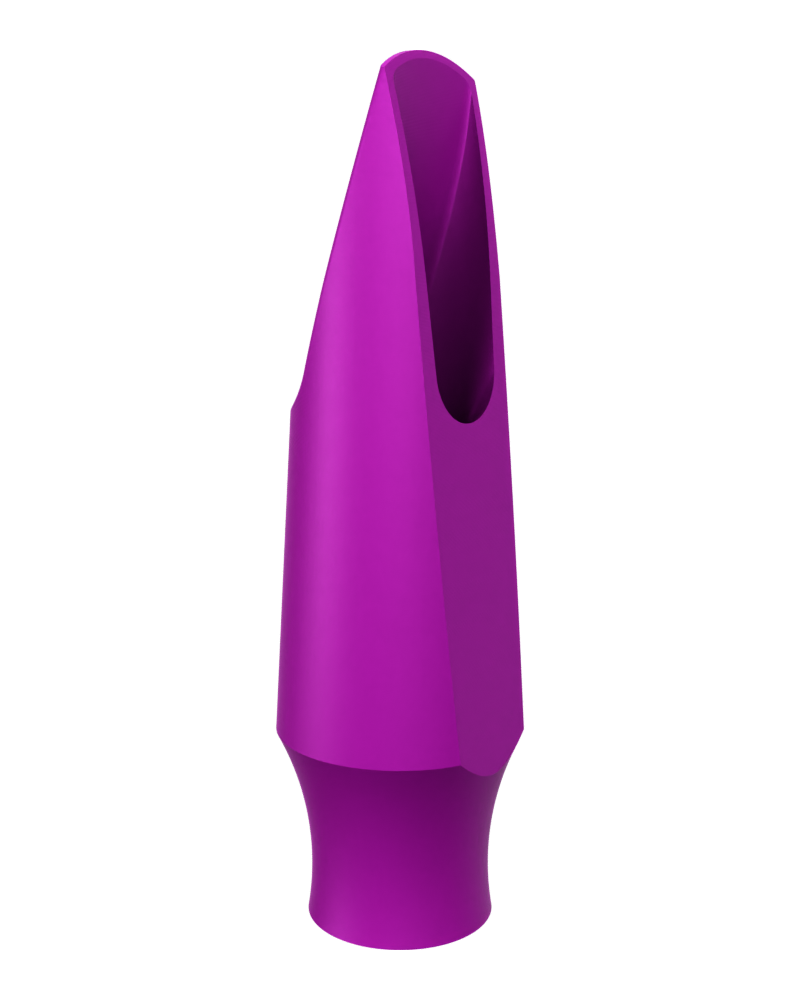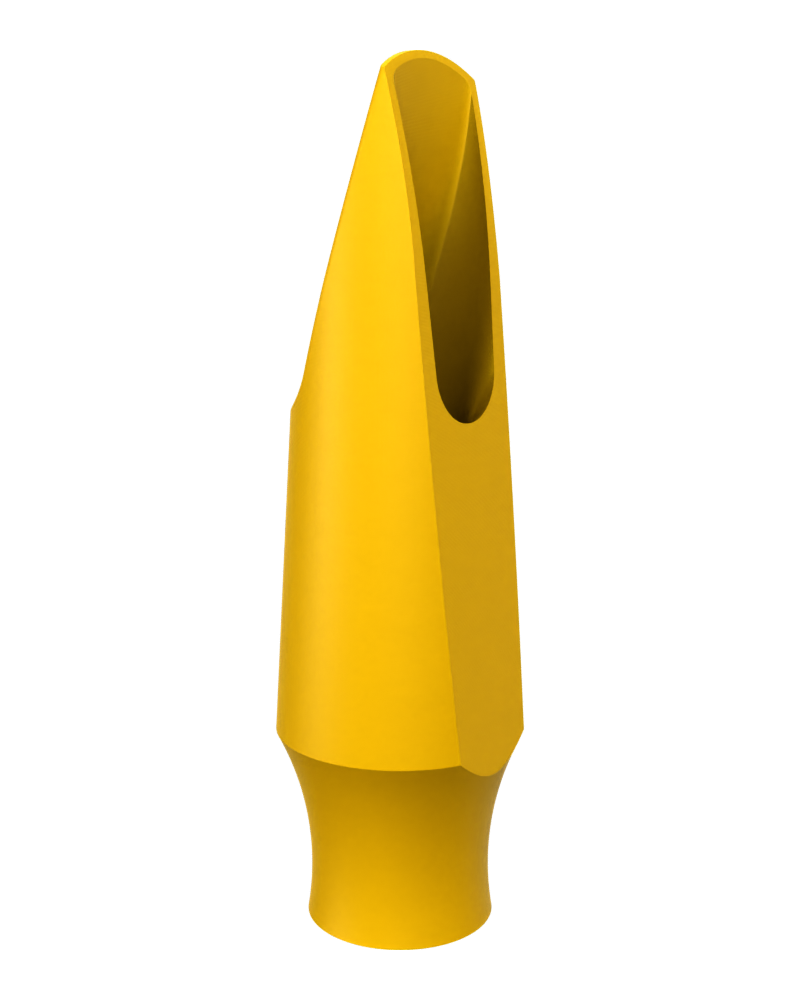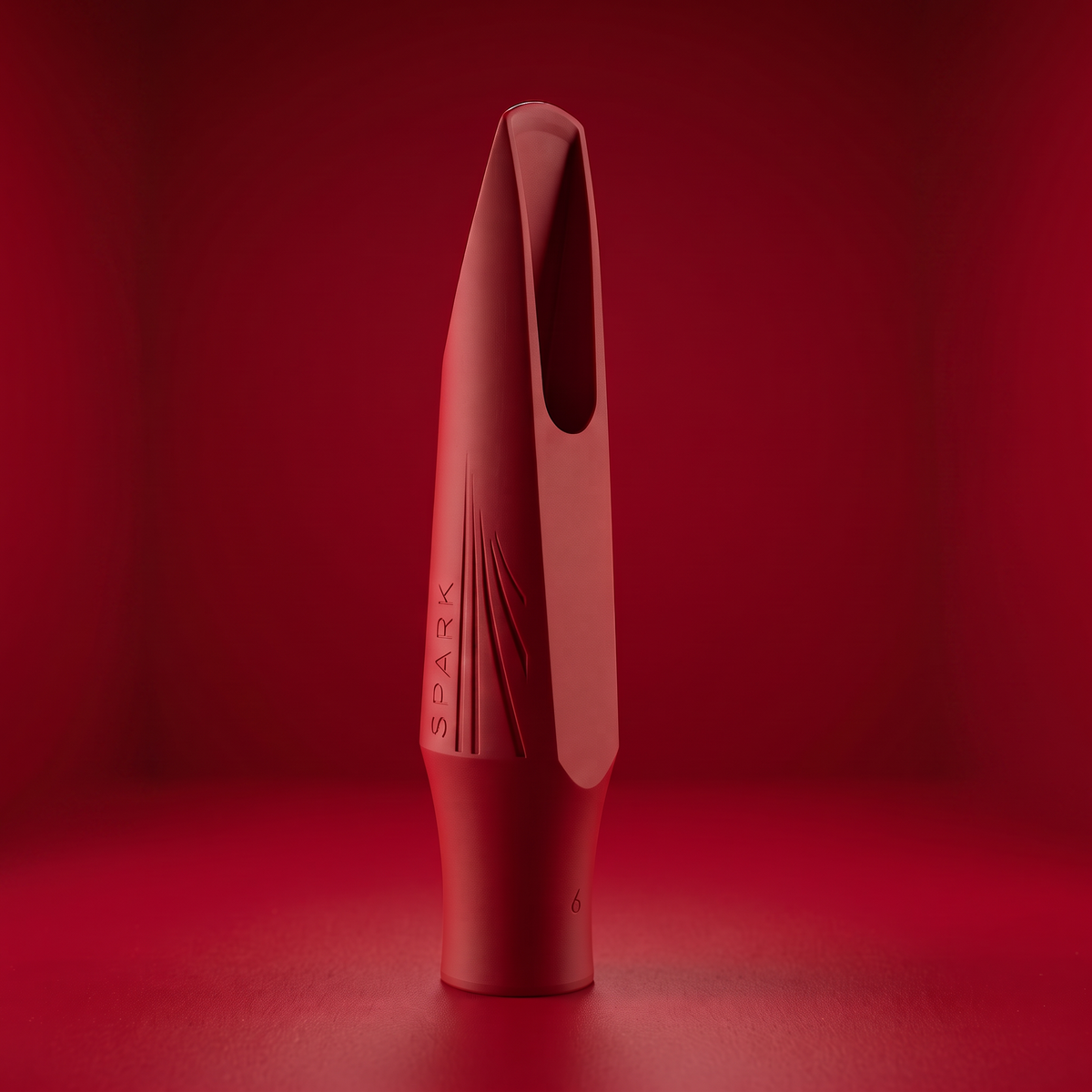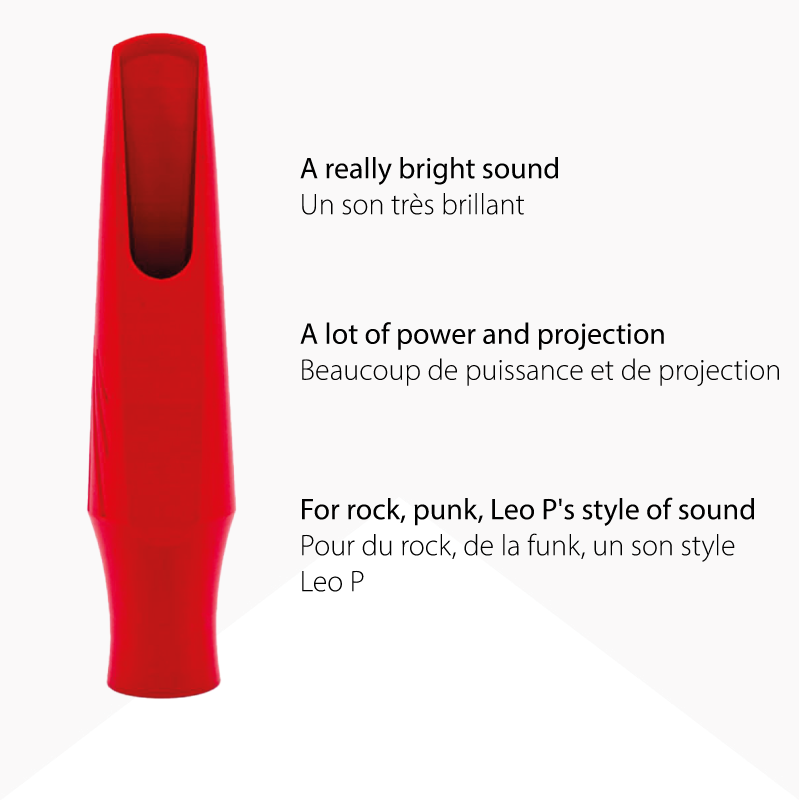









Last week, we took a brief look at the history of saxophone mouthpiece materials. From wood and ivory to rubber and metal, the evolution has been shaped by availability, durability, and manufacturing needs.
But that leads to a common and practical question: does the material actually impact how a mouthpiece plays?
Impact on Sound and Playability by Material
One of the biggest questions players ask is: “Does the material really affect my sound, or is it mostly the design of the mouthpiece?” The answer is a bit nuanced, but experts agree that the internal design (shape of the chamber, baffle, tip opening, etc.) has a far greater impact on tone than the material does. In fact, from an acoustic physics standpoint, the material of a saxophone or mouthpiece has virtually no direct effect on the sound – it’s the vibrating air column and reed that matter, not whether the walls are brass, rubber, or plastic. Tiny differences in the shape of the baffle or chamber will overshadow any difference in wall material.
That said, material indirectly affects the player’s experience in several ways: how the instrument feels, how you approach it, and practical aspects of use. Let’s break down some key factors: tone perception, comfort, durability, and maintenance, and see how materials stack up.
-
Tone & Projection: While material itself doesn’t magically make your sound bright or dark, players often perceive differences. This is sometimes due to the designs typically made in that material (for example, many metal mouthpieces are designed with high baffles and small chambers for brightness, whereas many hard rubber pieces have larger chambers for a mellower tone). There’s also a psychological aspect: we expect metal to sound brighter, so we may subconsciously play it that way. Also, how the mouthpiece vibrates against your teeth and skull can alter what you, the player, hear (this is called bone conduction). A heavy brass mouthpiece might transmit vibrations differently than a light plastic one, so you feel a difference even if out-front sound isn’t changed. In blind listening tests, it’s been shown to be very hard to tell materials apart by sound alone when the mouthpieces have the same design. For most players, it’s best to choose a mouthpiece for its design and quality rather than obsess over material for sound reasons. However, if you love how a certain material feels and that inspires your playing, that’s a valid consideration too!
-
Comfort & Feel: The material greatly affects how a mouthpiece feels in your mouth over a long practice or performance. Two big factors are temperature and texture:
- Temperature: Metal is thermally conductive. On a cold day, a metal mouthpiece can feel freezing against your lips; on a hot stage under lights, it can get quite warm. Hard rubber and synthetics are much less conductive, so they tend to feel closer to room (or body) temperature. This is why some say if you’re playing an outdoor winter gig, “avoid a metal mouthpiece” – your lips will thank you! In contrast, rubber or plastic mouthpieces feel more neutral in varying temperatures.
-
Mouthfeel and Size: Hard rubber and most synthetics have a bit of a “softer” feel on the teeth. You can use a tooth patch for cushioning, but even without one, ebonite has slight give compared to metal. Metal mouthpieces, being thin and rigid, can feel sharper on the inner lip and teeth. Also, metal mouthpieces often have a smaller outer diameter, which means you don’t open your jaw as much; some find this less comfortable, others find it easier. Hard rubber pieces are typically thicker, filling more of your mouth. Comfort is subjective, but beginners usually find a nice medium-sized hard rubber piece easy to handle. Players with certain preferences (e.g. a tighter embouchure or smaller oral cavity) might actually prefer the slim profile of a metal piece.
-
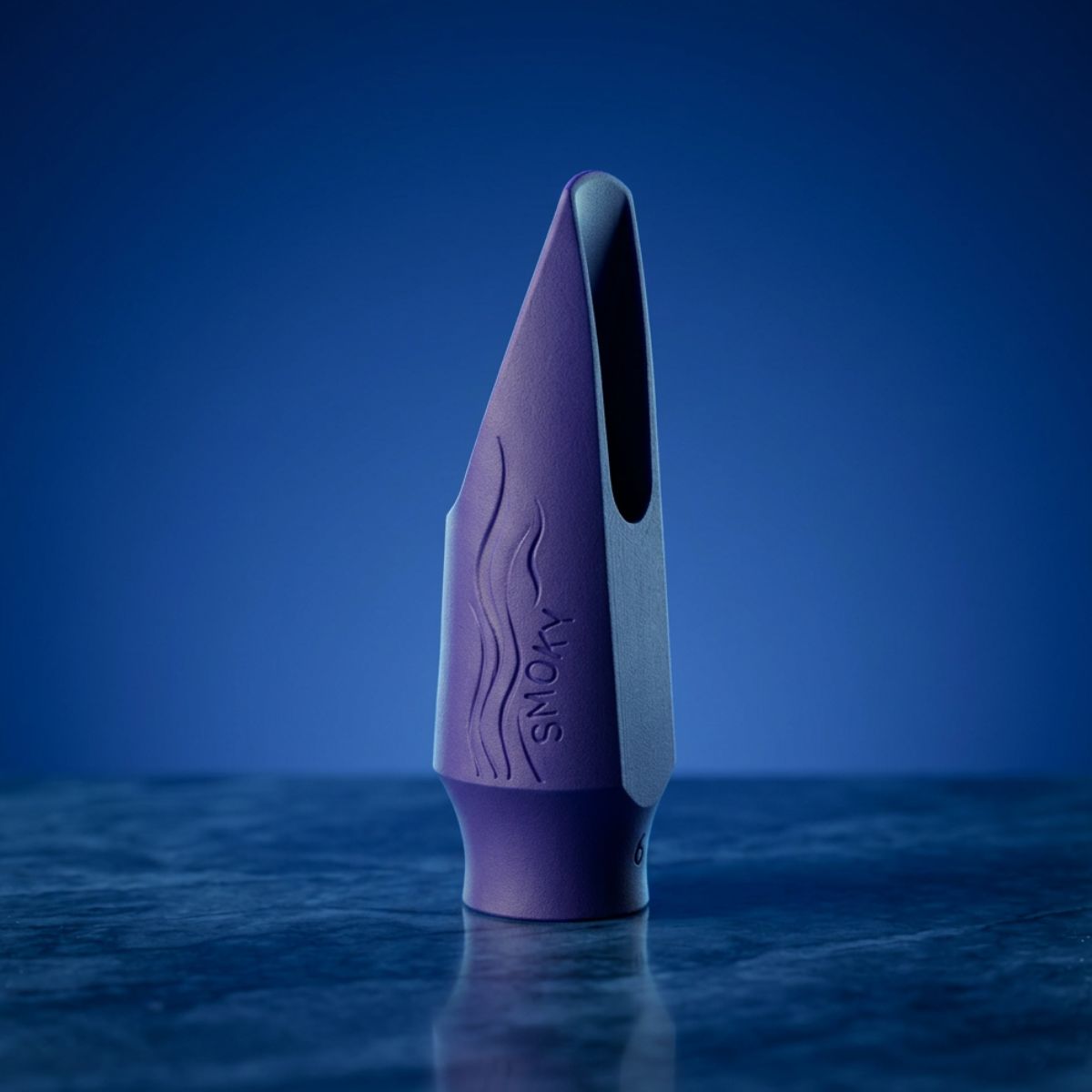
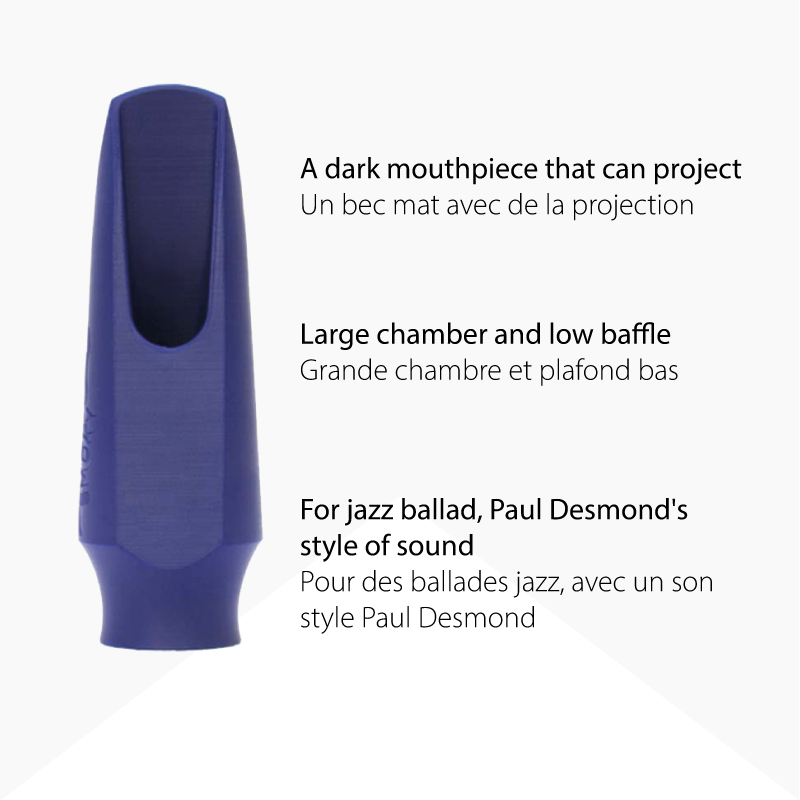
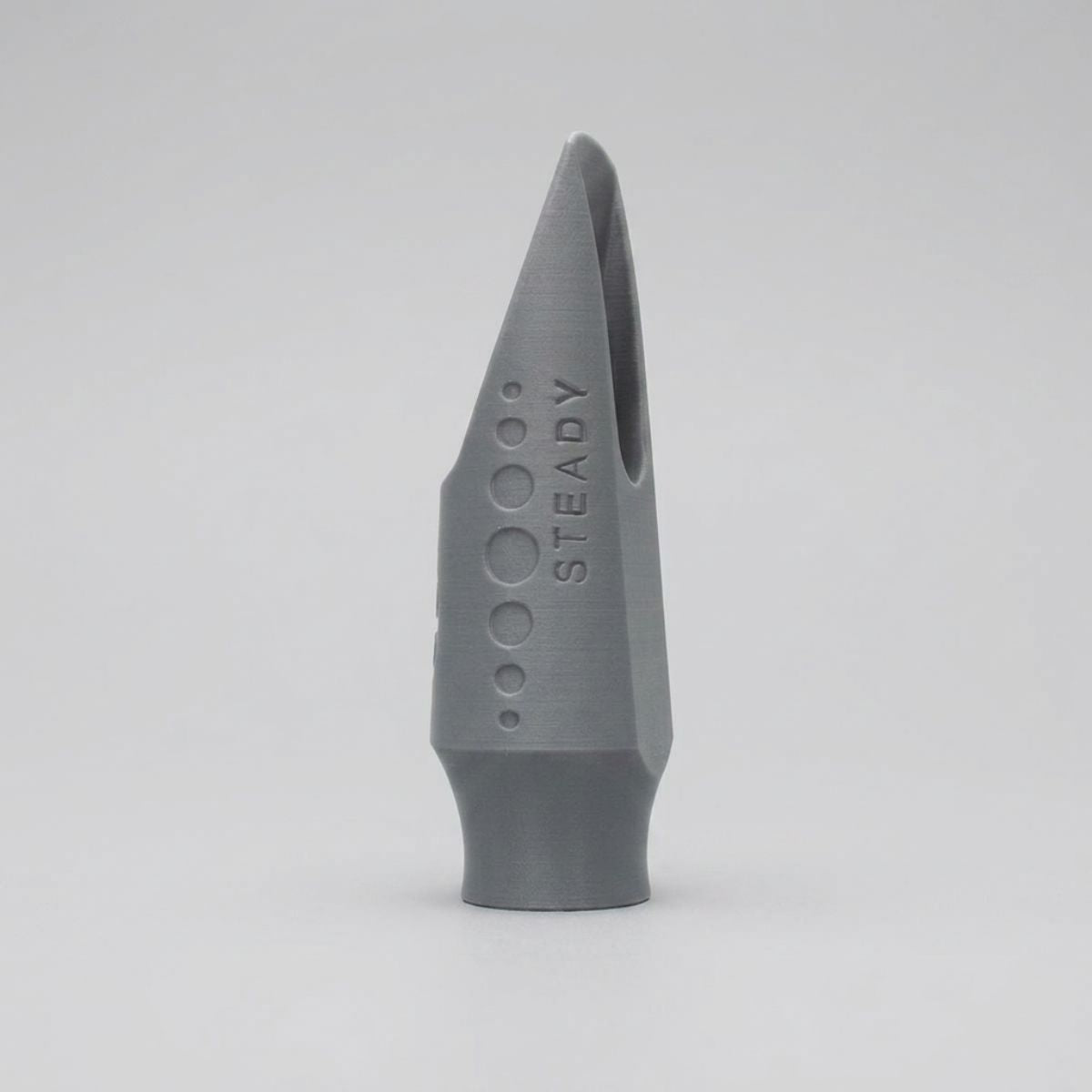
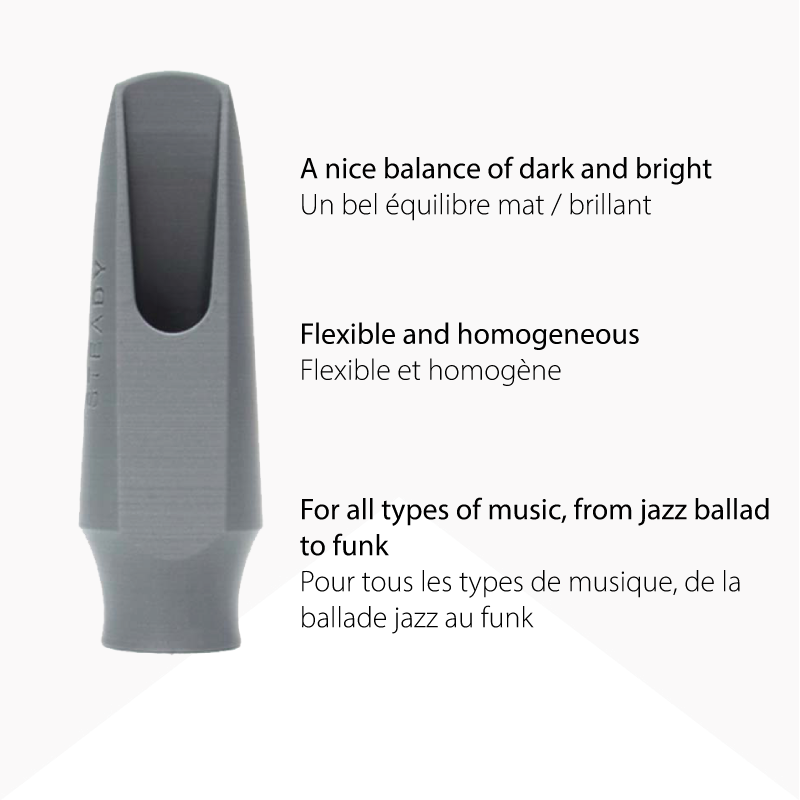
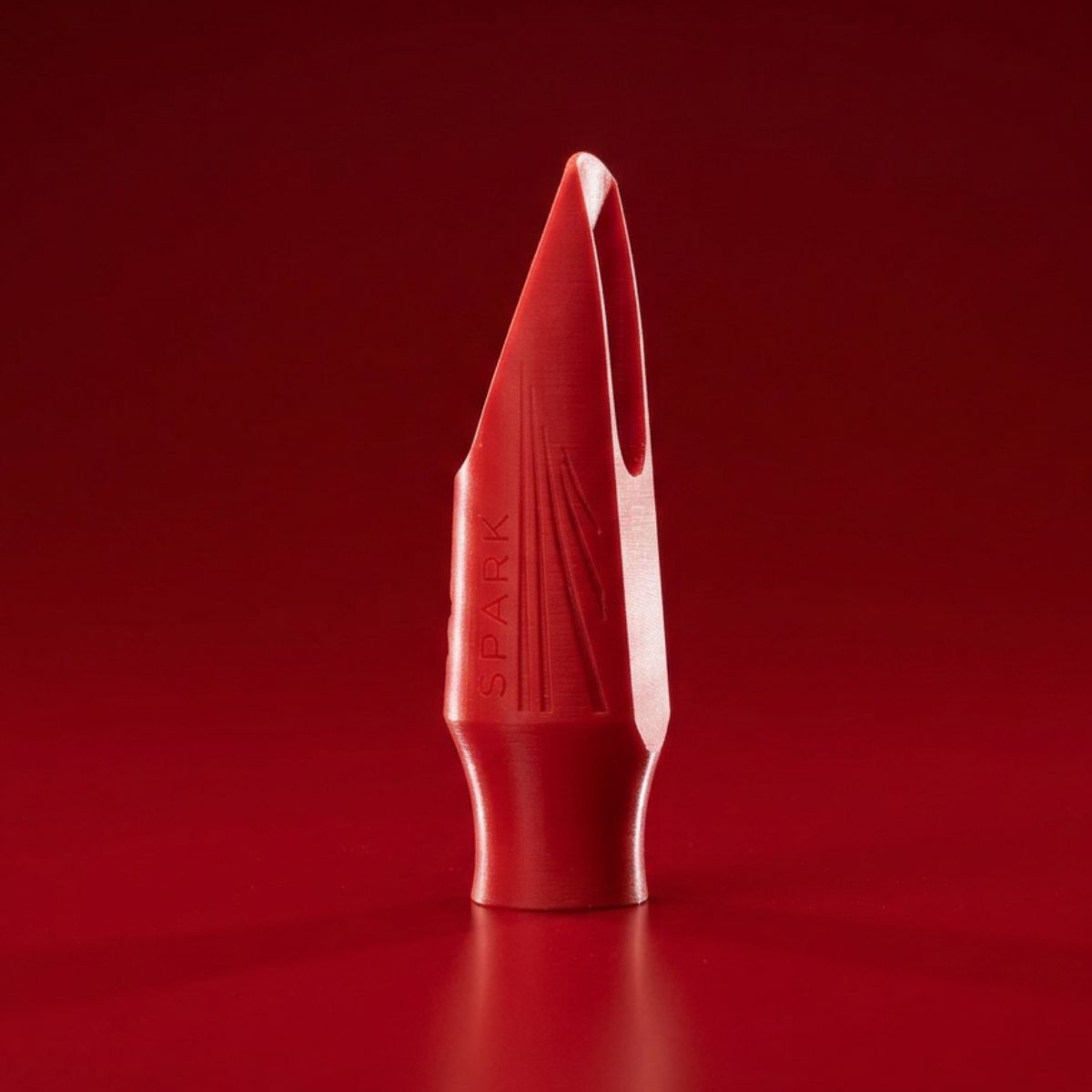
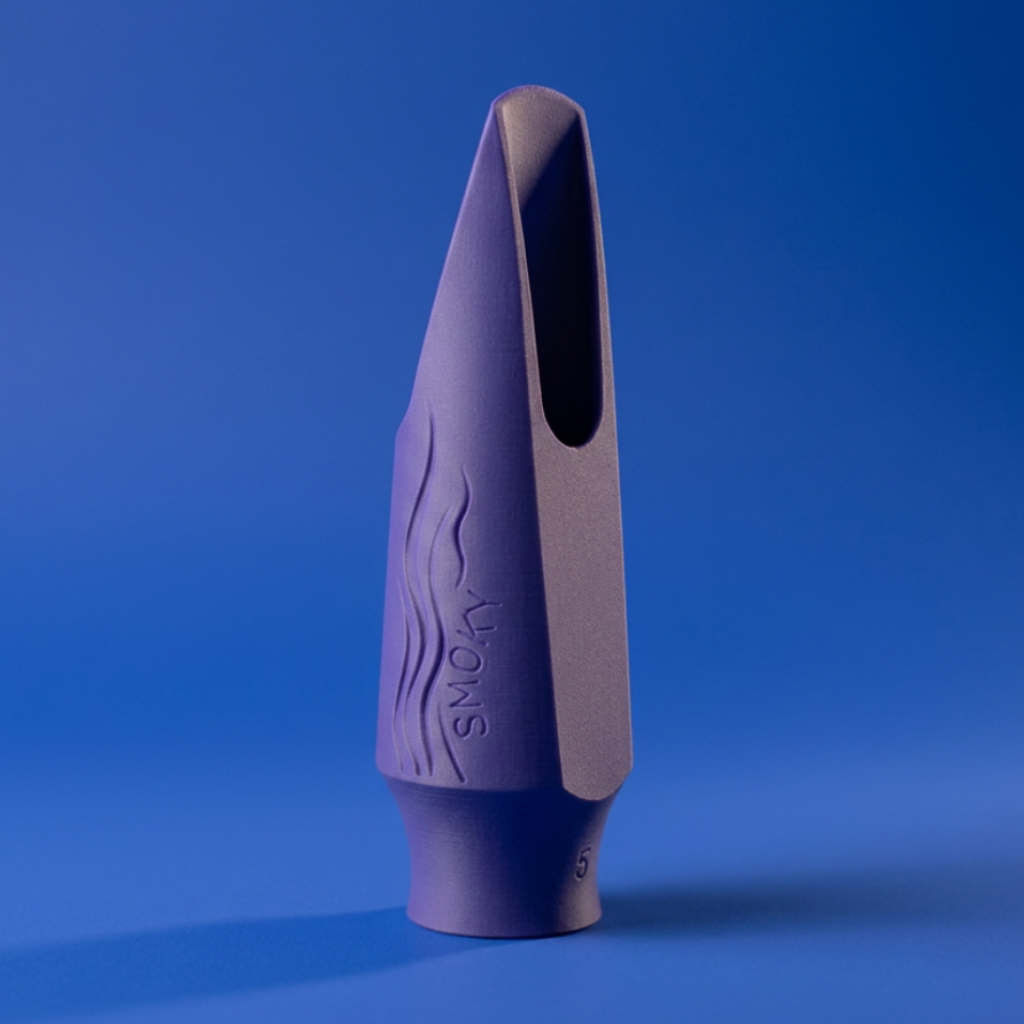
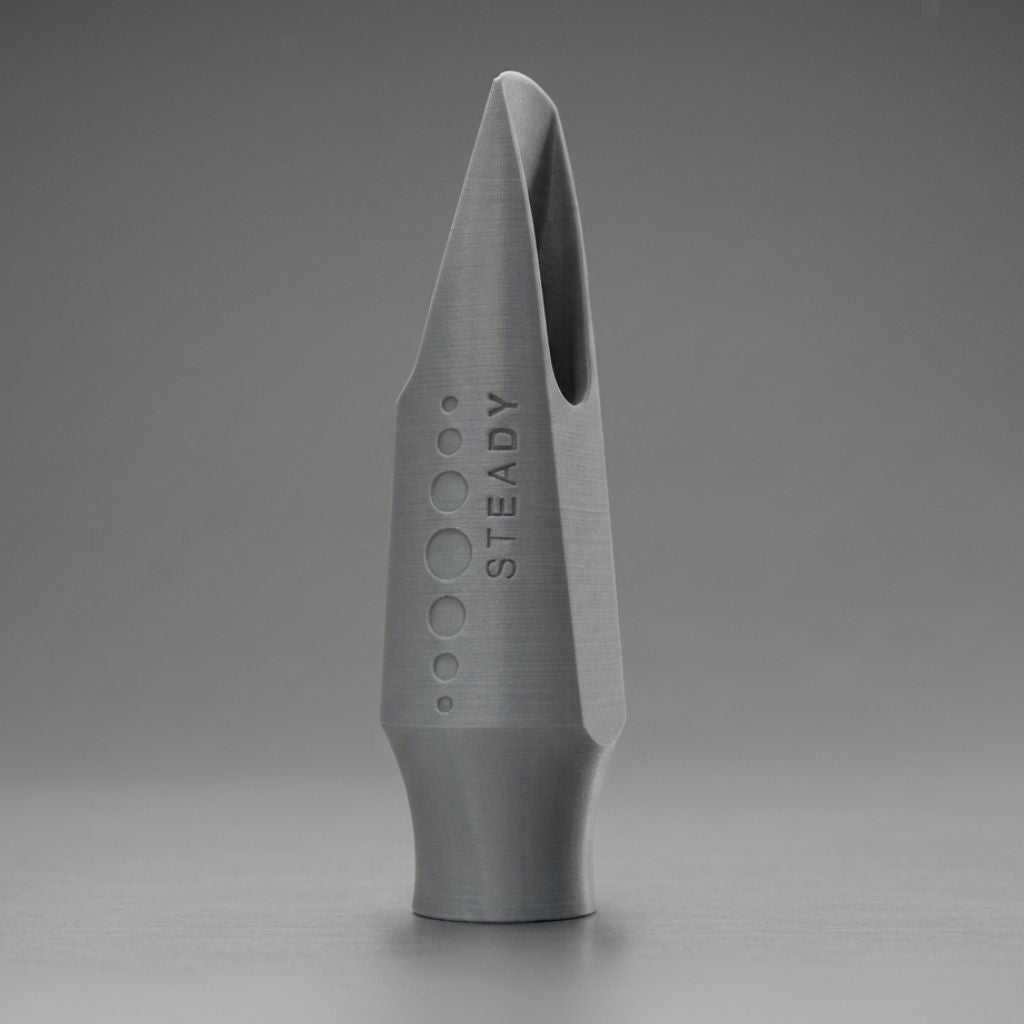
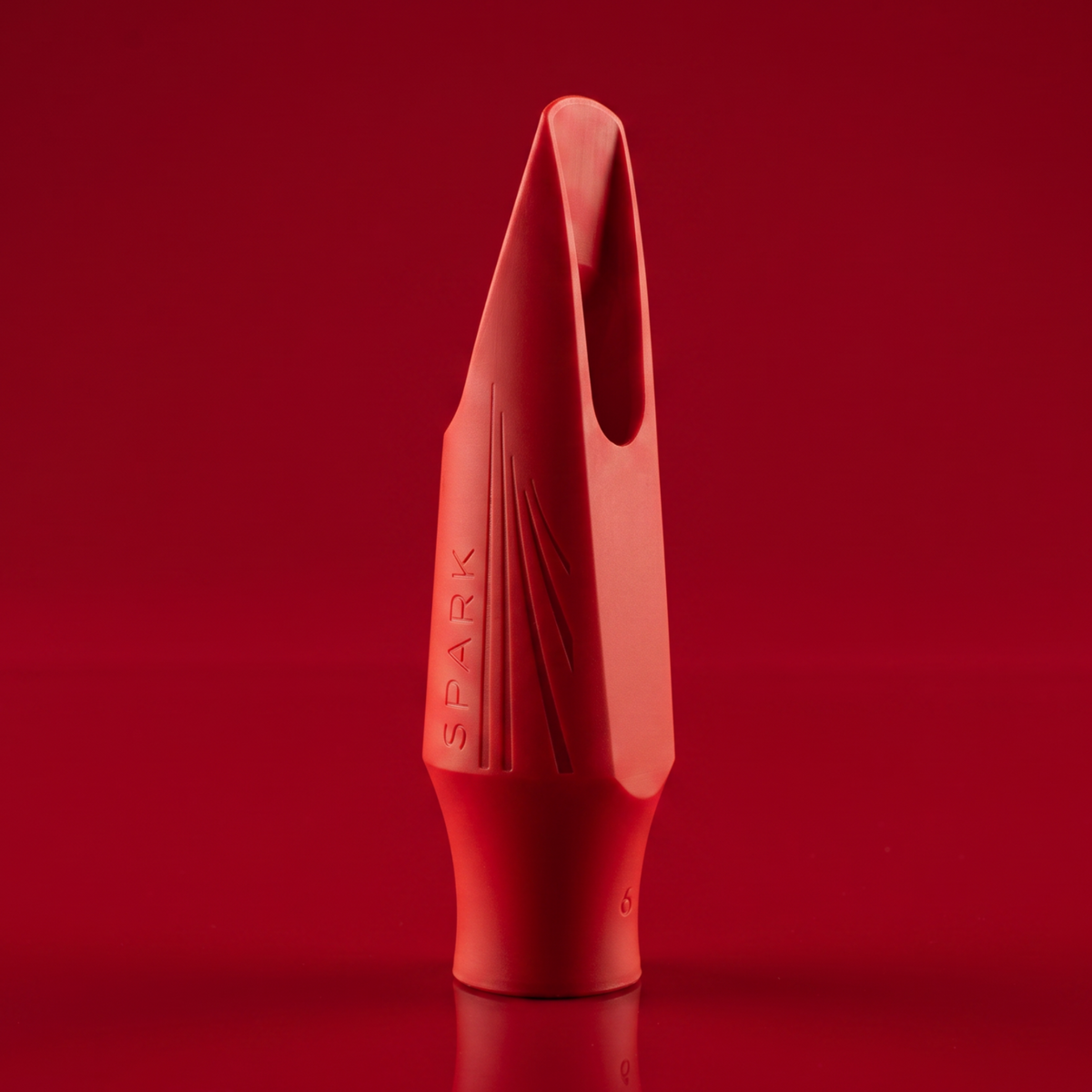
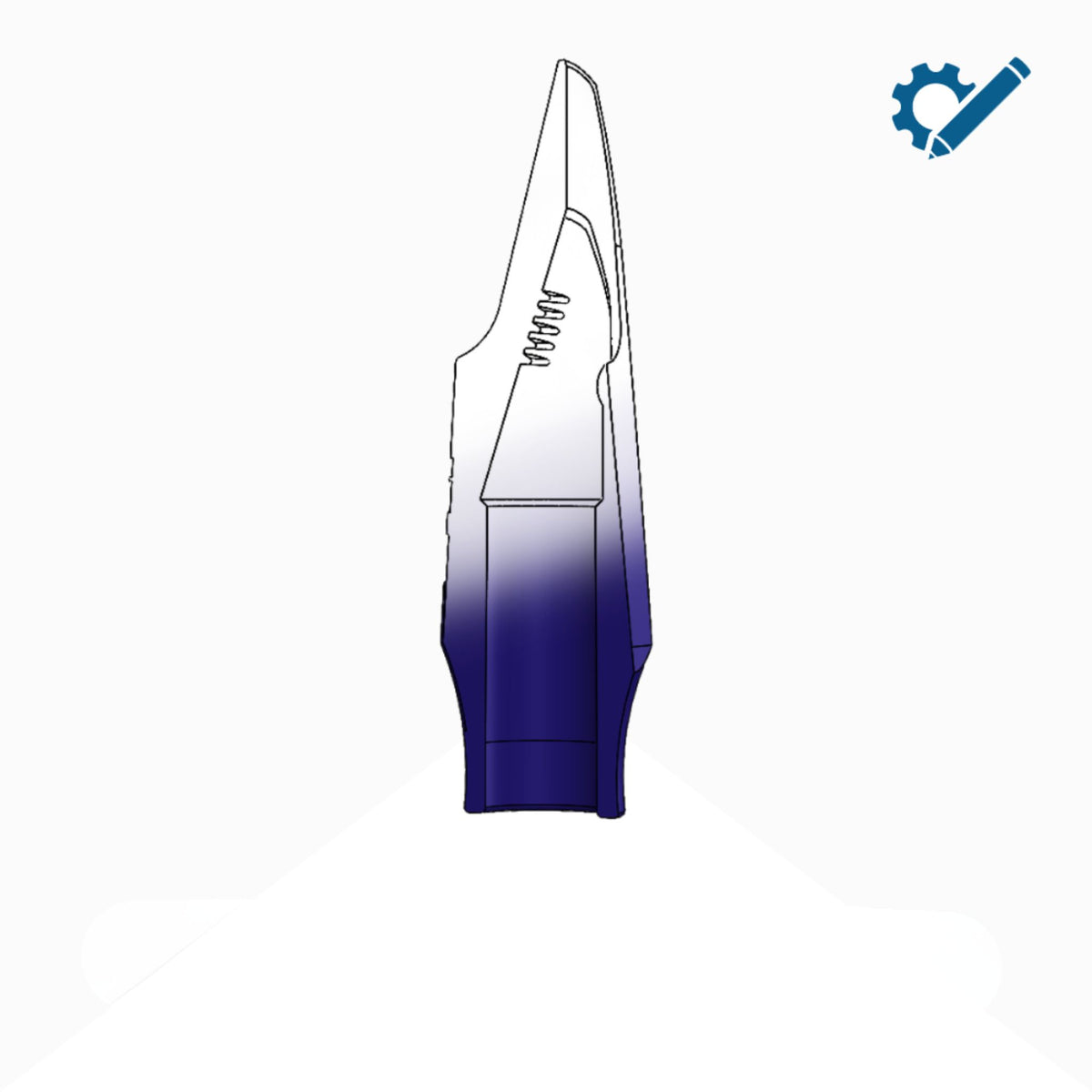
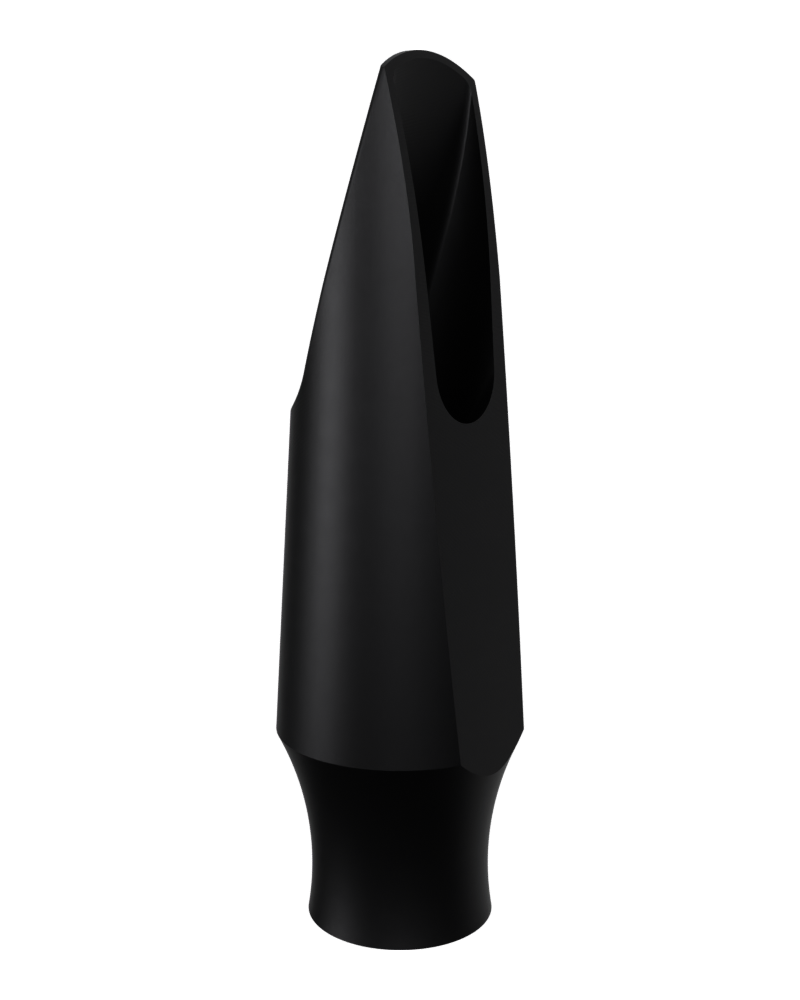
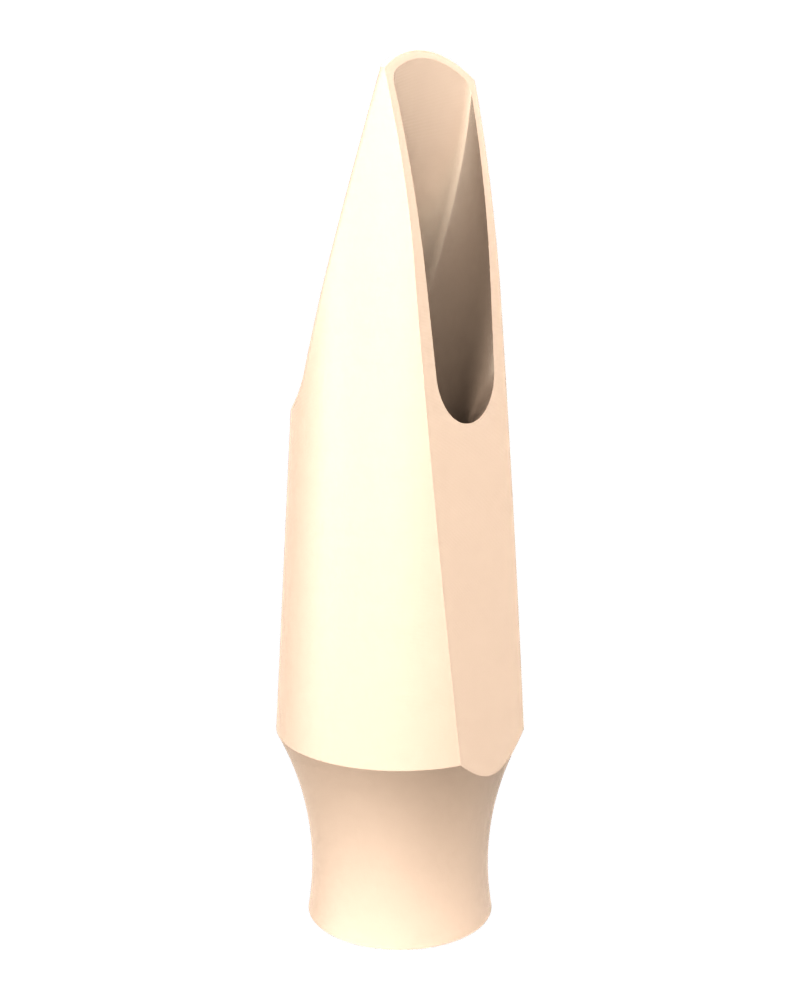
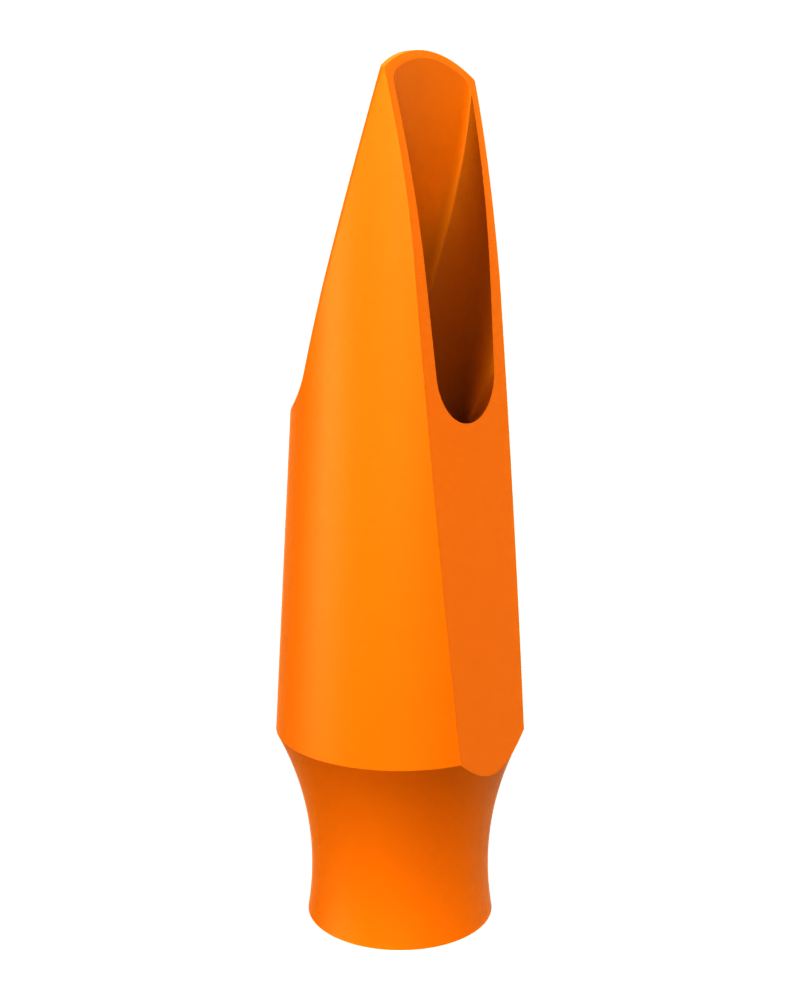
Weight and Balance: A material’s density affects the weight of the mouthpiece, which can influence how it feels to play. Hard rubber is denser and heavier, while many plastics are lighter. Some players associate a heavier mouthpiece with a more stable or centered feel, which is why certain products are designed to add weight to the setup. With UPSCAL3D, Syos aimed to match the weight and in-hand feel of hard rubber for better balance and comfort on the instrument. While a lighter mouthpiece might feel different on the cork, this is mostly a matter of ergonomics and personal preference, and not a direct factor in sound.
-
Durability: Here the differences are clear-cut. If you drop a mouthpiece or otherwise abuse it, some materials survive better:
- Metal: Very durable in the sense that it won’t crack – but it can bend or dent. If you drop a metal mouthpiece on a hard floor, it might get a ding on the tip or rail, which can negatively affect how it plays (even a tiny dent on the rail can cause squeaks). Stainless steel pieces (like a Berg Larsen) are tougher to dent than softer brass ones. Overall, metal rates highly for long-term durability (some vintage metal pieces from the 1940s still play great today), but be careful about drops.
- Hard Rubber: Often chosen for its tonal properties, hard rubber is generally durable in normal use but can be fragile under impact. It can crack or chip easily if dropped, especially on hard surfaces. While it holds up well over time when handled with care, older hard rubber mouthpieces from the 1930s to 1950s often show wear or damage. Ebonite (the material used in most hard rubber mouthpieces) is also sensitive to heat. Exposure to high temperatures, such as being left in direct sun or near a radiator, can accelerate oxidation or cause warping. Handle with care and store away from heat to preserve its shape and integrity.
- Traditional Plastics: Plastics like ABS are quite impact-resistant. A plastic mouthpiece can usually be tossed around in a gig bag without worry, and it’s likely to just get surface scratches. That said, some brittle plastics (or 3D resin prints) could crack if very roughly handled. And like all plastics, they could deform at very high temperatures (don’t boil your mouthpiece or leave it on an amp vent). Glass/Crystal is the least durable. A crystal mouthpiece will shatter if dropped on a hard surface even once. Wood can crack with humidity changes or shock as well, which is why it’s largely obsolete for sax.
-
UPSCAL3D and Modern Synthetics: Newer composite materials tend to be engineered for strength. For instance, Syos’s previous material (SCAL3D) was already more impact-resistant than hard rubber – you could drop it and it was less likely to break. The latest UPSCAL3D is rated even higher for shock and scratch resistance. These materials are also often chemically stable (UPSCAL3D is not affected by UV or saliva, whereas old rubber can discolor or get “funky” over time). So, in terms of longevity, a well-made synthetic can last as long as hard rubber, if not longer, without losing its appearance or integrity.
-
Maintenance & Care: All mouthpieces require some basic care, but different materials have different needs:
- Hard Rubber: After playing, it’s good practice to clean your mouthpiece with cold water and mild soap occasionally, and dry it. Hard rubber can develop a greenish oxidation layer (sulfur compounds coming to the surface) especially if left in sunlight or exposed to ozone. To avoid that, keep it out of direct sun when not in use and wash off saliva. If it does turn green, it can be gently polished off – but be careful, as harsh chemicals can damage ebonite. Also, never use boiling water or strong alcohol on hard rubber; it can dull the finish or accelerate oxidation.
- Metal: Metal mouthpieces can be cleaned similarly (water and mild soap). If it’s brass with plating, be mindful not to use anything abrasive that could remove the silver/gold plate. Dry it after cleaning to prevent any tarnish. One advantage: no risk of material rot or warping, but do check the tip and rails for any impact damage if it’s been dropped.
- Plastic / Synthetic: Most plastic or composite mouthpieces are low maintenance. They do not rust or oxidize and are generally resistant to moisture and wear. That said, regular cleaning is still important, especially with lighter colors like white where residue is more visible. Rinse or swab the mouthpiece periodically, and if buildup appears, use a soft toothbrush with warm soapy water. Some 3D printed models, such as early Syos mouthpieces, have a slight texture that can retain grime, even if it does not affect playability. UPSCAL3D is smoother and highly resistant to staining, chemicals, and UV exposure, which helps it stay clean longer. Always dry the mouthpiece completely before storing, especially inside the chamber, to prevent mildew.
Health and Safety: Mouthpiece materials have improved over time. Vintage hard rubber can contain sulfur and other manufacturing residues that may raise concerns for some players, especially when aged or heavily oxidized. While many have used these mouthpieces for decades without issue, they are not held to modern safety standards. Newer synthetics like UPSCAL3D are made from food-grade materials designed to avoid common allergens and chemical exposure. For players who are sensitive or who spend long hours practicing, modern materials may offer greater peace of mind.
While material will not change your sound like design does, it still shapes how a mouthpiece feels, wears, and fits into your playing routine. Whether you prioritize comfort, durability, or ease of maintenance, understanding the strengths (and weaknesses) of each material can help you choose a mouthpiece that works with you and not against you.