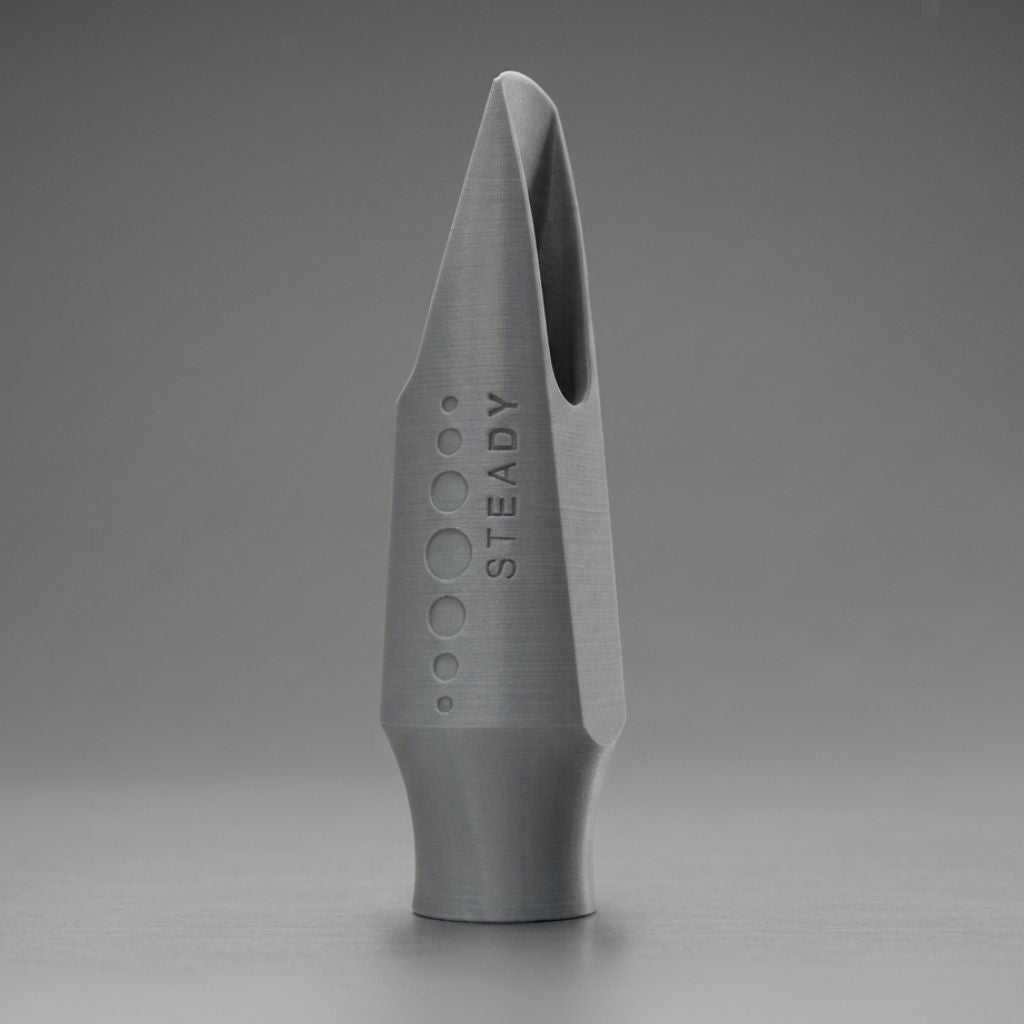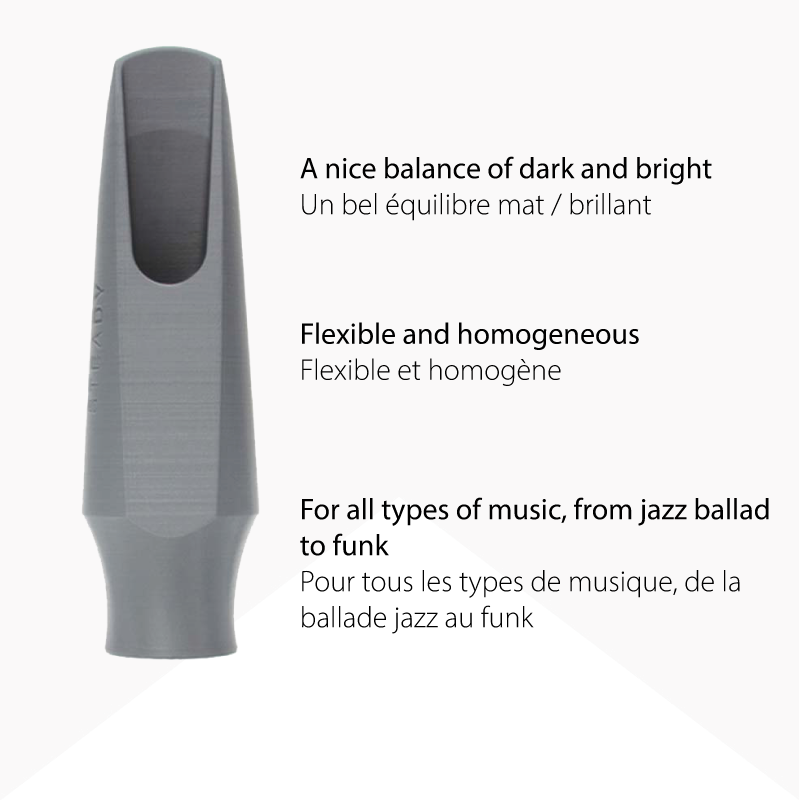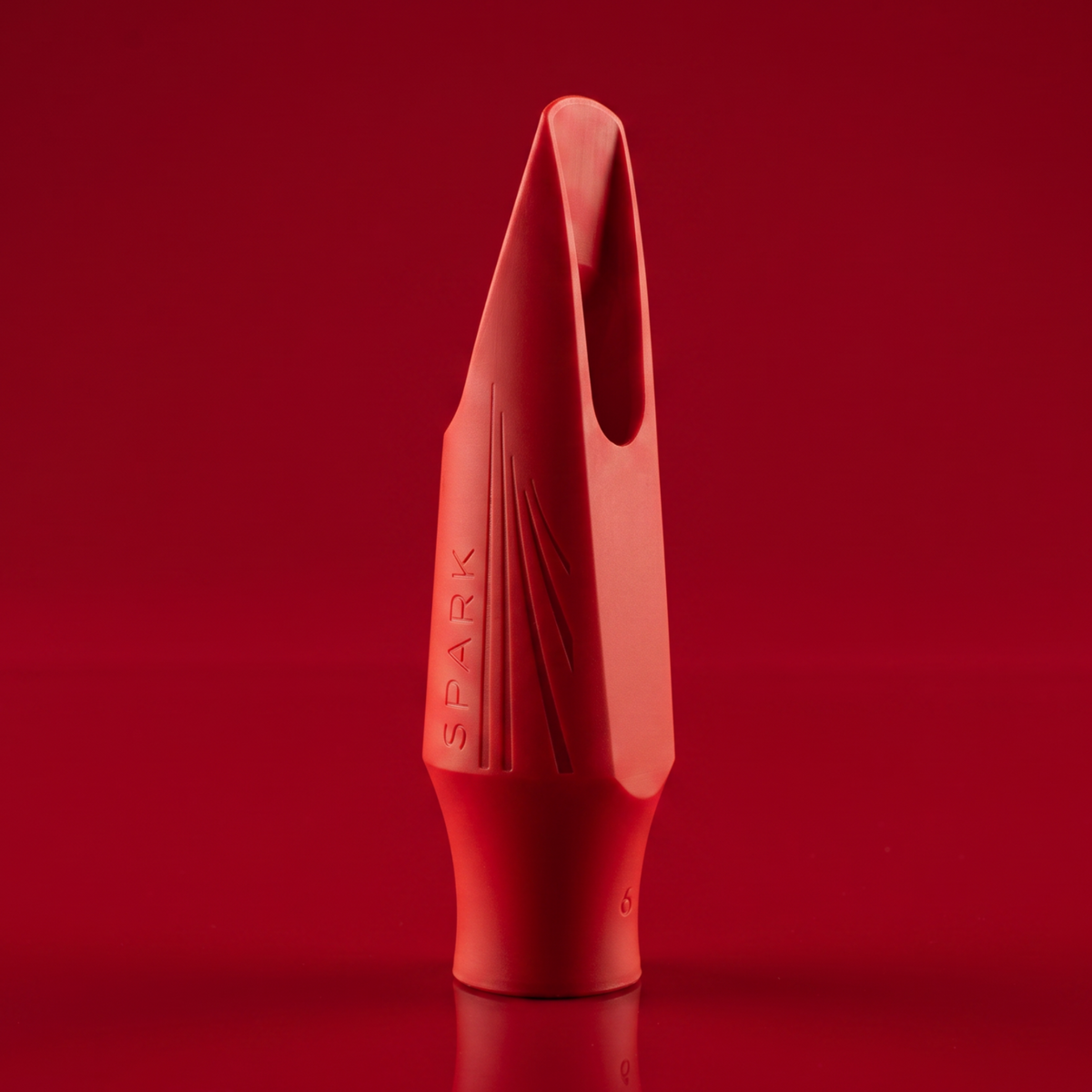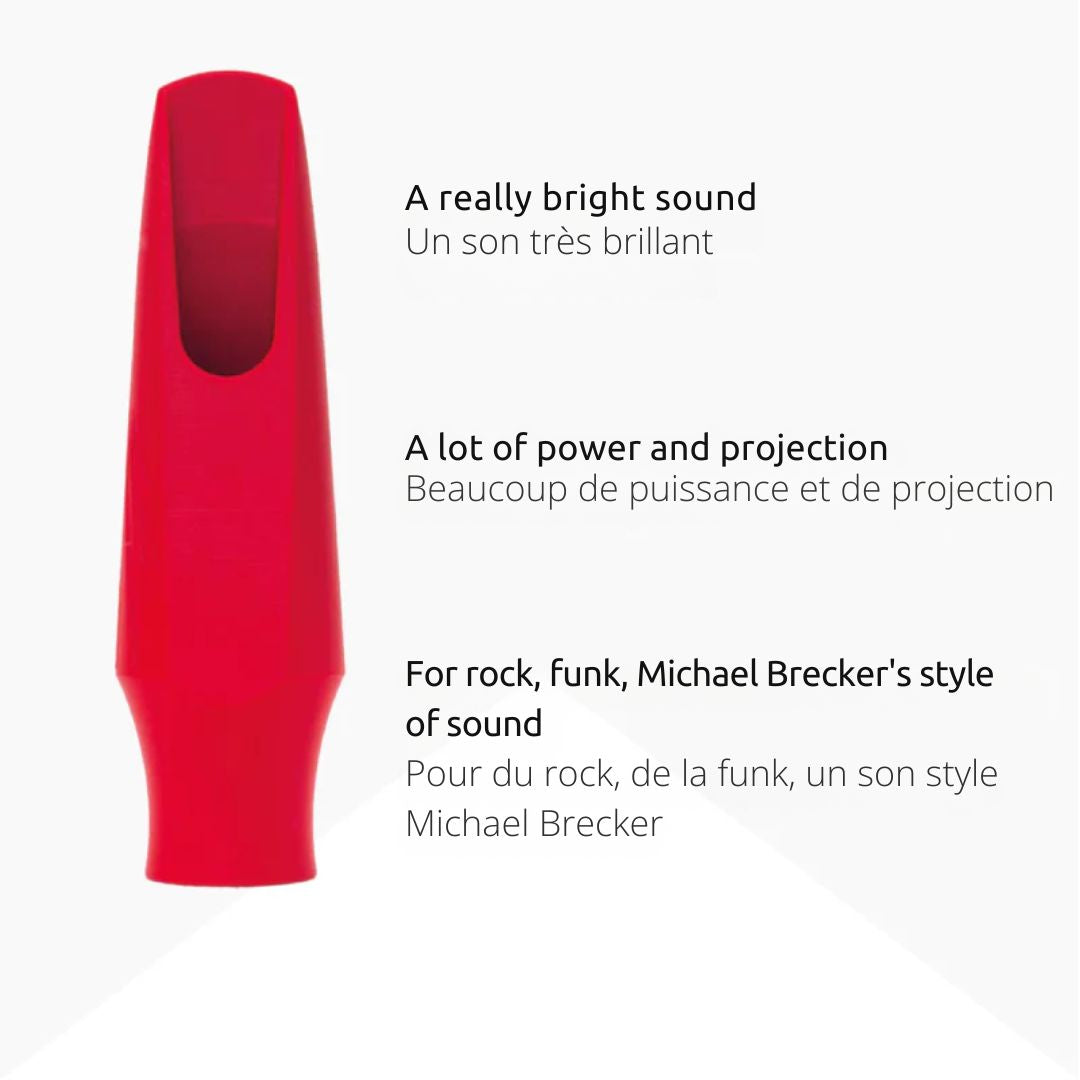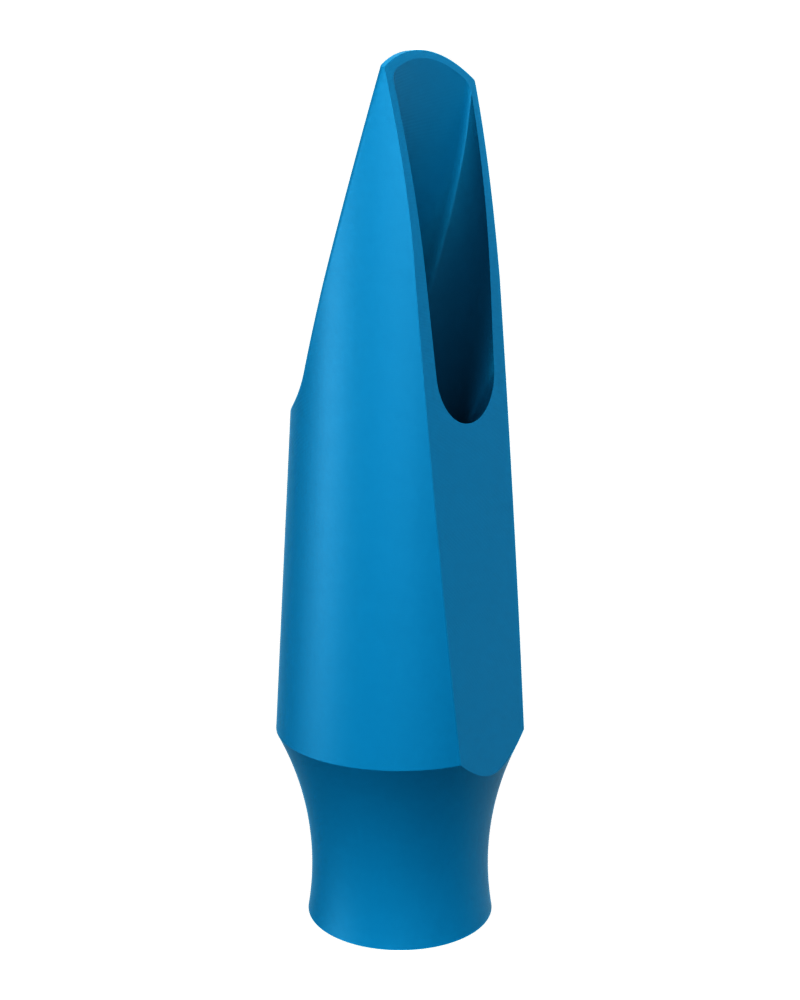










Keeping your mouthpiece clean is simple. It only takes a minute after each session, and an occasional deeper clean.
Cleaning helps prevent residue buildup, protects the material, and keeps your setup hygienic. Research shows that wind instruments, especially at the mouthpiece end, can carry bacteria and fungal contamination if not cleaned regularly. That alone is reason enough to build a routine!
Below is a clear, practical guide based on manufacturer recommendations and professional care standards.
"Is Cleaning My Mouthpiece Important?"
When you play, warm air meets a cooler surface. This creates condensation inside the mouthpiece. That moisture mixes with saliva and small particles.
Over time, this can lead to:
- Odor
- Visible residue
- Bacteria buildup
- Slight changes in response
Condensation is normal. Leaving it there is not.
Daily Cleaning (After Every Use)
- Remove the reed and ligature.
- Place the reed in its case.
- Use a small cleaning swab to remove moisture from inside the mouthpiece.
- Wipe the exterior with a soft cloth.
- Let everything dry before storing.
Use a cleaning swab carefully and avoid damage to the tip of the mouthpiece. The tip area is delicate and should never be scrubbed aggressively. We also recommend drying the inside with a small swab after every session to prevent long-term moisture damage. A quick swab takes less than a minute and prevents most problems.
Occasional Deep Cleaning
If you notice residue, smell, or simply want to sanitize your mouthpiece, give it a deeper clean.
Safe Method: Cold water + white vinegar or Syos disinfectant.
If you use the vinegar:
- Rub a tissue lightly soaked in white vinegar on the mouthpiece
- Rinse thoroughly with cold water
- Dry completely
Cold water helps prevent discoloration. Vinegar disinfects without damaging most materials when used briefly.
If you use the disinfectant:
- Directly spray the disinfectant inside and outside your mouthpiece
- Let it sit for a few minutes (the Syos disinfectant doesn’t need to be rinsed)
- Dry the mouthpiece with your swab
For hard rubber (ebonite) mouthpieces, caution is advised:
- Never use hot water
- Never use a dishwasher
- Use mild soap or neutral pH cleaning gel
- Do not soak in white vinegar for more than 1 minute to avoid discoloration.
What to Avoid
Some cleaning methods can permanently damage a mouthpiece.
Do not use:
- Hot water on hard rubber mouthpieces
- Dishwashers
- Acetone
- Alcohol in strong concentrations
- Bleach
- Strong acids
Hot water can discolor ebonite. Acetone can melt or damage synthetic materials. Also avoid blowing into the mouthpiece to “dry” it. This does not remove residue and simply redistributes moisture. Use soft tools only. No metal brushes.
Cleaning Tools You Actually Need
Keep it simple:
- Small mouthpiece swab
- Soft cloth
- Bottle brush (soft bristles only)
- Cold water
- White vinegar, or skip it entirely and use our disinfectant instead. No prep, no cleanup.
Nothing more is necessary.
Reed and Ligature Care
Your mouthpiece does not work alone, so after playing:
- Remove the reed
- Dry it
- Store it flat in a reed case
Leaving a wet reed attached encourages warping and bacteria growth so wipe the ligature dry, don't overtighten screws and aim to regularly wipe the outside of the instrument with a soft cloth, and avoid solvents.
Recommended: Syos Cleaning Kit
For a simple, all-in-one solution, we recommend the Syos Cleaning Kit. It includes a compact pouch that can also hold your mouthpiece, a high-quality mouthpiece swab, and an instrument-safe disinfectant spray designed specifically for saxophone and clarinet mouthpieces.
Whether you are practicing at home, recording in the studio, or touring, it helps maintain hygiene and performance with minimal effort. Rated 4.64/5 stars, it is a practical choice for beginners, intermediate and advanced players alike.