
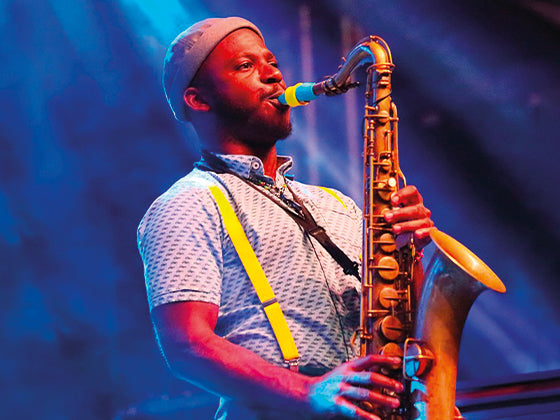

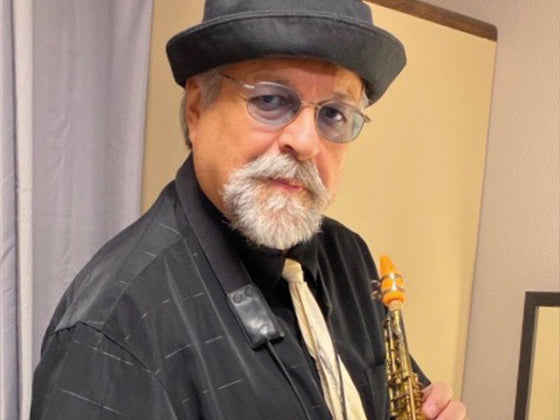
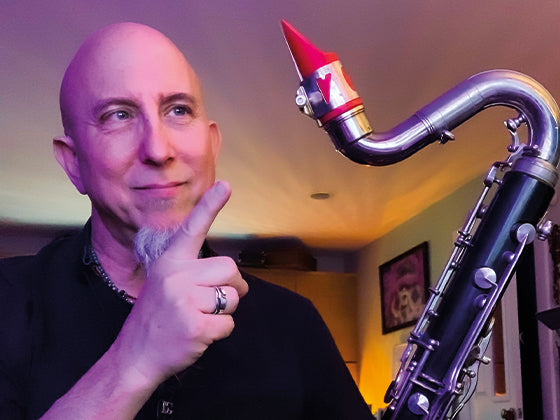

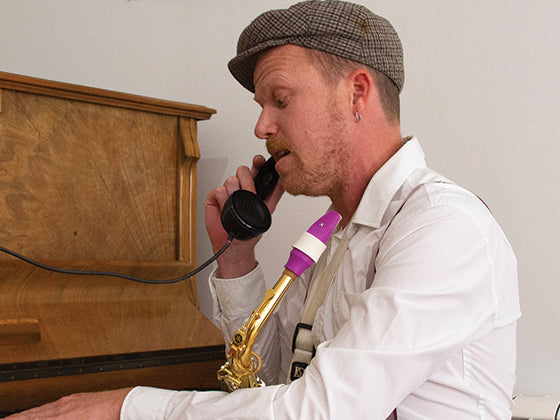


Caleb Wheeler Curtis is a saxophonist, trumpeter, and multi-instrumentalist based in Brooklyn, New York, widely recognized for his adventurous and deeply personal approach to improvisation. In addition to bandleading and four releases as a leader, Curtis can be heard in the collaborative trio Ember and performing with the three-time Grammy-nominated Orrin Evans and the Captain Black Big Band. Known for navigating instruments like stritch, sopranino saxophone, trumpet, and tenor saxophone often within the same performance, Curtis builds his sound around curiosity rather than convenience, a philosophy he reflects on in depth in a first-person feature published in music magazine DownBeat.
Creative Longevity
Musicians face many challenges in the pursuit of excellence, from physical endurance to technical upkeep, but one of the greatest is staying creatively engaged over the long haul. Staying engaged over decades.
Curtis describes periods early in his development where he felt lost, practicing what he believed he was supposed to value rather than forging a personal path. Over time, he realized that sustained artistic momentum comes from chasing fascination. That philosophy directly shaped his recent double album, The True Story Of Bears And The Invention Of The Battery, where he moves freely between stritch, trumpet, sopranino saxophone, and tenor saxophone, sometimes switching instruments mid-take, sometimes overdubbing, always in search of awe and following his curiosities in full.
At each turn, picking up a different horn forced him to listen more closely, to reassess familiar habits, and to discover new corners of his voice. What began as experiments became an essential part of his overall growth. Every new instrument challenged his assumptions and refined his playing across all of them.
During his formal studies at Michigan State University, Curtis’s teachers Diego Rivera and Wessell “Warmdaddy” Anderson emphasized a core principle that would shape his career: never sacrifice your sound.
He immersed himself in resonance, overtones, and the physics of sound production, drawing from lessons with Dr. David Demsey on Joe Allard’s overtone concepts, long-tone practices inspired by Dewey Redman through Bill McHenry, and later conversations with Darius Jones about intention, flexibility, and resonance.
The throughline is clear: Curtis’s evolution as a musician has always been tied to a willingness to question, to explore, and to let curiosity guide the way forward.
Exploring the stritch
Eventually, Curtis arrived at what he considers the most essential question any musician can ask:
“What is the sound of the music I want to make?”
The records that excited him before he ever played an instrument became guiding references. One formative childhood memory was listening to Rahsaan Roland Kirk’s Bright Moments, recorded live in 1973. Beyond the music itself, Curtis was enthralled by Kirk’s mysterious instruments, particularly the stritch and manzello, and the sense of joy, imagination, and wonder they carried.
That early fascination would quietly set the stage for a major artistic shift years later.
About a decade ago, Curtis learned that what Rahsaan Roland Kirk called a “stritch” was in fact a Buescher True-Tone straight alto saxophone from the late 1920s. After years of searching, Curtis purchased one sight unseen. From the first note, he heard a sound that felt entirely new.
Committing to the stritch clarified his artistic direction in unexpected ways. It also introduced challenges. The instrument demanded constant attention to intonation, room acoustics, projection, microphone placement, and ensemble balance. Compared to his Selmer Mark VI alto, the stritch was mechanically difficult and ergonomically unforgiving.
But those limitations forced Curtis to shift away from digital facility and toward sound itself. Dynamics, timbre, articulation, resonance, and emotional impact became the core drivers of his improvisation and composition.
For Curtis, the question of whether the stritch sounds different from a curved alto has a simple answer: if sound were not the priority, he would choose the easier instrument.
As a straight horn, the stritch projects sound differently into a room. Curtis became acutely aware of how direction, surface materials, and room acoustics shaped the music. Loud playing felt less like projecting forward and more like filling a space from the ground up.
As a straight horn, the stritch projects sound differently into a room. Curtis noticed that playing above a soft surface like a carpet or rug would absorb much of the high frequencies, darkening the sound and reducing its volume. On a hard, smooth surface, those bright overtones bounced right back, reshaping how he heard and responded to his own playing. This sensitivity to surface and space forced him to listen differently, to pay closer attention to how sound interacted with the room. This experience sharpened his overall musical awareness and fed directly into his broader growth as a musician.
This heightened sensitivity transformed his relationship with performance. Playing became a conversation not only with bandmates, but with the room itself. The music responded to space as much as structure.
Embracing the Trumpet as a Beginner Again
Curtis’s decision to double down on trumpet followed a similar philosophy. Despite common warnings about embouchure differences, he approached trumpet the same way he had approached saxophone years earlier: slowly, patiently, and without expectation.
Accepting the vulnerability of being a beginner again became a creative breakthrough. Trumpet disrupted habits, challenged muscle memory, and forced Curtis to rely more on listening than technique. In ensemble settings, it expanded the emotional and sonic range of the music, sometimes transforming a trio into something closer to a quartet.
Like the stritch, trumpet disrupted habits and challenged muscle memory. Curtis remarked, “My relatively limited ability allows me to access a different side of my musicality, forcing me to play deliberately and rely on my ears instead of muscle memory. This has been a musical lifeline, and has strengthened my saxophone playing as well.” Accepting the vulnerability of being a beginner again became a creative breakthrough. It expanded the emotional and sonic range of the music.
Each moment of discomfort reinforced a simple rule: when something feels impossible, that is often where growth begins.
Discovering the Sopranino
The sopranino saxophone introduced yet another dimension. After hearing players like Wessell Anderson and Ravi Coltrane reveal the instrument’s potential beyond novelty, Curtis eventually acquired a rare prototype horn from the same era as his stritch.
The sopranino became a true counterpart rather than an extension. In trio settings, it allowed Curtis to comp behind the bass, float above the rhythm section, or explore extreme registers with warmth and control. Its unpredictability made discovery unavoidable.
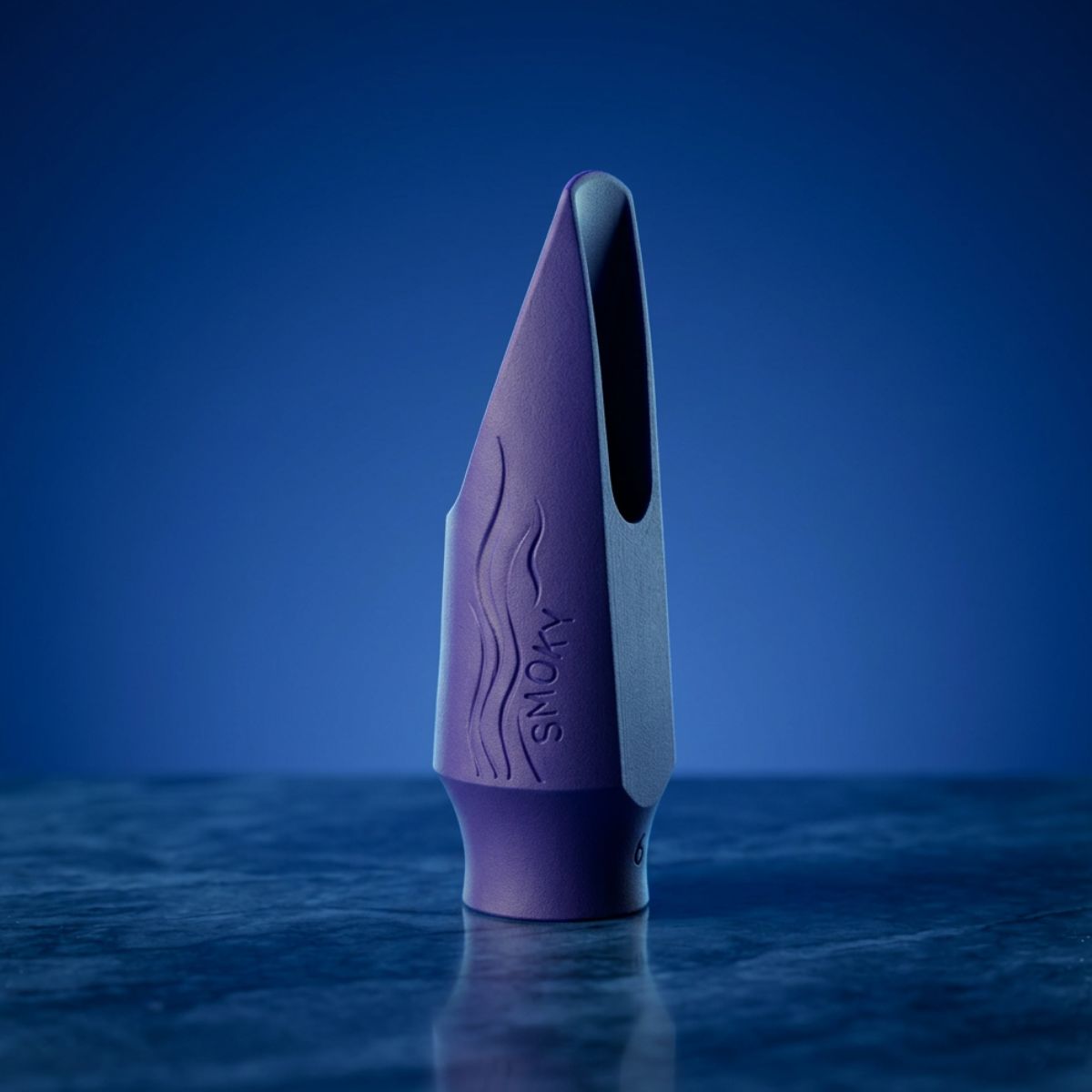
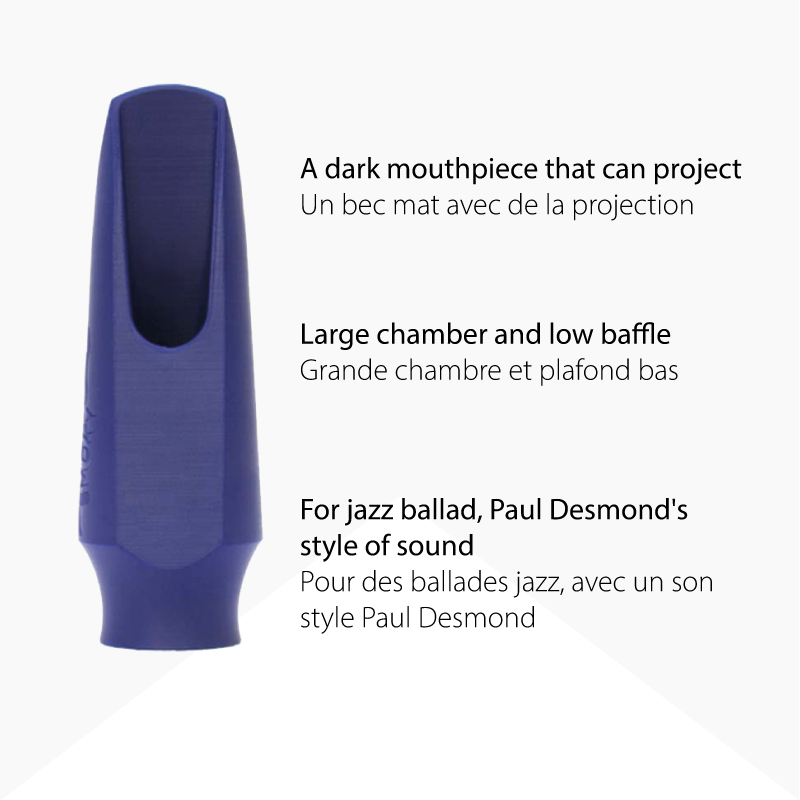
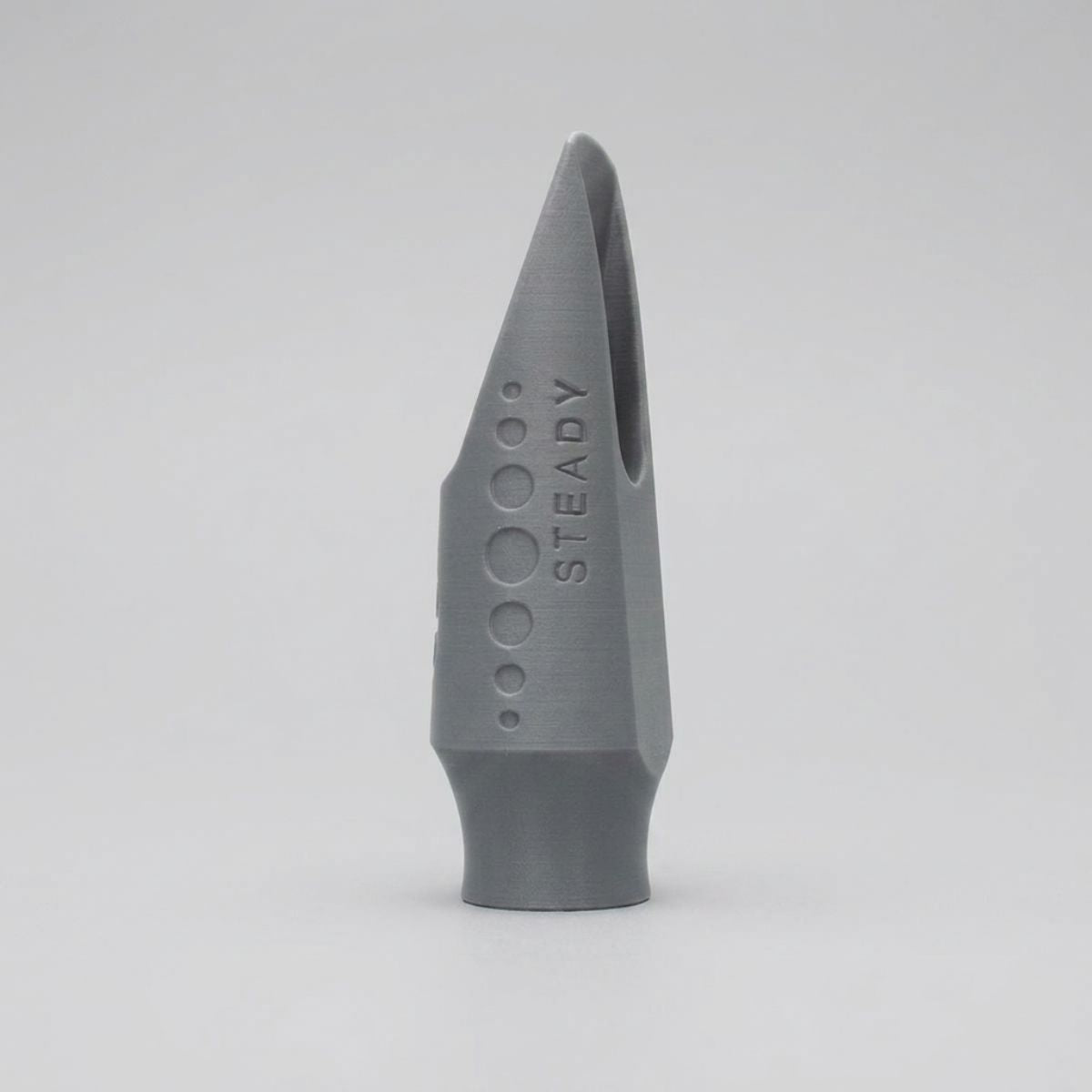
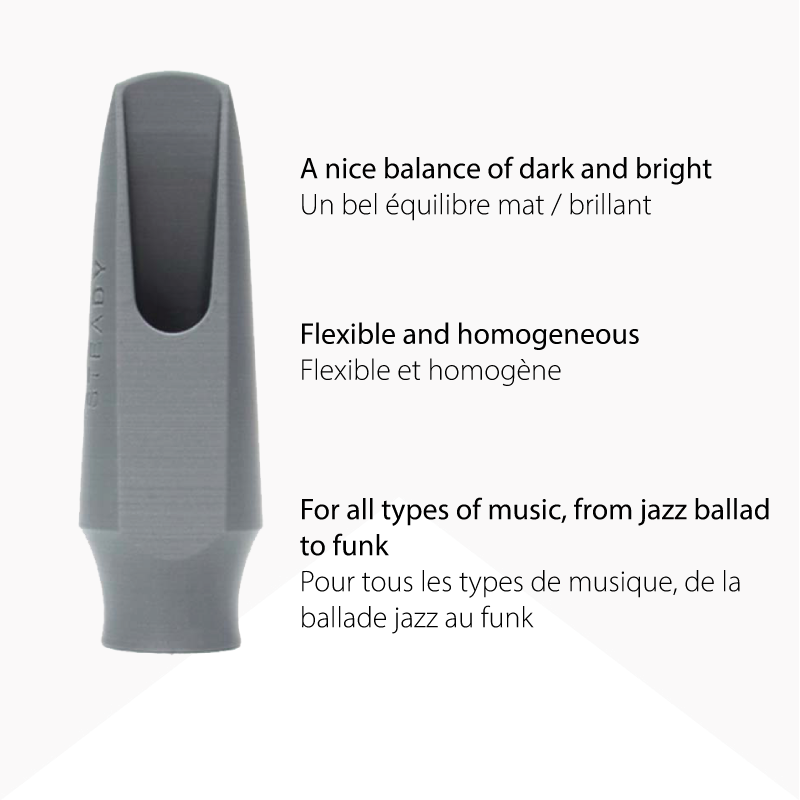
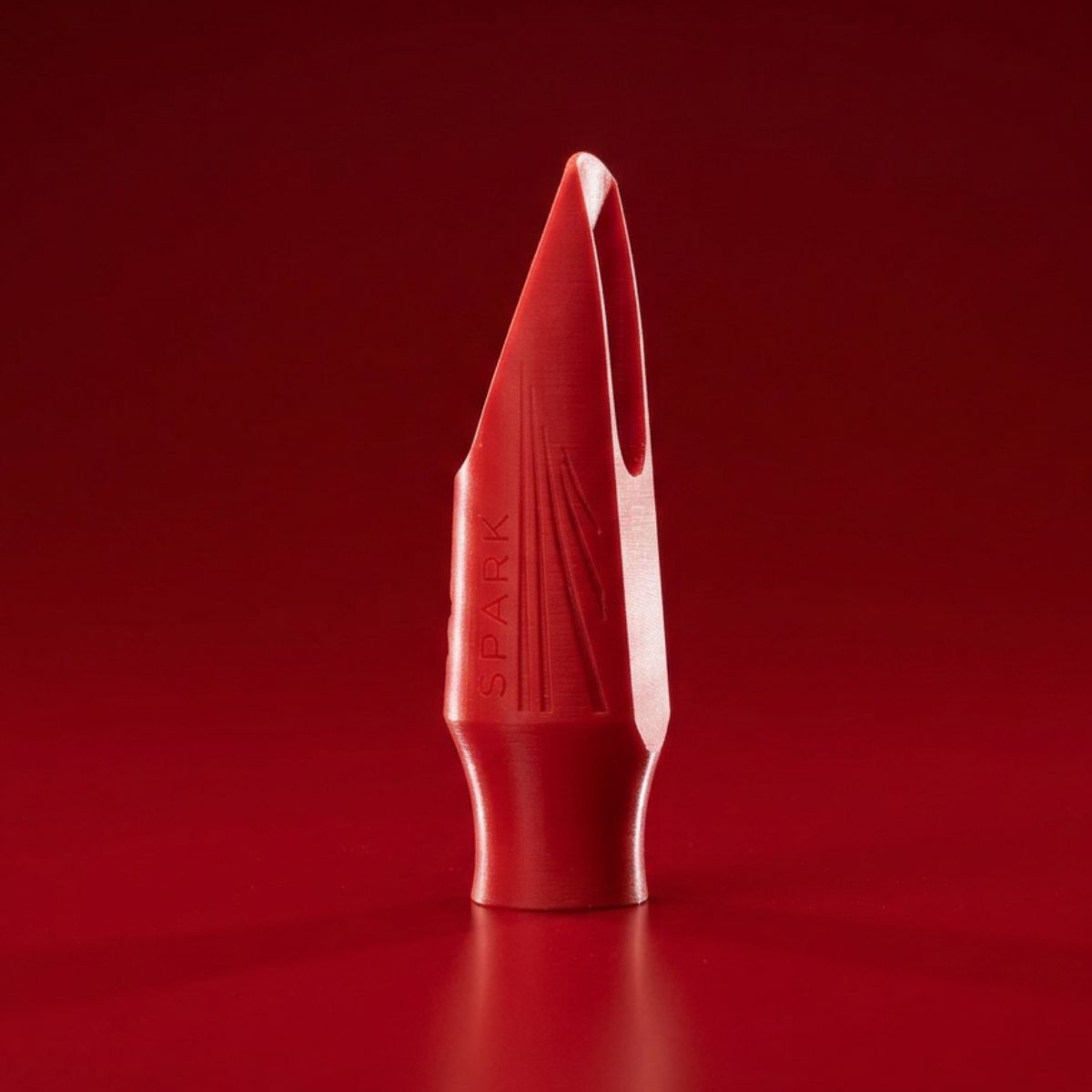
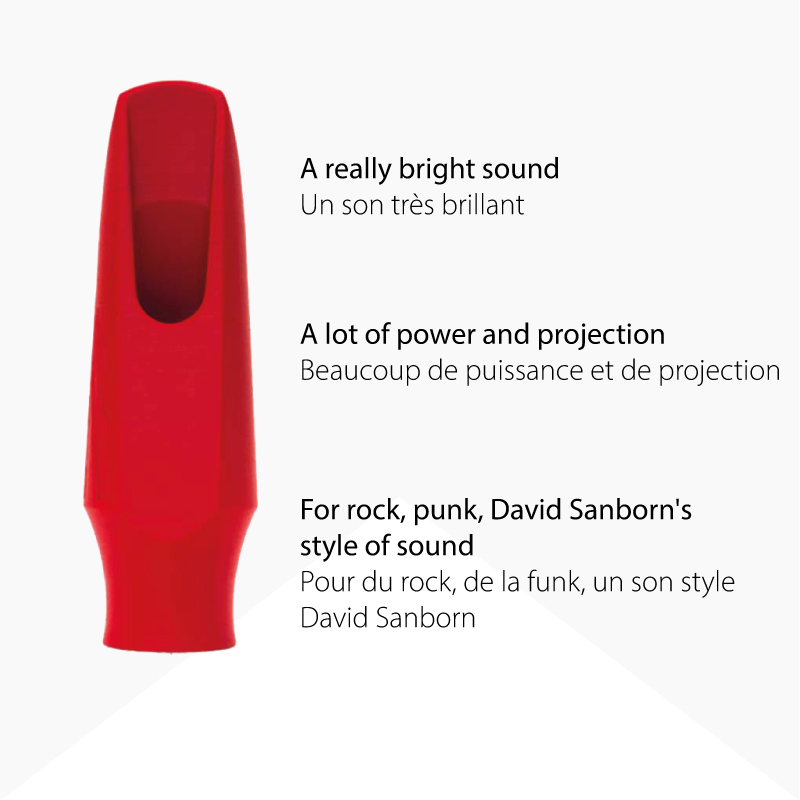
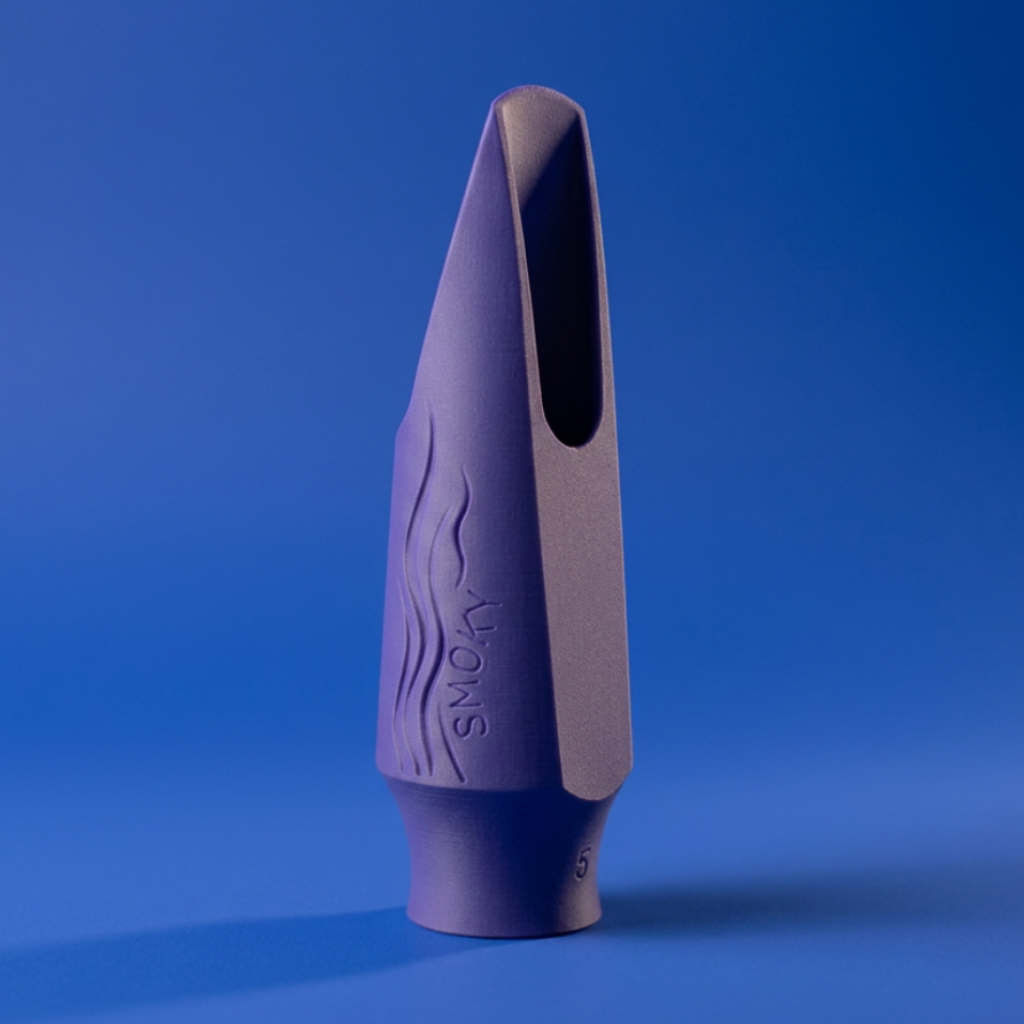
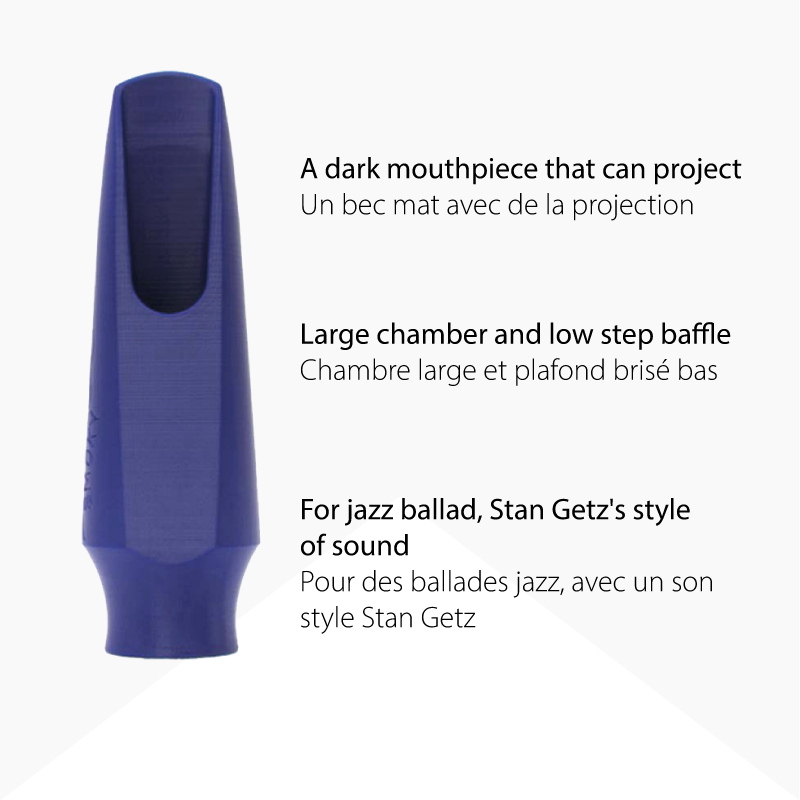
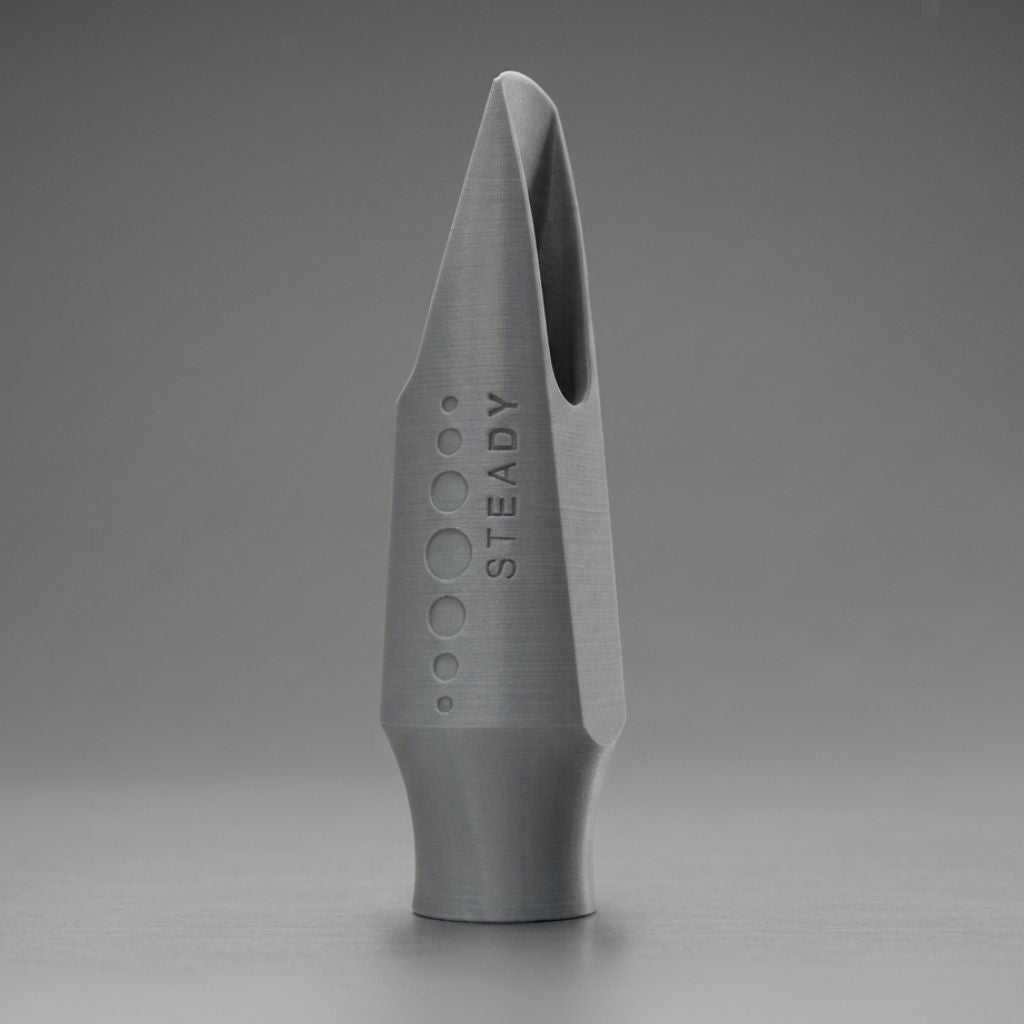
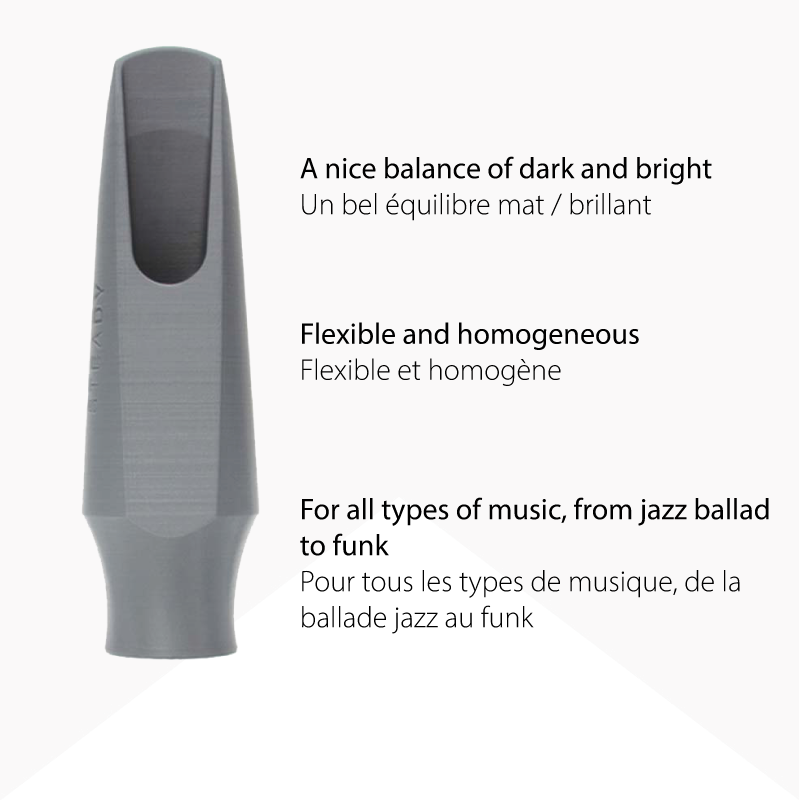
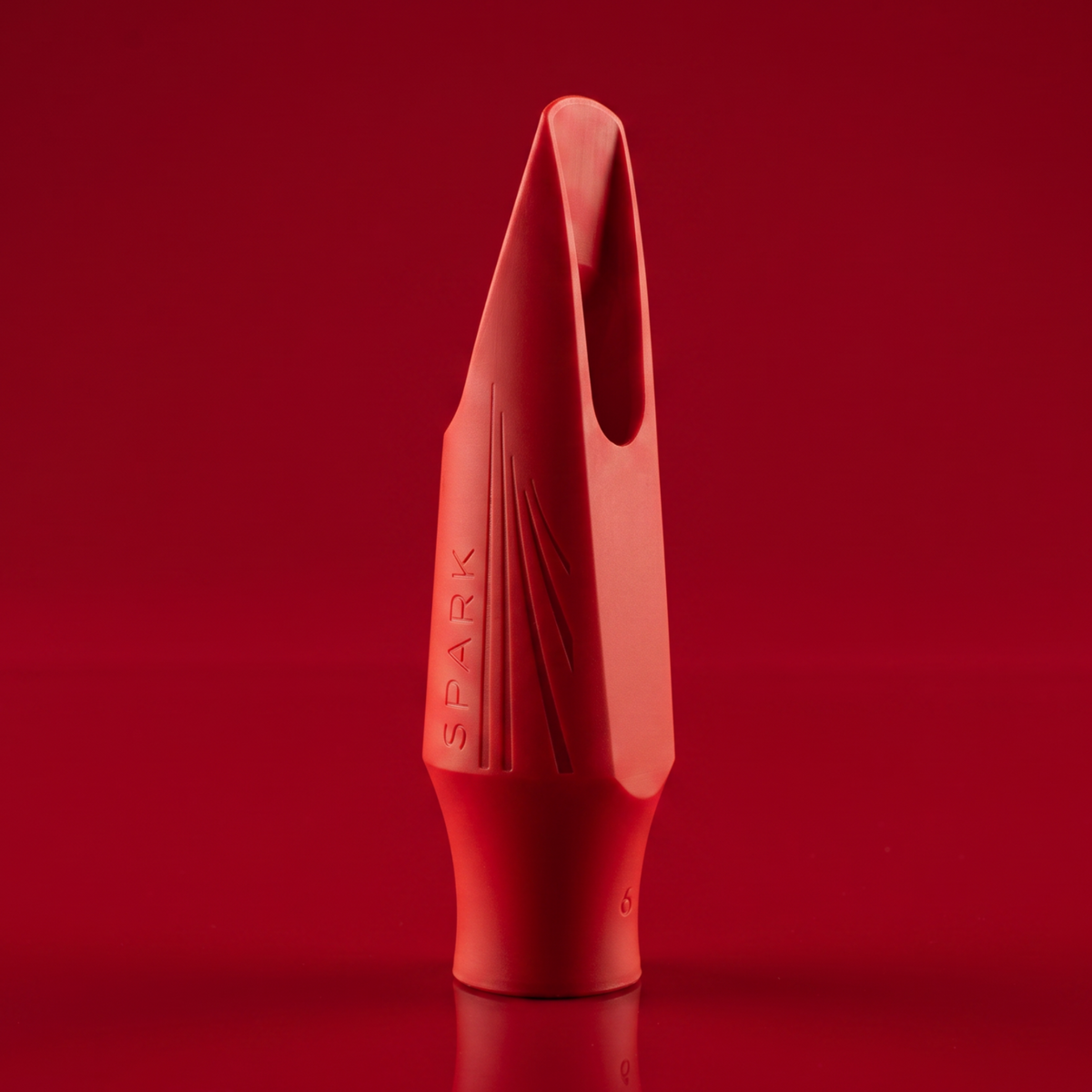
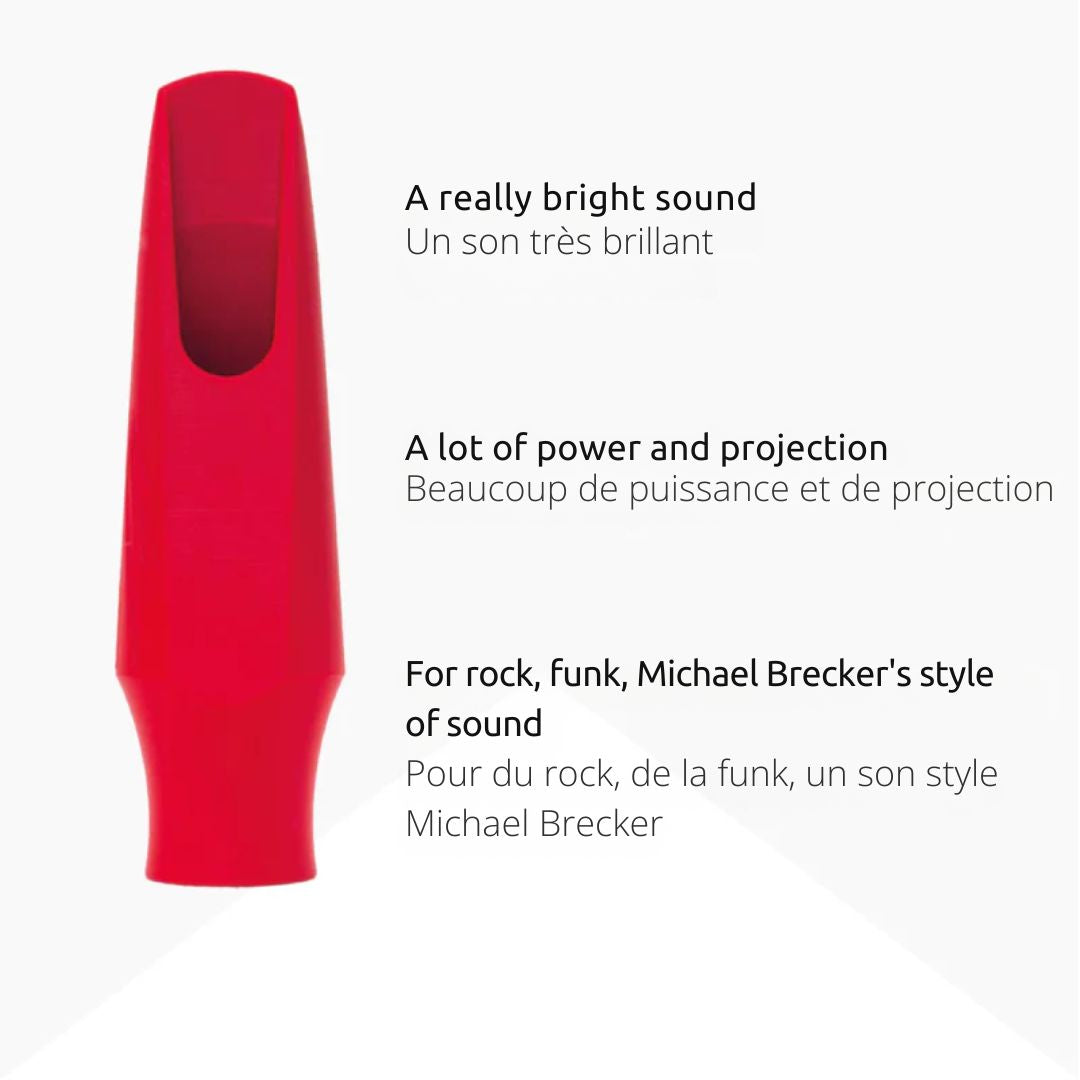
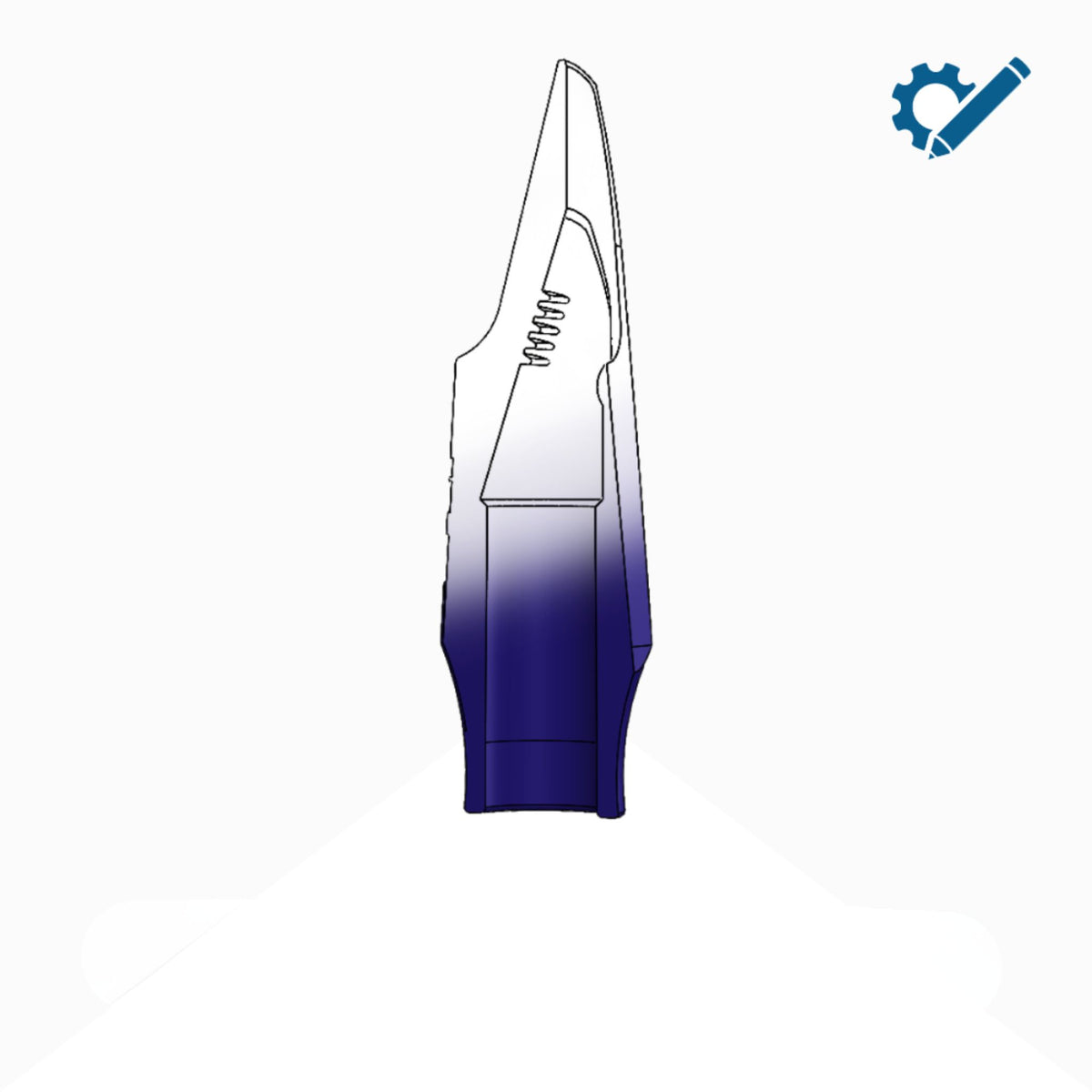
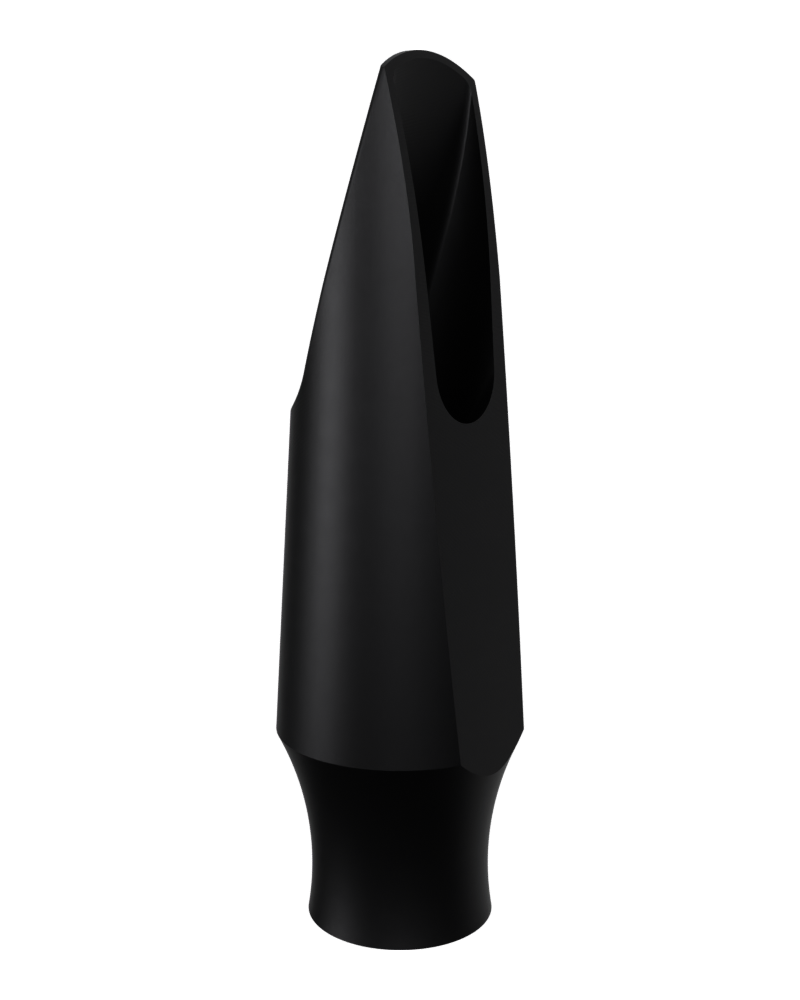
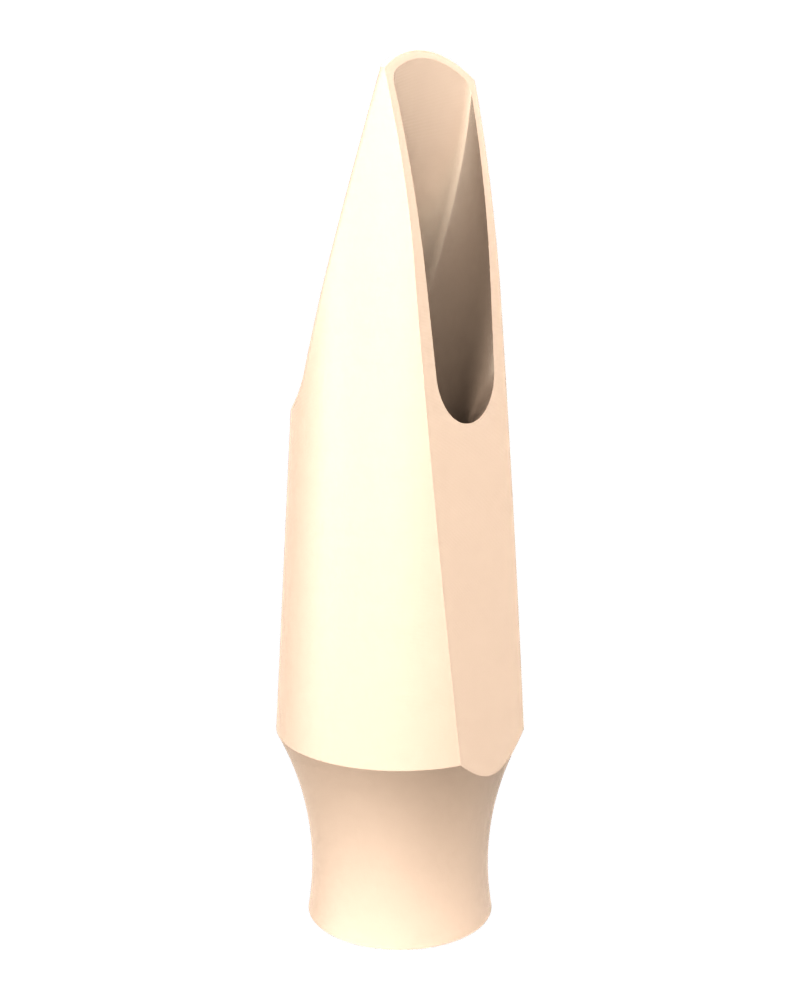
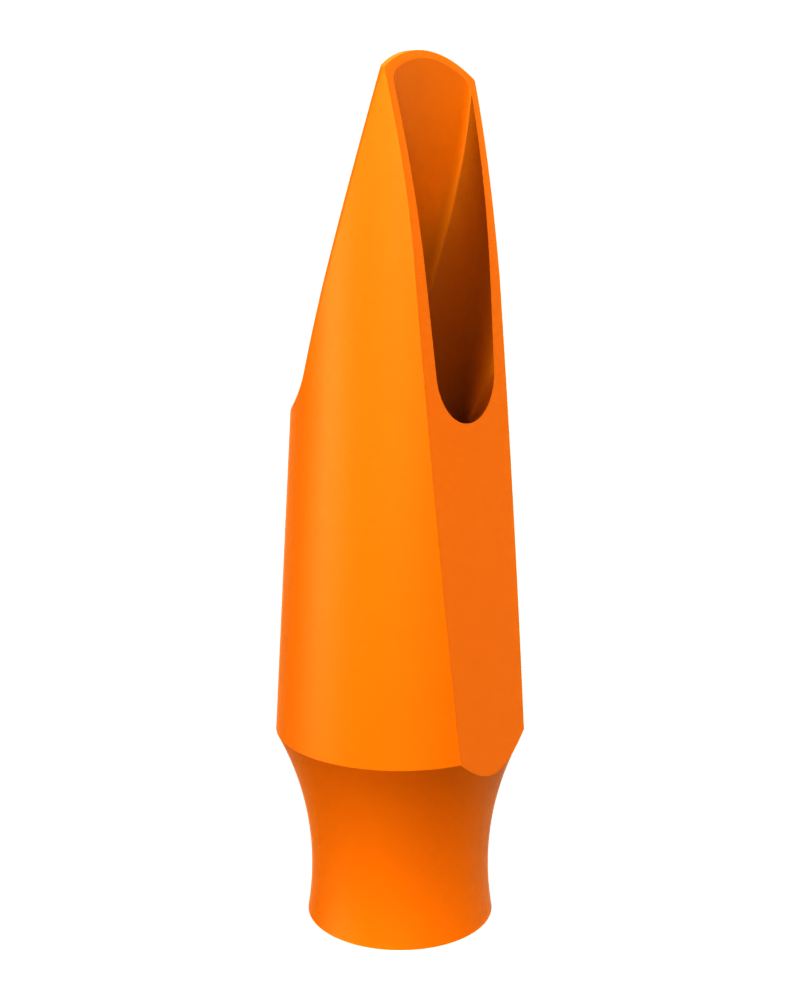
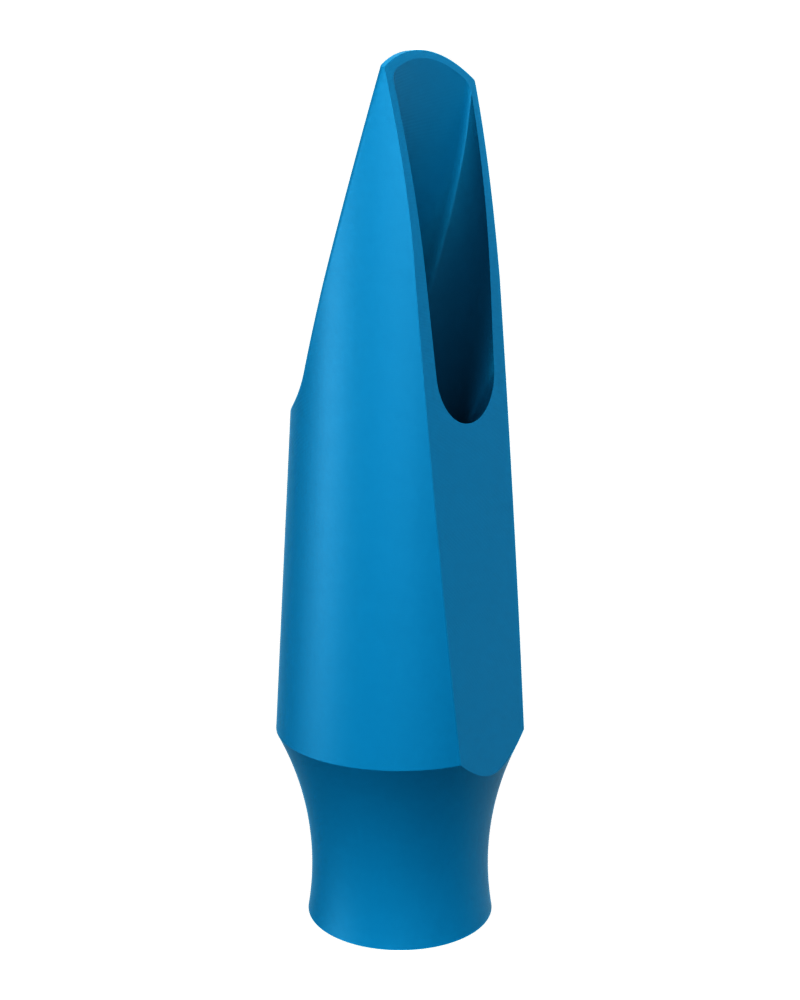
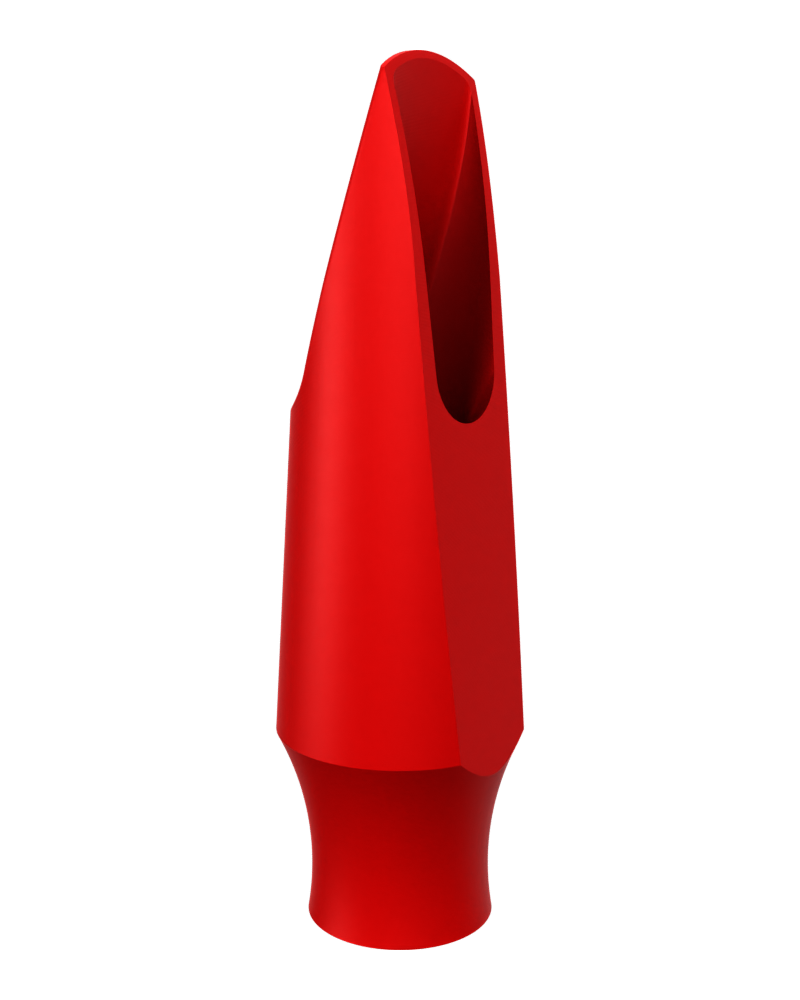
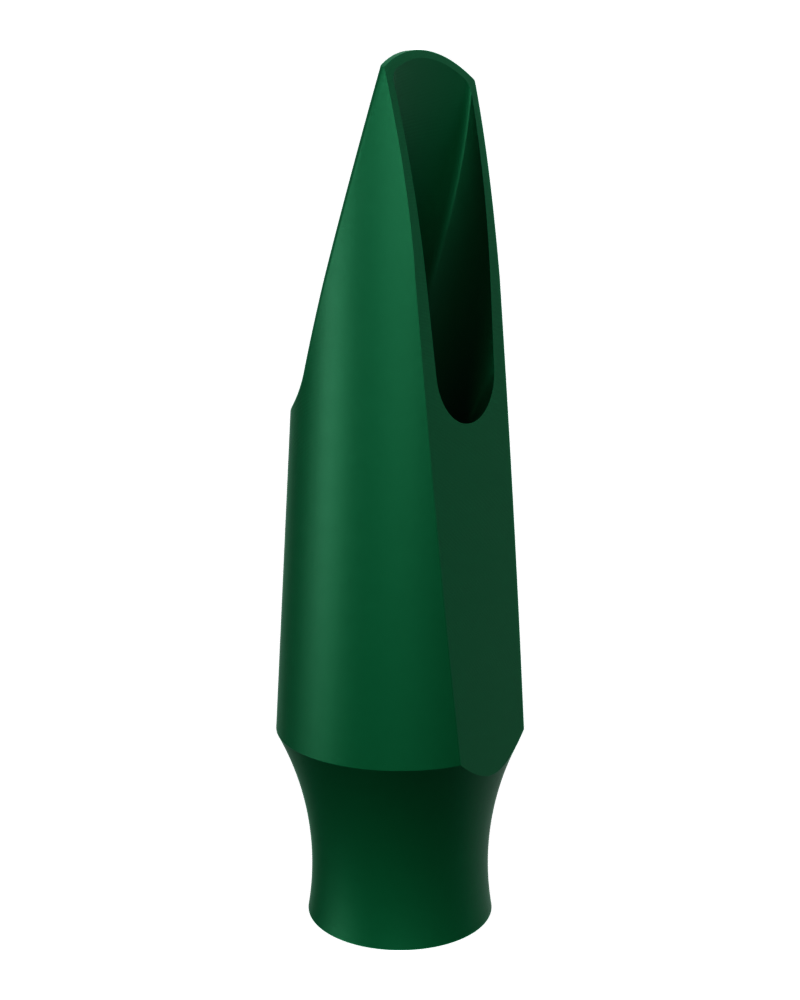
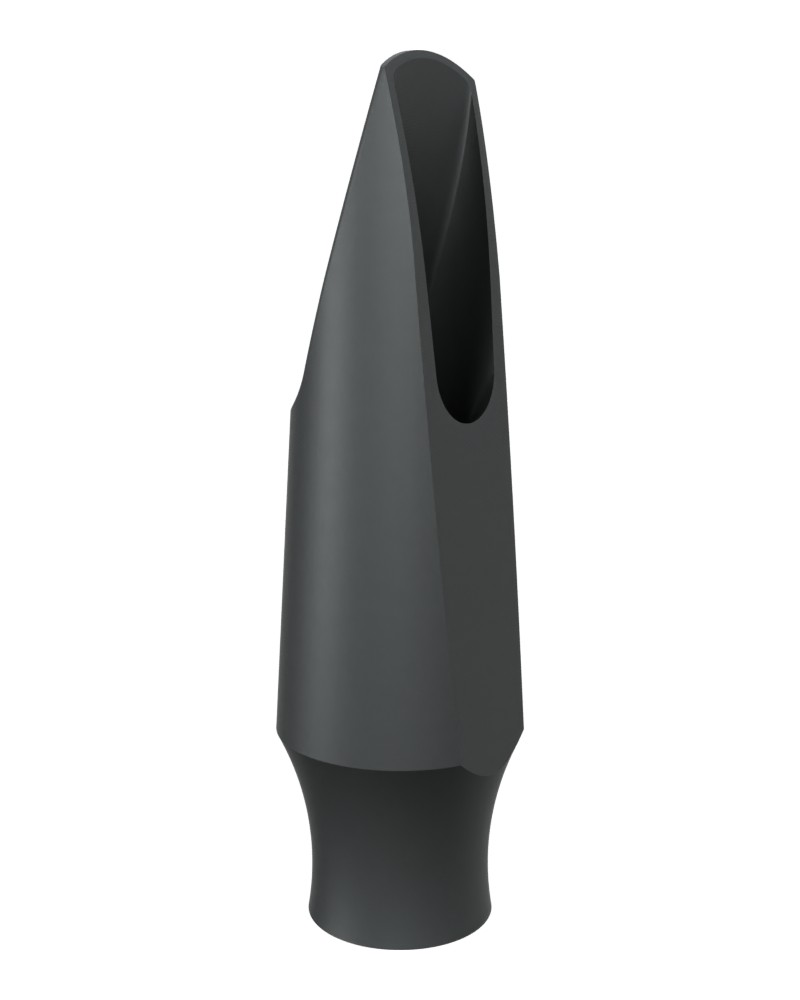
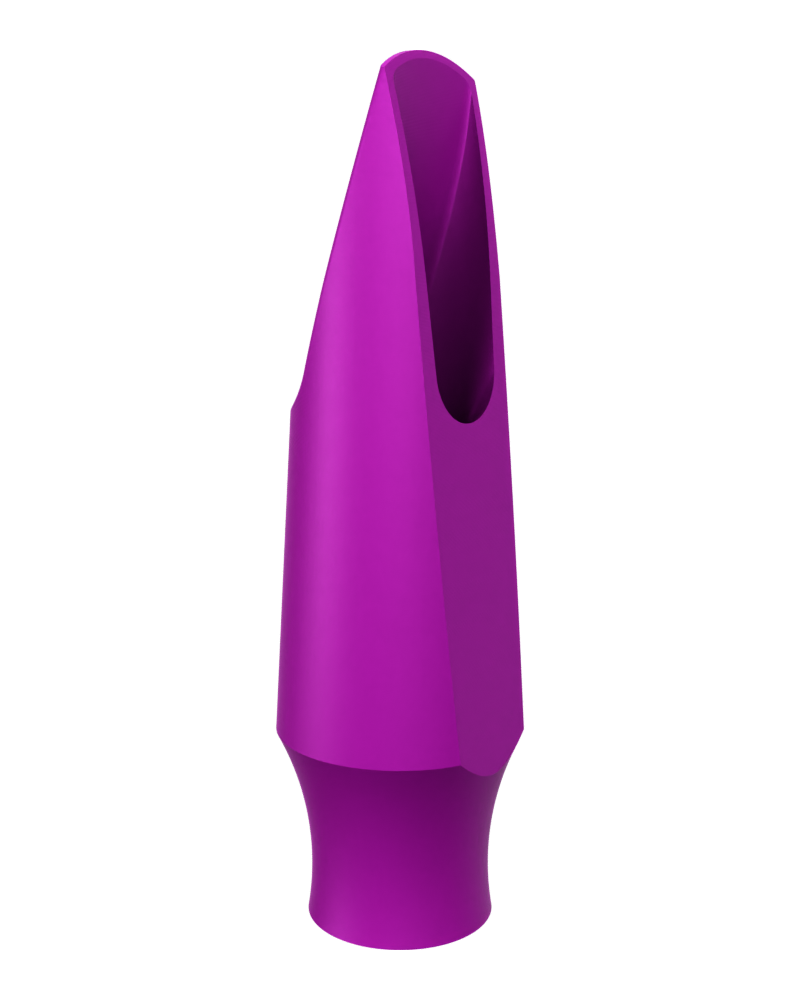
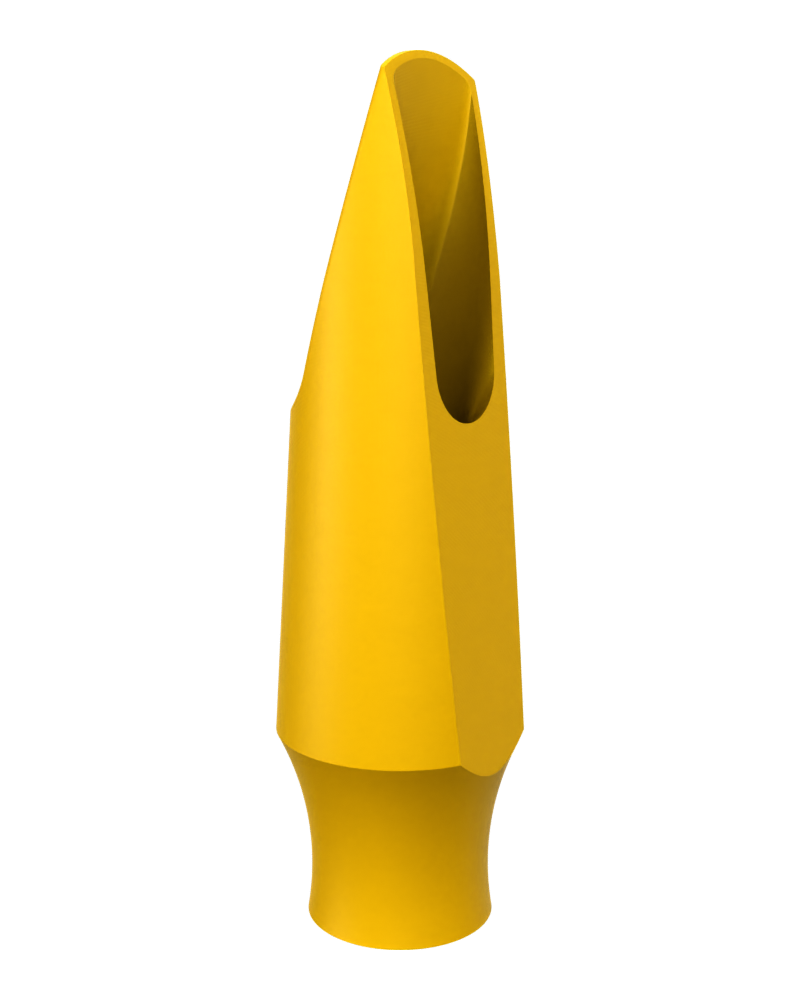
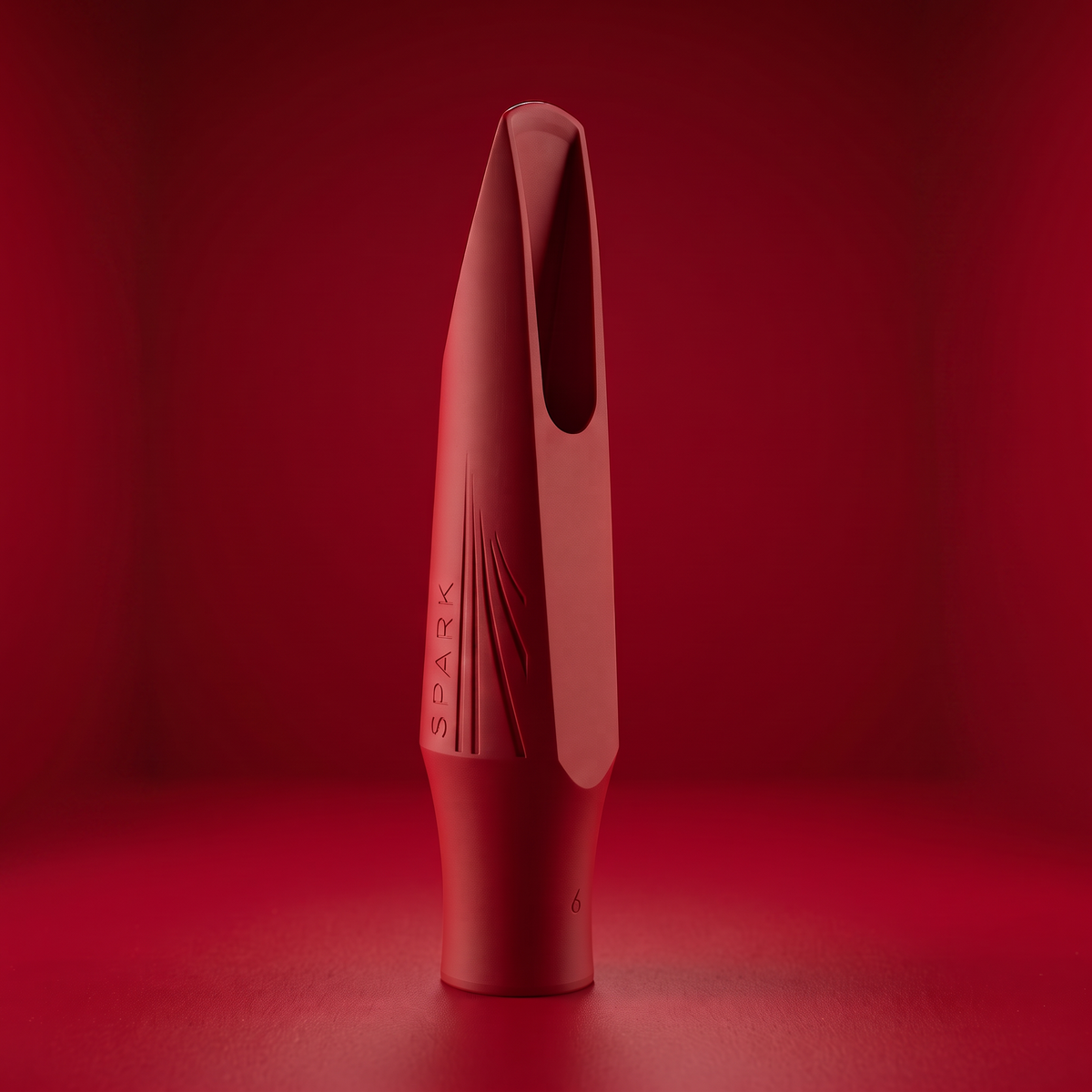
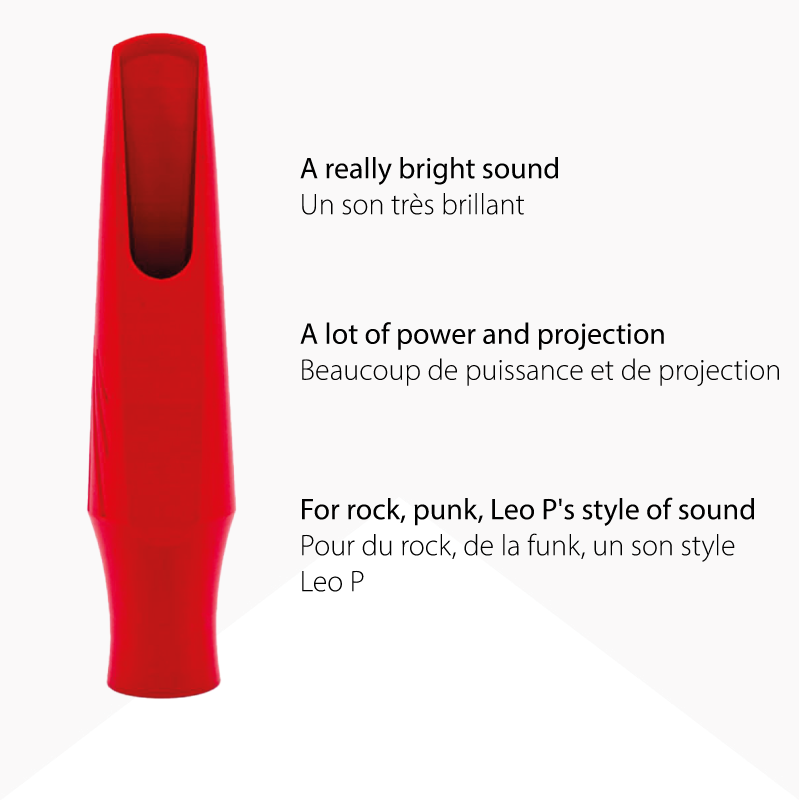
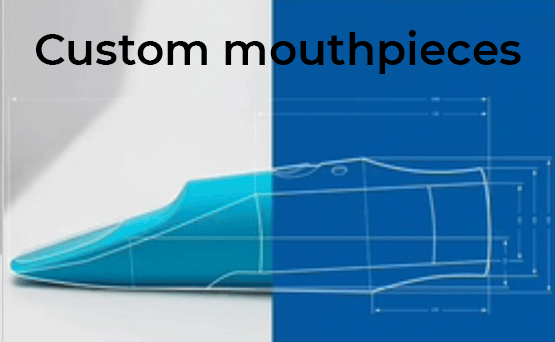
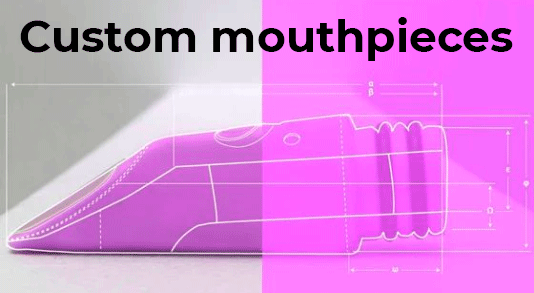
Curtis’s setup includes a custom Syos mouthpiece with a very wide tip opening and extremely soft E-flat clarinet reeds (strength #1) which lets him explore wildly flexible pitches, getting lost and finding his way by ear. Accepting everything that comes out makes the process deeply personal and endlessly fascinating.
You can also see Curtis cycle through these instruments in live performance and demonstration in this extended trailer for his latest project, The True Story of Bears and the Invention of the Battery:
For Curtis, instruments are reminders of risk, curiosity, and the freedom to make personal choices. Each case he opens carries the history of uncertainty, failure, and discovery that led him there.
After decades of practice and performance, Curtis finds himself more excited than ever to continue learning.
Bright moments, indeed.
At Syos, we believe every player deserves the freedom to pursue their own sound. That belief is shared by Caleb Wheeler Curtis, who uses a custom SYOS mouthpiece as part of a setup built around curiosity, flexibility, and listening by ear rather than convenience. You can choose a design that supports your sound goals, select a color that feels right in your hands, and explore it fully in real playing situations. If it does not suit you, our 30-day free trial gives you the space to discover what truly works for you.