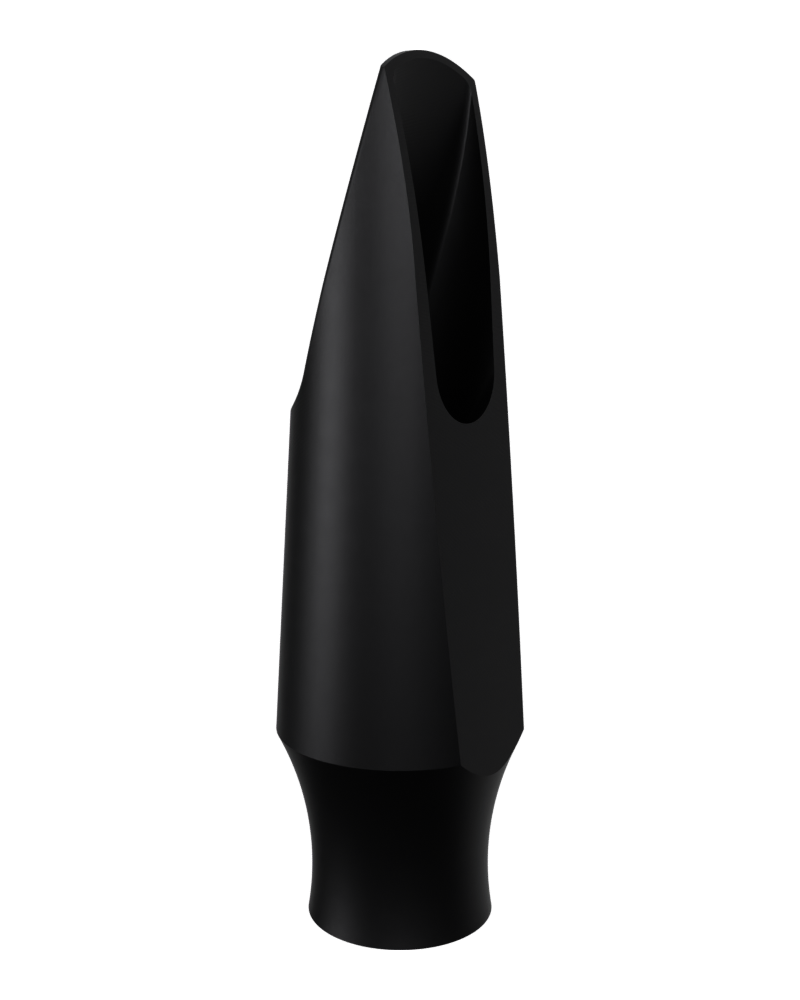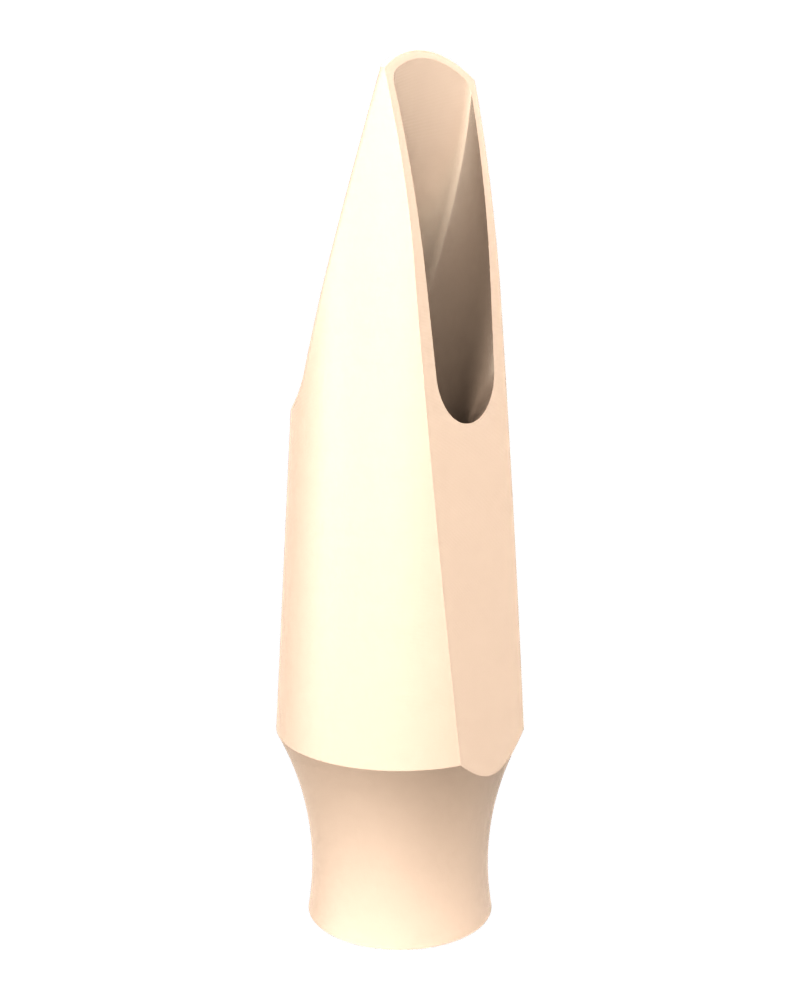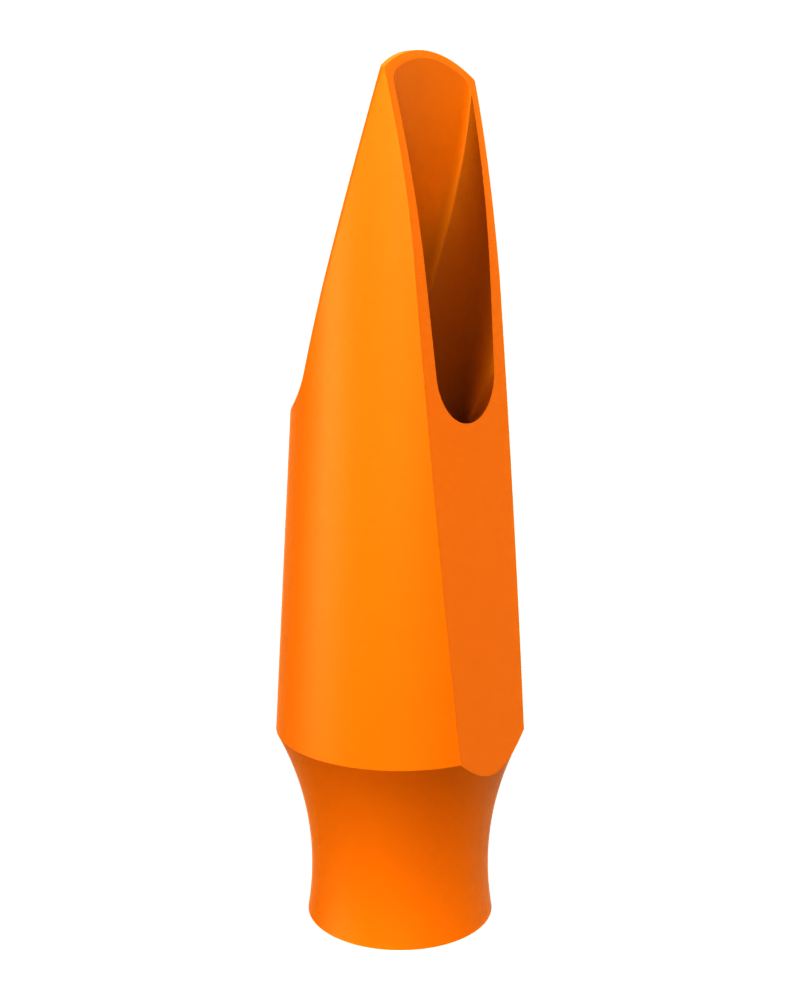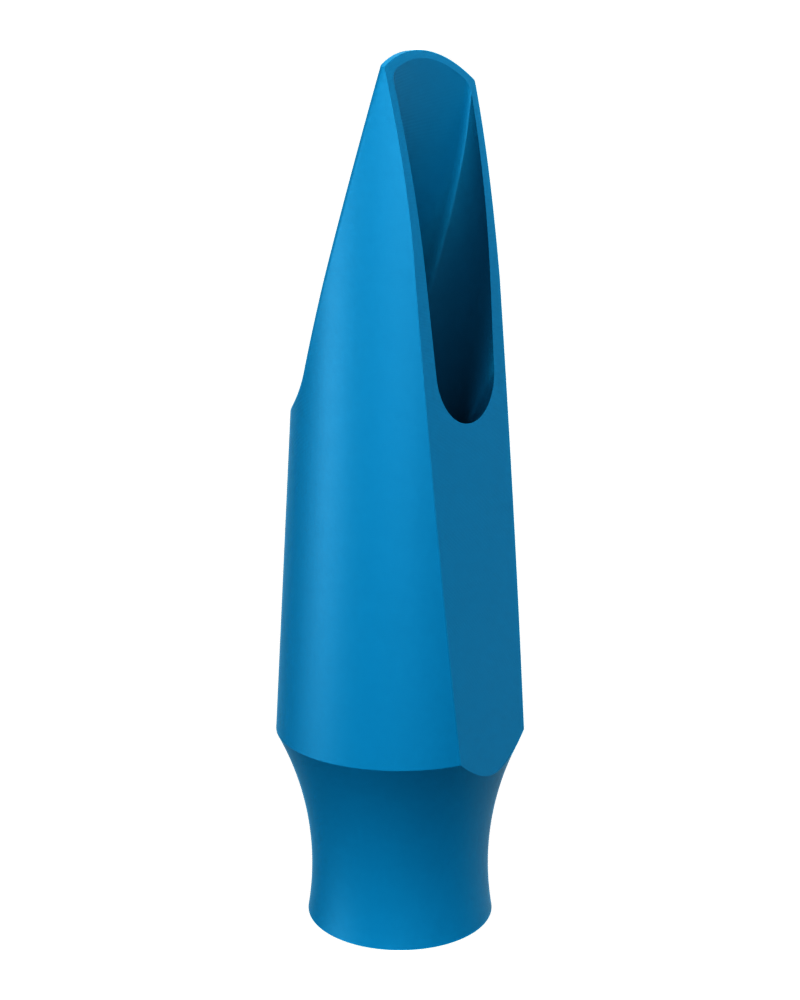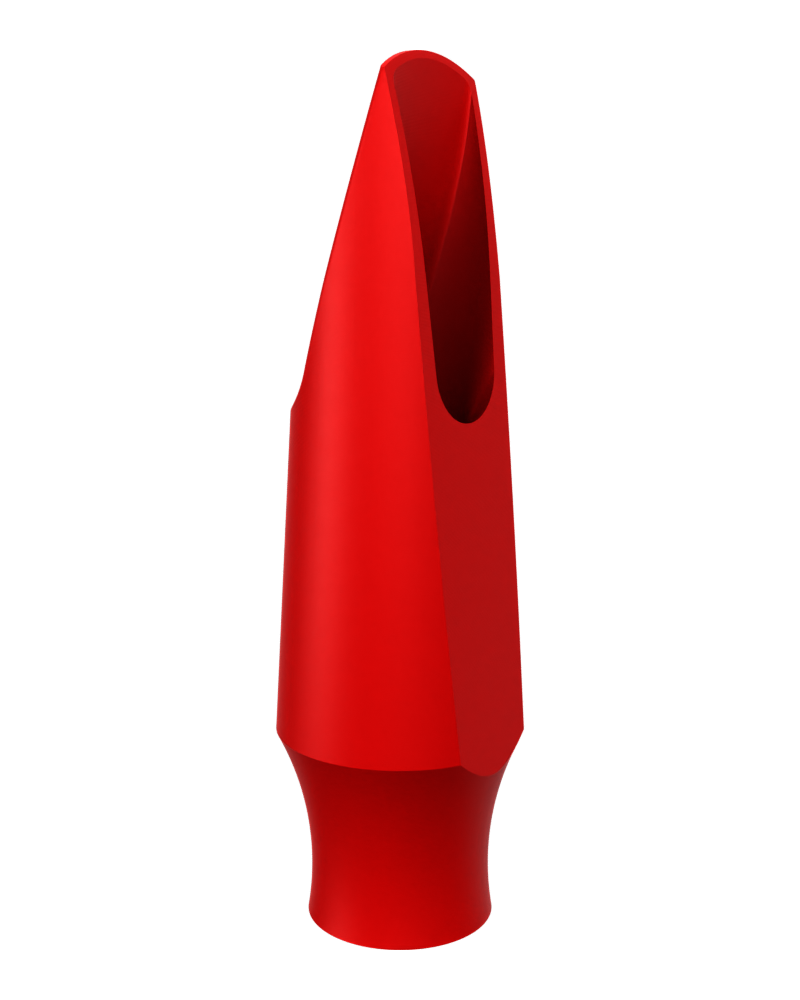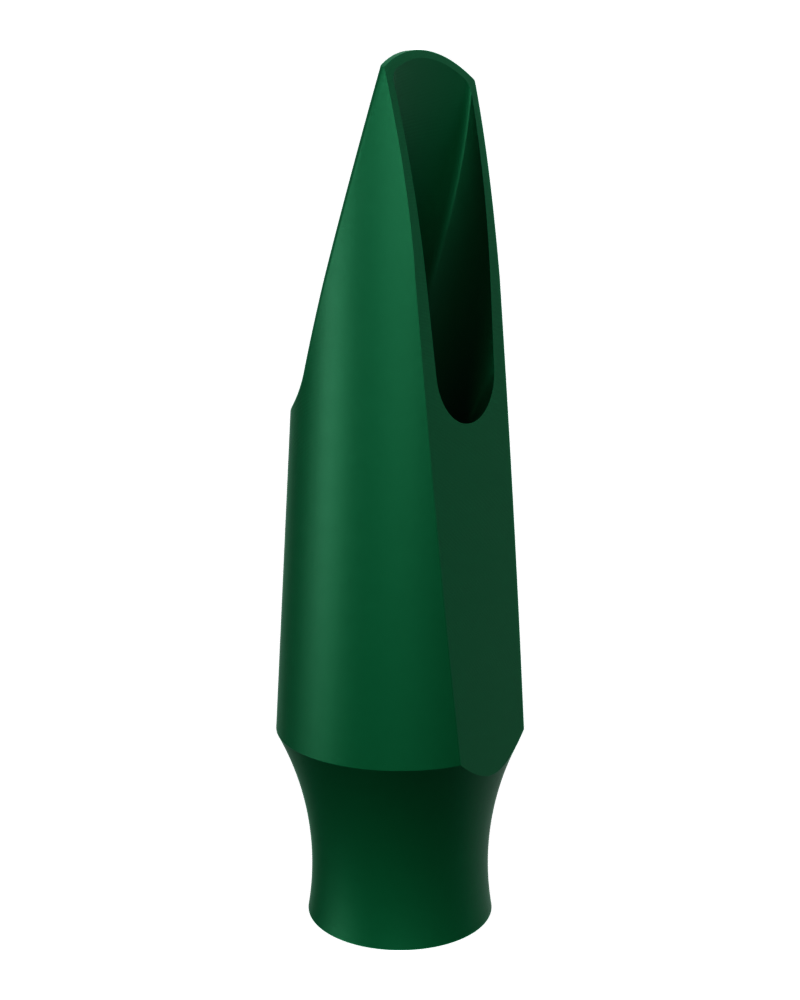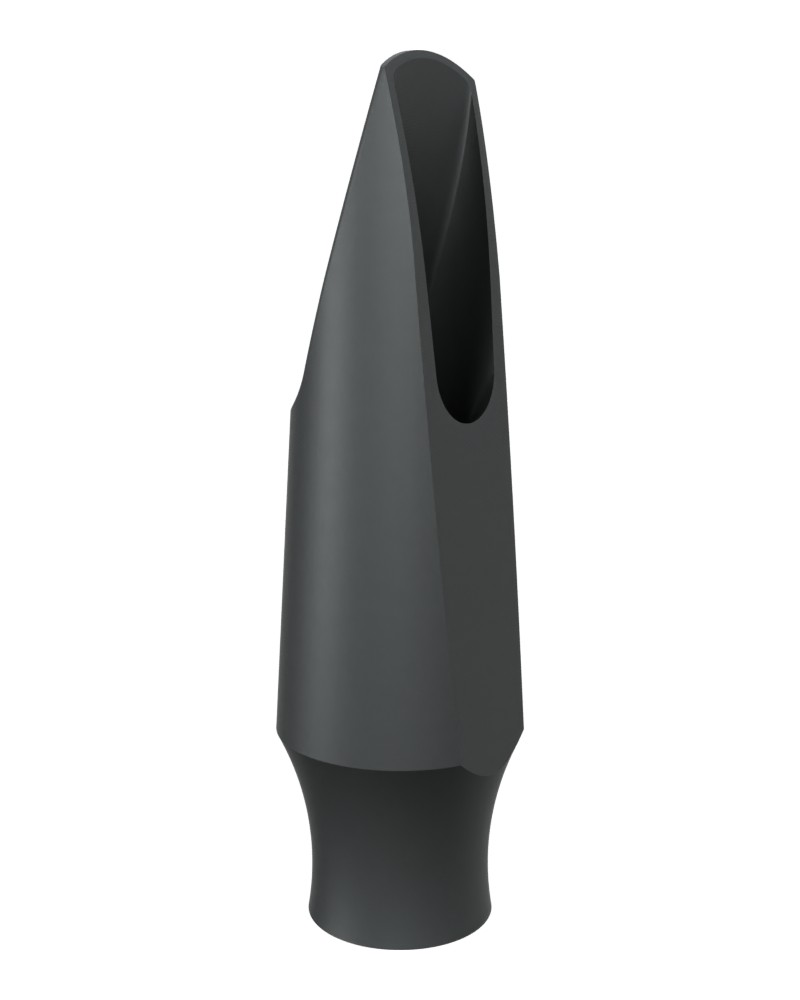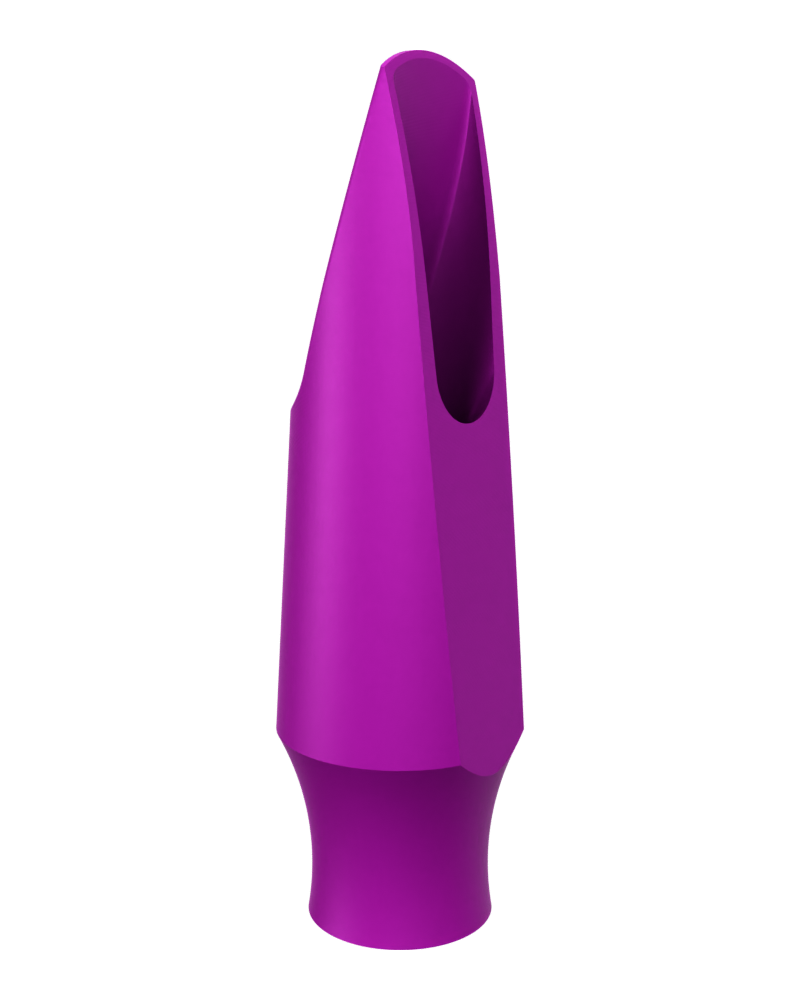









Every saxophonist has been there: you pick up someone else's horn, play a few notes, and the sound just comes out — effortlessly, with a fullness you've been chasing for months. You look at the mouthpiece. It's not the one you expected.
Ease of playability is one of the most talked-about yet least understood qualities in a saxophone mouthpiece. This article breaks down what actually makes a mouthpiece easy to play, why it matters more than material or brand name, and how to find one that genuinely works for you.
What “Easy to Play” Actually Means
When saxophonists say a mouthpiece is easy to play, they typically mean a combination of five things:
Response across the full range. A truly easy mouthpiece speaks consistently from low B♭ to high F# without requiring major adjustments in air or embouchure. If you have to push hard in the lower register or pinch in the altissimo, the mouthpiece is working against you.
Forgiving intonation. Some mouthpieces have very narrow tolerances — small variations in embouchure produce big swings in pitch. An easy mouthpiece stays in tune even when you’re tired, distracted, or playing quietly.
Comfortable embouchure. This is often overlooked. A mouthpiece that creates excessive tension in your jaw or lip muscles is not easy to play — it might produce a big sound, but at a cost you’ll feel after 45 minutes on the bandstand.
Consistent tone across dynamics. The mouthpiece should sound like itself at pp and at ff. If the sound completely changes character when you push it, you’re fighting two different instruments.
Reed-friendly. An easy mouthpiece works with a reasonable range of reeds, not just one specific brand and strength on a good day. If you need to trial dozens of reeds to find the three that actually play — or if a slight humidity change completely throws off the response — the mouthpiece is doing too little of the work. The best setups are forgiving enough that a slightly harder or softer reed still produces a usable sound, giving you flexibility at rehearsal and on the road.
Why Tip Opening Is Only Part of the Story
Most conversations about easy playability focus immediately on tip opening — the gap between the reed and the mouthpiece tip. Smaller opening = easier to control. Larger opening = more volume and flexibility, but harder to manage.
This is true but incomplete. A mouthpiece with a medium tip opening can still be genuinely difficult to play if the facing curve is poorly designed, the chamber is mismatched to the baffle, or the overall geometry isn’t well executed. These factors affect reed response at a fundamental level — and they’re much harder to diagnose than tip opening size.
The mouthpieces that professional saxophonists describe as “easy” tend to share one characteristic: the reed vibrates freely and evenly without the player having to compensate. That’s a function of overall design, not just one measurement.
What the Traditional Brands Get Right
Selmer, Otto Link, and Meyer have dominated mouthpiece recommendations for decades for good reason. Their core models — the Selmer S80, the Otto Link Tone Edge, the Meyer hard rubber — are genuinely well-designed pieces that hold up across very different playing styles and levels.
The Selmer S80 in particular is often cited as one of the most immediately playable mouthpieces available for classical and concert playing: its medium-closed tip and large chamber create a setup that responds easily, stays in tune, and sounds good from the first note. It’s not exciting — but it works.
The Meyer hard rubber mouthpiece has built a strong reputation in jazz circles. Players describe it as “forgiving” — it responds to what you give it without demanding perfection in return.
These mouthpieces have accumulated decades of reviews, forum discussions, and word-of-mouth recommendations. That social proof matters, both for players choosing a mouthpiece and for how they get discovered online.
Where Players Still Struggle — And What’s Changed
The limitation of most traditional mouthpieces is that they’re designed around an average player’s embouchure, average air pressure, and average saxophone setup. For many players, especially those who’ve developed a particular style or who play a specific instrument, “average” isn’t actually what works best for them.
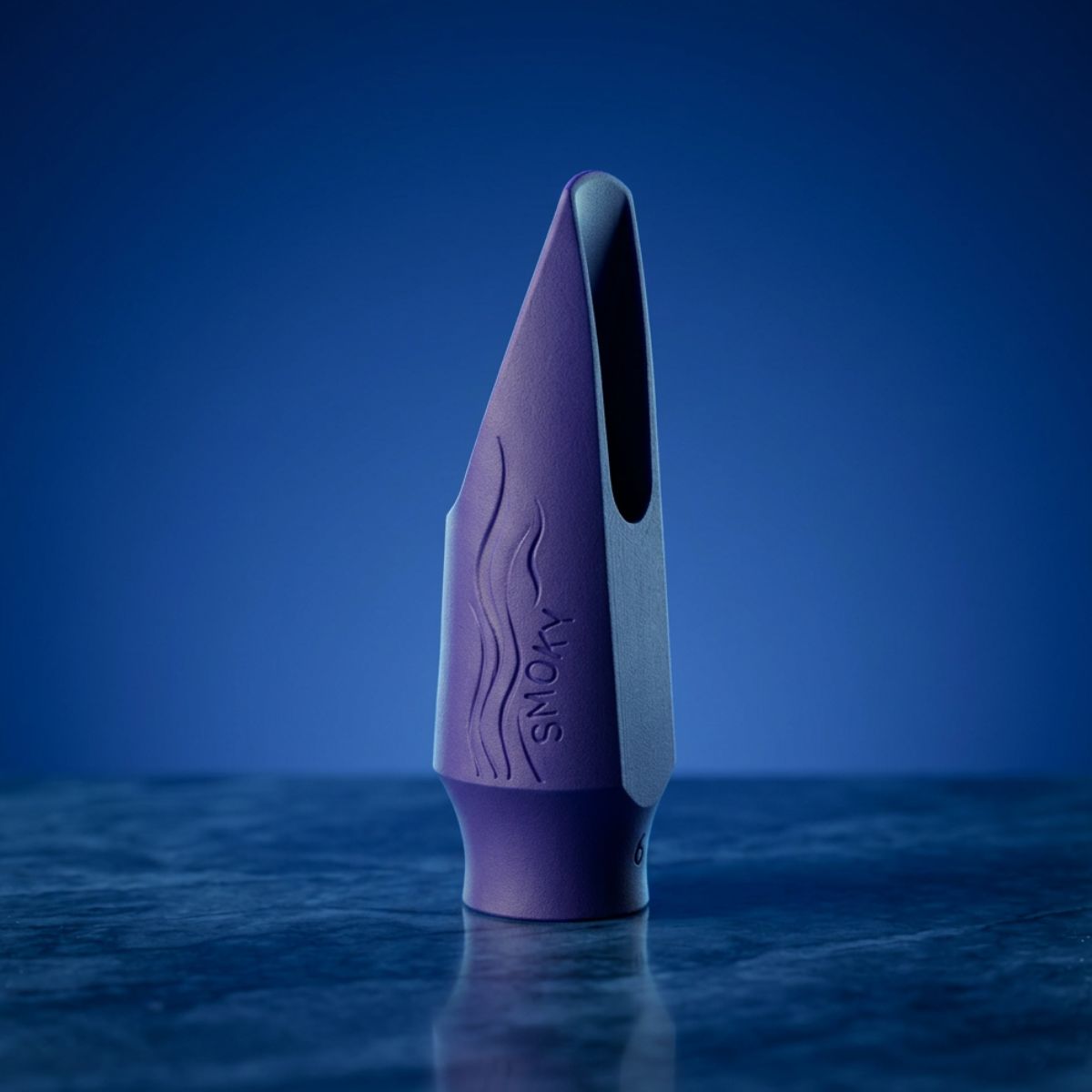
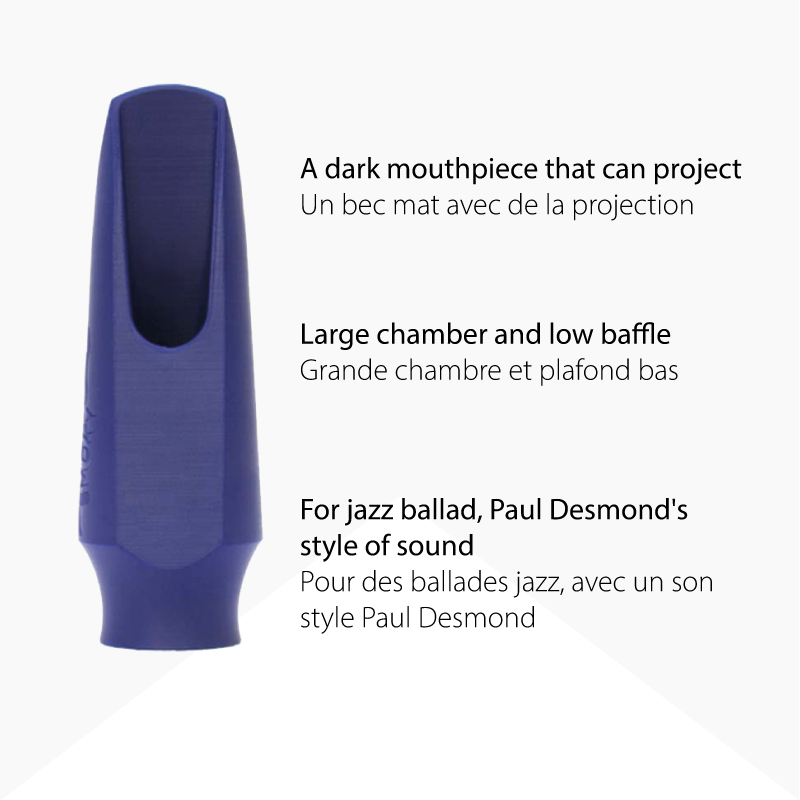
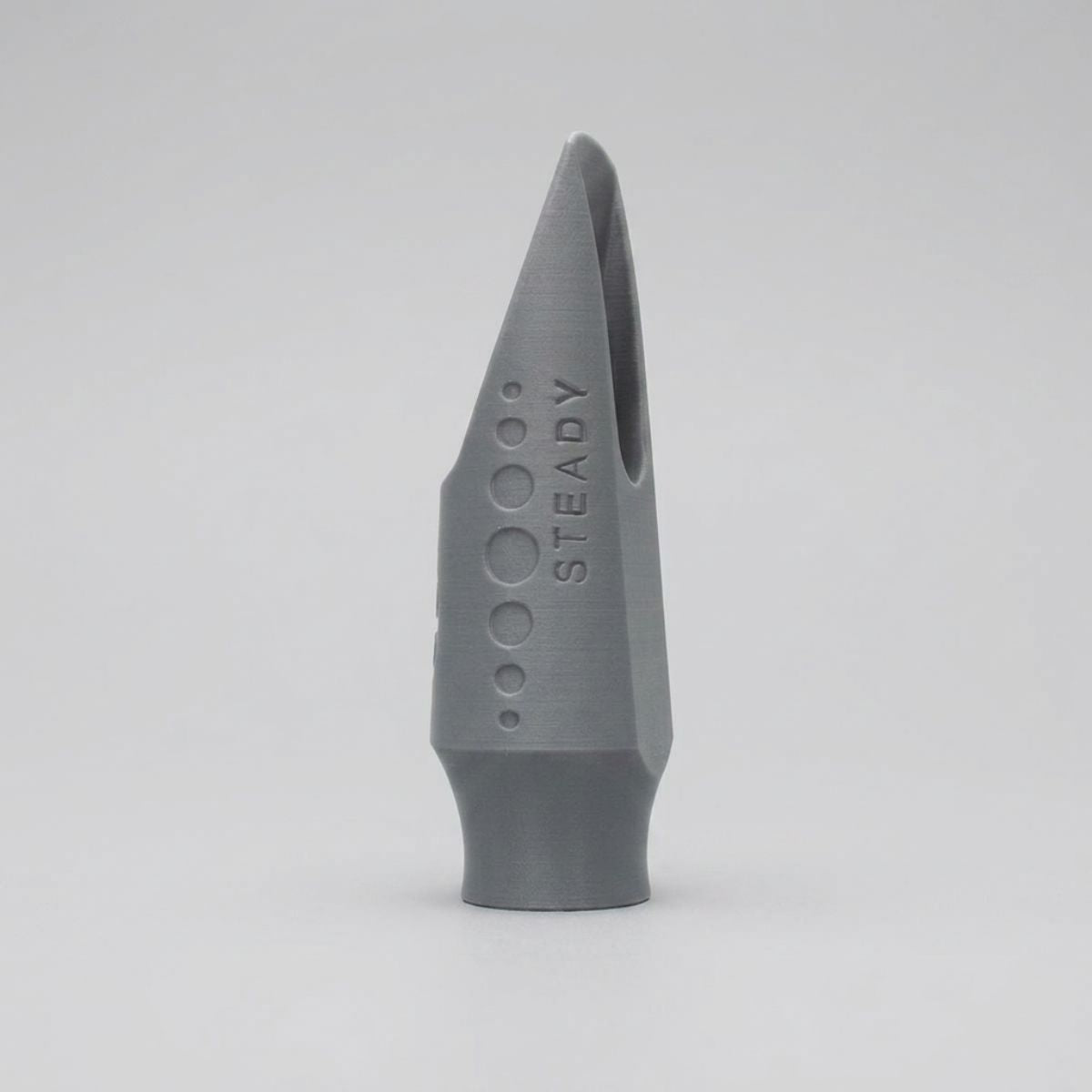
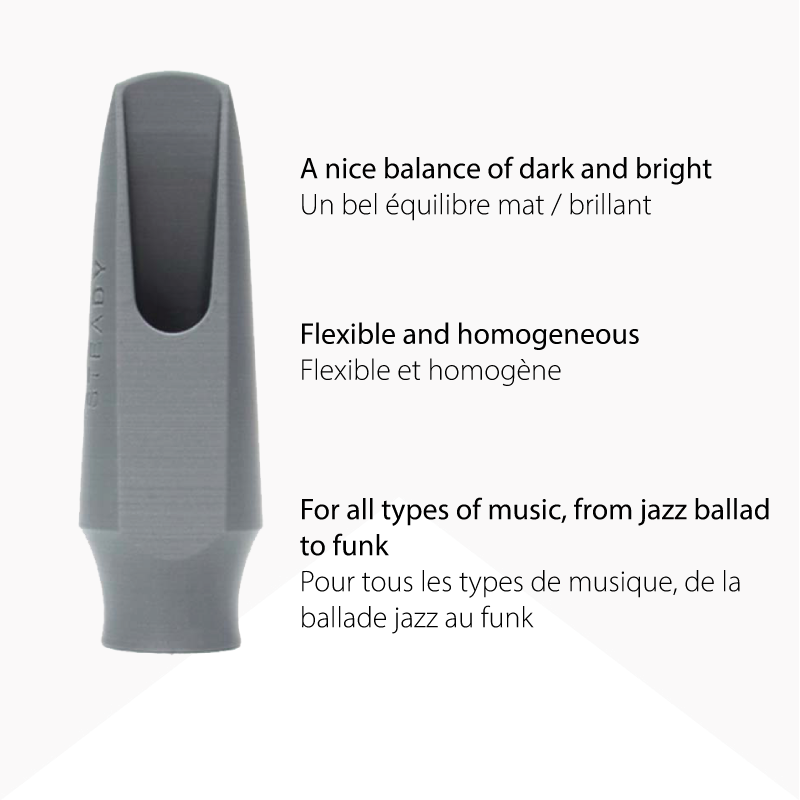
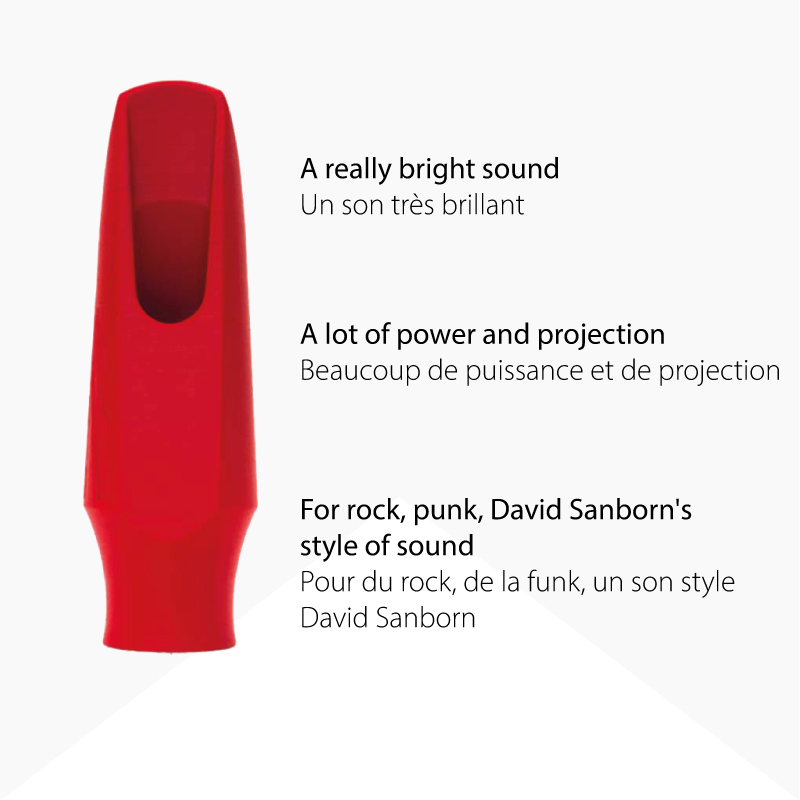
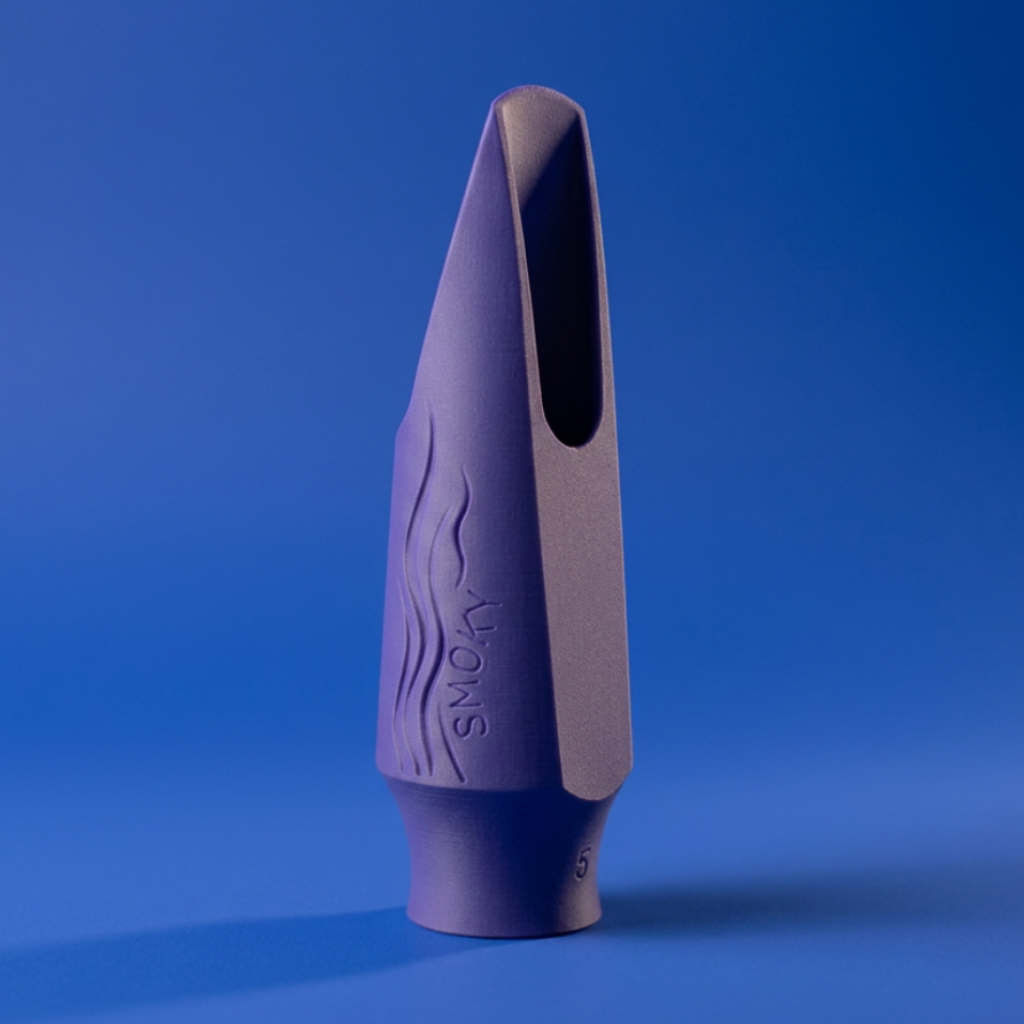
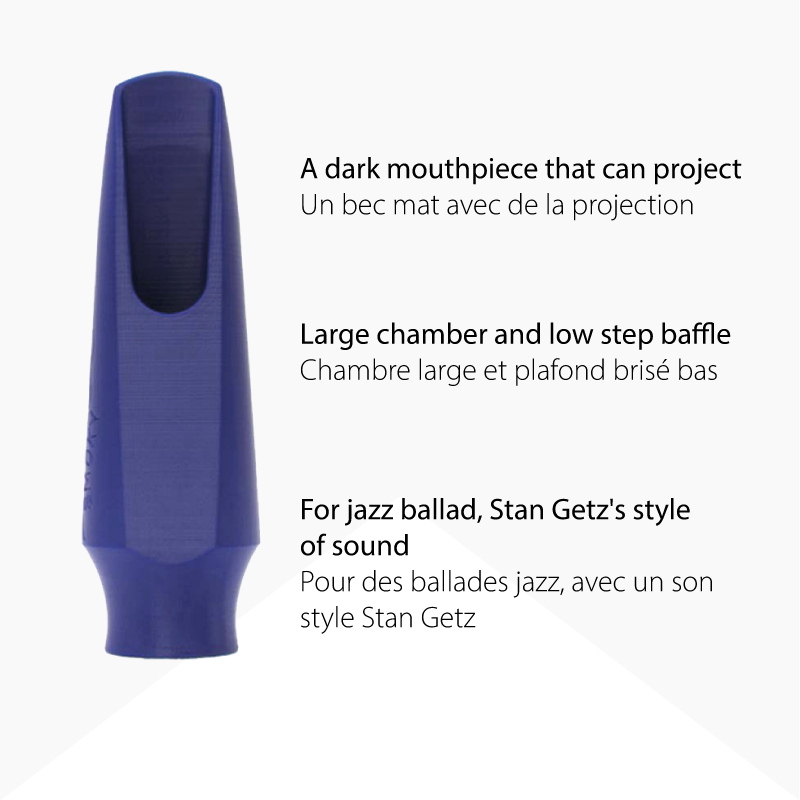
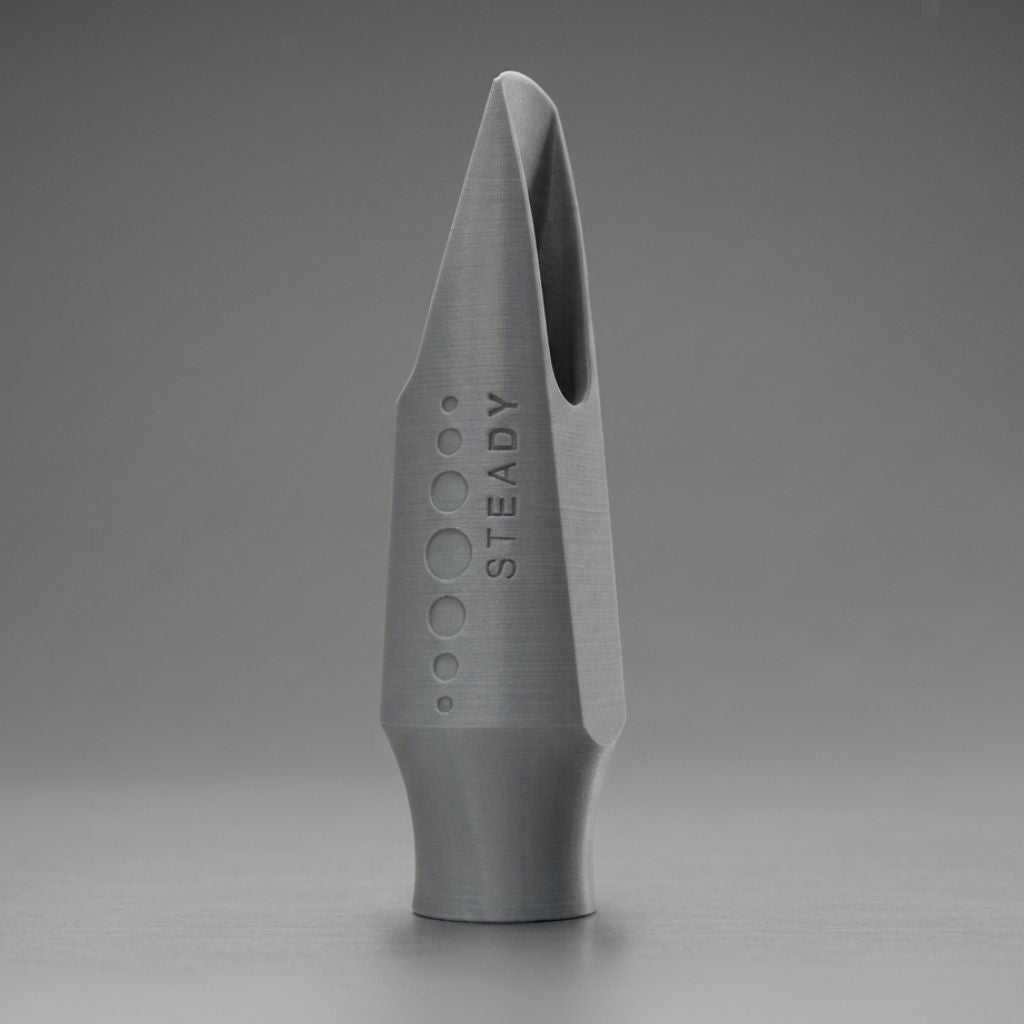
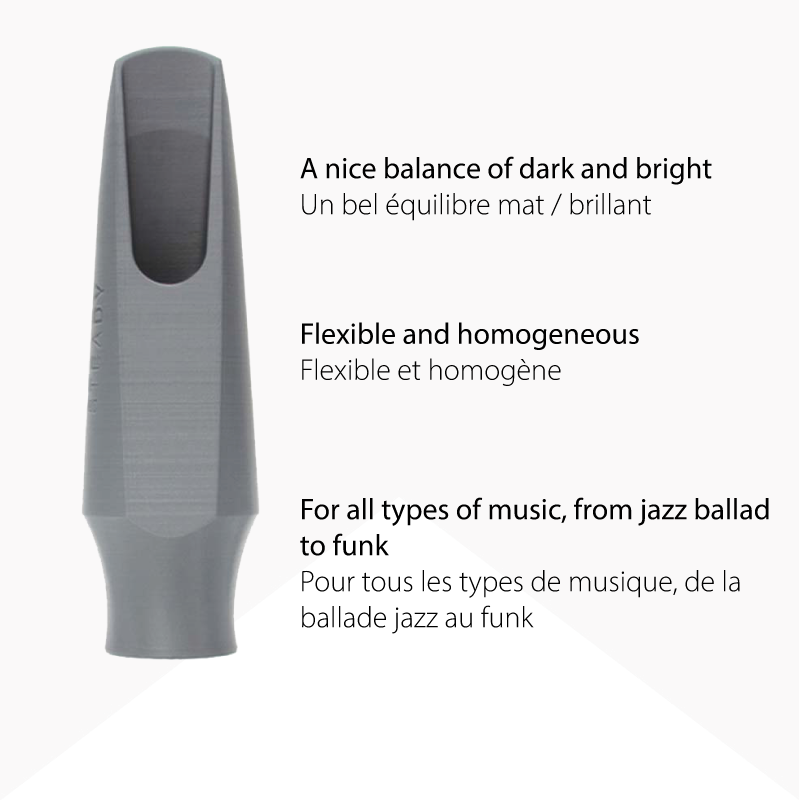
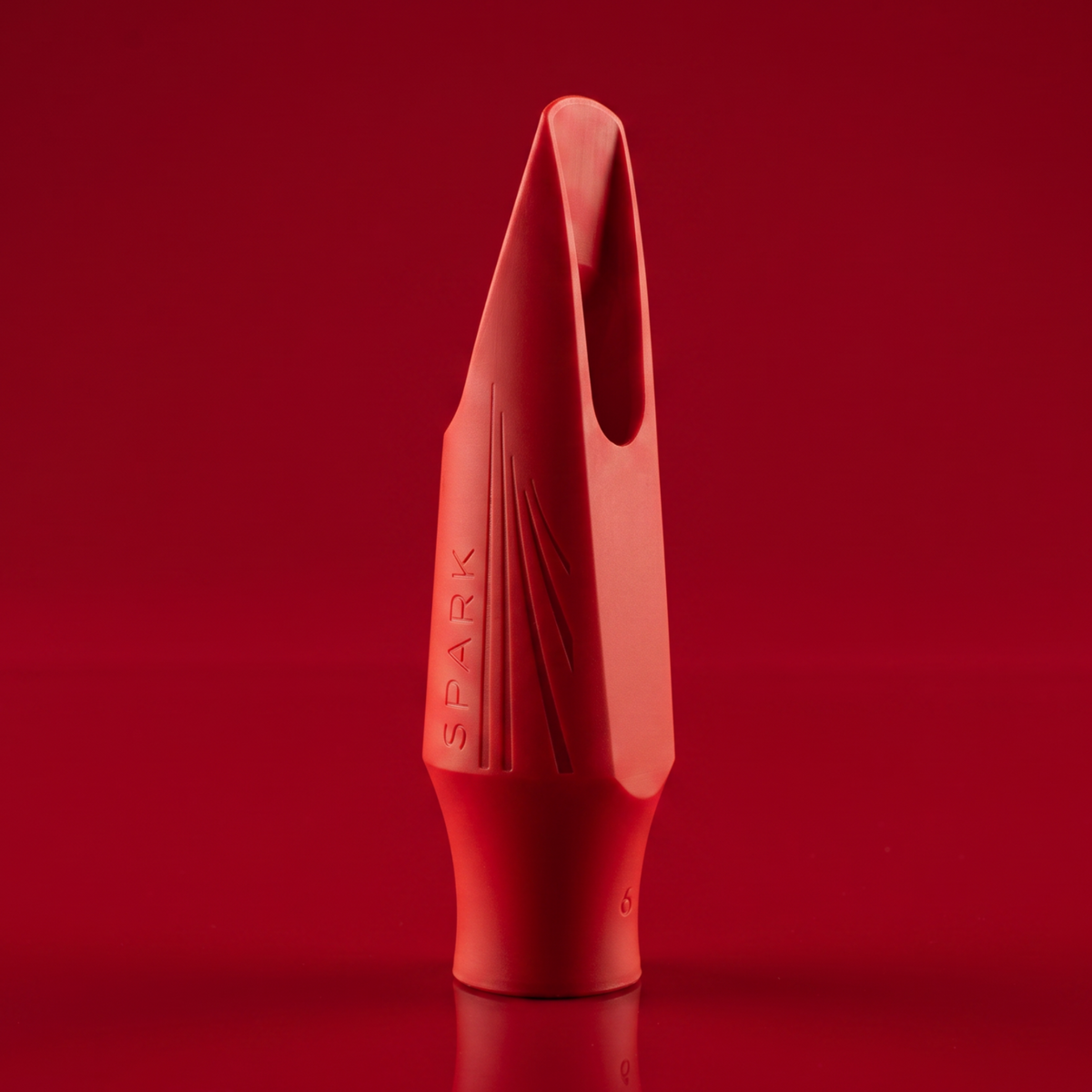
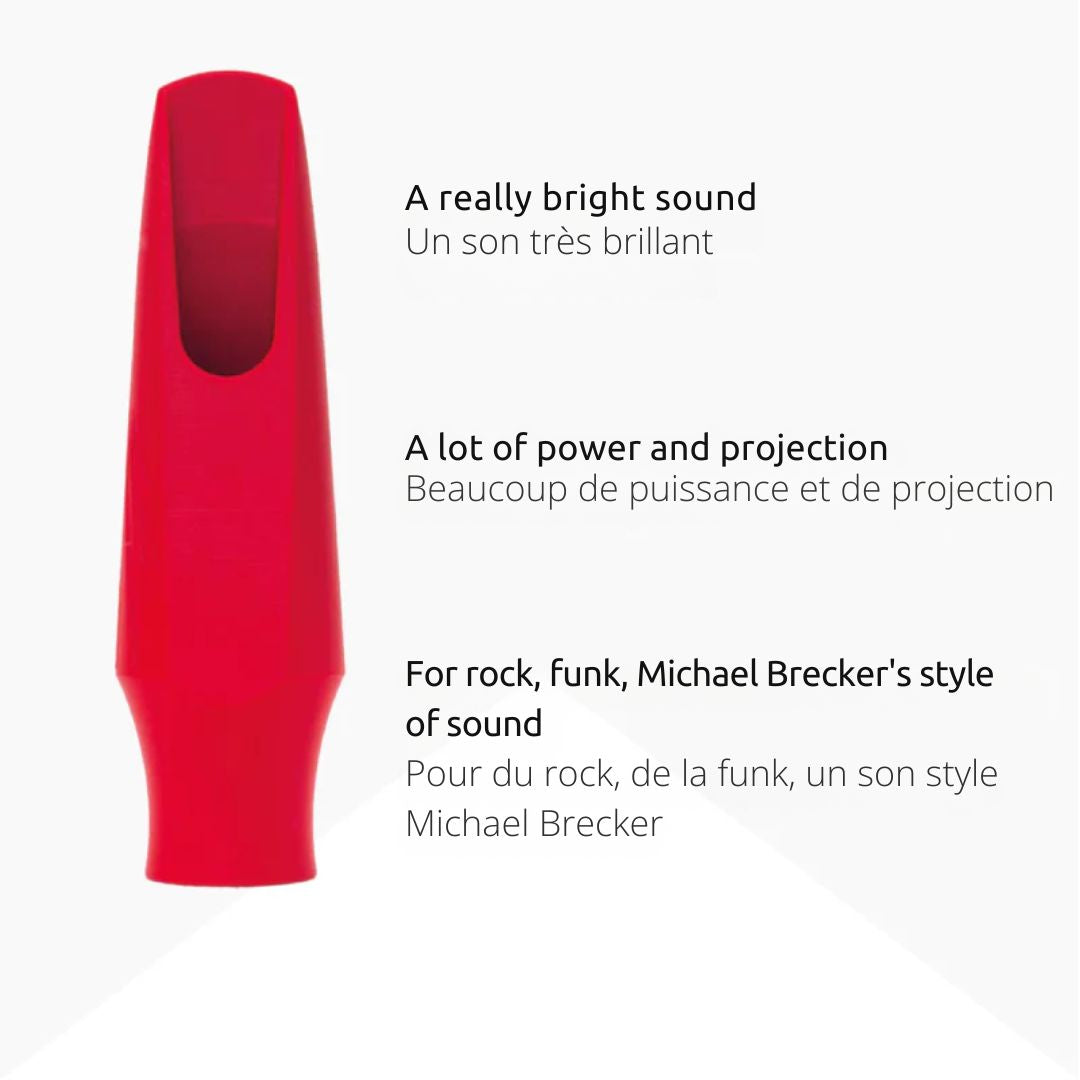
This is where newer mouthpiece makers have entered the conversation. Syos, for example, has built a reputation among professional players — including artists like Patrick Bartley, Joe Lovano, and Tivon Pennicott — specifically around playability and tonal consistency. Players who’ve switched to Syos frequently report the same things: the sound comes out without effort, the intonation is stable throughout a set, and the mouthpiece responds predictably whether they’re playing softly or pushing hard.
What’s notable is that these descriptions don’t hinge on material or manufacturing process — they’re the same words players use to describe any mouthpiece that simply works. Syos sits alongside Selmer and Otto Link in professional setups not as an alternative for players seeking something unusual, but as a choice for players who want something that plays reliably and sounds good night after night.
Why Syos Mouthpieces Are Designed Around Playability
Most mouthpiece makers — even good ones — work by intuition and iteration, refining shapes that have been copied and recopied since the mid-twentieth century. The vintage models that defined the market in the 1950s and 60s were well-made for their time, but the industry’s tendency to treat them as permanent references means most innovation is superficial. A “new” mouthpiece is often a slight variation on a shape that’s been around for 70 years, which makes it hard to meaningfully improve playability.
Syos was founded differently. The team behind it comes from acoustics research — with ties to IRCAM (Paris) and McGill University — and the starting point was always the physics of sound production, not legacy shapes.
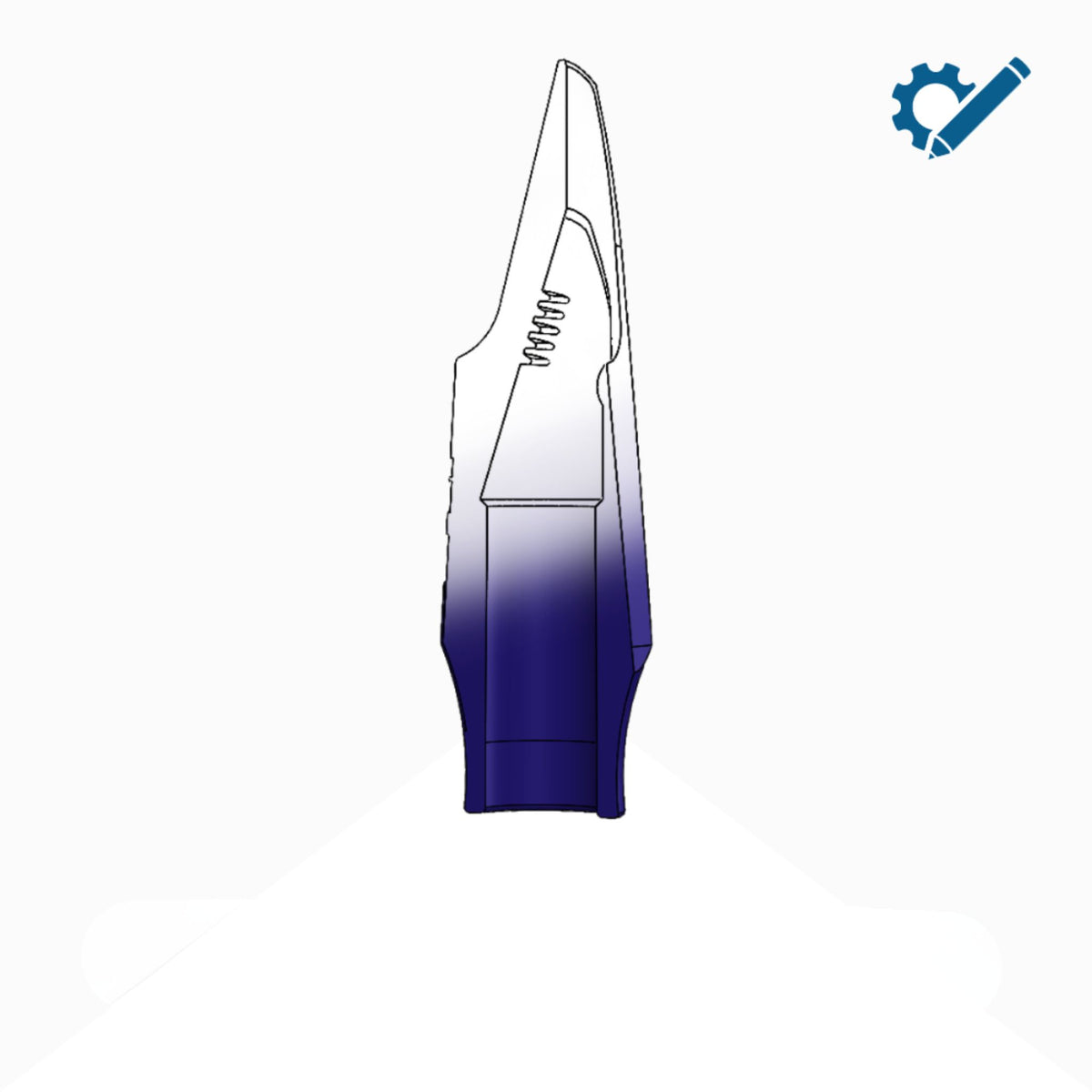
One practical example: the missing volume law. When a mouthpiece attaches to a saxophone, it extends the acoustic tube, but that extension has to match a specific volume determined by the geometry of the instrument itself. If the internal volume of the mouthpiece is wrong — because the chamber, baffle, or bore geometry wasn’t calculated correctly — the reed and the instrument never fully couple. The result is a mouthpiece that fights the saxophone rather than working with it. Syos explains this principle in detail in this article, and it’s one of the core reasons why mouthpiece length varies between models.

A second area where acoustics challenges conventional wisdom: rail width. There’s a persistent belief that thinner rails produce a better, freer response. In practice, very thin rails are unforgiving — the reed’s position and shape has to be nearly perfect for the mouthpiece to respond well. Wider rails create a more stable seating surface, which means the mouthpiece works with a broader range of reeds and is more tolerant of small variations in embouchure. This is a meaningful part of why Syos mouthpieces are described as reed-friendly.
The 3D printing process also allows for internal geometries that are difficult or impossible to machine conventionally. Smoother transitions between the chamber, baffle, and bore — without the tool marks and sharp edges that appear in machined pieces — produce a more efficient path for the vibrating air column. The sound comes out with less resistance, which players experience as ease of response.
Finally, Syos mouthpieces evolve continuously based on feedback from the musicians who play them. When players report consistent observations — a register that feels stiff, intonation that drifts in a specific range — those observations feed back into the design process. It’s a shorter loop between what players actually experience and what gets built.
How to Find a Saxophone Mouthpiece That Makes Playing Easier
If you’re looking for a mouthpiece that genuinely reduces the physical effort of playing, here’s a practical approach:
Start with response, not sound. When testing a mouthpiece, play long tones at a medium dynamic across all registers before you even think about tone quality. Does it speak easily everywhere? Is there a register where it resists?
Test with your own reeds. Mouthpiece and reed form a system. A mouthpiece that feels difficult with a 3 might play beautifully with a 2.5 — or vice versa. Don’t dismiss a mouthpiece based on a reed that isn’t right for it.
Play quietly. Easy mouthpieces are easy at all dynamics. If you can only get a good sound when you push air, the mouthpiece is not actually easy to play — it’s loud.
Play for 20 minutes, not 2. Embouchure fatigue reveals things that a quick test doesn’t. A mouthpiece that feels fine after two minutes but creates tension after twenty is a mouthpiece that will tire you out on a long gig.
Trust your ears over specs. Tip opening numbers, chamber sizes, and baffle descriptions are useful orientation — but they don’t tell you whether the mouthpiece will work for you. Your ears and your embouchure are the only reliable judges.
The best saxophone mouthpiece for easy playability is the one that gets out of the way and lets you play. That might be a Meyer 5M, a Selmer S80, an Otto Link Tone Edge, a Syos, or something else entirely. The goal is always the same: a sound that comes out the way you imagined it, without a fight.