








Here it is: the ten best space albums ever made, from cosmic jazz to actual data beamed back from telescopes. Some reach for the stars as metaphor, a couple were very nearly recorded among them. Let's blast off:
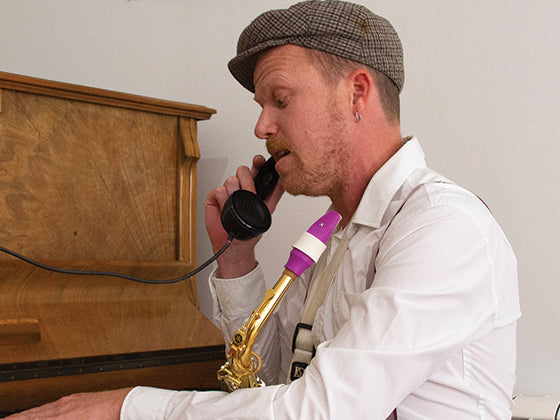
 1. Guillaume Perret — 16 Sunrises (16 Levers de Soleil): Guillaume Perret wrote this one as the soundtrack to a documentary that followed astronaut Thomas Pesquet through his six months aboard the International Space Station. The title nods to the sixteen sunrises you get to watch every day when you're circling Earth every ninety minutes. Perret's electric, restless jazz sits underneath actual recordings from the station and the low frequencies given off by planets, and the centrepiece was played by Pesquet himself, saxophone in hand and feet off the floor, up in the station's glass Cupola.
 2. Sun Ra — We Travel the Space Ways: Recorded in Chicago across sessions roughly between 1956 and 1960 and issued on Sun Ra's own El Saturn label (as LP 409), We Travel the Space Ways is a foundational avant-garde / post-bop jazz album by the cosmic philosopher-bandleader Sun Ra (born Herman Poole Blount, 1914–1993) and his Myth Science Arkestra. Sun Ra built an entire Afrofuturist mythology around claiming Saturn as his home, using outer space as a metaphor for Black liberation and spiritual transcendence. The album's "space chants", including "Interplanetary Music" and the title track embody this cosmic philosophy. The release year is given as 1966 or 1967 depending on the discography, and the record is a compilation of multiple sessions rather than a single unified recording.
 3. David Bowie — The Rise and Fall of Ziggy Stardust and the Spiders from Mars: Released 16 June 1972 by RCA Records, this is Bowie's fifth studio album and a landmark glam-rock record, generally described as a loose concept album / rock opera. It follows Bowie's alter ego Ziggy Stardust, a fictional androgynous, bisexual rock star who serves as an earthly messenger heralding alien "Starmen" before an impending apocalypse. The space connection is lyrical and conceptual, an alien-saviour narrative with songs like "Starman," "Moonage Daydream," "Five Years" and "Ziggy Stardust." Preceded by the single "Starman," the album peaked at No. 5 on the UK Albums Chart and is now routinely ranked among the greatest albums of all time. Note that producer Ken Scott has stated it was never conceived as a strict concept album, with only "Ziggy Stardust," "Lady Stardust" and "Star" explicitly linked.
 4. Brian Eno — Apollo: Atmospheres and Soundtracks: Released 29 July 1983 on EG Records, this seminal ambient album was created by Brian Eno with his brother Roger Eno and Canadian producer Daniel Lanois. It was composed as the score for Al Reinert's documentary about the Apollo program, For All Mankind, which used 35mm NASA footage of the Moon missions; the film itself was not released until 1989. Eno set out to recapture the "grandeur and strangeness" of the Apollo 11 landing, which he felt had been diminished by down-to-earth TV commentary. Pedal-steel "country" textures (e.g. "Deep Blue Day," "Silver Morning") evoke the idea of astronauts as cowboys on a new frontier, as Eno noted that astronauts often took country-and-western cassettes into orbit. "An Ending (Ascent)" has been widely licensed for film and was used in the 2012 London Olympics opening ceremony. A 50th-anniversary edition with eleven new tracks reuniting the original trio was released in 2019.
 5. NASA's Universal Harmonies: Universal Harmonies is an album released 10 March 2023 comprising sonifications, astronomical data converted into sound, of observations from NASA's Chandra X-ray Observatory and other telescopes. It was produced by NASA's "A Universe of Sound" sonification project, led by visualization scientist Dr. Kimberly Arcand, with astrophysicist Dr. Matt Russo and the Canada-based group SYSTEM Sounds. Its 16 tracks translate real telescope data from objects including black holes, supernovae, nebulae and galaxy clusters, among them Cassiopeia A, the Crab Nebula, Sagittarius A*, the Whirlpool Galaxy (M51) and the Eagle Nebula, into music. The explicit purpose is accessibility: allowing blind and low-vision people to experience space images through sound. This is the most literal "space recording" connection on the list, the music being generated directly from astronomical data. Proceeds from sales benefit the Helen Keller Foundation.
 6. Jean-Michel Jarre — Rendez-Vous (1986): Rendez-Vous is the eighth studio album by French electronic pioneer Jean-Michel Jarre, released in 1986 on Disques Dreyfus (licensed to Polydor). The album was the centrepiece of a massive outdoor concert in Houston celebrating the city's 150th anniversary and NASA's 25th. Jarre collaborated with NASA astronaut Ronald McNair, the second African American in space, a physicist with a PhD from MIT, and a jazz saxophonist, who was to perform the saxophone part of the final track live from the Space Shuttle Challenger, which would have made it the first original piece of music recorded in space. On 28 January 1986, Challenger disintegrated 73 seconds after launch, killing McNair and his six crewmates. The closing track was titled "Last Rendez-Vous (Ron's Piece)" and dedicated to the crew; the saxophone part on the album was played by French jazz reedist Pierre Gossez. The Houston concert went ahead on 5 April 1986; Jarre's official account and the Guinness World Record cite roughly 1.3 million attendees (press figures range up to 1.5 million), with Grammy-winning saxophonist Kirk Whalum playing McNair's part at the request of McNair's widow. The album reached No. 9 in the UK and No. 52 in the US, won Instrumental Album of the Year at the Victoires de la Musique, and was nominated for a Grammy for Best New Age Album. Note that McNair had earlier, in 1984, become the first person to play a musical instrument in space (a soprano saxophone), so the "Ron's Piece" plan was to be the first original composition recorded in orbit.
 7. Gustav Holst — The Planets (classical): Holst's seven-movement orchestral suite, Op. 32, was composed between 1914 and 1917, with its private premiere on 29 September 1918 under Adrian Boult before an invited audience of about 250, and its first complete public performance on 15 November 1920 at the Queen's Hall, London, by the London Symphony Orchestra conducted by Albert Coates. Each movement portrays a planet's astrological character (Mars the Bringer of War, Venus the Bringer of Peace, Jupiter the Bringer of Jollity, and so on). Holst's inspiration was astrology rather than astronomy, and the suite excludes Earth and the then-undiscovered Pluto. It is among the most influential orchestral works of the 20th century, echoed in film scores like John Williams' Star Wars and Hans Zimmer's work later for Interstellar and Gladiator, where the harmonic language and rhythmic drive of "Mars, the Bringer of War" in particular has become a template for cinematic depictions of conflict and space. Its DNA runs through decades of soundtrack writing, from the brass-heavy menace of countless sci-fi and war films to the sweeping string passages that owe a debt to "Jupiter." Beyond film, the broad central melody of "Jupiter" was adapted into the patriotic hymn "I Vow to Thee, My Country," giving the suite a second life well outside the concert hall.
 8. Public Service Broadcasting — The Race for Space (electronic/indie): Released 23 February 2015 on the band's own Test Card Recordings, this concept album by the British group Public Service Broadcasting chronicles the US–Soviet space race from 1957 to 1972 using archival audio samples from the NASA audio collection and the BFI National Archive, set to electronic/krautrock-influenced music. It opens with JFK's 12 September 1962 "We choose to go to the Moon" speech at Rice University, then moves chronologically through Sputnik, Yuri Gagarin, the Apollo 1 fire ("Fire in the Cockpit"), Alexei Leonov's first spacewalk ("E.V.A."), Valentina Tereshkova ("Valentina"), Apollo 8's lunar orbit ("The Other Side") and Apollo 11's landing ("Go!"). It reached No. 11 on the UK Albums Chart and No. 1 on the UK Indie Albums Chart, and its vinyl edition was among the best-selling records of 2015 in the UK.
 9. Vangelis — Albedo 0.39 (electronic prog): Released September 1976 on RCA, this concept album by Greek electronic composer Vangelis is themed around space physics. Its title refers to Earth's albedo, the proportion of sunlight a planet reflects back into space, given as 0.39 at the time. The atmospheric title track features spoken narration (by engineer Keith Spencer-Allen) reciting Earth's physical and orbital constants, and the album incorporated NASA Apollo astronaut audio and the British speaking-clock pips. It includes the iconic, much-licensed "Pulstar" (named for a pulsar) and "Alpha," both later used in Carl Sagan's Cosmos. It was Vangelis's first UK Top 20 album, peaking at No. 18. It offers a second electronic option with a "hard science" framing distinct from PSB's archival approach.
 10. Pink Floyd — The Dark Side of the Moon (rock): Released in March 1973, Pink Floyd's eighth album is one of the best-selling and longest-charting albums in history, with more than 45 million copies sold and a record-breaking presence on the Billboard 200. Its title, its "space rock" reputation (built on earlier tracks like "Interstellar Overdrive") and its public unveiling at the London Planetarium give it strong cosmic associations and imagery. Crucially, however, the title is a metaphor for madness/lunacy rather than literal outer space; the band's intent was inner, psychological space, and the album closes with the line "There is no dark side of the moon, really."
Play your own sound 🚀
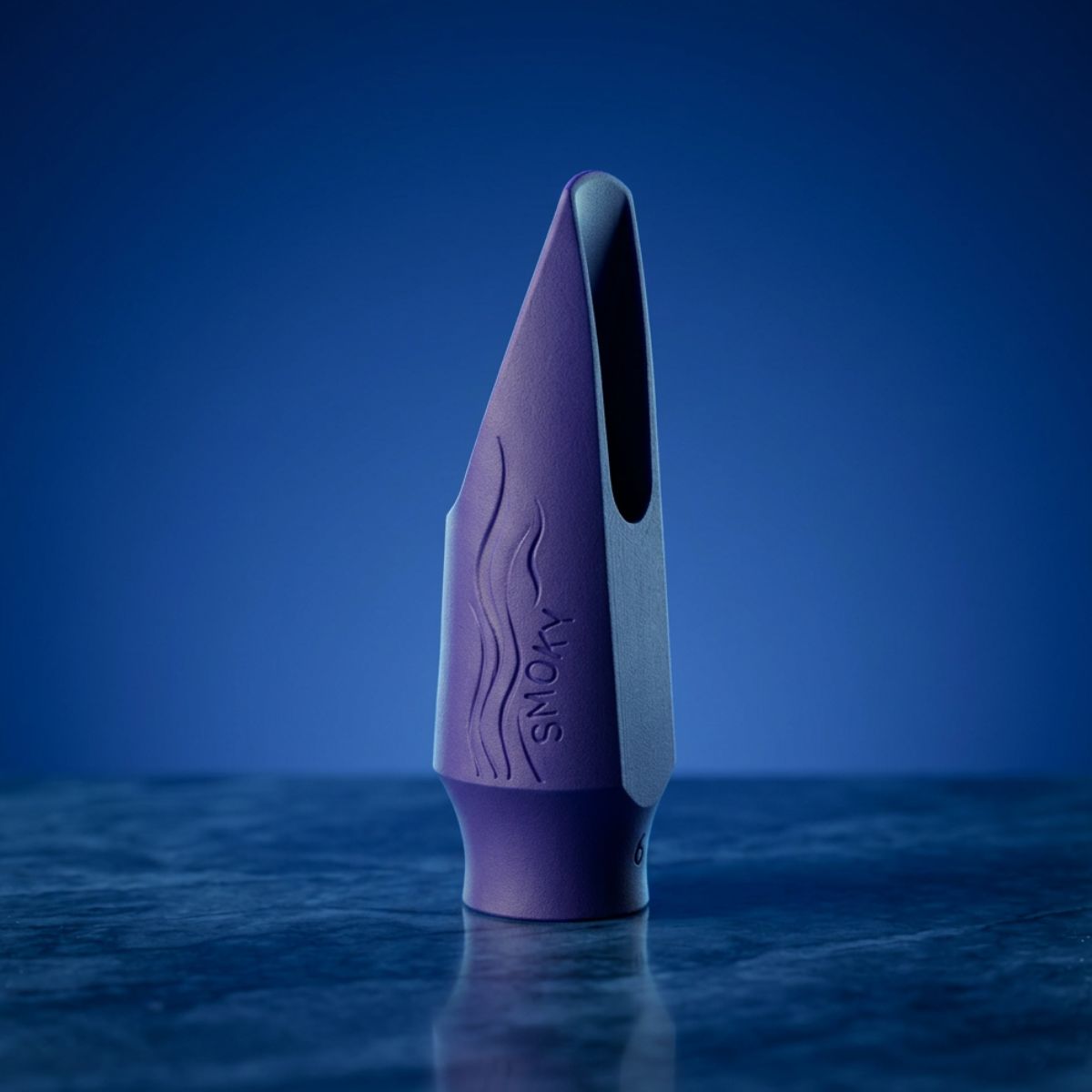
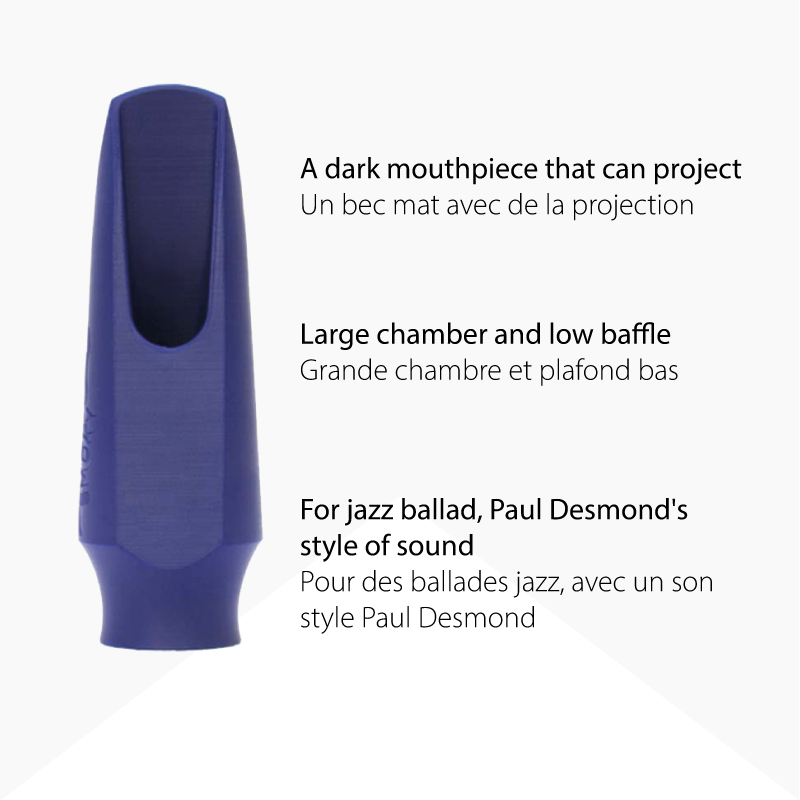
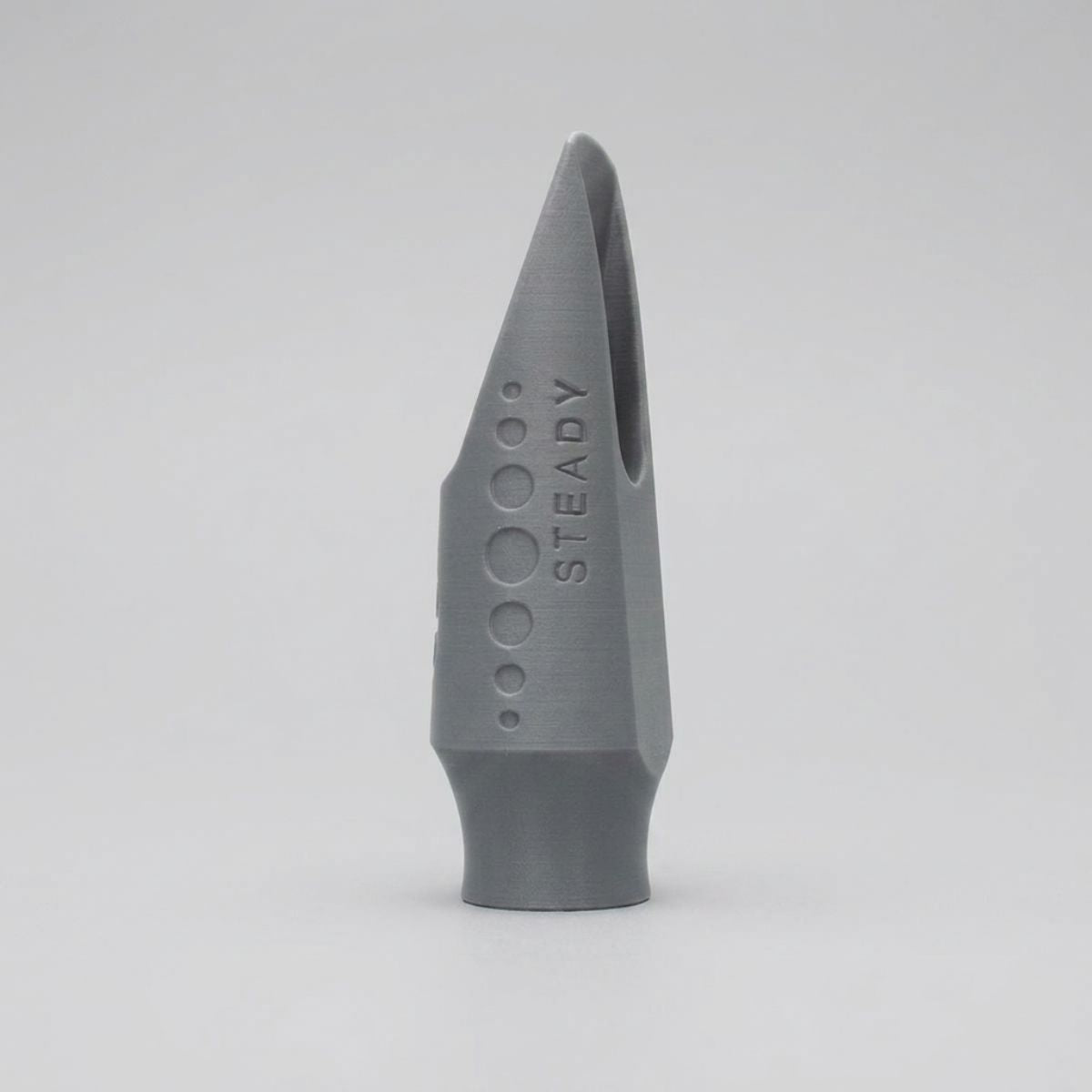
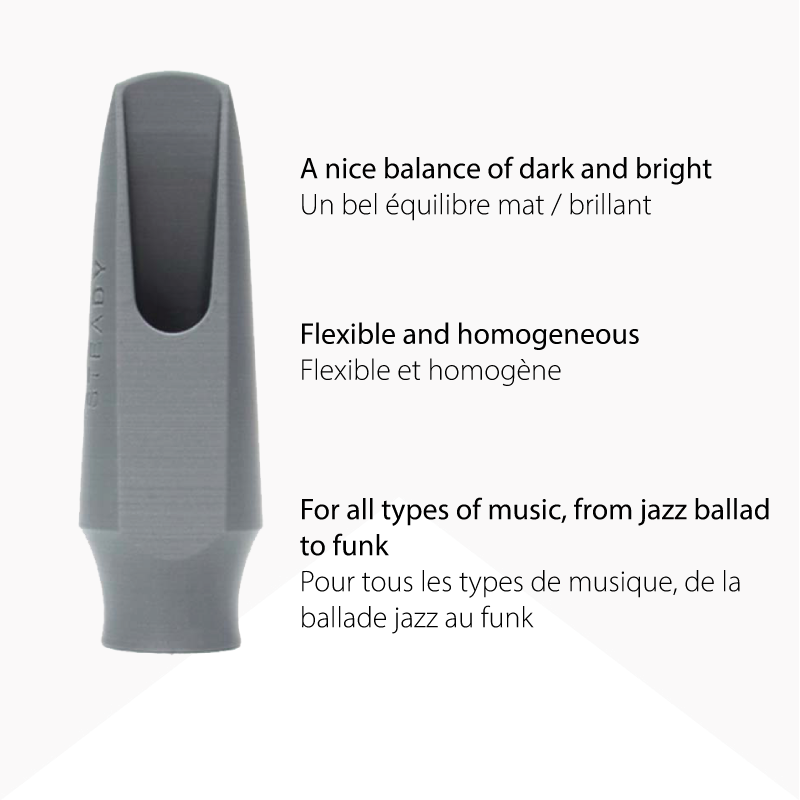
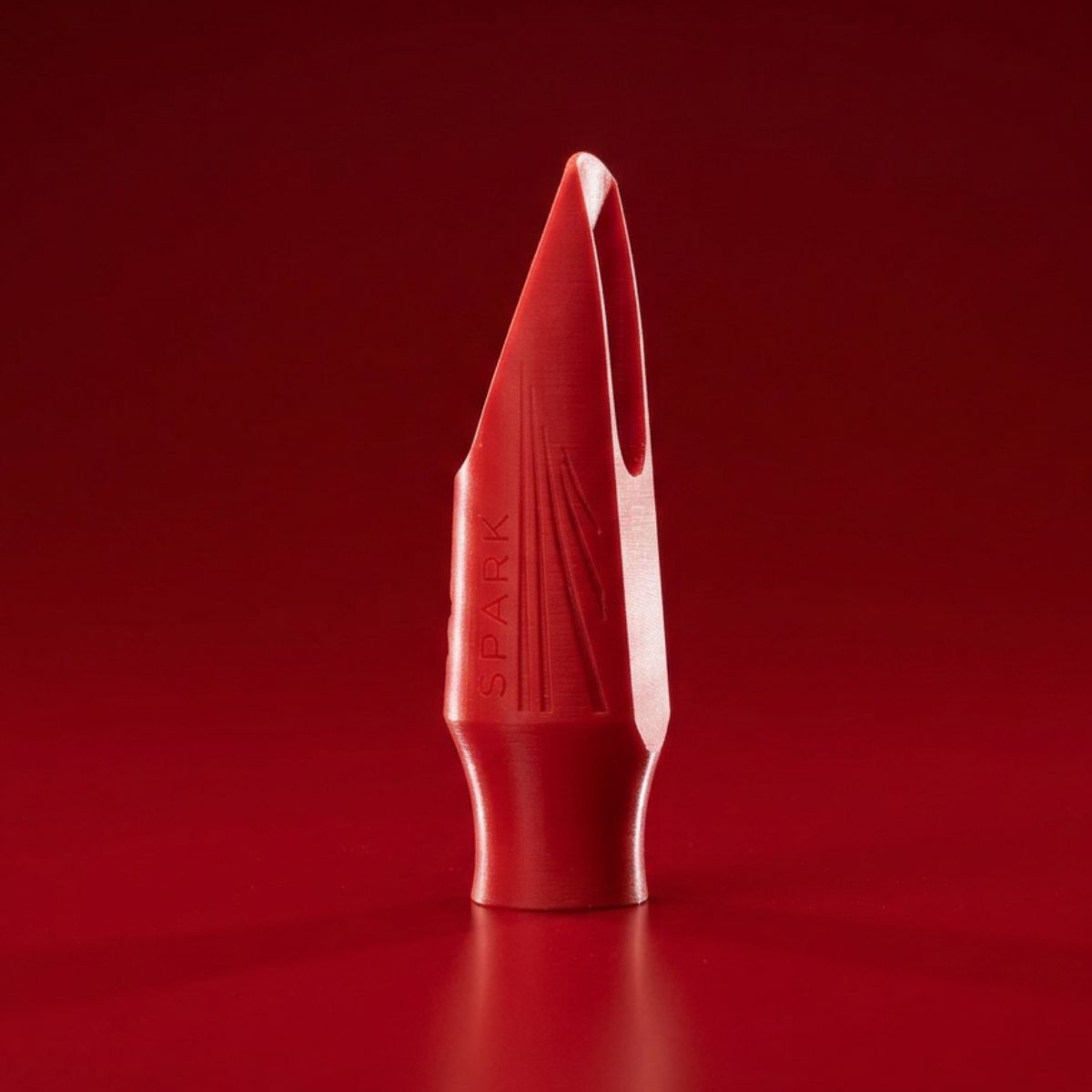
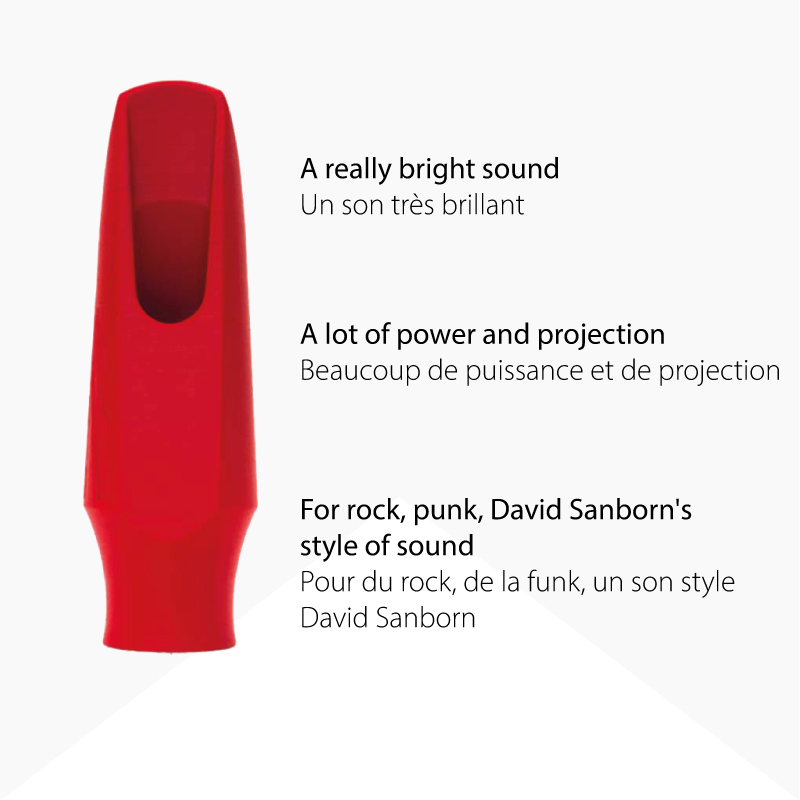
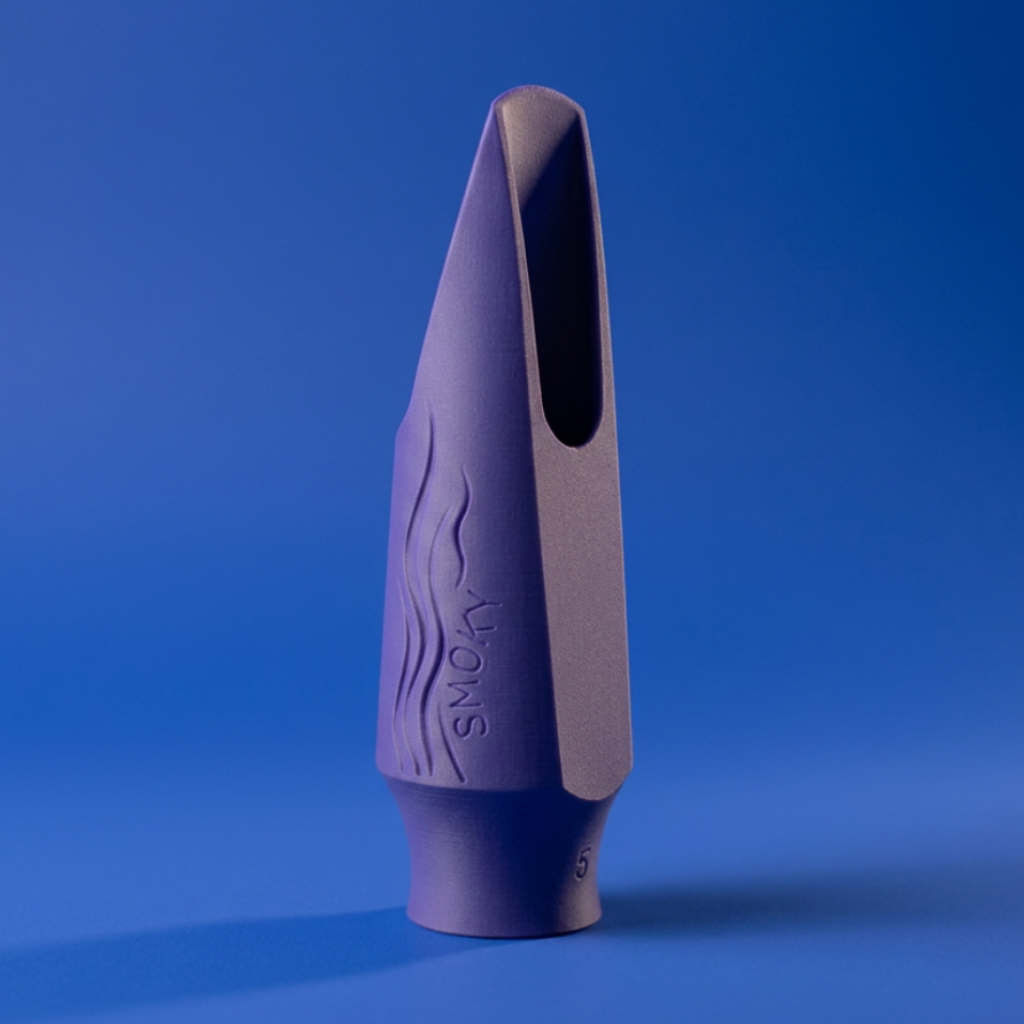
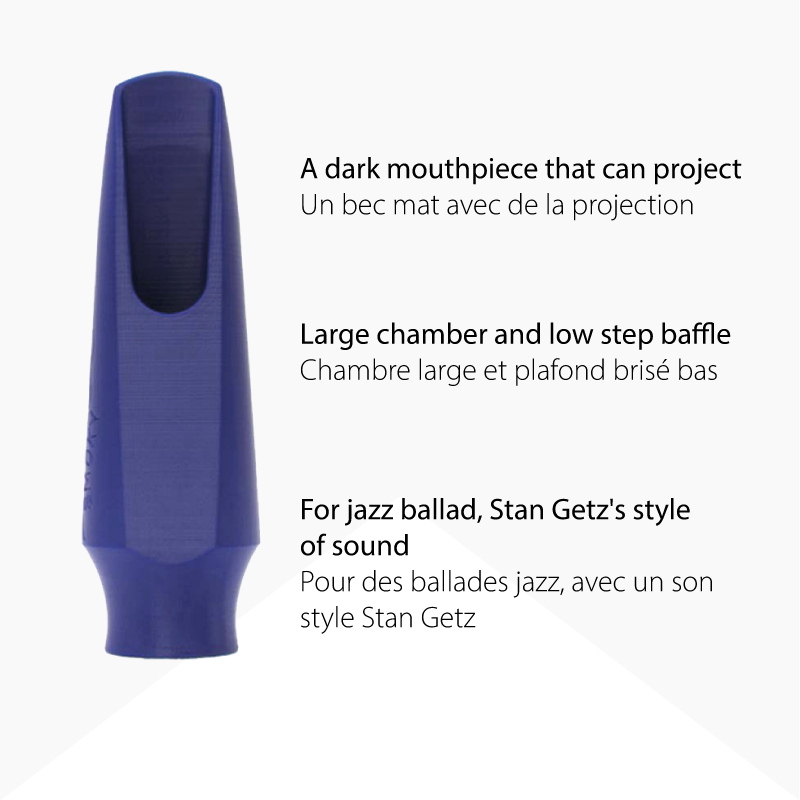
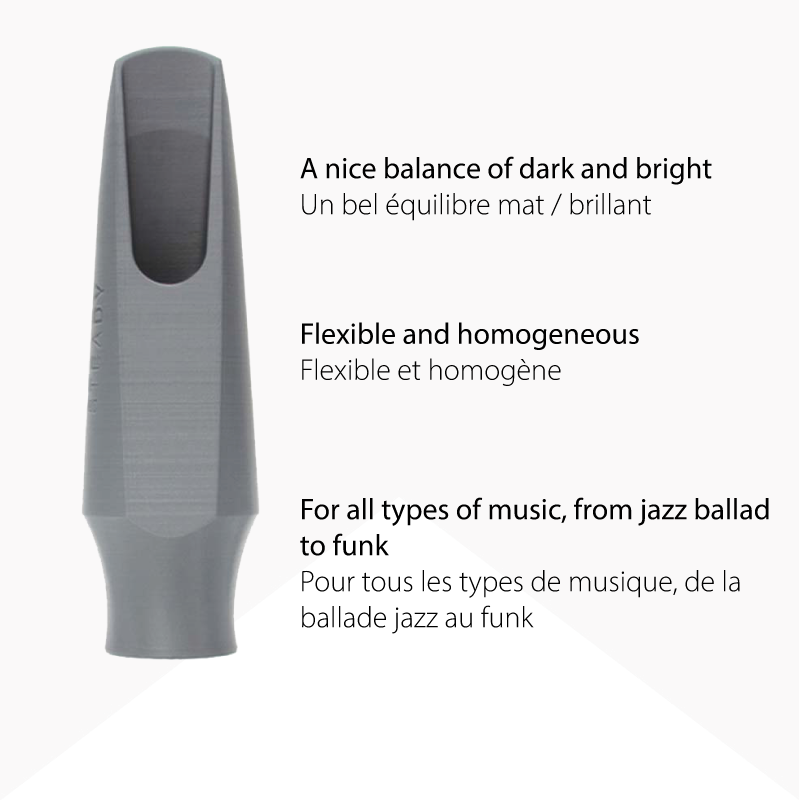
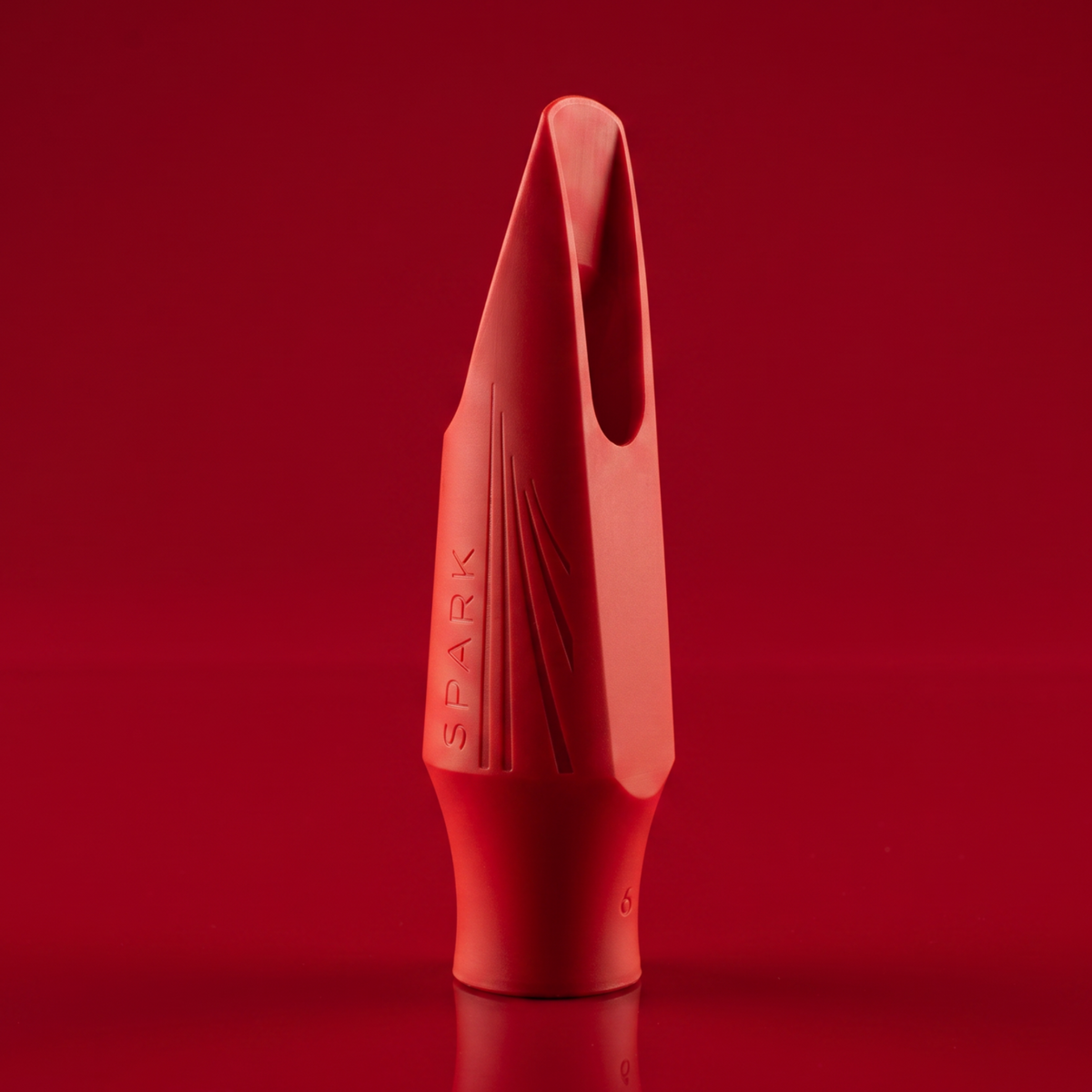
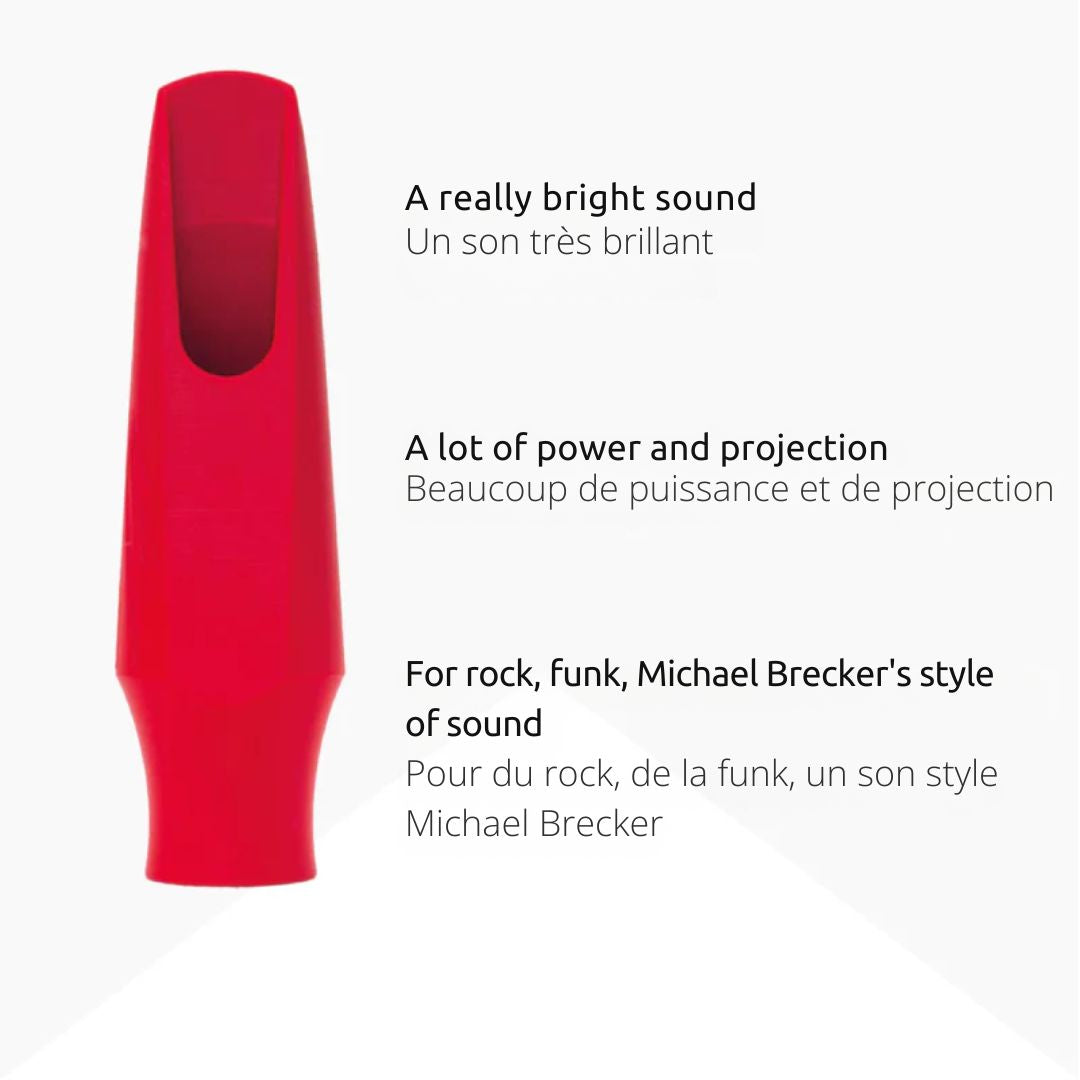
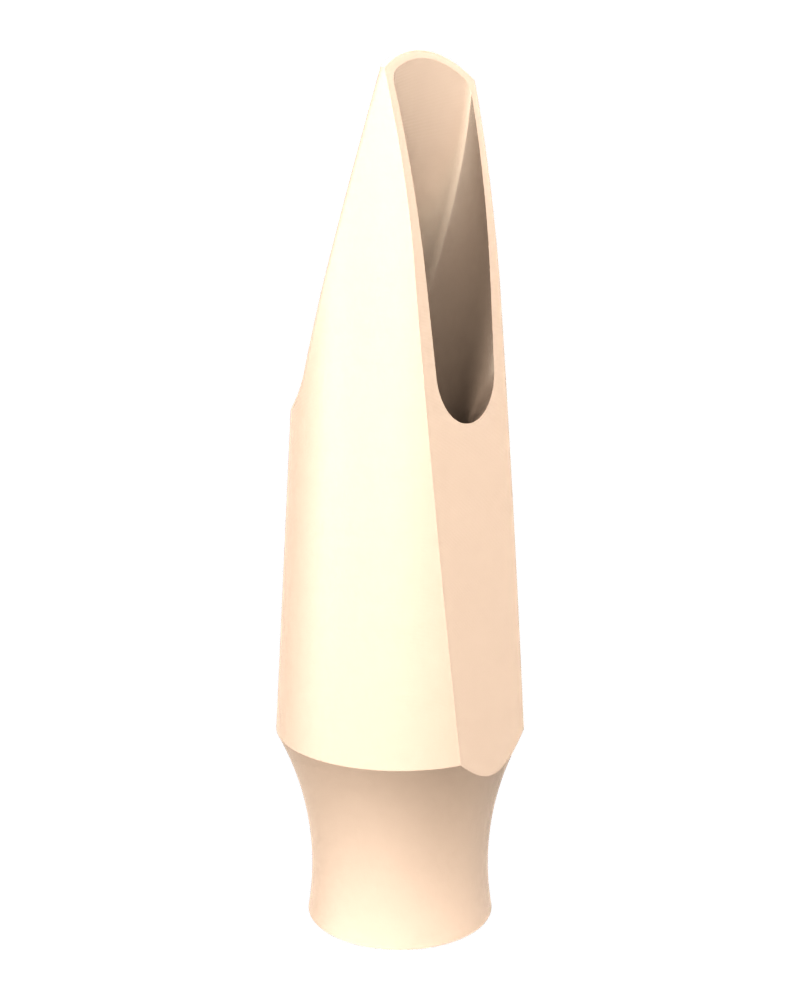
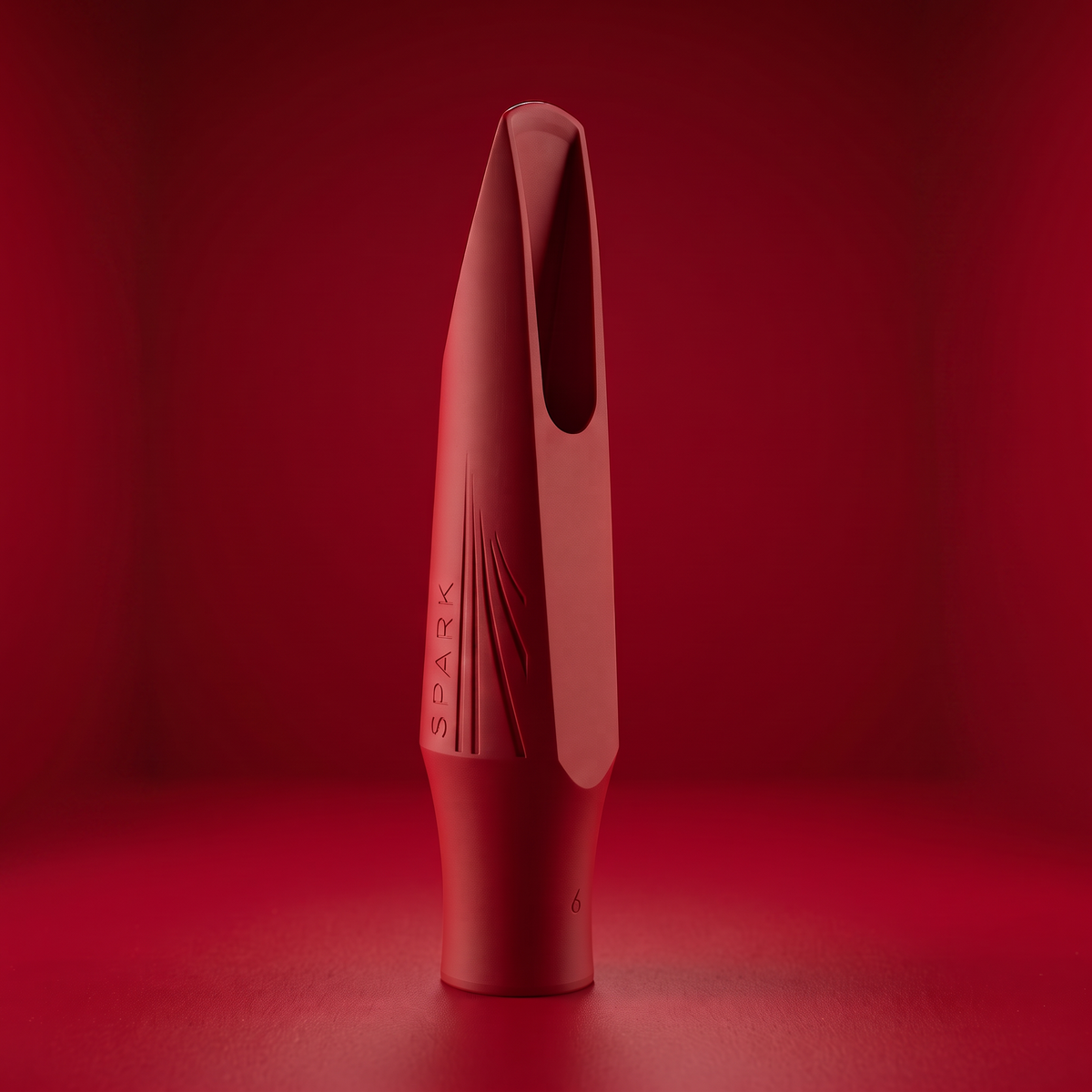
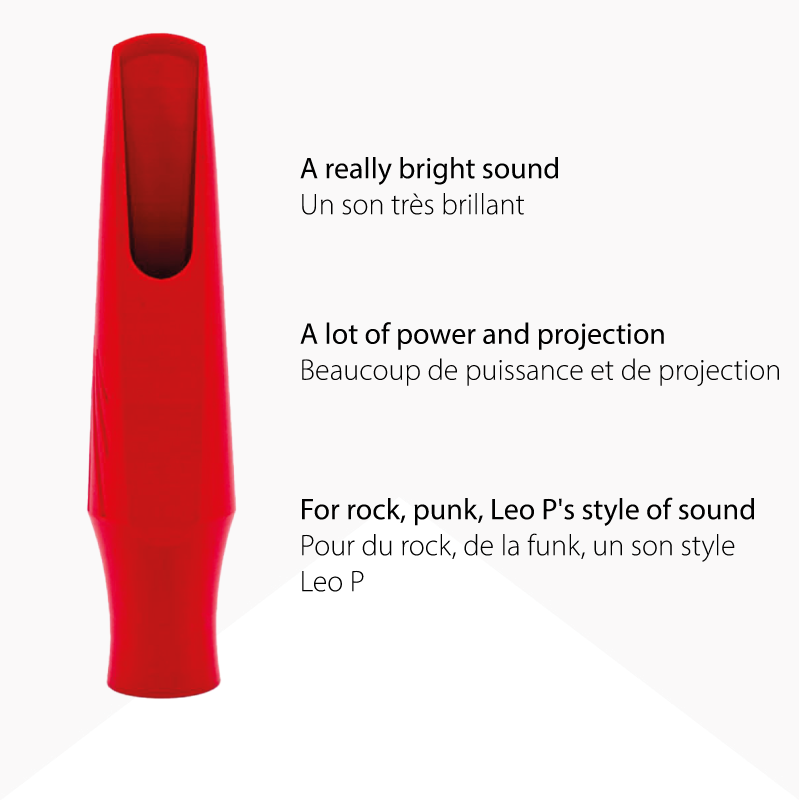
Every Syos mouthpiece is designed with acoustic science and 3D-printed to match the sound you're after, whether that's bright, dark or somewhere out in orbit.