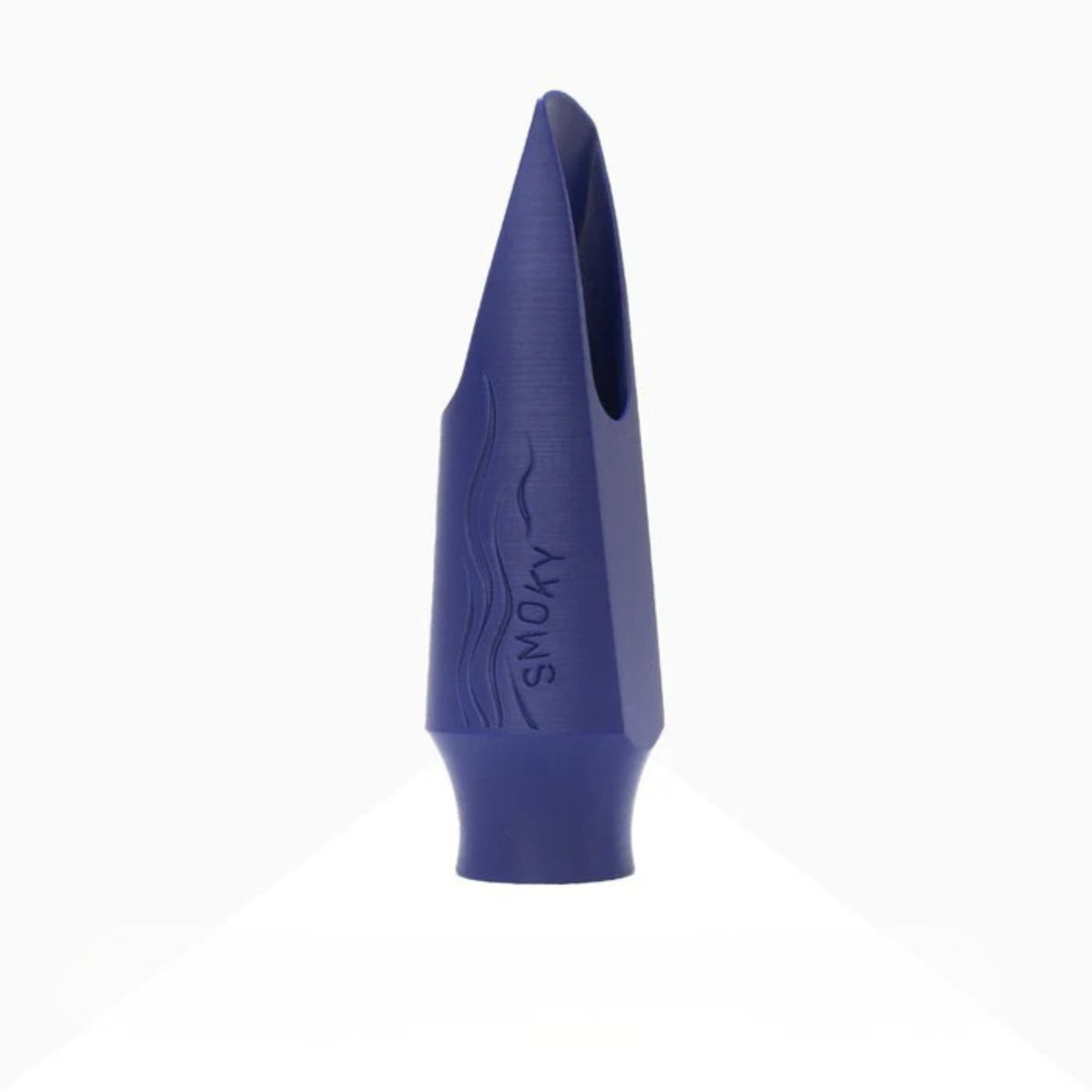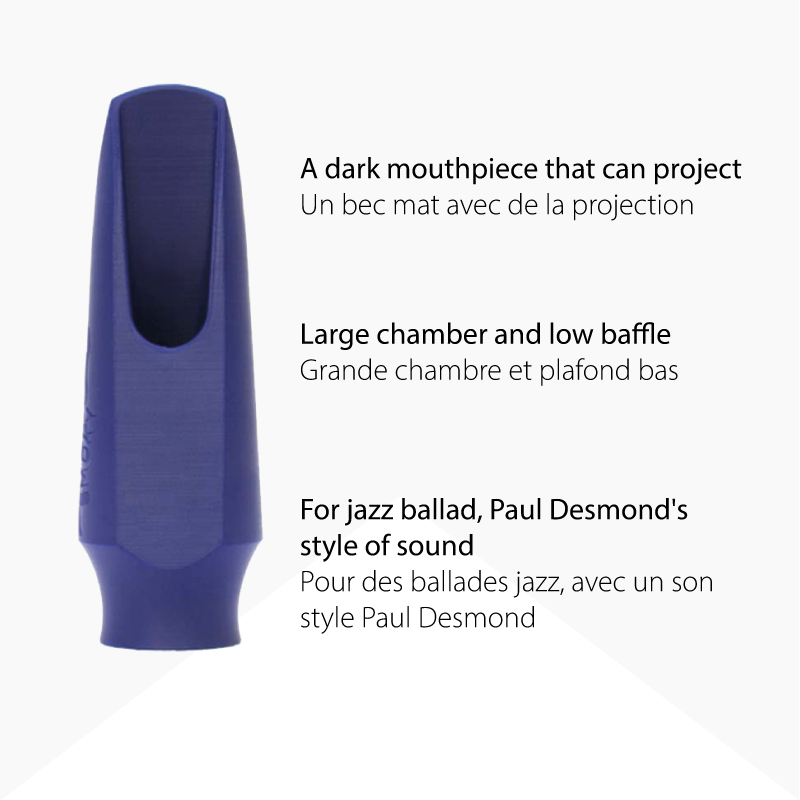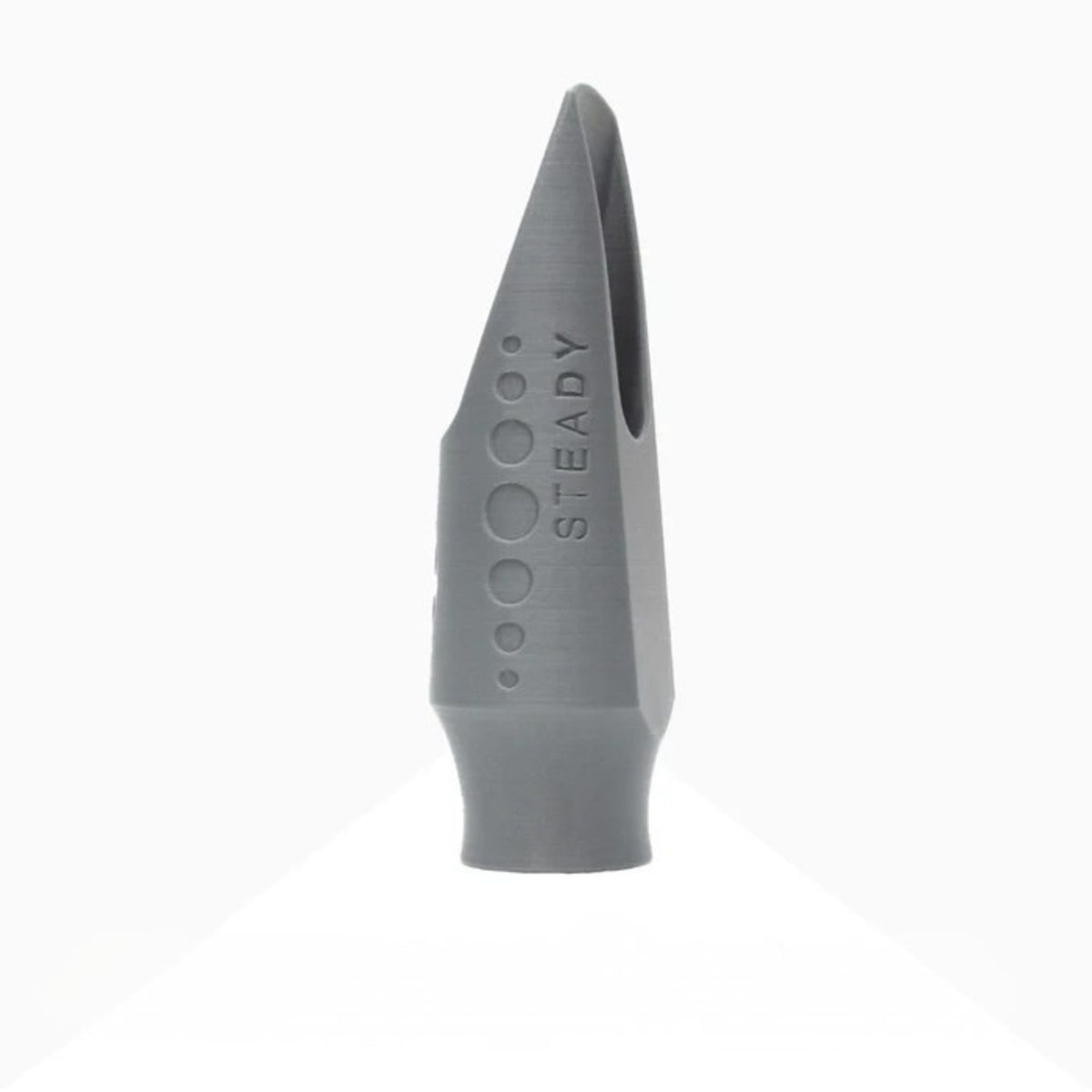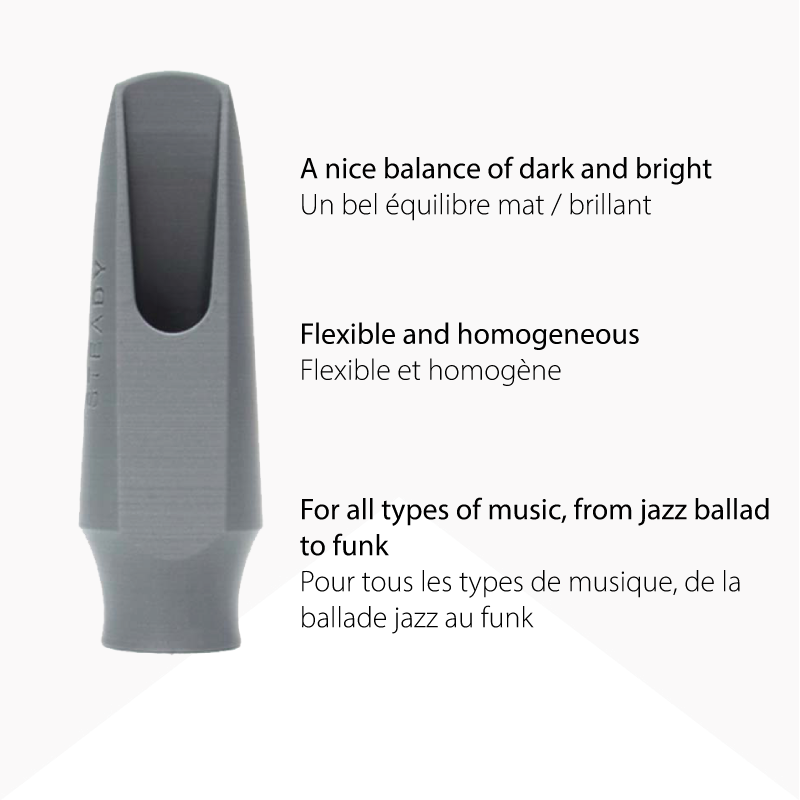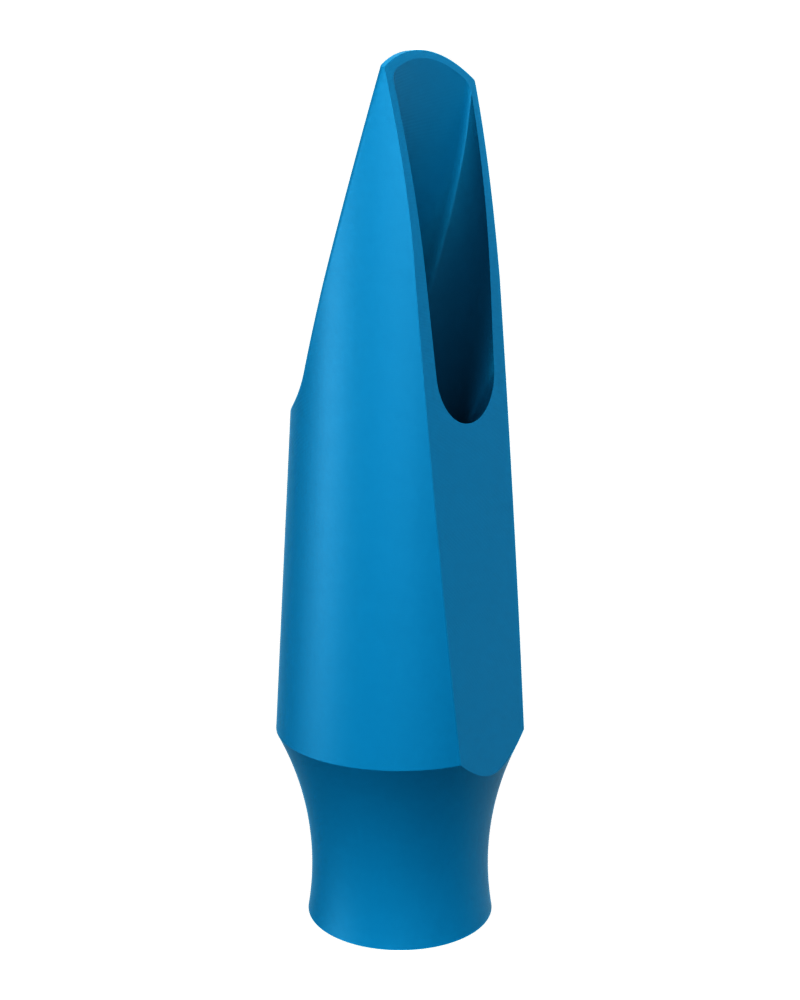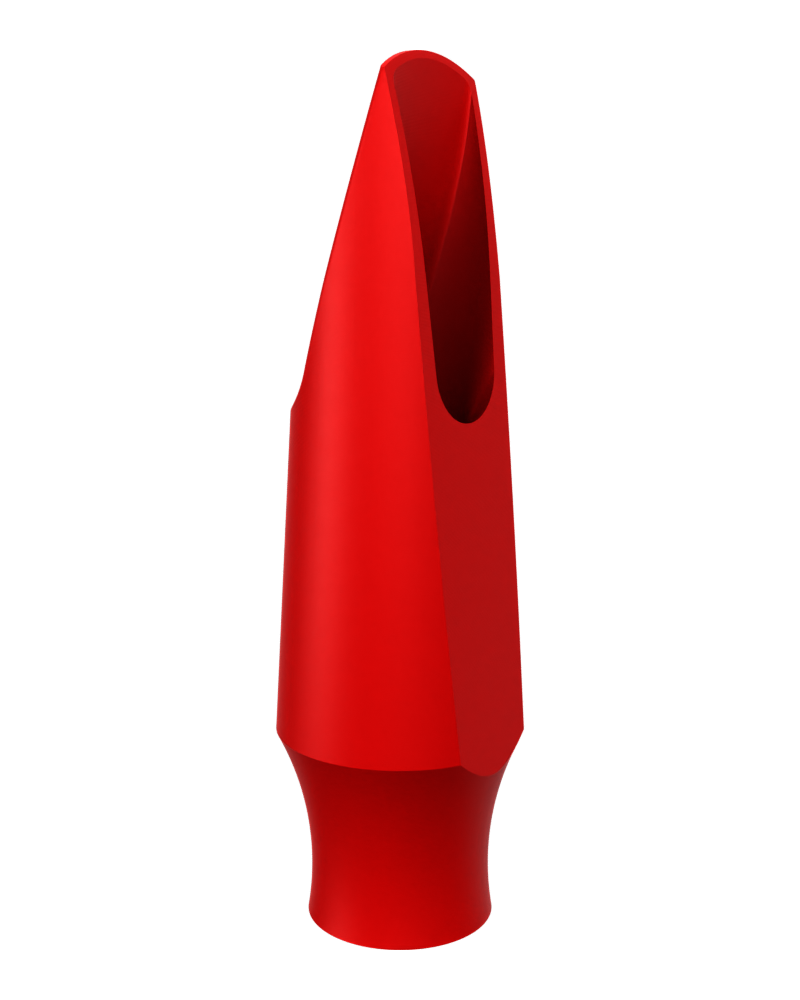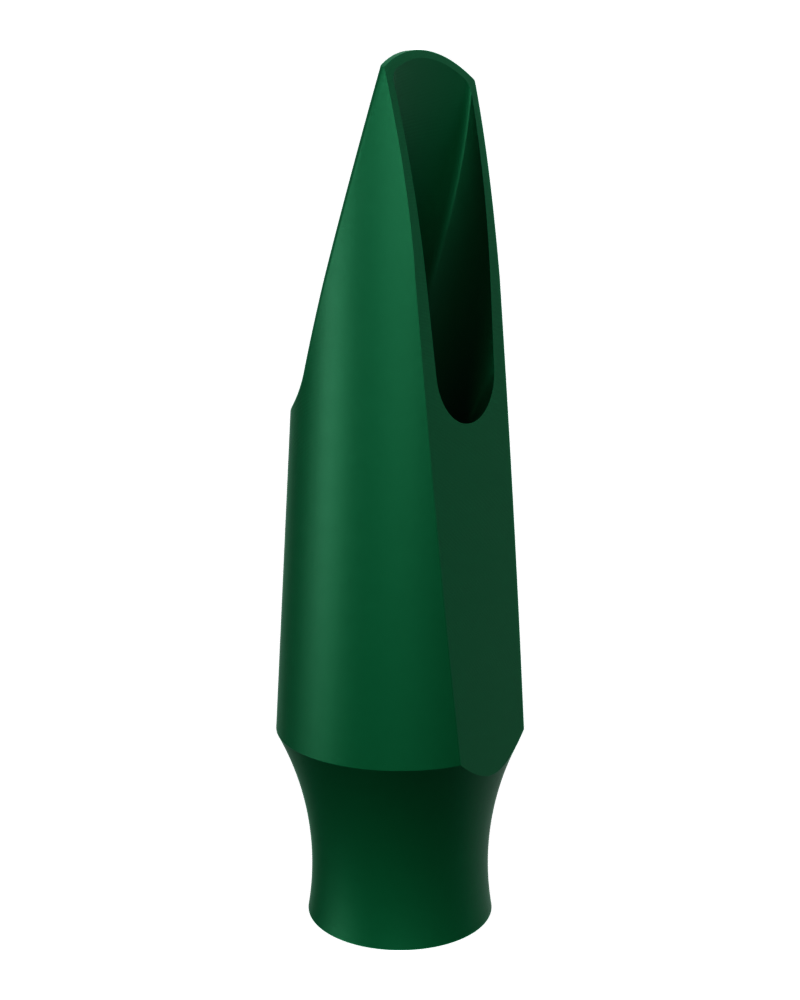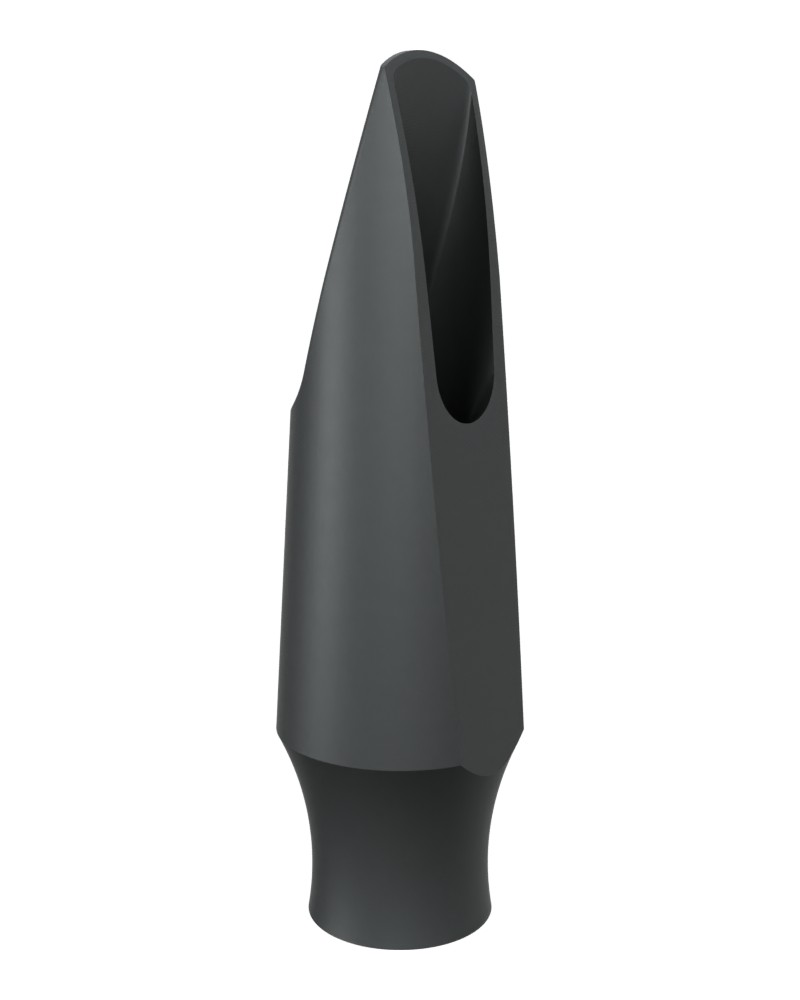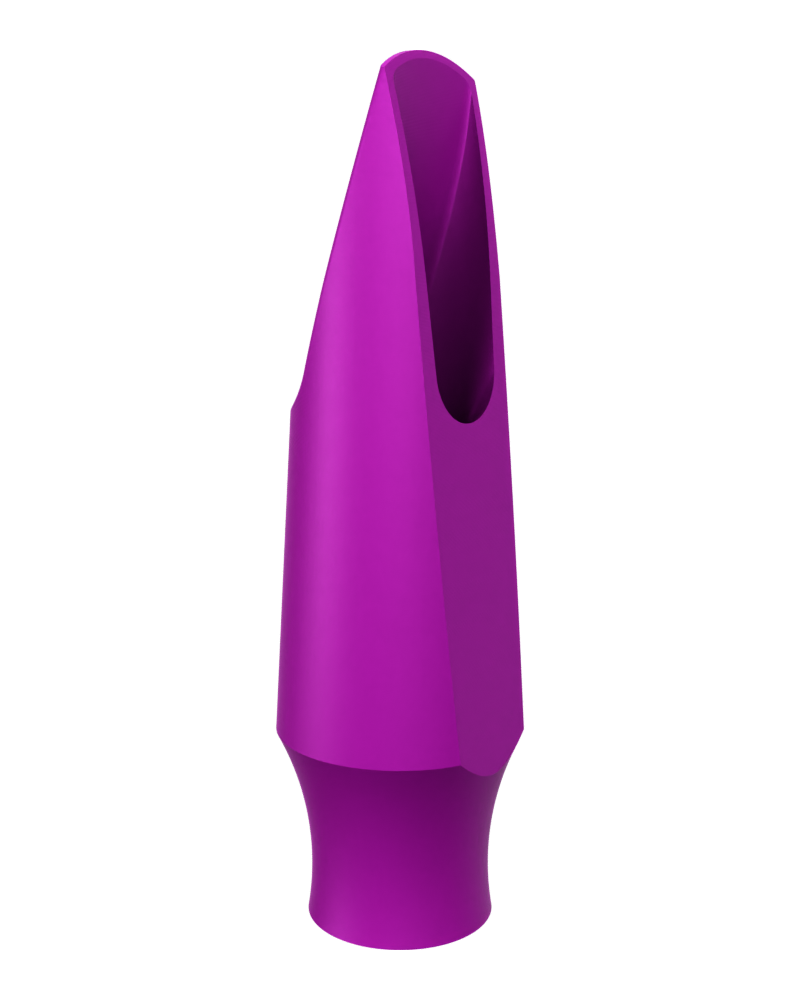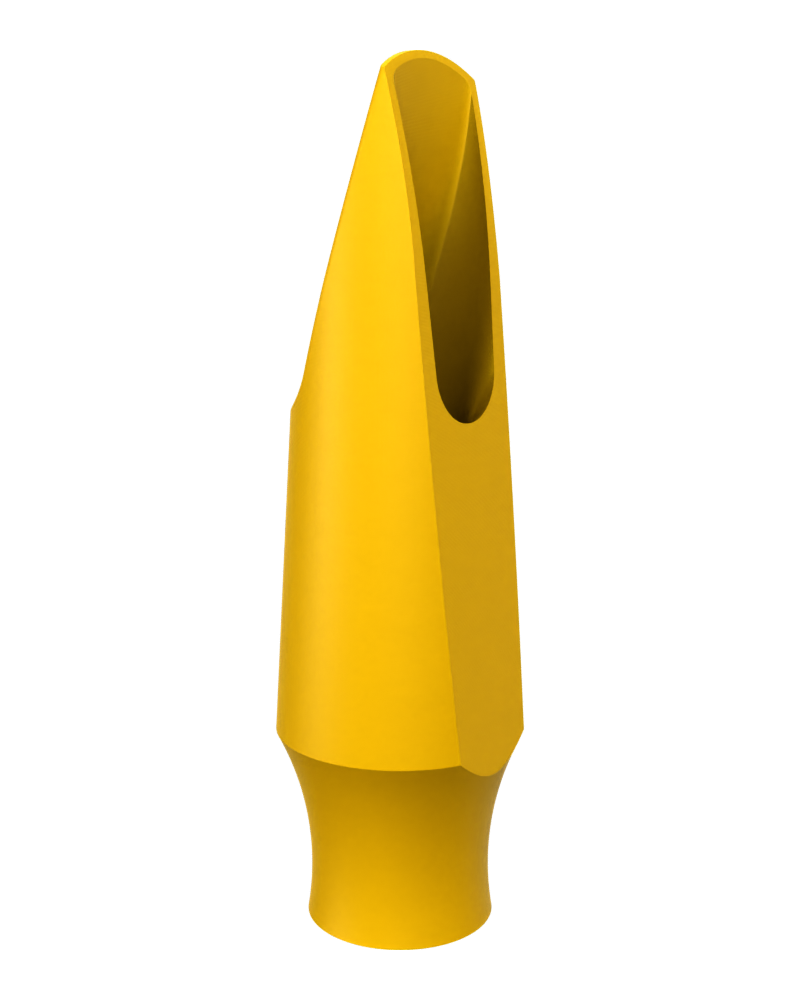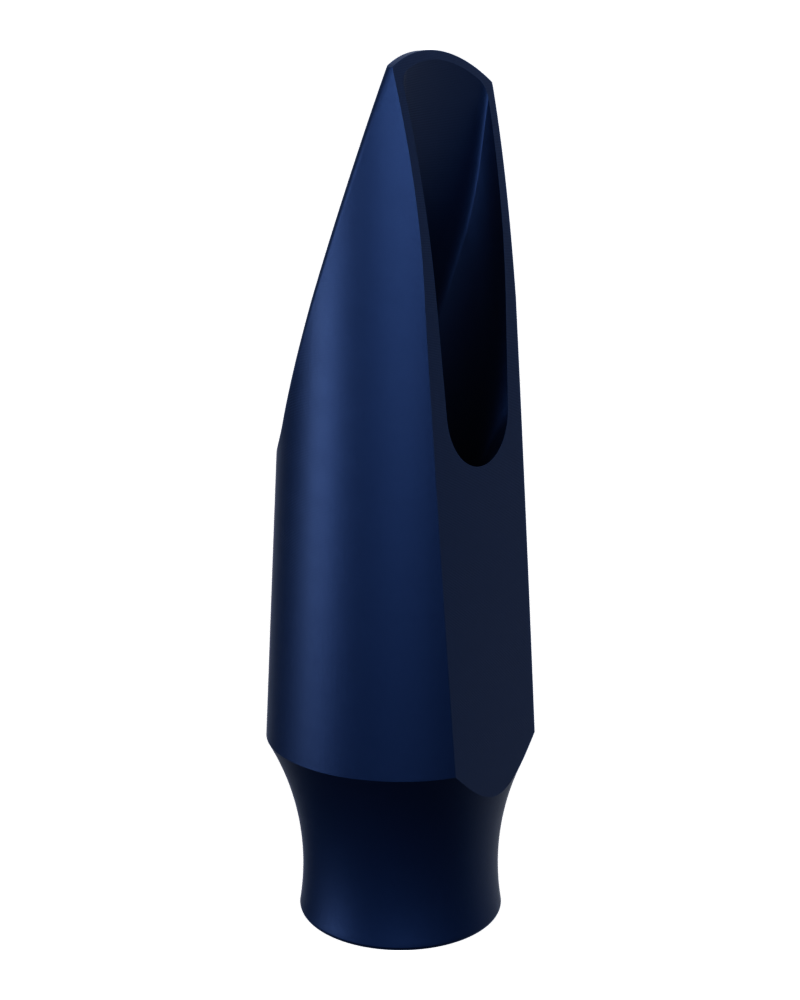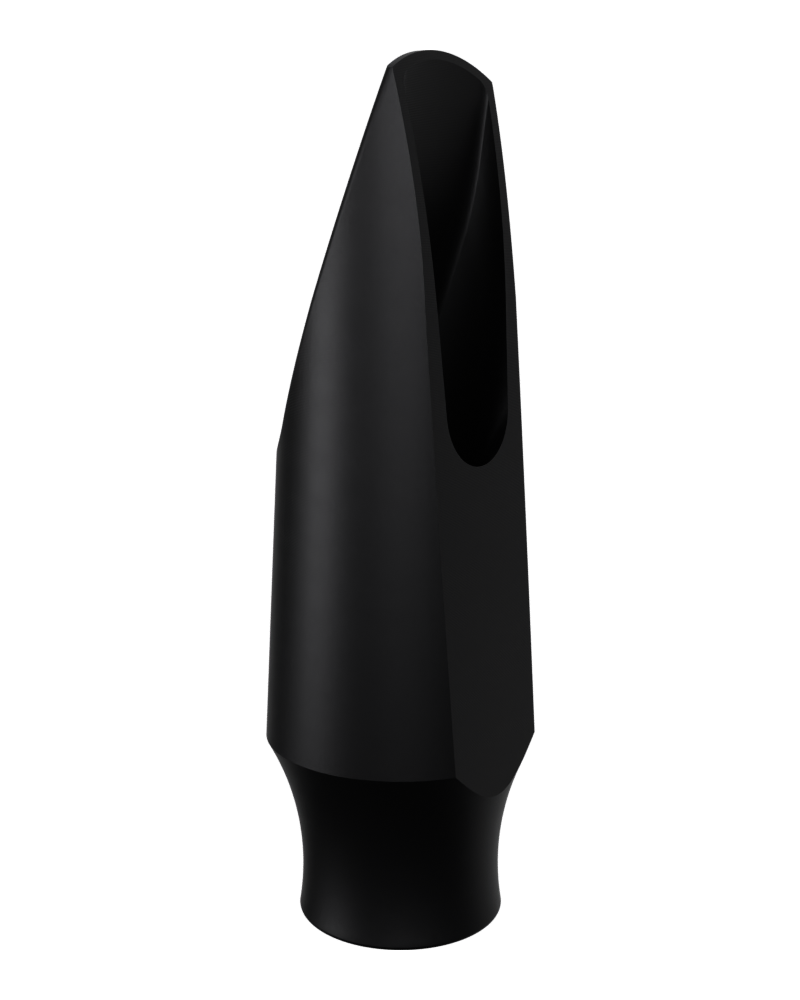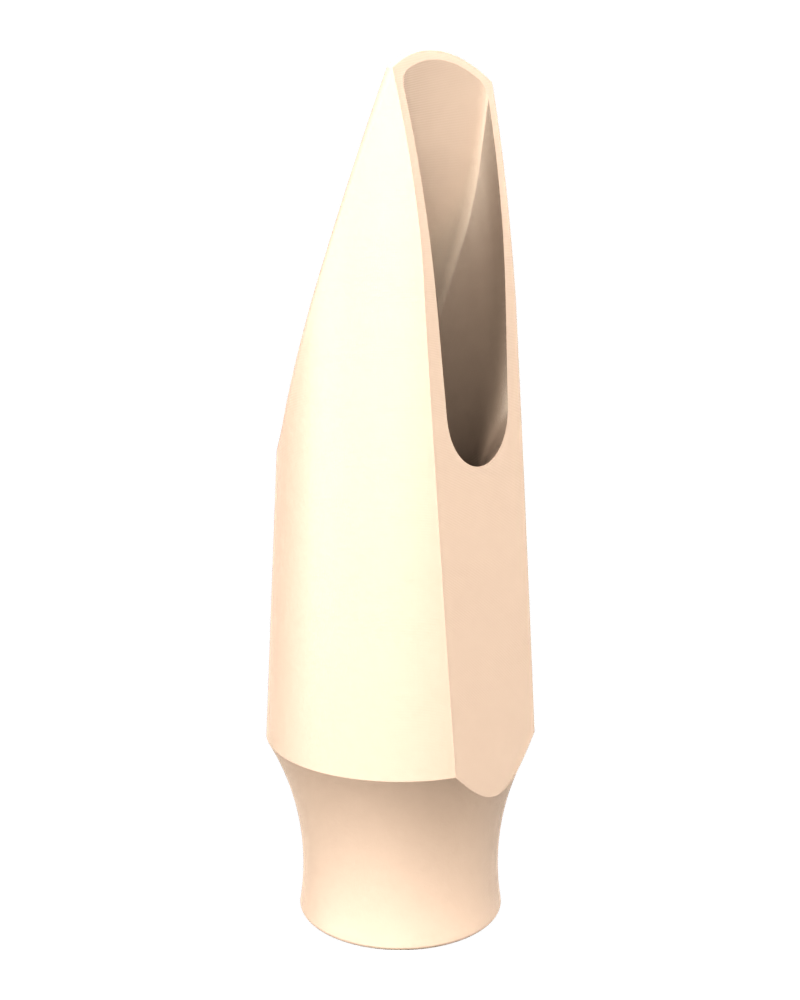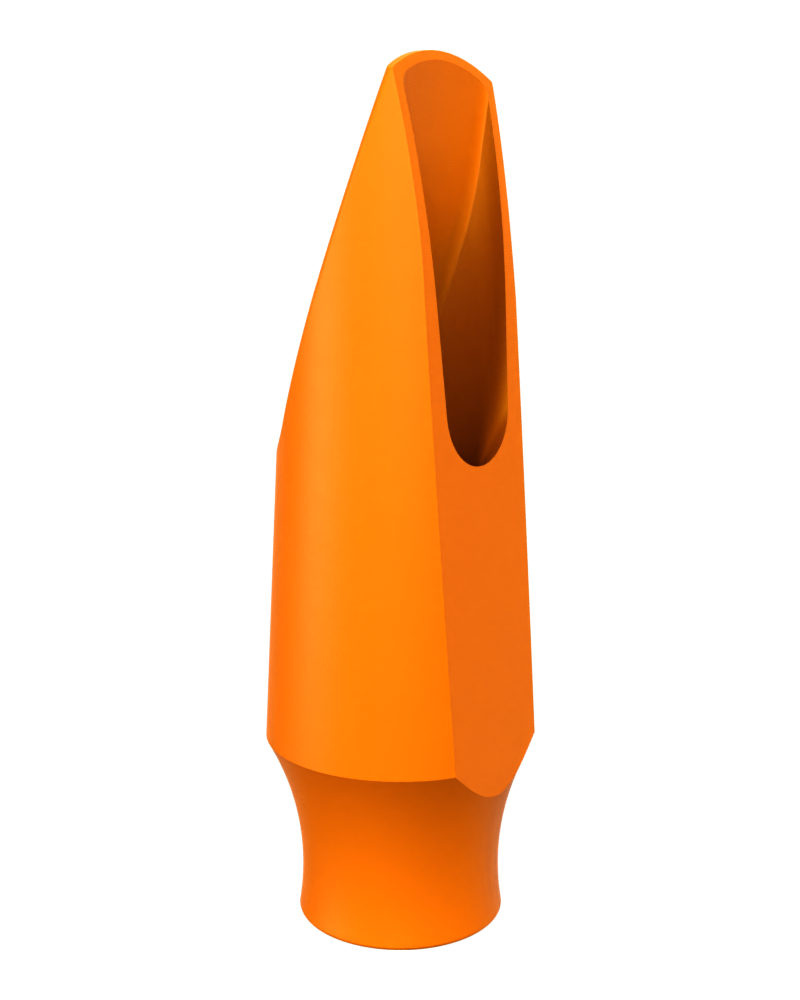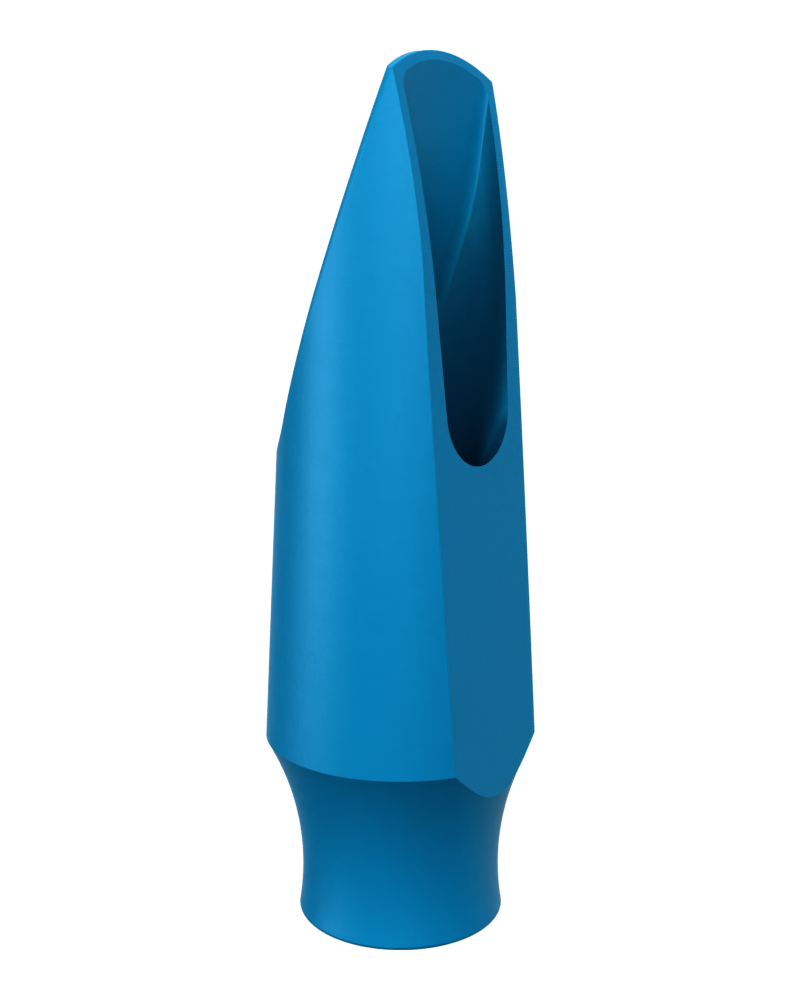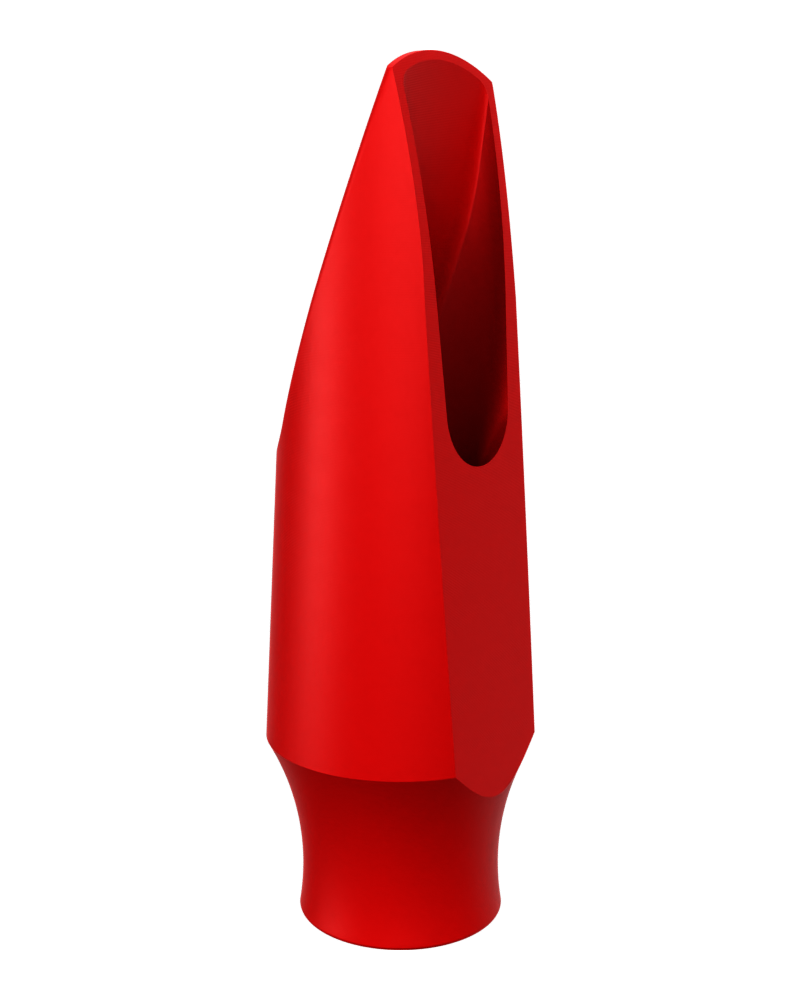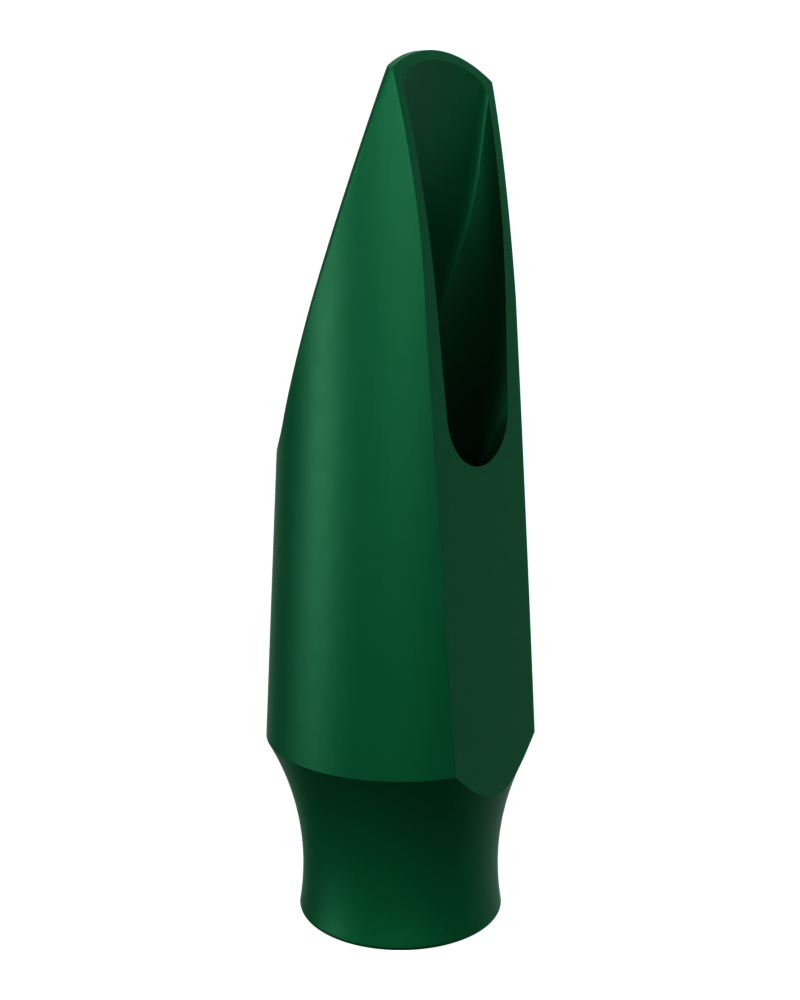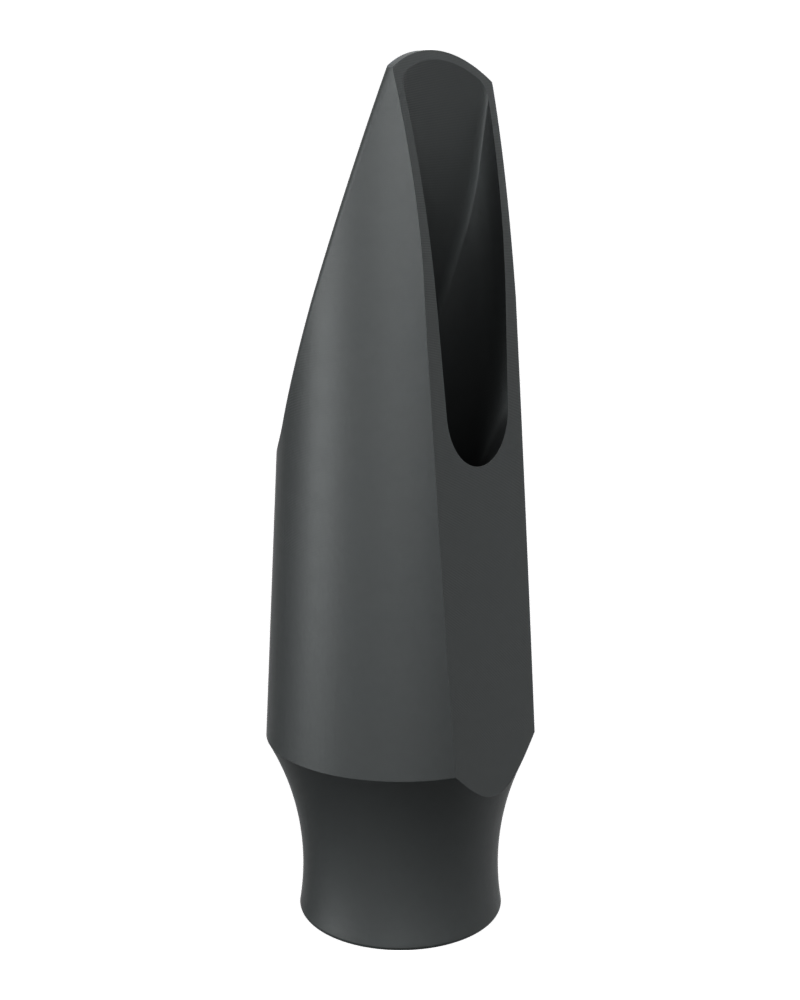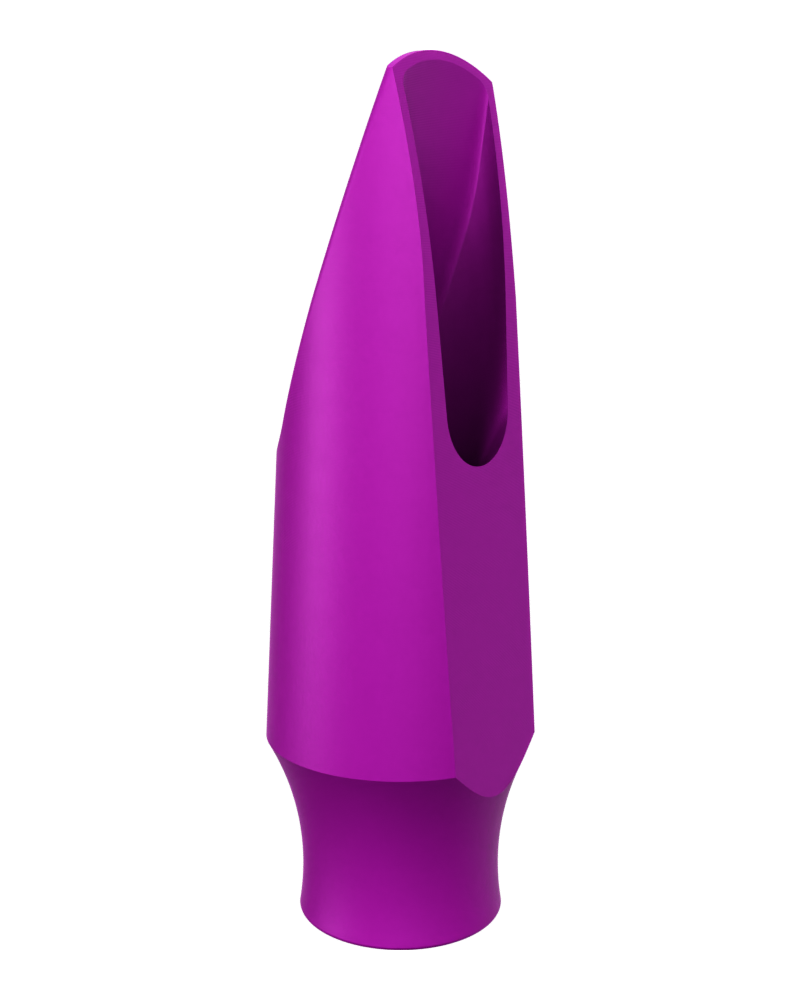









Choosing the right saxophone mouthpiece involves understanding the materials it’s made from. Historically, mouthpieces have been crafted from a variety of materials. From wood and ivory in the 19th century to modern hard rubber, metals, crystal (glass), and new synthetics. Each material comes with its own story, advantages, and quirks that can affect a player’s experience. In this article, we’ll explore the history of materials used in saxophone mouthpieces, compare today’s common materials (like hard rubber, modern plastics, and Syos’s new UPSCAL3D), and examine how material choice can influence tone, comfort, durability, and maintenance. The goal is to provide a clear and balanced guide for beginner and intermediate saxophonists.
Historical Overview of Mouthpiece Materials
Early Natural Materials (1800s): When Adolphe Sax invented the saxophone in the mid-1840s, mouthpiece technology was still in its infancy. The earliest saxophone mouthpieces were made from natural materials commonly used in other instruments:
- Wood: Makers used dense woods like ebony and granadilla (African Blackwood). These wooden mouthpieces often had metal shank rings to prevent splitting when pushed onto the neck. Wood provided a warm aesthetic and was a familiar material (clarinet mouthpieces were traditionally wood), but it had a major downside: wooden mouthpieces could warp or crack from moisture and temperature changes. A saxophonist’s warm, wet breath could distort the shape of a wood mouthpiece over time, affecting its playability.
- Ivory and Bone: Elephant ivory (and even hippopotamus tooth ivory) was another material for high-end mouthpieces, prized for its stability and an elegant, smooth finish. Ivory and bone are hard and durable, resisting the warping issue of wood. However, ivory was expensive and limited in supply, so it was never a widespread solution. Bone was used only occasionally as a novelty or substitute for ivory.
These natural materials produced functional mouthpieces, but their drawbacks (wood’s instability, ivory’s cost and scarcity) drove the search for better options. Saxophonists and manufacturers needed a material that could withstand moisture, be easily machined, and be produced in larger quantities for the growing popularity of the saxophone.
The Rise of Hard Rubber (Late 19th – Early 20th Century): The breakthrough came with vulcanized hard rubber, also known as ebonite, which was the first true plastic ever invented. Patented by Nelson Goodyear (the brother of Charles Goodyear, who’d developed the material) in 1851, ebonite was a manmade material that could be molded, machined, and produced at scale. It offered a fascinating combination of properties including strength, moisture resistance, and manufacturing precision.
At a time when saxophone technology was still developing, Adolphe Sax began using hard rubber for mouthpieces. This marked an important shift. Rather than relying on costly or unstable natural materials like wood or ivory, Sax turned to a forward-looking alternative.
By the early 1900s, hard rubber had become the most common material for saxophone mouthpieces. It not only solved the issues of earlier materials but also symbolized a move into the modern industrial era of instrument making.
- Timeline: Adolphe Sax patented the saxophone in 1846, and by 1851 Nelson Goodyear had patented hard rubber. Within a few decades, hard rubber started appearing in mouthpiece production. By the early 1900s, it had become the dominant mouthpiece material.
-
Why Hard Rubber?: Ebonite offered exceptional stability in the face of moisture, unlike wood which could warp and crack. It was durable, precisely machinable, and could hold its shape over time, making it ideal for consistent performance. Most importantly, it allowed for precise, repeatable manufacturing, which meant saxophonists could count on mouthpieces that were reliable and well balanced from one to the next. Hard rubber represented a leap forward. A material that supported the growth of the saxophone and raised the standard for quality and accessibility. It combined technical performance with manufacturability, and that’s why it became a trusted favorite among players and makers alike.
- Ebonite vs. Ebony: Hard rubber is often colored black, and it earned the nickname “ebonite” because it looks like ebony wood. This caused some confusion – some musicians assumed their mouthpiece was wood or had special tonal qualities because of the color. In reality, the black color was cosmetic; ebonite was chosen because it was practical and economical, not because it was inherently more resonant.
By 1930, hard rubber had firmly established itself as the standard material for most saxophone mouthpieces, especially among the major manufacturers. Almost every major sax maker or mouthpiece specialist (Conn, Buescher, Selmer, Otto Link, etc.) was producing hard rubber pieces in great numbers, satisfying everyone from beginners to pros.
Early Experiments with Plastics and Crystal: The early 20th century also saw some experimentation with new synthetic materials as technology advanced:
- Bakelite (Early Plastic): Bakelite, invented in 1907, was the world’s first synthetic plastic. In the 1920s, some manufacturers like Martin, King, and Conn tried making sax mouthpieces from Bakelite. It was an attractive idea. Plastics could be molded even more easily than hard rubber and colored differently. Bakelite mouthpieces did appear on the market (for example, certain vintage models by those companies), though they never overtook hard rubber in popularity at the time.
- Glass / Crystal: Unconventional but eye-catching, glass mouthpieces were also introduced. As early as 1910, Selmer advertised glass saxophone mouthpieces. True glass (often marketed as “crystal”) mouthpieces became continuously available later in the 1920s. However, crystal pieces are fragile – drop one and it can shatter – so they have always remained a small niche in the sax world. Furthermore, glass was considered brittle and difficult to shape, and not considered durable.
Composite and Hybrid Designs: Around the same time (early 1900s up through the 1920s), inventive craftsmen tinkered with hybrid mouthpiece constructions that combined materials in one piece:
- One 1905 patent by Friederich Starke described a mouthpiece with a metal core and table (the flat part where the reed sits) attached to a hard rubber body. The idea was to marry metal’s stability with the comfort and familiarity of hard rubber. A few companies (Holton, Goldbeck) briefly produced such designs.
- Others tried mounting a metal table on a hard rubber mouthpiece (essentially a metal plate for the reed to sit on, with the rest hard rubber). Several patents in the 1920s by Naujoks-McLaughlin, Harry O’Brien, Lelandais and others explored this.
- While these composite designs were technically interesting – aiming to improve consistency or lifespan – they didn’t catch on widely. In practice, a well-made one-piece mouthpiece in a good material was sufficient, so the added complexity wasn’t justified for most players and manufacturers.
Adoption of All-Metal Mouthpieces: Metal saxophone mouthpieces also appeared in the early 20th century. The Goldbeck Company was a pioneer, producing all-metal mouthpieces (often made from nickel-silver alloy) for various sax sizes. Others, like a maker named Sinclair, experimented with metal designs as well. Metal mouthpieces offered excellent durability and a different feel – and later on, they became especially popular among jazz players (more on that shortly). By the 1930s, you could find both hard rubber and metal mouthpieces on the market as standard options.
1930s Onward – Standardization: By about 1930, the flurry of experimentation settled down. The industry coalesced around two primary materials: hard rubber and metal. These had proven to best meet the needs of most saxophonists:
- Hard rubber remained the go-to for the majority of mouthpieces – from student models to professional classical setups – thanks to its stable performance and easier manufacturing. Companies like the J.J. Babbitt Company and Charles Chedeville have long specialized in hard rubber mouthpiece production. J.J. Babbitt manufactures the classic Meyer and Otto Link models, both historically classic choices for jazz players. Separately, Selmer developed its own renowned hard rubber mouthpieces for classical and jazz saxophonists, such as the Soloist and S80 series.
- Metal became a staple especially for certain jazz styles and for some saxophones like soprano or tenor. For example, Duke Ellington’s famous alto saxophonist Johnny Hodges played a metal mouthpiece. Metal mouthpieces were often made of brass (sometimes stainless steel or bronze), typically with a gold or silver plating. They appealed to players seeking a different response or tone (and often a brighter look and sound, but despite the belief, metal mouthpieces are not inherently brighter than hard rubber ones. Tone comes from design, not material. High baffles and small chambers make a mouthpiece bright, regardless of whether it’s metal or rubber).
Summary of History: In short, the journey of sax mouthpiece materials went from natural (wood, ivory) → early manufactured (hard rubber, early plastics, glass) → hybrid experiments → two main camps (hard rubber and metal) by the mid-20th century. Hard rubber became the workhorse material due to its practicality, and it’s still extremely common today. Metal found its place, especially in certain genres. Now, in the 21st century, we’re seeing new innovations with synthetic materials and 3D printing – essentially the first major shake-up in mouthpiece materials since the hard rubber era began.
Modern Innovations in Mouthpiece Materials
From the 1930s up until recently, the landscape of mouthpiece materials didn’t change dramatically – hard rubber and metal reigned, with plastic mostly in the cheap student realm. However, the 21st century has brought some significant innovations in how mouthpieces are made:
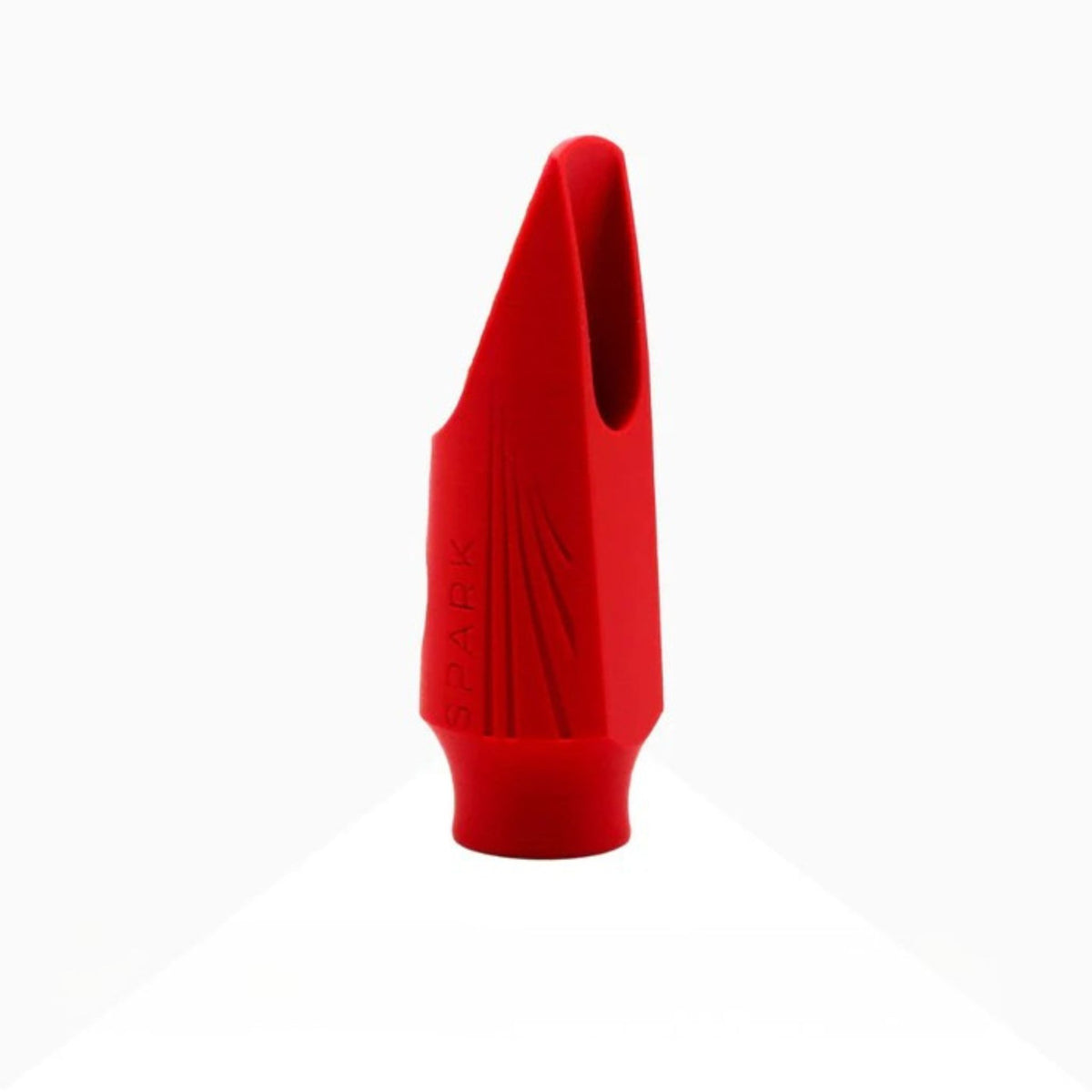
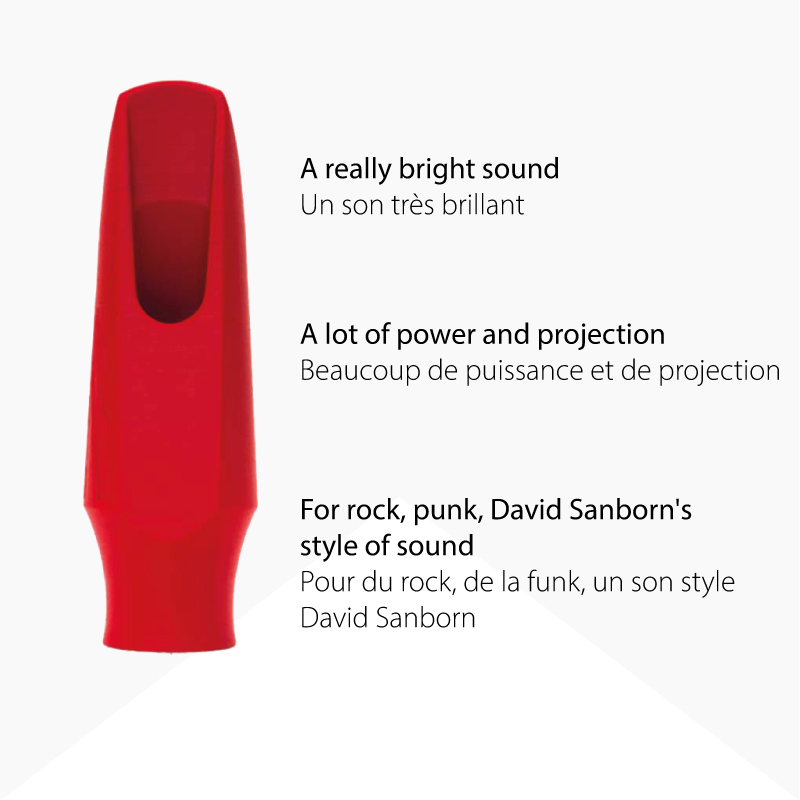
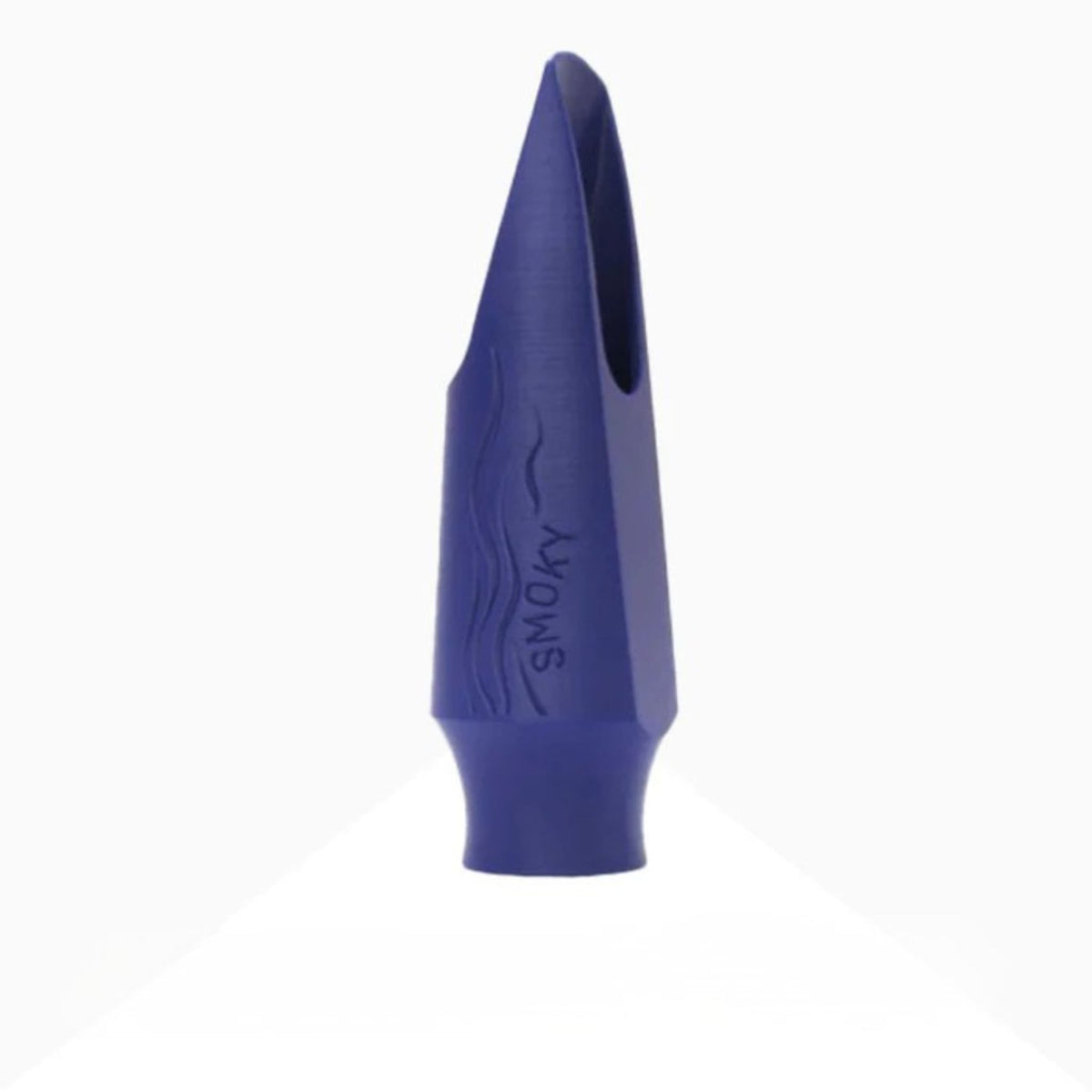
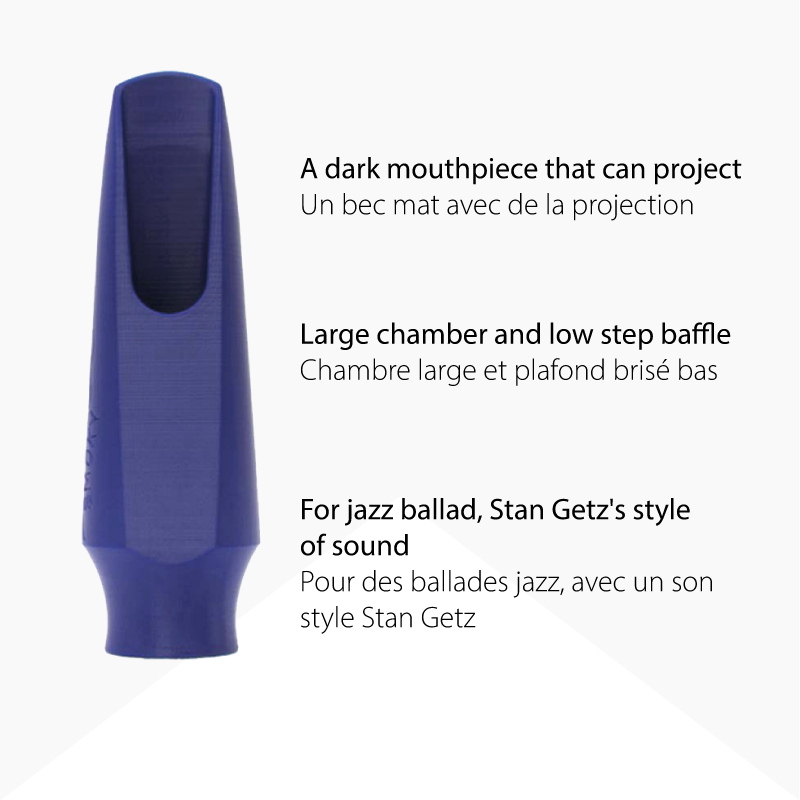
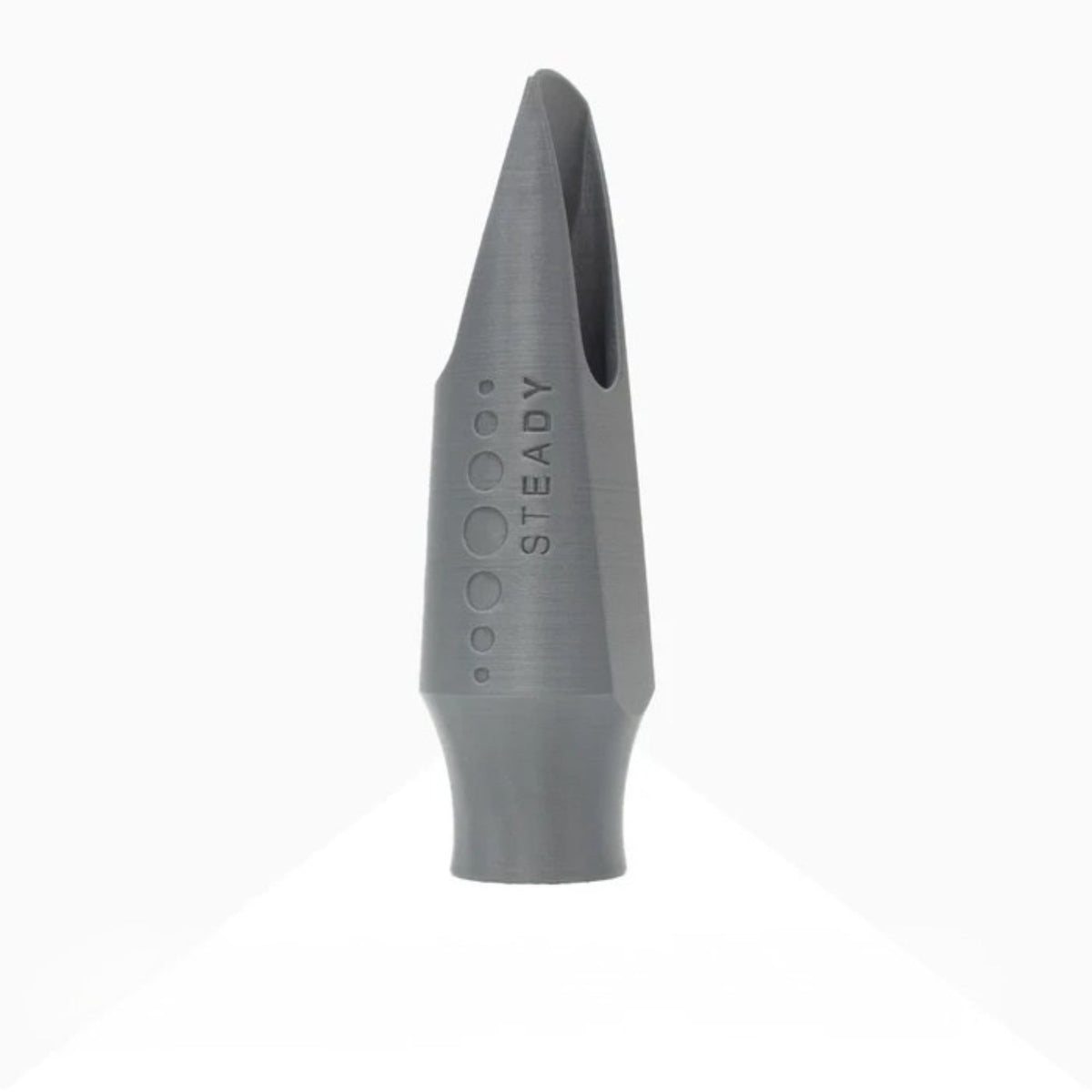
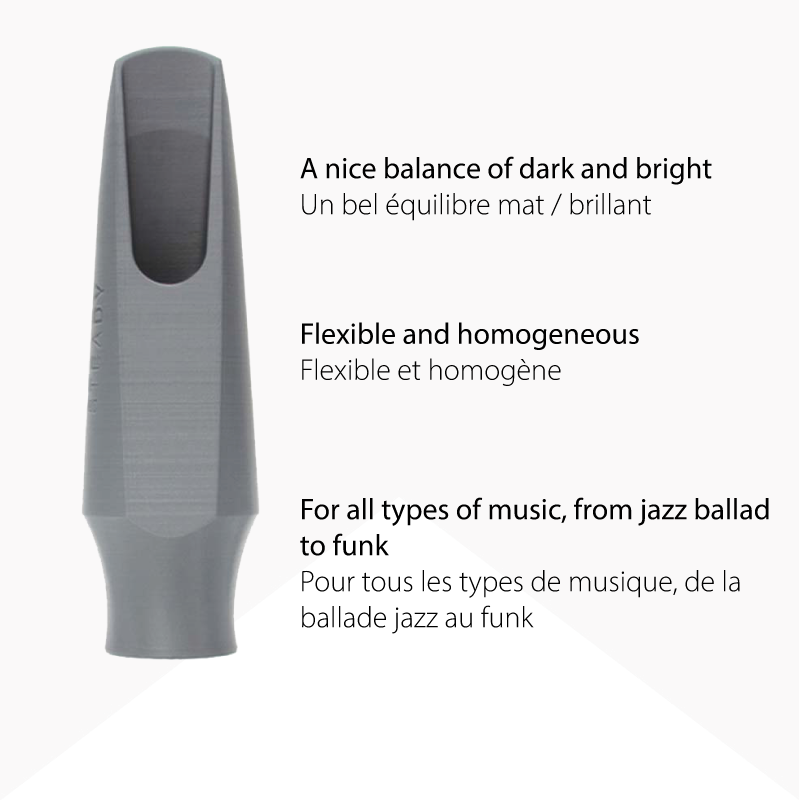
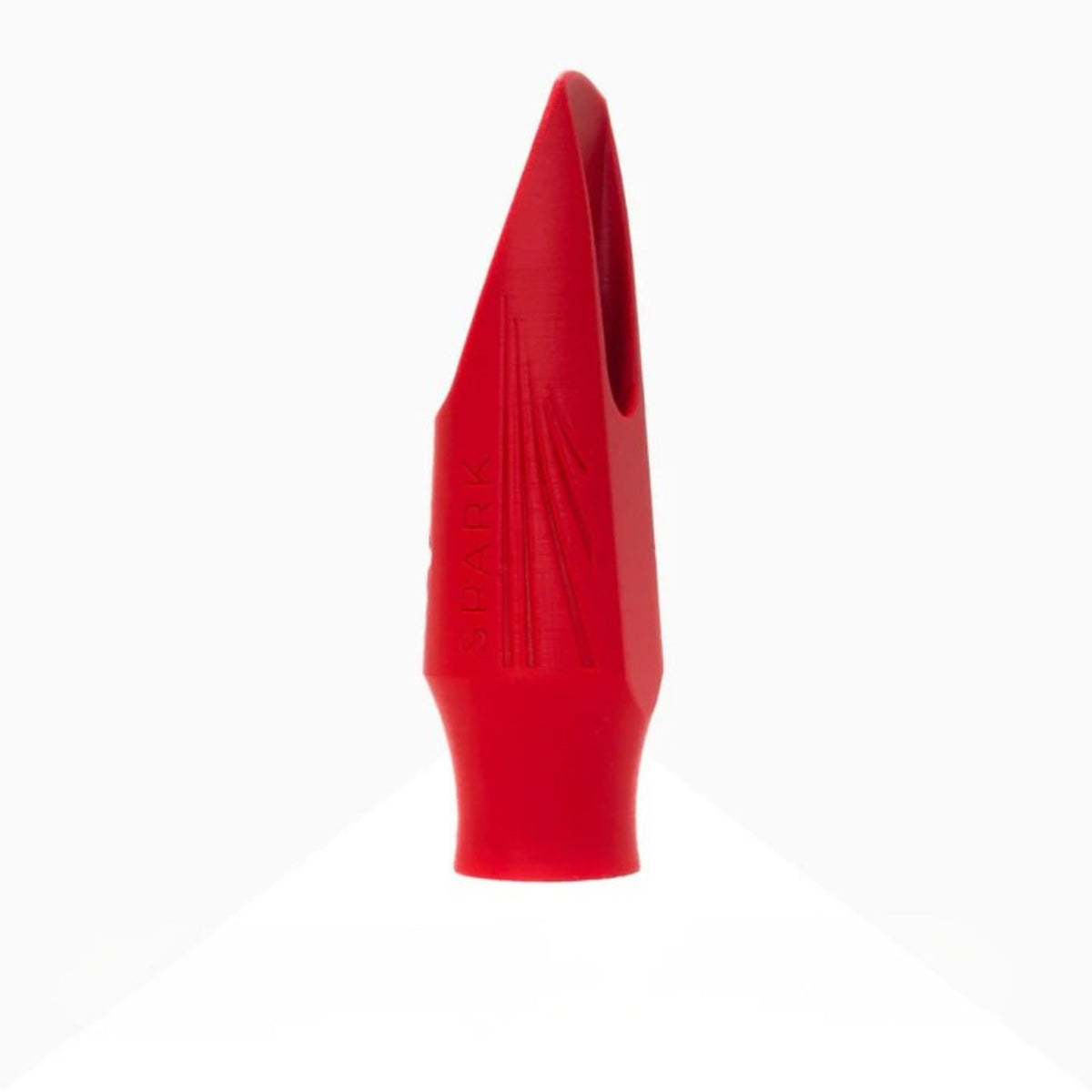
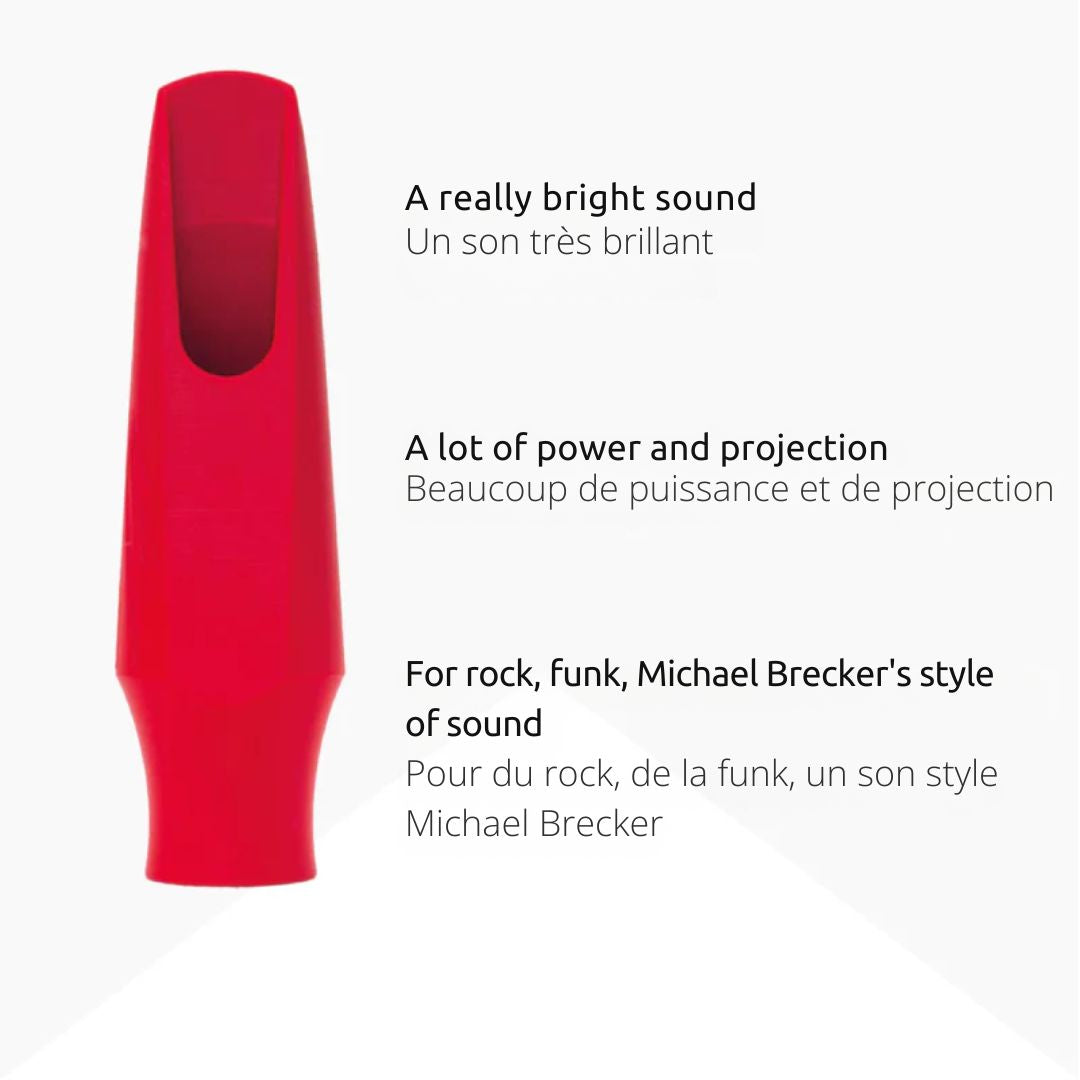
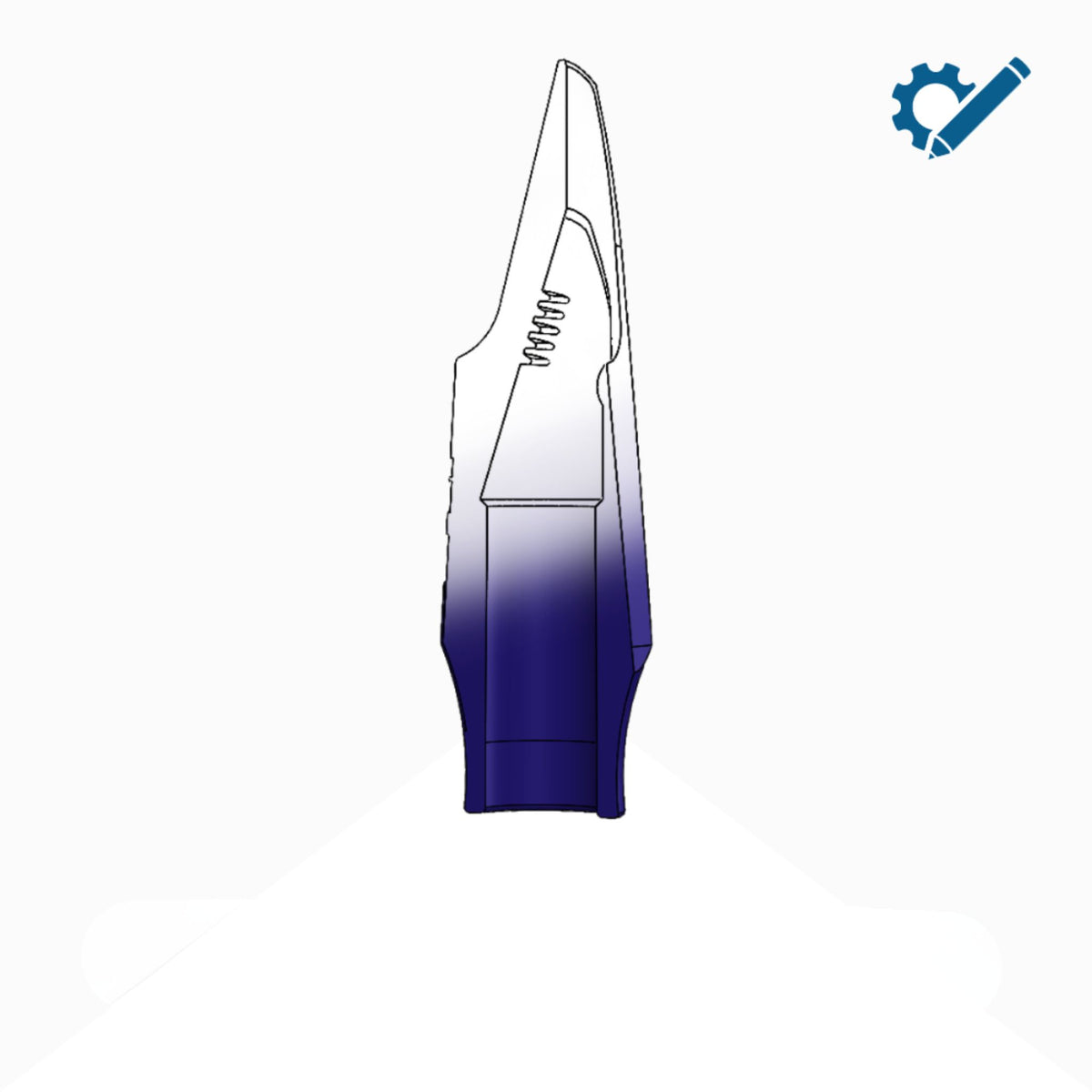
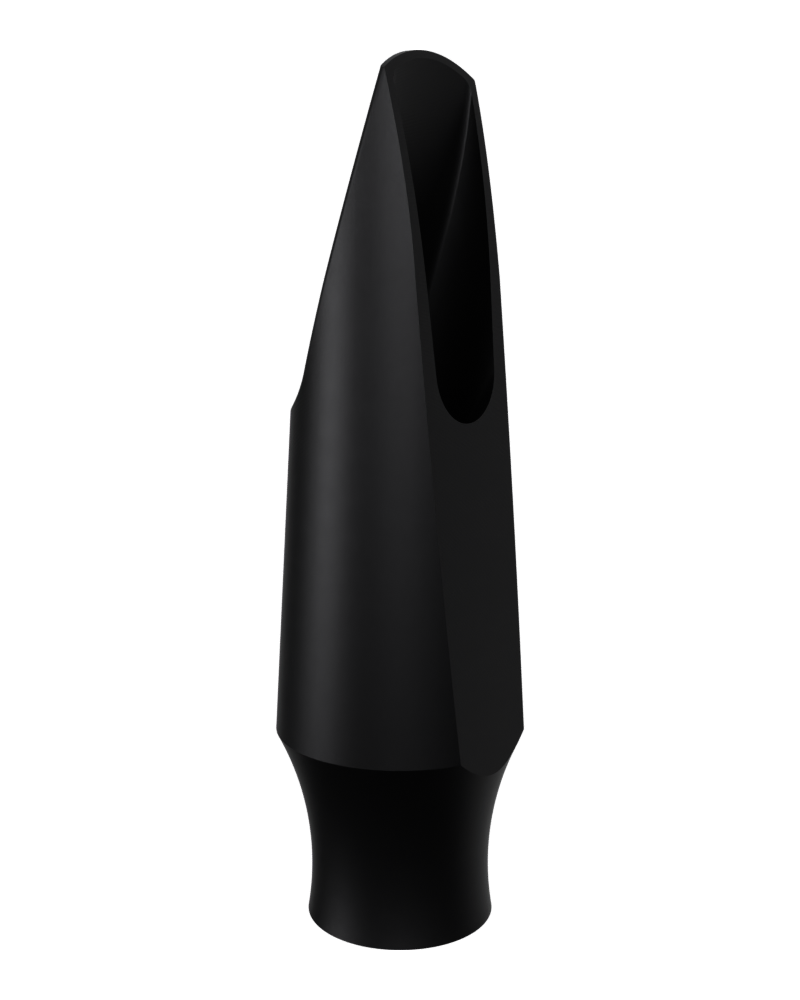
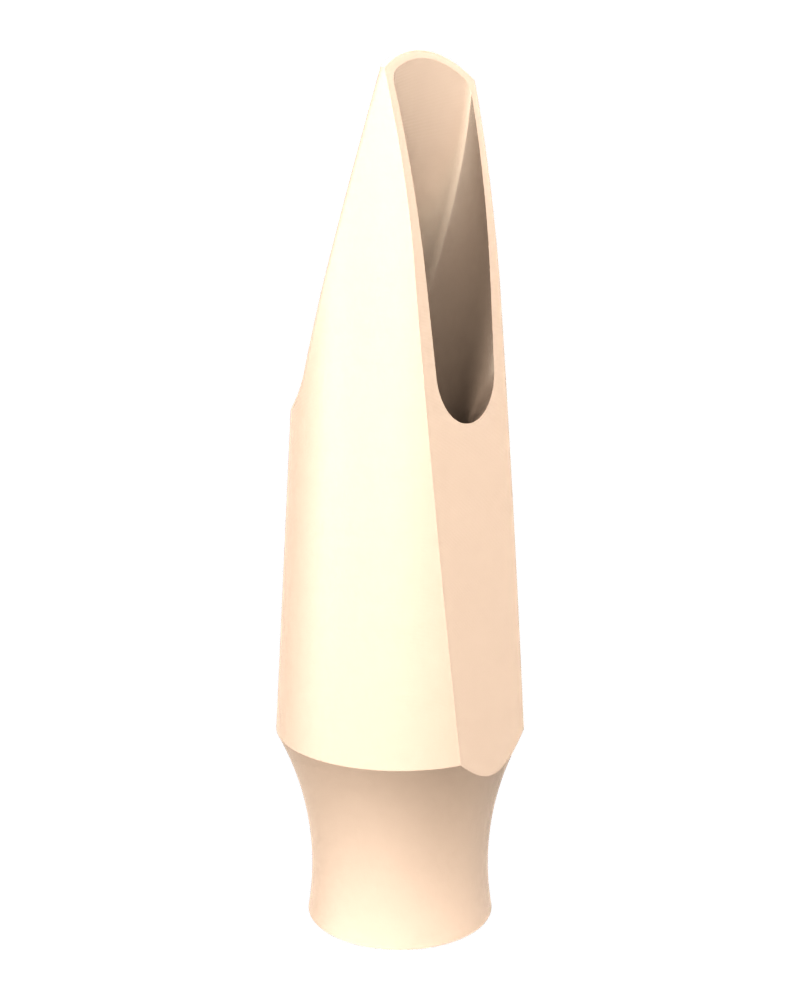
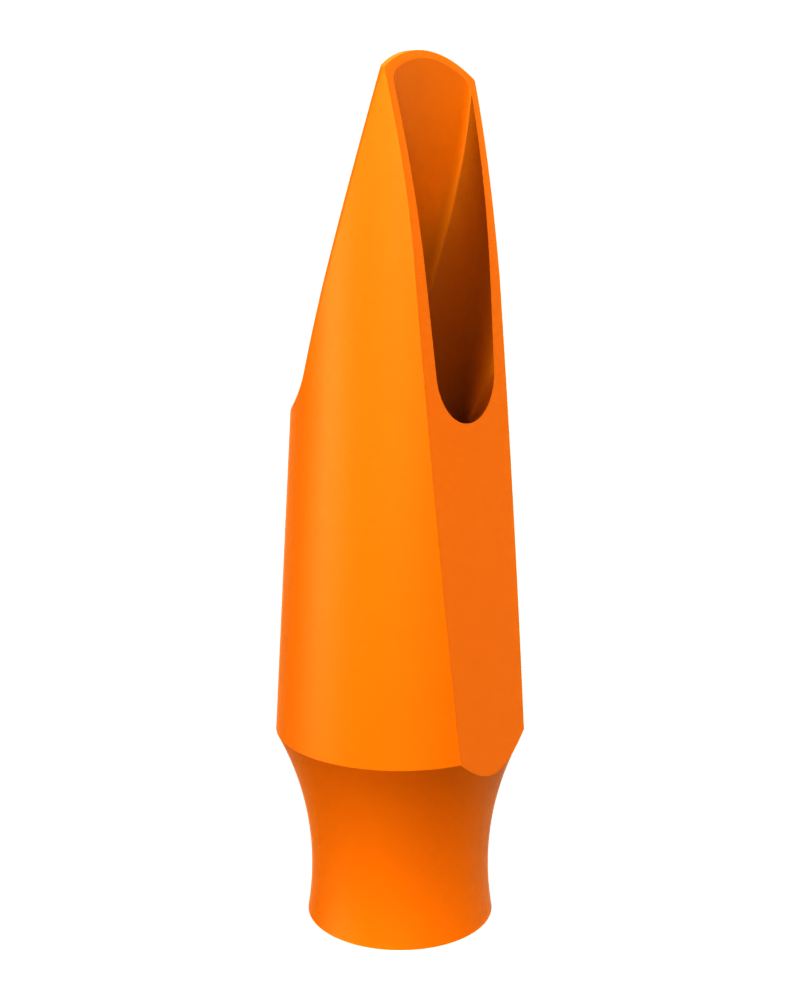
- 3D Printing and Customization: Perhaps the biggest game-changer is the advent of 3D printing technology in mouthpiece manufacturing.Instead of carving a mouthpiece from rod rubber or casting it in a mold, Syos uses additive manufacturing to create mouthpieces with virtually any internal geometry. This means saxophonists can request very specific chamber shapes, baffle heights, and so on, and have them made to order. Early Syos mouthpieces were made from a proprietary polymer called SCAL3D, designed to be printable and safe. In 2025, after two years of R&D, Syos introduced UPSCAL3D, an improved material addressing some of the weaknesses of earlier plastics. The result is that we now have mouthpieces being made in an entirely new way – it’s possible to tweak designs on a computer and produce them in days, whereas traditional hard rubber pieces require expensive molds or manual finishing. This innovation has opened up possibilities for mouthpiece design that were impractical before.
- Material Engineering: Along with 3D printing came the push to engineer better materials for it. As discussed, UPSCAL3D is a prime example – it was developed specifically with sax mouthpieces in mind, aiming to mimic the positive qualities of ebonite (density, hard feel) while exceeding it in durability and safety. This material is not an off-the-shelf plastic; it was created in collaboration with materials scientists and tested rigorously (including acoustic tests to ensure it doesn’t negatively impact sound).
- Revival of Old Ideas: Some modern designs echo the hybrid experiments of the past. For example, there are hard rubber mouthpieces today with metal rings or inserts to alter weight and resonance – a bit like the 1920s patents where metal and rubber were combined. JodyJazz’s DV series, while all-metal, uses cutting-edge CNC machining to achieve shapes that were impossible by hand. Theo Wanne has employed advanced materials and coatings (like a bronze powder resin in some mouthpieces). The point is, makers are exploring beyond the old boundaries: if it improves performance or consistency, it’s on the table.
- Crystal and Others Today: Glass mouthpieces (crystal) are still around, mainly produced by small specialists (e.g., Pomarico in Italy). Wooden mouthpieces occasionally appear as custom projects, valued for a very warm sound – but they require a lot of care (sealing the wood against moisture) and can be expensive.
- Environmental & Health Considerations: Modern players and makers also think about the environmental impact and safety of materials. Hard rubber manufacturing involves sulfur and other chemicals; not the most eco-friendly process. We’re starting to see interest in more eco-friendly materials or at least recyclable ones. The UPSCAL3D material, for example, is noted to be more recyclable than prior materials. It’s conceivable that in the future, we might even see bio-derived plastics or recycled material mouthpieces. Additionally, having FDA-certified mouthpieces addresses any health concerns of long-term contact with the mouth – something that wasn’t really discussed decades ago.
In summary, the modern era is bringing both new materials and new methods to mouthpiece making. For players, this means more choice than ever. You can get a classic hard rubber mouthpiece handcrafted by a boutique artisan, or a space-age precision 3D-printed piece custom tailored to you. Each material still has its trade-offs, but innovation aims to give players the best of all worlds (the comfort of one, the durability of another, etc.).
Conclusion
The history of saxophone mouthpiece materials is a fascinating journey from the ornate ivories and woods of the 19th century to the high-tech synthetics of today. Each material that has been used – wood, ivory, bone, hard rubber, metal, crystal, plastic, and modern composites – came with its own context and purpose. Hard rubber (ebonite) emerged as the workhorse for good reason: it offered practical advantages that solved earlier problems and allowed the saxophone to flourish as a popular instrument. Metal mouthpieces added another option for players seeking different aspect and design or greater durability. And now, innovative plastics and 3D-printed materials are carrying the evolution forward into the 21st century.
For beginner and intermediate players, what does all this mean? A few key takeaways:
- Don’t get too caught up in material hype when it comes to sound. The design and facing of the mouthpiece influence your tone more than whether it’s plastic, rubber, or metal. There are fantastic-sounding mouthpieces in each material.
- Comfort and practicality are where material makes the biggest difference. If you often play outdoors in cold weather, hard rubber or modern synthetics tend to feel more neutral on the lips than metal, which can get very cold or hot.
- Maintenance is straightforward for all: keep your mouthpiece clean and handle it with care. Know the quirks (e.g., don’t leave your ebonite mouthpiece on the windowsill in the sun, and remember a crystal mouthpiece is a bit like a wine glass – treat it gently).
- Explore and trust your ears (and lips). There is no single “best” material for everyone. Try different mouthpieces if you can, and see what feels and sounds right to you. But if your focus is on performance, consistency, and comfort, Syos is a smart place to start (and end). Our mouthpieces are crafted from UPSCAL3D, a durable and FDA-approved material designed to deliver reliable results in every playing environment. We believe you will be more than satisfied with the feel, quality, and response of a Syos mouthpiece.