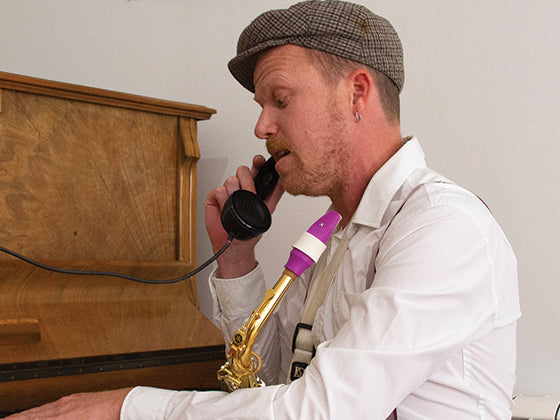

There's a moment in this session where Patrick Bartley sits down, fans himself, and breathes hard. He has just spent three and a half minutes locked into a solo that does not let up, not for a second. By the time he hands it off, you can see the work on his face.
The energy is incredible and the type of spectacle that Live from Emmet's Place tends to produce. And this particular session, built around Jimmy Heath's "Big P," is one of the standout pieces from the entire series.
"Big P" is a Jimmy Heath composition (American jazz saxophonist, composer, arranger, and big band leader), originally written as a tribute to his older brother, bassist Percy Heath. The original was released on the 1960 album Really Big!. It swings, it leans into the blues, and carries a relaxed, slinky kind of cool.
Emmet's version stays true to the rudimentary musical skeleton but is tonally and compositionally a different animal. Faster, fierier.. The slink is gone, replaced by a kind of forward propulsion that's hard to sit still through. Emmet Cohen's piano is right at the front of the arrangement, driving the harmony rather than just supporting it. The whole thing feels like the band took the Heath original out for a sprint.
Oh, before we continue:
What is Emmet's Place?
For readers new to the series, Emmet's Place started during the pandemic and quickly became one of the most-watched jazz hangs on the internet. The concept drew specifically on Harlem's rent party tradition, born in the 1920s when Black tenants, facing higher rents and lower wages than their white neighbors, would clear their living rooms, hire a band, and charge a small fee at the door to cover the month's rent. Those gatherings became both a lifeline and a laboratory, giving rise to stride piano and swing and shaping the early language of jazz itself.
Emmet's version honored that period, only this time the room was online, and open to far more guests than any Harlem apartment could ever hold. He's said in interviews that studying history is essential, but over-reverence can freeze the music. Emmet's Place respected the roots and made them feel present in today's context, where online spaces are part of a working musician's world. (For the full story of how the series came together, read our earlier piece on Live from Emmet's Place.)
The great Benny Golson once recalled standing outside a club in Philadelphia with John Coltrane, listening to Charlie Parker play five forty-five-minute sets from 10 p.m. to 2 a.m. That nightly immersion shaped generations of players. Emmet's Place carried that same spirit. Two-hour sessions were common, filled with standards, originals, shout choruses, and inside jokes. Somewhere out there, the next Coltrane may have been watching from their laptop.
Back to the session at hand:
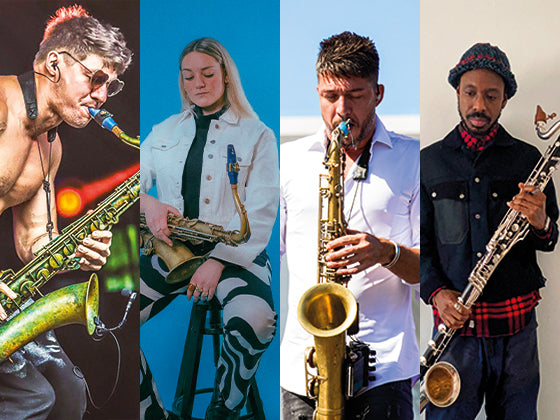
Emmet Cohen on piano. Bruce Harris on trumpet. Patrick Bartley on alto saxophone. Tivon Pennicott on tenor saxophone. Russell Hall on bass. Joe Farnsworth on drums.
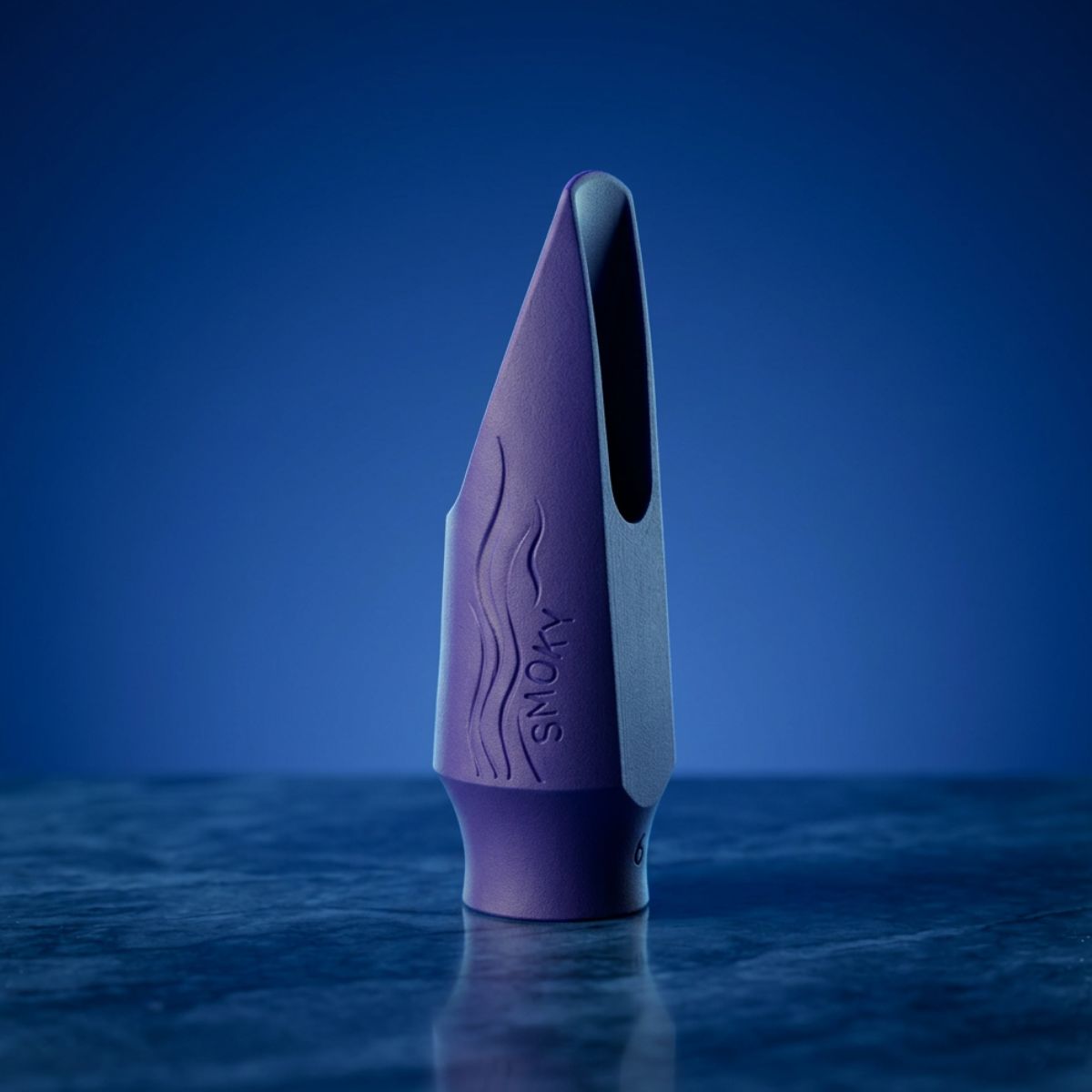
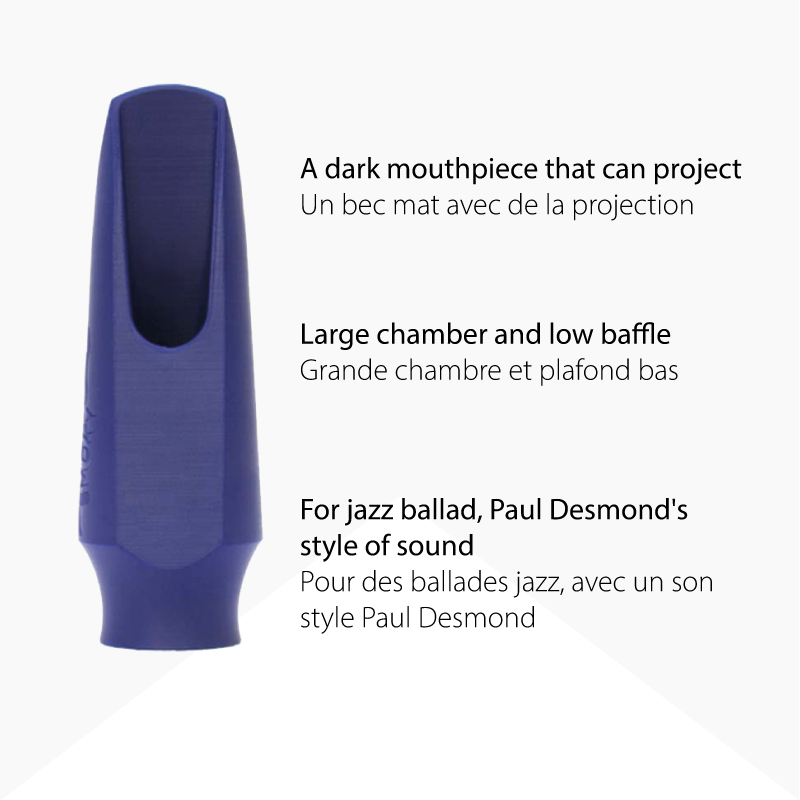
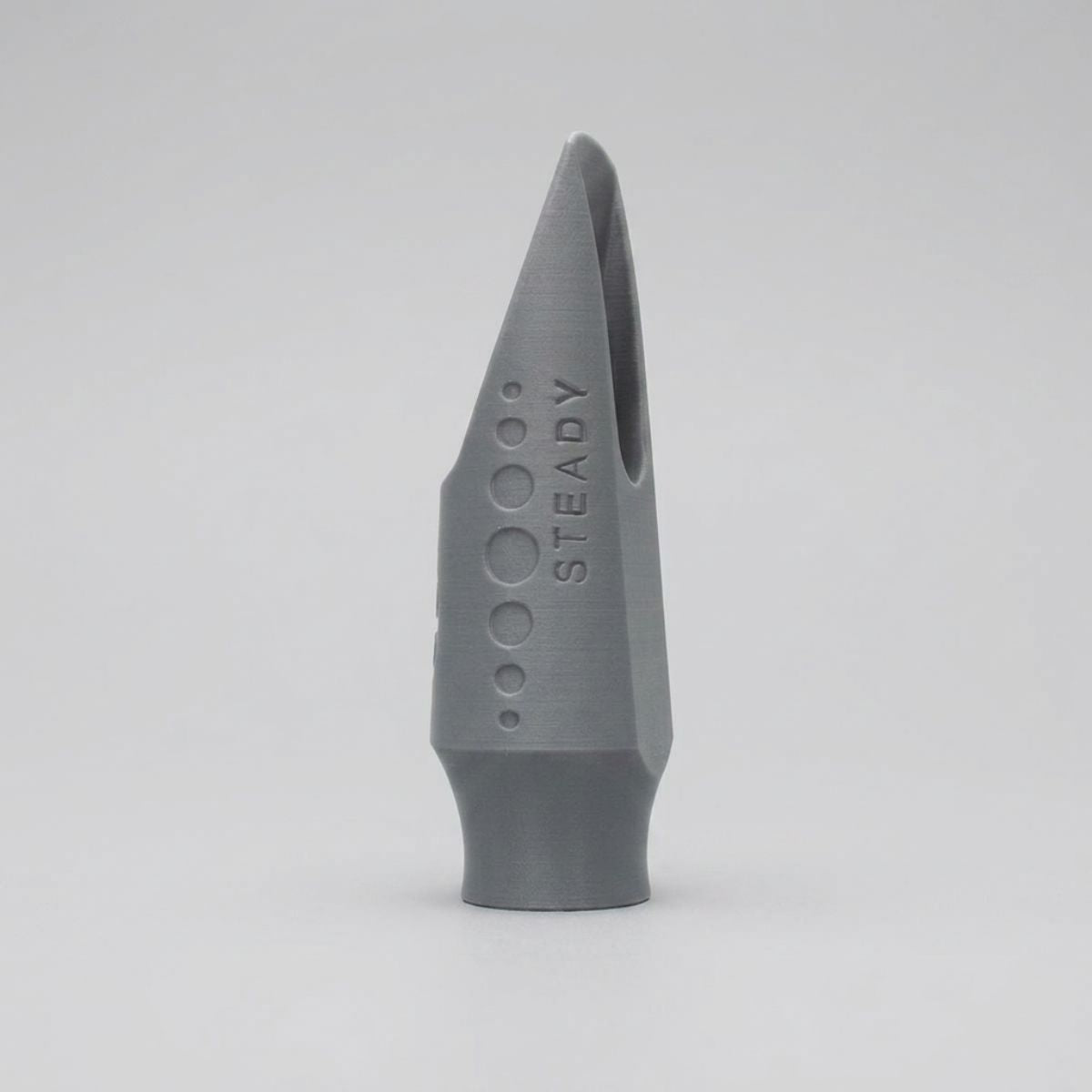
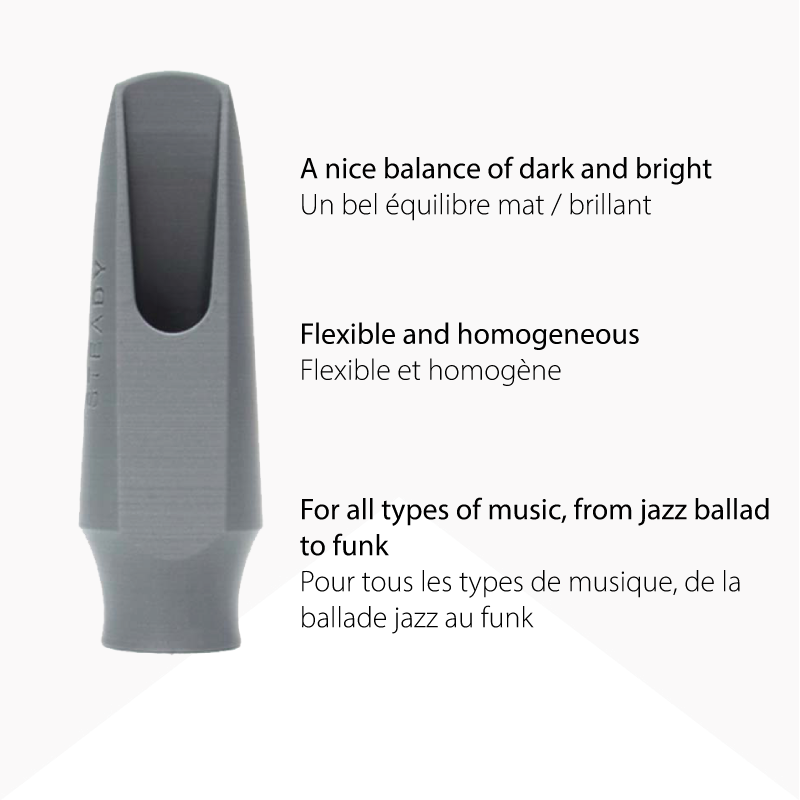
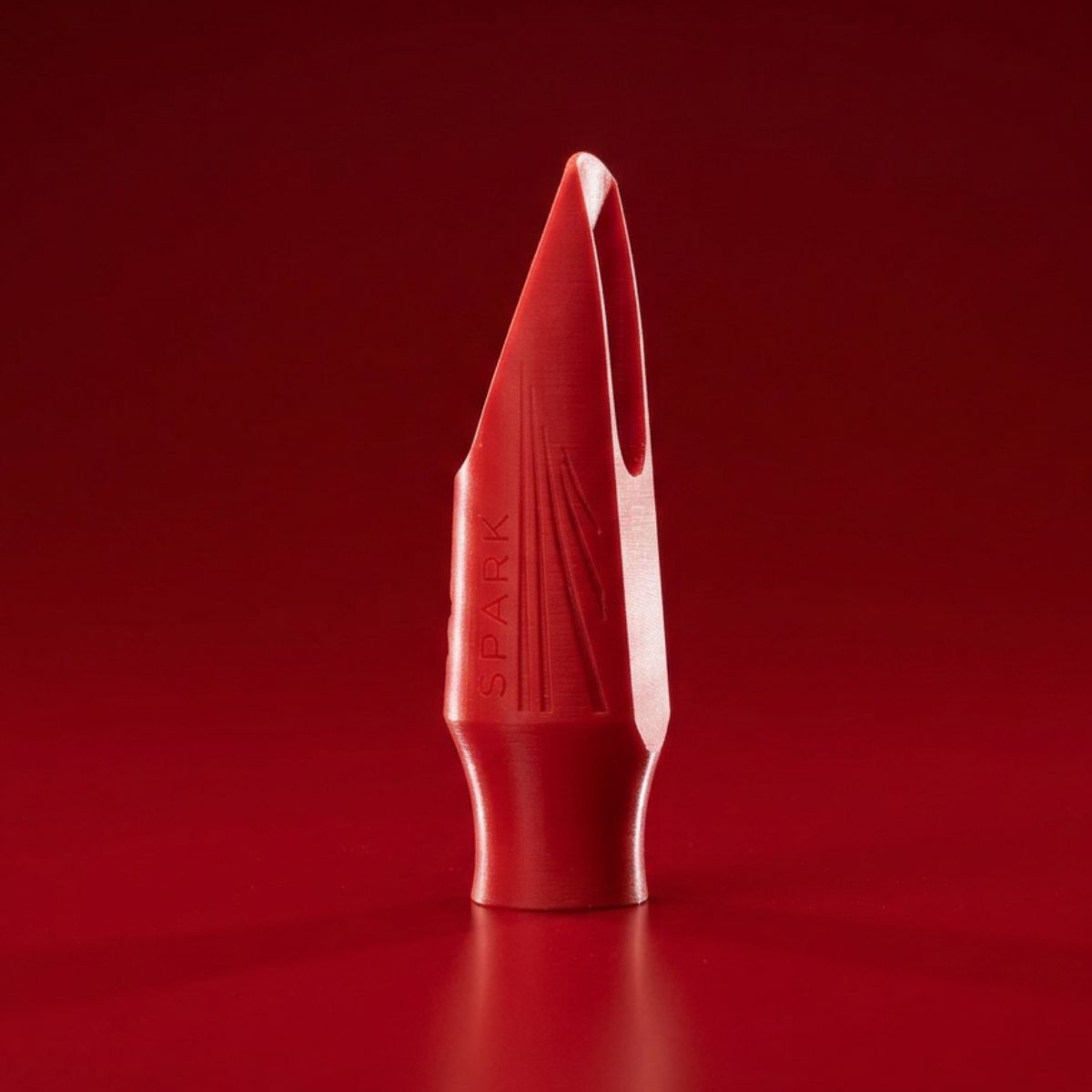
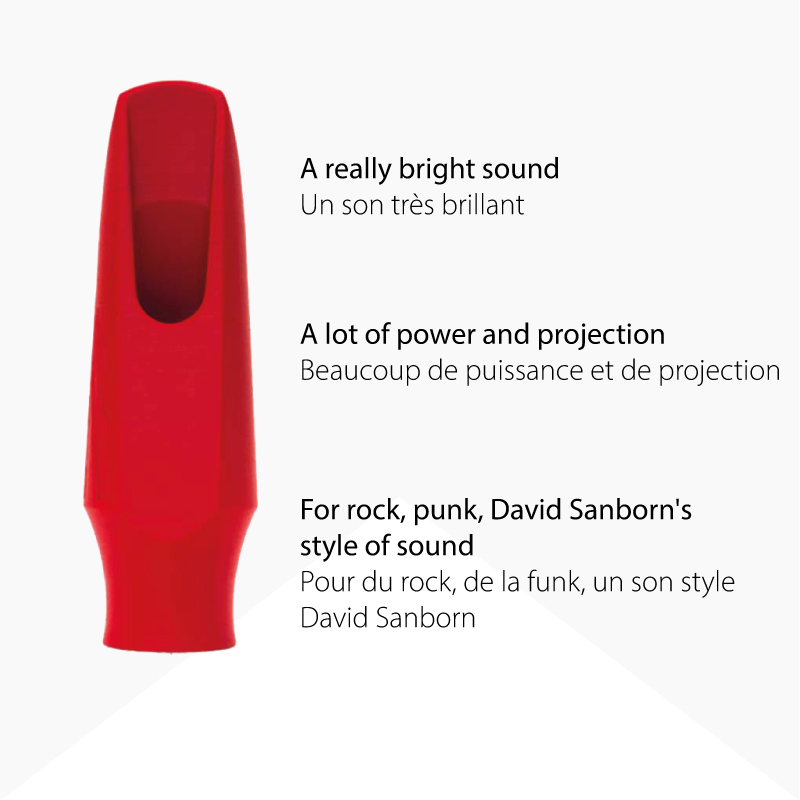
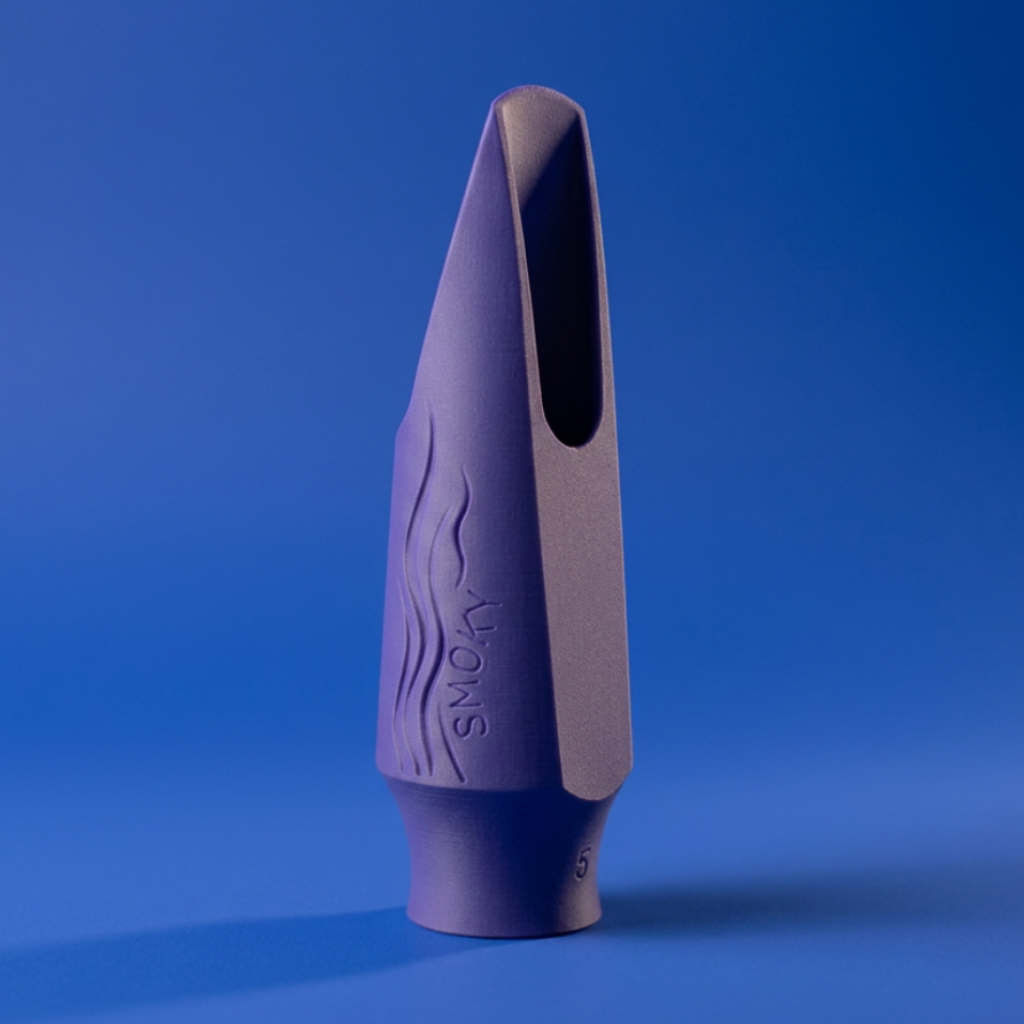
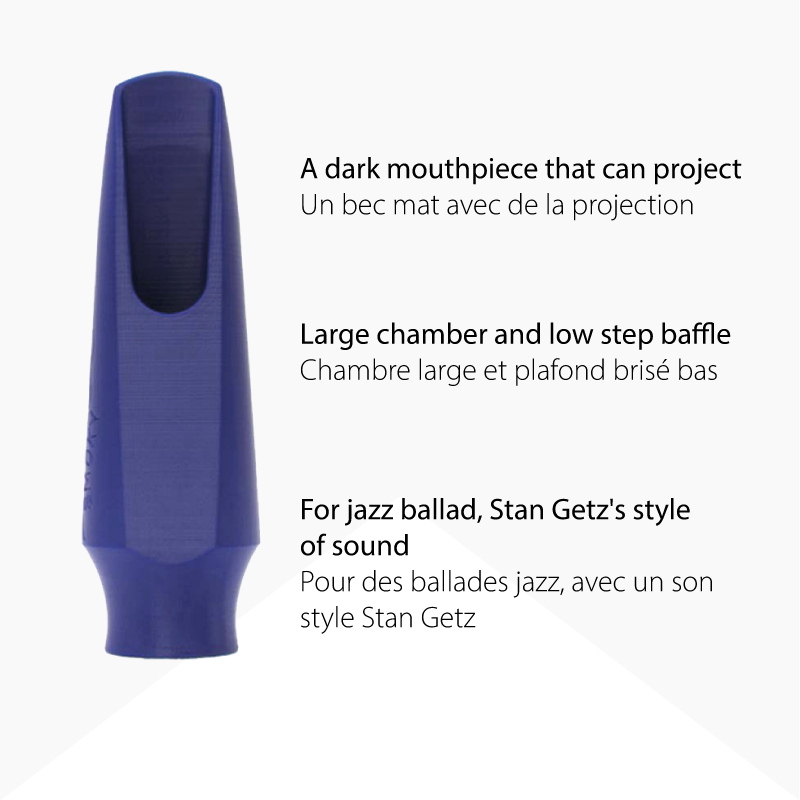
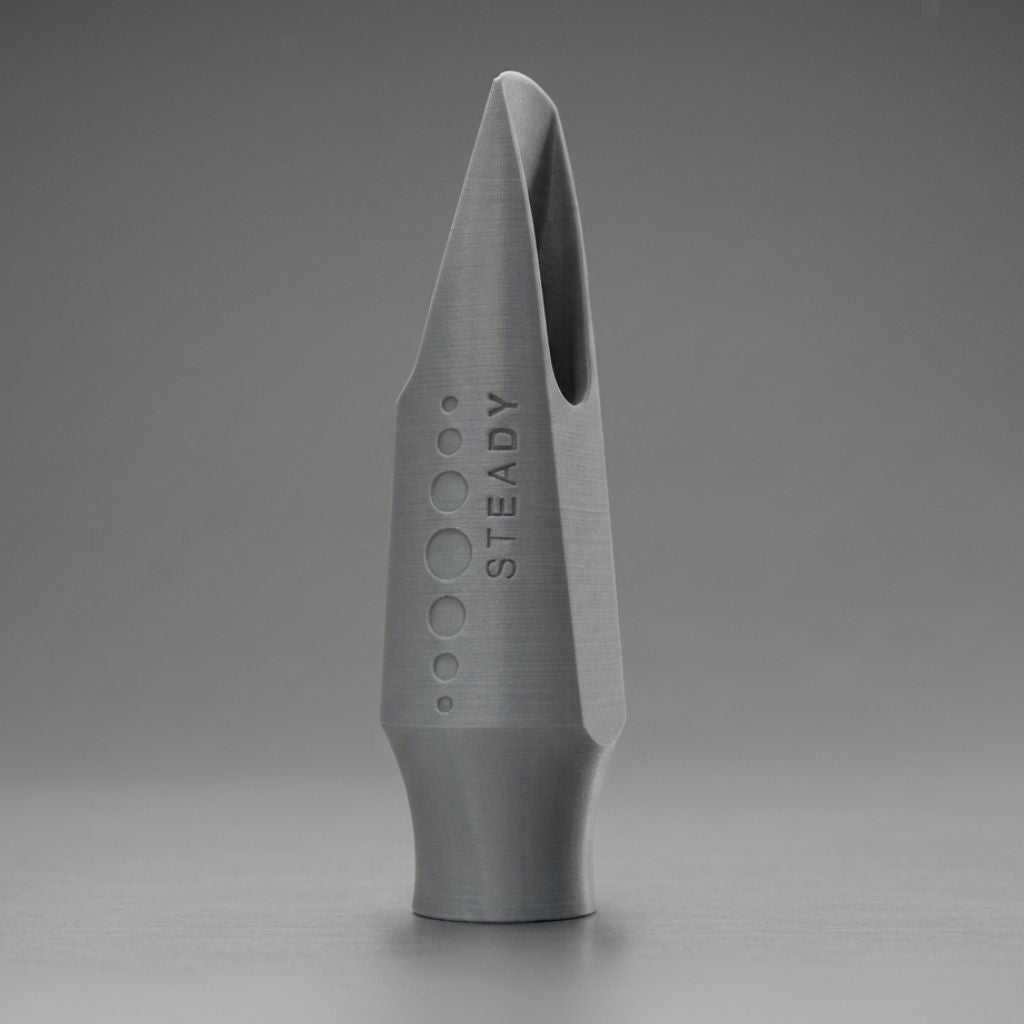
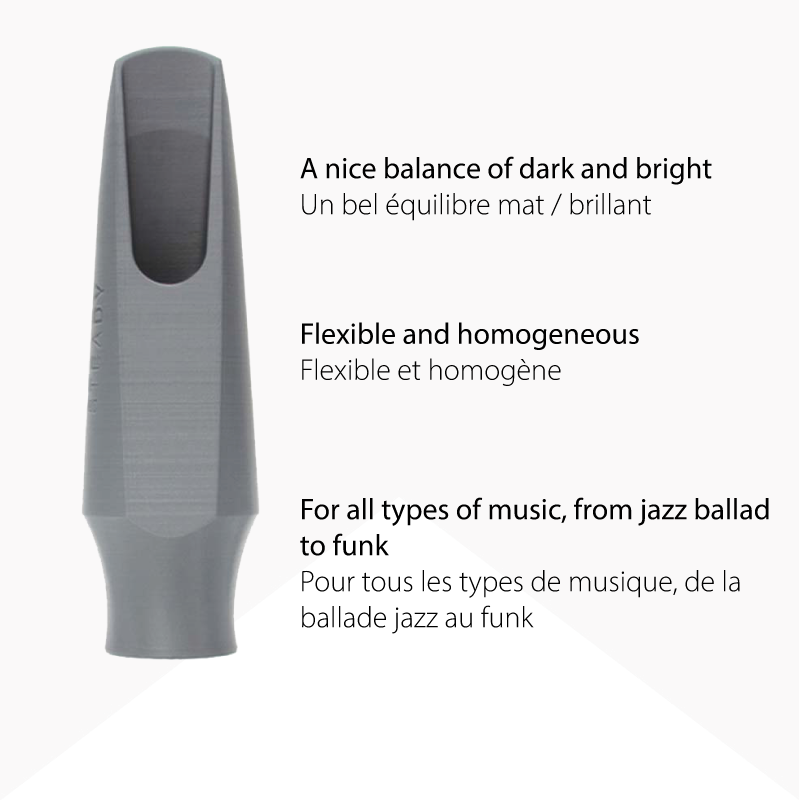
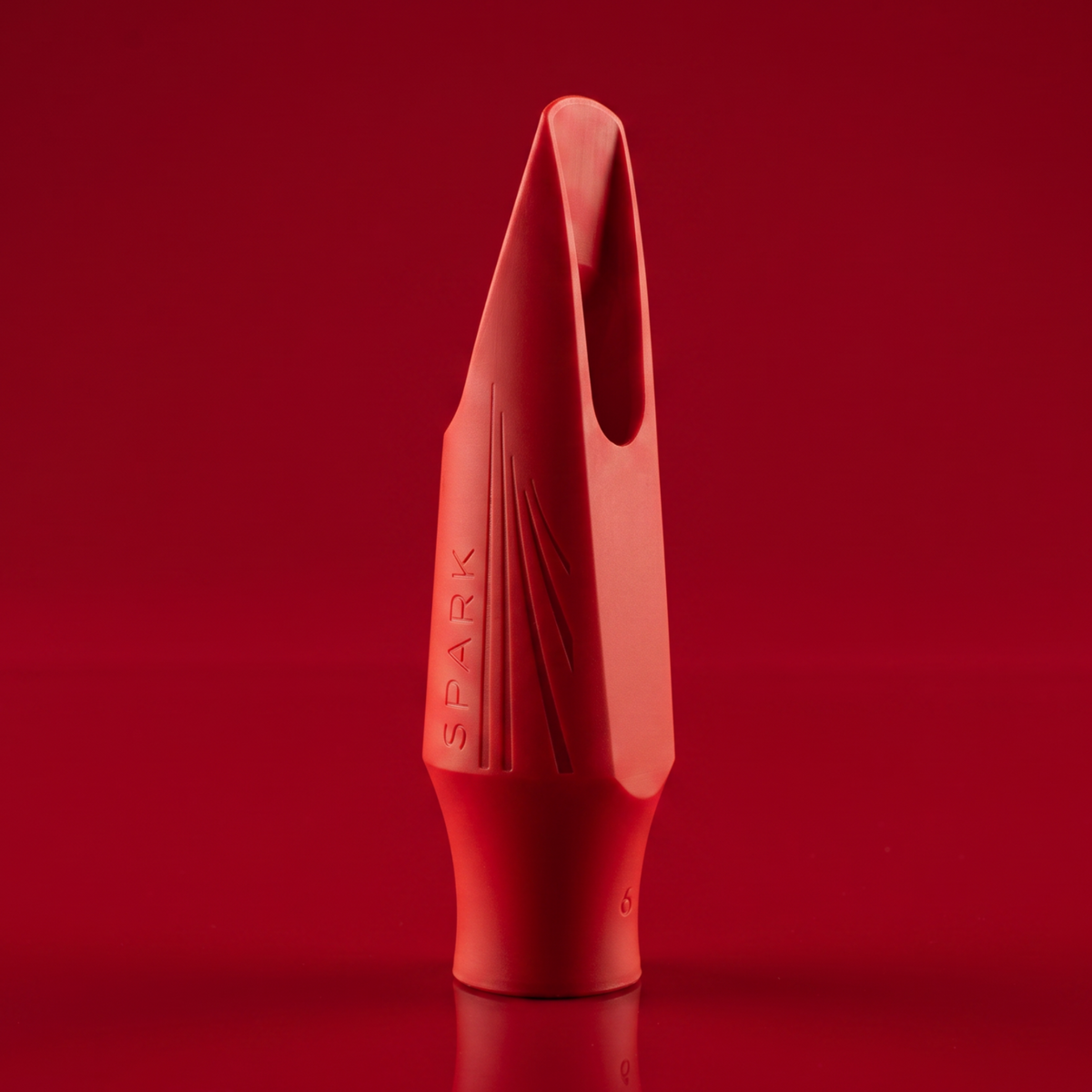
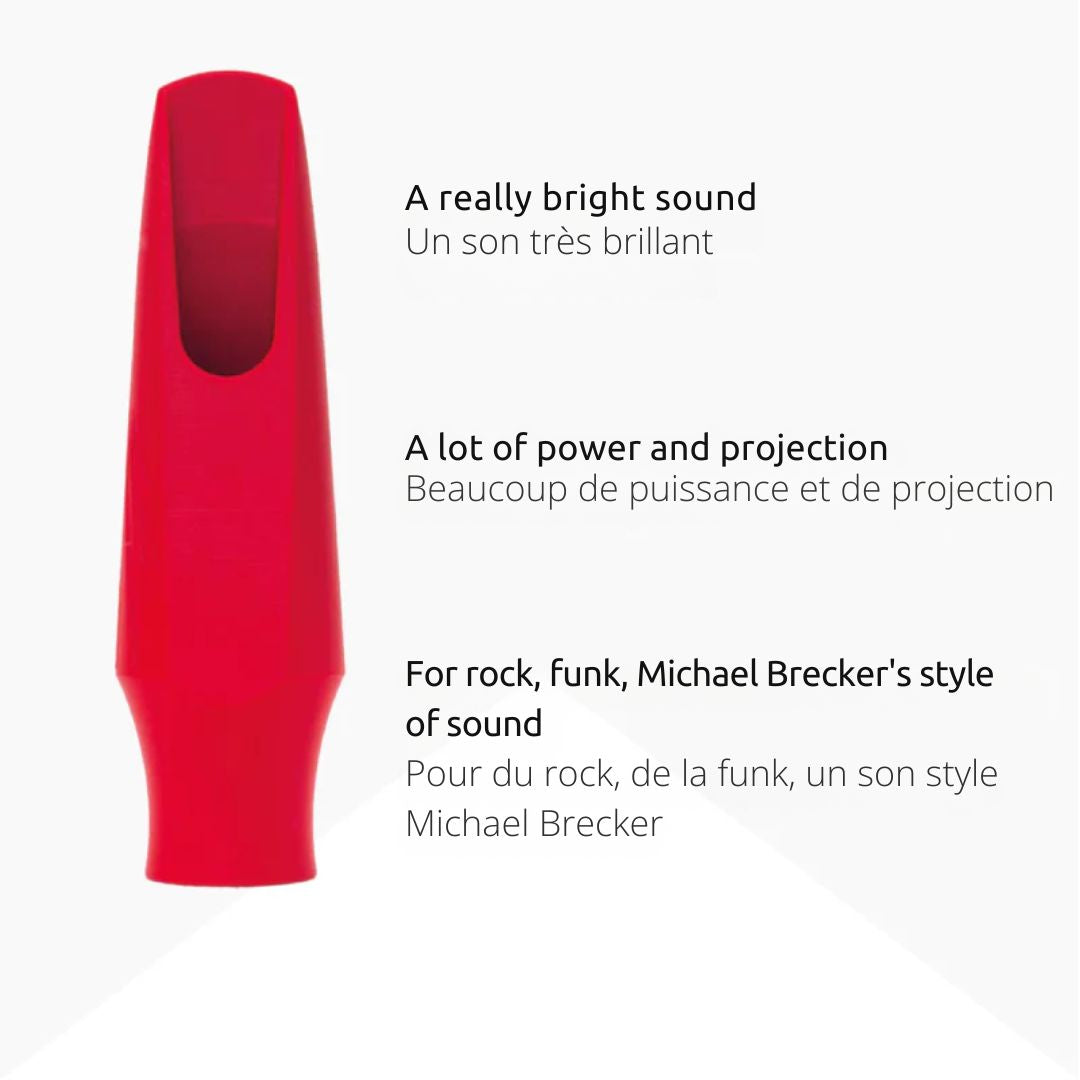
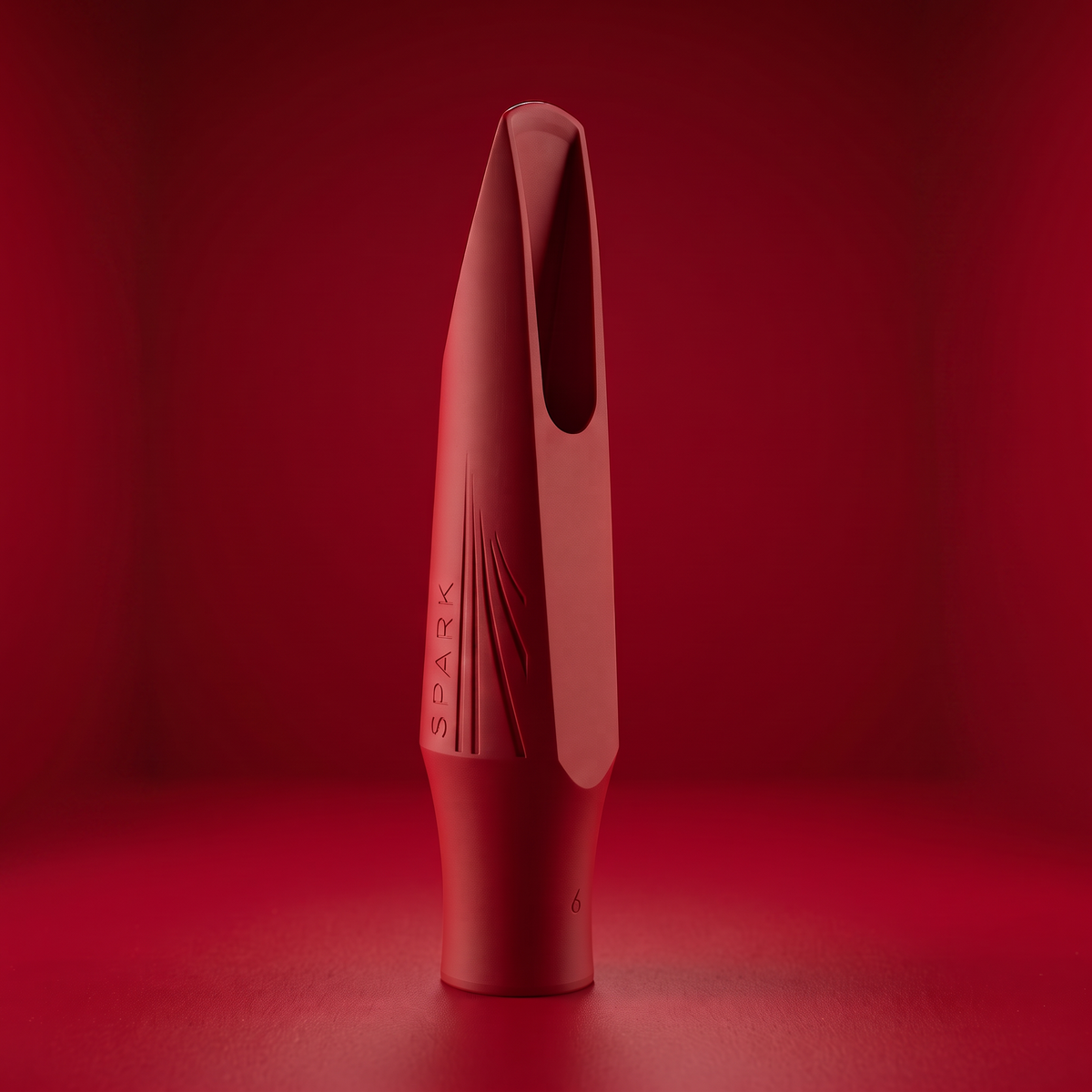
Two of those names by the way, Patrick and Tivon, are Syos artists with signature mouthpieces! Both were regulars on Emmet's Place during its run, and both invigorated jazz fans.

Russell, Joe, and Emmet set the floor immediately. The bass and drums lock in, the piano starts pushing, and from the first bar there's no question what the tempo is going to be.
Patrick takes it first. From the top of the head through about the 3:30 mark, he is fully out. Fiery, intense, out for blood. He climbs, he doubles back, he leans on a phrase until it nearly tips over, catches it. There's no holding pattern. There's no breathing room he gives himself. By the end of his solo, he's panting and fanning himself on the couch, which tells you everything about how much he left out there.
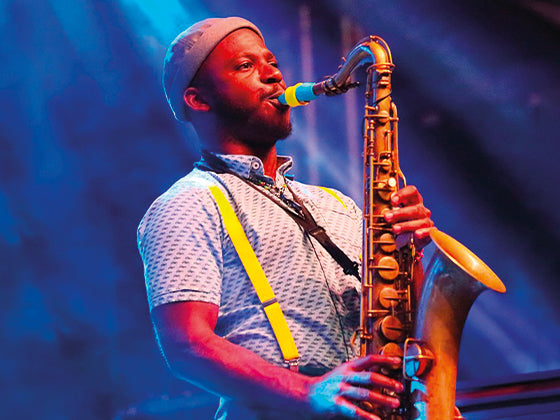
Around the 4:00 mark, Tivon steps in and the contrast is immediate. Where Patrick was incendiary, Tivon is smooth. Steady. Light on his feet. He doesn't try to match Patrick's intensity, which is the right call. He builds his own thing entirely, dark in the lower register, easy in the upper. Pulls the room's tension down by half a degree before letting it rebuild on his own terms.
Bruce Harris picks up around the 6-minute mark on trumpet, threading his solo through what the saxophones have already laid down.
Then near the 10-minute mark, the whole band locks back in, right after a brief, conversational moment between Emmet on piano and Joe on drums. The full band re-entry after that moment is one of the best parts of the session.
Plenty of Emmet's Place sessions are excellent and this clip earns its place near the top because of the contrast. Two Syos artists, both at the top of their playing, both choosing entirely different approaches to the same tune. Patrick going for the throat and Tivon laying back and letting the tune breathe. A rhythm section that holds steady through both. And a band that knows how to land a re-entry.
If you've never sat down with a full Emmet's Place session, this is a good one to start with.
About Patrick Bartley
Patrick Bartley, Jr. is a Grammy-nominated saxophonist and bandleader from Hollywood, Florida, now based in Tokyo. Since moving to New York he's performed and recorded with Wynton Marsalis, Jon Batiste, Emmet Cohen, and Herbie Hancock, among others. He also founded the J-MUSIC Ensemble, which explores Japanese music through a jazz lens.
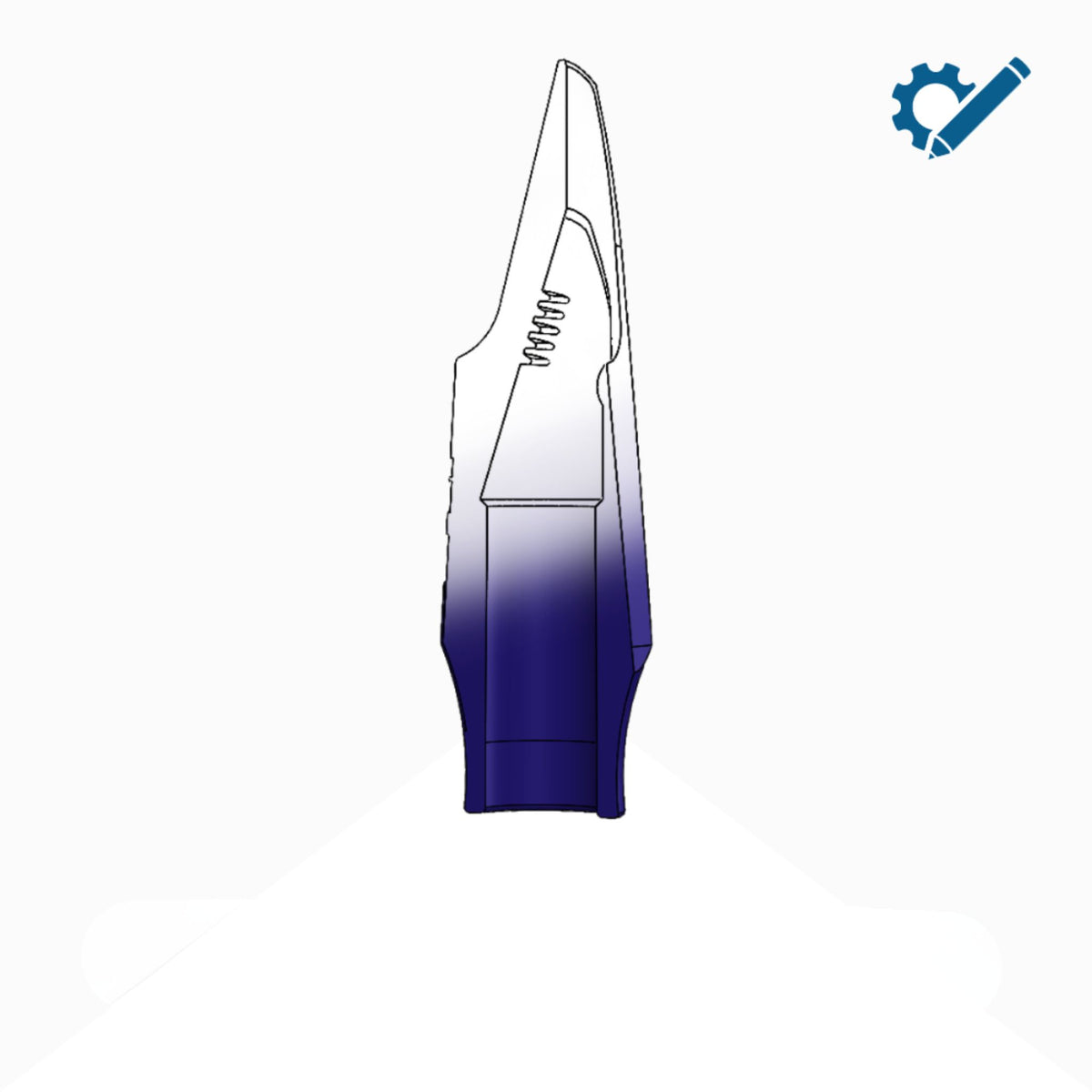
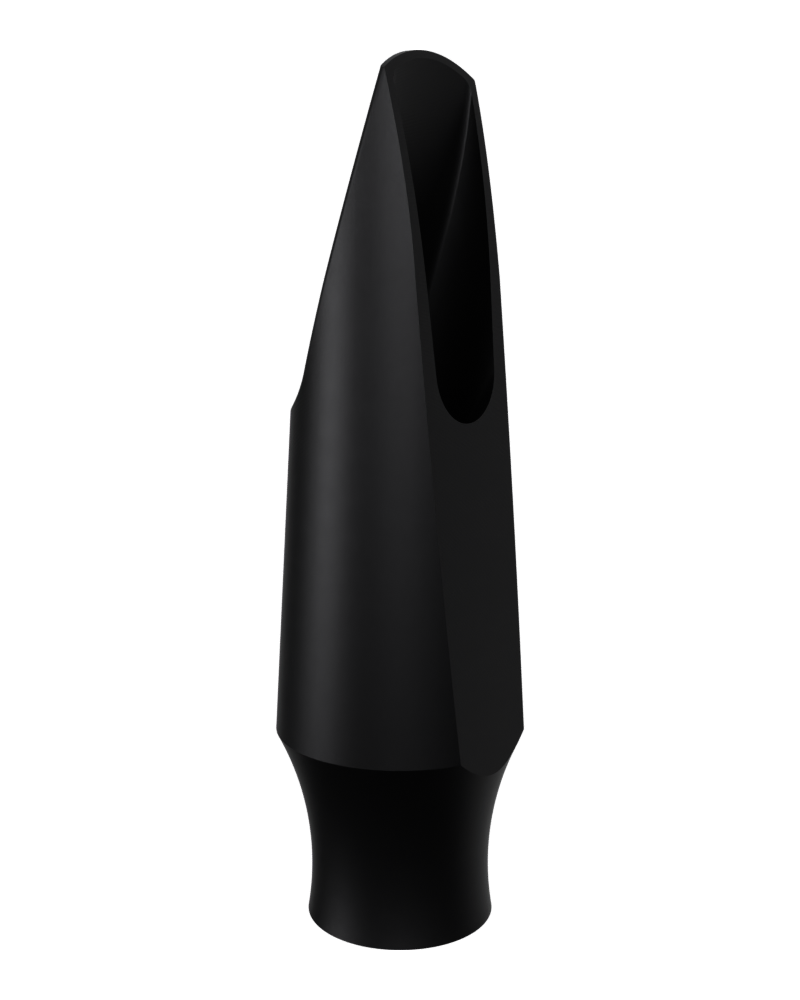
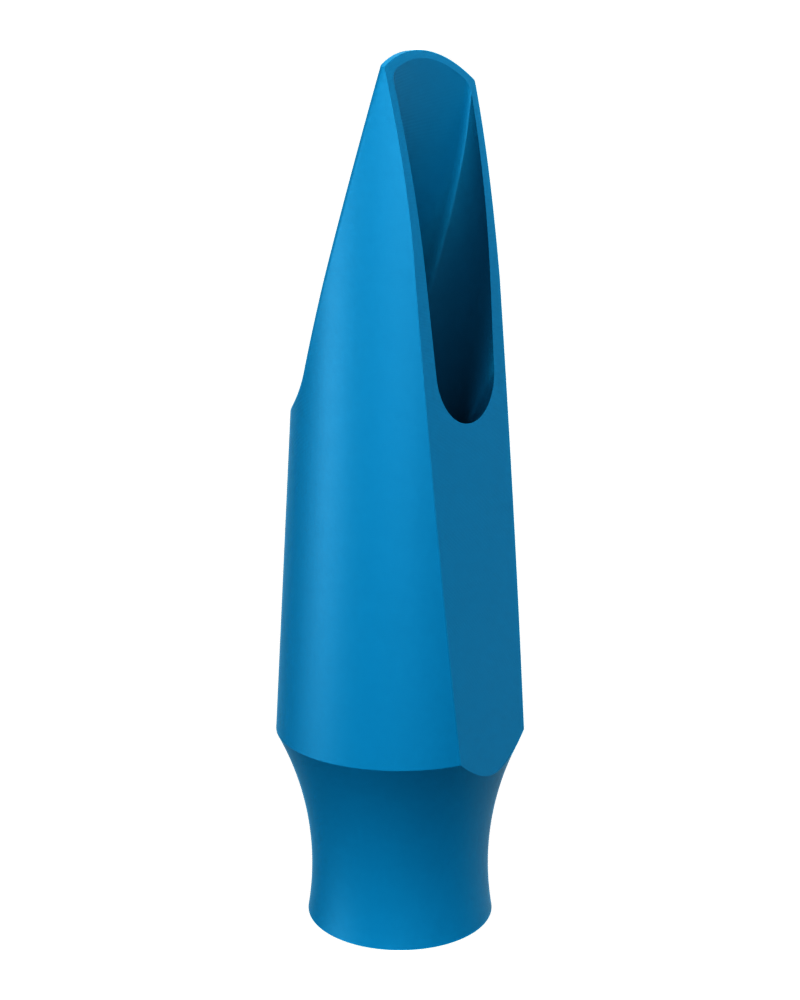
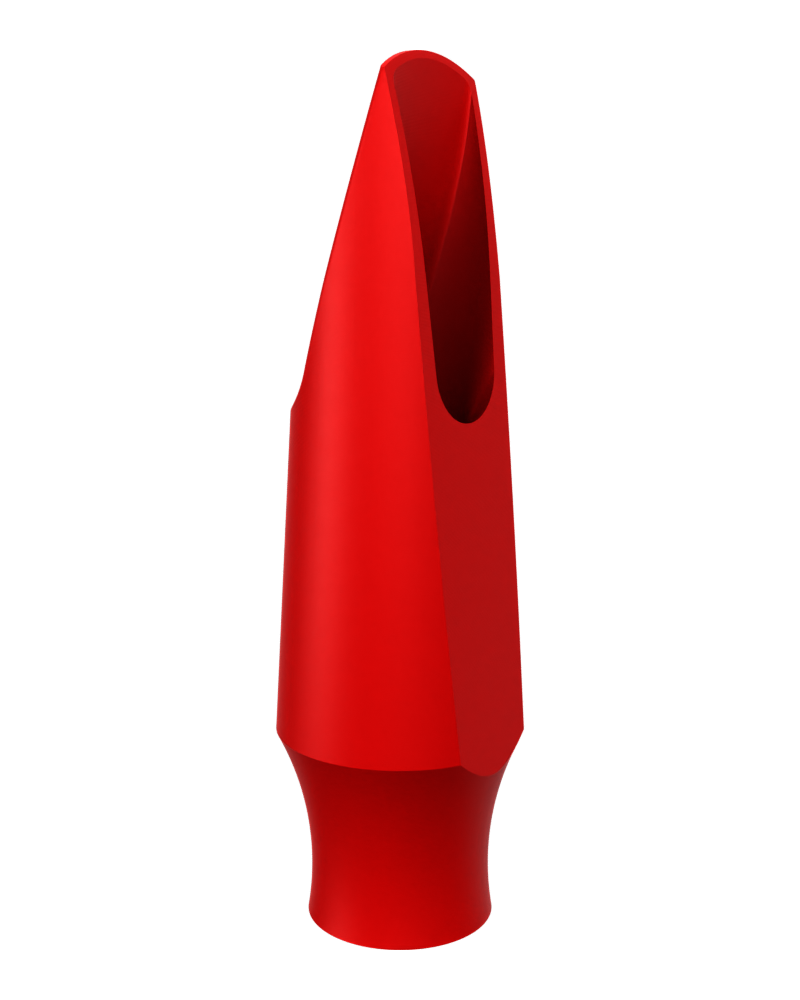
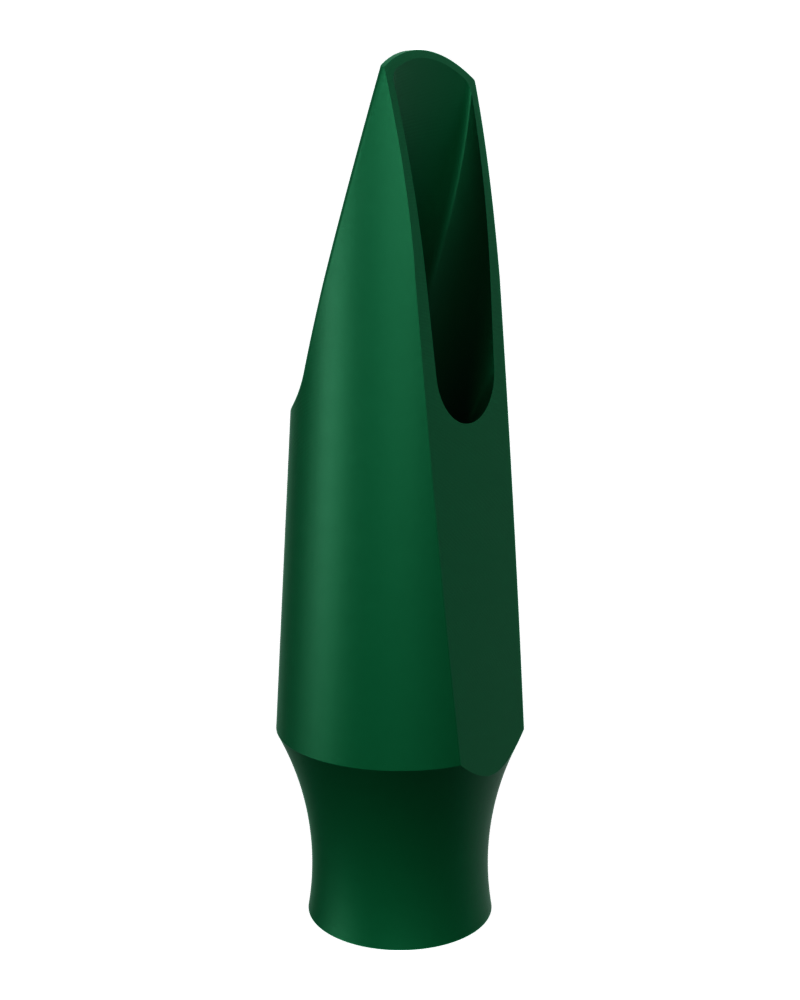
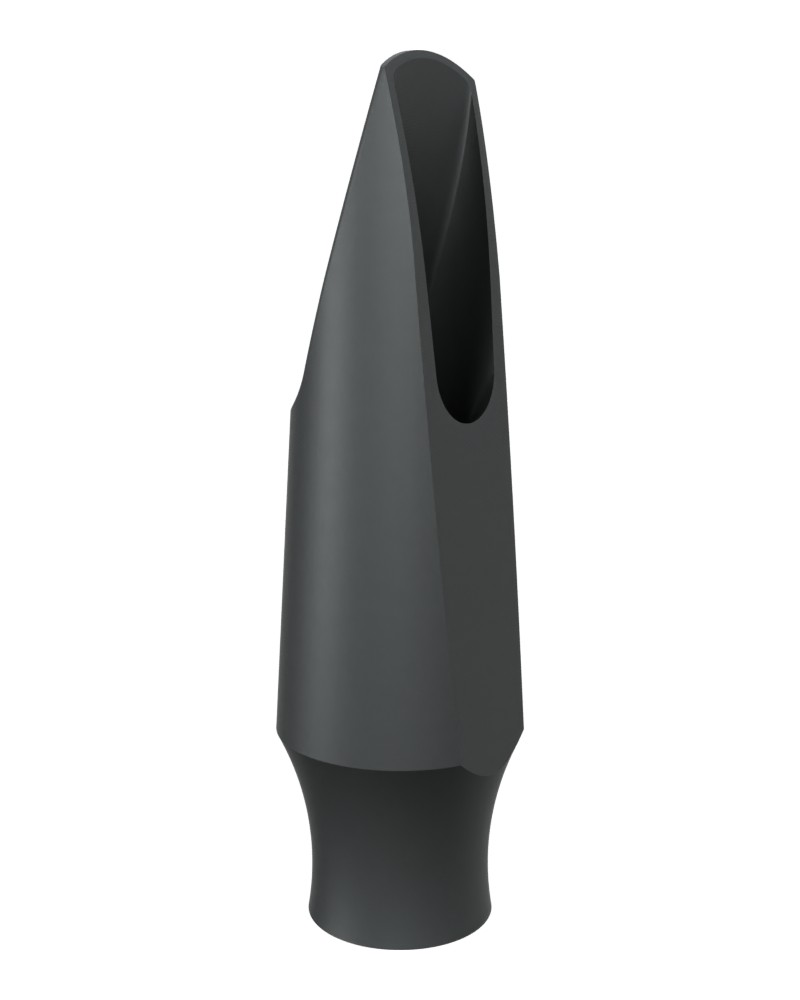
For fourteen years before discovering Syos, Patrick played a Meyer 6M. His signature alto mouthpiece was designed to extend that sound rather than replace it. It combines a slightly lowered circular baffle with a medium chamber, which gives the flexibility he needs while keeping projection strong. In his own words: "I love how I can still play warm and sweet, yet brighten it up and power through an electric band when I need it. It's the perfect piece for the type of versatile playing I strive for."
👉 Explore the Patrick Bartley Signature Alto mouthpiece
About Tivon Pennicott
Tivon Pennicott is a three-time Grammy-winning saxophonist, composer, and multi-instrumentalist. A Georgia native now based in New York, he's appeared on Esperanza Spalding's Radio Music Society, Gregory Porter's Liquid Spirit and Take Me to the Alley, and worked with Roy Hargrove, Kenny Burrell, and Ari Hoenig.
His signature tenor mouthpiece is built around a circular baffle and small chamber, which produces a dark, warm sound with a slight resistance to it. That resistance gives him the steady, unhurried quality you hear on this session. "My Syos mouthpiece is uniquely comfortable for me," he's said. "I can easily access my altissimo while also blowing through my low subtone notes with ease."
👉 Explore the Tivon Pennicott Signature Tenor mouthpiece