






Our Top 6 Alto Saxophone Mouthpieces for 2026
We tested and researched the most talked-about alto mouthpieces on the market. Here's the ranked list.
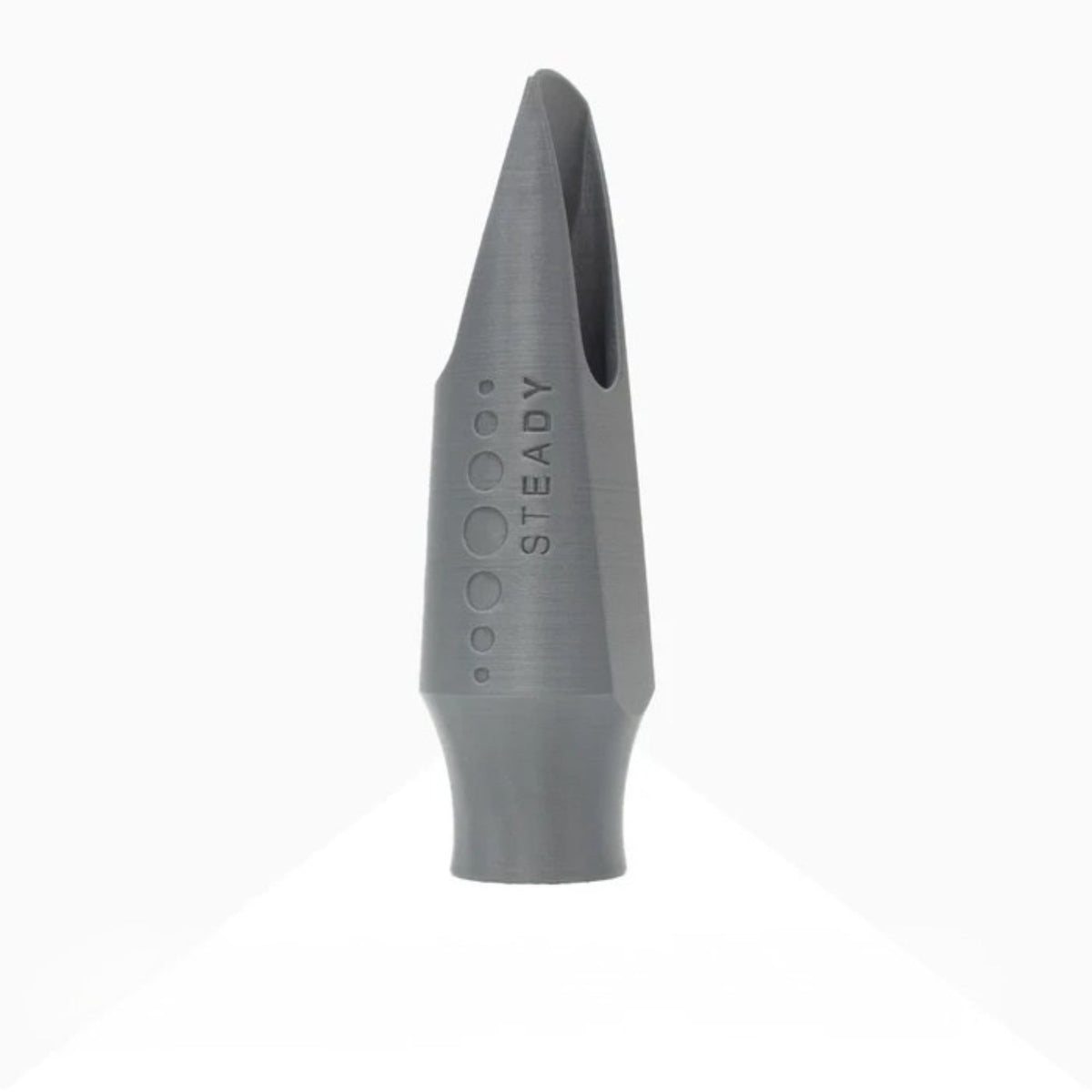
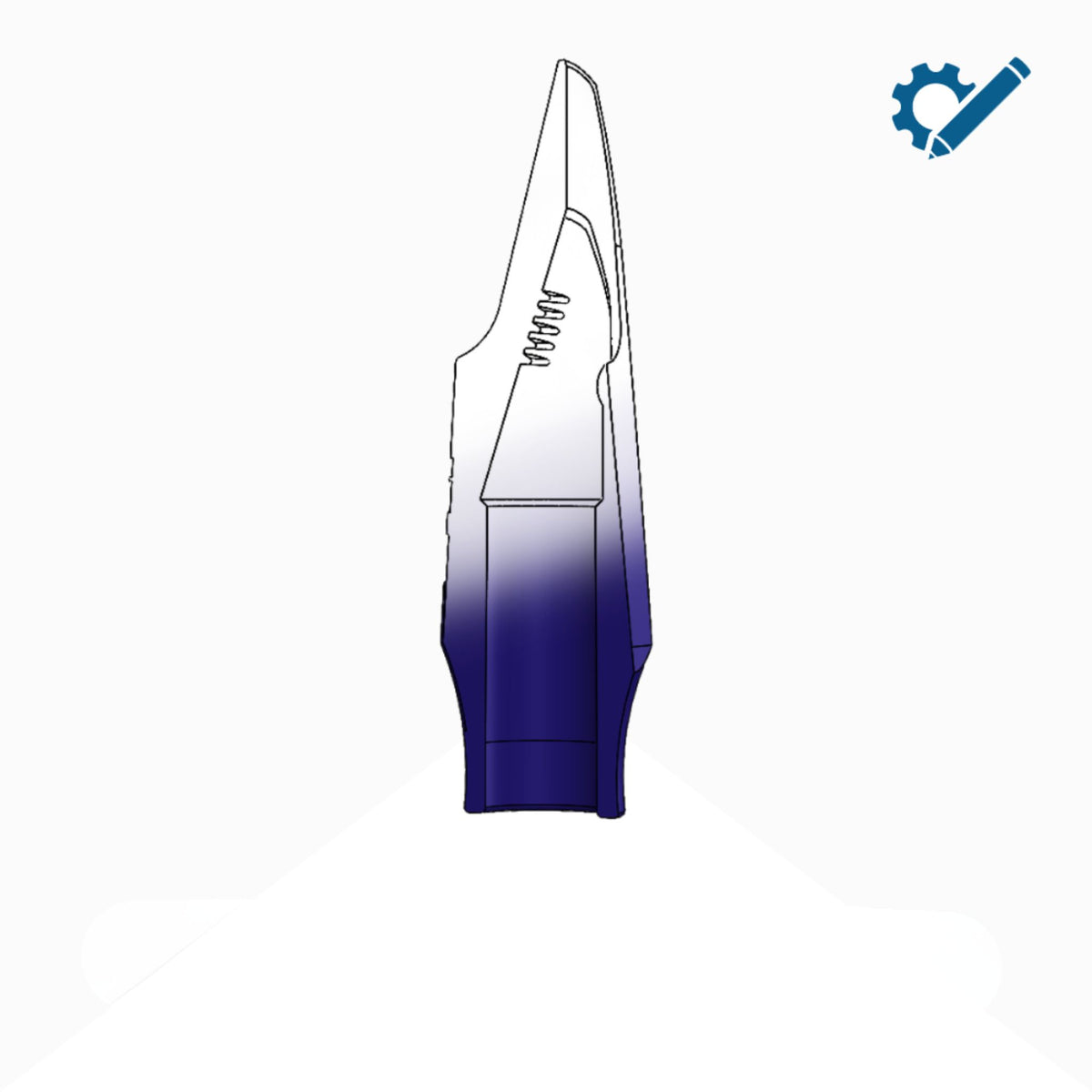
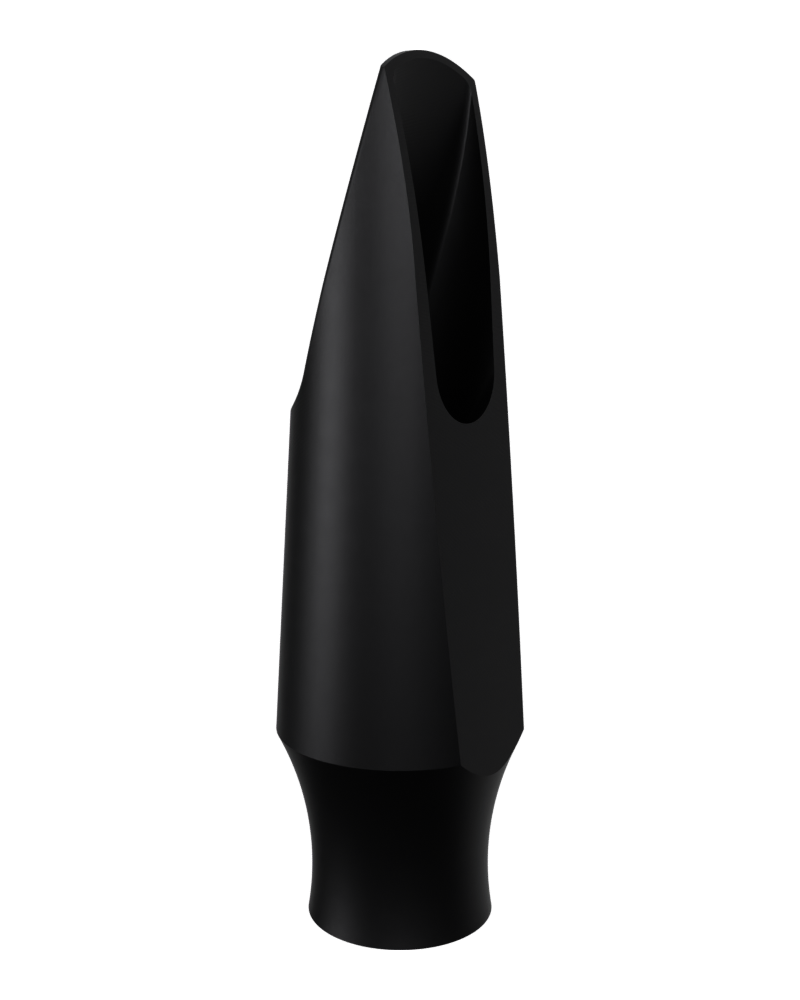
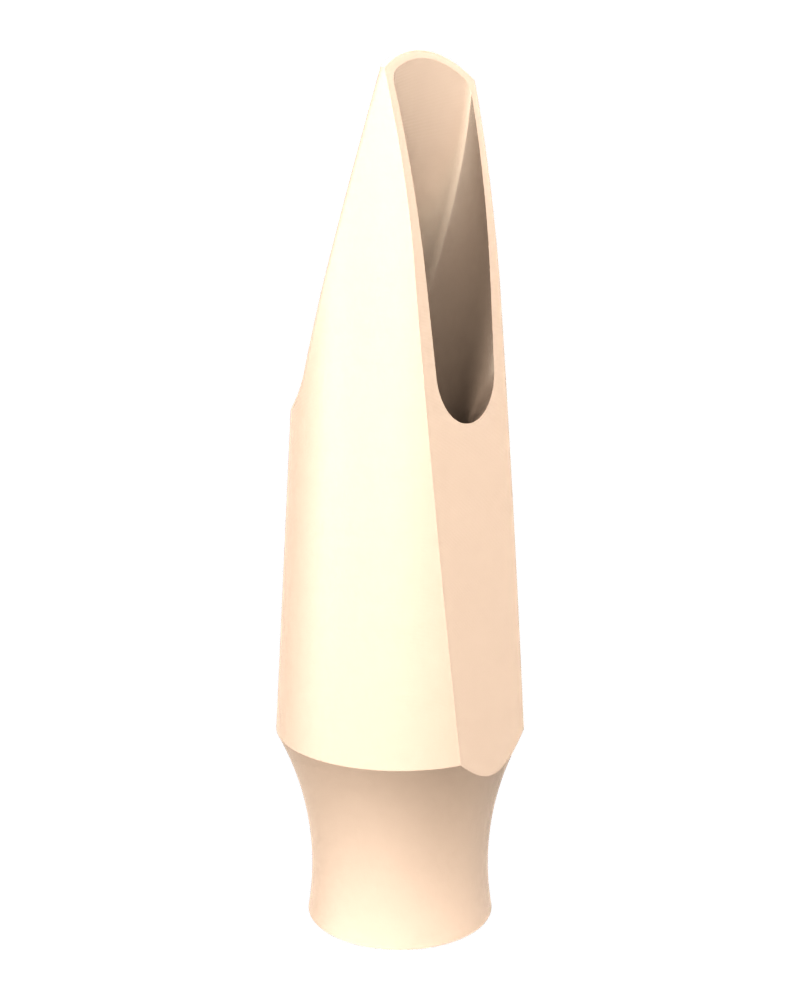
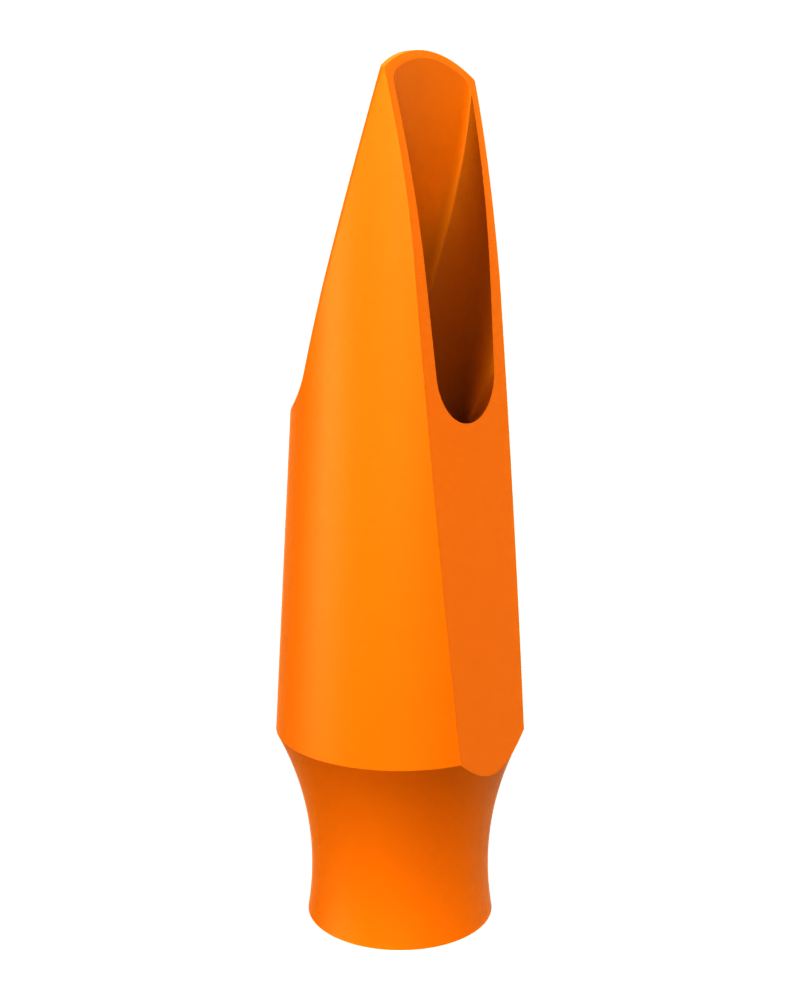
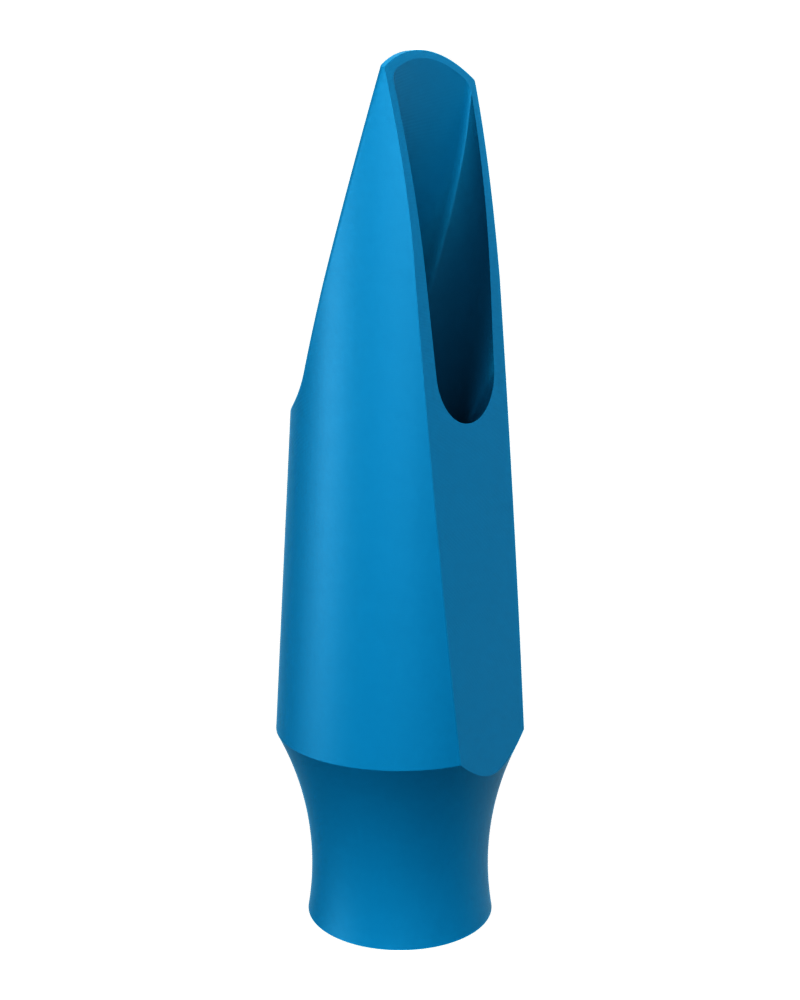
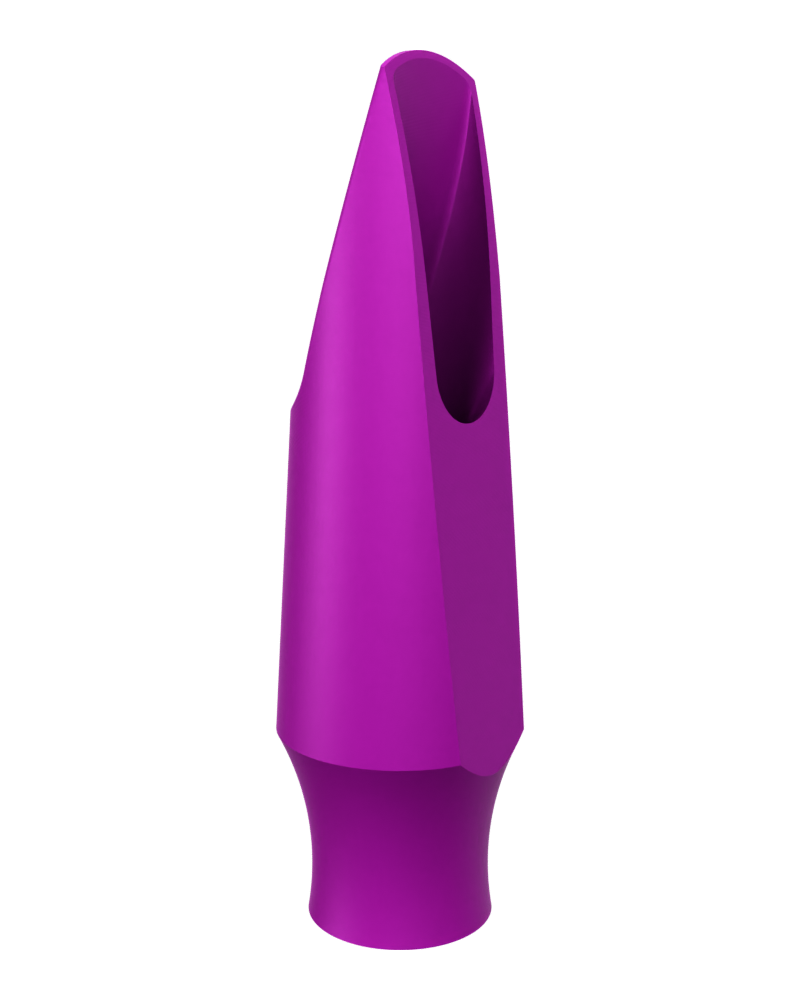
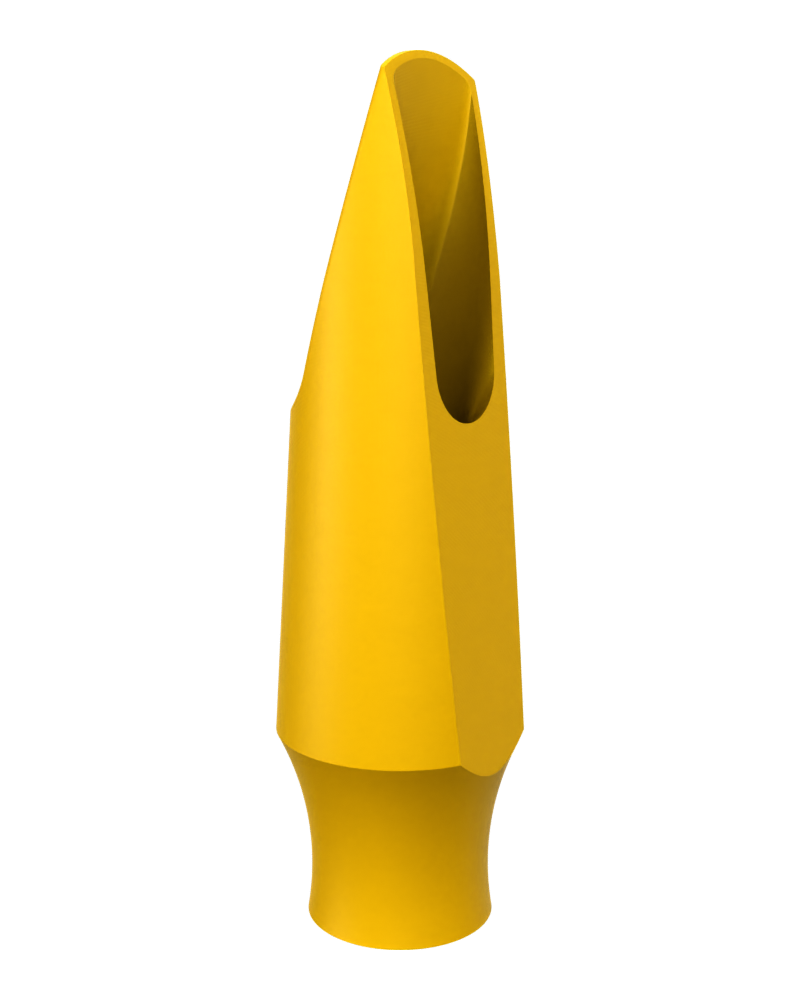
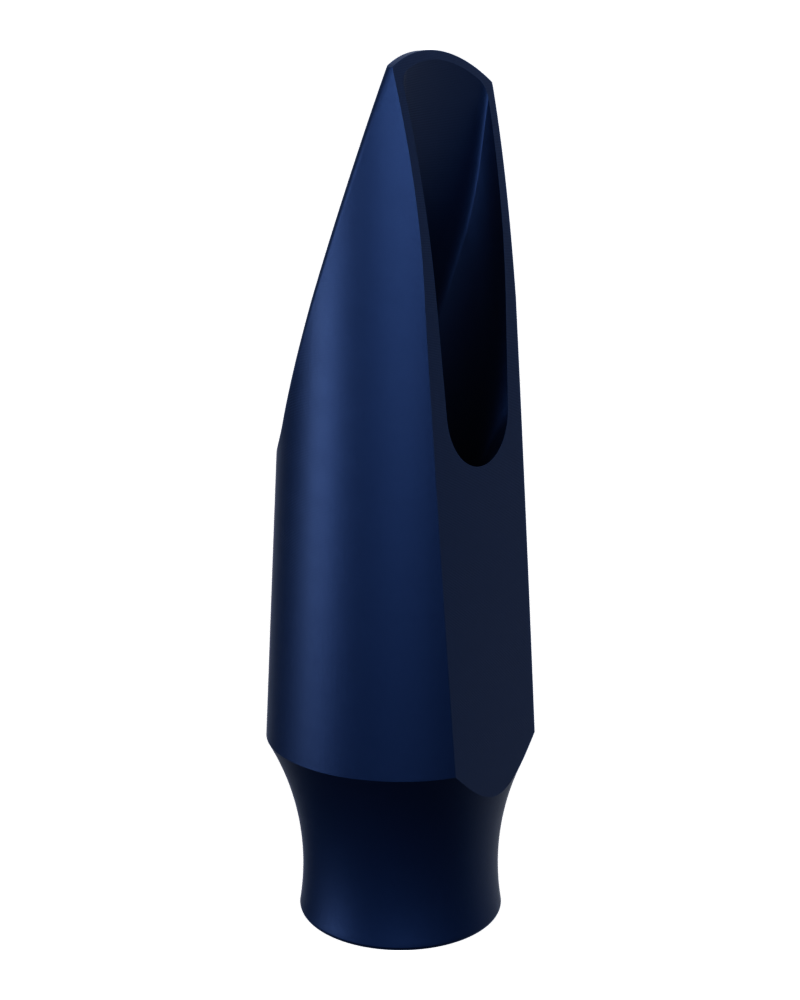
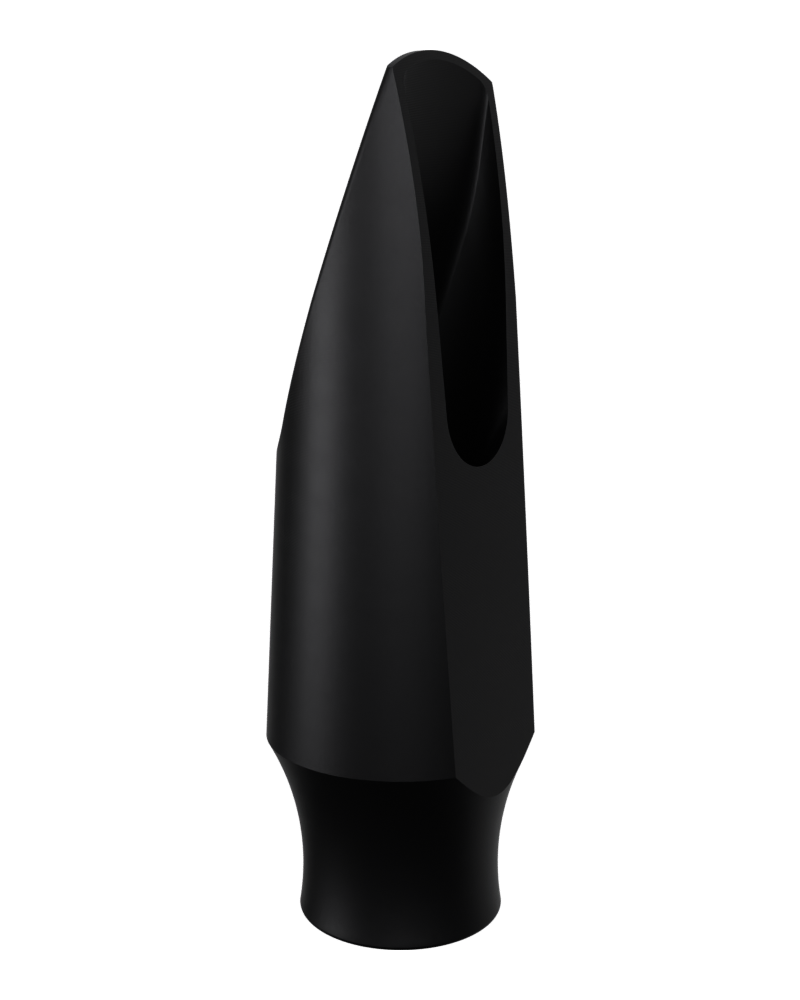
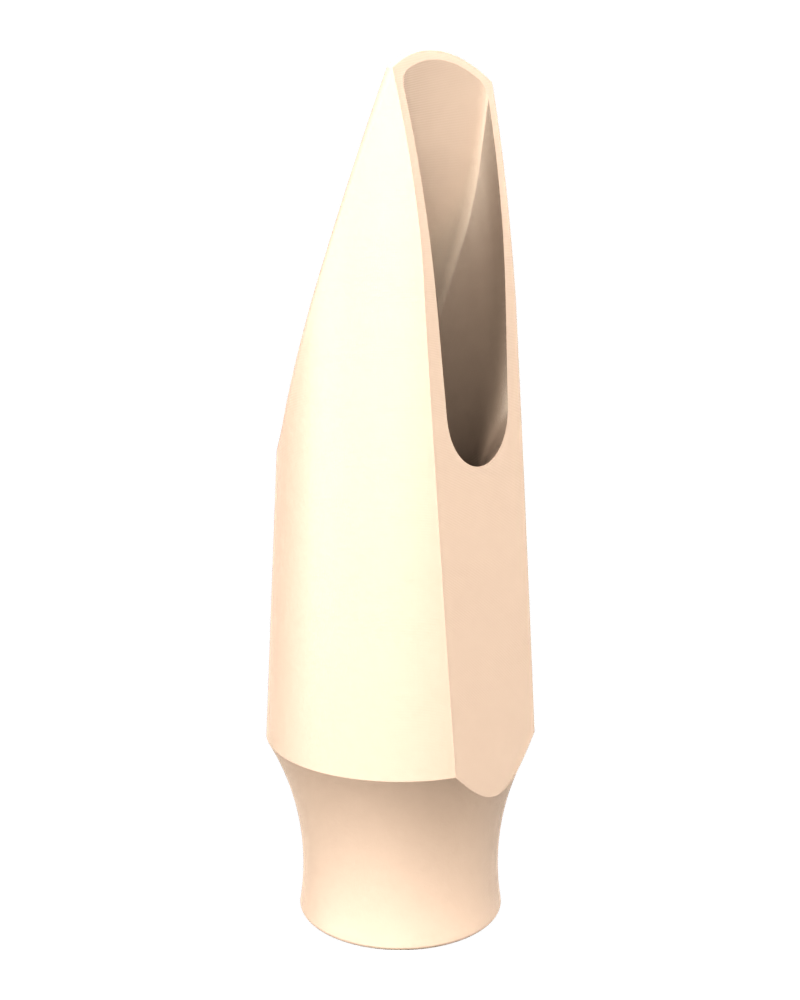
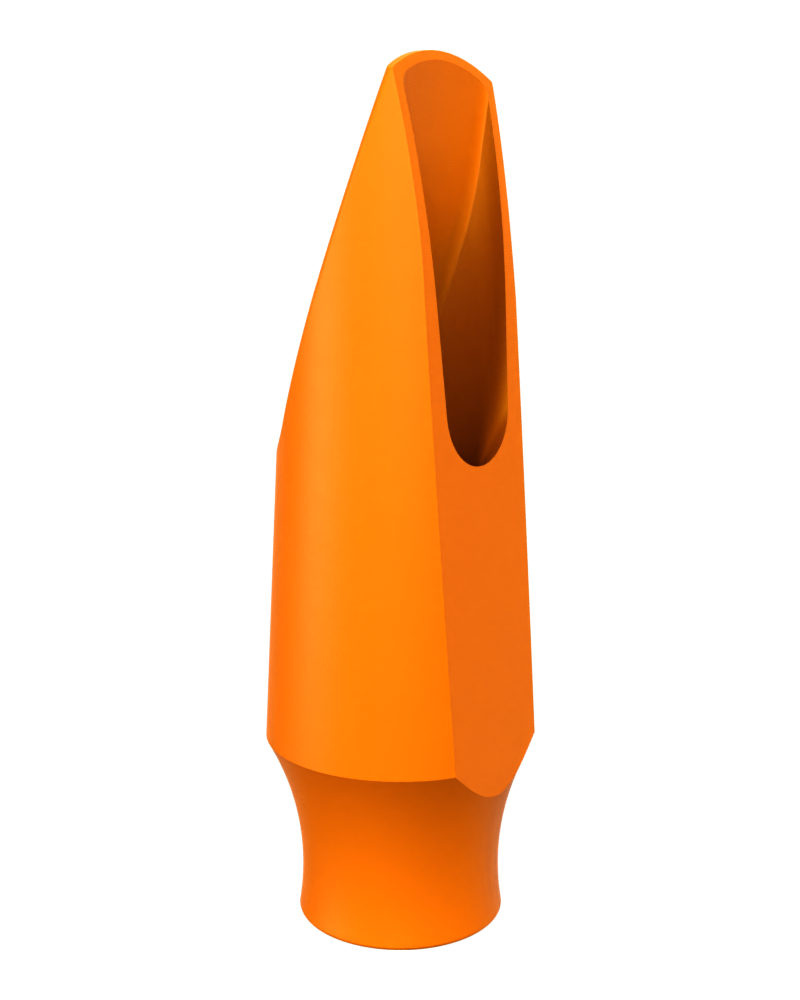
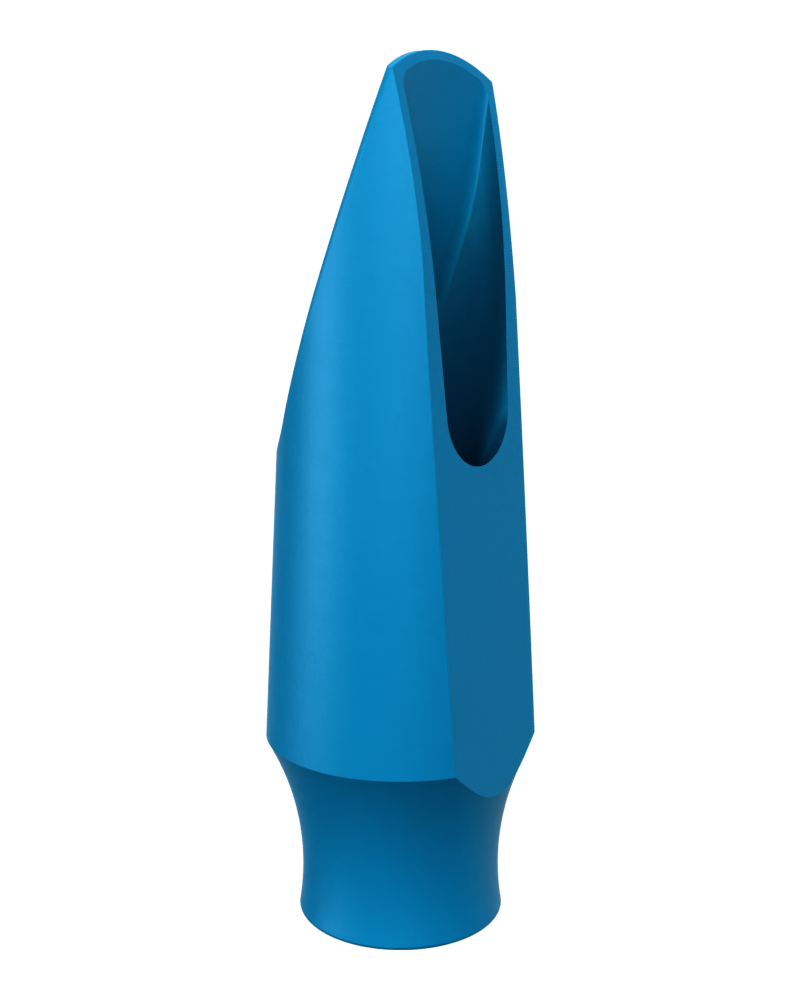
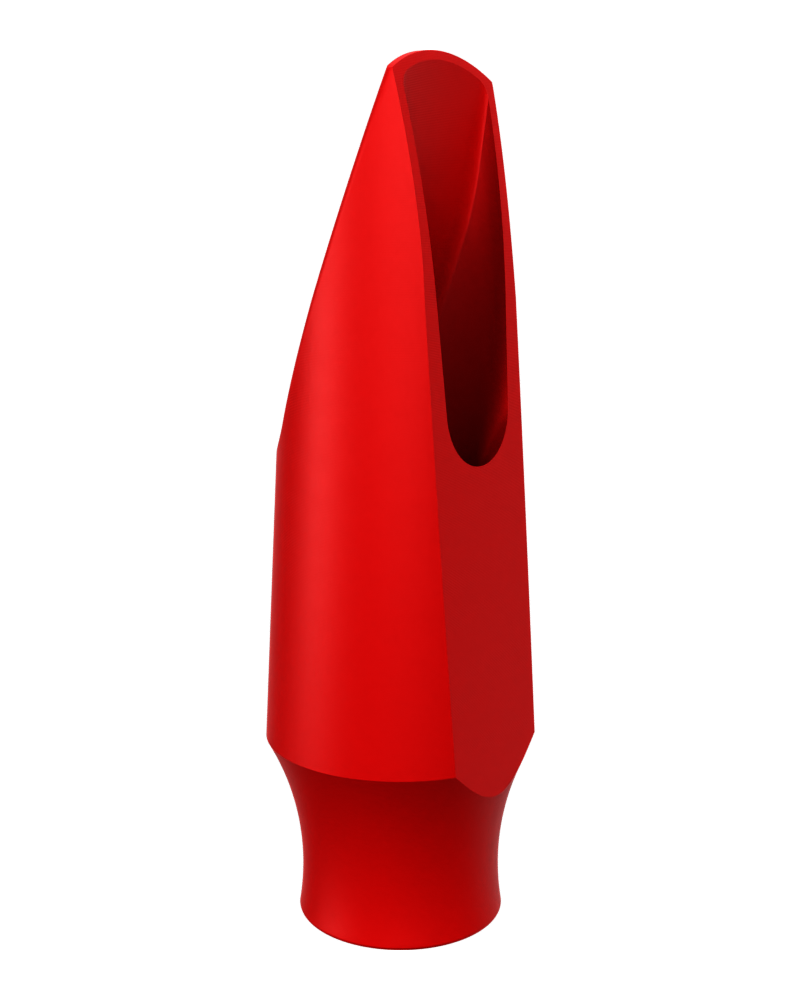
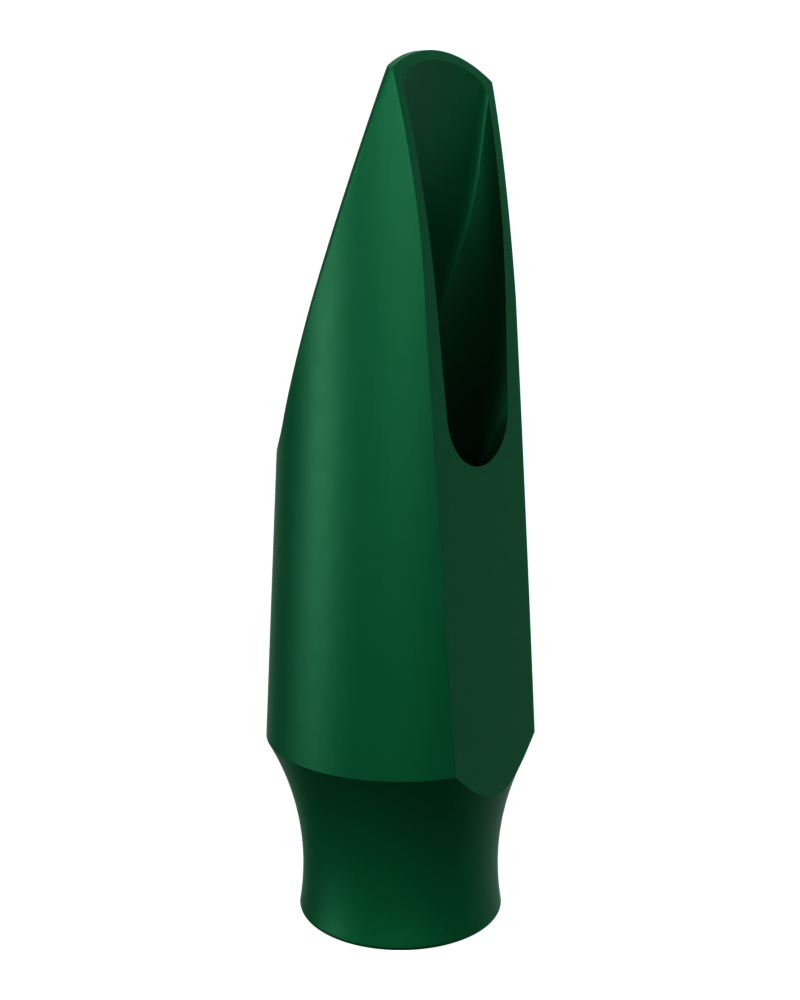
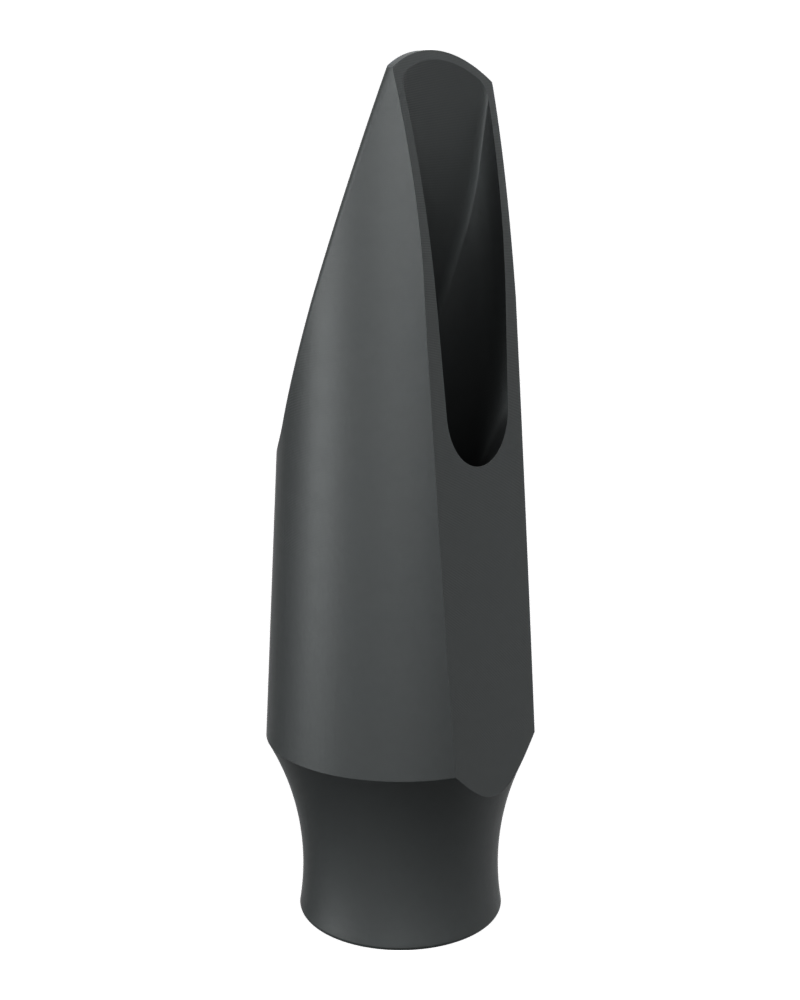
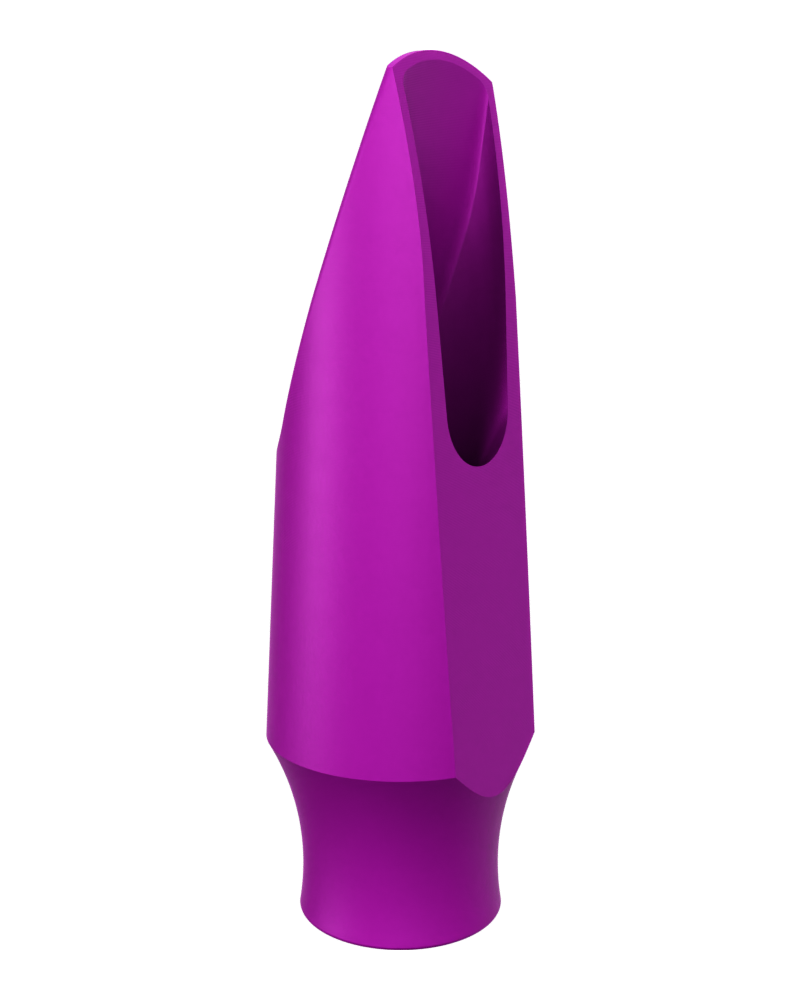
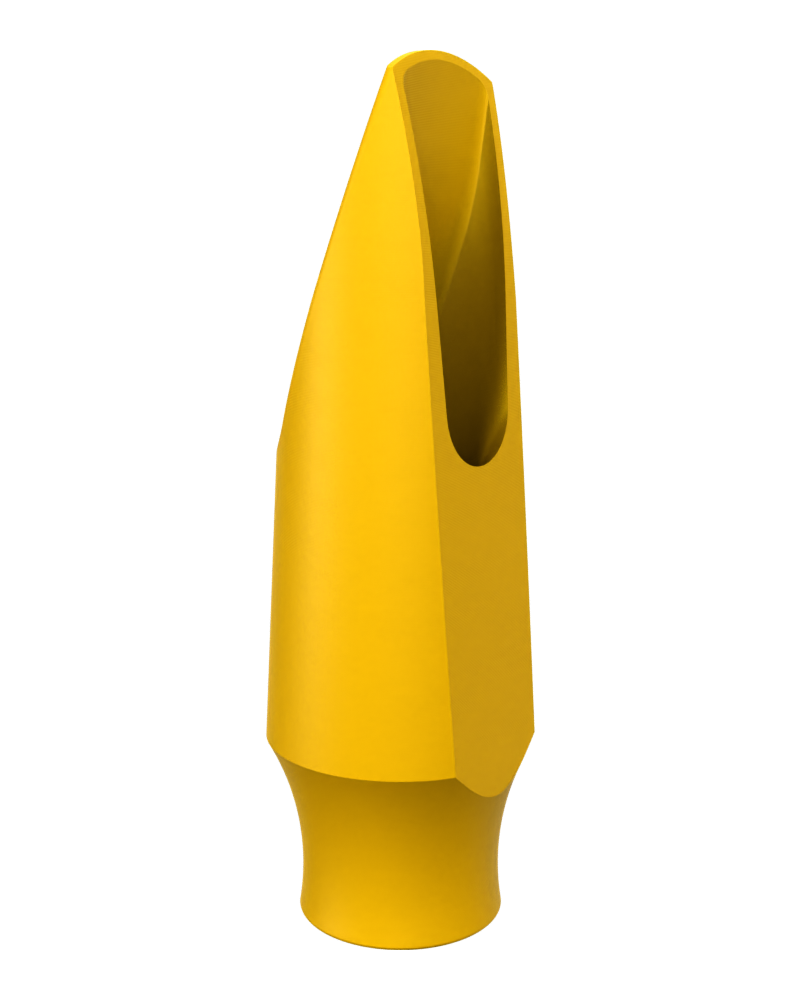
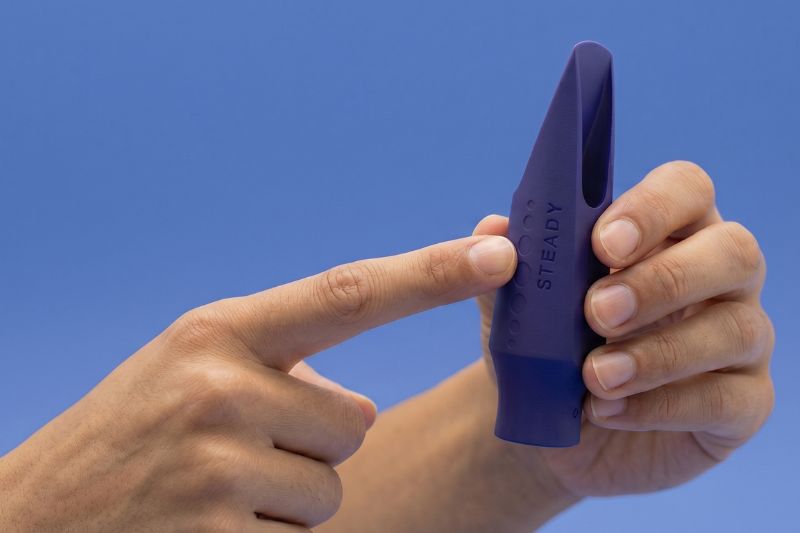
1. Syos Alto Originals - Best Overall

Best for: Jazz, big band, pop, funk, and versatile alto players who want consistent intonation and easy response across all registers.
Price: $205 (Originals Steady) / $245+ (Signature)
Material: Precision-engineered polymer
Style: Jazz / Versatile
Pros:
-
Precision geometry delivers consistent intonation - especially in the upper register where alto players struggle most
-
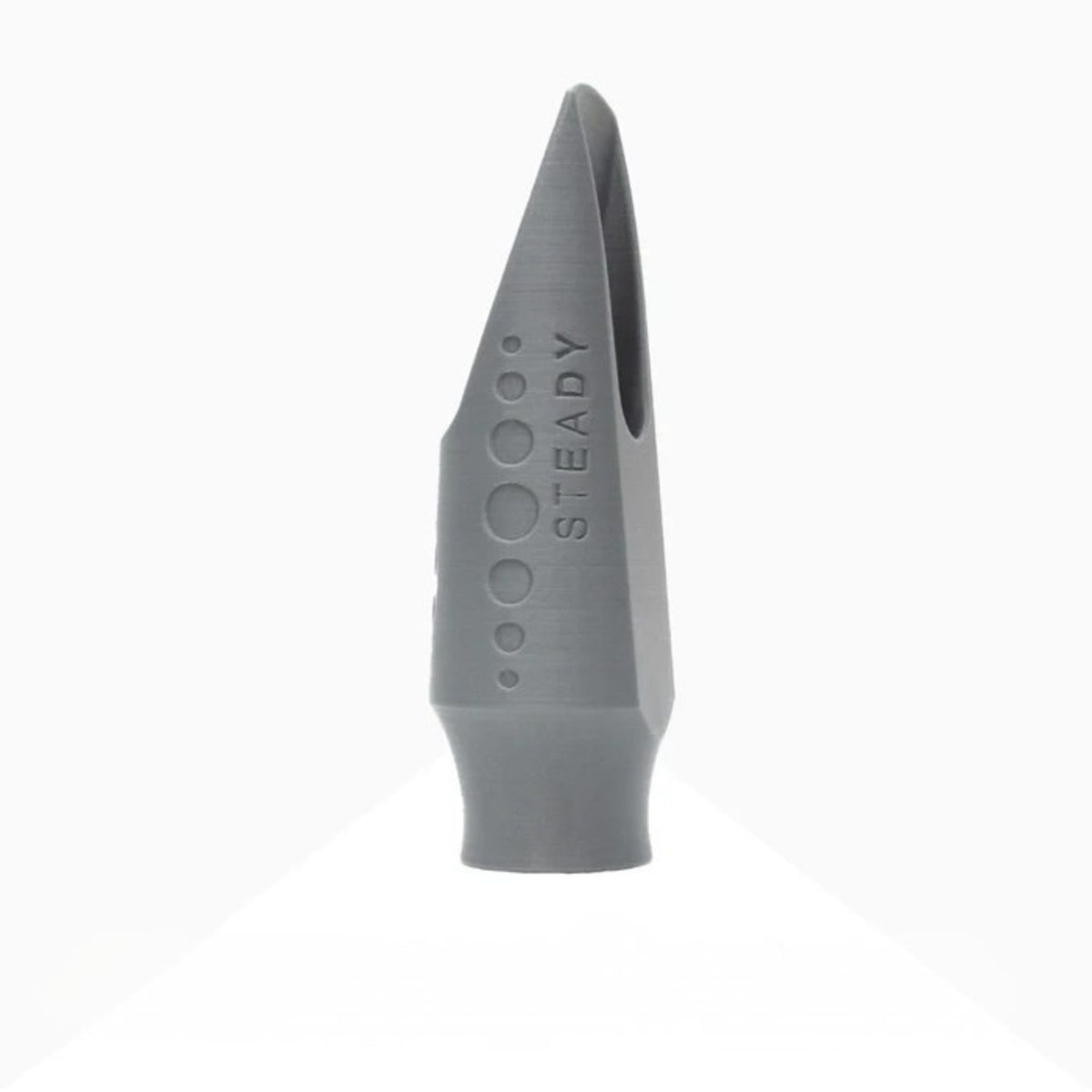
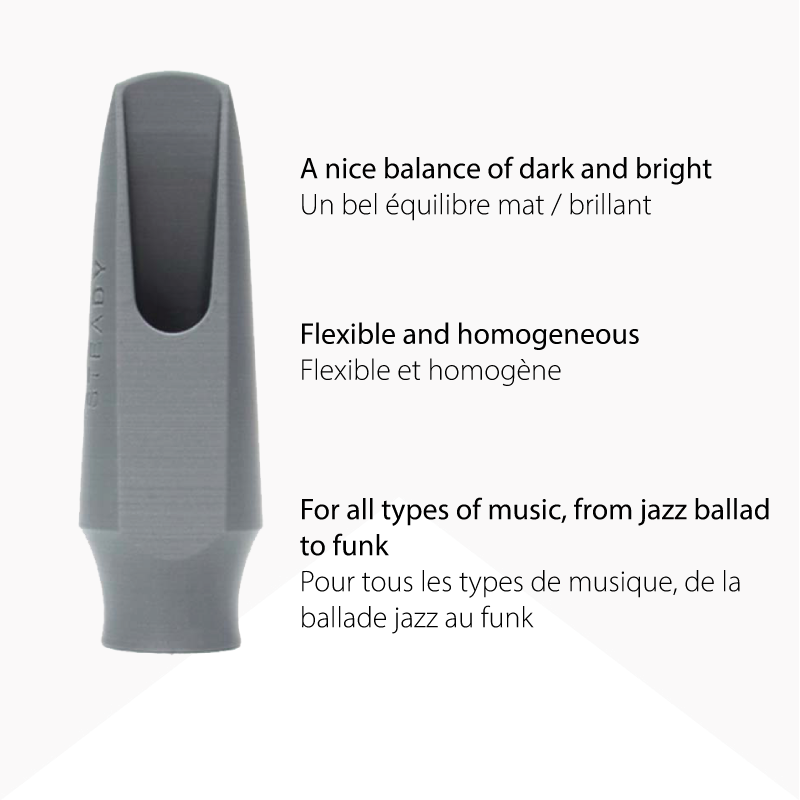
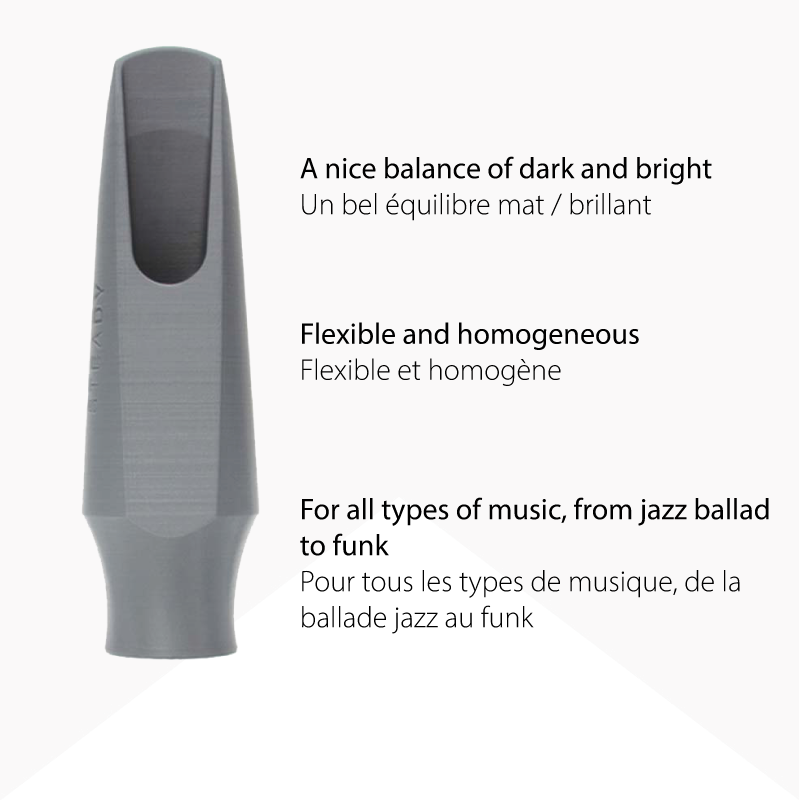
Curved baffle and large chamber on the Steady model give even response from low Bb to altissimo
-
Full color customization; dozens of options
-
Signature configurations co-designed with professional musicians
-
30-day money-back trial - rare in this category
-
Doesn't yellow or degrade like ebonite
Cons:
-
Higher entry price than traditional ebonite options
-
Polymer feel is different from hard rubber (tactile only, not tonal) - takes a short adjustment period
-
Less widely available in physical stores
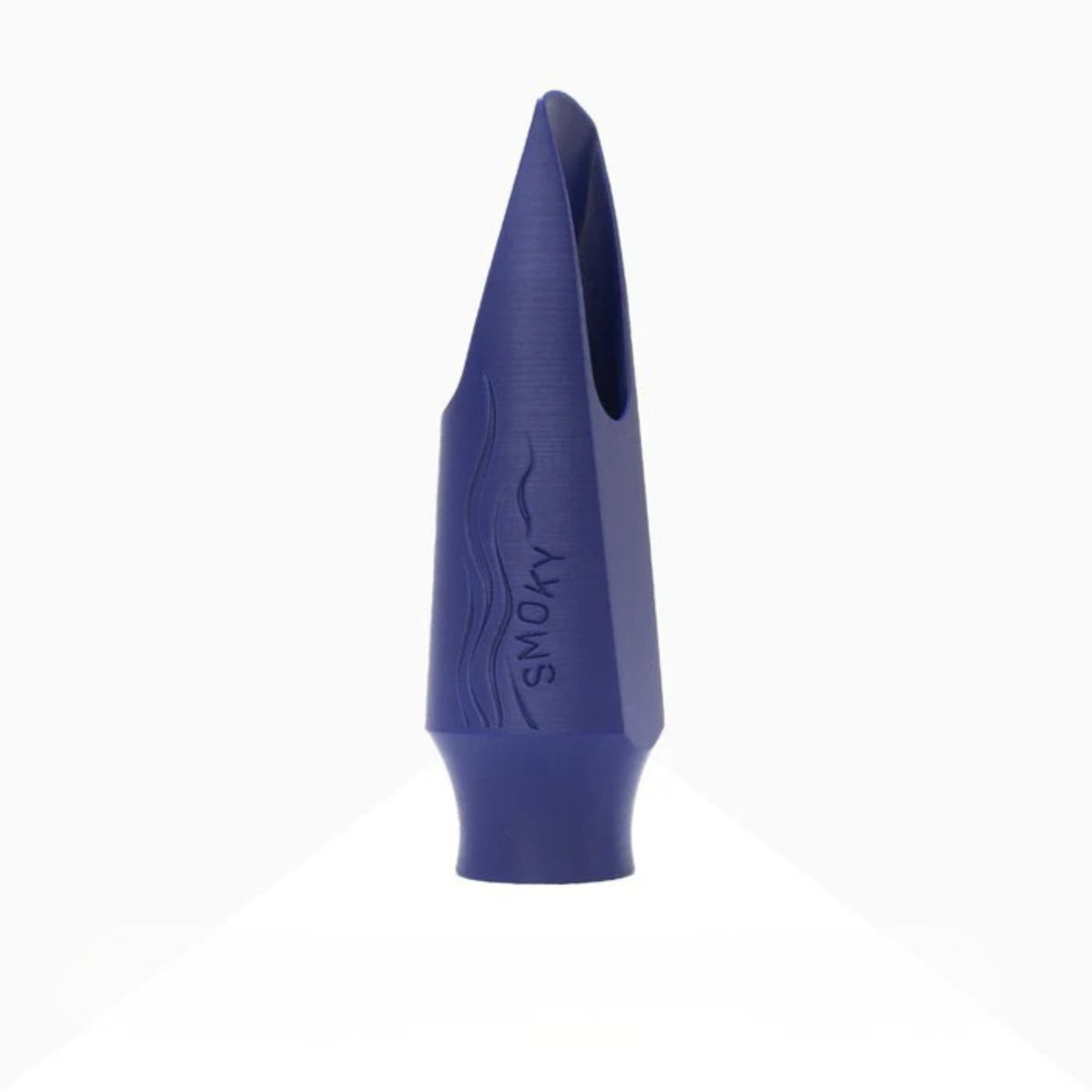
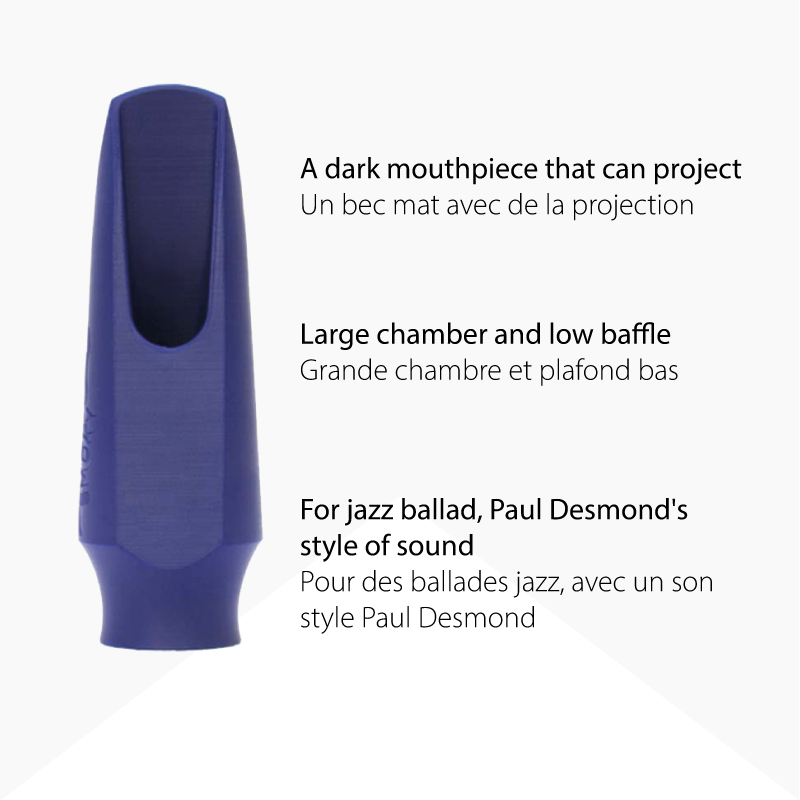
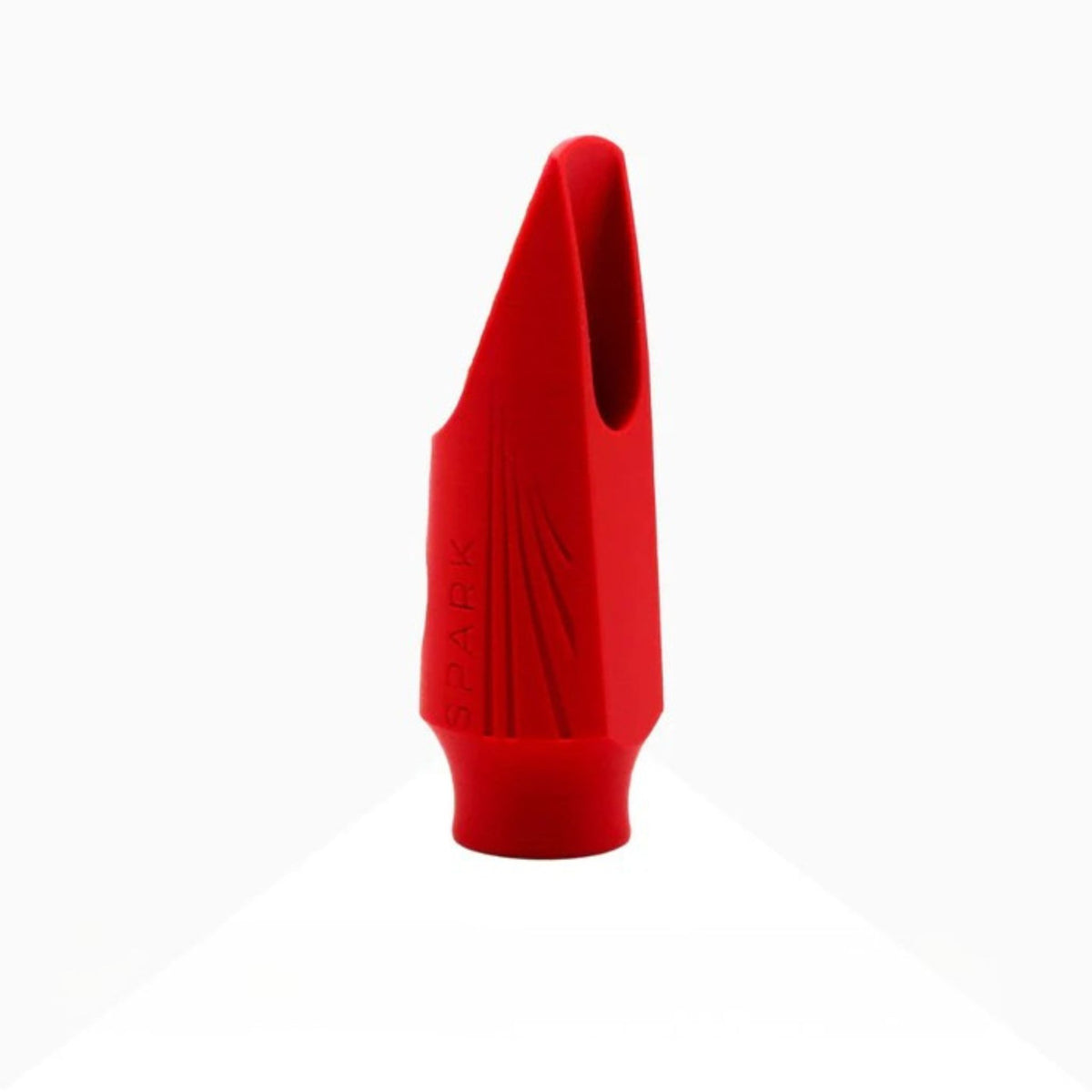
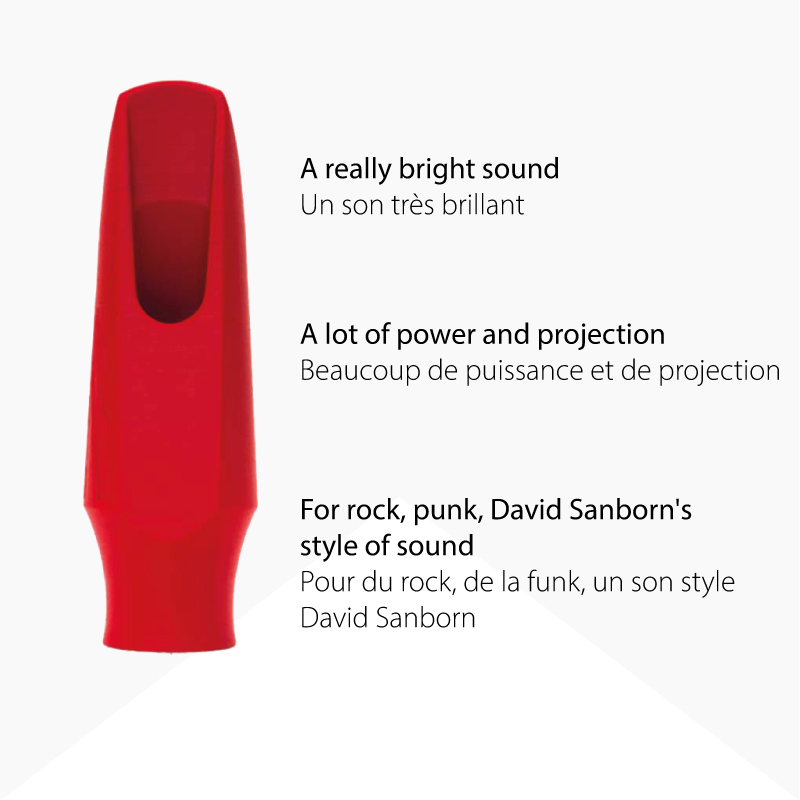
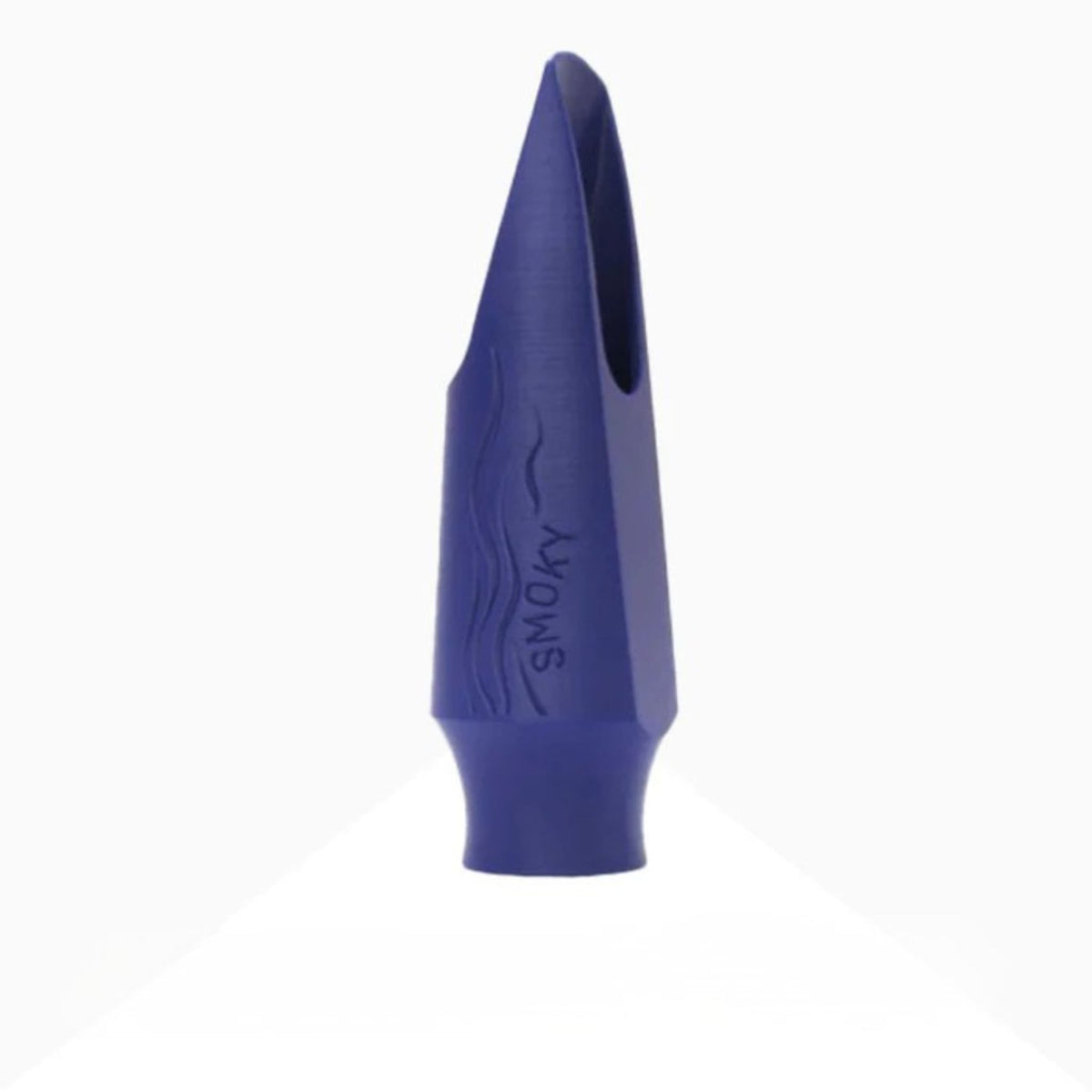
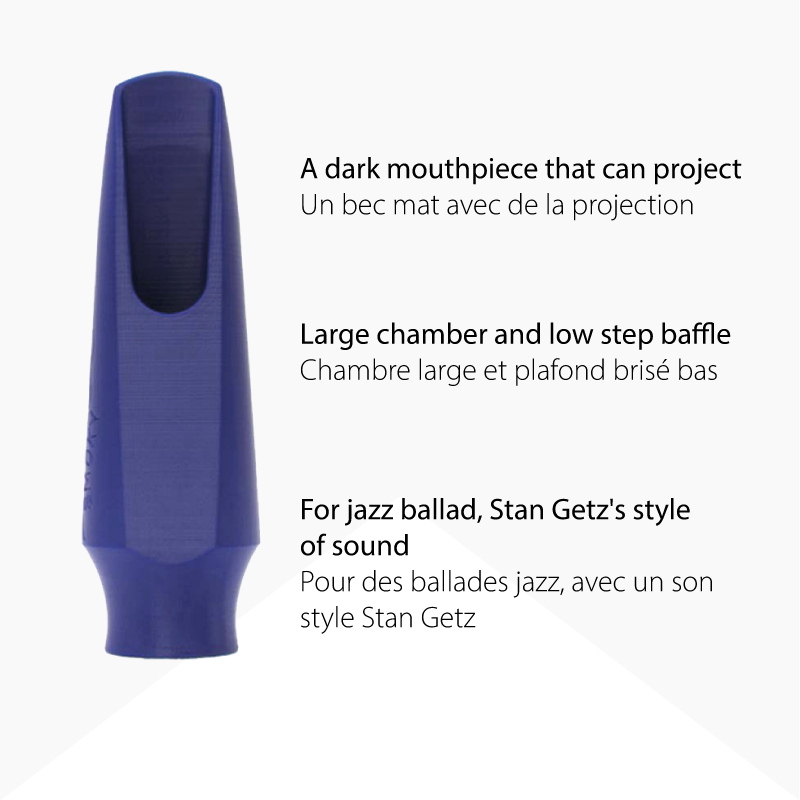
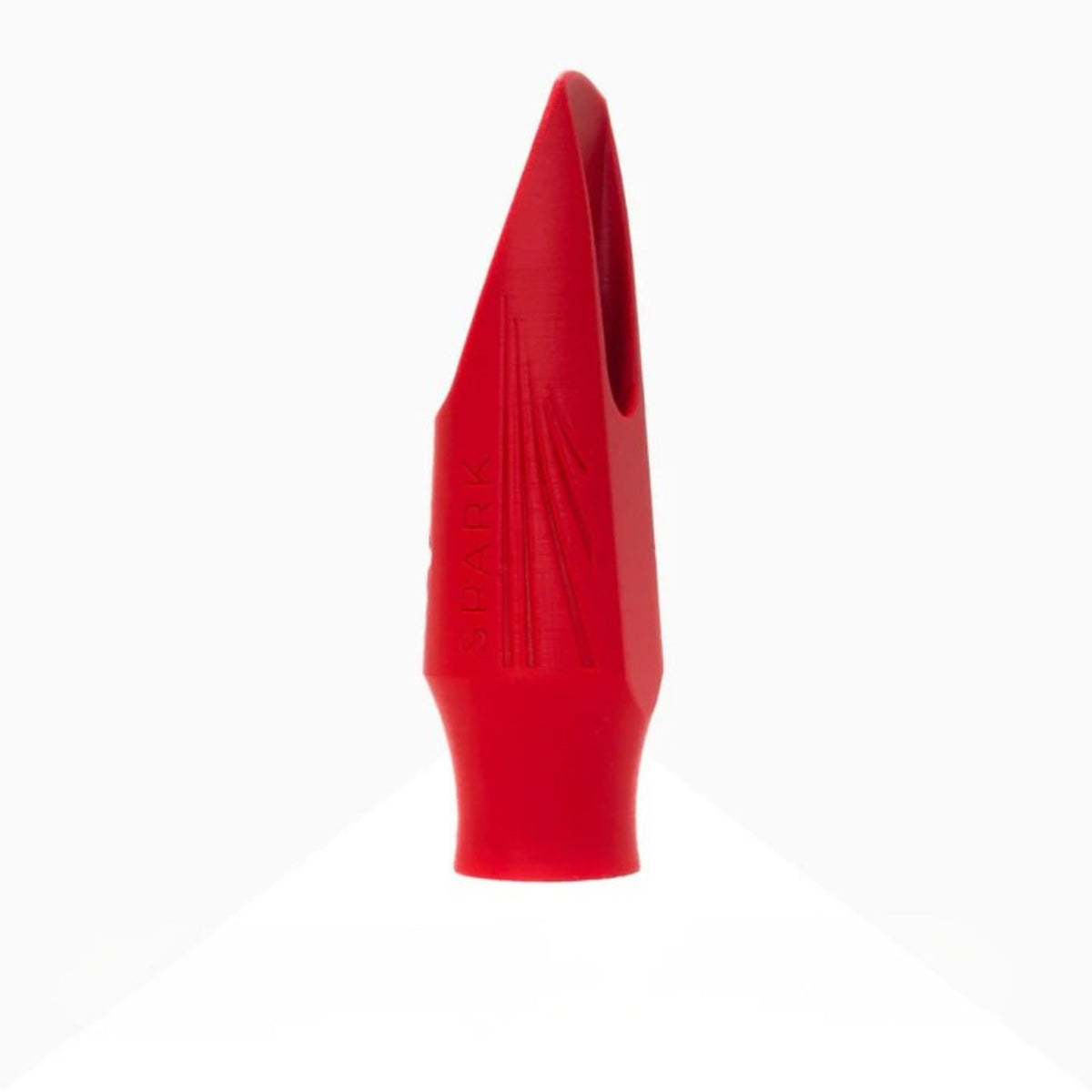
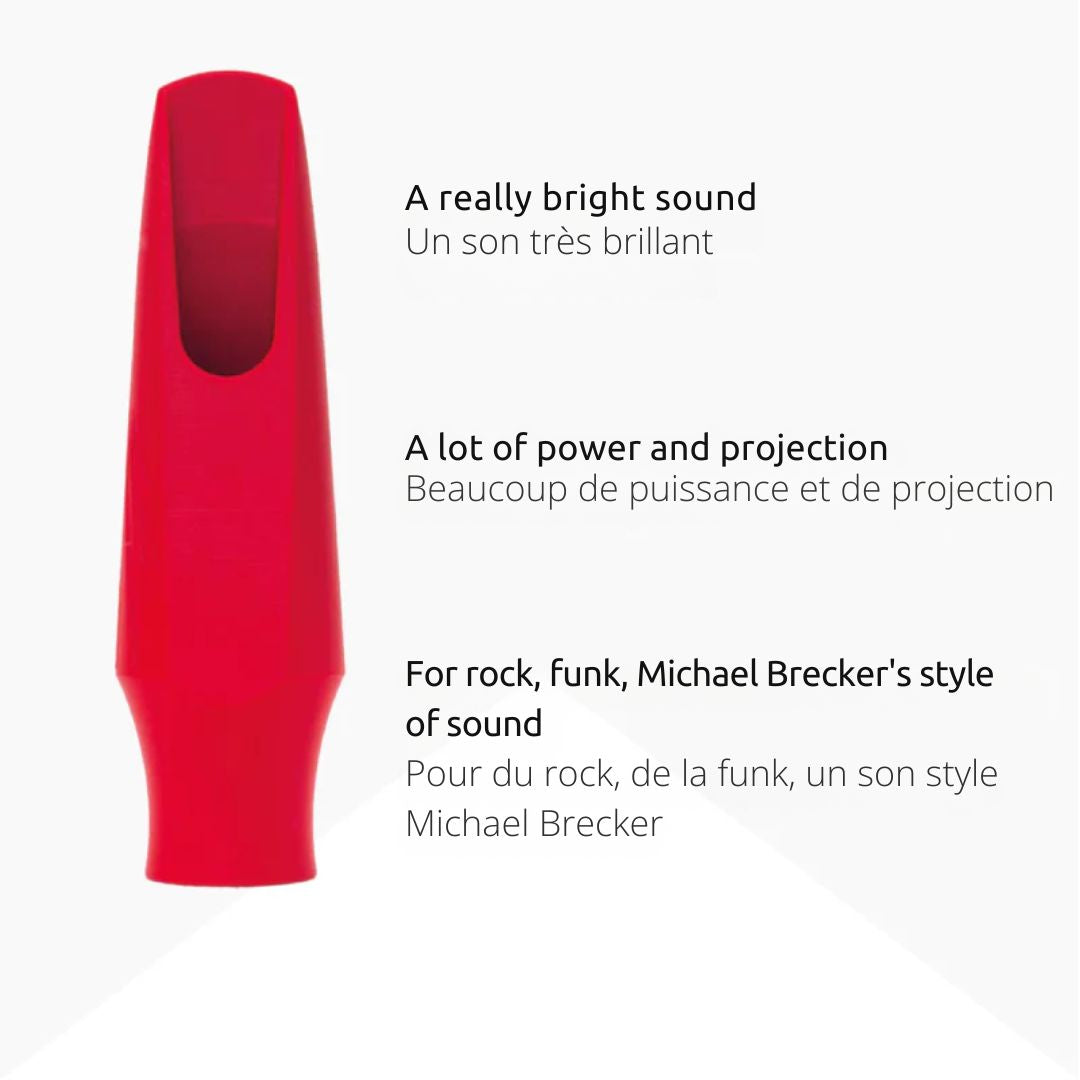
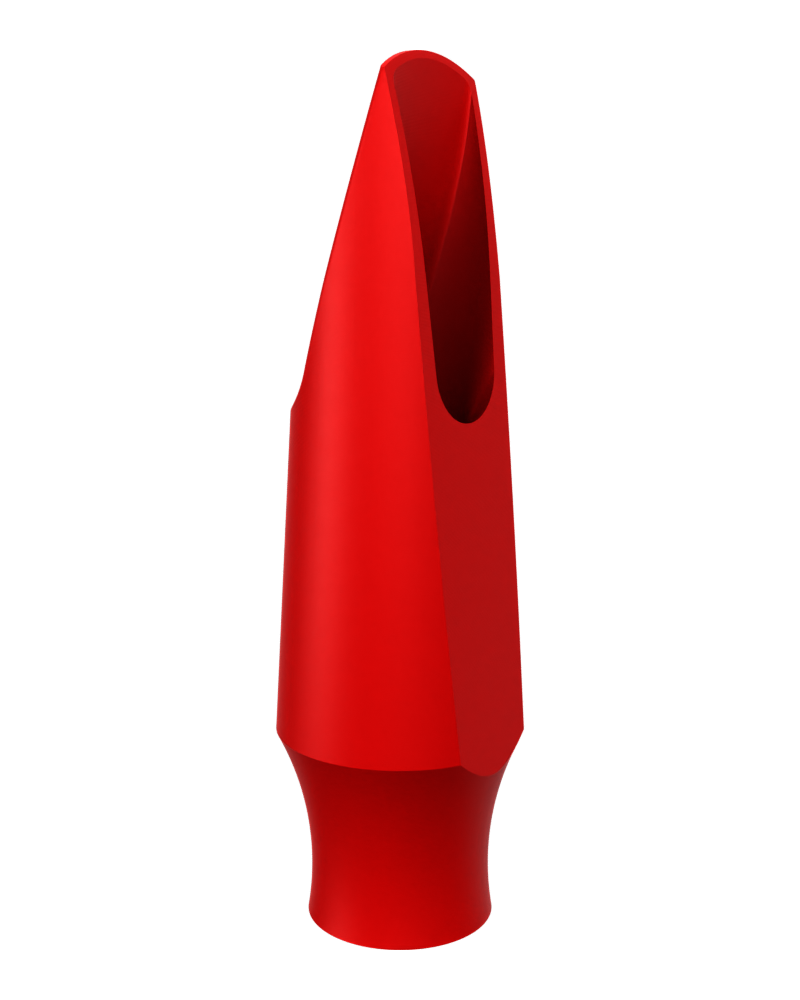
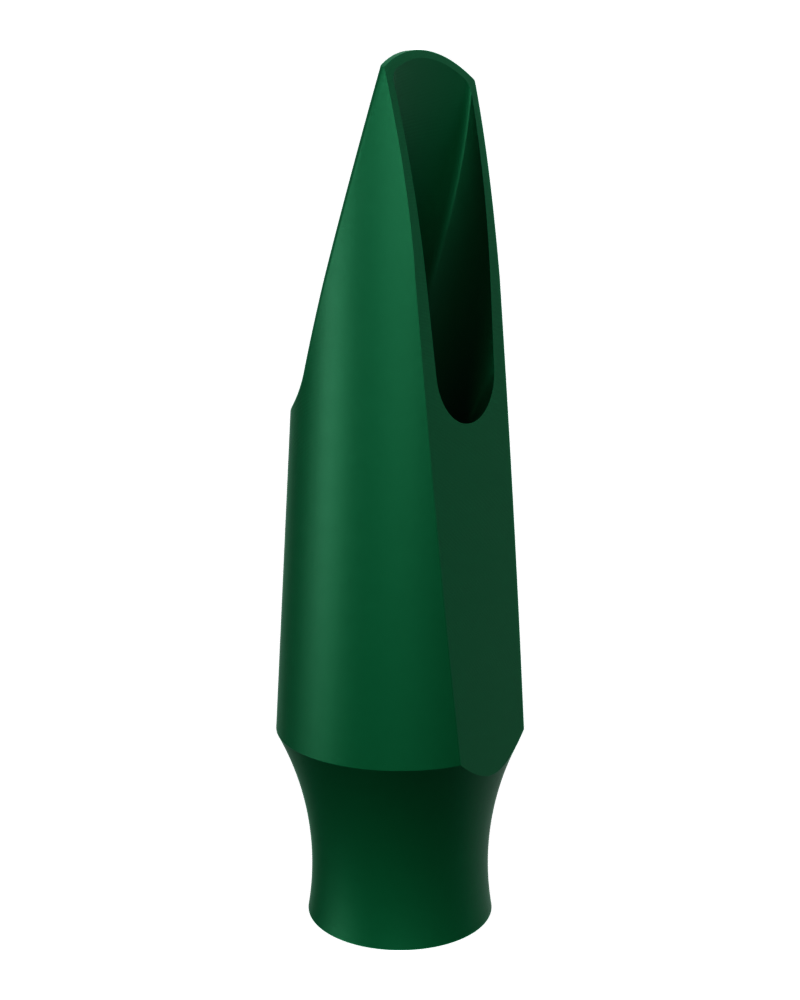
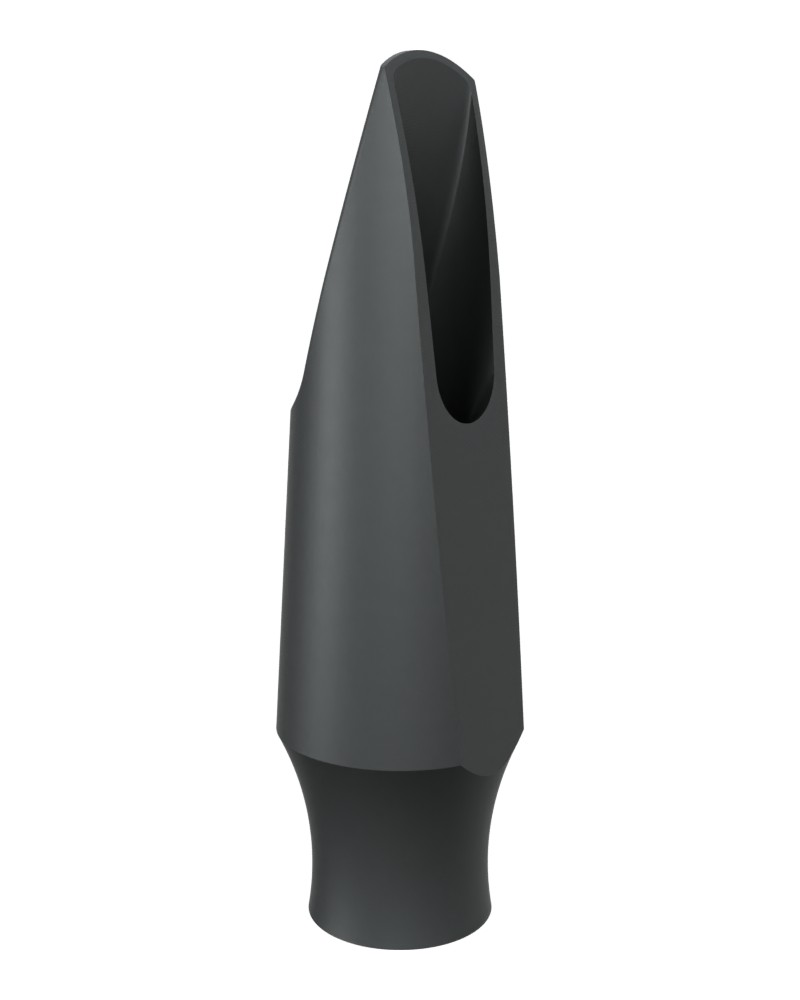
Verdict: Syos is the only mouthpiece brand that applies computational geometry to every piece. On alto, that matters: the instrument's naturally bright timbre means any inconsistency in the baffle or tip rail is immediately audible. The Steady is our recommended starting point - balanced, versatile, and easy to play from the first session. If you want a darker jazz/soul character, try the Smoky. For funk and outdoor projection, the Spark (high baffle, medium chamber) delivers the edge you need.

2. JodyJazz HR* Alto - Best Jazz Hard Rubber

Best for: Jazz alto players at intermediate to pro level who want a warm, free-blowing hard rubber saxophone mouthpiece.
Price: $219
Material: Hard rubber (ebonite)
Style: Jazz
Pros:
-
Round, medium-size chamber produces a warm, focused jazz tone
-
Free-blowing feel with consistent response across the full alto range
-
Available in six tip openings: 4 (1.68mm), 5 (1.83mm), 6 (1.98mm), 7 (2.11mm), 8 (2.29mm), 9 (2.54mm)
-
Works for traditional jazz, bebop, and big band equally well
-
Reliable quality control - each piece plays close to spec
Cons:
-
No classical application
-
Metal DV models jump significantly in price
Verdict: The HR* Alto is the jazz alto sax mouthpiece we'd hand to any intermediate player upgrading from a stock piece. It's warm without being muddy, free-blowing without being loose. The 6 or 7 tip opening covers most jazz alto players' needs. It's the benchmark most other jazz alto mouthpieces are compared against.
3. Selmer Optimum AL3 - Best Classical

Best for: Classical players, concert band, and conservatory students who need a centered, focused response.
Price: ~$135–$170
Material: Ebonite
Style: Classical
Tip Opening: 1.52mm (medium-long facing)
Pros:
-
Decades of refinement; trusted by conservatory players worldwide
-
Interchangeable ligature plates allow fine-tuning of tone color
-
Exceptional roundness in the upper register - Selmer's own description
-
Consistent manufacturing quality across units
Cons:
-
Jazz players will find the response too controlled
-
The AL3/AL4/AL5 numbering system confuses first-time buyers
Verdict: The AL3 is Selmer's narrowest alto tip opening in the Optimum range - ideal for players who want a clean, classical sound with minimal resistance. If you play in a concert band or conservatory setting, this is the safe, proven choice. The AL4 (1.65mm) and AL5 (1.78mm) are worth exploring once your embouchure is solid.
4. Selmer S80 C* Alto - Best Classical Prestige

Best for: Classical and orchestral alto players who want the most refined, focused response available.
Price: ~$184 (€184 official) - $240 at some retailers
Material: Ebonite
Style: Classical
Tip Opening: 1.55mm (C* model)
Pros:
-
The S80 C* is one of the most widely used classical alto mouthpieces in the world
-
Square chamber delivers an extremely focused, centered sound - blends perfectly in ensemble settings
-
Selmer Paris quality control is among the best in the industry
-
Full S80 range covers C (1.45mm) through F (1.95mm) for growing players
Cons:
-
Not suited for jazz or high-volume playing
-
Limited tip opening range compared to jazz-focused brands
Verdict: If you play in a conservatory or orchestral setting, the Selmer S80 C* is the standard. It's been the classical alto reference for decades. The square chamber is specifically engineered for the focused, blend-friendly tone that ensemble directors expect.
5. Theo Wanne Essentials Jazz Alto - Best High-End Boutique

Best for: Advanced and professional alto players who want intentional, boutique-quality geometry without the full flagship price.
Price: $175
Material: A.M.P. - proprietary bio-safe polymer (similar density to vintage hard rubber)
Style: Jazz / Big Band
Tip Openings: Size 5 (1.80mm) / Size 7 (2.06mm)
Pros:
-
Roll-over baffle and medium chamber - not too bright, not too dark
-
Made in the USA at the same factory as Theo Wanne's flagship Signature models
-
Consistent quality control - no need to try ten to find a good one
-
Includes replaceable bite pads and velvet pouch
Cons:
-
Only two tip opening options (5 and 7) - less flexibility than JodyJazz
-
The wider model range (Jazz, Contemporary, Concert) can be confusing for new buyers
Verdict: The Essentials Jazz Alto is Theo Wanne's answer to the question: "Can I get boutique quality at a reasonable price?" The answer is yes. The roll-over baffle gives it just enough edge for modern jazz without going into contemporary territory. It's the best alto sax jazz mouthpiece in the $175 price bracket.
6. BetterSax Classic Alto - Best Budget / Beginner

Best for: Beginners and developing students who want a reliable, well-made starting mouthpiece under $50.
Price: $39.99
Material: Hard rubber (hand-finished by JJ Babbitt, USA)
Style: Student / Jazz
Tip Opening: 0.070" (1.78mm)
Pros:
-
Hand-finished by JJ Babbitt in the USA - better consistency than most student mouthpieces
-
Warm, rounded tone with enough projection for ensemble and solo use
-
Reed-friendly - works well with standard strength 2.5–3 reeds
-
Compares favorably with the Yamaha 4C as a starter piece
Cons:
-
You'll outgrow it - it has a ceiling
-
Less tonal flexibility than mid-range options
Verdict: The BetterSax Classic Alto is the best sub-$50 mouthpiece we've found. It's made properly, plays consistently, and gives beginners a real foundation to build on. Upgrade after 6–12 months once you know what sound you're chasing.
Note on Syos Originals flavors: The Steady is our recommended entry point for most alto players - balanced and versatile. The Smoky (large chamber, low baffle) suits jazz, soul, and dark-tone players. The Spark (high shelf baffle, medium-small chamber) is built for funk, R&B, and outdoor playing where projection is everything.
Alto Saxophone Mouthpiece Comparison Table
|
Mouthpiece |
Material |
Tip Opening (Alto) |
Style |
Price |
|---|---|---|---|---|
|
Syos Alto Originals Steady |
Precision-engineered polymer |
1.91mm (size 6) |
Jazz / Versatile |
$205 |
|
JodyJazz HR* Alto |
Hard rubber |
1.68–2.54mm (sizes 4–9) |
Jazz |
$219 |
|
Selmer S80 C* Alto |
Ebonite |
1.55mm |
Classical |
~$184–$240 |
|
Theo Wanne Essentials Jazz Alto |
Bio-safe polymer |
1.80mm / 2.06mm |
Jazz / Big Band |
$175 |
|
BetterSax Classic Alto |
Hard rubber |
1.78mm (0.070") |
Student / Jazz |
$39.99 |
Three questions we get asked by alto players every week
What's the biggest mistake alto players make when choosing a mouthpiece?
Picking a tip opening that's too large too early. It's tempting - a wider opening feels like it should produce a bigger sound. But on alto, a large opening actually makes tone production harder and creates real intonation problems, especially in the upper register where the alto already tends to go sharp. Most intermediate players are best served by a medium opening in the 1.7–1.9mm range. You can always go wider as your embouchure develops. Start controlled, then open up.
How do you know when it's time to upgrade your alto mouthpiece?
You're ready when: (1) your stock piece feels limiting and your embouchure is solid; (2) you're fighting intonation in the upper register and your technique isn't the cause; (3) you want more tonal color or projection than your current piece can deliver; or (4) you've been playing the same mouthpiece for 2+ years and you're curious. A good upgrade should feel noticeably easier to play and open up sounds you couldn't access before. If you're still fighting the basics, fix technique first - no mouthpiece solves a fundamentals problem.
Does the mouthpiece really make that much difference on alto sax?
Yes - and arguably more so than on tenor. The alto's naturally bright timbre means every variable in the mouthpiece geometry is amplified. A high baffle on alto can sound aggressive in a way it wouldn't on tenor. A large chamber on alto adds warmth that the instrument doesn't naturally have. The tip opening, baffle shape, and chamber size are the three levers that shape your sound - and on alto, those levers have a bigger effect than on any other saxophone.
How to Choose an Alto Saxophone Mouthpiece

The mouthpiece is the single most impactful piece of gear on your alto sound. Here's what actually matters - with alto-specific context for each variable.
Tip Opening
The tip opening is the gap between the reed tip and the mouthpiece tip, measured in millimeters.
On alto, the ranges work like this:
-
Medium (1.7–2.0mm): balanced resistance, works for jazz and versatile playing. The sweet spot for most intermediate players.
-
Large (2.0mm+): more volume and flexibility, needs more air support, better for experienced players. The JodyJazz HR* 7 (2.11mm) and Theo Wanne size 7 (2.06mm) sit here.
Alto-specific note: Alto players tend to face more intonation challenges in the upper register than tenor players. A smaller tip opening makes those high notes easier to center. If you're fighting sharp high notes, going down one tip opening size is often the fastest fix.
Material: Hard Rubber Alto Sax Mouthpiece vs Metal vs Polymer
The hard rubber alto sax mouthpiece vs metal debate is real - but geometry matters more than material.
-
Metal: bright feel, more projecting. Common in jazz and pop. More durable and resistant to wear.
-
Precision-engineered polymer (Syos): consistent geometry every time; doesn't yellow or degrade like rubber; sits between ebonite and metal in feel.
The "metal = bright, rubber = dark" rule is a myth. A low-baffle metal piece can sound darker than a high-baffle hard rubber alto sax mouthpiece. Material affects feel and durability - the baffle, chamber, and tip opening drive your tone.
Chamber Size
Chamber size colors and refines the tone the baffle creates.
-
Large chamber: adds depth and resonance. The Smoky model's large chamber is why it sounds warm on an instrument that naturally skews bright.
-
Medium chamber: balanced all-rounder. The Steady and most jazz alto mouthpieces sit here.
-
Small chamber: focus and projection. The Spark's medium-small chamber is what gives it its cutting outdoor sound.
Alto-specific note: Because the alto is naturally brighter than tenor or baritone, a large-chamber mouthpiece can add warmth that the instrument doesn't naturally have. If your sound feels thin or harsh, try a larger chamber before changing anything else.
Baffle
The baffle is the ceiling of the mouthpiece just inside the tip. It's the primary driver of your tone.
-
Low/flat baffle: rounded, centered sound. Most classical alto mouthpieces.
-
Rollover baffle: edge and punch. Common in jazz. The JodyJazz HR* and Theo Wanne Essentials Jazz both use a rollover.
-
Step/shelf baffle: bright, powerful, fast response. Rock, funk, R&B. The Syos Spark uses a shelf baffle.
Alto-specific note: Baffle choice is especially impactful on alto. The instrument's brighter natural timbre means a high baffle can quickly tip into harsh territory. Most jazz alto players are better served by a medium rollover baffle than a full step baffle - unless you specifically need that cutting, Sanborn-style edge.
Facing Curve
The facing curve determines how the reed vibrates along its length.
-
Long facing: more free-blowing - the reed has more length to vibrate, which reduces resistance.
-
Short facing: faster, more precise response in the upper register.
FAQ
What is the best alto saxophone mouthpiece for beginners?
Start with the BetterSax Classic Alto ($39.99) or a Yamaha 4C (~$45). Both have a forgiving medium-small tip opening that makes tone production easier while you build your embouchure. The BetterSax Classic is hand-finished by JJ Babbitt in the USA, which gives it better consistency than most student pieces at this price. Upgrade after 6–12 months once you know what sound you're chasing.
What tip opening should I choose for alto sax?
For most intermediate players, start in the 1.7–1.9mm range (medium). This is forgiving enough to develop a solid embouchure while still offering room to grow. Smaller openings (1.5–1.7mm) suit classical playing; larger openings (2.0mm+) give more volume and flexibility for jazz but require more air support and embouchure control. Match your reed strength to your opening - a wider opening pairs with a softer reed (strength 2–2.5), a narrower opening with a harder reed (strength 3–3.5).
Metal vs ebonite alto mouthpiece - which is better?
Why does Syos play so consistently on alto?
Syos mouthpieces deliver precise tip opening tolerances and consistent geometry that hand-finished pieces can't match. The precision-engineered polymer doesn't degrade like rubber - it won't yellow or change tone over time. On alto specifically, this consistency matters most in the upper register, where small variations in tip rail geometry translate directly into intonation problems. Every Syos piece plays to spec, which means you get the same response whether you buy it today or in a year.
What alto mouthpiece do professional jazz players use?
There's no single answer. Many pros use JodyJazz DV or HR* models, Theo Wanne pieces (Durga, Gaia), or vintage-style hard rubber pieces. A growing number of professionals now play Syos Signature mouthpieces, co-designed with artists like Patrick Bartley, Godwin Louis or Gabi Rose. The common thread: pros choose pieces with specific, intentional geometry - not whatever came with the horn.
How does the alto mouthpiece affect intonation?
Directly and significantly. The tip opening, facing curve, and chamber size all affect how the reed vibrates - and that vibration is what determines pitch. On alto, the upper register (above the break) is particularly sensitive to mouthpiece geometry. A tip opening that's too large, or a facing that's too short, can make high notes consistently sharp. Mouthpiece position on the neck cork also matters: pulling the mouthpiece out lowers pitch; pushing it in raises it. Start with the geometry right, then fine-tune with cork position.
Useful Sources
-
Selmer Paris - S80 Alto Saxophone Mouthpiece (official page)
-
Theo Wanne - Essentials Jazz Alto Mouthpiece (official page)
-
Neff Music - SYOS Originals Smoky, Steady and Spark Alto Mouthpiece Review