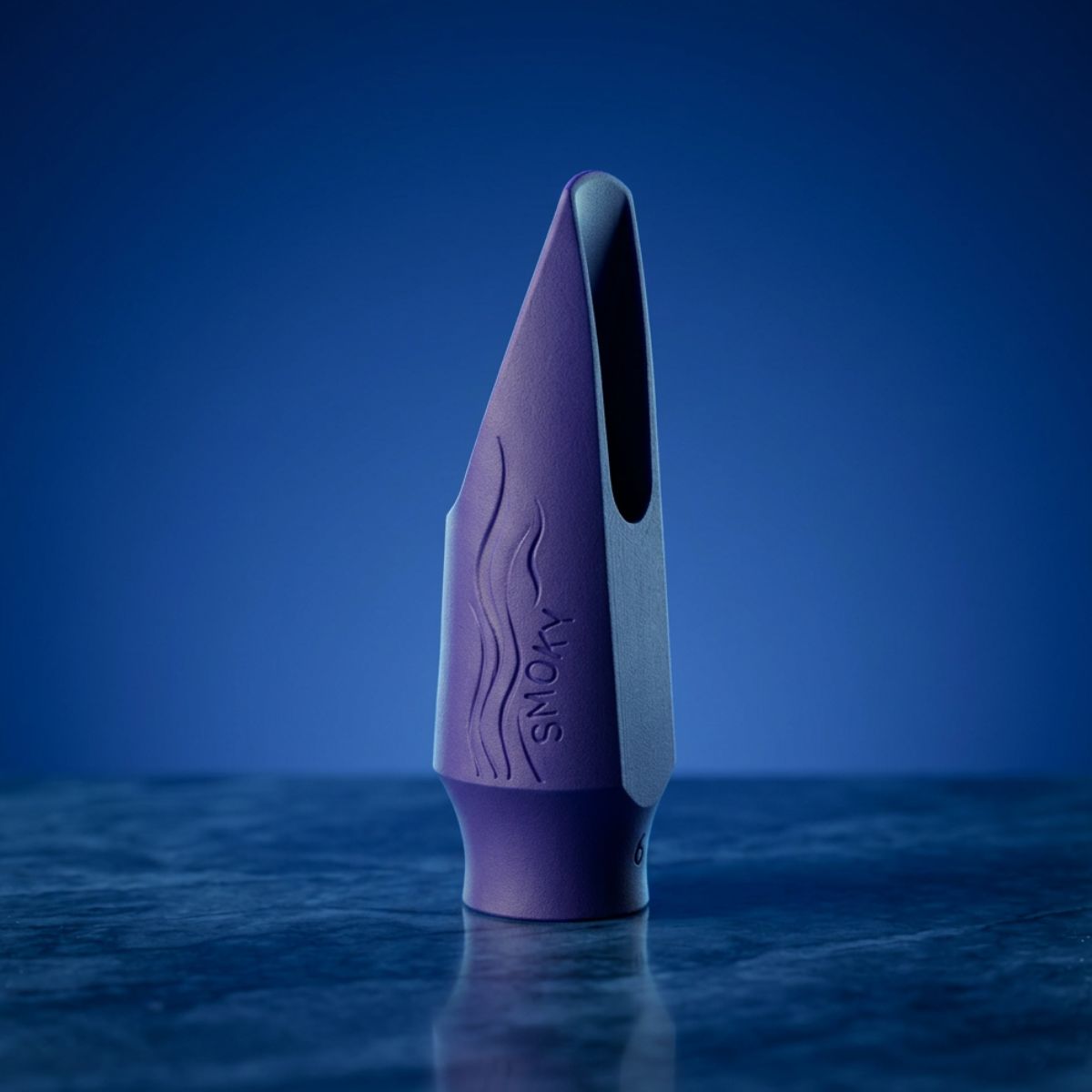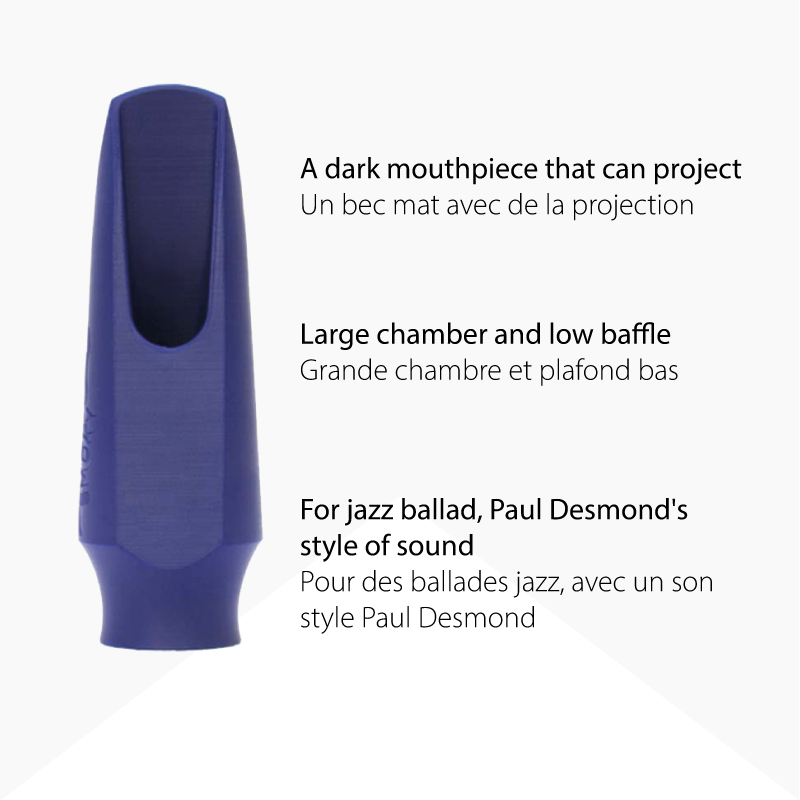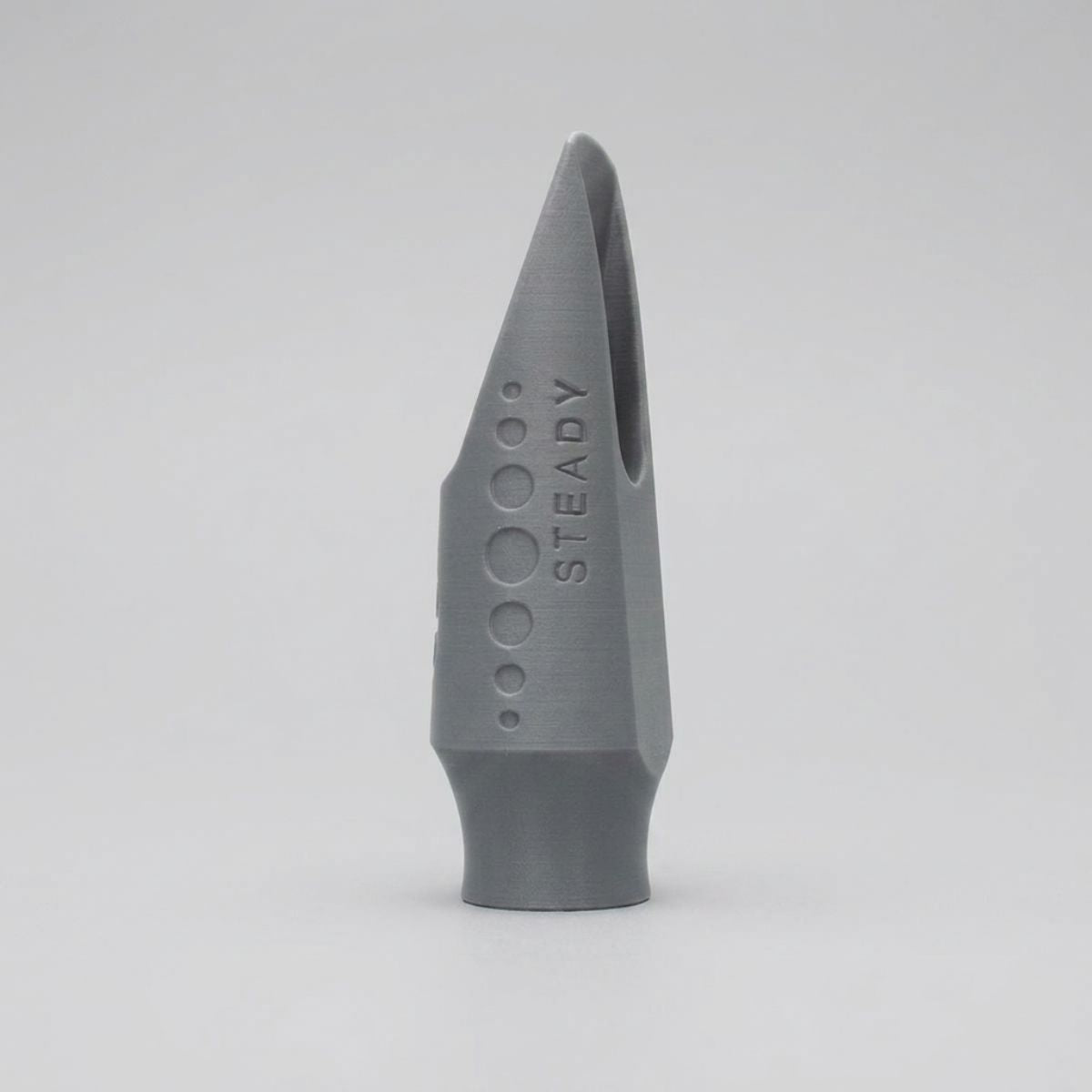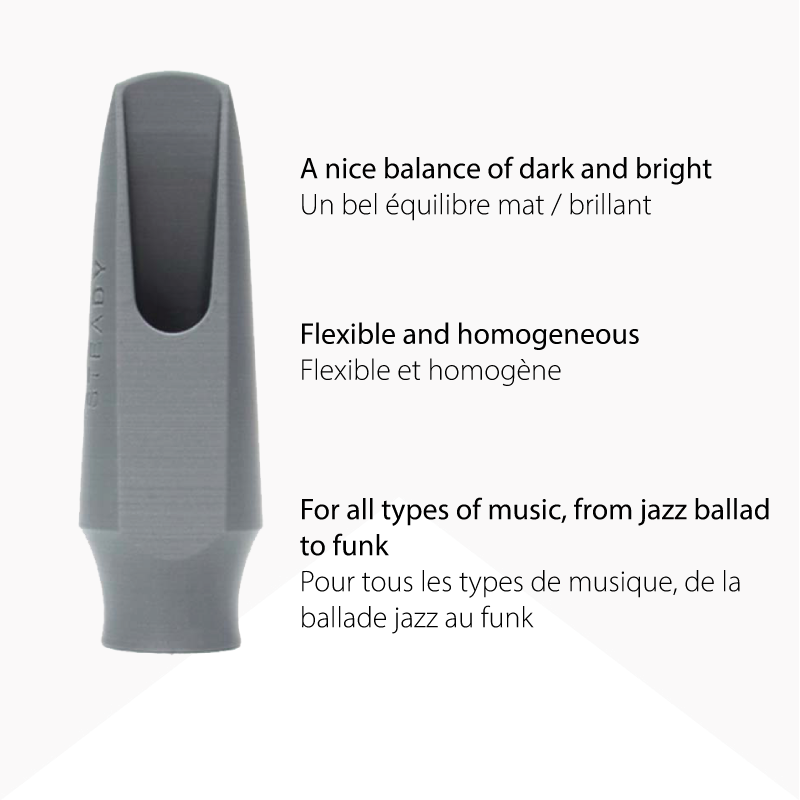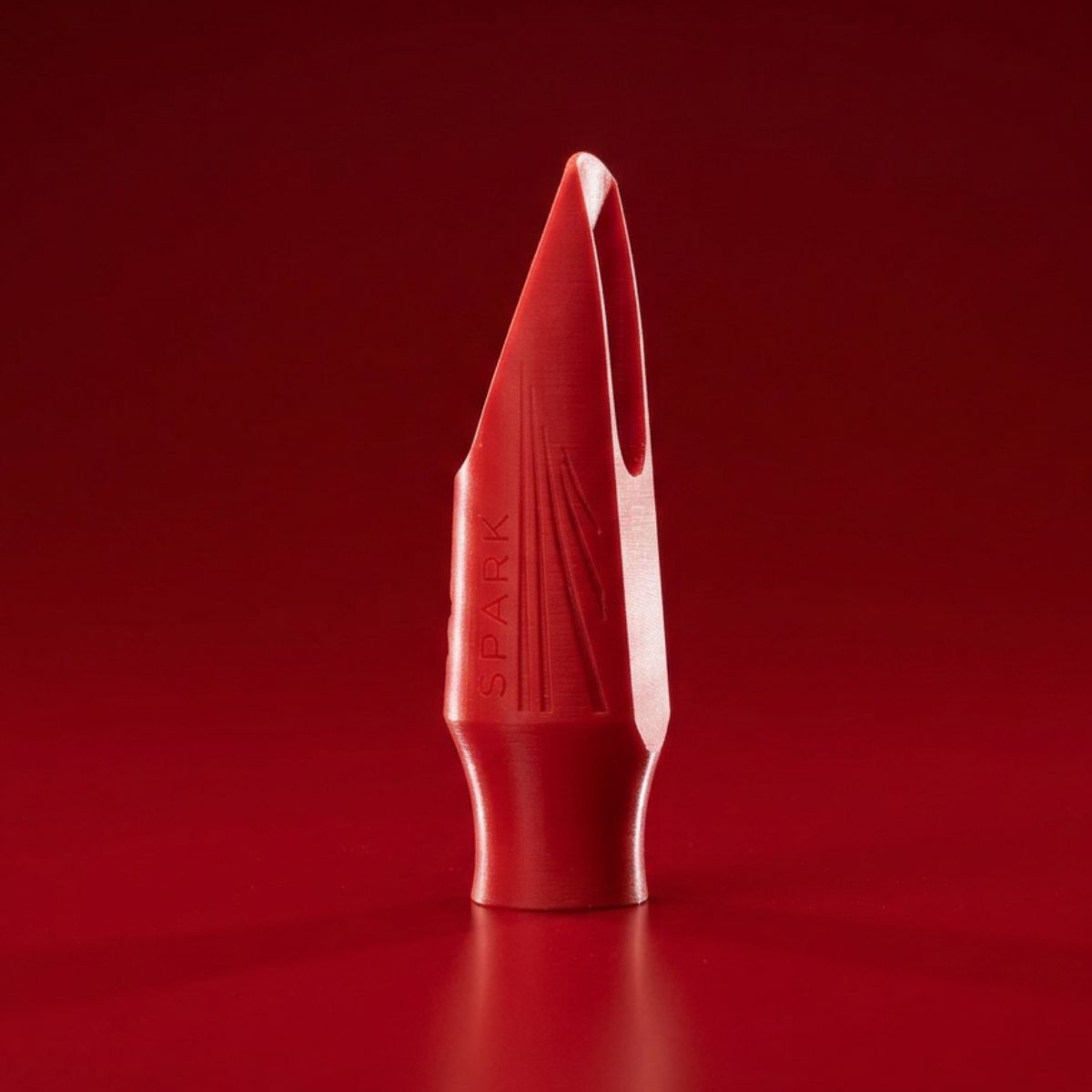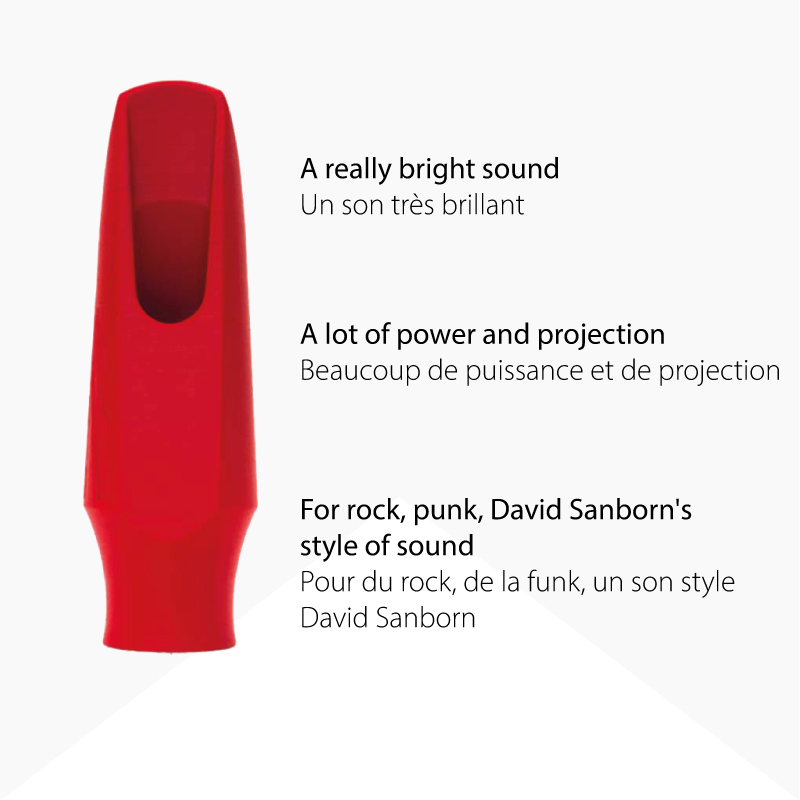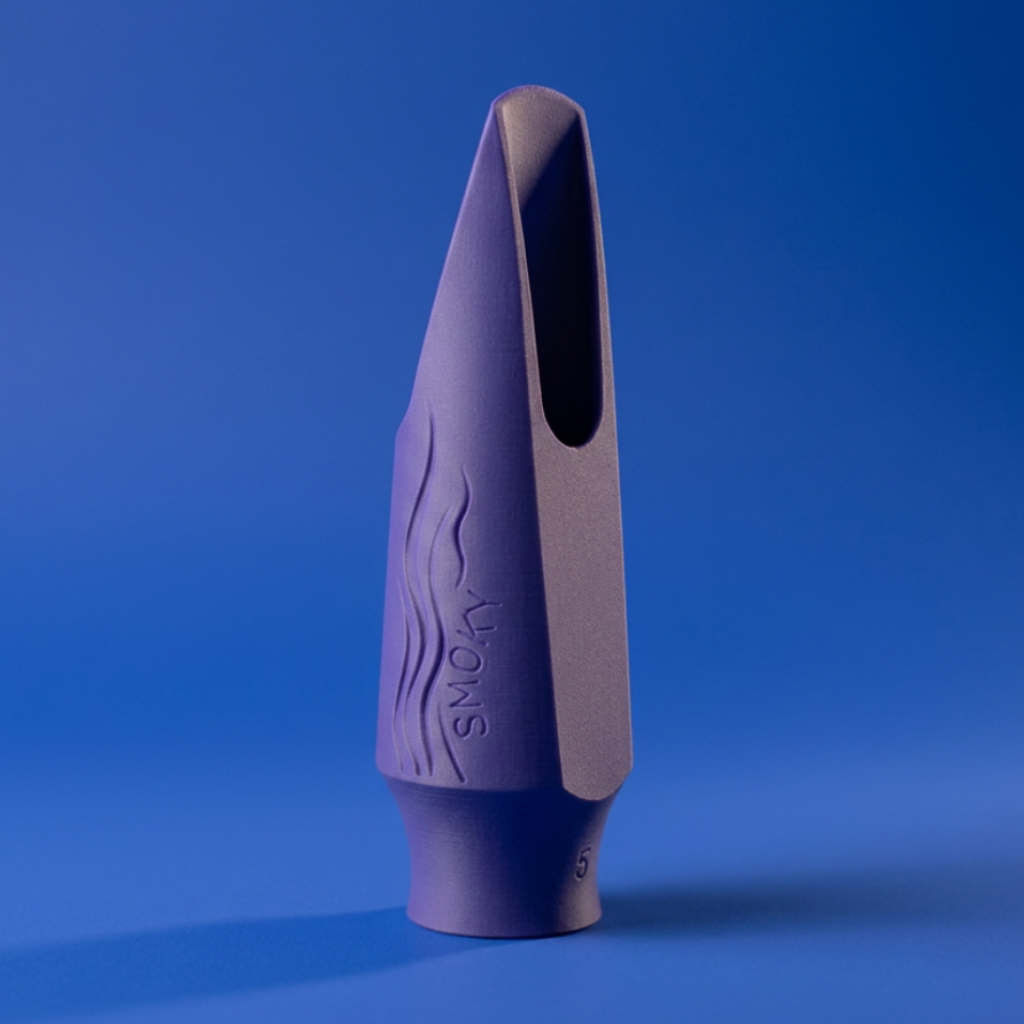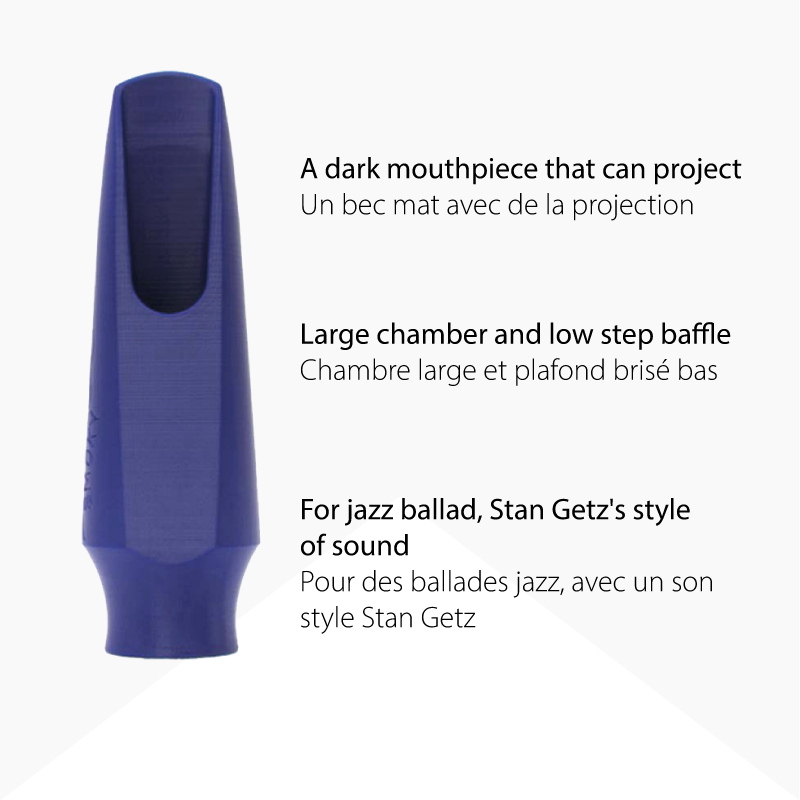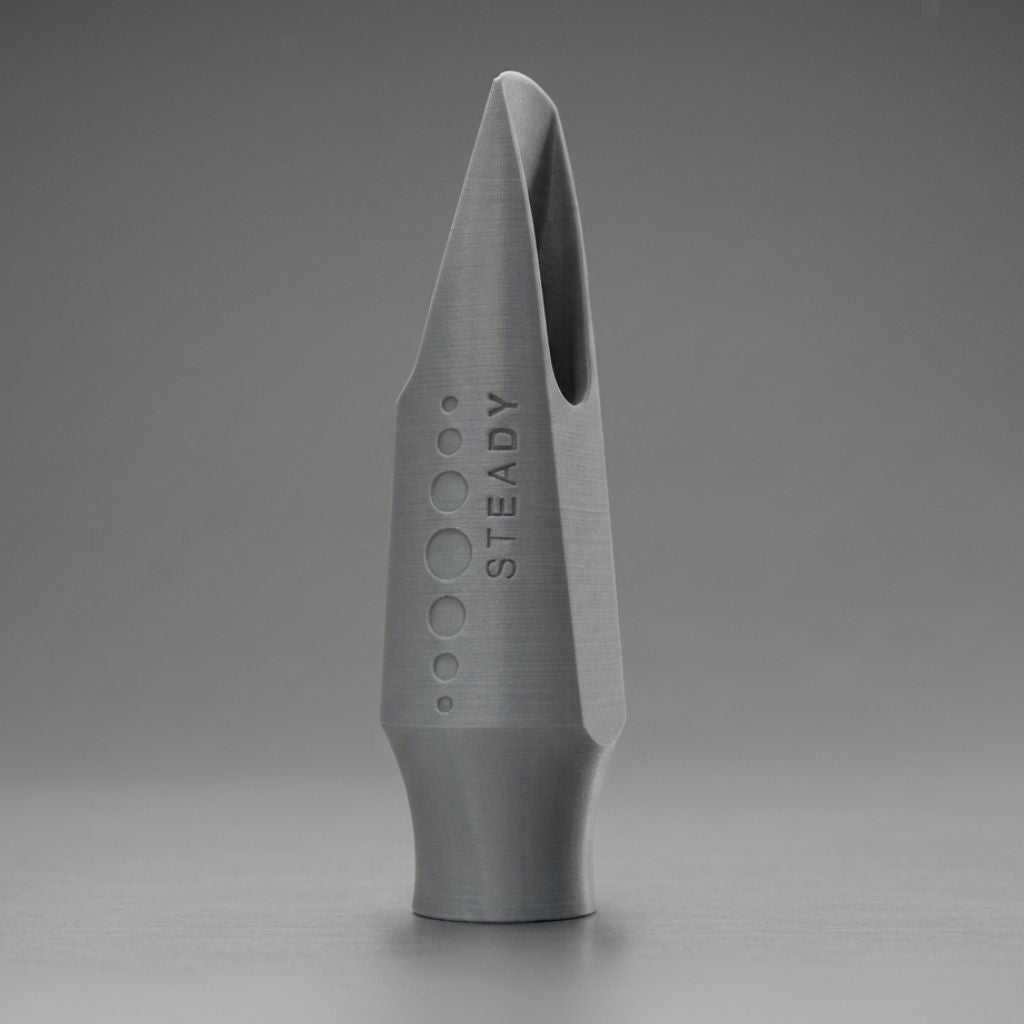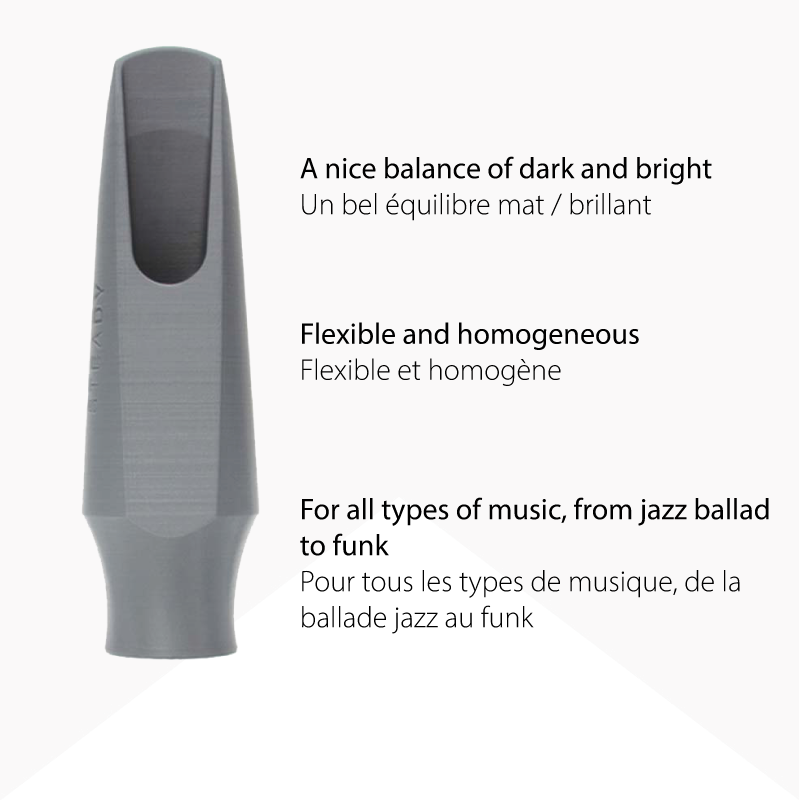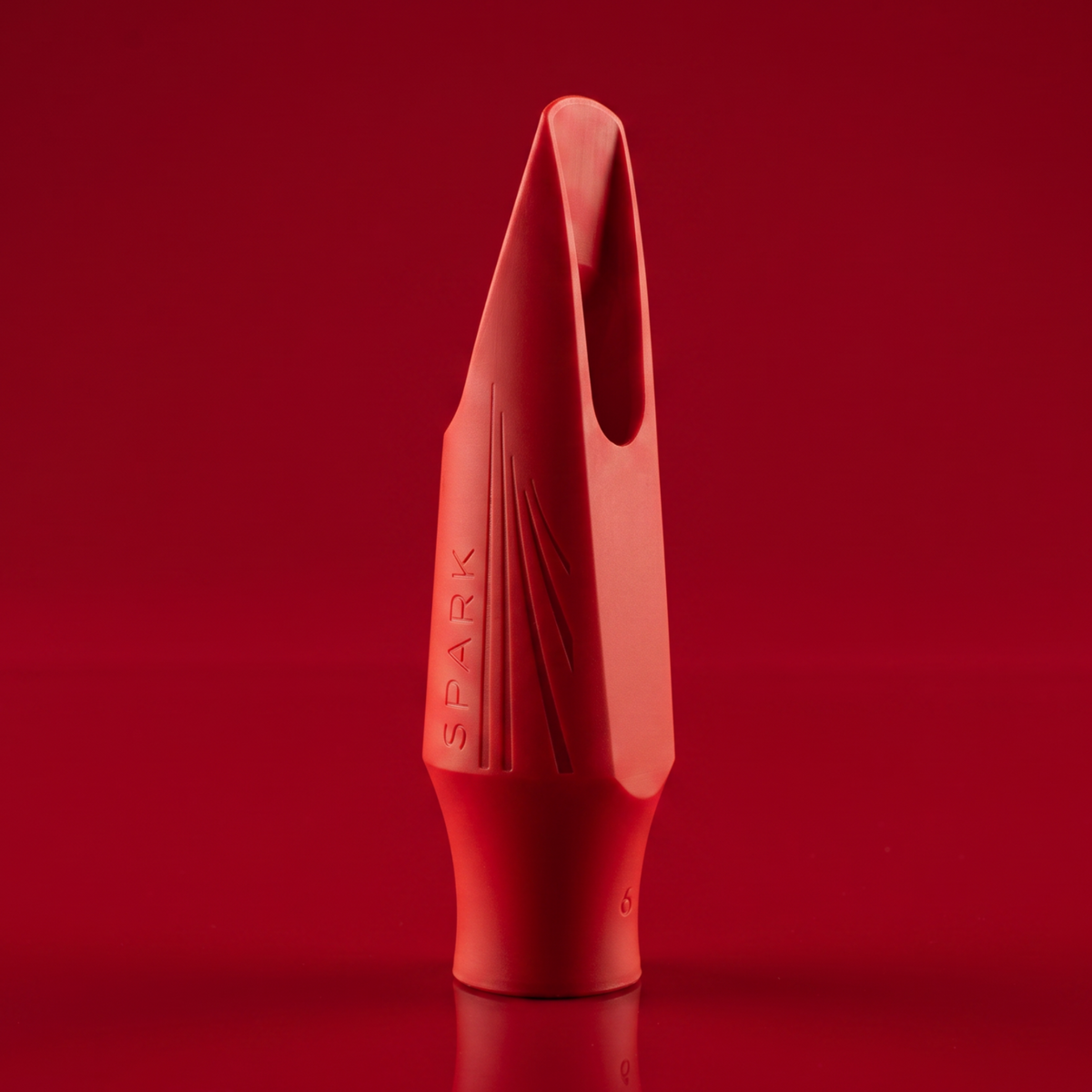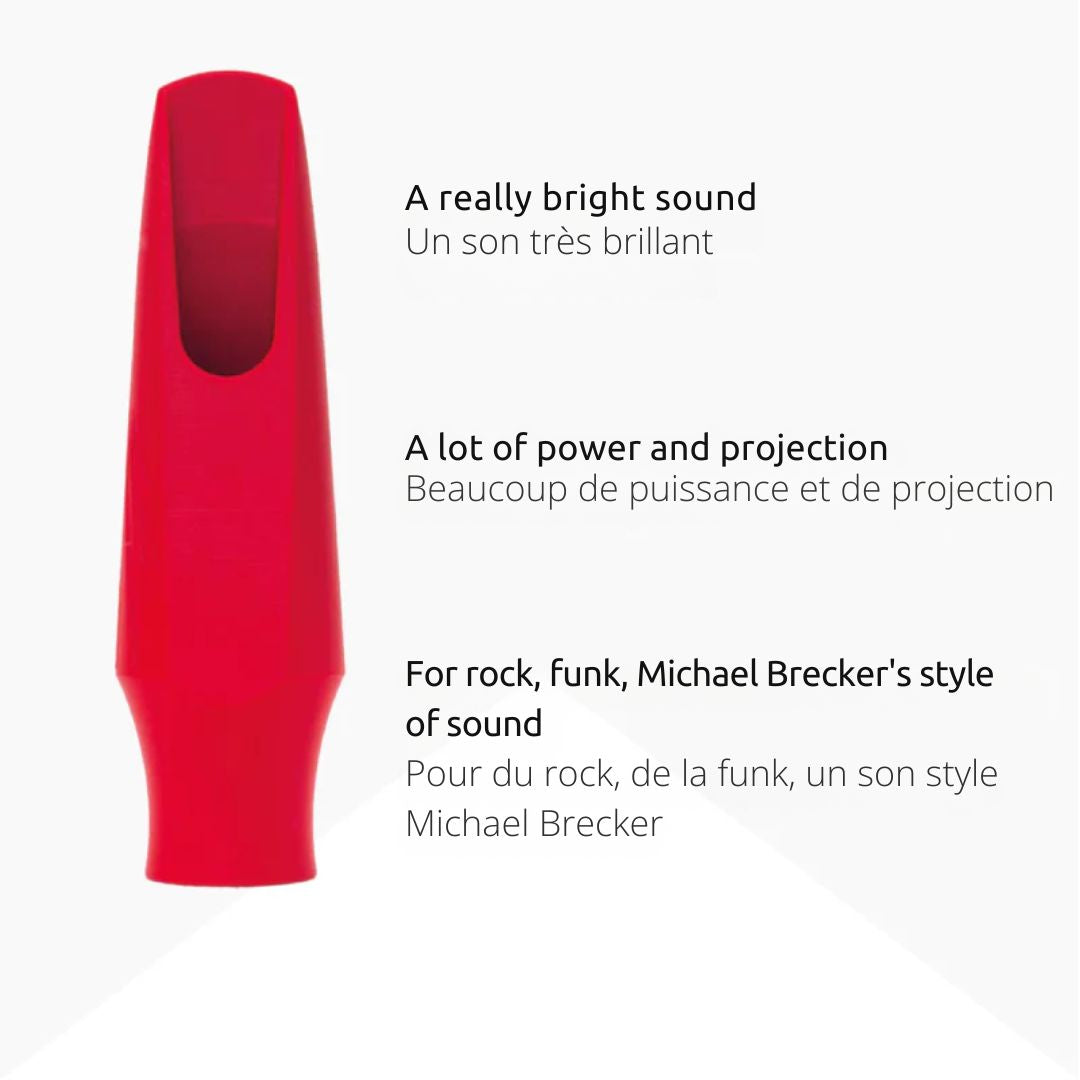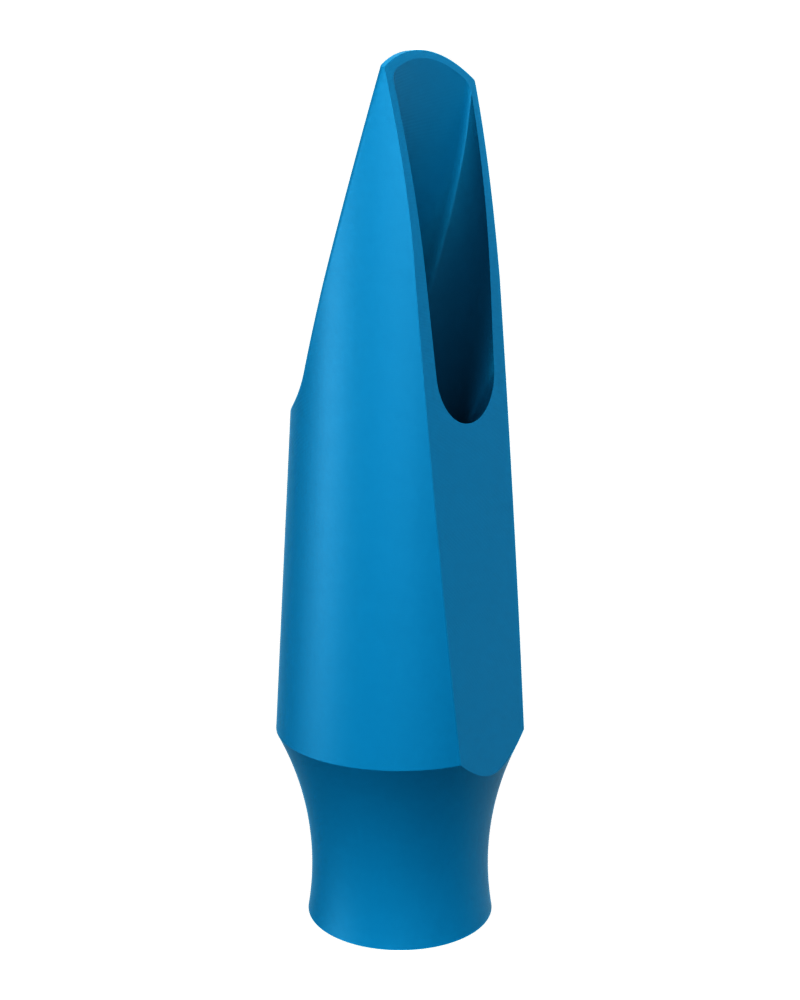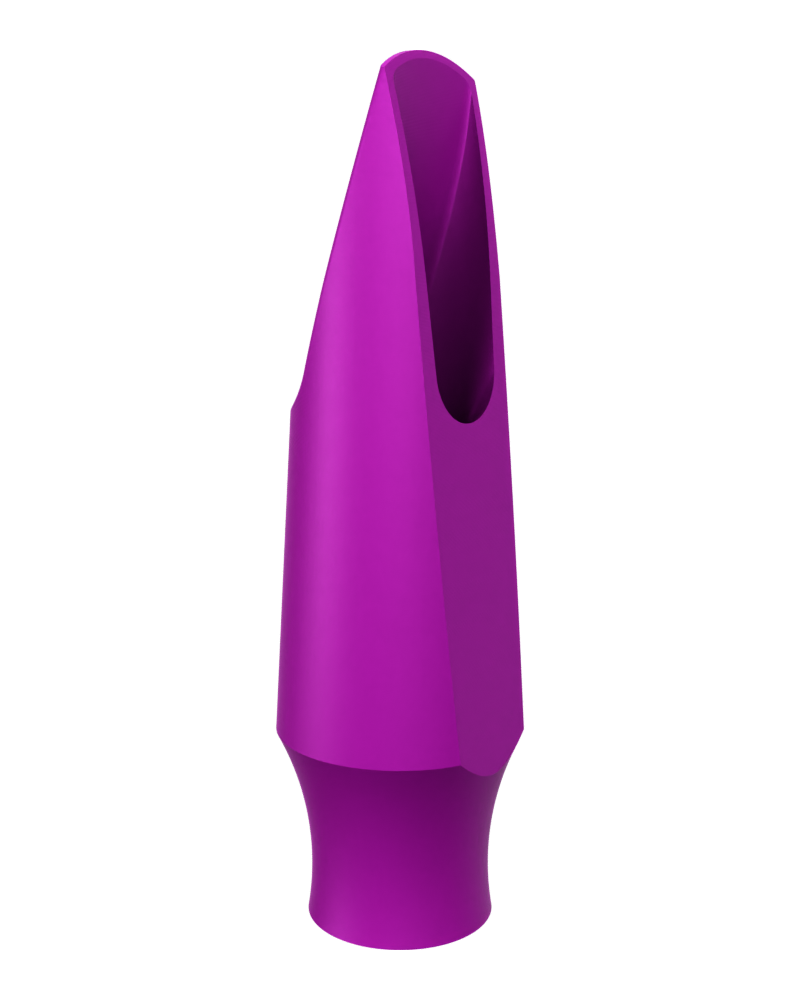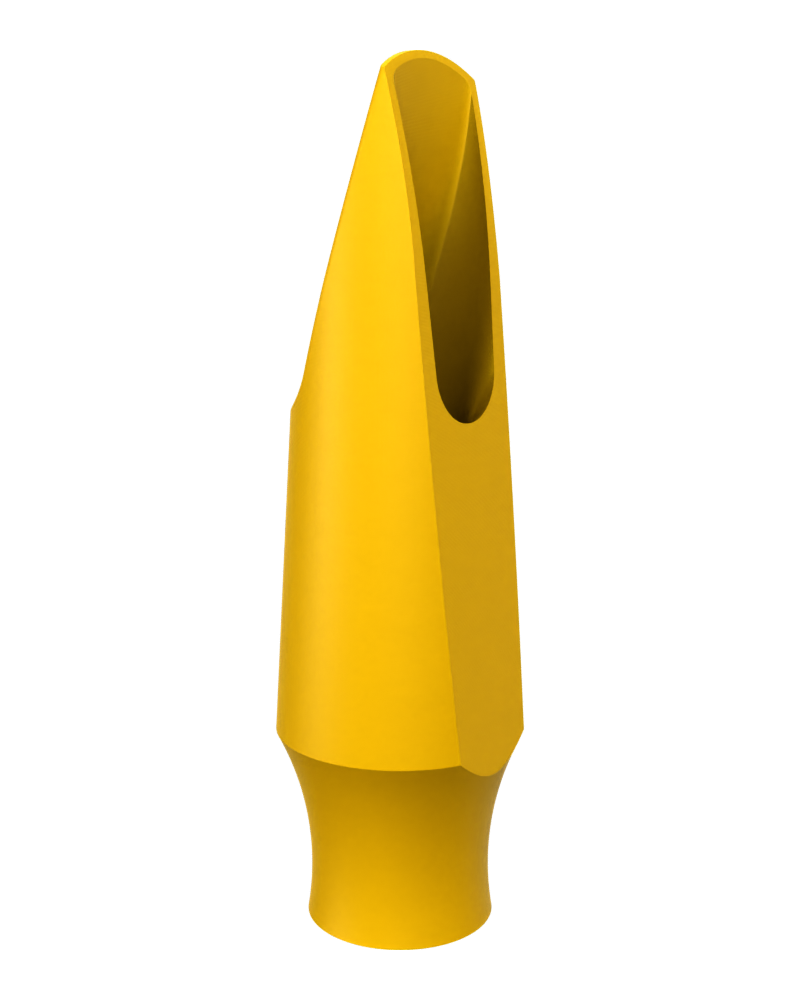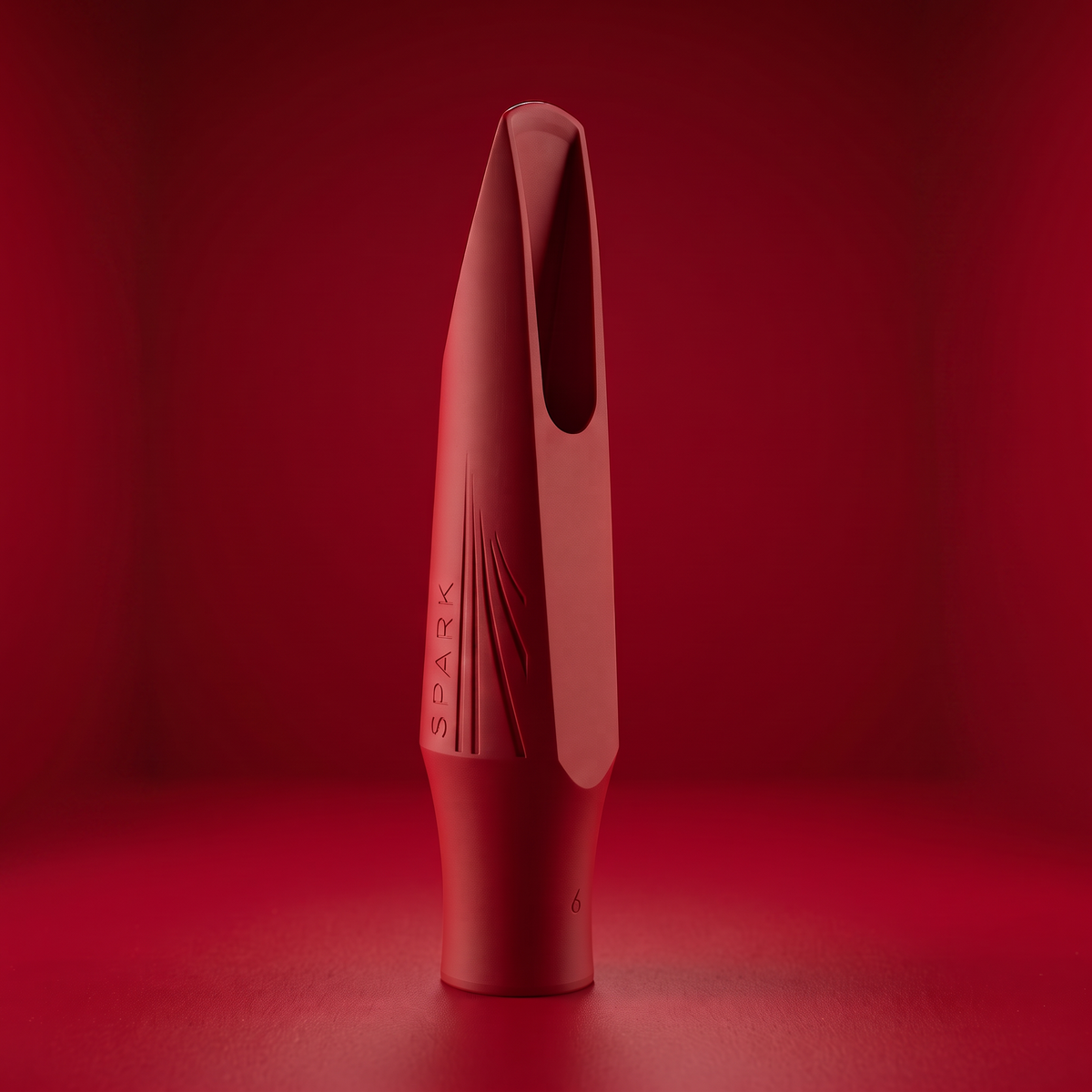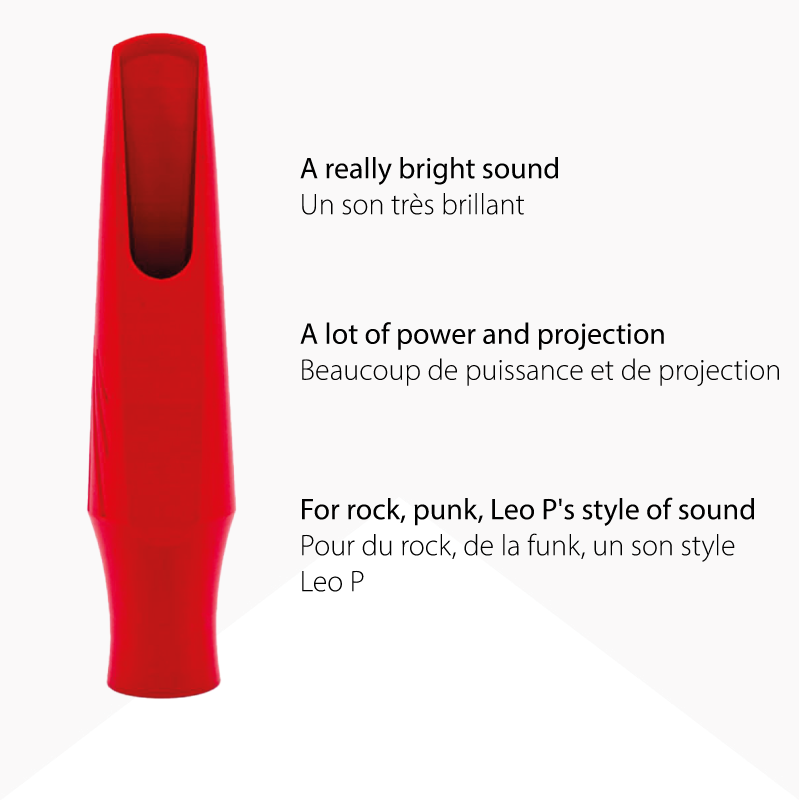



For years, Dan Forshaw played on an 8* mouthpiece, which he describes as his default setup, something open and flexible that allowed for a larger, more expansive sound, and like many players, it was simply what he had settled into over time without much reason to question it.
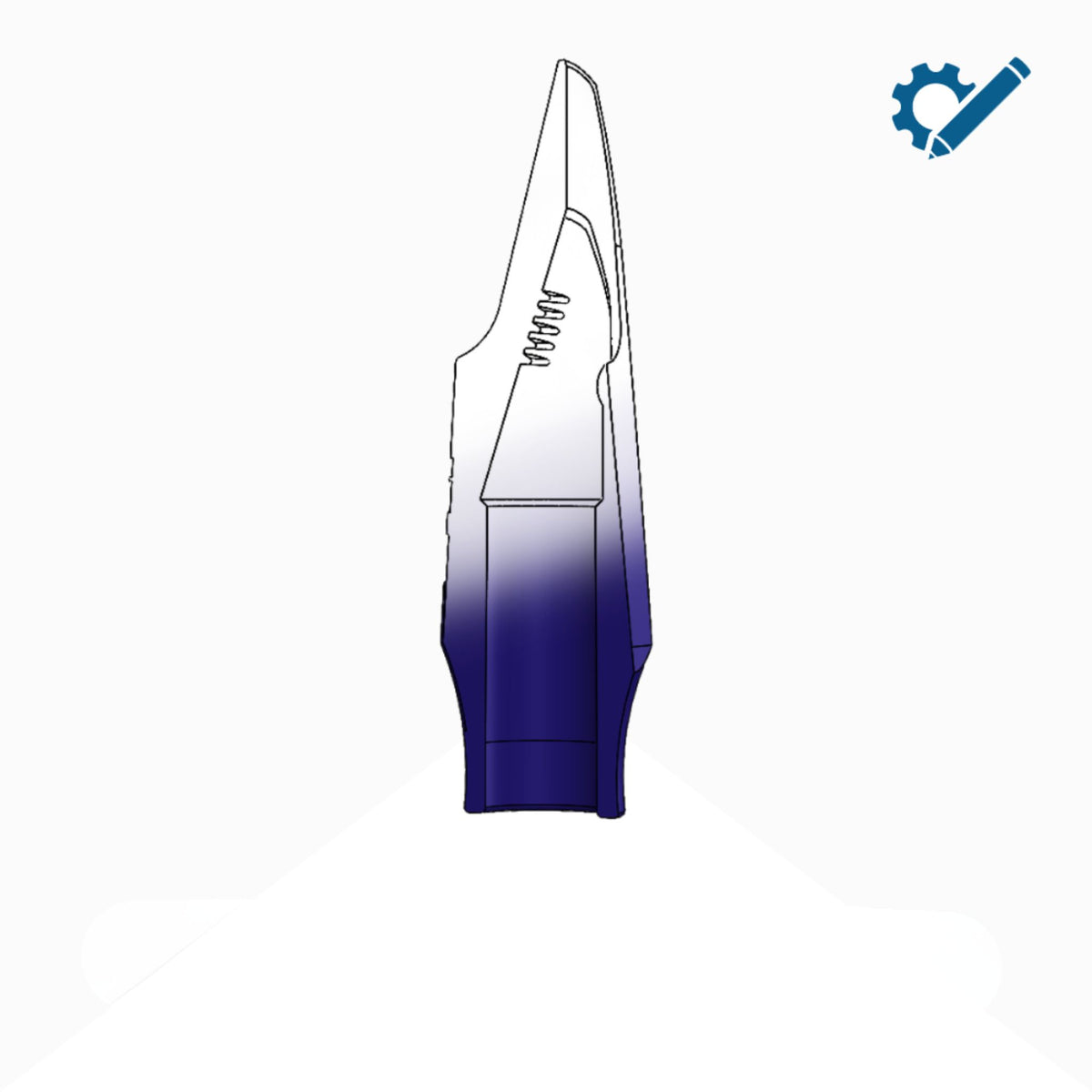
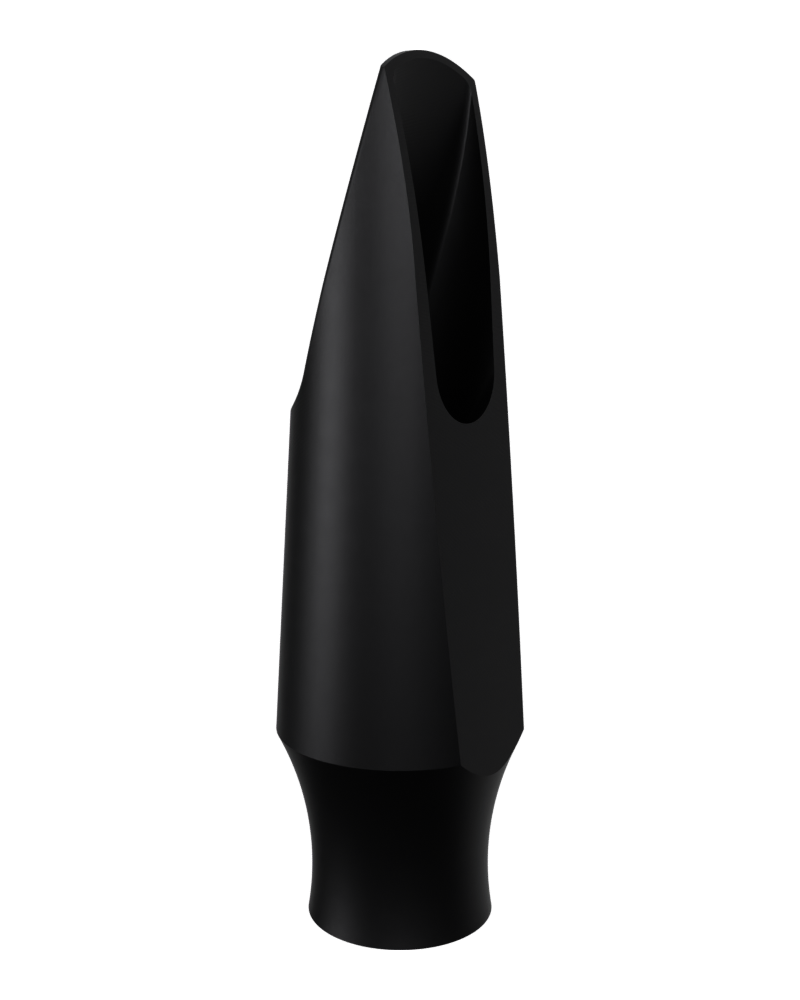
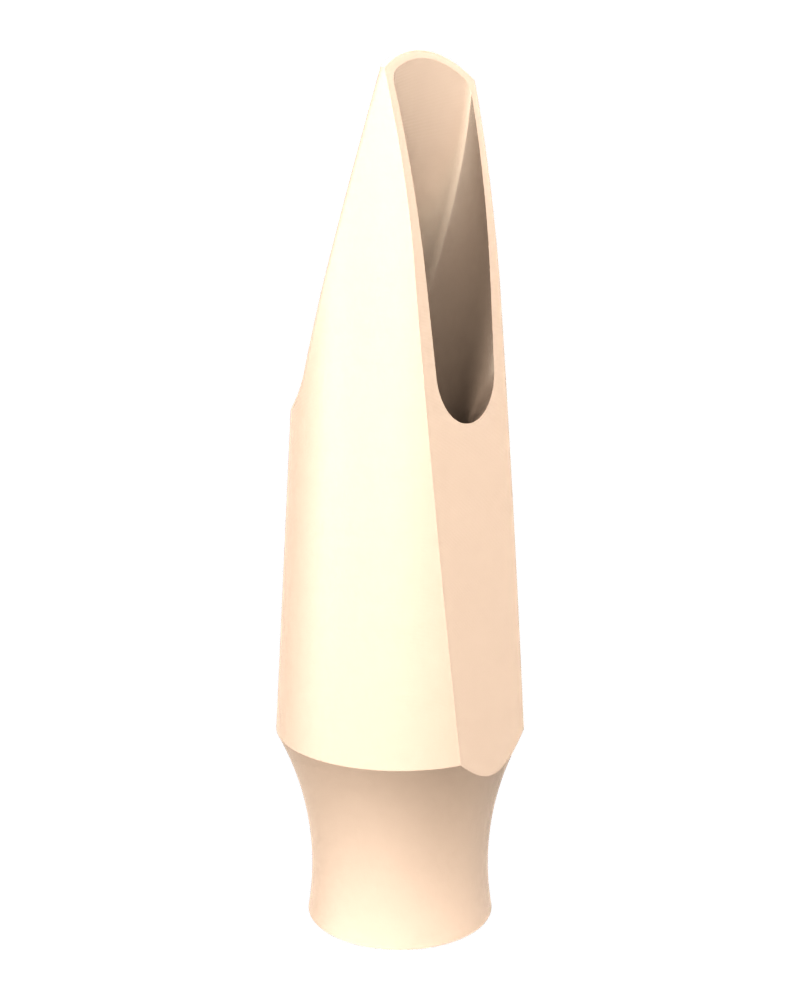
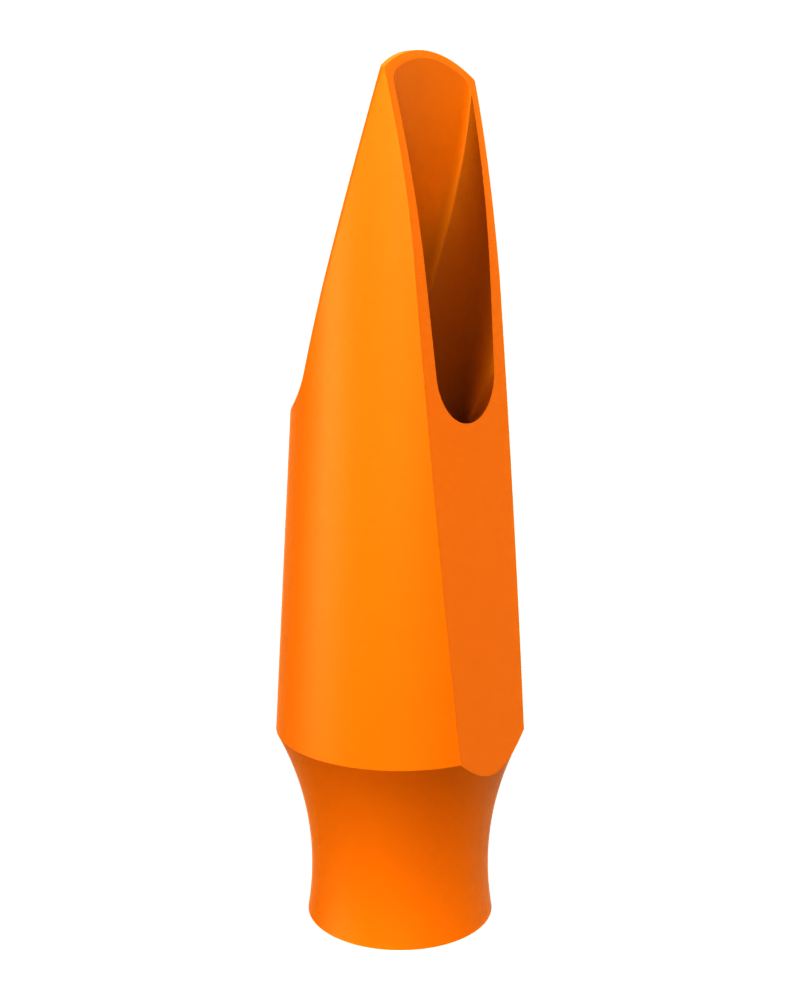
Recently, though, he moved his signature mouthpiece down to a 7*, and the shift comes less from curiosity or tonal preference, and more from something practical and physical, as he explains that he has been dealing with illness and fatigue, and the larger opening had started to demand more from him than it used to, particularly in terms of air and endurance.
At one point, he calls out a certain kind of thinking that exists in saxophone culture, where larger tip openings and harder reeds are treated as markers of seriousness or ability, referencing the idea of players insisting on something like a “12 star opening and a 5 reed,” and while it is said somewhat humorously, the underlying point is clear, which is that these choices are often disconnected from what a player actually needs physically.
With the 7*, things begin to feel easier almost immediately; intonation becomes more stable, notes settle more quickly, and the overall effort required to produce sound decreases in a noticeable way, which is something he demonstrates rather than overstates.
The reality is that there are health and physical reasons why stepping down can make sense, and that those reasons do not necessarily diminish the result, as he shows that low notes speak easily, the altissimo register remains accessible, and the instrument itself feels less resistant, even if the setup is technically “smaller” than before.
What Others Are Saying
What stands out just as much as the video itself is how many people in the comments describe arriving at a similar place, often after years of doing the opposite.
One person writes:
“When I moved to Brum over 35 years ago, I eventually plucked up enough courage to go to a jazz beginners' session at the local Arts Centre. The guy running the sessions was Jamaican and, at the time, was Brum's leading tenor sax player. I asked him for some advice about mpc openings and reed strength. He insisted that I get a 10* metal Otto Link and use a 4 Rico reed. I had such a big sound, but the drawback was that I needed to take a big breath every bar. I now play a 7* and 2 reed. I once asked Teddy Edwards at a gig in Amsterdam what strength reed he played, and he said 1.5-2. I said why nothing stronger, and he replied that he wanted to make his life easier. Get well soon, from a personal perspective and professionally as a medic.”
Another player describes a more direct change in setup and outcome:
“I moved to a Java T45 from 7*+ tip openings. Never looked back and my intonation has improved.”
There is also a comment that brings in age and physical reality in straightforward (and humorous) fashion:
“I use a Berg Larsen 95/1 on my tenor. I stand 5'6" and weigh 128#. Not really small for a woman, but as I will be 75 at the end of May, I haven't near the lung capacity of my younger years. Ladies, having a man select your mouthpiece and reed strength is like taking golf lessons from from them”
And another that reflects on how perspective shifts over time, especially after stepping away from the instrument:
“I was very much ‘a bigger # is better guy’ when I was in college. But my twenties have passed, and I'm coming back to the horn after being away for a really long time. Playing on a 5 and super soft reeds while rebuilding my embouchure has been an eye opener in so many ways.”
Taken together, a pattern emerges! Where players move toward setups that allow them to play longer, more comfortably, and with less strain, even if those setups might have once been dismissed as too small or too easy.
Who is Dan Forshaw?
Dan Forshaw is a prominent figure in British jazz, working as a saxophonist, educator, and content creator based in the United Kingdom. He teaches saxophone at the University of Cambridge and lectures in music at the London School of Theology, while also running Sax.coach, an award-winning online platform used by saxophonists around the world. Alongside his educational work, he maintains an active performance schedule across the year, with upcoming dates spanning the summer, fall, and winter seasons, which can be viewed through his website.