




What Mouthpiece Are You Playing Right Now? 7 Pros Answer Honestly
TL;DR: Choosing a saxophone mouthpiece is deeply personal. Seven working professionals - from Cologne to Lima to Florence - share exactly what they play, the biggest mistakes players make, and how they knew it was time to change. The recurring lesson: stop chasing someone else's sound, prioritize comfort, and give any new piece real time before judging it.
Every saxophonist has been there. You're standing in a music shop, or scrolling a forum at midnight, convinced that this mouthpiece is the one that'll finally unlock your sound. Then you buy it, play it for two weeks, and start the search all over again.
We asked seven professional saxophonists - composers, educators, Grammy nominees, and gigging veterans - three direct questions: What are you playing right now? What's the biggest mistake musicians make when choosing a mouthpiece? And how did you know it was time to change? Their answers are honest, specific, and often surprising.
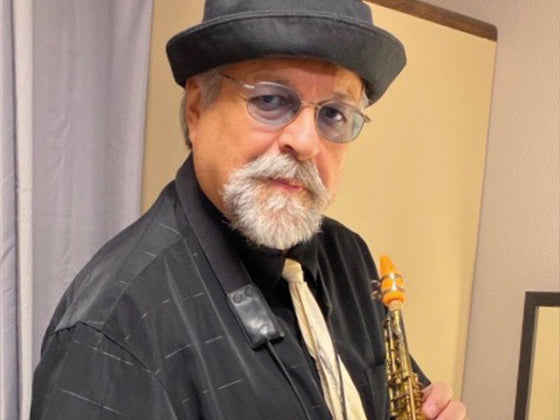
Lucian Nagy - Saxophone & Multi-Ethnic Wind Instruments

Lucian Nagy — luciannagy.com
Lucian Nagy is a Romanian composer, arranger, and multi-ethnic instrumentalist known for blending saxophones with traditional wind instruments from Eastern Europe and the Middle East - Bulgarian kaval, Turkish ney, duduk. His work spans jazz, funk, and contemporary music. He plays a Syos custom mouthpiece.
What mouthpiece are you playing right now?
"Right now, I am playing on my Syos custom mouthpieces and I can say that finally, I could feel the answers to some of my inner questions and maybe frustrations regarding the fact that for some years I was playing different mouthpieces from a variety of brands, which all were fulfilling something in matter of sound, projection... but somehow, never fulfilled all the spectrums I've been searching."
The biggest mistake musicians make when choosing a mouthpiece
"I think one of the first temptations, or let's say, mistakes, that musicians make is the fact that they've always tried to imitate the sound of someone else, before focusing on their own inner nature. In order to get a certain sound, that requires a certain opening of the mouthpiece - and the most important thing: from the perspective of anatomy, we have not been built the same. You cannot have the same sound as John Coltrane or Sonny Rollins, even if you try the same mouthpieces they played. There is a certain sweet spot of tip openings on everyone's mouthpiece, created exactly for their own structures - and here we speak about the anatomical structure."
How did you know it was time to change?
"I think that at some moment, when you realize that so many brands of mouthpieces are fulfilling only a certain aspect in matter of sound, resistance, projection, easiness on articulation, it's the right time to search new horizons. After years of searching, I started to do my own research on new possibilities."
Takeaway: Lucian's point about anatomy is underrated. Your jaw structure, lip thickness, and air column are yours alone. The mouthpiece tip opening that works for your hero may simply not work for your body.
Samy Thiébault - Tenor Saxophone & Flute

Samy Thiébault — © Guillaume Saix
Born in Abidjan, Côte d'Ivoire in 1978, Samy Thiébault studied classical music at the Bordeaux Conservatoire before entering the jazz program at the Paris Conservatoire, while earning a master's degree in philosophy from the Sorbonne. His music blends jazz with Caribbean, African, and global traditions. He is Professor of Jazz and Saxophone at the Choisy-le-Roi Conservatoire and won the 2023 Sacem/France Musique prize for best film score.
What mouthpiece are you playing right now?
"The new Selmer Jazz Héritage mouthpiece. Because it is precise, targeted, and very, very flexible."
The biggest mistake musicians make when choosing a mouthpiece
"Focusing on sound more than on comfort! Because the second is the condition of the first. Even if spending time searching for a mouthpiece can sometimes be useful, it shouldn't be a permanent state."
How did you know it was time to change?
"Often when you feel moments of stagnation or regression. That's the moment to ask yourself the right questions."
Takeaway: Samy's hierarchy is worth writing down: comfort first, sound second. A mouthpiece you fight against every session will never let you express what you actually hear in your head.
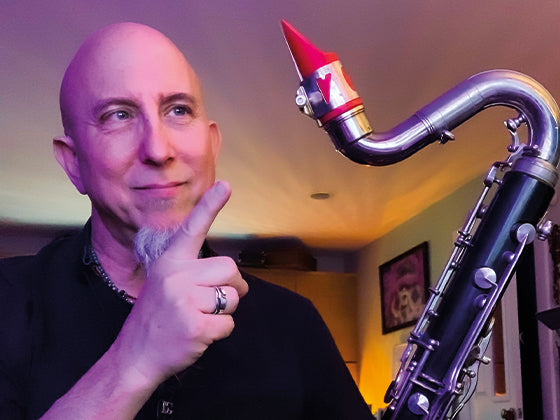
Johannes Ludwig - Saxophone

Johannes Ludwig — floatmusic.de
Born in 1988, Johannes Ludwig is a German saxophonist, composer, arranger, and university lecturer based in Cologne. He studied jazz saxophone at HfM Nuremberg and later in Cologne, and has performed with the WDR Bigband and Cologne Contemporary Jazz Orchestra. He co-founded the jazz label FLOATmusic and serves as artistic director of the UpBeat Hohenlohe festival. He recently switched to a Syos custom mouthpiece.
What mouthpiece are you playing right now?
"I just started playing a custom design mouthpiece. Before that I was on a Meyer New York Reissue 8."
The biggest mistake musicians make when choosing a mouthpiece
"I think one of the biggest mistakes is to look for a mouthpiece that shapes a certain sound for you, or to believe that a mouthpiece alone will get you to the point where you sound in a certain way you desire. It all comes from the imagination about how you'd like to sound. I try to find mouthpieces that are rather neutral in the way they influence the sound and let me do it all. A great mouthpiece needs to let the air flow free and should not get in your way, nor be too stuffy or make you tired. It should be fun to play and not feel like hard work."
How did you know it was time to change?
"I didn't really look for a new mouthpiece, but as the moment came, I was happy to try something new - and as I am a little paranoid about losing great mouthpieces, I love the concept of being able to get a 100% identical copy of my current playing piece, which was never possible before."
Takeaway: Johannes frames it perfectly: a great saxophone mouthpiece gets out of your way. It's a conduit, not a crutch. If you're fighting the piece to produce your saxophone sound, the piece is wrong.
Lorenzo Ferrero - Alto & Tenor Saxophone
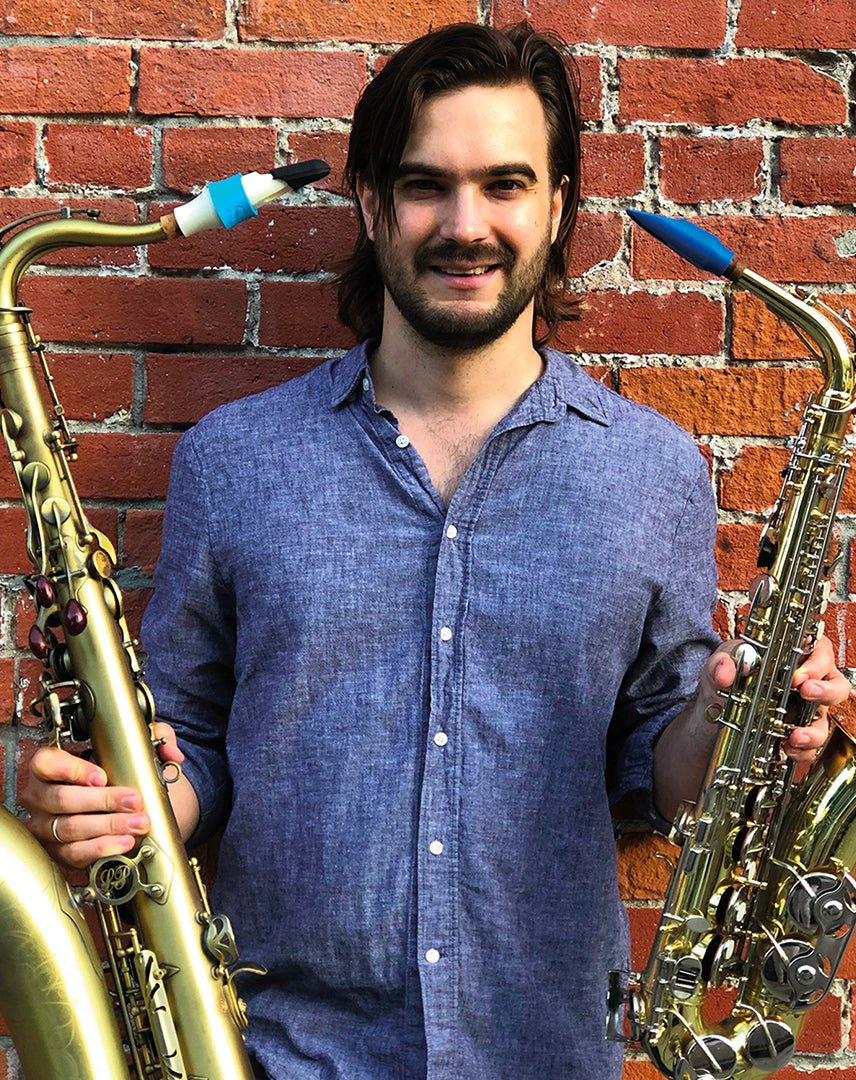
Lorenzo Ferrero — syos.co
Born in Lima, Peru, Lorenzo Ferrero is a multi-award-winning arranger, composer, multi-instrumentalist, producer, and social media influencer based in Los Angeles. He co-founded the Afro-Peruvian Jazz Orchestra, whose debut album Tradiciones was nominated for Best Latin Jazz Album at the 2021 Grammy Awards. He has performed with Alex Acuña, Arturo Sandoval, and Eric Marienthal.
What mouthpiece are you playing right now?
"I play my signature mouthpieces, which were created specifically for my playing style with the sound I have in mind. After working on a few models back in 2018, we finally came up with my tenor signature mouthpiece and later on the alto. I chose this one because it had the sonic characteristics I like: warm, round sound with a little edge and power."
The biggest mistake musicians make when choosing a mouthpiece
"I would say the biggest mistake is focusing too much on the tip opening and brightness without first having good technique and air support. This happened to me - I bought a Jody Jazz DVNY 8* when I was starting out because I thought it would make my sound jazzy and more professional, and I ended up gaining terrible bad habits, sounding overly loud without control, and having too much brightness that I actually didn't want. Learn how to control your sound first with a more standard mouthpiece that's not too big or too small on tip opening, but also not too bright or dark."
How did you know it was time to change?
"After working on a few models back in 2018, we finally came up with my tenor signature mouthpiece and later on the alto."
Takeaway: Lorenzo's story about the Jody Jazz 8* is one every intermediate player should read twice. A wide mouthpiece tip opening before you have the technique to match it is a fast track to bad habits - loud, uncontrolled, and bright in all the wrong ways.
Paolo Albano - Tenor Saxophone
Paolo Albano is an Italian tenor saxophonist with a deep love for vintage instruments and classic jazz sounds. He plays a 1928 Conn New Wonder II silver saxophone and has been a loyal Otto Link Tone Edge player for over a decade.
What mouthpiece are you playing right now?
"For my tenor saxophone, a 1928 Conn New Wonder II, silver. Now it's more than 10 years that I play an Otto Link Tone Edge (HR) 10*. I bought it because my teacher told me to - actually his suggestion was a 9, but in the shop I liked better the 10*, easier to play."
The biggest mistake musicians make when choosing a mouthpiece
"I think that the biggest mistake sax players may make when buying a new mouthpiece is not to take enough time to play it. Sometimes I dropped a mouthpiece because I played it with my standard reed, which maybe was not the right one for it."
How did you know it was time to change?
"The reason why I usually decided to look for a new mouthpiece was that I realized my sound was not the right one for the type of music or the ensemble I was playing with. Sometimes it was my bandmates telling me that my sound wasn't the best for the music we were playing. A big mistake we can make as saxophonists is to keep playing our beloved mouthpiece because we love 'our sound', without taking into consideration that it won't necessarily work fine in all the musical situations we might be involved in."
Takeaway: Paolo highlights two things most players overlook: reed matching (a mouthpiece judged on the wrong reed is a mouthpiece judged unfairly) and musical context (your sound has to serve the music, not just your ego).
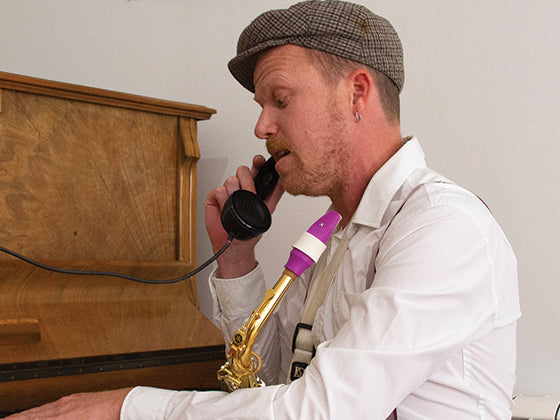
Stéphane Colin - Tenor, Alto, Baritone & Soprano Saxophone
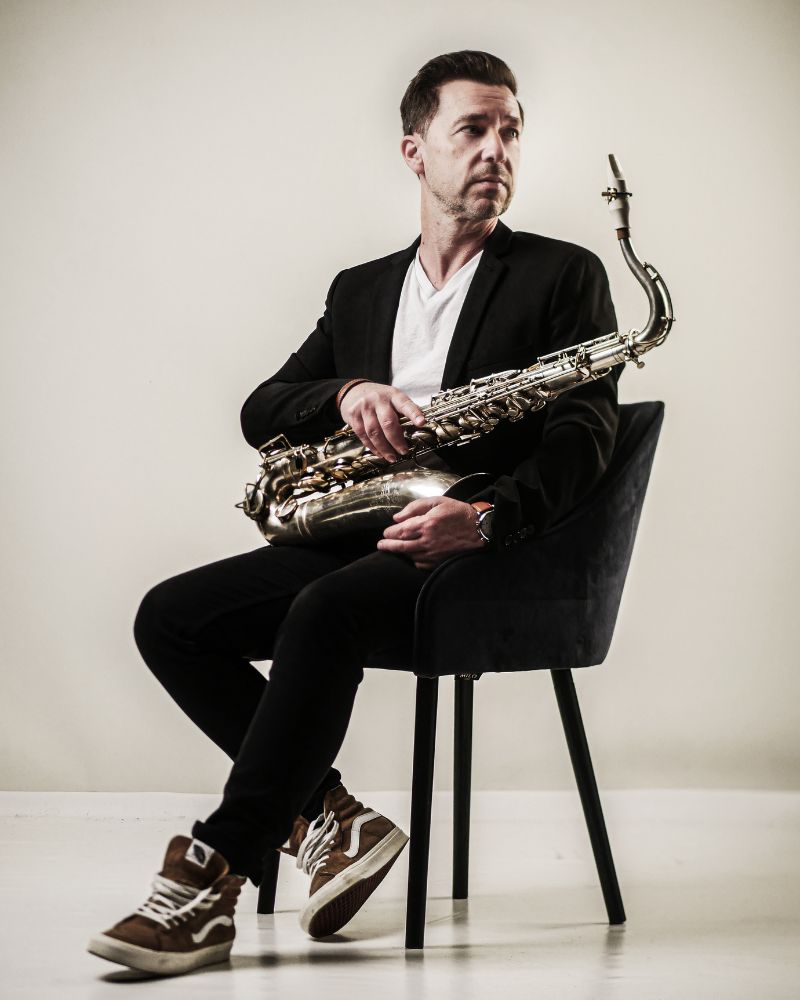
Stéphane Colin — syos.co
French saxophonist and composer born and living in Paris, Stéphane Colin trained in jazz and classical music with Sylvain Beuf, Éric Barret, and Jean-Claude Forhenbach. He has performed with Dee Dee Bridgwater and Rhoda Scott, and is the creator of the popular YouTube series La Minute Saxophone! He currently plays the Syos Titanium 7.
What mouthpiece are you playing right now?
"I'm currently playing the Syos Titanium 7. Having started with an Otto Link metal mouthpiece, then spent many years on ebonite, I wanted to return to metal for several reasons - you can find the full details in my review on YouTube: youtu.be/8zbbOhB6sNo"
The biggest mistake musicians make when choosing a mouthpiece
"For me, the biggest mistake some saxophonists make is thinking too much about the sound they'd like to have. But it's not the mouthpiece that 'makes' the sound - it's the person blowing it, based on what they know how to do. The mouthpiece will obviously help them get closer to what they're looking for, and above all give them the possibility of achieving it with a certain ease and comfort."
How did you know it was time to change?
"For this point, it's like in life - I wake up one morning and I say to myself: 'Things need to change.' It's not always very thought-out, but for me it has always been relevant. It's obviously often linked to a long prior reflection - one whose starting point I can't always pinpoint. And once I've made up my mind, I need to find quickly, because from that moment on, I know exactly what I want."
Takeaway: Stéphane and Samy are singing the same tune from different angles: the player makes the sound, the mouthpiece enables it. No piece of equipment compensates for underdeveloped technique - but the right one removes the friction that holds you back.
Mirko Guerrini - Tenor, Alto, Soprano, Baritone Saxophone & Clarinet

Mirko Guerrini — © Barbara Rigon / mirkoguerrini.com
Italian-Australian jazz saxophonist, composer, and arranger born in Florence in 1973. Mirko Guerrini studied at the Conservatorio "Cherubini" in Florence and with Dave Liebman in New York. He plays multiple saxophones and clarinet, and uses Syos custom mouthpieces across all his instruments.
What mouthpiece are you playing right now?
Mirko plays a different setup on each instrument. Here's his full rig:
| Instrument | Mouthpiece | Why he chose it |
|---|---|---|
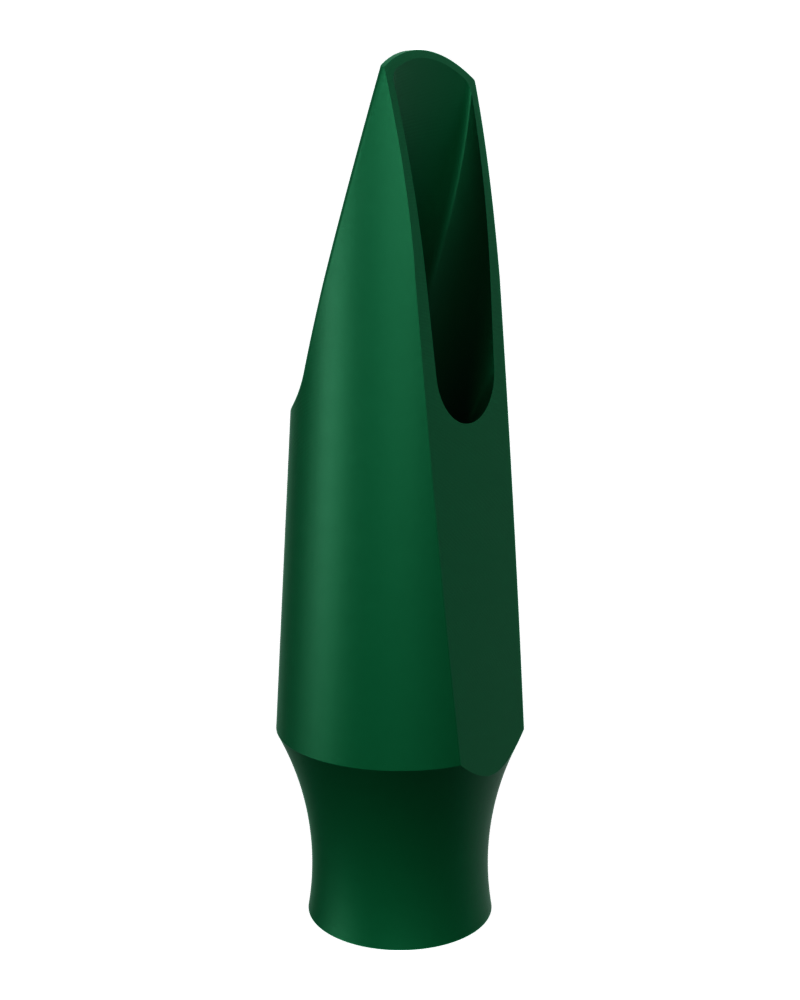
| Tenor | Syos Custom (green) | Curiosity, and the appeal of a fully customised feel |
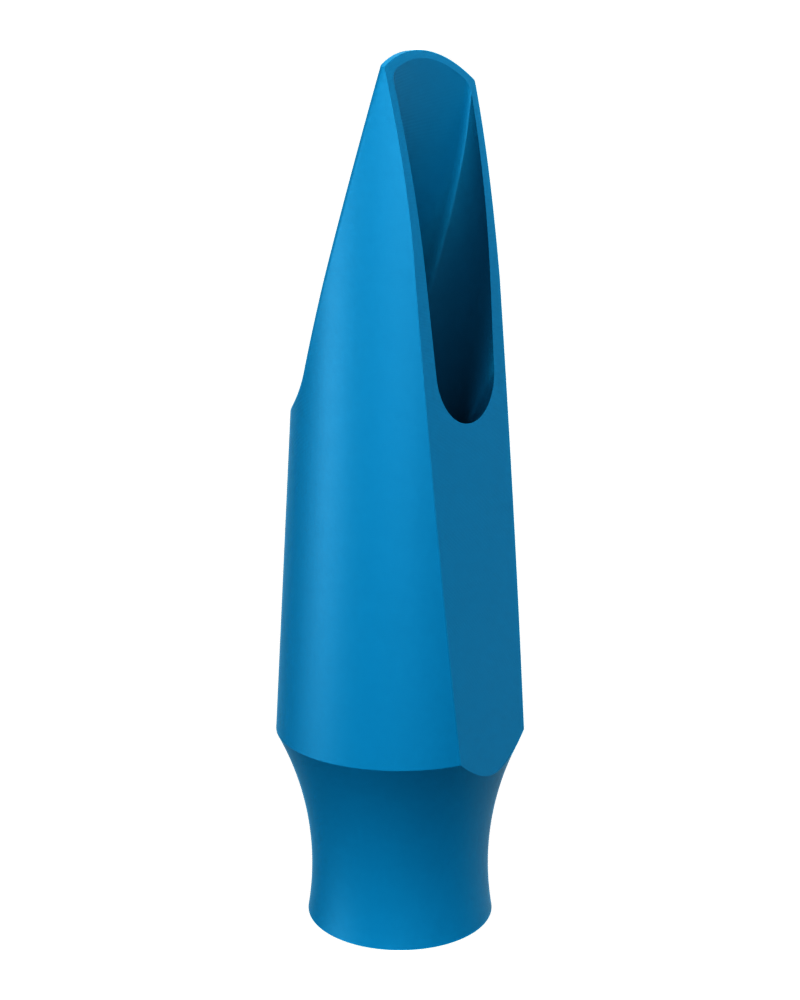
| Alto | Syos Custom (light blue) | "Great flexibility and consistency when I switch from tenor to alto. Fat sound without compromising darkness." |
| Soprano | Bari | "Closest sound to what I like out of a bunch I tried. Best feeling in terms of expression and colour." |
| Baritone | Syos Custom (green) | "Projection and fatness in the sound, without being too bright." |
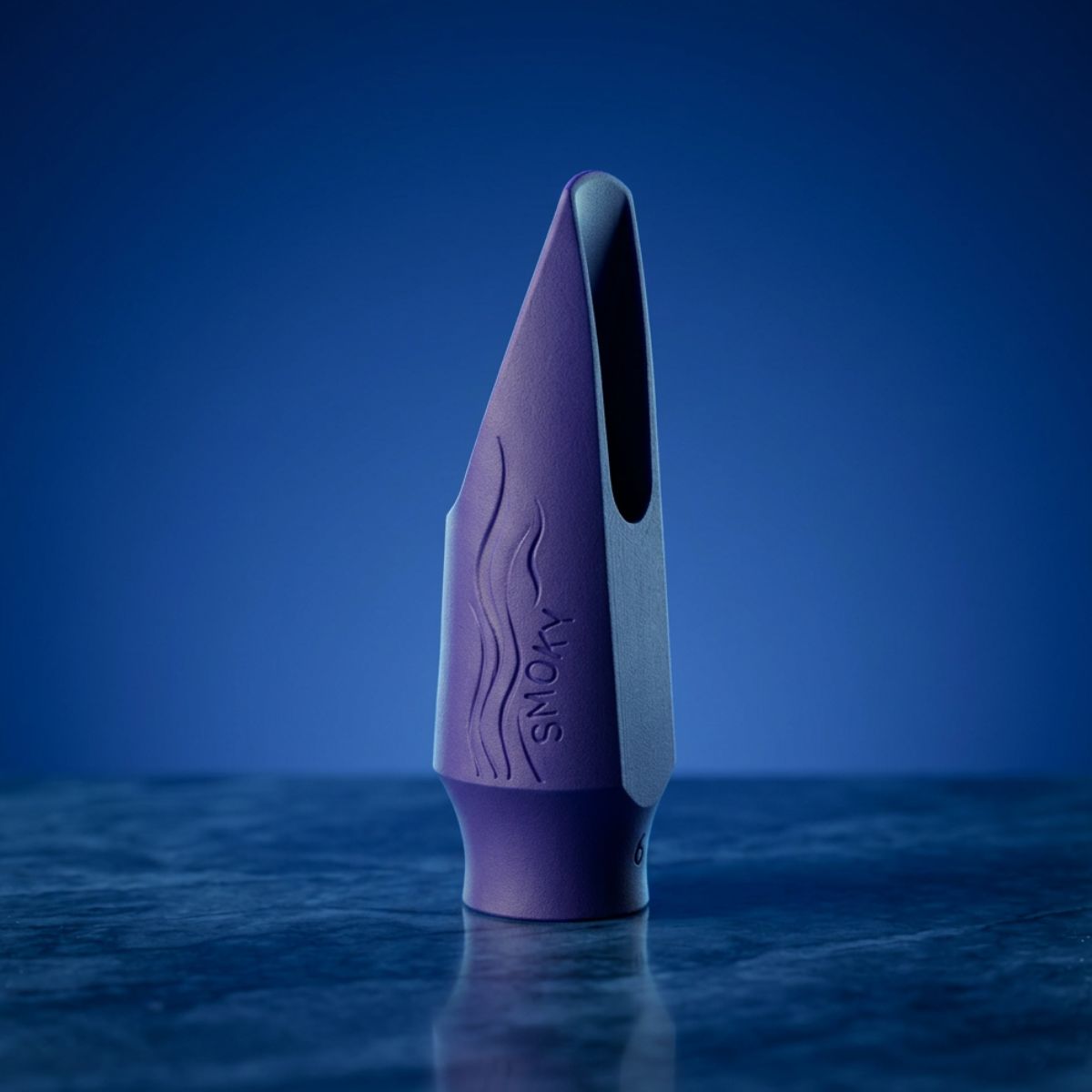
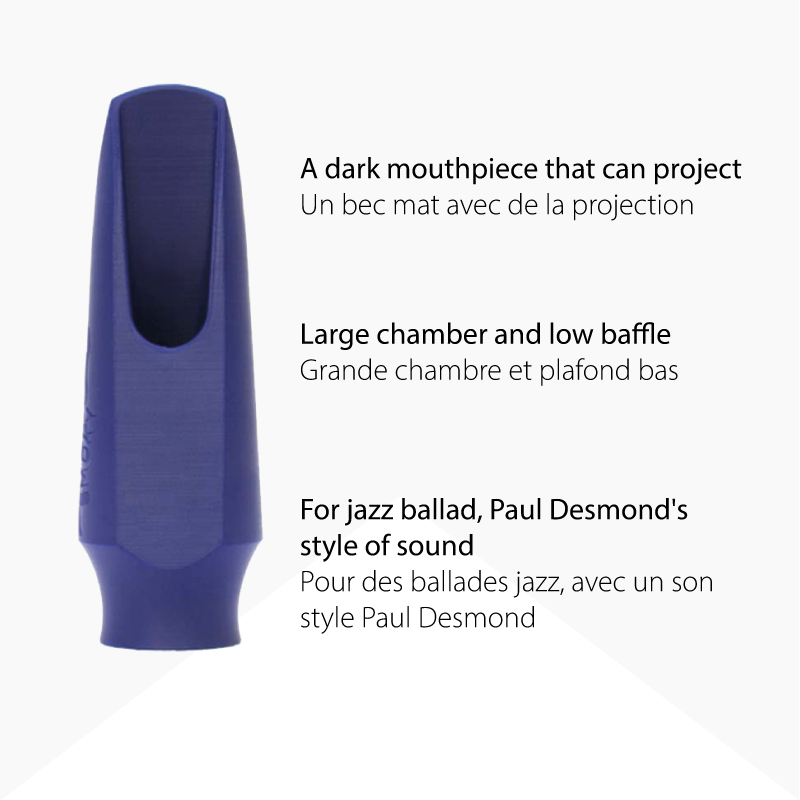
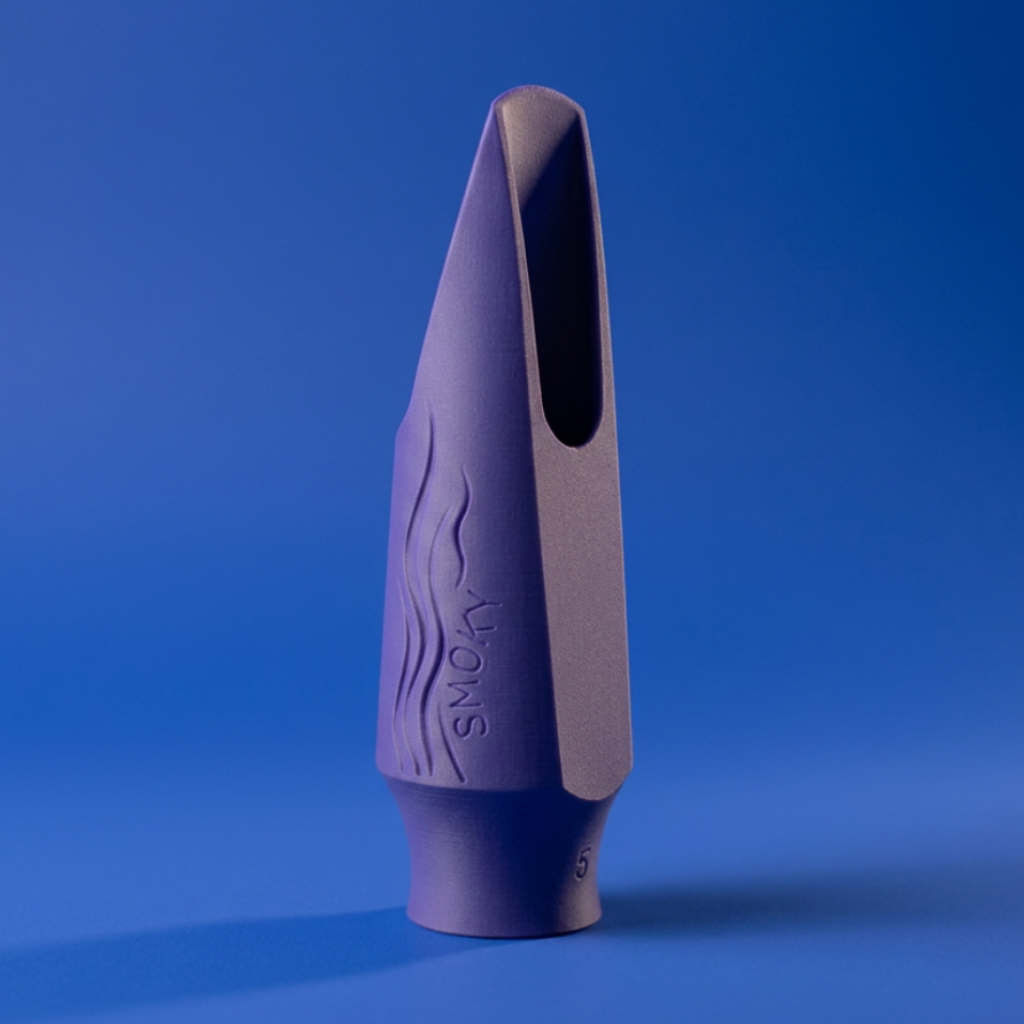
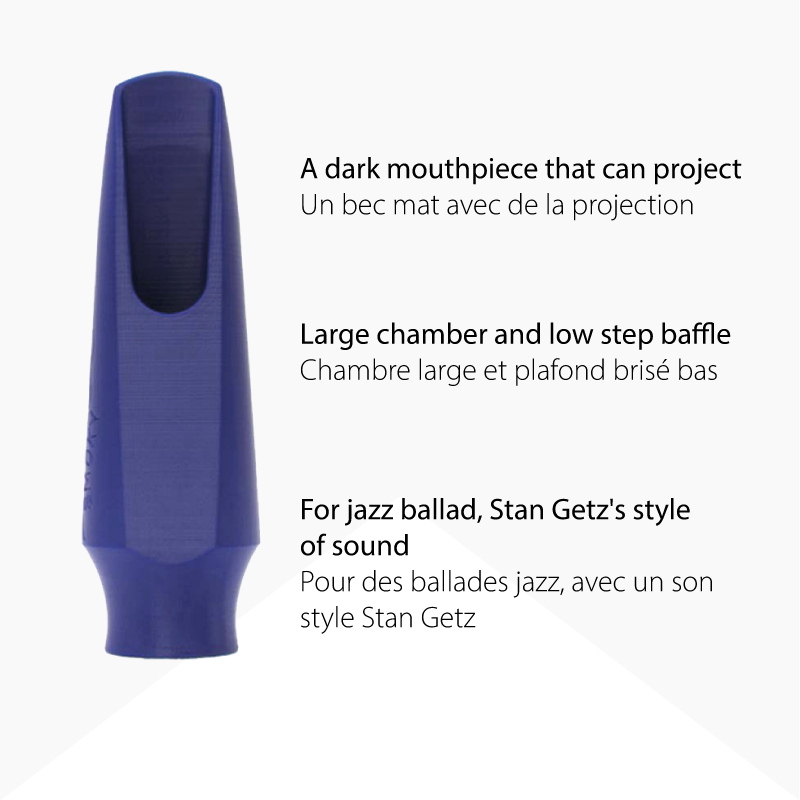
| Clarinet | Syos Smoky | "Not being a clarinet specialist, I was looking for a mouthpiece that could give me a similar feeling to when I play the saxophone." |
The biggest mistake musicians make when choosing a mouthpiece
"Thinking that if they don't like the sound, it is because their mouthpiece is not good. Also, thinking that if a famous player plays that mouthpiece, they can sound good on it."
How did you know it was time to change?
Mirko's reasoning varied by instrument - but the thread is consistent:
-
Tenor: Mainly curiosity, and the idea of getting something customised to his own taste.
-
Alto: After switching to Syos on tenor, he wanted the same feeling when moving to alto.
-
Clarinet: He needed a response, resistance, and ease of projection similar to the saxophone.
-
Baritone: "I started using a Syos on tenor and alto and it felt pretty natural to try the same mouthpiece on the baritone."
Takeaway: Mirko's multi-instrument approach reveals something important: consistency across instruments matters as much as the sound on any single one. When you find a setup that works, it makes sense to extend that logic across your whole rig.
Key Takeaways: What 7 Pros Agree On
After reading all seven perspectives, a few themes come up again and again:
-
Stop chasing someone else's sound. Lucian, Mirko, and Stéphane all say it in different ways: you cannot replicate Coltrane's sound on Coltrane's mouthpiece. Your anatomy, your air, your embouchure - they're yours. Work with them.
-
Comfort is the foundation of tone. Samy puts it most directly: comfort is the condition of sound, not the other way around. If a mouthpiece makes you fight, you'll never play freely.
-
The mouthpiece doesn't make the sound - you do. This is the most repeated idea across all seven artists. Equipment matters, but it enables rather than creates. Technique and imagination come first.
-
Give it real time, and match your reed properly. Paolo's warning is practical gold: don't judge a mouthpiece on the wrong reed. A wider mouthpiece tip opening typically needs a softer reed. Test it properly before moving on.
-
Stagnation is a signal. Samy and Stéphane both describe a feeling of plateau or regression as the trigger for change. If you're not growing, it's worth asking whether the setup is part of the problem.
Conclusion
What's striking across all seven conversations is how little the pros talk about specs, and how much they talk about feel, freedom, and self-knowledge. The best saxophone mouthpiece for you is the one that gets out of your way - that lets your air flow, your ideas land, and your sound develop on its own terms.
That's exactly the philosophy behind working directly with musicians to build something that fits them: not a generic model, but a piece designed around how a specific person plays, breathes, and hears. Finding your sound is a process. These seven artists are proof that it's worth taking seriously.
FAQ
How do I know which saxophone mouthpiece tip opening is right for me?
Start smaller than you think you need. A tip opening that's too wide before you have the technique to match it leads to bad habits - uncontrolled volume, poor intonation, and fatigue. Most intermediate players do well in the 6-7 range on alto or tenor. Move up only when you genuinely feel restricted, not because a famous player uses a bigger opening.
Does the material of a mouthpiece (metal vs. hard rubber) determine the sound?
Less than most people think. Whether a mouthpiece sounds bright or dark has more to do with its internal geometry - baffle height, chamber size, facing - than the material itself. Metal doesn't automatically mean bright; ebonite doesn't automatically mean dark. Read more about how mouthpiece materials affect your playing.
How long should I try a new mouthpiece before deciding if it works?
At least two to four weeks of regular playing, and always with a properly matched reed. Paolo Albano's point is worth repeating: judging a mouthpiece on the wrong reed is like judging a car on flat tyres. If you're going up in tip opening, go down in reed strength.
When is the right time to change mouthpieces?
When you feel stagnation, regression, or a persistent sense that your setup is holding you back rather than freeing you up. Also when the musical context changes - a mouthpiece that works beautifully in a solo setting may not cut through in a saxophone quartet or a big band. Let the music tell you.