










Ask any saxophone player to describe a sound and you will hear the same handful of words come up. Bright, warm, round, rough.
We use them constantly, in lessons, in reviews, in the shop, and when a player is trying to explain the sound they are chasing. But what do these words actually mean? More importantly, do they mean the same thing to the person saying them as they do to the person listening?
That is the central question behind a 2022 doctoral thesis by Victor Rosi, completed at Sorbonne Université with the STMS Lab at IRCAM in Paris. Rosi’s research, The Metaphors of Sound: From Semantics to Acoustics, studies four of the most common metaphorical words used to describe timbre: brightness, warmth, roundness, and roughness.
The point of the research is simple, but important: musicians and sound professionals rely on these words every day, yet sound is hard to describe directly. Most of the time, we borrow words from other senses. Brightness comes from vision. Warmth and roughness come from touch. Roundness comes from shape. We are describing sound by translating it into another sensory language.
Rosi wanted to know how well that translation works.
The problem with talking about sound
Sound does not have a huge everyday vocabulary of its own. We have precise words for pitch, loudness, and duration, but timbre is harder. Timbre is the quality that lets us hear the difference between two instruments playing the same note at the same volume. It is also the quality that makes one mouthpiece feel focused, another feel dark, and another feel edgy or open.
Because timbre is complex, we often describe it indirectly. A player might ask for a brighter setup, a warmer sound, or a rounder response. These words are useful, but they are not neutral. They carry personal habits, musical training, cultural context, and sometimes completely different assumptions.
For Rosi, the question was not whether these words are “right” or “wrong.” The question was whether they are shared enough to be useful. When someone says “bright,” what do most sound professionals understand? When someone says “warm,” what is happening in the sound itself? When a player says “rough,” are they describing a measurable acoustic quality, or just a feeling?
Rosi approached the question in two major ways.
First, he studied the language. He interviewed sound and music professionals, including composers, sound engineers, sound designers, and musicians, and asked them how they define bright, warm, round, and rough sounds. He also asked them to choose sound examples that matched each word, and examples that represented the opposite.
Then, he ran an online survey to test which descriptions were most relevant and most widely shared. This helped separate the words that only one person might use from the descriptions that many professionals agreed on.
Second, Rosi studied the sound itself. Using a method called Best-Worst Scaling, participants listened to a large set of orchestral instrument sounds and judged which sounds were most and least bright, warm, round, or rough. The study then used acoustic analysis and machine learning to see which measurable features of the sound lined up with those judgments.
In other words, one side of the thesis asks: “What do people mean when they use these words?”. The other side asks: “What is actually happening in the sound?”
The four sound words, explained
The study produced clear working definitions for each of the four terms.
A bright sound tends to have more energy in the high frequencies. It is often high-pitched, clear, defined, and sometimes metallic. The opposite of bright was often described as muffled, dull, matte, dark, or velvety.
A warm sound tends to sit in the low-mid range. It is often lower-pitched, soft in attack, pleasant, enveloping, and rich. The opposite of warm was described as cold, harsh, poor, metallic, or aggressive.
A round sound also tends to sit in the low-mid range. It often has a soft attack and feels full, pleasant, smooth, and homogeneous. The opposite of round was described as rough, aggressive, metallic, harsh, or screaming.
A rough sound relates to friction, grain, irregularity, and noise. It can feel raspy or textured to the ear, with disturbances in the sound. The opposite of rough was described as smooth, soft, pure, or round.
These definitions are useful, but Rosi’s research becomes more interesting when the words do not behave exactly as expected.
Seemingly, “bright” is not as clear as it seems
Brightness seems like the easiest word to define. Most musicians can explain it quickly: a bright sound has more high-frequency content and acoustically, that is often true, but Rosi found that brightness was not the most consistently understood concept across listeners. In fact, among the four terms, brightness was one of the least shared in actual perception.
That is obviously surprising because brightness is one of the most common words in professional sound vocabulary. The people in the study used it frequently, and many could give a clean definition. But when different groups listened to sounds and judged brightness, their answers did not line up as neatly as expected.
Sound engineers tended to connect brightness strongly with spectral centroid, which is roughly the “center of gravity” of a sound’s frequency content. A higher spectral centroid usually means more perceived brightness. Conductors also used spectral information, but their idea of brightness spread across other features too, including pitch and attack. Non-experts leaned more heavily on pitch, treating bright sounds more like high-pitched sounds.
So the paradox is this: brightness has a clear verbal definition, but people do not always hear it the same way.
That suggests brightness may be partly learned. In professional circles, musicians and engineers are taught to use the word in a technical way. But outside those circles, “bright” can still mean something more general, like high, clear, or shiny.
So: do these words mean the same thing to the person saying them as to the person listening? Mostly, yes. When a player says warm or round, most listeners understand something close to what was meant, and the sound itself backs them up. Bright is the one to be careful with — easy to define, and just a bit harder to agree on once people are actually listening.
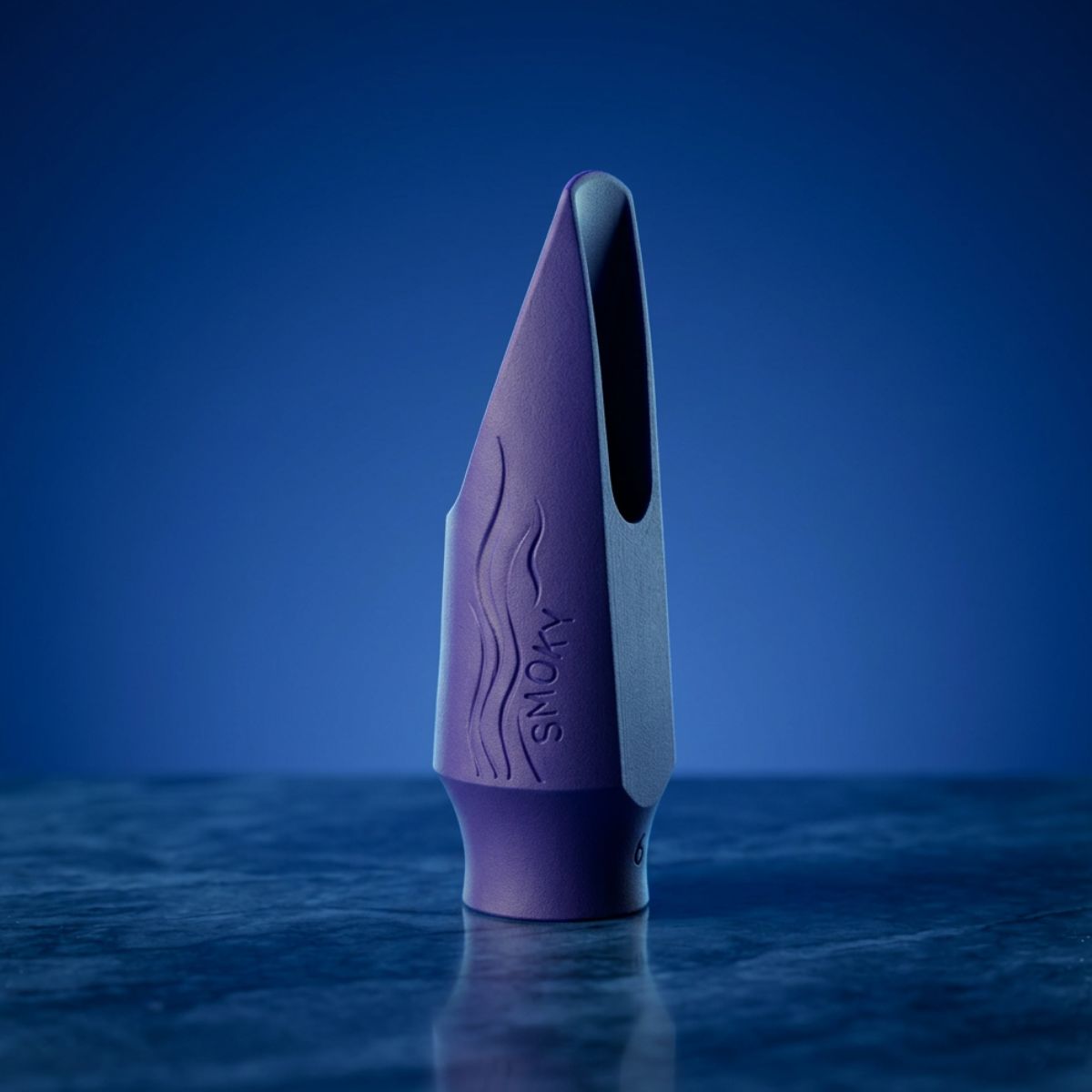
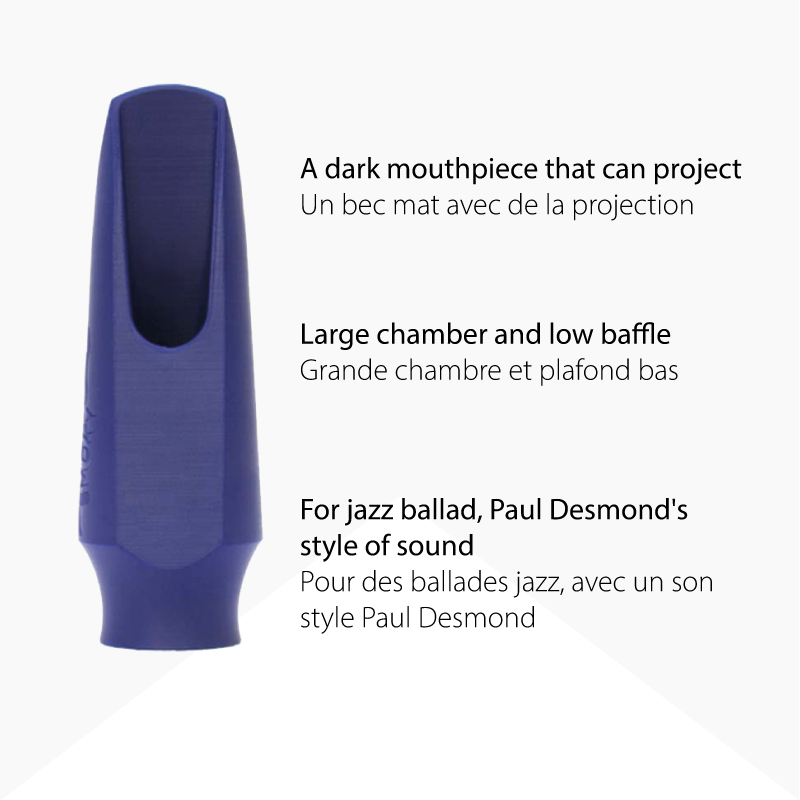
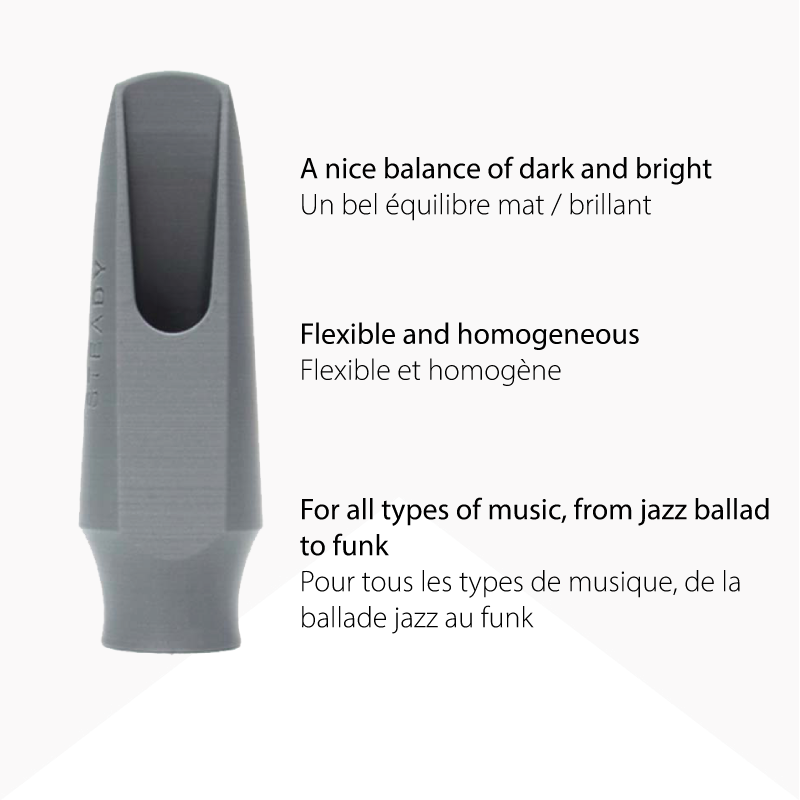
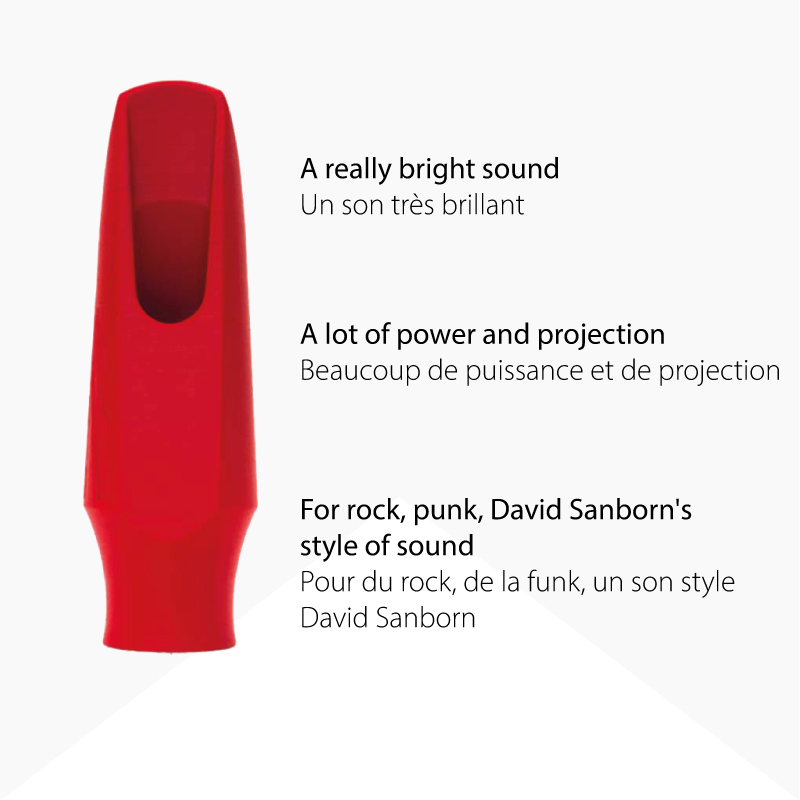
Every Syos mouthpiece starts with a player describing a sound in ordinary words and ends as geometry we can measure and build. We do a lot of our own asking and listening to make that translation less lossy, and we love research like Rosi's because it does that work in the open, for everyone. Every time a word musicians already share gets tied to something measurable, music and technology meet a little further along. The language underneath it turns out to be more shared than we assume, and shared language is something you can build from.