








Choosing your first saxophone mouthpiece can feel confusing, but it's one of the biggest factors in shaping your sound. In fact, the mouthpiece has a greater impact on your tone than even the saxophone body or reed. This guide will demystify key mouthpiece features like the baffle, chamber, facing length, and tip opening and show how they affect your sound. We'll also introduce Syos's simple tonal categories (Smoky, Steady, Spark) to help you decide what fits your style. By the end, you'll know how to find a mouthpiece that gives you the tone you want with a comfortable, beginner-friendly playability. Let's dive in!
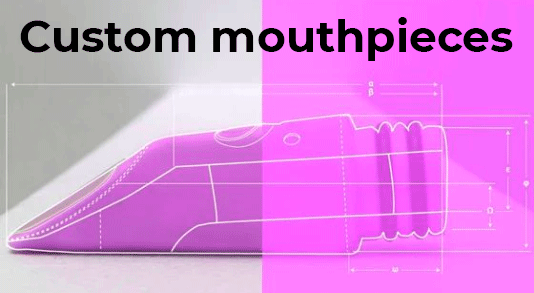
Your saxophone mouthpiece might look small, but its internal design has a huge influence on your tone and ease of play. Tiny differences in geometry, like the shape of the baffle, the size of the chamber, the tip opening, and the curve of the facing, can completely change how the sax sounds and responds. Here are the key mouthpiece features to understand:
Tip Opening: This is the gap between the mouthpiece tip and the reed. A wider tip opening lets you push more air for a louder, more flexible sound, but it requires stronger airflow and embouchure control. A narrower tip opening is easier to blow and tends to feel more controlled and stable. For example, most beginners start on a small tip, like a 4 opening, because it speaks easily and produces a stable tone. As you progress, you might try more open tips for more volume and richness. Just note that very open mouthpieces can be harder to control, especially in the low register. The goal is to find a tip opening that feels comfortable for you. There is no best number, just what feels right. If you play alto specifically, our complete guide to choosing an alto saxophone mouthpiece covers register-specific tip opening advice in more depth.
Facing Length: The facing, also called the lay, is the curved portion of the mouthpiece that the reed vibrates against. Its length has a strong influence on how easy the mouthpiece is to play across the different registers.
A longer facing generally makes low notes easier to produce. The reed has more length to vibrate, which helps the air column speak more easily in the low register. For the same tip opening, a mouthpiece with a long facing will often feel more closed than one with a shorter facing. This can give a feeling of stability and comfort in the lows, but it may require more control in the upper register.
A shorter facing, on the other hand, tends to make high notes and altissimo easier to access. The reed responds more quickly, which can help with projection and articulation in the upper register. However, shorter facings can sometimes make the low register less forgiving if the setup is not well balanced.
Rather than changing the sound on its own, the facing length mainly affects playability and how the instrument responds in different registers. This is why, for a given opening, two mouthpieces can feel very different simply because of their facing length.
Baffle: The baffle is the shape of the inner surface right behind the tip. It is often described as high, medium, or low, and it plays a major role in both the sound and the feel of a mouthpiece.
Most players think the baffle mainly affects power, but in reality it also has a strong influence on the timbre of the sound. The baffle shape determines how the air accelerates and how the harmonics are balanced, which directly impacts how dark or bright the sound feels.
In general, a higher baffle tends to be more powerful and more free blowing, and often emphasizes higher frequencies. A lower baffle usually feels more resistant and tends to produce a darker sound. This is also why it's traditionally difficult to design a mouthpiece that is both very dark and very powerful, dark designs often come with more resistance.
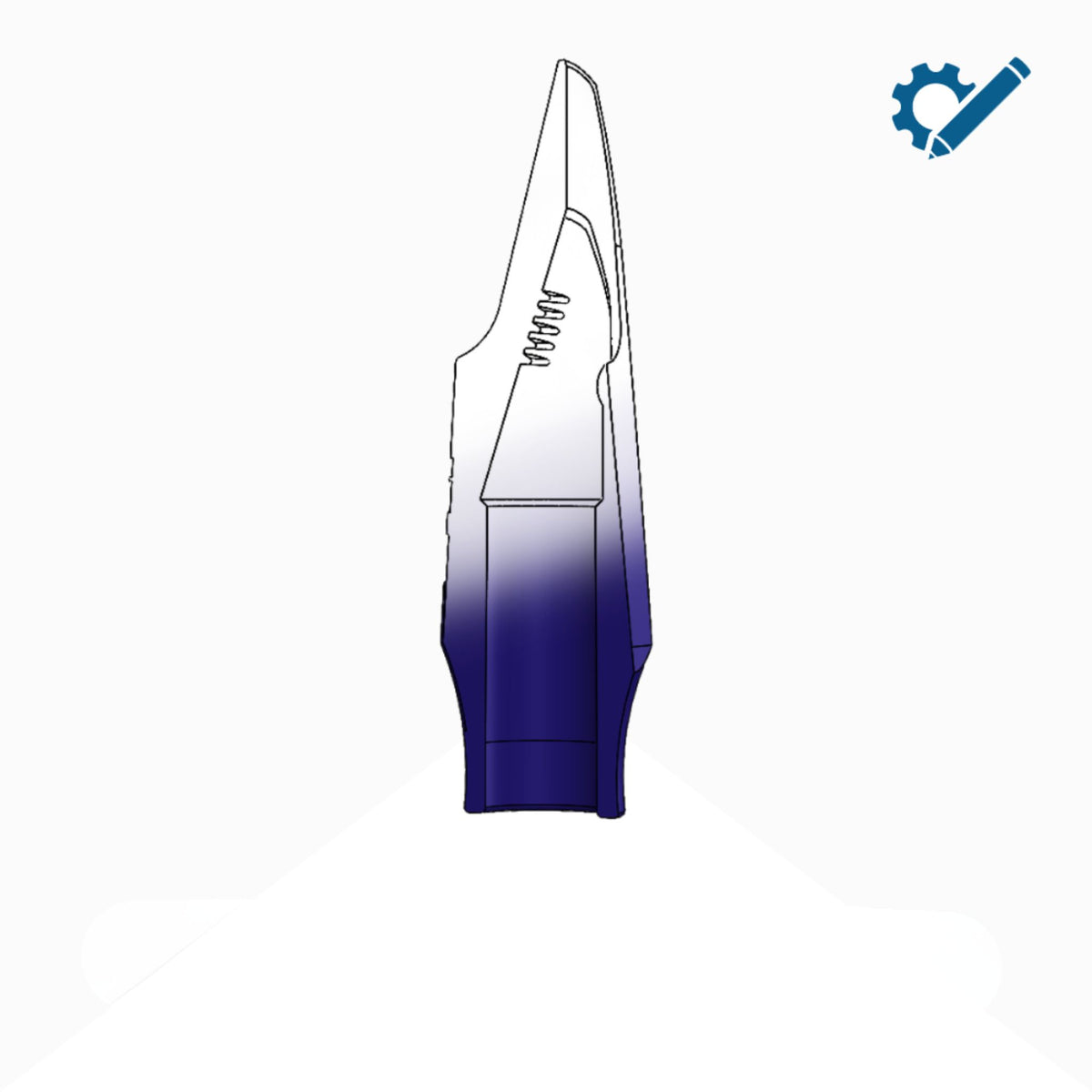
At Syos, we developed specific internal ridges that allow us to increase power while keeping a dark, matte sound, helping reduce the usual trade off between darkness and projection.
Different baffle shapes can lead to very different results. A high step baffle accelerates the airflow and adds edge and presence, but it is also more difficult to control and is generally not recommended for beginners. A low step baffle can produce a very dark sound while remaining more stable. A straight baffle tends to sound warm and round, while circular baffles sit between these extremes and usually offer a balanced response.
Neither approach is better than the other, it depends on comfort, control, and the sound you're aiming for.
Chamber: After the baffle, the air enters the chamber, which is the hollow cavity inside the mouthpiece before the air goes into the neck of the sax. Chamber size and shape have a strong impact on timbre. A large chamber gives the air more room, boosting low frequencies and producing a darker, rounder tone. A small chamber constricts airflow and emphasizes higher frequencies, resulting in a brighter sound. You can think of the chamber like an equalizer. Large chambers act like a bass boost, while small chambers act like a treble boost. Large chambers can feel more spread and may require more breath support, while small chambers give a tighter, more focused punch. For beginners, a medium or medium large chamber is usually the easiest to handle.
All of these elements work together. A high baffle paired with a small chamber will usually produce an ultra powerful, very bright sound. But when that same high baffle is combined with a larger chamber, the result can stay edgy and projecting while offering a wider spectrum, with more depth and stronger low frequencies. Tip opening and facing further shape how the mouthpiece responds. The key takeaway is that mouthpiece geometry directly affects sound and feel.
Meet Smoky, Steady, Spark: Simplified Tone Categories by Syos
Mouthpiece makers often describe models using technical measurements, but Syos - which stands for Shape Your Own Sound - took a different approach. We created the Originals series with three clear tonal profiles. After more than five years of acoustic research and over two hundred collaborations with saxophonists worldwide, the team distilled designs into three personalities that you can choose by sound alone.
-

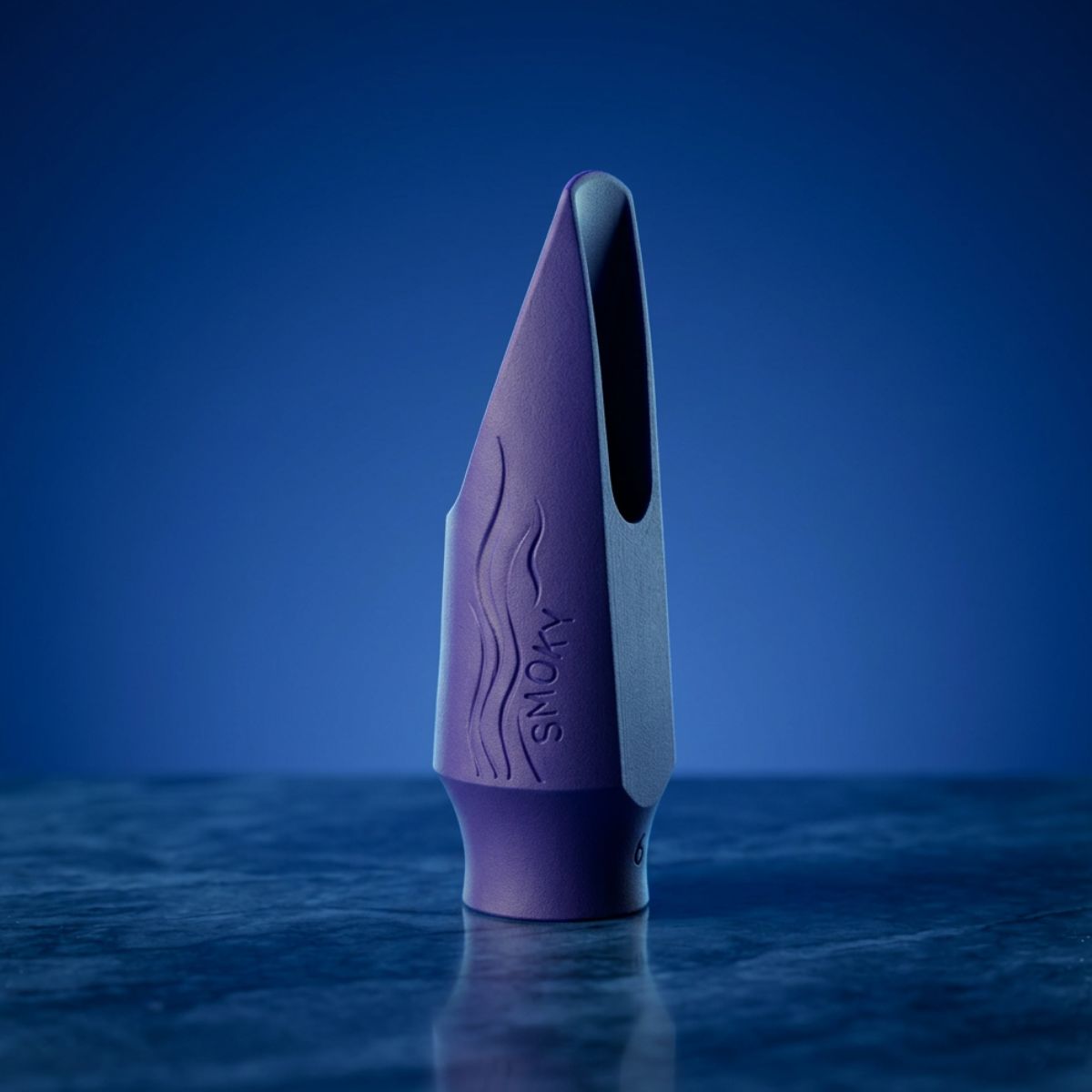
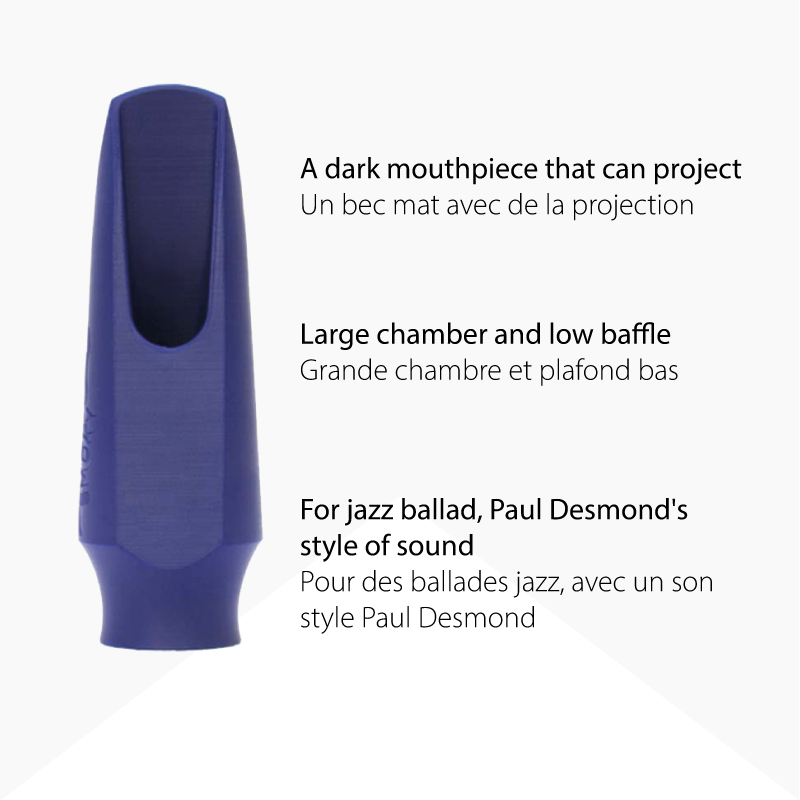
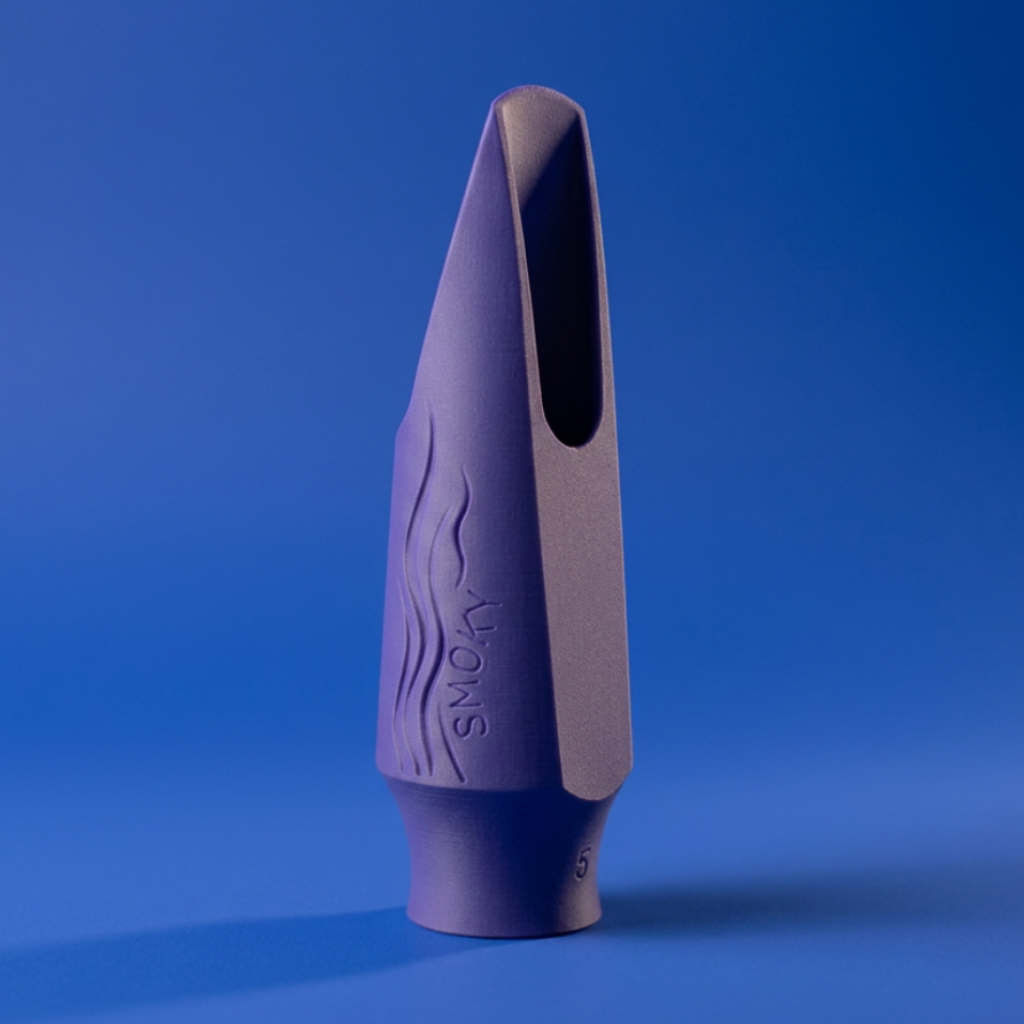
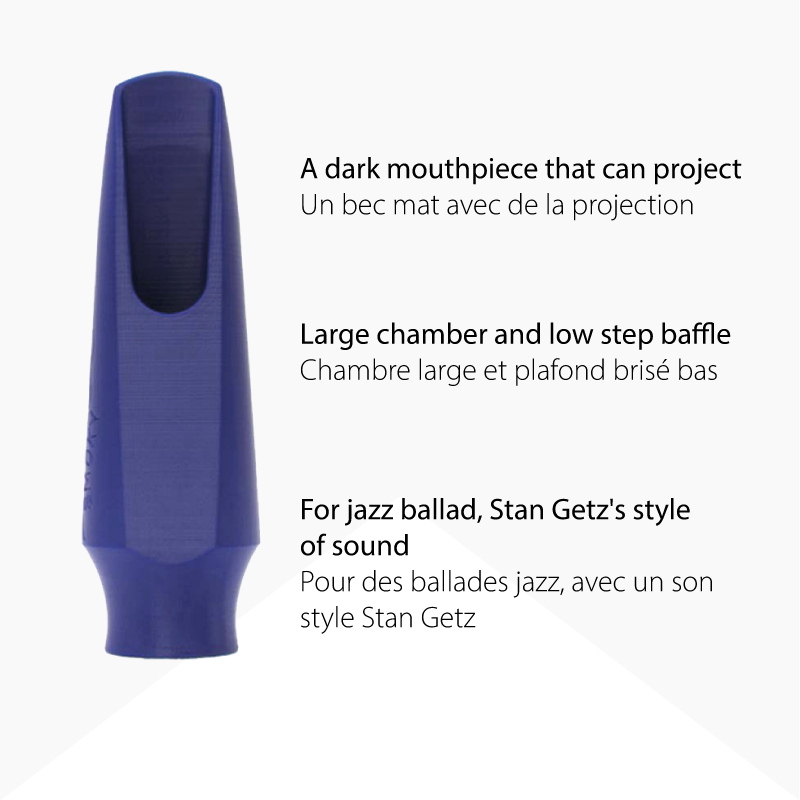
Smoky: Designed for a warm, dark tone that is rich and round. This mouthpiece aims to deliver a classic mellow sax sound, similar to a jazz ballad or soulful blues. Smoky models use a wider chamber paired with a low baffle, creating a full, dark sound that remains easy to play. This option suits styles like straight-ahead jazz, soul, and classical music, where depth and richness matter more than brightness. On tenor sax, the Smoky model combines a gentle step baffle with an extra wide chamber to produce a smooth, velvety tone with minimal effort.
-

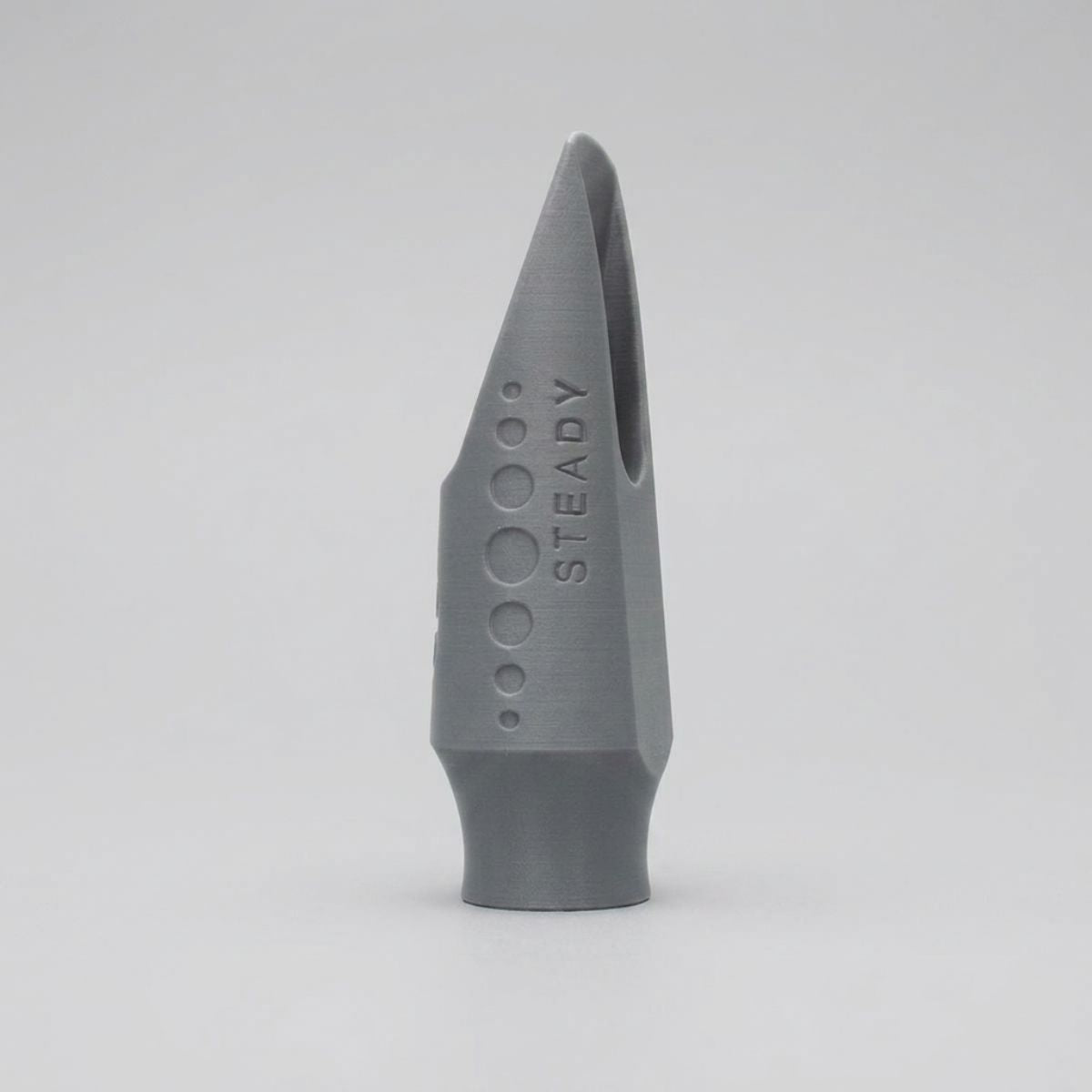
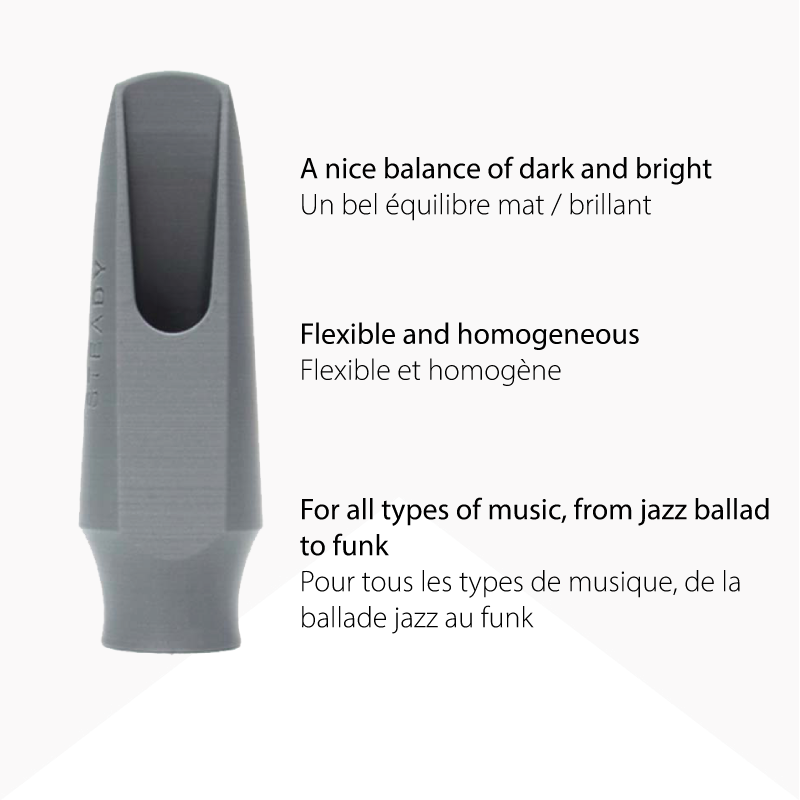
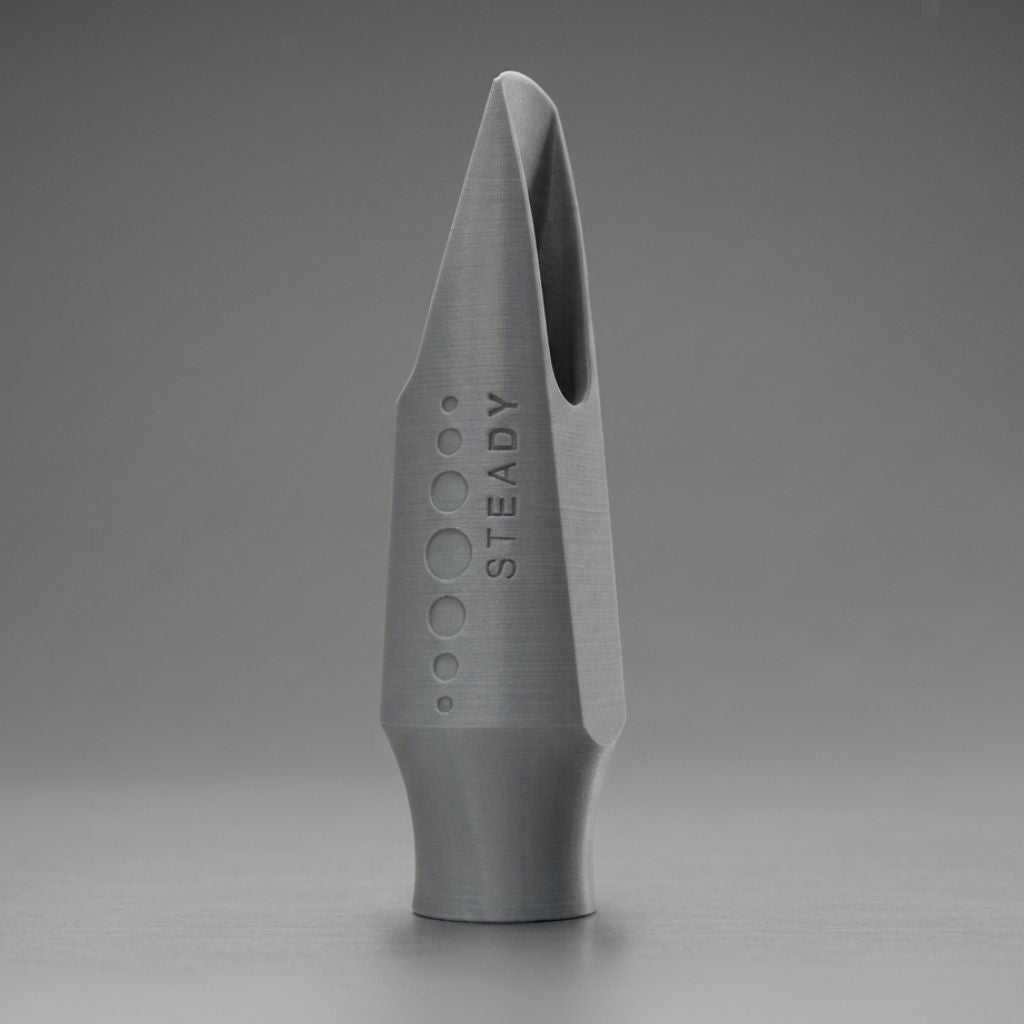
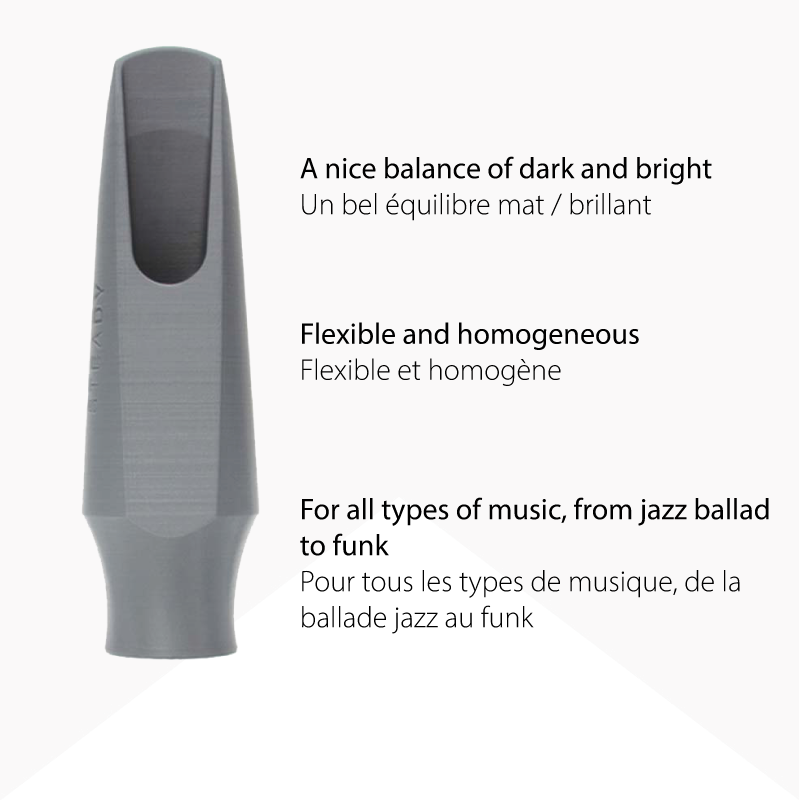
Steady: Designed for a balanced, clear, and versatile tone. Steady sits in the middle of the Syos lineup, offering a sound that is neither too dark nor too bright. Internally, it usually features a medium baffle and a medium chamber. The result is clarity and projection across all registers without sounding shrill or overly spread. Steady works well if you play a wide range of styles - concert band, jazz, pop - and want one mouthpiece that can handle everything. Many players find this type easy to control and even sounding.
-

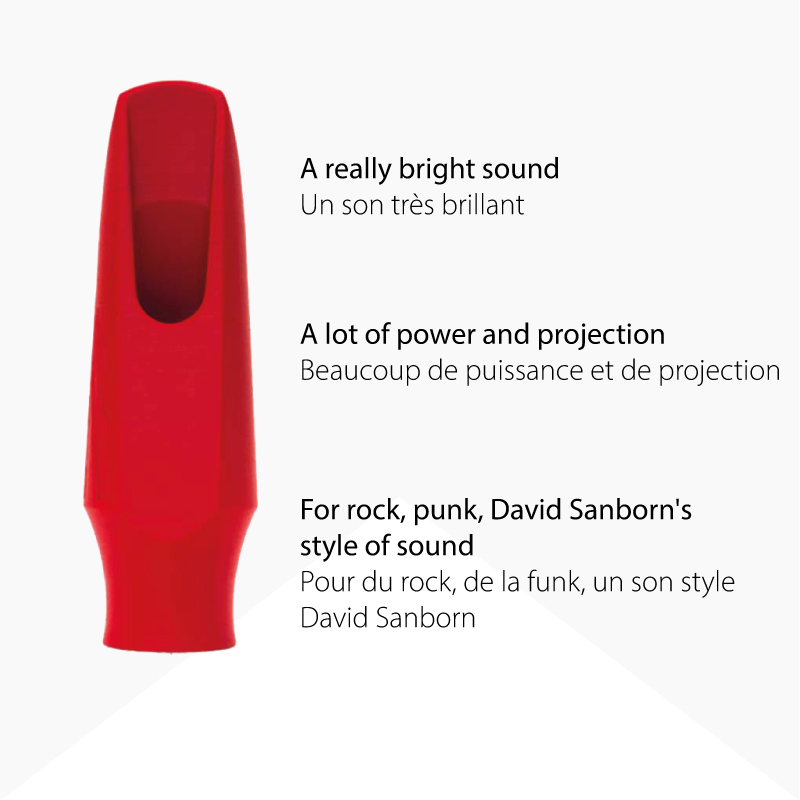
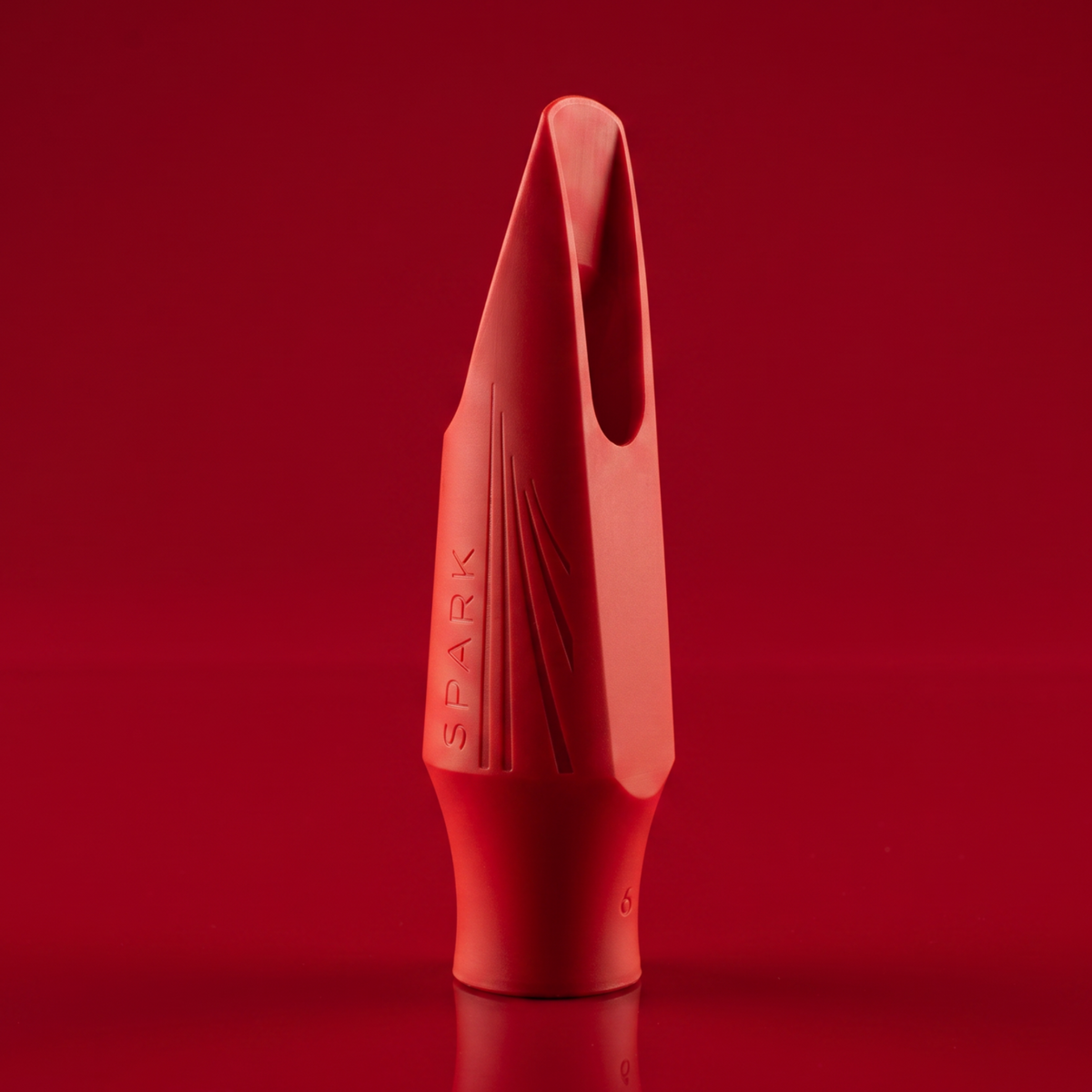
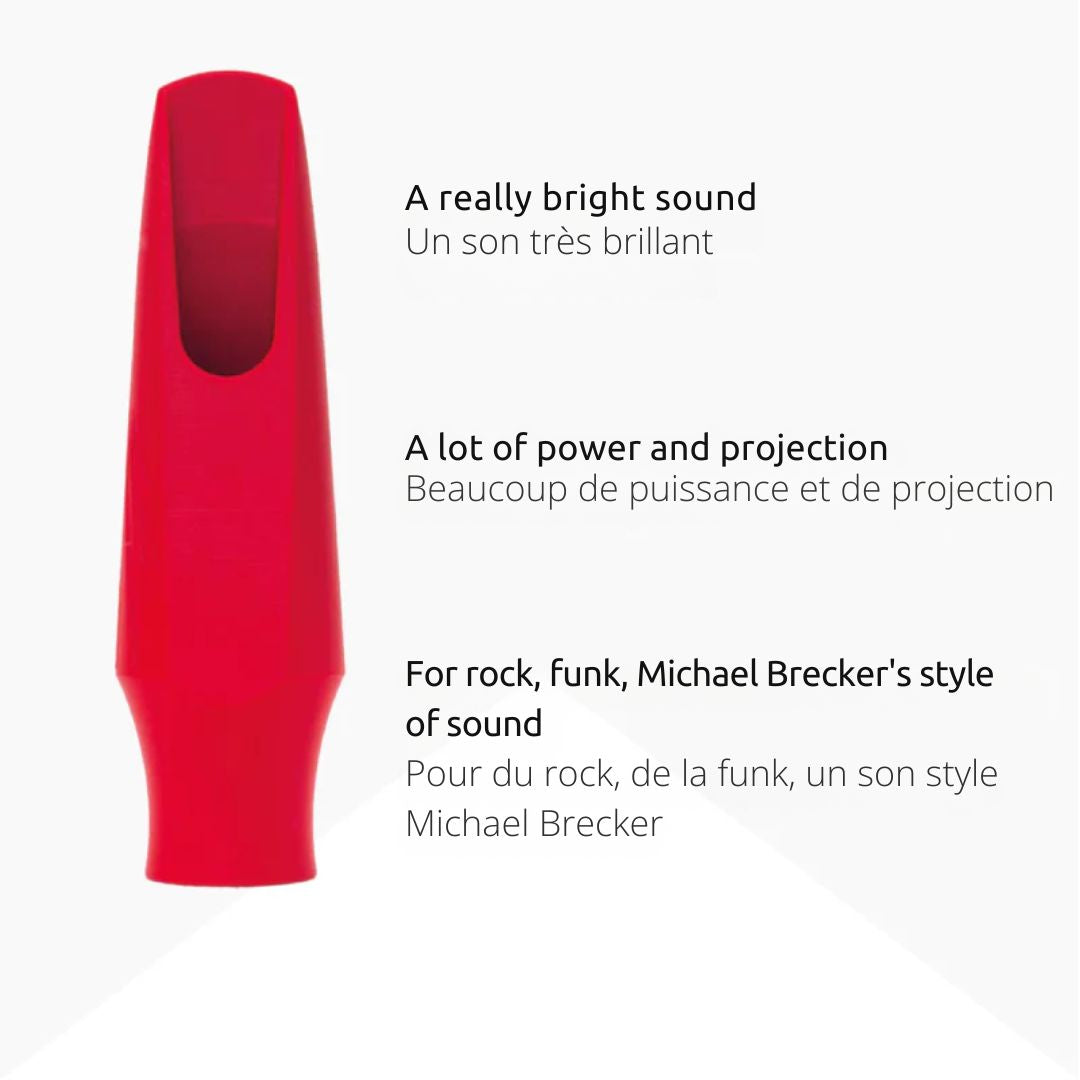
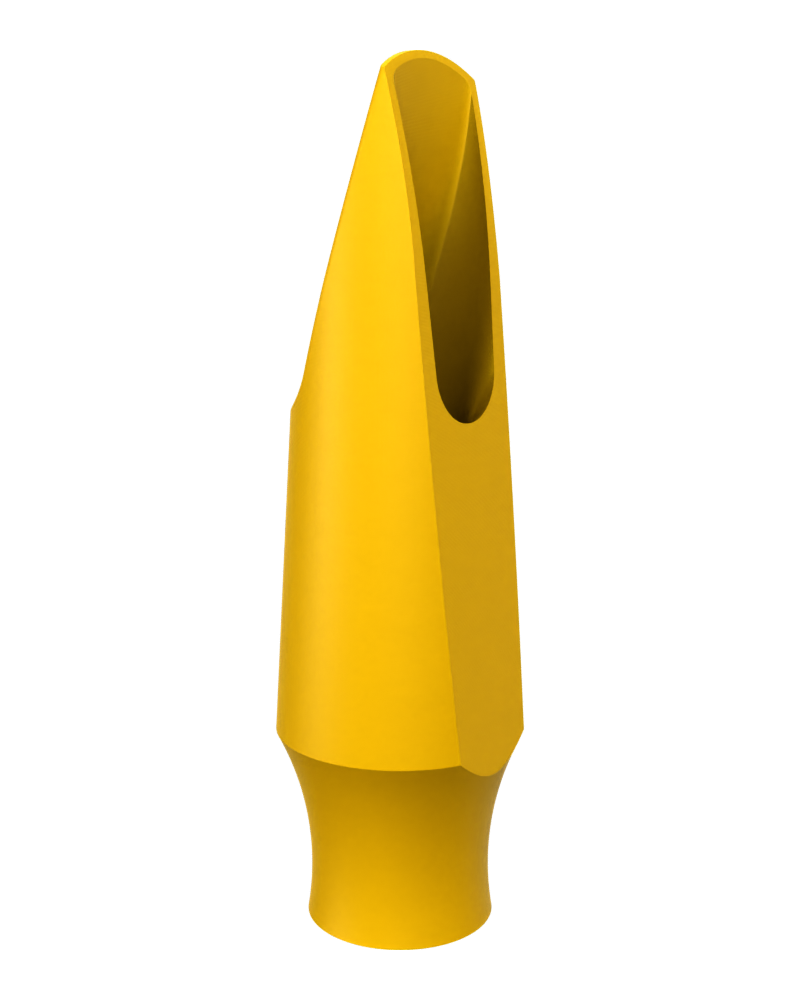
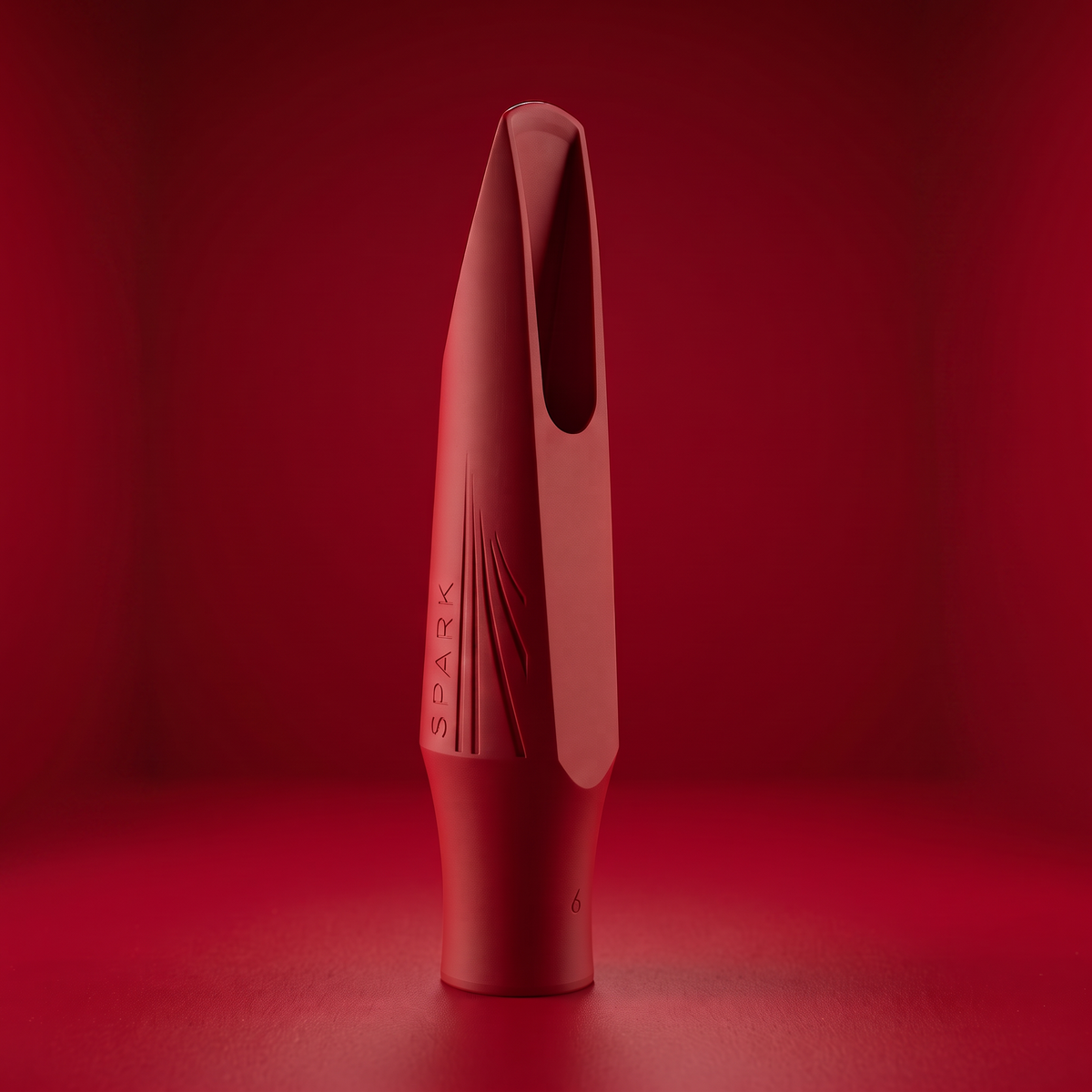
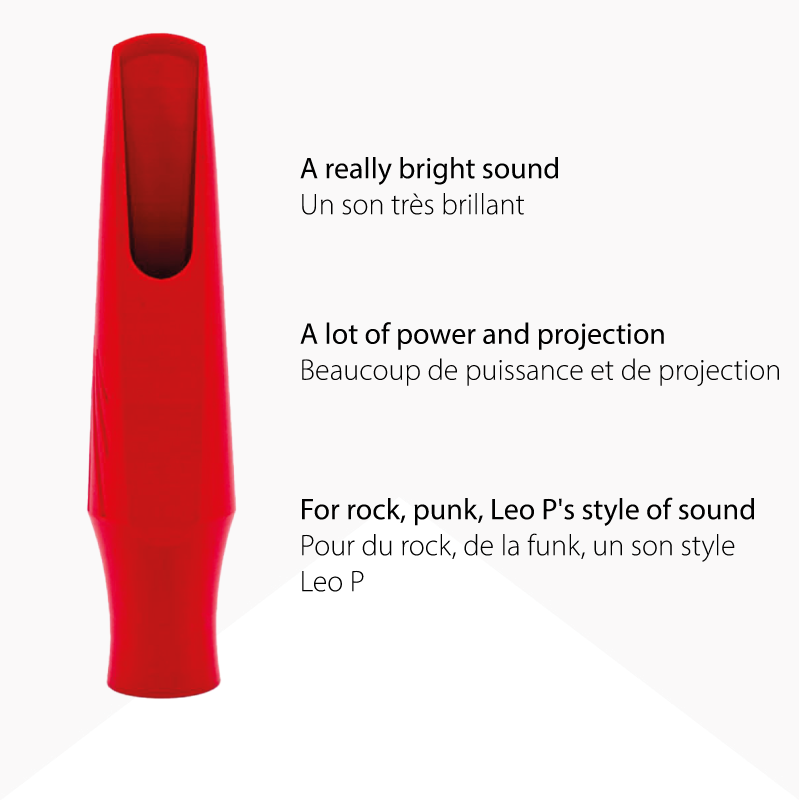
Spark: Designed for a bright, powerful tone that cuts through a mix. Spark mouthpieces use a high step baffle with a medium chamber to produce a strong, projecting sound. This model is well suited for funk, rock, contemporary gospel, and amplified settings where the sax needs to stand out. Even though Spark is made from composite material rather than metal, it can sound just as bright as many metal mouthpieces. On tenor sax, Spark is known for speaking easily and projecting clearly, making the instrument feel more responsive and energetic. Bright mouthpieces like this can reveal rough edges in tone, so good embouchure control helps - but they are ideal if you want an aggressive or cutting sound.
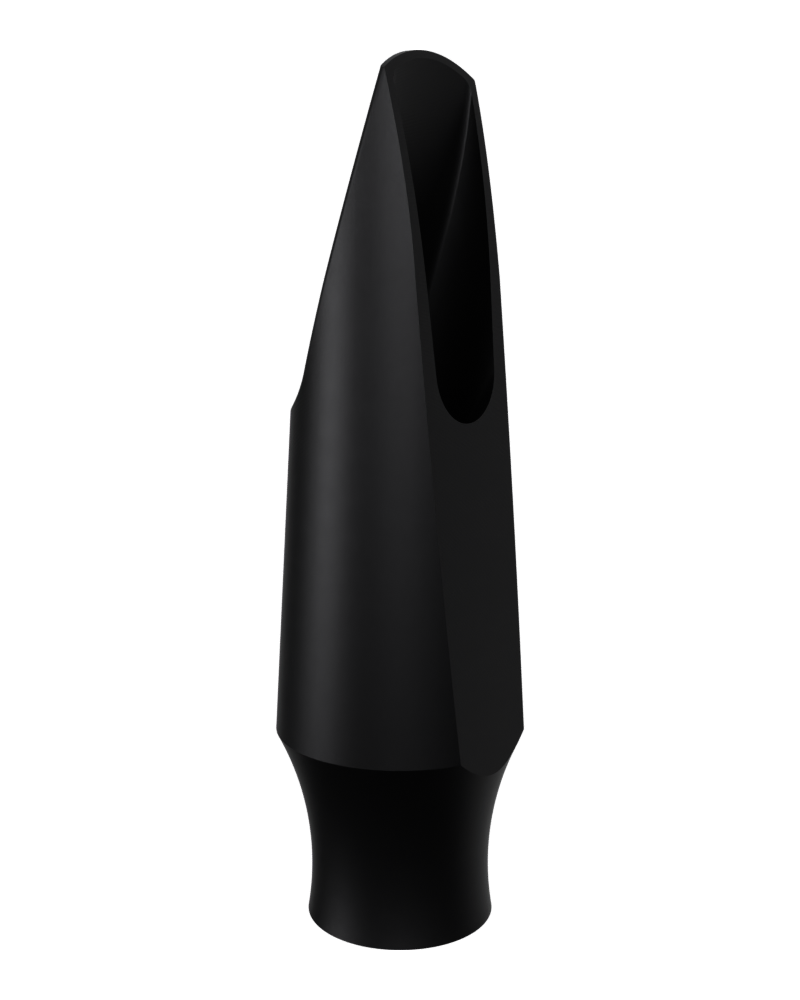
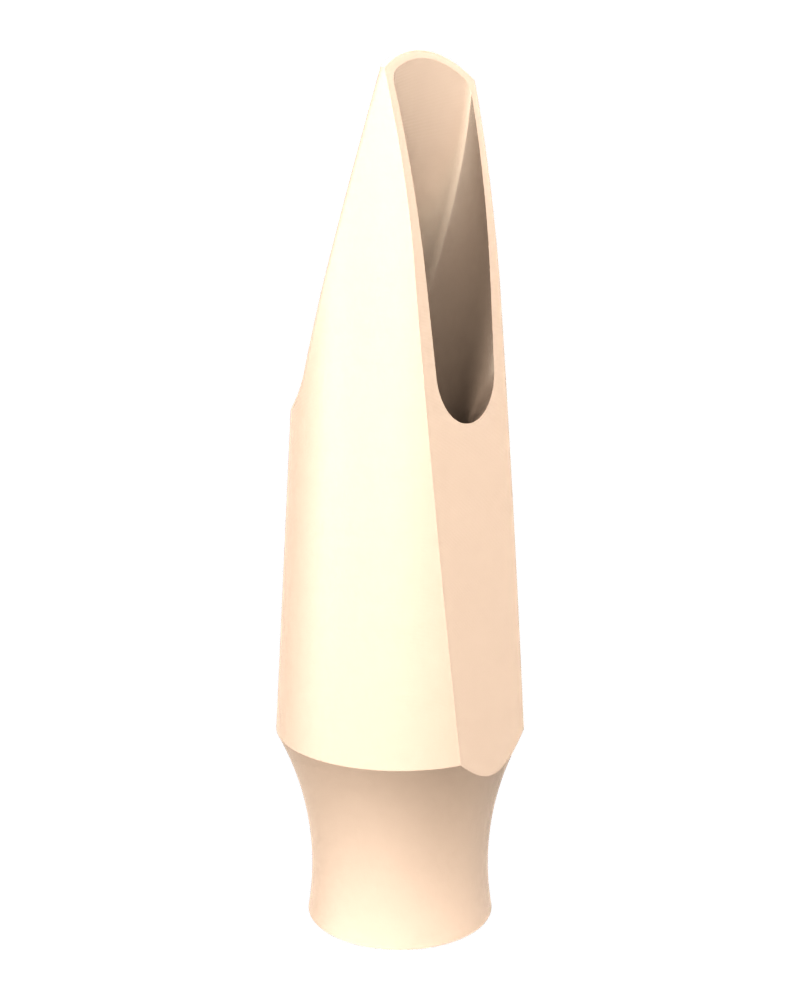
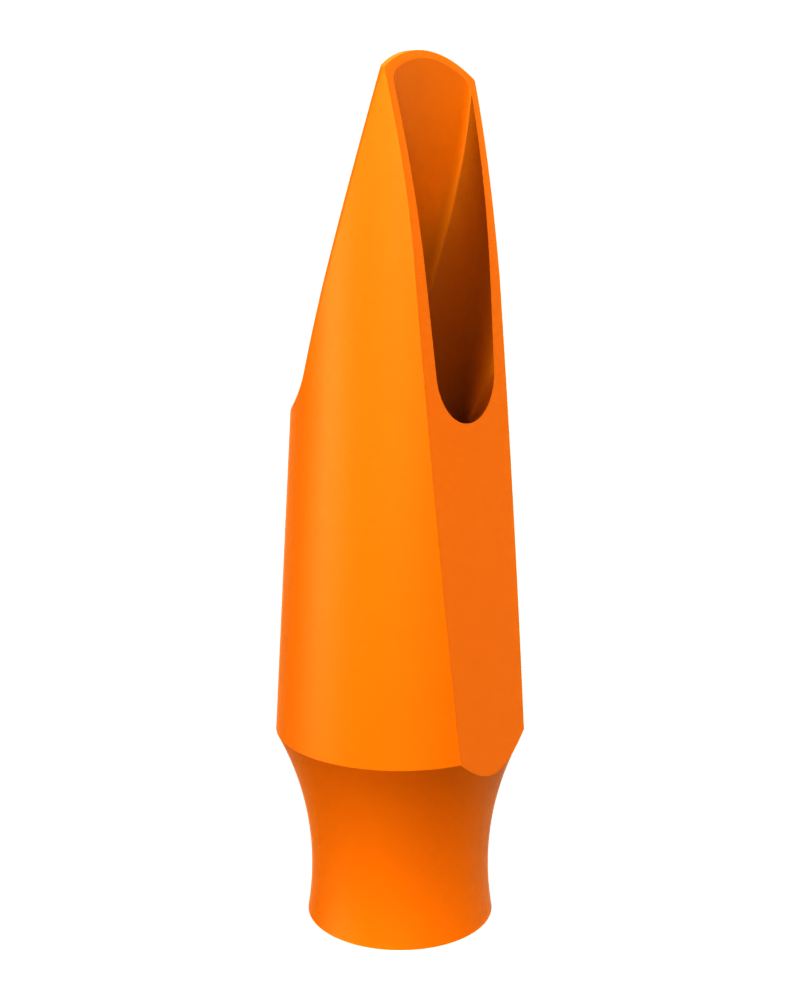
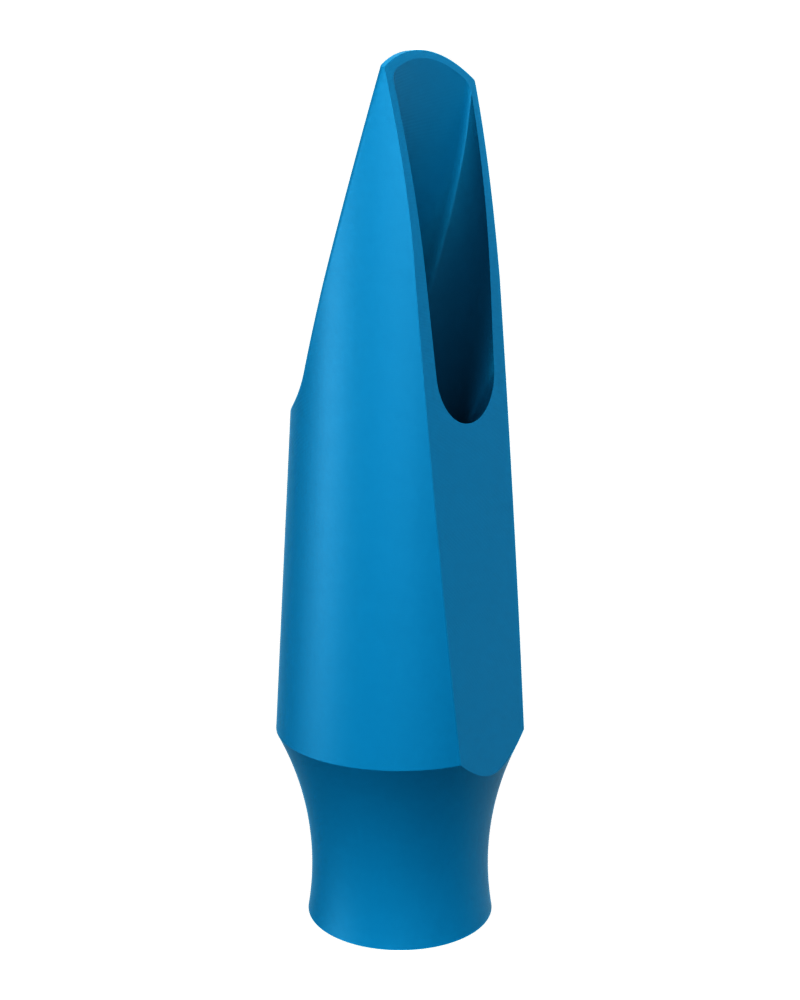
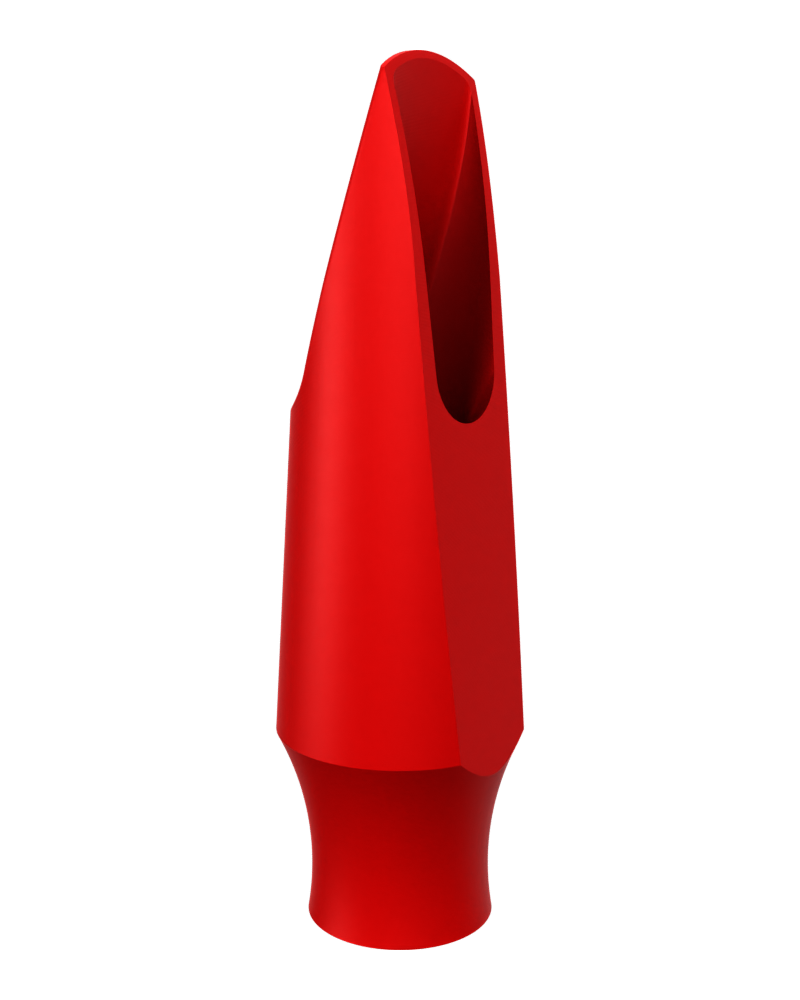
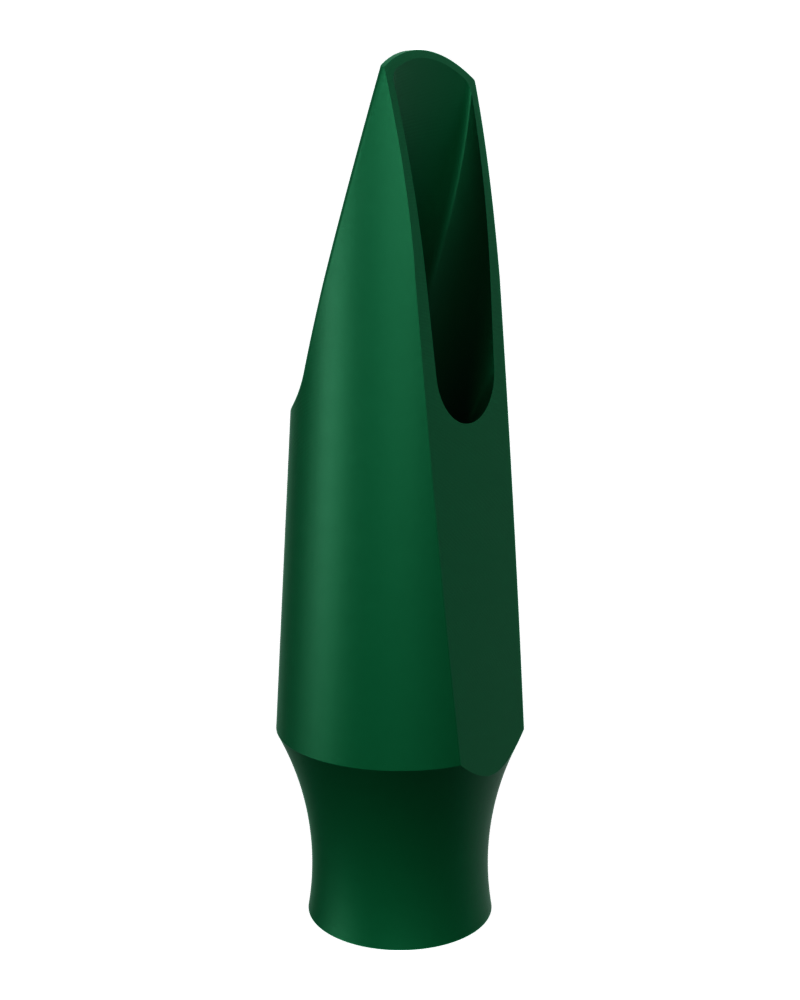
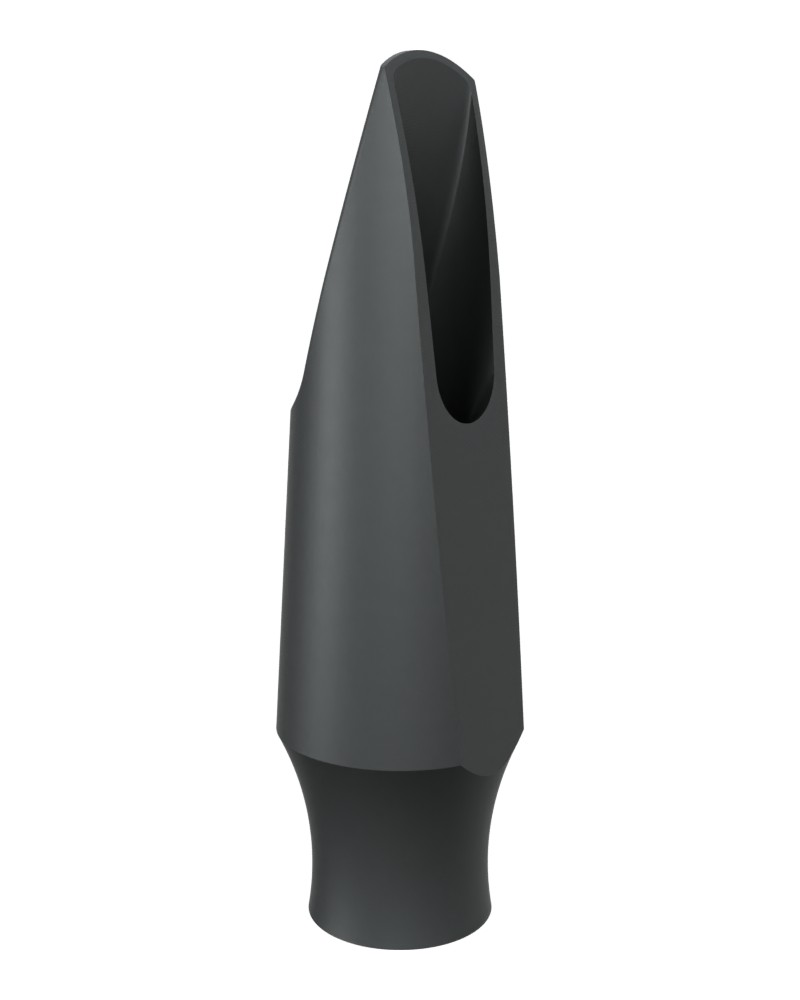
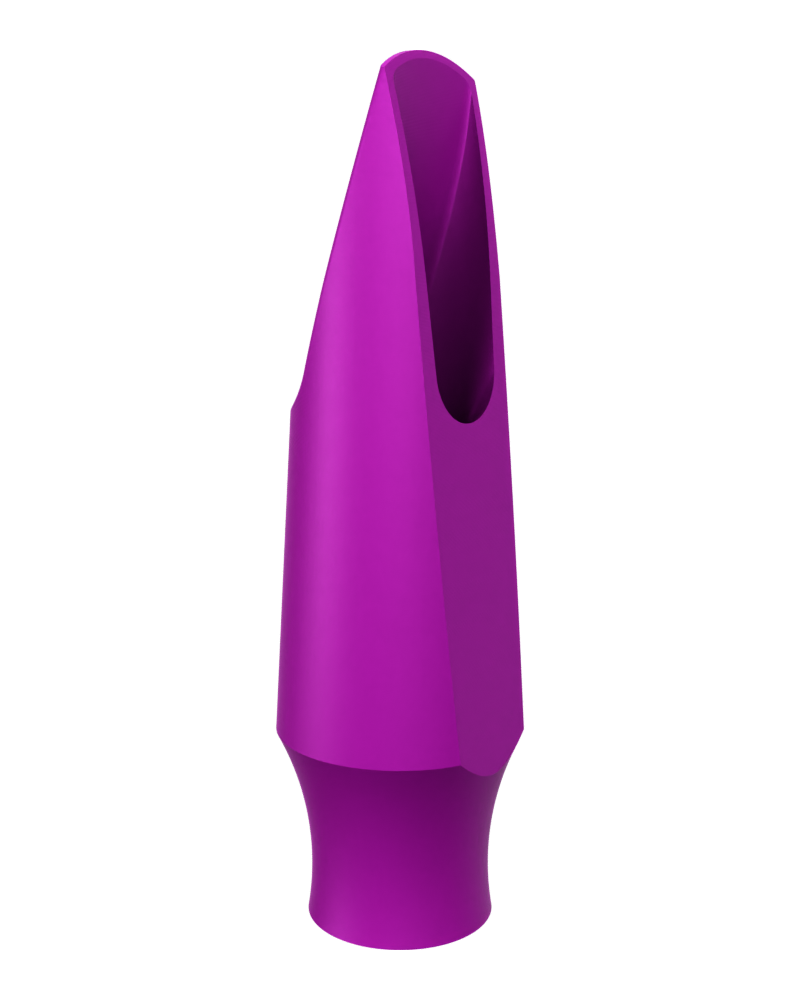
The Smoky, Steady, and Spark system focuses on sound concepts rather than measurements. You can simply ask yourself whether you want a darker, neutral, or brighter sound, then choose the model that matches. Each model is available in different tip openings, typically shown as numbers like 5, 6, or 7. While we offer mouthpieces in a large assortment of colors, the color is purely cosmetic and does not affect sound.
If you are unsure which category fits you best, think about the saxophone sounds you enjoy most. If you like soft, warm jazz or classical tones, Smoky may suit you. If you need one mouthpiece that performs well in many situations, Steady is a flexible option. If you prefer bright, energetic funk or rock sounds, Spark may be the best match.
In practice, the Smoky and Steady models are the most beginner-friendly, as they respond easily and are simple to control. The Spark is more powerful and lively, which makes it a bit harder to control - so it's generally not the first choice we recommend to beginners. All three models are made using refined 3D-printed designs that speak easily and feel comfortable.
Tip: When possible, listen to demo videos to hear the differences between these models. Hearing a dark Smoky sound next to a bright Spark sound can quickly clarify what you prefer.
Hear the difference
8 Questions to Find the Right Mouthpiece for You
Understanding the geometry is one thing. Translating it into a real-world choice is another. The four parameters above - tip opening, facing, baffle, chamber - interact with each other, and they also interact with you: your instrument, your skill level, your musical context, and how much time you have to adapt. These eight questions cut through the noise and point you toward a concrete decision.
1. What type of saxophone do you play?
Start here. Alto, tenor, soprano, and baritone each require a specific mouthpiece size and design - they are not interchangeable. A mouthpiece built for alto will not fit a tenor neck, and even if it did, the internal geometry would be completely wrong for the instrument's acoustics.
If you play a rarer instrument - C-melody, sopranino, bass saxophone - the market is thinner, but custom options exist. The point is simple: always filter your search by instrument first, before looking at any other parameter.
2. What is your skill level?
Your experience level should directly shape which mouthpiece you consider.
Beginner: Prioritize forgiveness. A smaller tip opening (around 5) on a mouthpiece with a low or straight baffle gives you a stable, controllable sound while your embouchure develops. Avoid high step baffles at this stage - they amplify every inconsistency in your air support and embouchure, which means more squeaks and more frustration.
Intermediate: You can push slightly further, but don't jump too far in one go. If you've been playing a small-opening, low-baffle setup, moving to a medium opening (6 or 7) with a rollover or circular baffle is a sensible next step. Jumping straight to a very open, high-step-baffle mouthpiece is likely to set you back rather than move you forward.
Advanced: At this point you have the embouchure strength and air control to explore the full range of designs. Experiment freely - but still move one variable at a time so you can hear what's actually changing.
3. What style of music do you primarily play?
Genre is one of the clearest guides to mouthpiece geometry.
Classical: Focused, warm tone. Classical mouthpieces typically feature a straight baffle, a medium chamber, and a small tip opening (around 5). The priority is blend, intonation, and a round, controlled sound.
Jazz: Jazz is a wide spectrum - from the dark, warm sound of a Stan Getz ballad to the bright, aggressive edge of a Michael Brecker solo. If jazz is your world, the tone question below will do more work than the genre label alone.
Pop, rock, funk, brass band: These styles call for a bright, projecting tone that cuts through amplified instruments and a full band mix. A high step baffle with a medium to small chamber is the standard formula here.
4. What is your desired tone?
Strip everything back to three categories:
Dark and mellow - warm, round, rich in low frequencies
Balanced and versatile - clear, even across registers, neither bright nor dark
Bright and projecting - edgy, powerful, cuts through any mix
These map directly onto Smoky, Steady, and Spark. If you have a more specific sound in your head - a particular artist's tone, a specific recording - that's useful information too. The more precisely you can describe what you're after, the easier it is to match geometry to goal.
5. How much air support can you provide?
Tip opening and embouchure strength are directly linked. A larger tip opening gives you more power and flexibility, but it demands more air. If your embouchure is still developing, a very open mouthpiece will feel resistant and tiring - and it will work against your tone rather than for it.
A practical rule: if you're not yet comfortable sustaining a full, even sound across all three registers on your current setup, stay at or below a 6 opening. Build the embouchure first, then open up.
6. How important is versatility to you?
Some players need one mouthpiece that works across multiple genres - rehearsal band in the morning, jazz gig in the evening. Others play a single style and want a setup optimized for exactly that context.
If versatility matters, look for "medium everything": medium baffle, medium chamber, mid-range tip opening. That's the design logic behind the Steady. If you're a specialist - a classical player, a dedicated funk musician - a more targeted design will serve you better than a compromise.
7. How does your current mouthpiece feel?
If you're upgrading rather than buying your very first mouthpiece, this is the most useful question of all. Think carefully about two things:
What do you like about it? That's what you want to keep.
What would you change? That's what the new mouthpiece needs to improve.
"I want more brightness" points toward a higher baffle or smaller chamber. "I want more depth" points toward a larger chamber or lower baffle. "It feels too resistant" often means the tip opening is too large for your current embouchure, or the facing is too short. Being specific here saves you from buying something that moves in the wrong direction.
8. How much time can you invest in adapting?
Switching mouthpieces always takes time. Your embouchure, your air support, and your muscle memory are calibrated to your current setup. A new mouthpiece - even a better one - will feel strange at first.
Two practical considerations:
Do you have performances coming up? If so, this is not the time to make a dramatic change. A mouthpiece close to your current one (similar opening, similar baffle) will require days of adjustment rather than weeks.
Are you in a practice-heavy period? Then you can afford to make a bigger leap and give yourself the time to settle in properly.
The bigger the difference between old and new, the longer the adaptation. That's not a reason to avoid change - it's just a reason to plan for it.
Frequently Asked Questions
What tip opening should a beginner start with? Most beginners do well with a tip opening around 4 or 5. It speaks easily, produces a stable tone, and doesn't demand the embouchure strength that larger openings require. You can always move to a more open setup as your technique develops.
Does the saxophone body matter less than the mouthpiece? Yes, significantly. The mouthpiece has a greater influence on your tone than the saxophone body. Two players on the same horn but with different mouthpieces will sound more different from each other than the same player on two different saxophones with the same mouthpiece.
Can I use the same mouthpiece on alto and tenor? No. Alto and tenor mouthpieces have different shank sizes and internal dimensions. Each instrument requires its own mouthpiece designed for that specific bore.
How long does it take to adapt to a new mouthpiece? It depends on how different the new mouthpiece is from your previous one. A small change - one step in tip opening, a similar baffle - might take a few days. A dramatic change in geometry can take several weeks of regular practice before you feel fully at home.
Is a more expensive mouthpiece always better? Not necessarily. The right mouthpiece is the one that matches your level, your style, and your embouchure - not the one with the highest price tag. A well-chosen mid-range mouthpiece will serve you better than an expensive one that doesn't fit your playing.
What is the difference between baffle and chamber? The baffle is the inner surface directly behind the tip - it shapes how air accelerates into the mouthpiece and has a strong effect on brightness and power. The chamber is the larger cavity further inside - it shapes the tonal color, with larger chambers producing darker, rounder tones and smaller chambers producing brighter, more focused ones. Both work together.
Related guides
Playing alto? Read our complete guide to choosing an alto saxophone mouthpiece for register-specific advice on tip opening, baffle, and chamber. Want more technical depth on one variable? See the saxophone mouthpiece tip opening. Curious how it stacks up against other mouthpieces on the market? See how the top mouthpieces compare in 2026.