






You walk into a shop (or browse online) and the boxes say 2, 2.5, 3, 3.5, and so on. What do the numbers actually mean? Many players just grab one and slowly climb the scale, assuming a bigger number makes them a better player. The truth is, it doesn't. The number measures stiffness, and stiffness only means anything next to three other things: your mouthpiece, your embouchure, and how wet the reed is right now. Let's explore, and first things first:
Reed strength numbers are not standardized
Reeds are cut from cane. At the factory, blanks get measured for stiffness and sorted by strength before anyone cuts a reed shape into them. At the end, per a 2024 review in Acta Acustica, "each reed is submitted to a flexibility test to be graded on a scale describing its strength usually from one (very soft) to five (very strong)". This test determines the number on the box, and every brand runs its own test to its own specifications, which makes reed strengths work like clothing sizes: a medium at one store is a large at another. The spread can live inside one box too. A worldwide survey of clarinet and sax players, cited in the same review, found only 30% of reeds rated very good. The other 70% came in average or mediocre. So the number describes the piece of cane in your hand and says nothing about how good a player you are.
The role of your mouthpiece
There is no single correct number, but there is a sensible place to begin. On the mouthpiece your saxophone came with, or on most student and classical pieces, 2.5 is the conventional starting point. On a jazz mouthpiece with a wider tip, the usual move is down a full strength, to around a 2. Treat both as first guesses to test against your own playing rather than answers.
What makes them reasonable guesses is a gap. Hold a ruler on a desk with an inch hanging over the edge and flick it, and it barely moves. Slide it out to six inches and flick it again, and it wobbles everywhere. Same ruler, and the only thing you changed is how much of it was free to bend. Your mouthpiece does this to your reed.
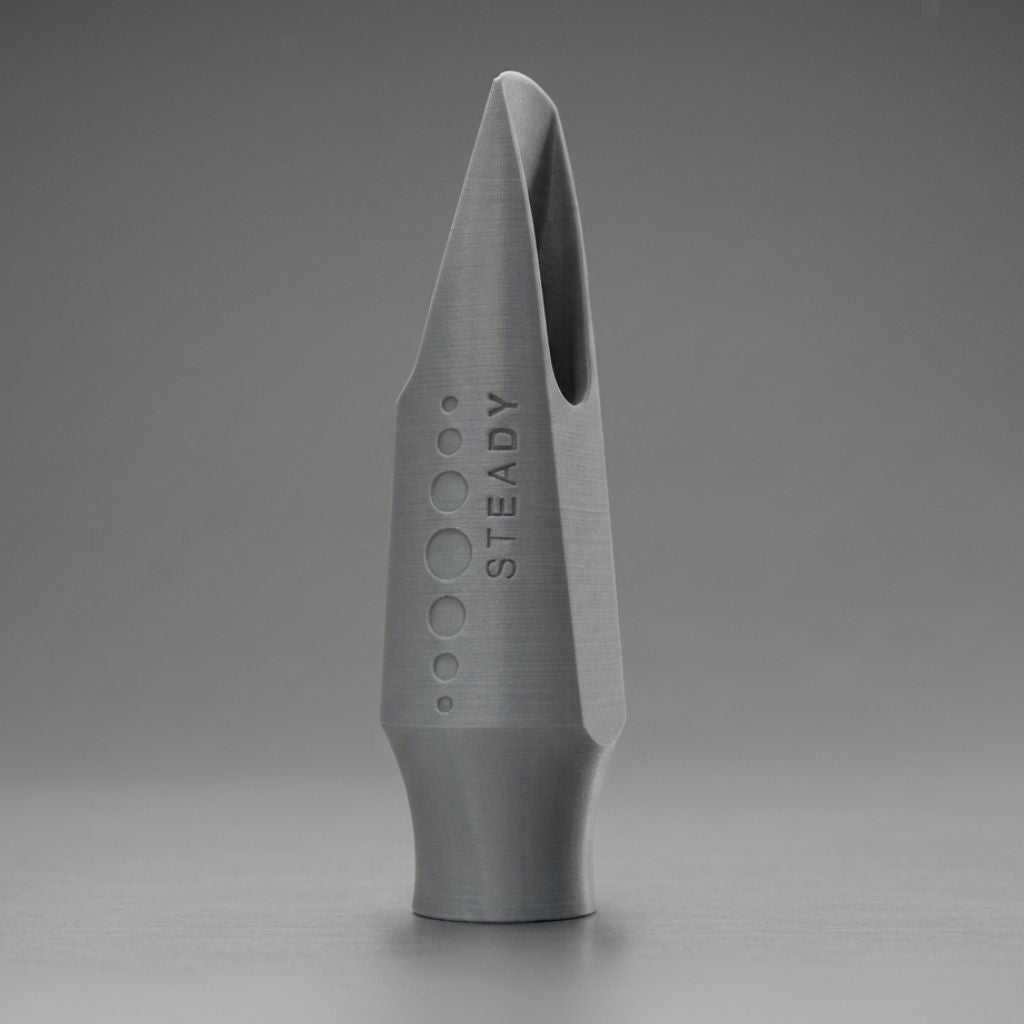
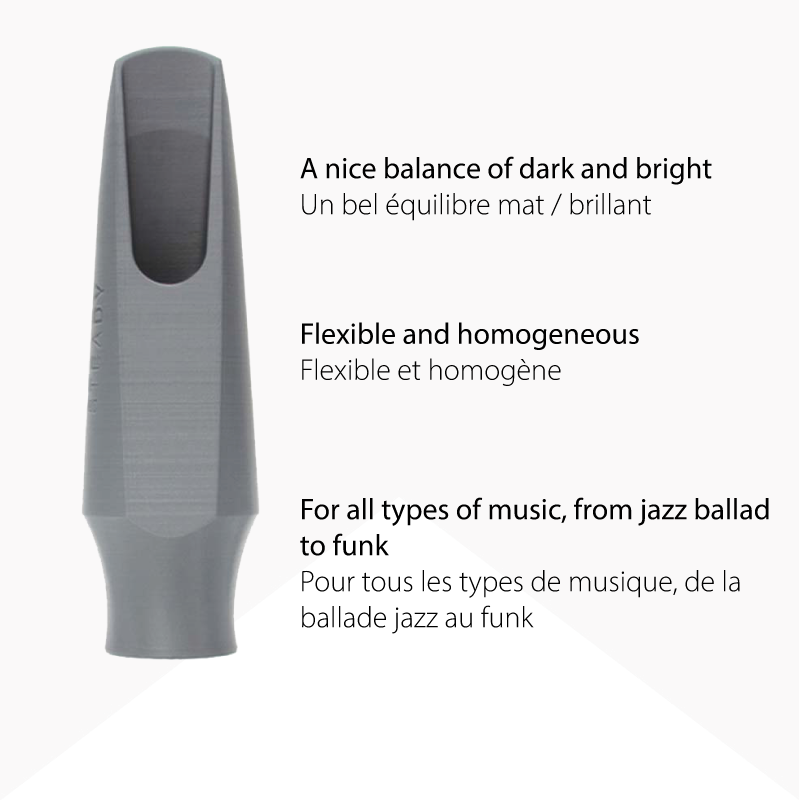
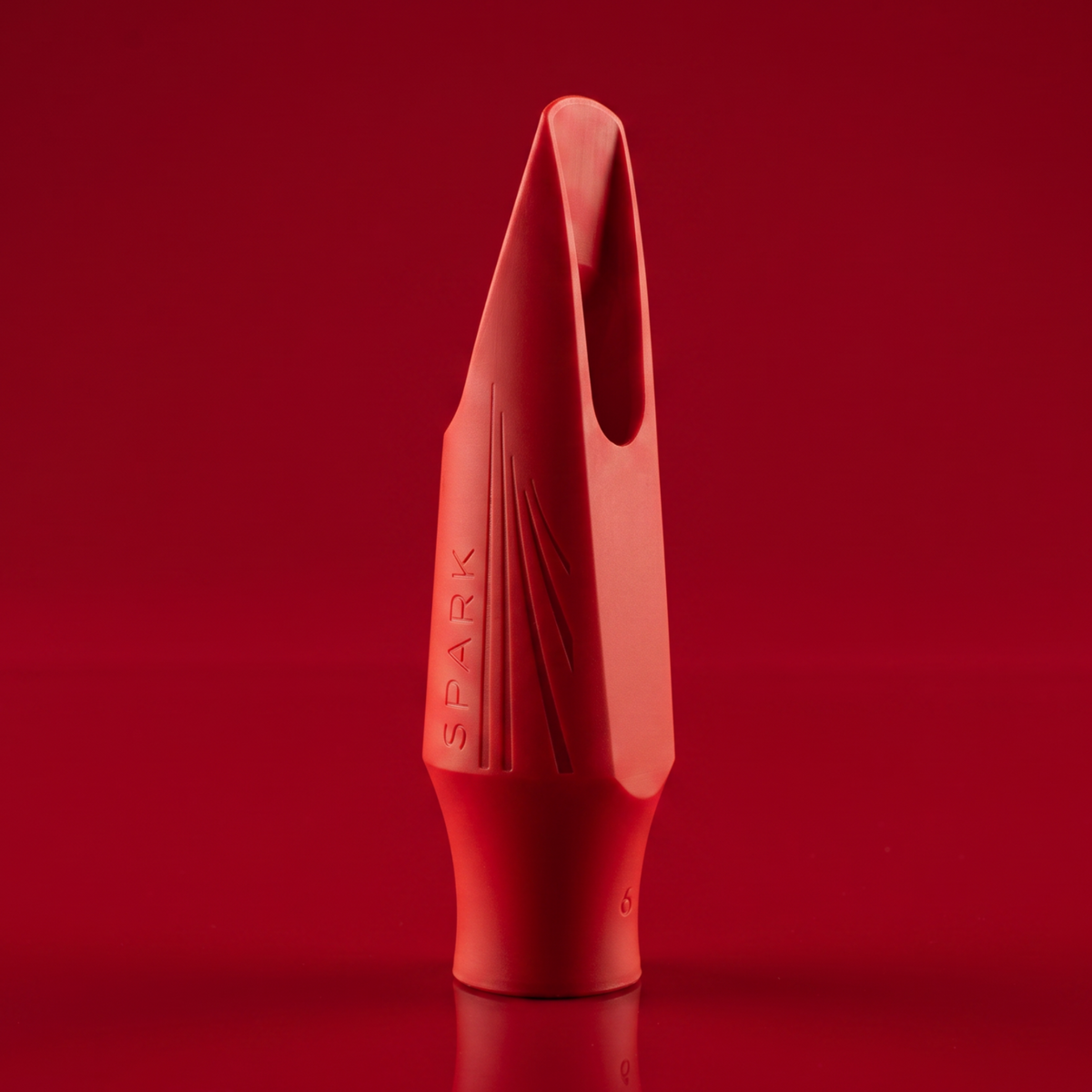
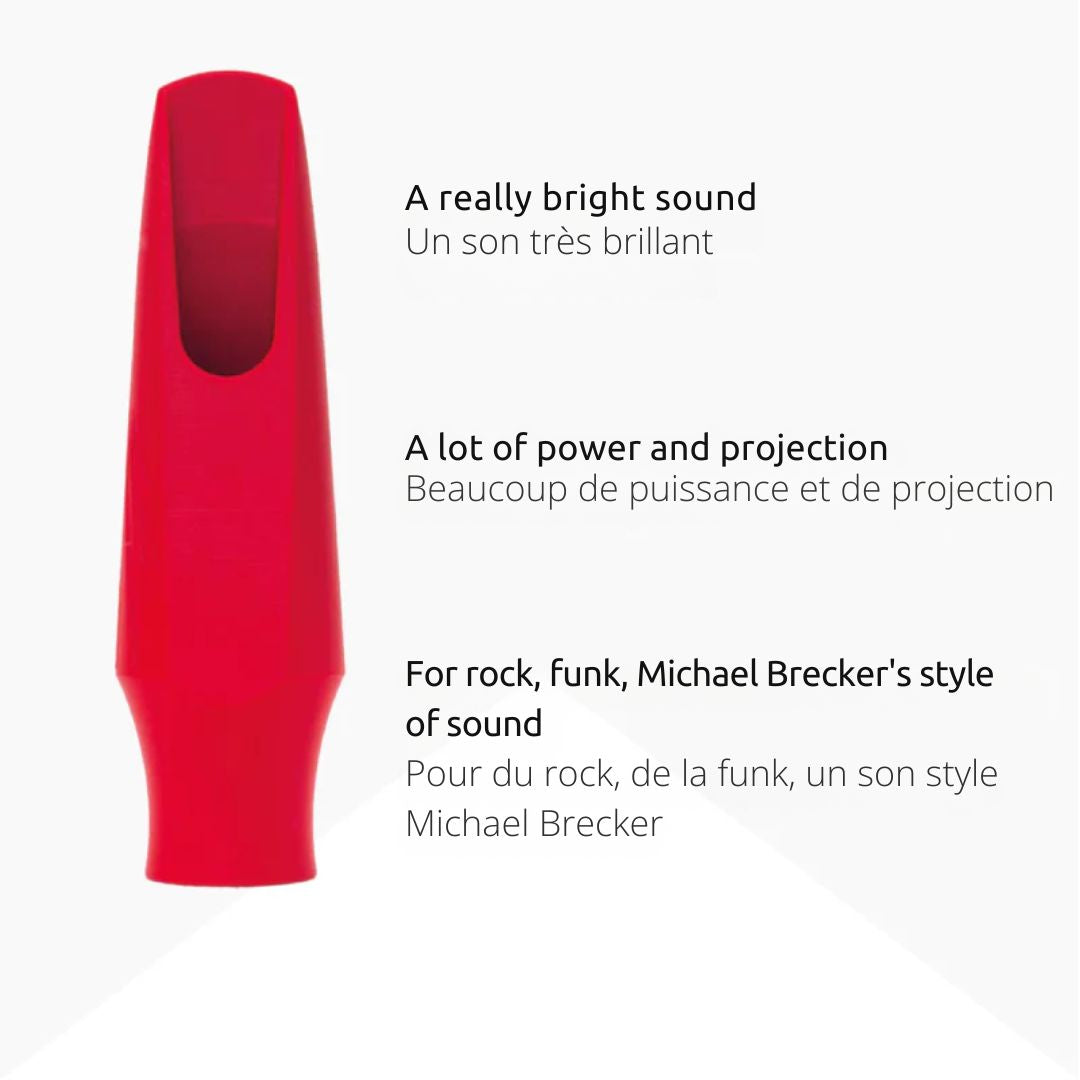
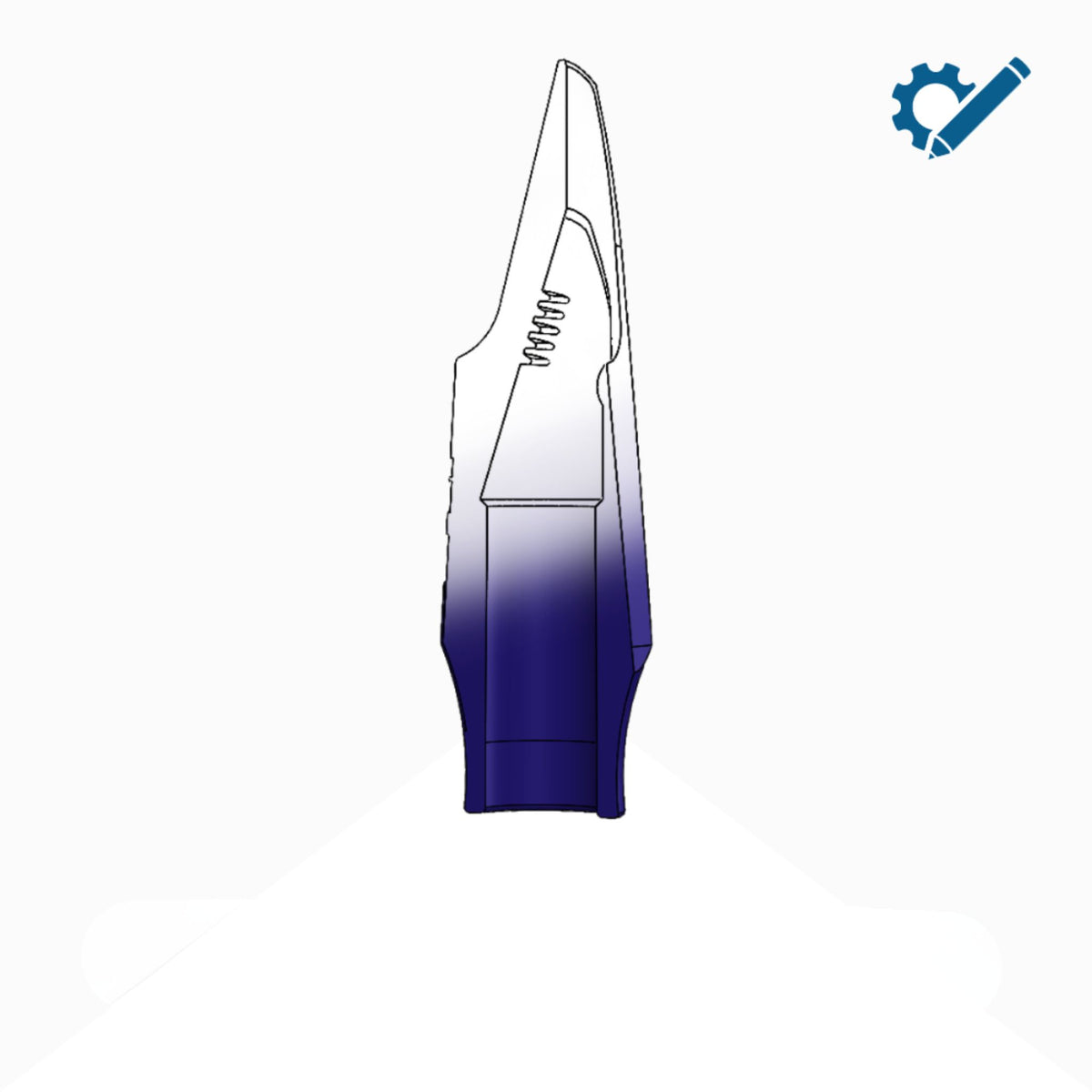
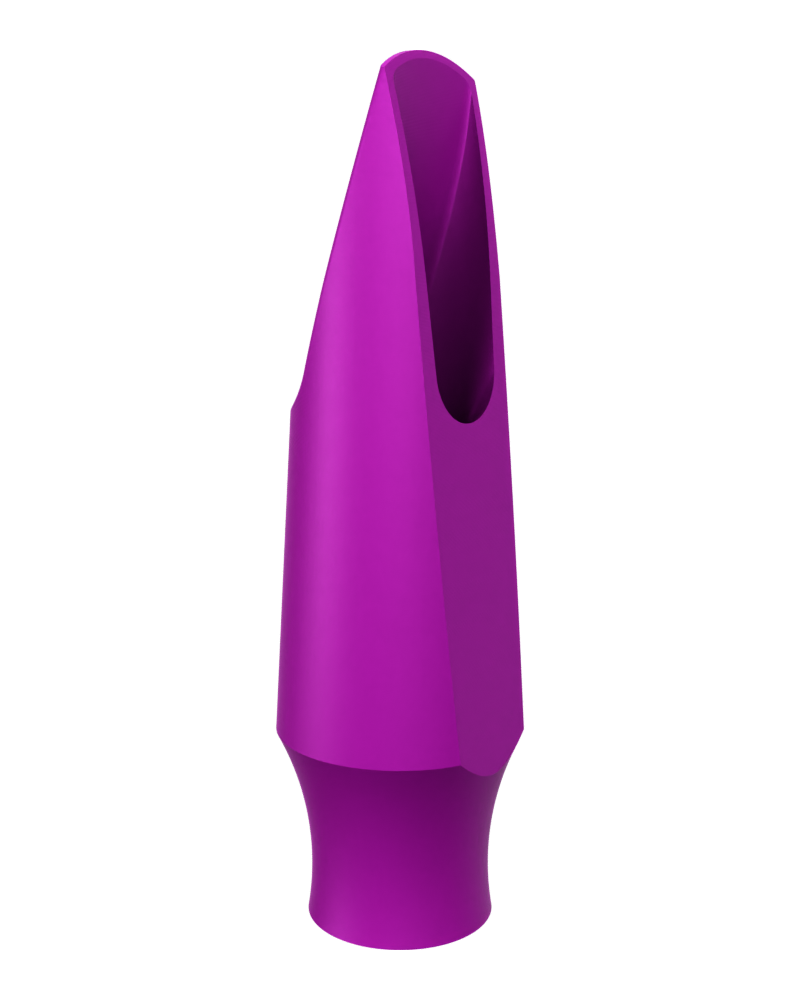
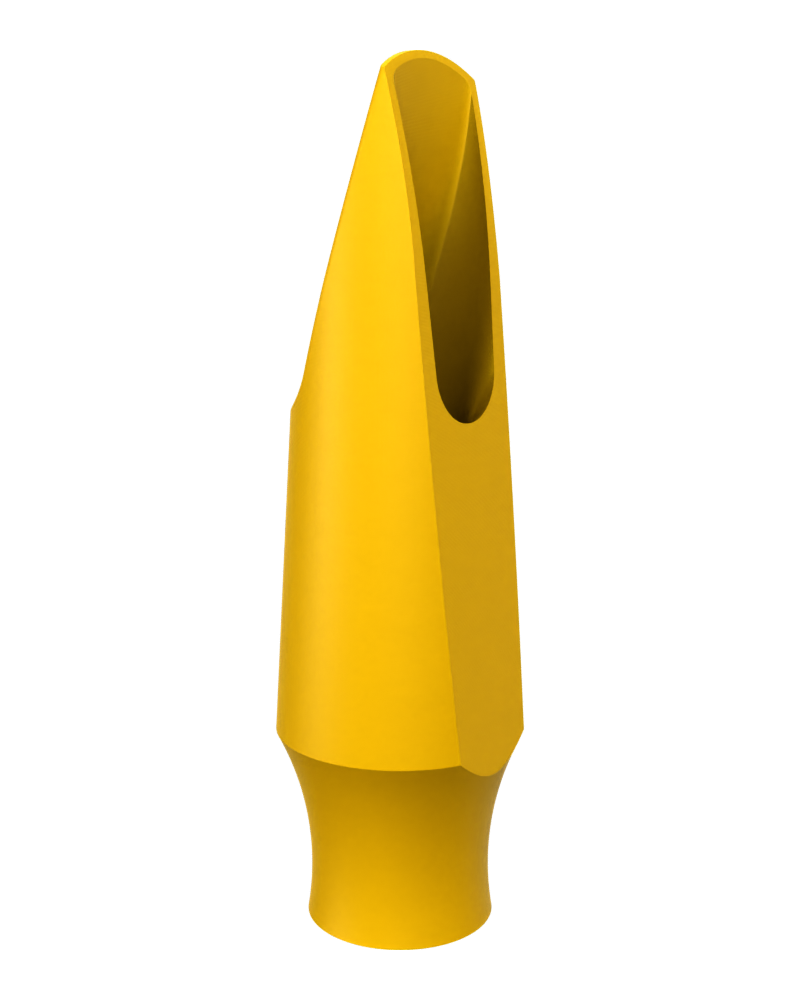
The tip opening is the gap between the reed and the mouthpiece at the front, and the wider it is, the further the reed has to travel every time it vibrates. A wide gap and a stiff reed pile onto the same problem, which is why the two generally get chosen together. A team of French researchers measured this on 24 tenor reeds and found the effort needed to move a reed climbing with the size of the gap, then climbing again with the stiffness of the reed.
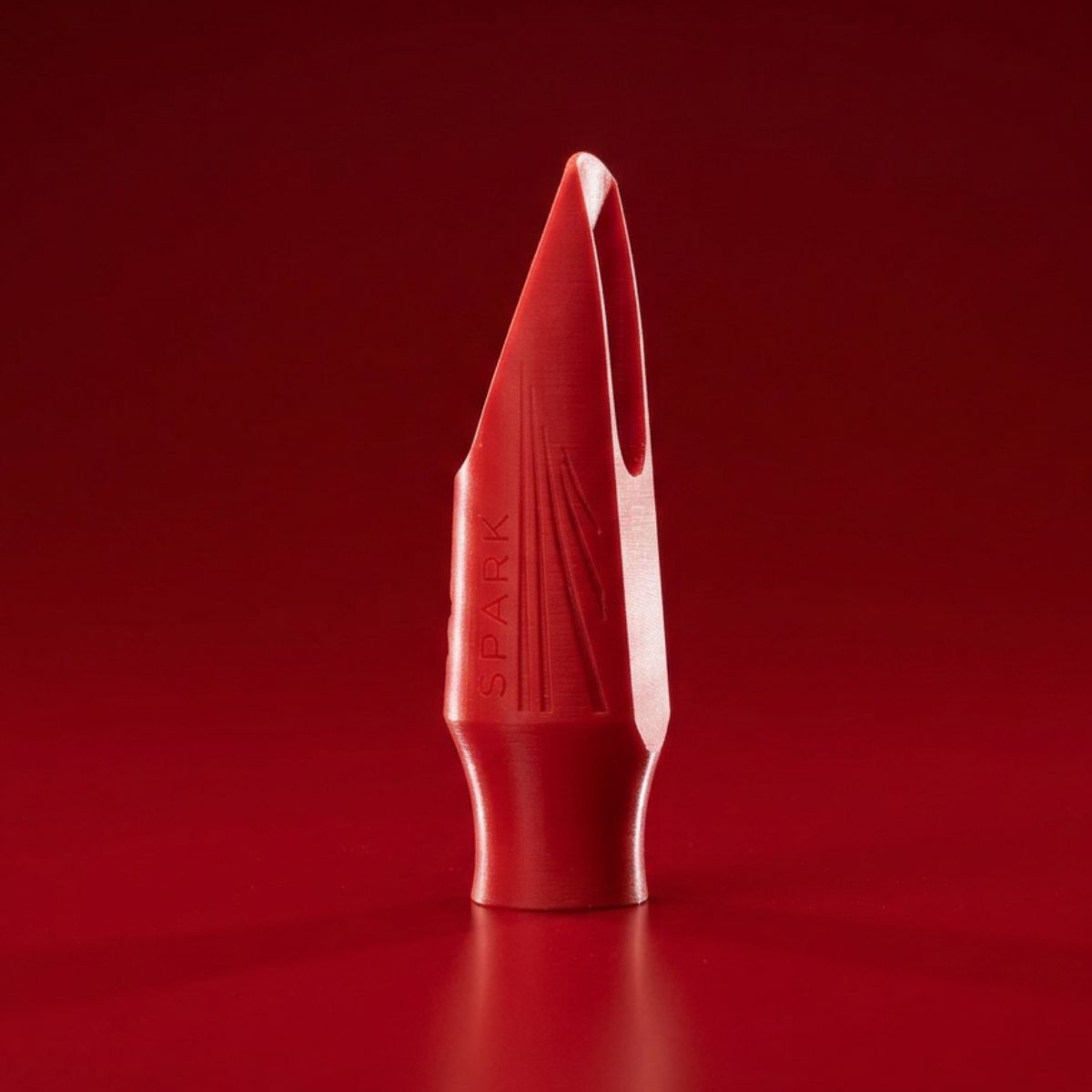
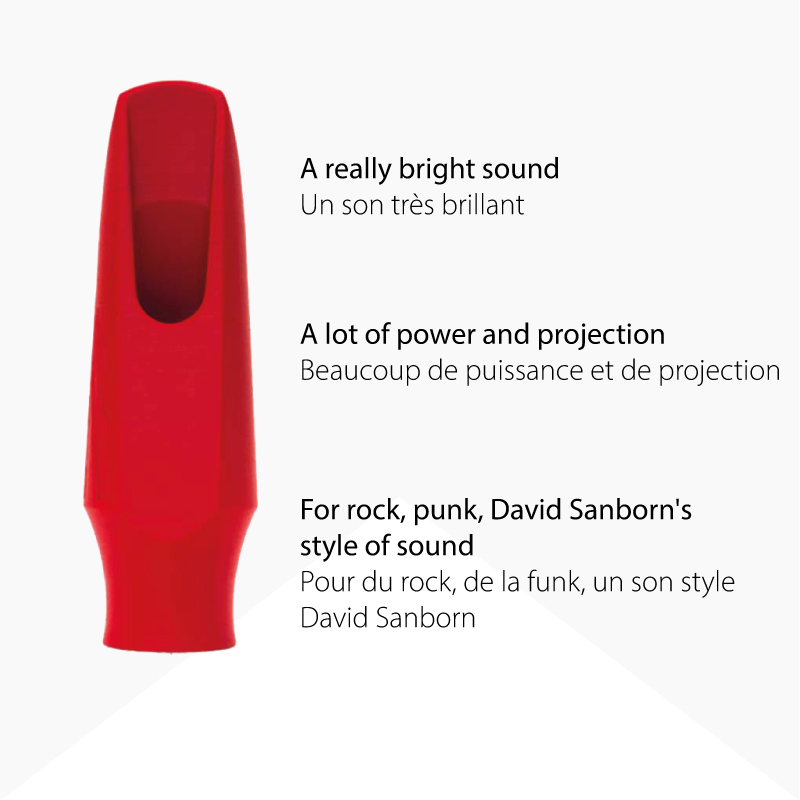
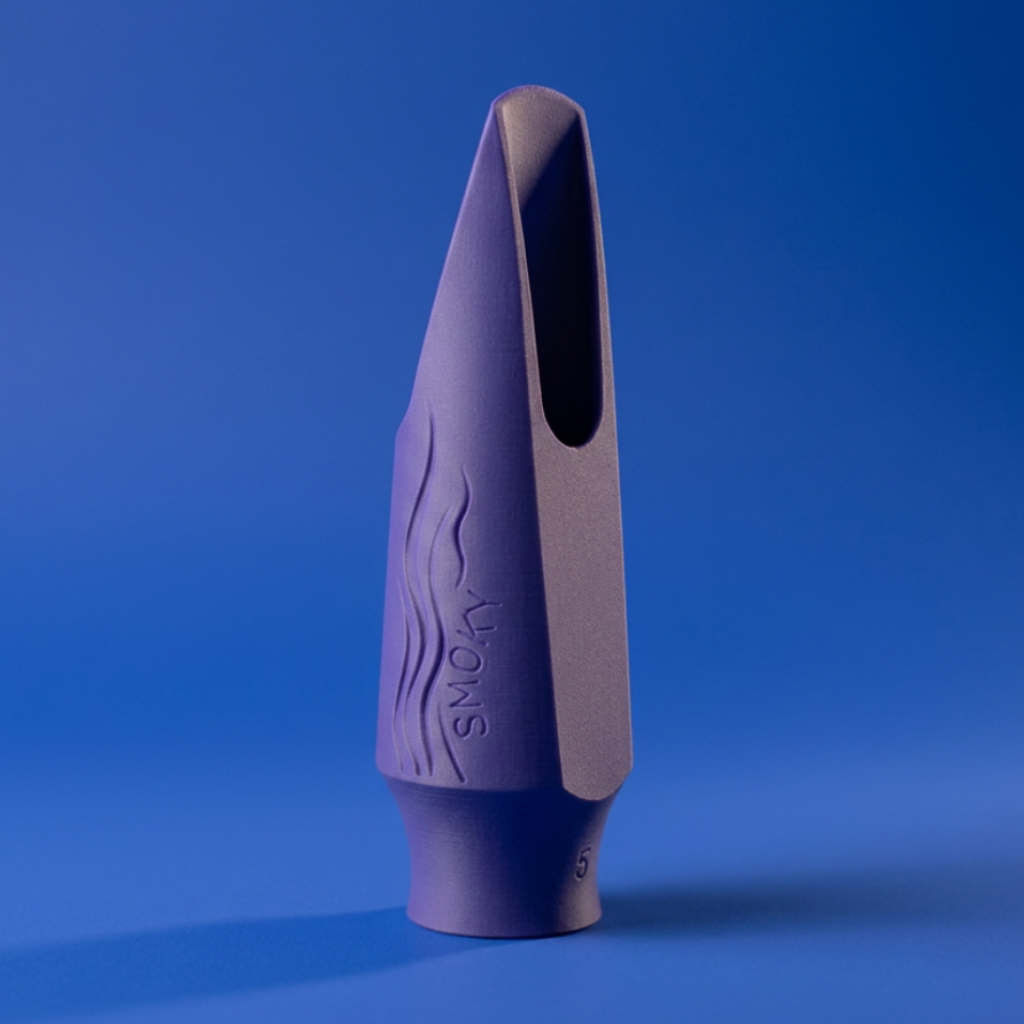
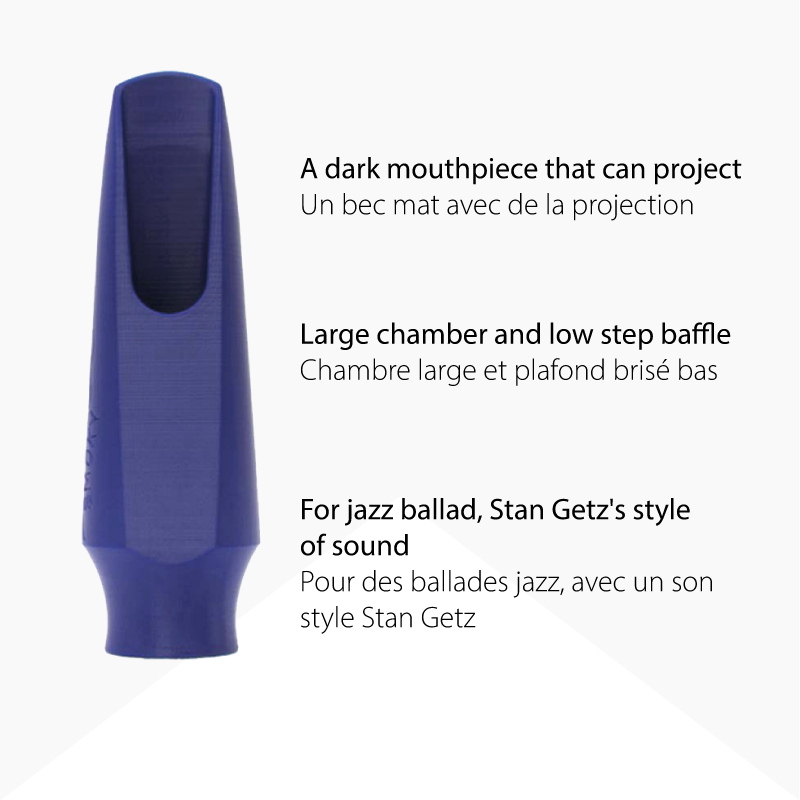
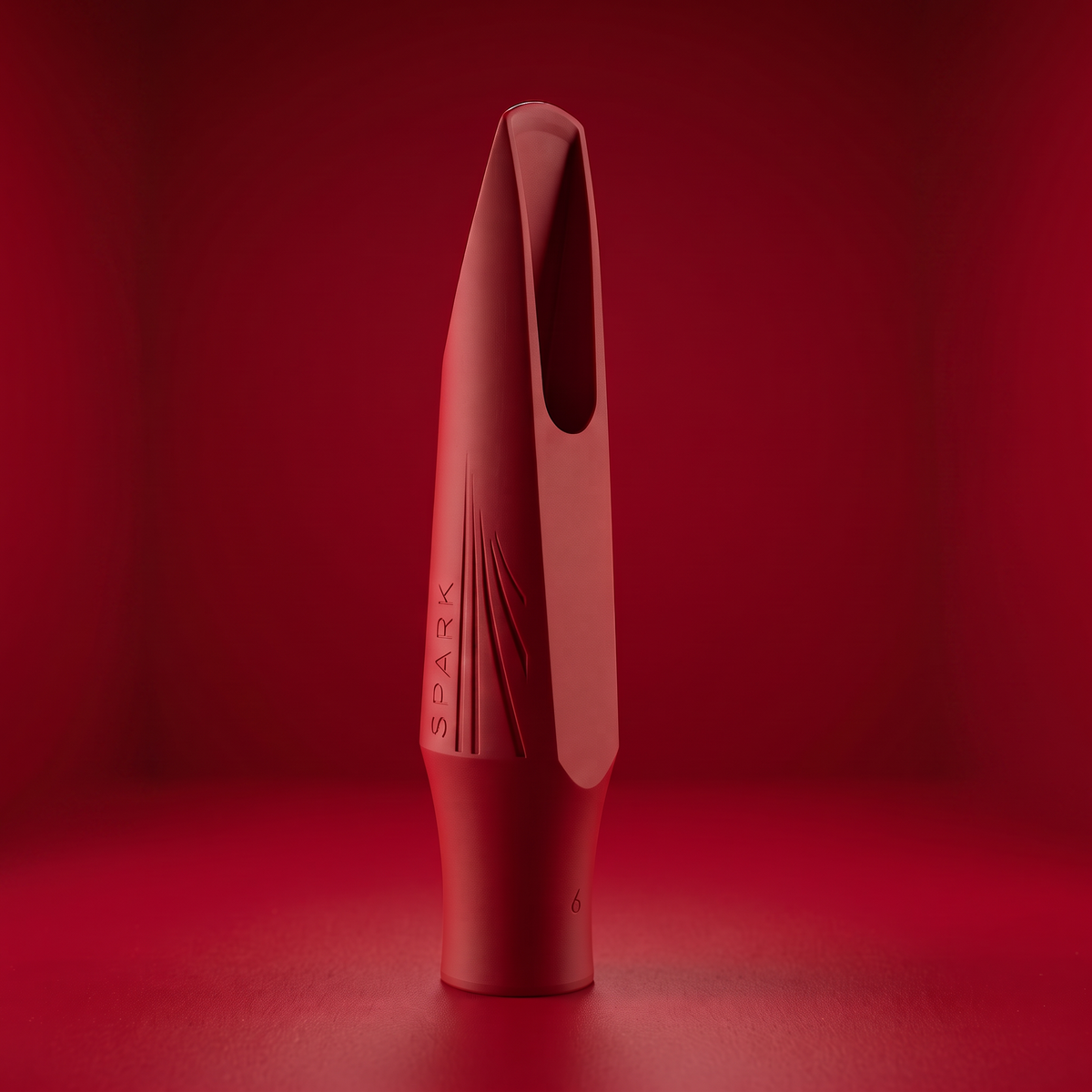
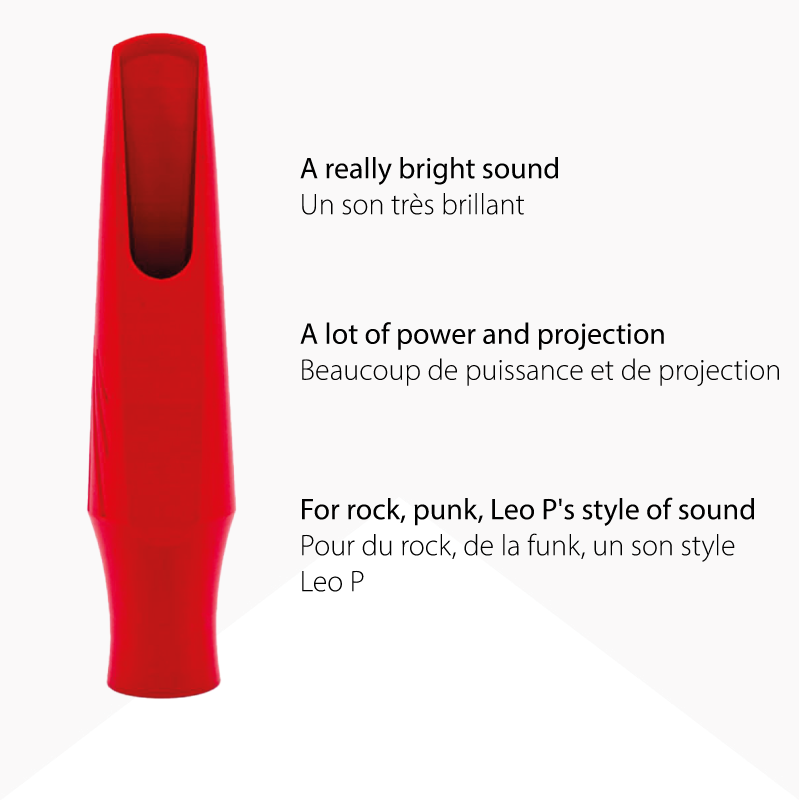
The distances are small and the effect is not. A Selmer S80 C*, a standard classical piece, has a tip opening of 1.55mm. A Meyer 7, a common jazz alto piece, opens at 2.05mm. Half a millimetre separates them, and that's worth a full reed strength: if you play a 3 or 3.5 on the Selmer, you would drop to a 2 or 2.5 on the Meyer just to get the same feel. The tip opening chart at syos.co lists tip openings mouthpiece by mouthpiece, and a separate table on the same page pairs opening ranges with softer or harder reeds by playing style: the pattern holds up, as the tip opens, the reed strength that suits it tends to come down.
So before you buy anything, look up your mouthpiece model on a tip opening chart. It is the most useful number in this article, and takes about thirty seconds to find.
When the pairing is off, the saxophone will let you know. A reed too soft for a narrow mouthpiece flaps against the tip rail, and the sound turns thin, buzzy and unstable. A reed too hard for a wide one barely moves at all, so the response will be stuffy and the high notes crack. Beginners usually blame themselves for both. Worth remembering: if a new mouthpiece feels harder to play than your old one, check the reed before blaming the mouthpiece, because nine times out of ten a half-step softer reed fixes it.
There is a second measurement, the facing length, which is how far back along the mouthpiece the reed is free to bend. It pulls the same lever as tip opening: saxophonist and gear reviewer Steve Neff tested one reed, a Vandoren Java 2½, across mouthpieces with facing lengths from 20mm to 23mm, and found it played hard on the shortest curves and easy on the longest ones, his theory being that more of the reed is free to vibrate on a longer facing. It's one player's informal test rather than a measured study, but the direction matches the physics: longer facing, easier-feeling reed. You can safely ignore it while you are starting out, as tip opening does most of the work.
Your number can change
As your embouchure gets stronger, you can move up to a harder reed if you want to. Dr. Tracy Heavner of the University of South Alabama suggests going up in half strengths rather than whole ones, "which allows the embouchure time to adjust".
Moving up is not something you have to keep doing forever, though (if at all). Four working professionals give four different answers. Miguel Zenón plays a 4 and tells students to "start off with a 2 or 2.5 and build up resistance in your embouchure from there." Lakecia Benjamin plays a 2.5 or a 3, and she pushes back on the idea of climbing at all: "Be honest about your reed size. It's not like a shoe size, where you keep climbing up." Gerald Albright moved to a more open mouthpiece and a softer reed on purpose, after finding himself worn out after shows. Dave Koz has played a 2.5 for decades.
How wet the reed is changes things by the hour too. A team of researchers imaged clarinet reeds with a neutron beam while the reeds soaked and dried, and published the results in PLOS One in 2025. Water at the tip evaporates in about five minutes, while water deeper inside the reed lingers far longer. Reeds near the end of their life soak up less water, dry out faster, and swell unevenly, which the researchers describe as "consistent with structural fatigue". The study was done on clarinet reeds, but cane behaves the same way regardless of which instrument it ends up on, so the same wetting and drying pattern applies to a saxophone reed.
A reed behaves differently after one minute of playing, after ten minutes, and after four weeks of use. If the weather turned humid and you responded by buying a different reed strength, you solved a problem you did not have.
Finding your number
Buy your best guess along with one strength either side of it, and give yourself a little time with each one. Saxophonist and teacher Max Schwimmer lays out helpful signals for working out which reed is closest to best for you:
A reed that is too soft will give you easy low notes while the high notes fight you. The tone will sound buzzy or honky, and your pitch will run flat in the upper register.
A reed that is too hard does the opposite. Your high notes come easily while the low notes refuse to speak at all, you find yourself blowing much harder than feels reasonable, your embouchure tires quickly with air escaping from the corners of your mouth, and your pitch runs sharp up at the top.
There is no rush with any of this, so take it gently: start at the bottom of your range at a quiet volume and notice how easily the notes arrive. Move up to the top of your normal range and do the same. Play long tones for five minutes and pay attention to how your embouchure feels by the end. Finish with a tuner. Then give whichever reed felt best a couple of weeks before you make up your mind, and remember what Schwimmer says: "there's no shame in moving back down."
Where Syos comes in
You settle this by playing, not by reading. Syos Arcane reeds come in half steps from 2 through 4 for alto, tenor, soprano and baritone, so you can order either side of your best guess and compare them properly. Cut from French Var cane, they stay warm and centred low down and open easily into the altissimo. Players tell us every reed in the box plays practically the same, so you're comparing strengths rather than sorting duds.
👉 Shop Alto Saxophone reeds box
👉 Shop Baritone Saxophone reeds box
👉 Shop Soprano Saxophone reeds box
👉 Shop Tenor Saxophone reeds box