




The short answer
Have you always played on a classical mouthpiece and are you looking for your first jazz mouthpiece? Three parameters make the difference, and each one counts:
- Tip opening: the gap between the reed and the tip. Classical mouthpieces sit at the closed end of the range, jazz pieces are usually more open.
- Baffle: the ramp running from the tip into the chamber. It sets brightness, edge and projection.
- Chamber: the cavity inside. It tilts the balance between low and high frequencies.
Let's look at each one, starting with the one you can see.
Tip opening

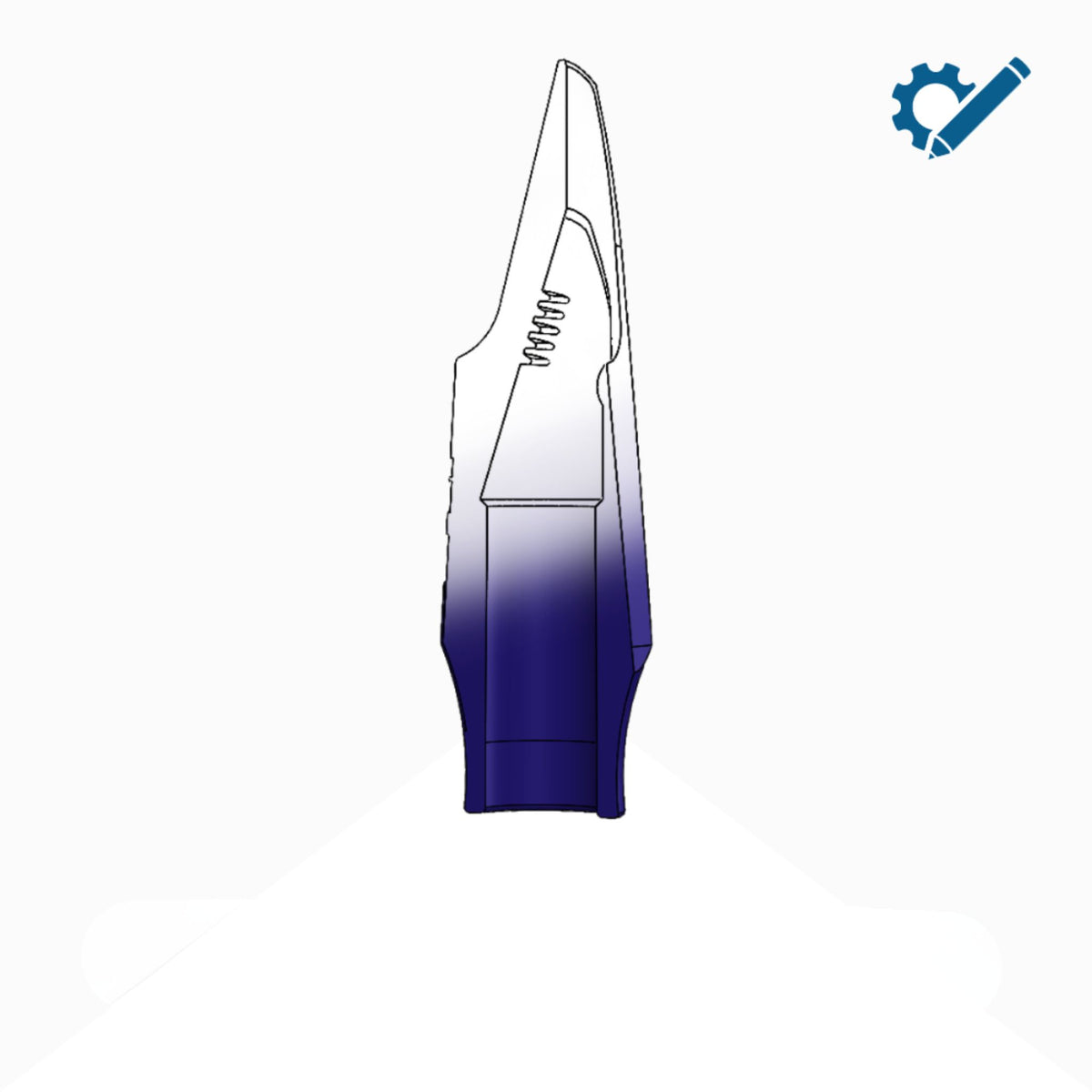
The first parameter is the tip opening, the distance between the reed and the tip of the mouthpiece. Lay the piece flat on a table and you will see the gap: a couple of millimeters at most.
Classical mouthpieces sit at the closed end. A classical player wants a centered sound, a clean attack and reliable pitch inside a section, and a small opening makes all three easier. Jazz saxophone mouthpieces usually open wider, because a wider opening lets you move more air, bend notes, growl and play loud without the sound folding in on itself.
Be careful: tip opening is not standardized between makers, so the same printed number (a "7" or a "5*") can mean two different gaps on two different pieces. How open a mouthpiece feels also depends on the length of the facing, the curved part of the table the reed lies on: with the same tip opening, a mouthpiece with a short facing feels more open.
The baffle: what shapes brightness

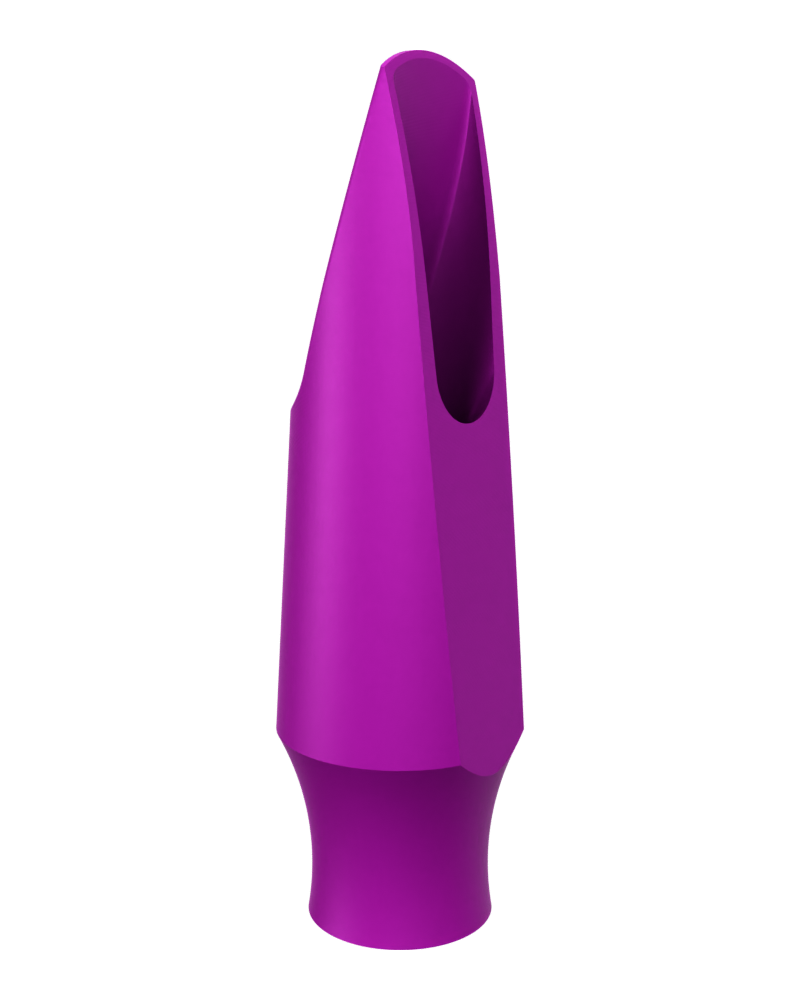
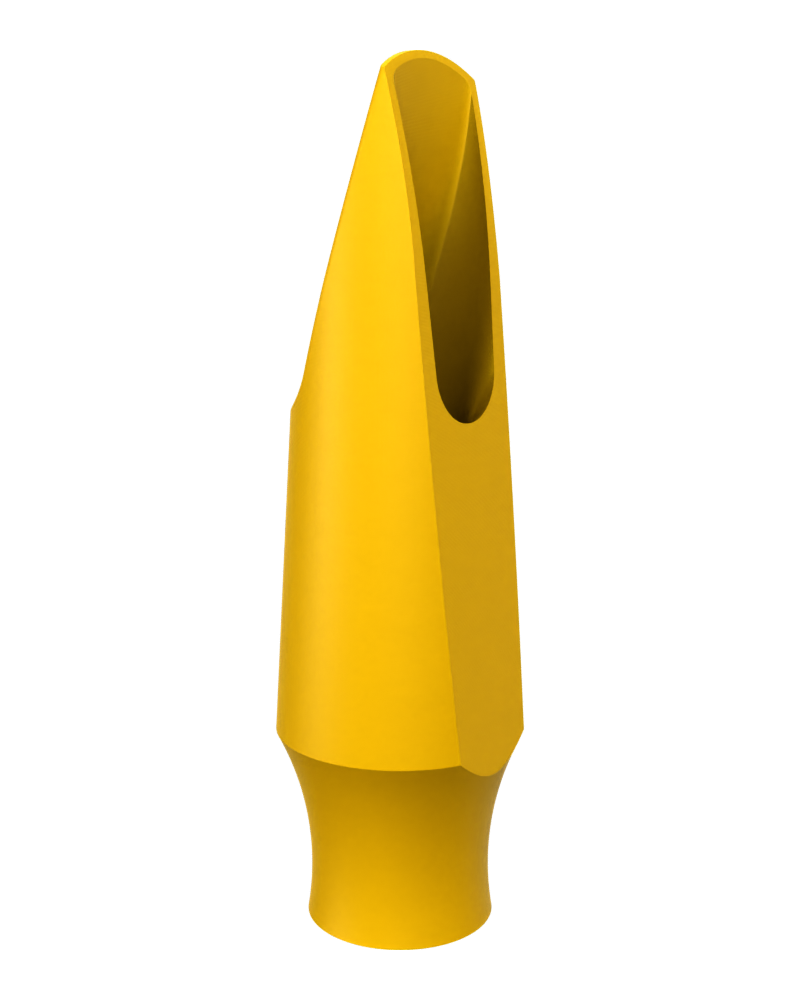
The second parameter is the baffle, the ramp that runs from the tip into the chamber, the first surface the air meets. It is a small feature with a big effect on the sound. Classical mouthpieces have almost no baffle: a straight line from the tip to the chamber, which helps attack and precision and gives a focused sound. Jazz mouthpieces, on the other hand, come with a whole range of different baffles, and each one gives a different sound:
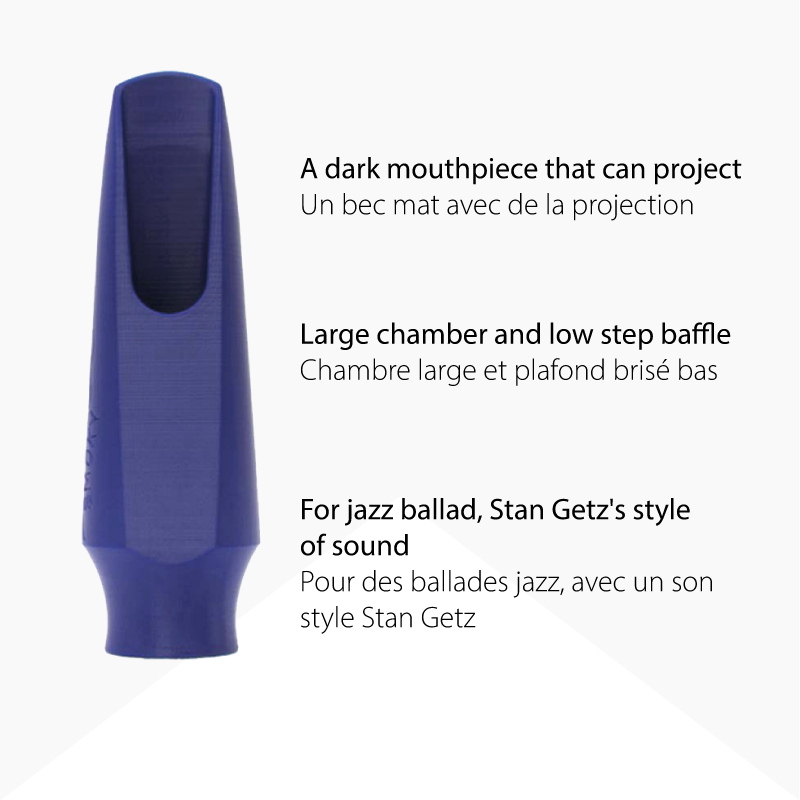
- A low, flat baffle gives a darker, warmer, rounder sound, with less edge. It is the sound of ballads.
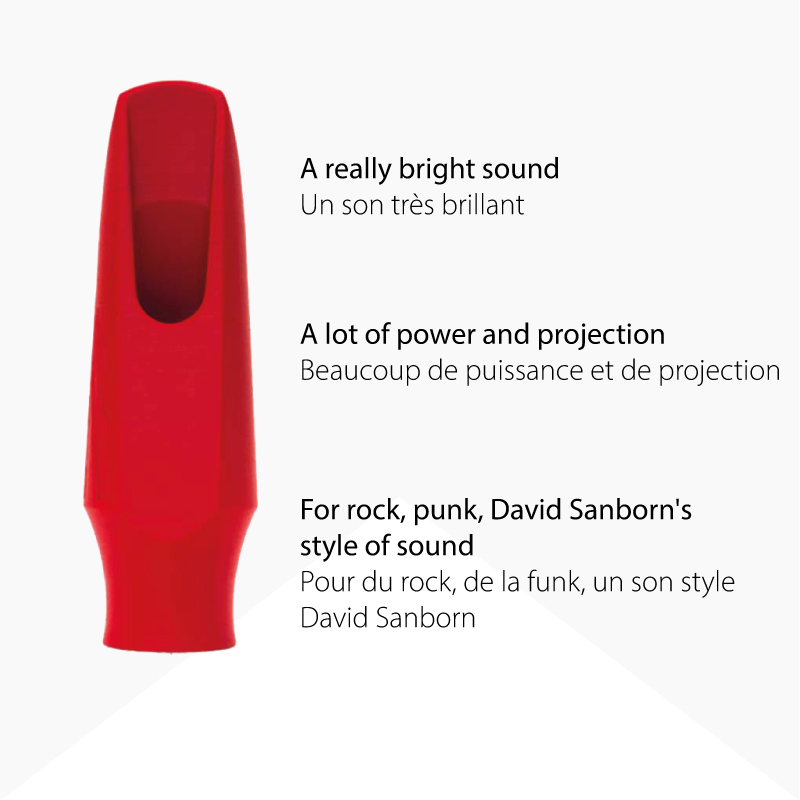
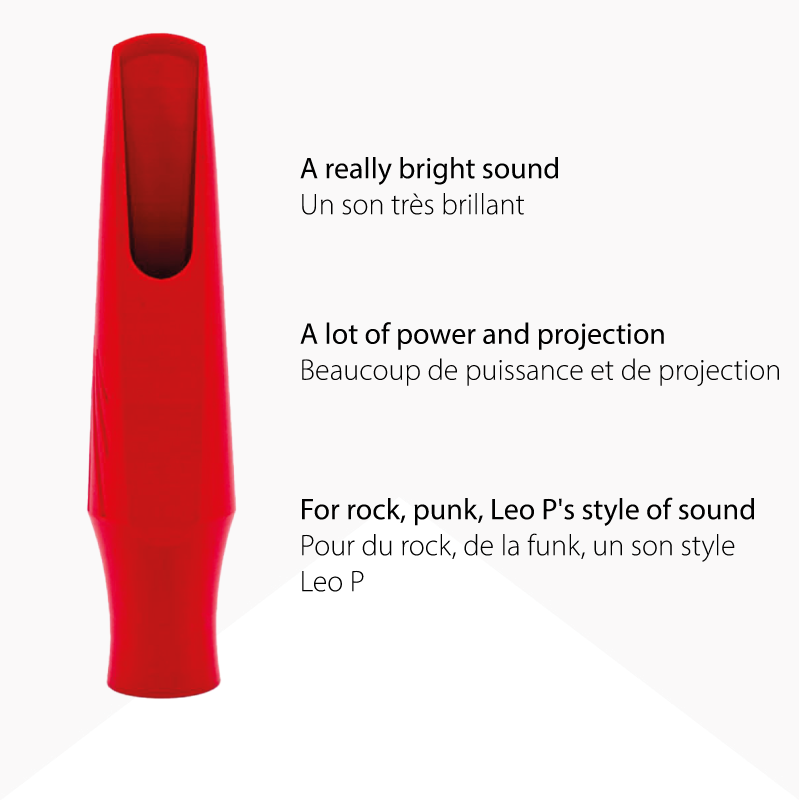
- A high, step baffle gives a brighter, more powerful sound, with more projection. It is the sound that cuts through.
- A baffle in between gives a balanced sound, somewhere between warm and bright.
The chamber

The third parameter is the chamber, the cavity inside the mouthpiece, just before the bore. It behaves like a filter: open it up and you favor the lows, close it down and you favor the highs.
Classical mouthpieces mostly use squared-off chambers, jazz pieces mostly round ones, with exceptions on both sides (the Selmer Concept is one). Shape alone never decides a mouthpiece's character.
Here is the counter-intuitive point: a small chamber can still sound dark if the baffle is low. The tidy rule "large chamber = dark, small chamber = bright" doesn't hold on its own: a small chamber with a low baffle gives a dark, focused sound.
The full breakdown of how chamber size and baffle interact is in our article on the large vs small chamber mouthpiece.
So it is the tip opening, the baffle and the chamber that shape the sound of a mouthpiece, not the material it is made of.
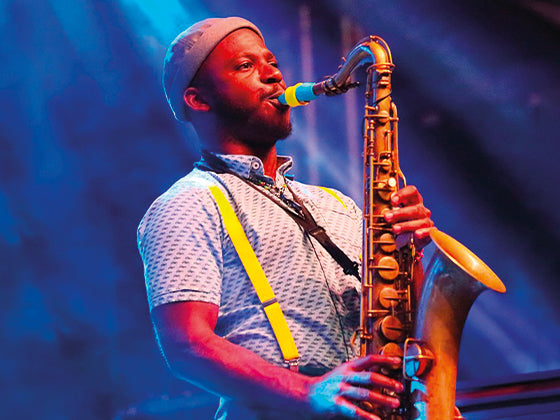
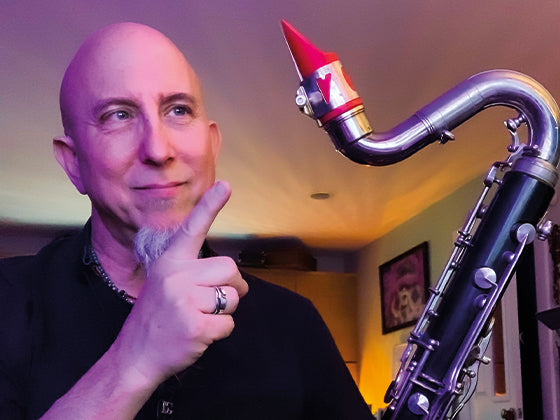
Brightness does not require metal. A non-metal mouthpiece with a high baffle is as bright and powerful as a metal one, because the brightness lives in the shape. Listen to Scott Paddock on his Syos Signature: a non-metal mouthpiece and a very bright sound.
Why there are hundreds of jazz mouthpieces and only a handful of classical ones
These three parameters can be combined in countless ways. What decides how they are combined is the sound the player is after.
Classical players share roughly the same concept of sound. One blended orchestral sound, consistent across a section, a repertoire and a career. A few reference designs are enough, so they don't need fifty.
Jazz players each look for their own sound. Bend, growl, subtone, altissimo: whisper one chorus and roar the next. That demands flexibility, and a personal sound, an identifiable voice. Multiply that by every era and style (swing, bebop, hard bop, modal, fusion, contemporary) and you get hundreds of designs, each aimed at a slightly different voice.
So a jazz mouthpiece isn't "louder" or "metal". It is a tool built for flexibility and identity, where a classical mouthpiece is a tool built for blend and consistency. It is also why a piece can be thoroughly jazz and still sound dark and warm.
Your first jazz mouthpiece, coming from a classical one

So what should a first jazz mouthpiece look like? A player who has always played on a classical mouthpiece (most teachers start their students on one) and wants a first jazz mouthpiece looks for three things:
- Flexibility: a mouthpiece that lets you build your own sound, not a one-trick piece.
- Easy playability: bending and effects are new, and the mouthpiece should not fight you.
- A moderate opening: a step up from the small classical opening, not the widest one on the shelf.
That translates into a medium baffle, medium chamber, moderate opening design. It leads into a jazz sound without going to either extreme.
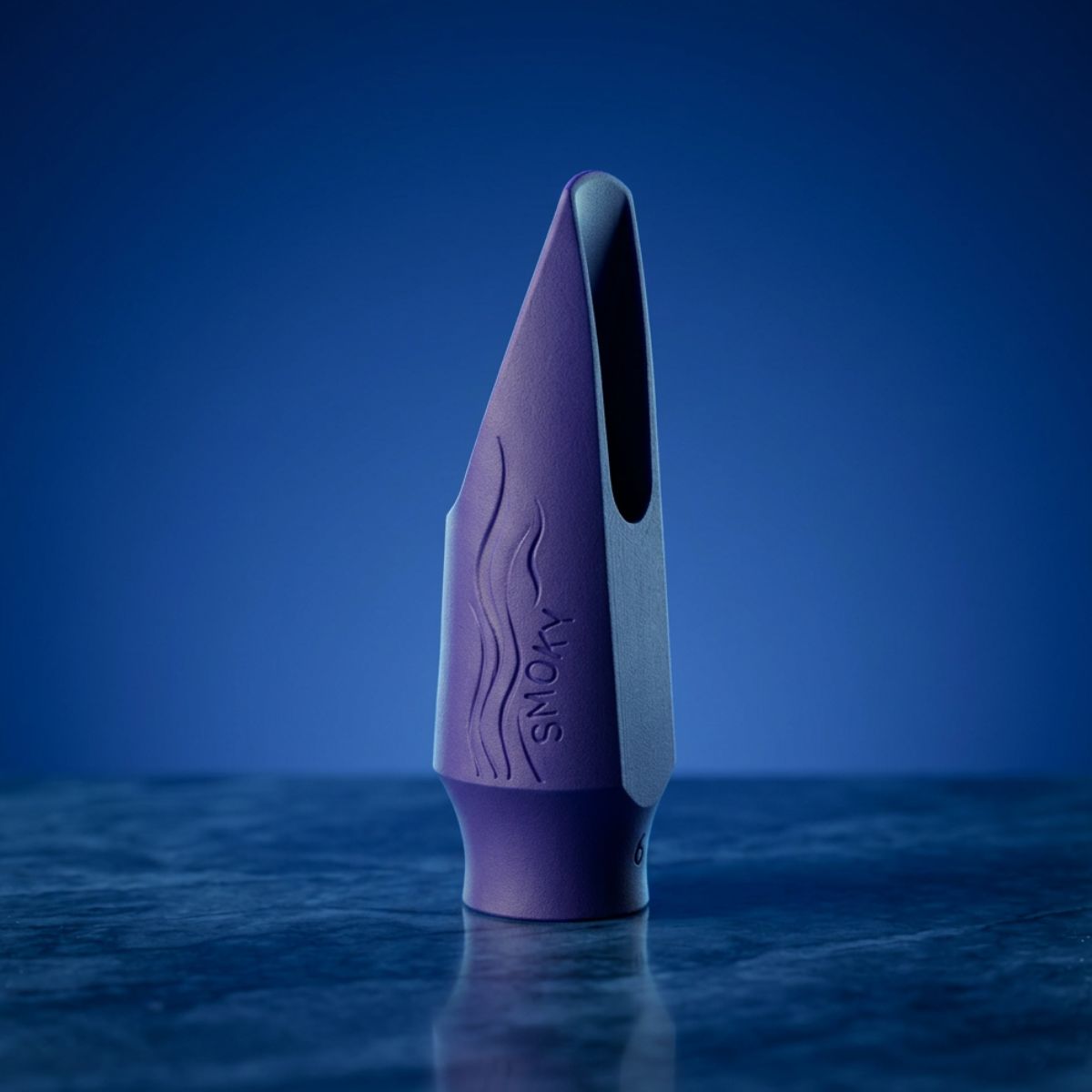
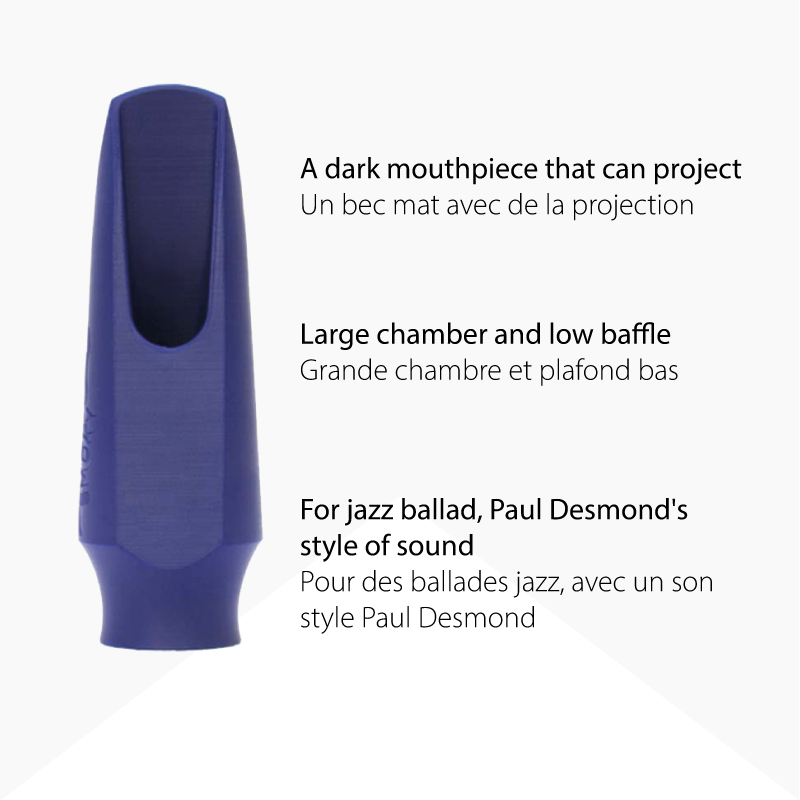
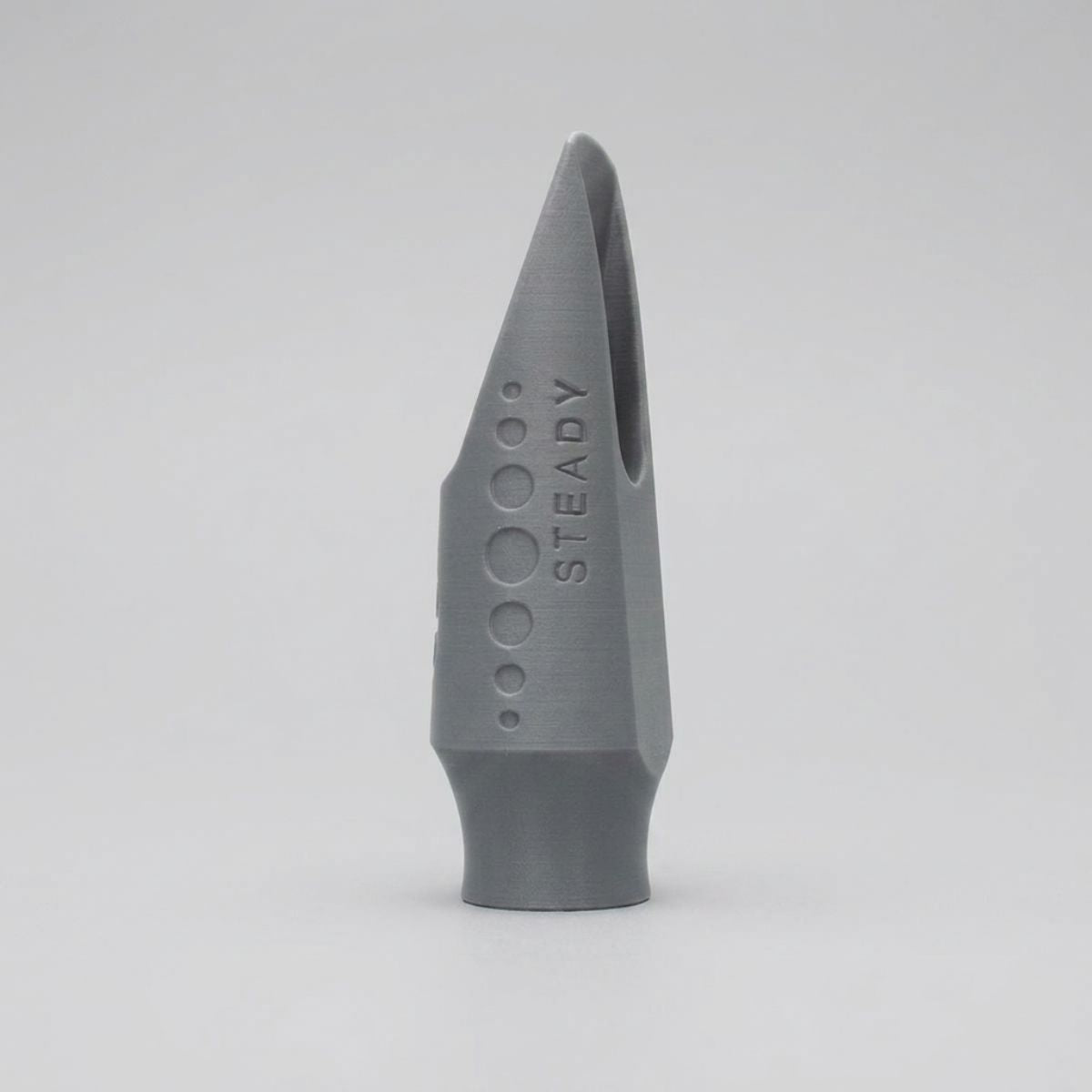
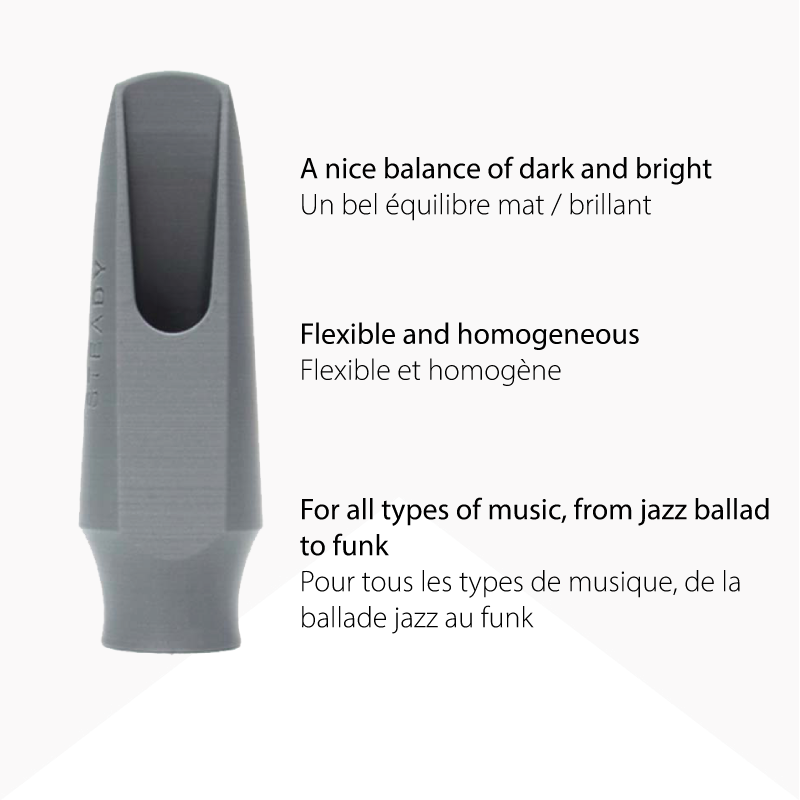
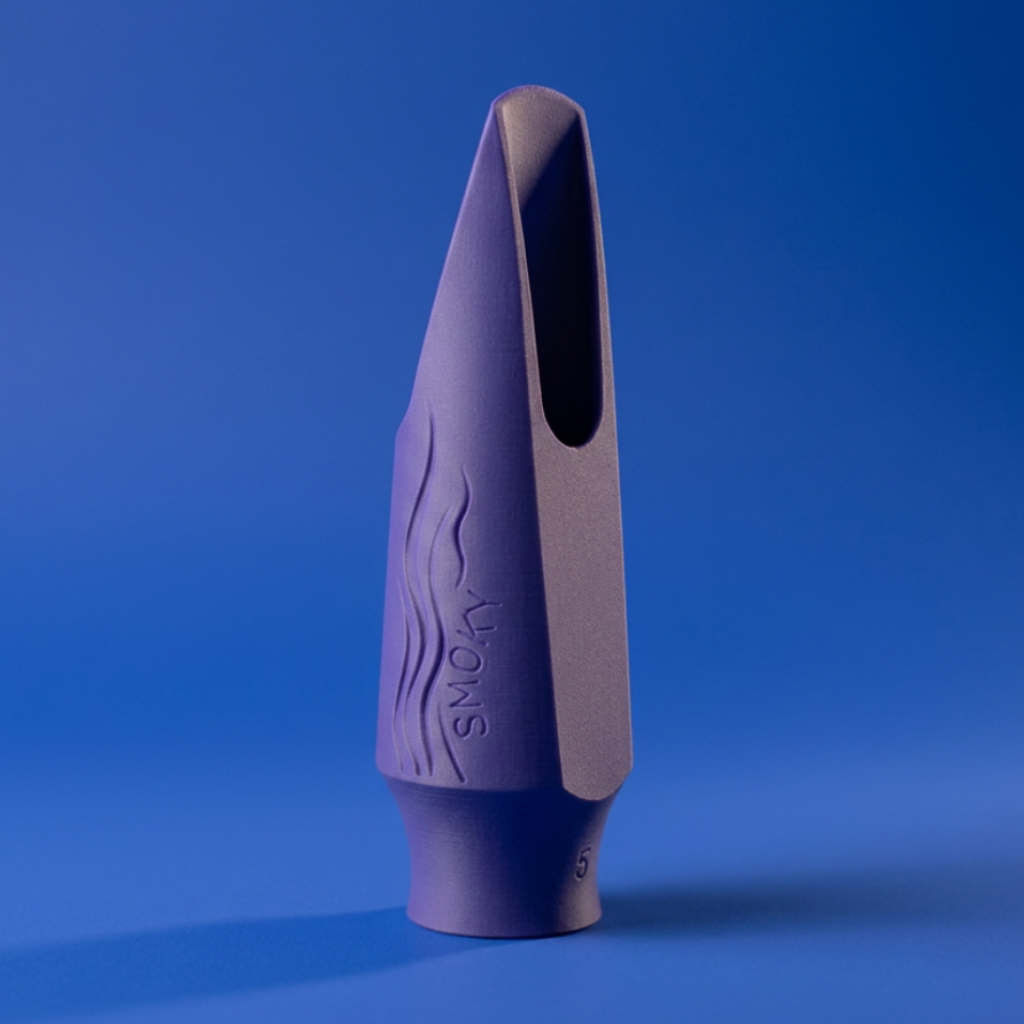
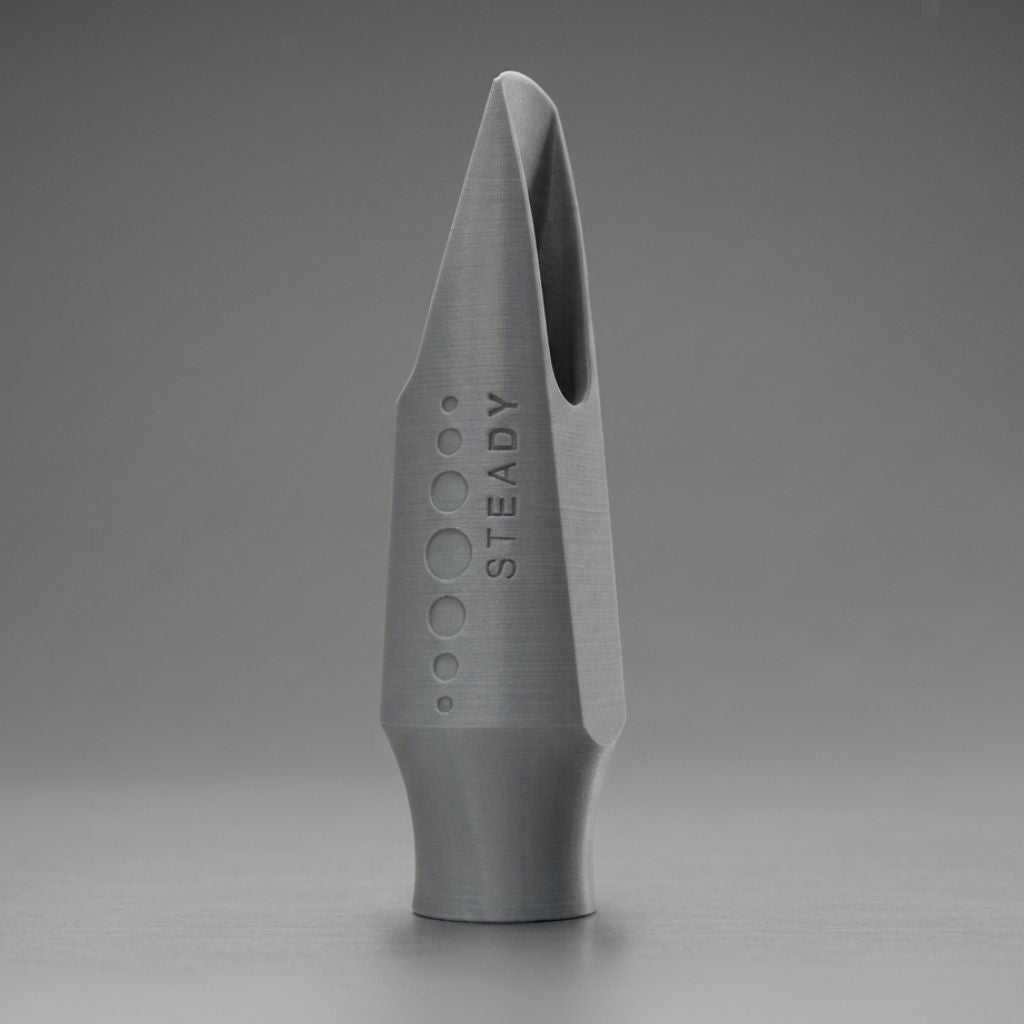
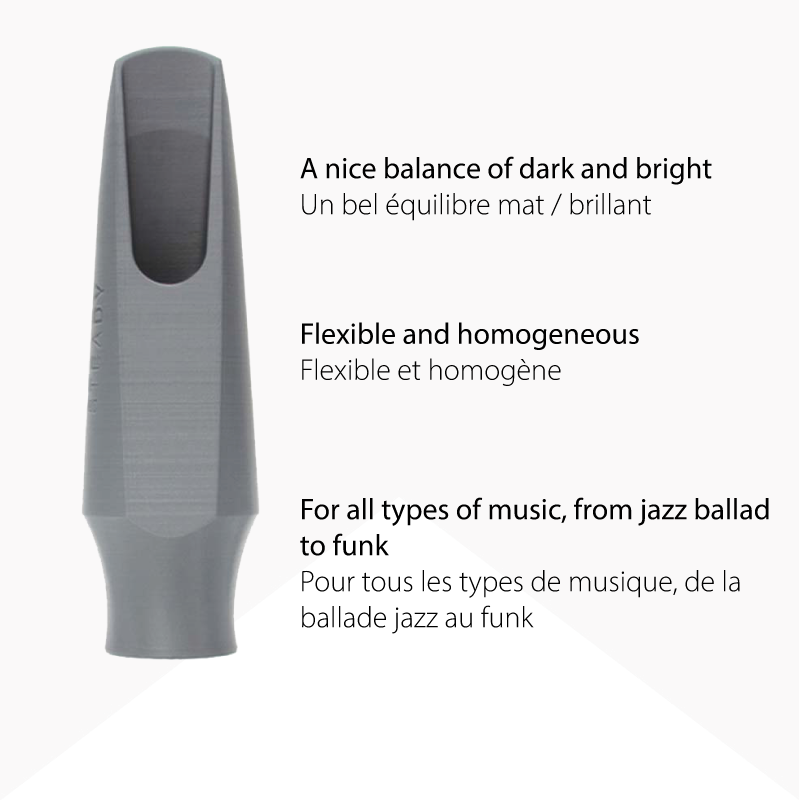
As a first jazz mouthpiece, we recommend the Smoky (alto, tenor, soprano, baritone) if you know you want a dark, mellow sound, and the Steady (soprano, alto, tenor, baritone) if you want something more all-round. For a first mouthpiece, we suggest an opening of 5 or 6 on alto, and 6 or 7 on tenor.
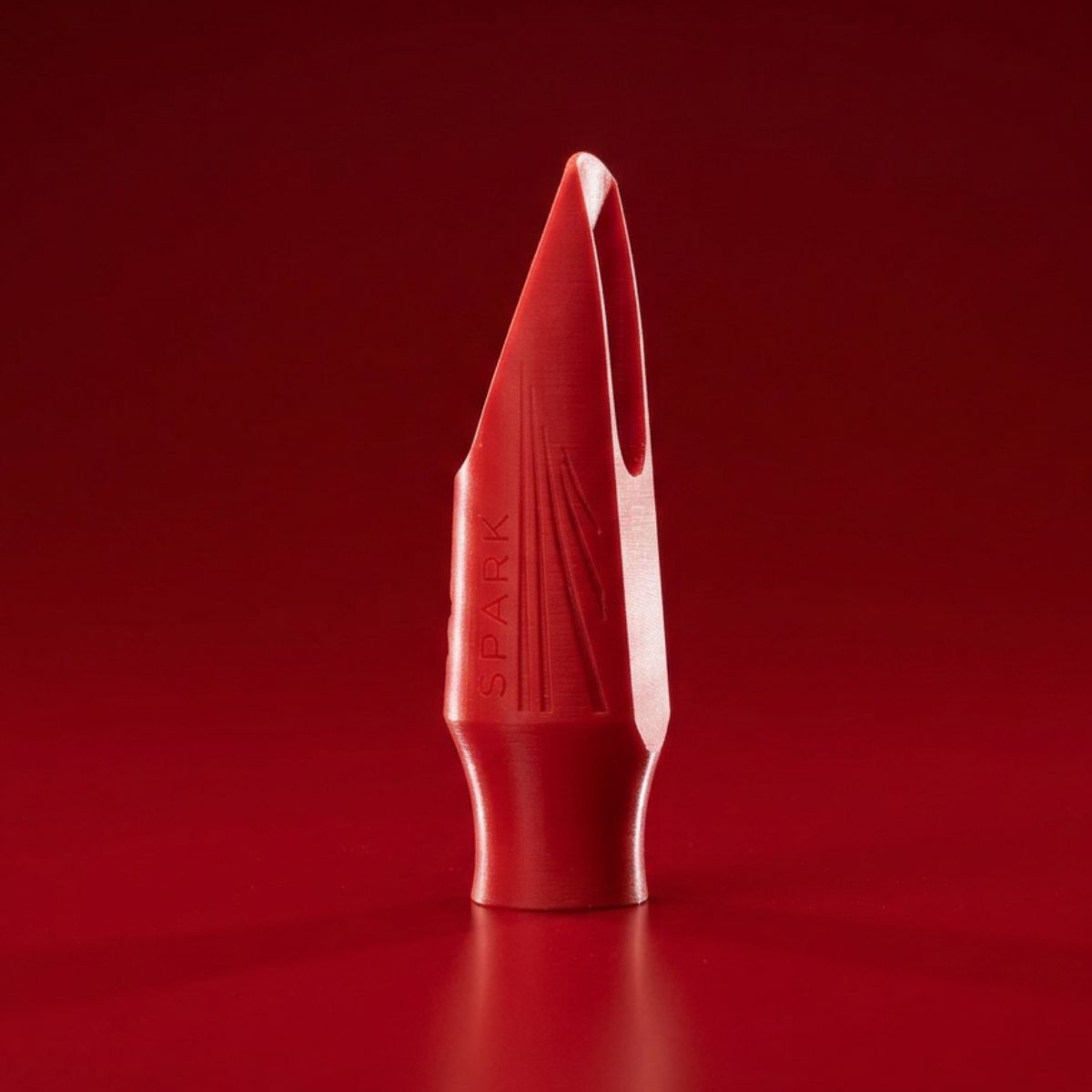
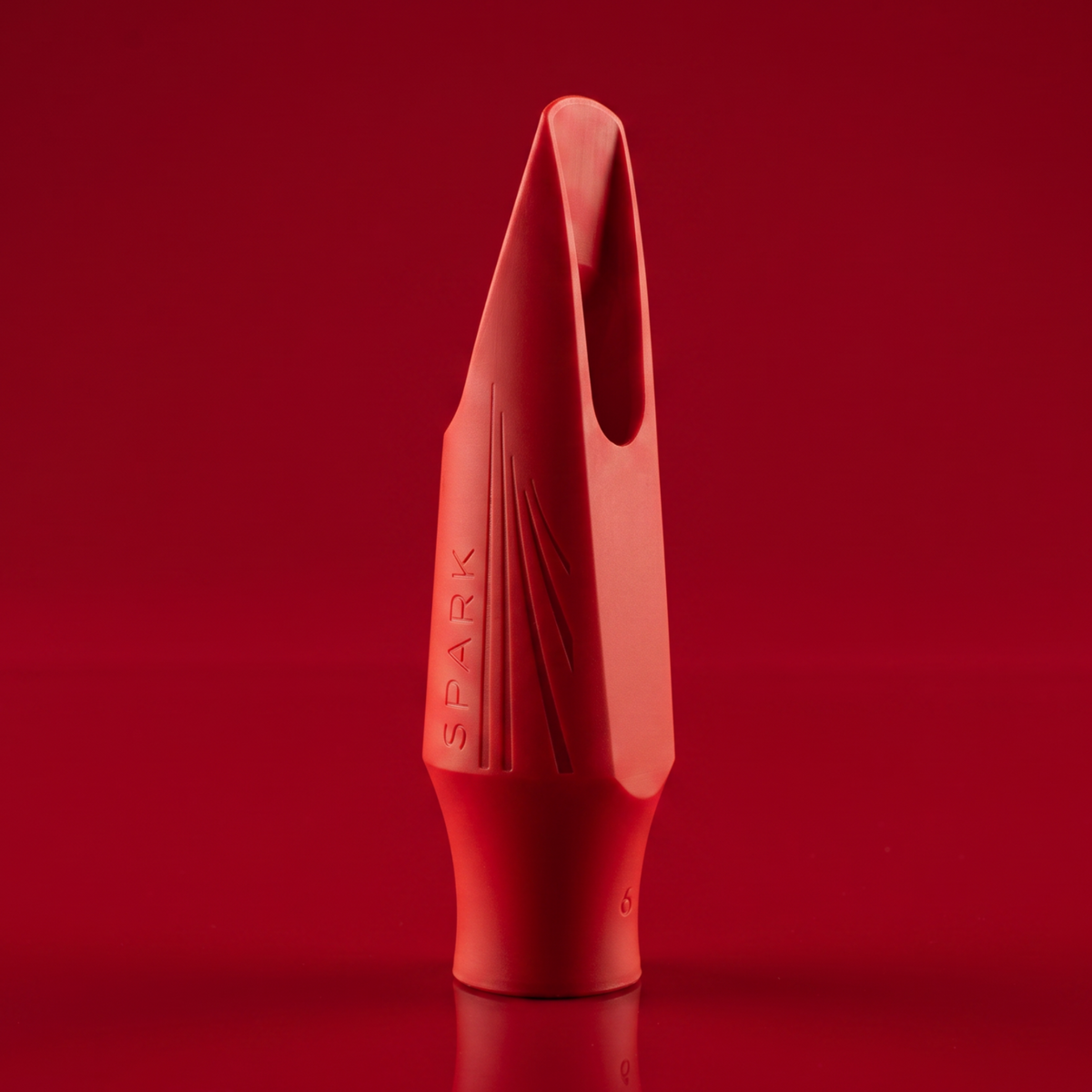
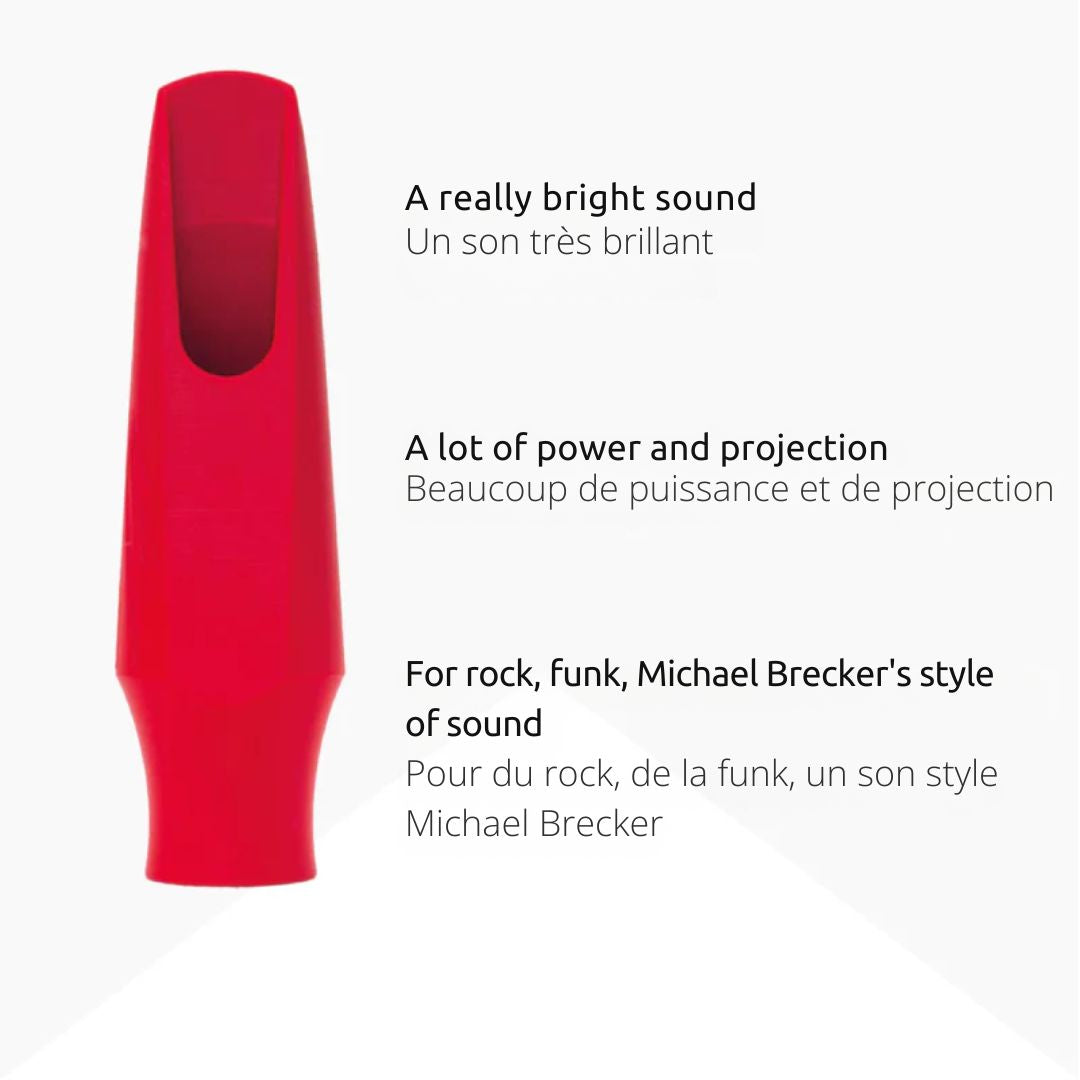
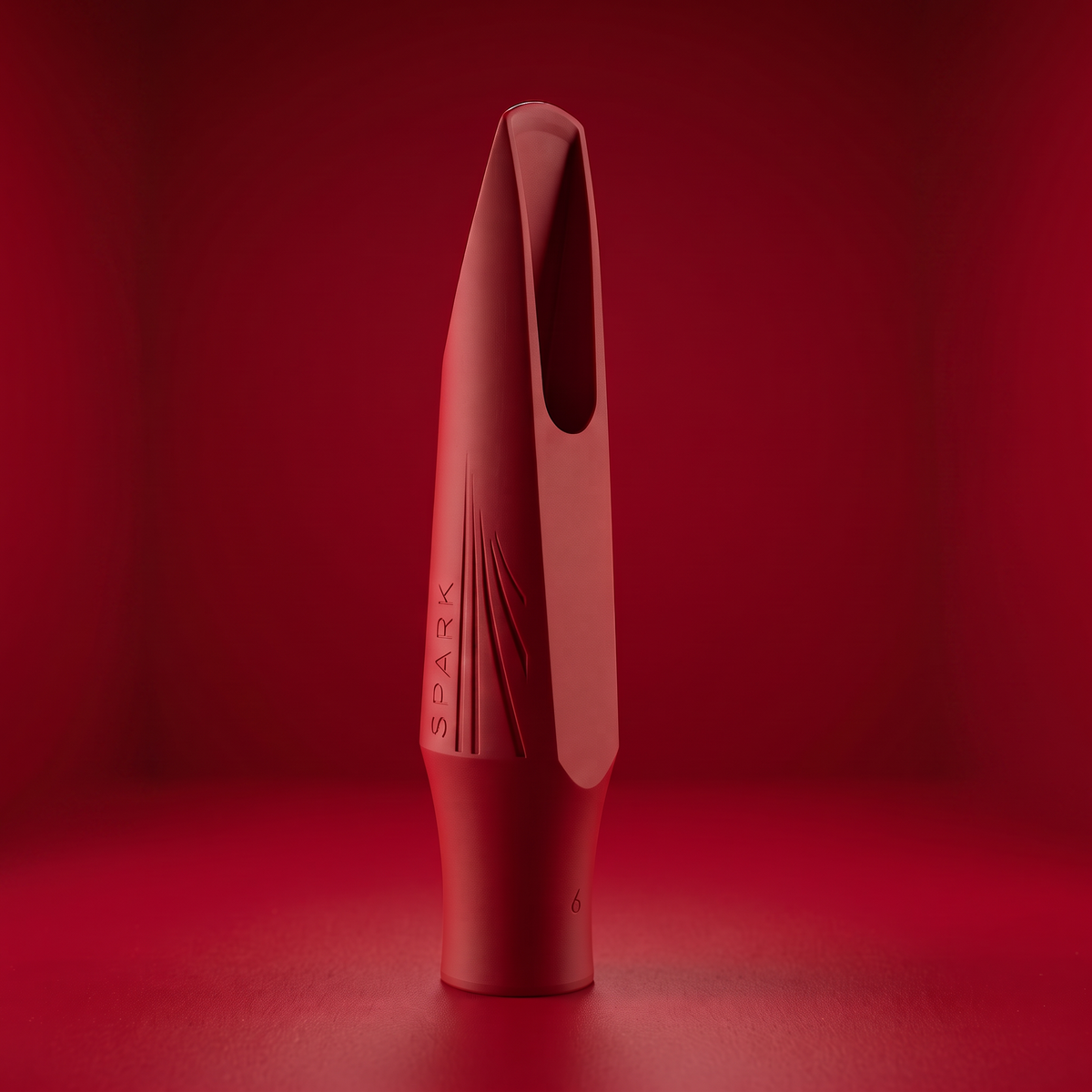
The Spark is harder to control, because of its step baffle, on alto and tenor. We keep it for players who have already played jazz mouthpieces for several years.
In short
A jazz mouthpiece differs from a classical one through the combination of its tip opening, baffle and chamber, and none of them can be left out. Together they leave room for many different sounds, which is why there are so many jazz designs and so few classical ones.
Not sure which sound you are after? Our mouthpiece quiz helps you choose.
FAQ
Is a metal mouthpiece better for jazz? No. The sound comes from the internal geometry and the facing, not the material. A high baffle gives a bright, powerful sound whether the mouthpiece is metal or not.
What tip opening should I choose for a first jazz mouthpiece? Something moderate, not the widest thing on the shelf: a 5 or a 6 on alto, a 6 or a 7 on tenor.
Can I play jazz on a classical mouthpiece? Yes, it works to get started. But the small tip opening quickly becomes limiting for projection, and the very focused, centered sound of a classical mouthpiece is not what everyone is looking for in jazz. Many players end up keeping a dedicated jazz piece for that work and switching back for classical.