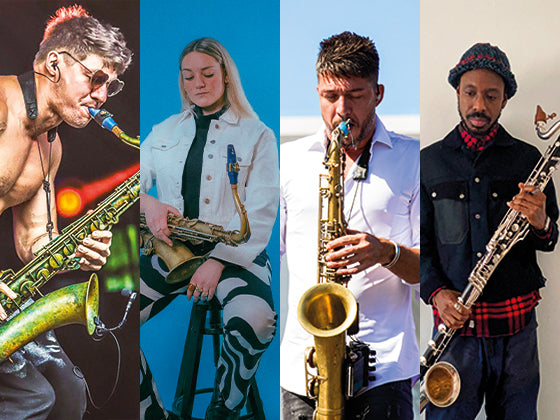

Saxophonists are obsessive about gear. Not in a bad way - in the way that a painter obsesses over pigment or a chef over knives. The instrument is the voice, and every component of the chain matters.
Here's the thing most players learn the hard way: the mouthpiece shapes your sound far more than the horn does. Two players on the same Selmer Mark VI will sound completely different if one is running a large-chamber hard rubber piece with a 5 opening and the other is on a high-baffle metal with an 8. The saxophone is the body. The mouthpiece is the personality.
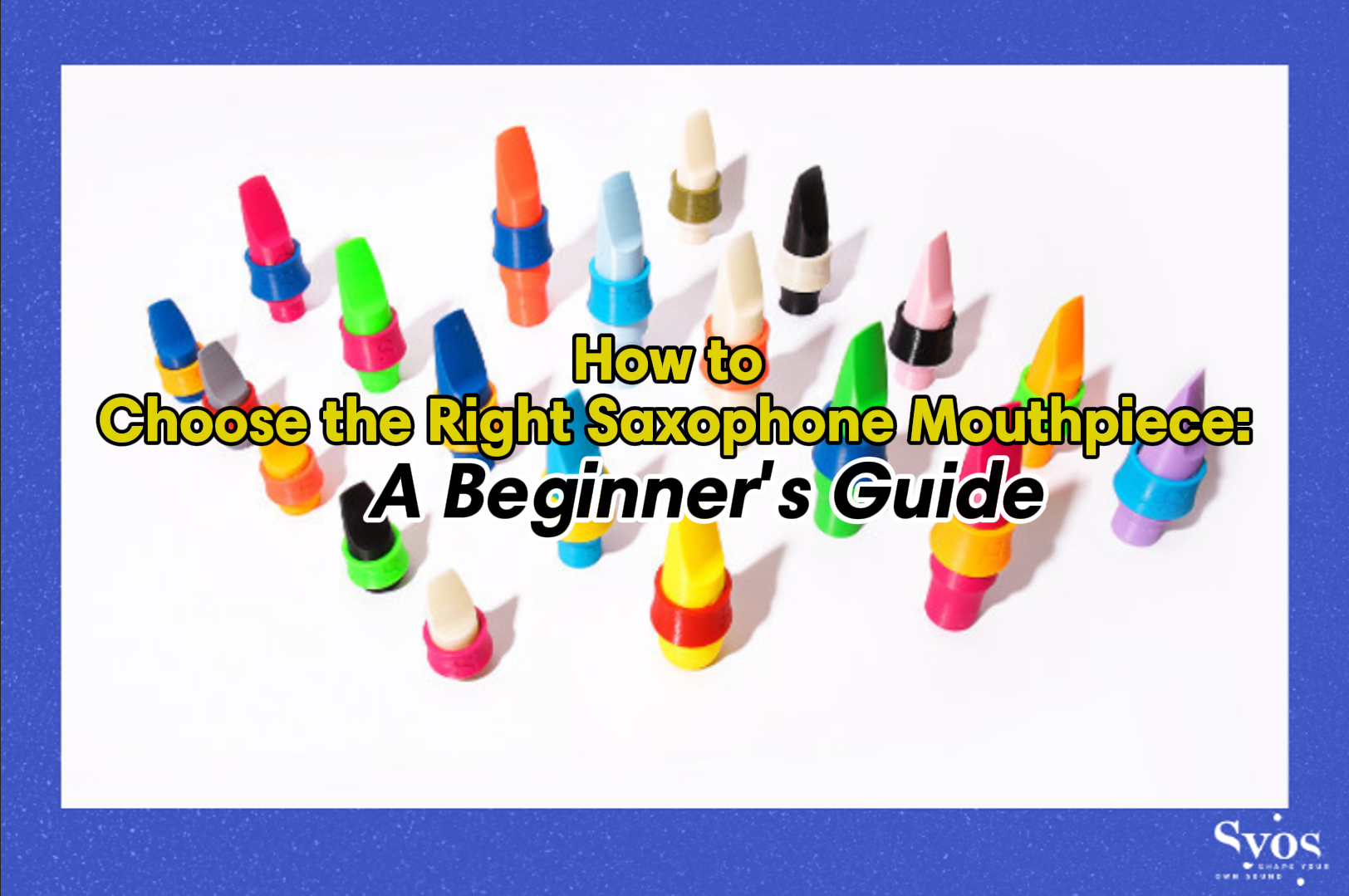
This article is a genuine reference guide. We've researched the documented setups of 12 of the most influential saxophonists in jazz history, laid them out clearly, and added a note on the closest Syos equivalent for players who want to explore that tonal direction on a modern, 3D-printed piece made in France. No fluff, no mythology - just gear, context, and sound.
The Setup Breakdown: What to Look For
Before we get into the players, here's what each component actually does.
The saxophone sets the baseline acoustic character. Vintage Selmer Mark VIs (made between roughly 1954 and 1974) are the most coveted horns in jazz for a reason - their keywork, bore, and brass alloy produce a warmth and complexity that modern horns approximate but rarely match. Conn 6Ms, King Super 20s, and Selmer Balanced Actions each have their own tonal fingerprint. The horn matters, but it's not the whole story.
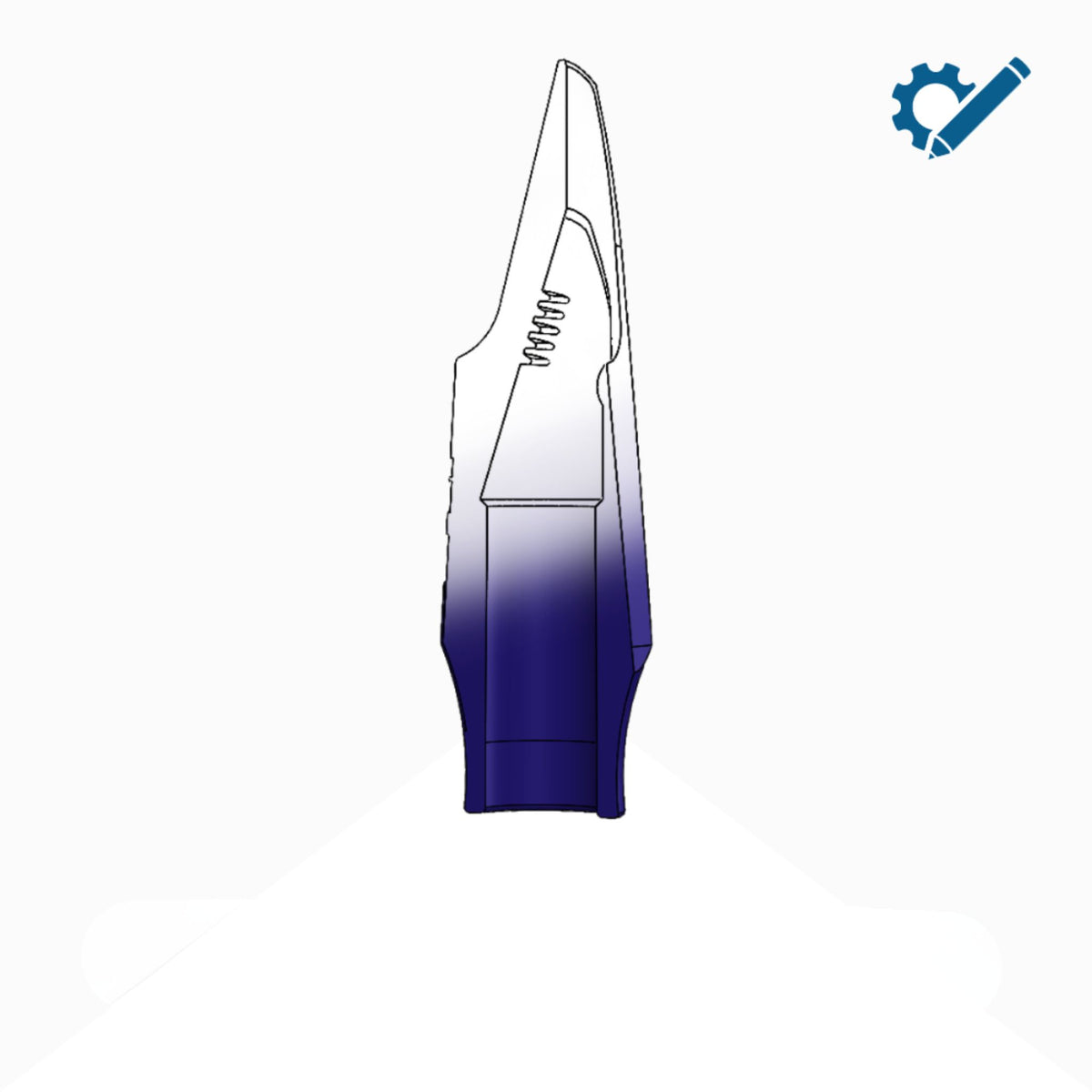
The mouthpiece is where the real magic - and the real obsession - lives. The key specs are the tip opening (how wide the gap between reed and tip rail is, measured in hundredths of an inch), the baffle (a high or step baffle = brighter, more projecting sound; a low baffle = darker, rounder), and the chamber (larger = warmer and large sound; smaller = more focused and cutting). A player can completely transform their sound by swapping mouthpieces while keeping the same horn.
The reed is the vibrating element, and its strength (typically 2 to 5, or soft to hard) determines resistance and response. Harder reeds generally produce a fuller, more controlled sound but demand more from the embouchure. Softer reeds respond more easily and can feel freer, but they can also go flat or squeak under pressure. Most jazz players land between 2.5 and 3.5 - though, as you'll see below, the legends often broke that rule entirely.
Famous Saxophone Players and Their Setups
1. Charlie Parker (Alto, Bebop)
Charlie Parker - "Bird" - didn't just play bebop, he invented it. His alto saxophone sound was raw, urgent, and impossibly fast, with a tone that cut through any room without ever sounding harsh. He played in the 1940s and early 1950s, and his influence on every alto player since is immeasurable.
|
Saxophone |
Mouthpiece |
Reed |
|---|---|---|
|
Conn 6M alto |
Brilhart Tonalin / Ebolin (various accounts also cite a metal Otto Link-type) |
Hard reeds, approx. strength 4 |
Parker's exact mouthpiece is genuinely debated - he was known to play whatever was available, including borrowed horns. A Smithsonian-documented instrument owned by Bird shows a King mouthpiece. Multiple sources point to Brilhart models (the Tonalin and Ebolin were popular alto pieces of the era). What's consistent: he favored hard reeds, around a 4, and he made every setup sound like him.
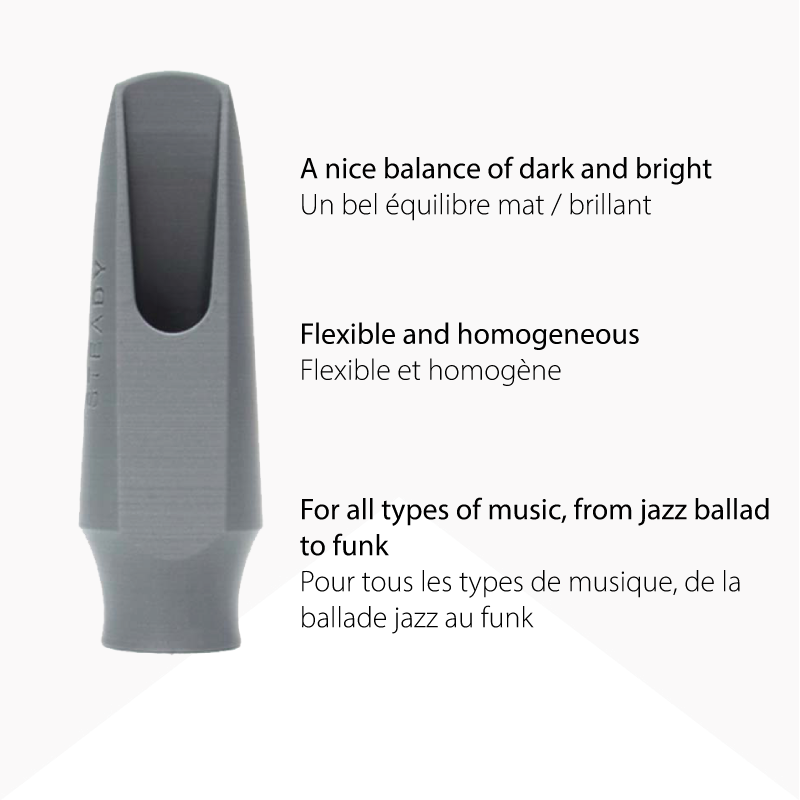
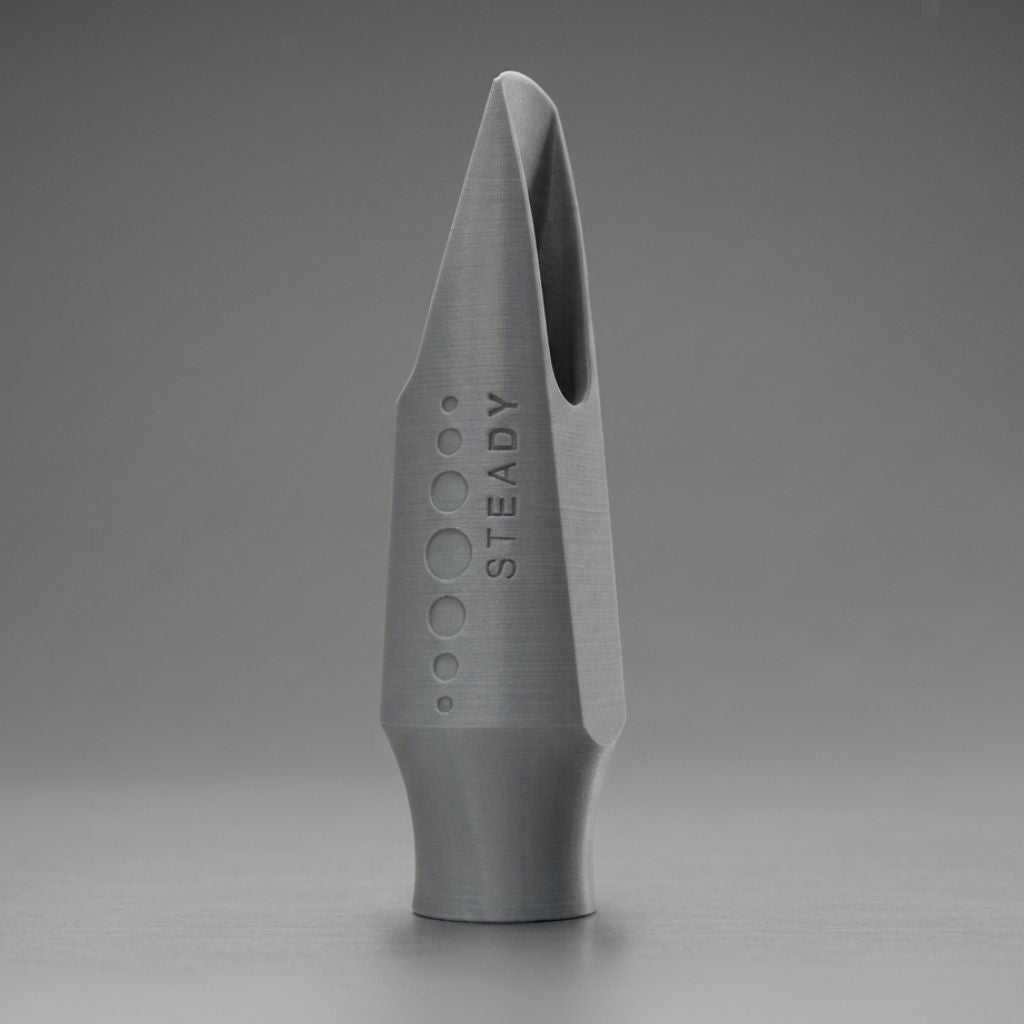
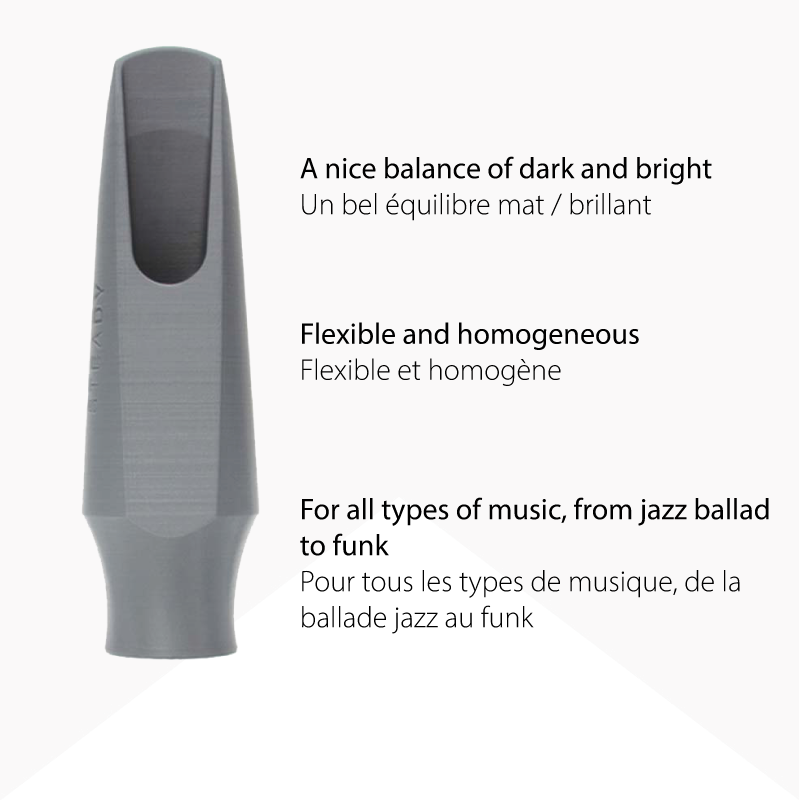
Syos equivalent: For that raw, projecting bebop alto tone - the lead voice in a big band - the Alto Originals Steady is the closest match. Balanced and precise, it gives you the clarity and presence Bird needed to cut through a full ensemble.
2. John Coltrane (Tenor & Soprano, Modal/Free Jazz)
Coltrane's sound on tenor is one of the most studied in all of music - dense, searching, and spiritually intense. From his "sheets of sound" period in the late 1950s through the free explorations of A Love Supreme (1964) and beyond, his setup evolved alongside his music.
|
Saxophone |
Mouthpiece |
Reed |
|---|---|---|
|
Selmer Mark VI tenor (also Selmer Super Balanced Action early on) |
Metal Otto Link (various periods; also hard rubber in some early-'60s photos) |
Very hard reeds - accounts range from Rico #4 to reportedly even harder |
Coltrane was famously experimental with his setup. He'd work through reeds obsessively, testing combinations until something clicked. The metal Otto Link gave him that broad, slightly edgy tenor spread. His reed choices were extreme - he reportedly used very hard reeds that most players would find unplayable, which contributed to the physical intensity of his sound.
Syos equivalent: Coltrane's tenor sound was dark, massive, and spiritually intense. The In a Sentimental Mood tenor mouthpiece is the closest match in the Syos lineup - a piece designed with Coltrane's sound in mind, built for that same searching, resonant depth. If you want to go further into what made Coltrane's sound so singular, our article on the mystery of his sound is worth your time.
3. Sonny Rollins (Tenor, Hard Bop)
Rollins is the colossus. His tone is massive - big, brassy, and authoritative - and his melodic invention is unmatched in hard bop. He's been playing since the early 1950s and is one of the defining voices of the tenor saxophone.
|
Saxophone |
Mouthpiece |
Reed |
|---|---|---|
|
Selmer Mark VI tenor |
Berg Larsen Stainless Steel 130/0 tenor mouthpiece |
Vandoren strength 4 |
The Berg Larsen Stainless Steel 130/0 is a high-baffle metal mouthpiece - bright, powerful, and projecting. It's a surprising choice for someone often associated with a "big" sound, but Rollins's tone was never soft: it was massive and authoritative, and the Berg Larsen gave him the edge and projection to fill any room. His Vandoren 4s added the resistance that gave him that characteristic weight and density.
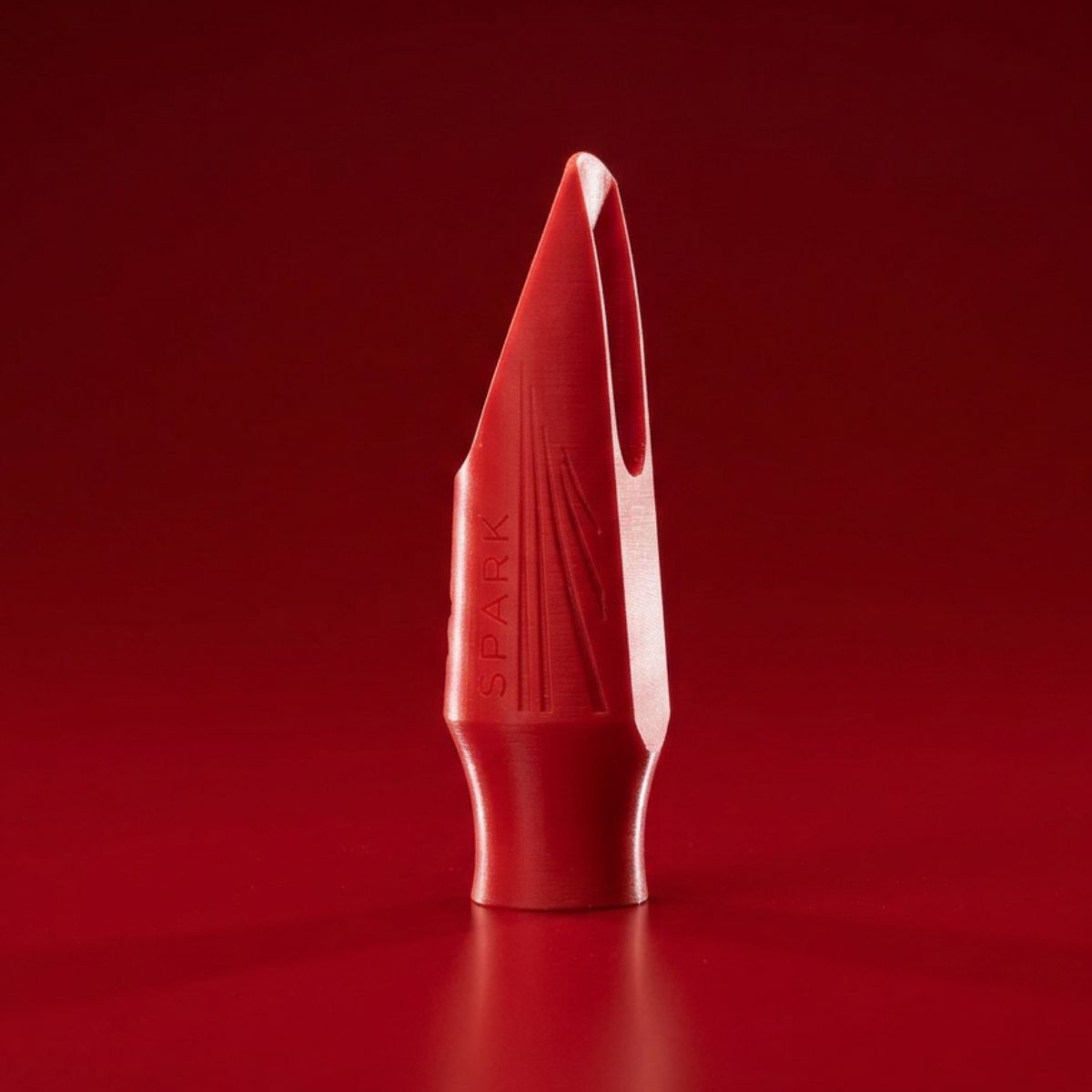
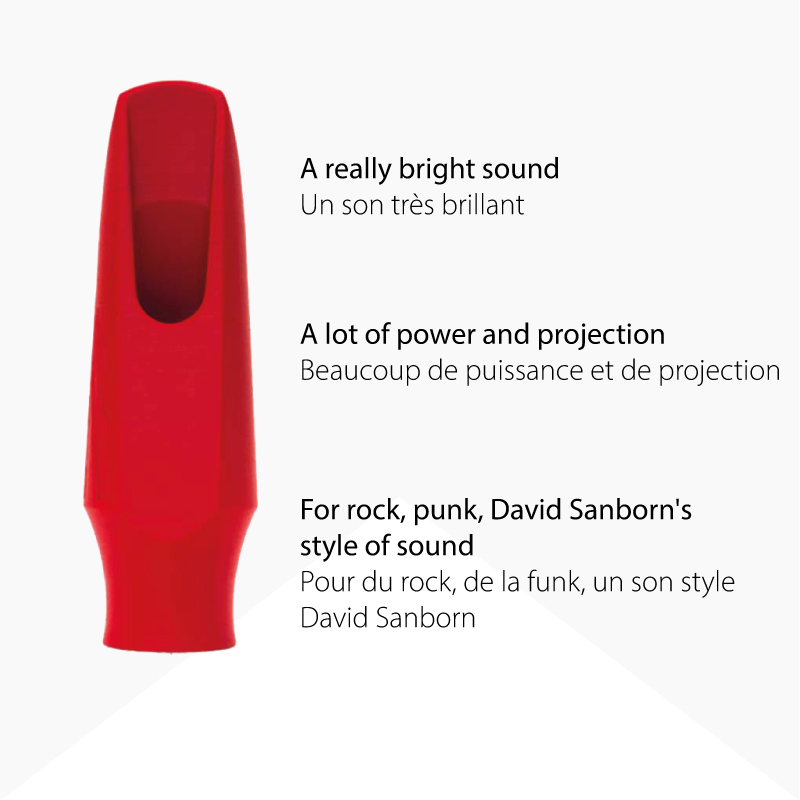
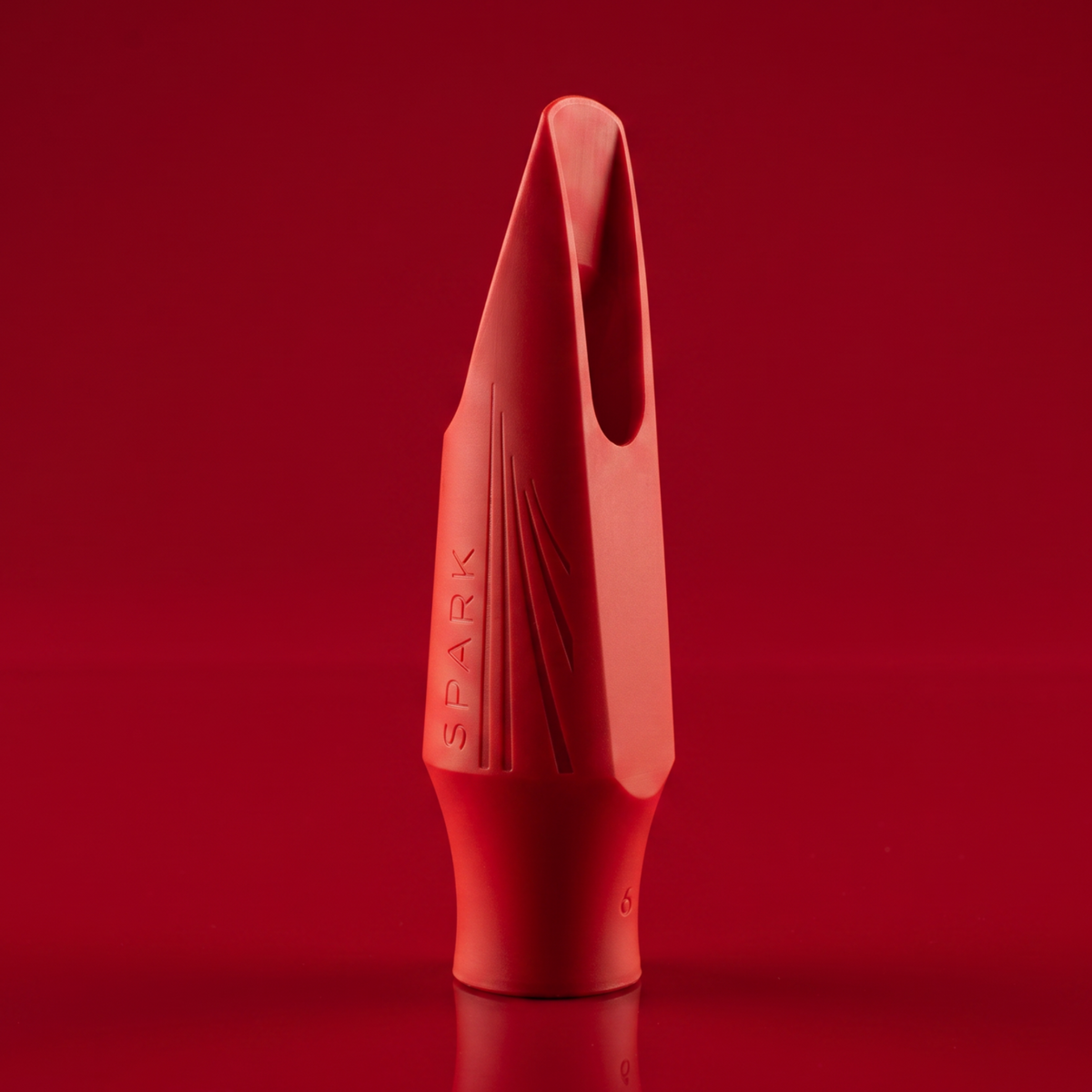
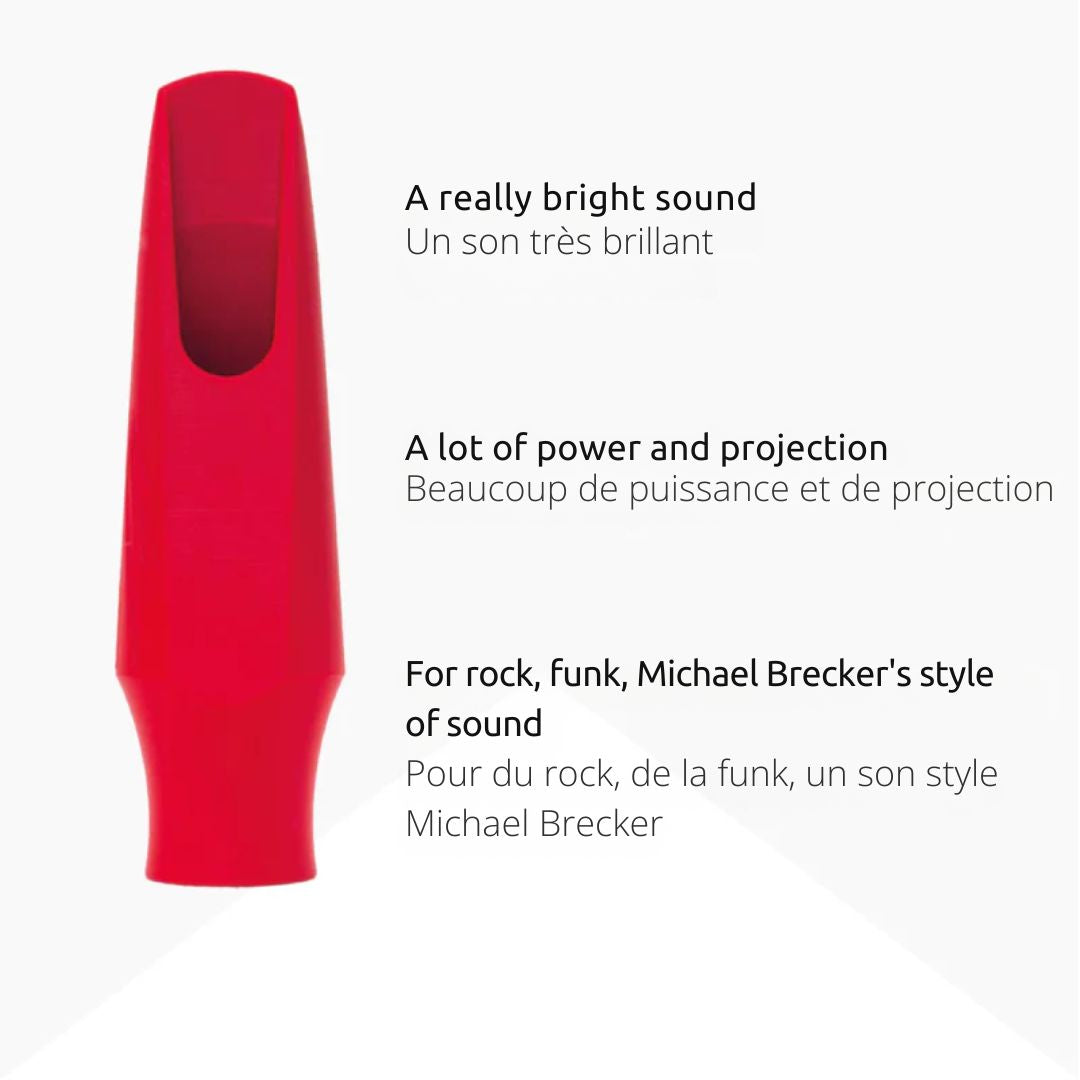
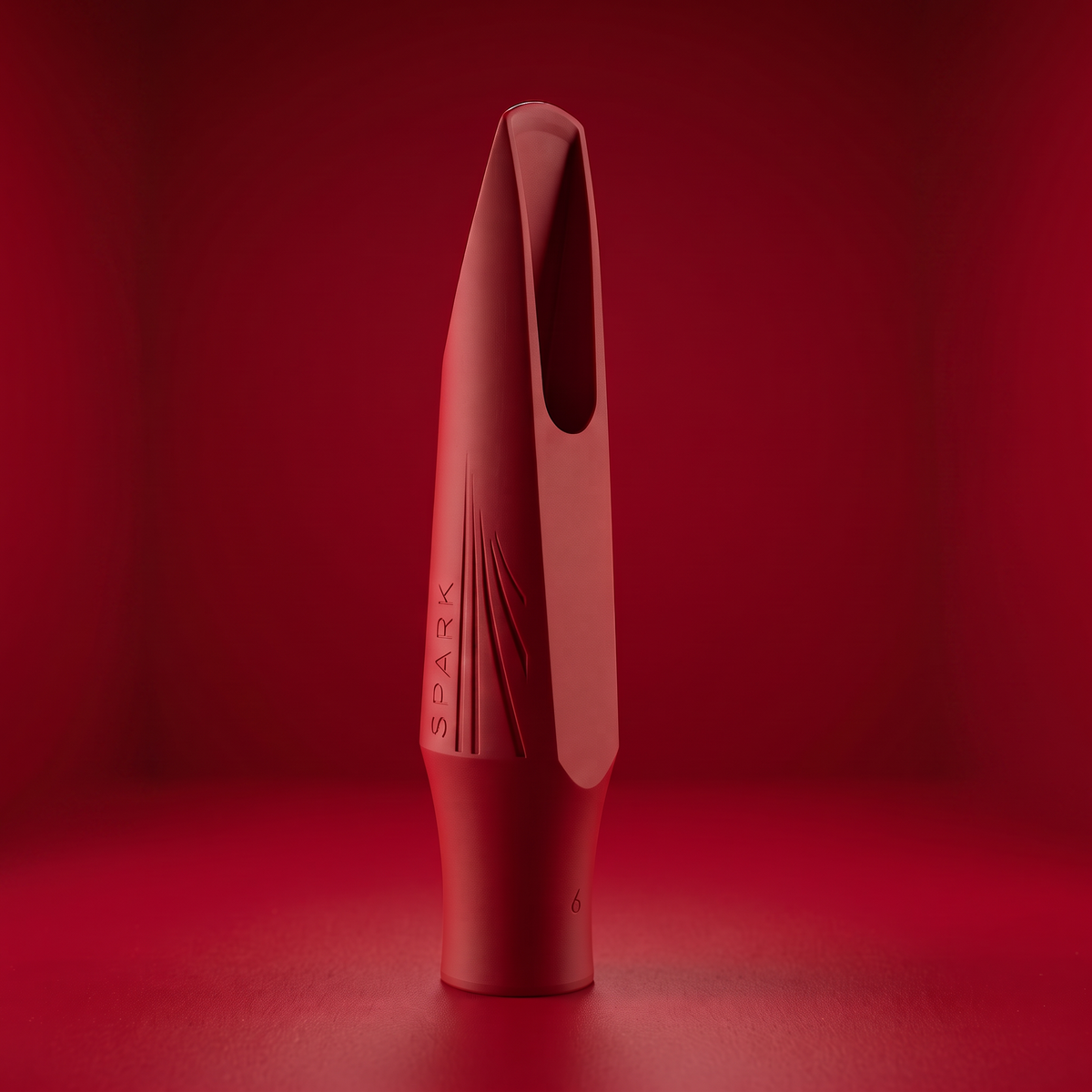
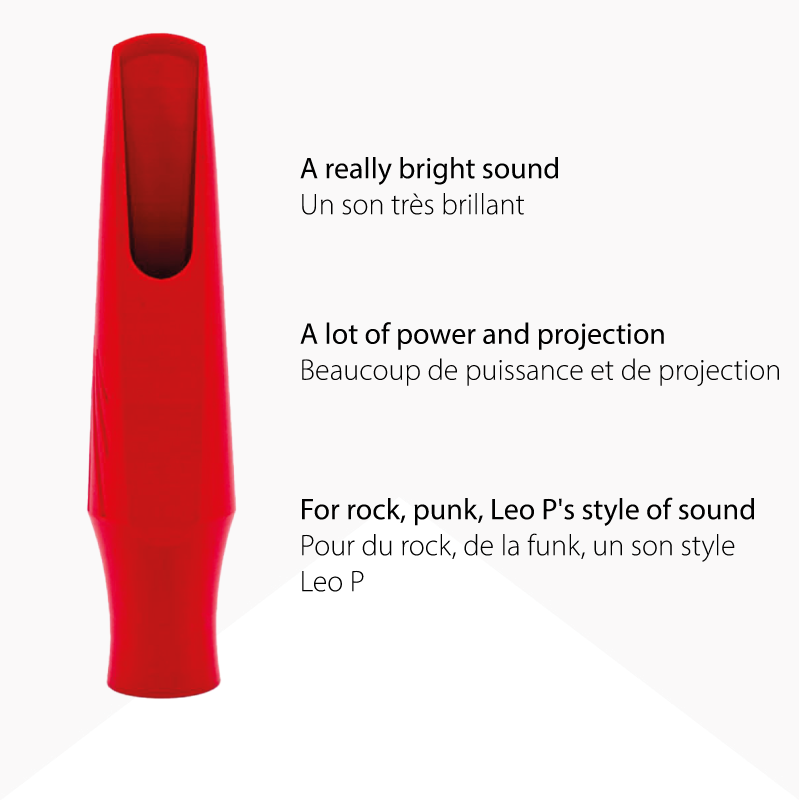
Syos equivalent: Bright, powerful, and built to project - the Tenor Originals Spark is the natural match for Rollins's commanding tenor voice. High baffle, strong presence, built for players who need to be heard.
4. Michael Brecker (Tenor, Fusion/Jazz)
Michael Brecker is the most influential tenor saxophonist of the last 50 years, full stop. His technique was superhuman, his harmonic vocabulary was encyclopedic, and his tone - bright, powerful, and perfectly controlled - defined what a modern jazz-fusion tenor could sound like. He passed away in January 2007, leaving behind a catalog that still sounds ahead of its time.
|
Saxophone |
Mouthpiece |
Reed |
|---|---|---|
|
Selmer Mark VI tenor |
Dave Guardala custom tenor mouthpiece (step baffle) |
LaVoz medium reeds |
Brecker worked with mouthpiece maker Dave Guardala to develop a piece with a step baffle - a design that creates a sharp increase in the baffle height, producing extreme brightness and projection while maintaining a broad, spreading tone quality. The result was the sound you hear on Don't Try This at Home (1988) and Pilgrimage (2007). The LaVoz mediums gave him responsiveness without sacrificing control.
Syos equivalent: Bright, powerful, and with that characteristic step-baffle edge - the Scott Paddock Tenor Signature is the Brecker equivalent in the Syos lineup. Designed for a modern, projecting tenor sound with serious presence. You can also read more about the brightness of the saxophone tone from Desmond to Brecker in our blog.
5. Cannonball Adderley (Alto, Hard Bop/Soul Jazz)
Julian "Cannonball" Adderley had one of the most immediately recognizable alto sounds in jazz - fat, soulful, and warm, with a bluesy edge that made him the bridge between bebop and soul jazz. His work on Miles Davis's Kind of Blue (1959) and his own Mercy, Mercy, Mercy! (1966) remain essential listening.
|
Saxophone |
Mouthpiece |
Reed |
|---|---|---|
|
King Super 20 alto (later Selmer Mark VI) |
Meyer NY 5 medium chamber alto mouthpiece |
Rico #2 / LaVoz medium |
The Meyer NY 5 is a classic jazz alto mouthpiece - medium chamber, moderate baffle - and it's been the go-to for warm, singing alto tones for decades. Cannonball's sound was never thin or bright; it was round and full, and the Meyer delivered exactly that. He was reportedly very selective about his reeds, going through boxes to find the few that responded the way he wanted.
Syos equivalent: Warm, soulful, and deeply expressive - the Patrick Bartley Alto Signature is the Cannonball equivalent in the Syos lineup. Patrick Bartley is a modern alto voice rooted in the same hard bop and soul jazz tradition, and his signature piece delivers exactly that fat, singing alto character.
6. Stan Getz (Tenor, Bossa Nova/Cool Jazz)
Stan Getz earned the nickname "The Sound" for a reason. His tenor tone was luminous - warm but clear, lyrical without being saccharine, and instantly identifiable. He defined cool jazz tenor playing and brought bossa nova to the world with Getz/Gilberto (1964).
|
Saxophone |
Mouthpiece |
Reed |
|---|---|---|
|
Selmer Mark VI tenor |
Otto Link Tone Edge hard rubber (various tip openings, reportedly 5★ to 7★ in different periods) |
Vandoren 3 or 3.5 |
Getz's hard rubber Otto Link gave him that characteristic warmth and slight darkness - a very different sound from the metal Link players like Coltrane favored. The Vandoren 3-3.5 reeds kept things responsive and singing. His sound was proof that a relatively modest tip opening in skilled hands can produce extraordinary results.
Syos equivalent: Warm, lyrical, and luminous - the Sylvain Rifflet Tenor Signature is the Getz equivalent in the Syos lineup. Sylvain Rifflet is a French tenor player known for his refined, singing tone - the same tonal philosophy Getz embodied. You can read more about their connection in our article on Stan Getz and Sylvain Rifflet.
7. Wayne Shorter (Tenor & Soprano, Post-Bop)
Wayne Shorter is one of the most important composers and improvisers in jazz history - a key voice in Art Blakey's Jazz Messengers, Miles Davis's Second Great Quintet, and Weather Report. His soprano playing in particular became a new benchmark for the instrument. He passed away in March 2023.
|
Saxophone |
Mouthpiece |
Reed |
|---|---|---|
|
Selmer Mark VI tenor / Selmer Series III tenor (soprano also Selmer) |
Otto Link Slant Signature (soprano, tip opening ~10); Otto Link Florida / metal Lebayle (tenor) |
LaVoz medium (anecdotal) |
Shorter favored large tip openings - a 10 on soprano is a wide, demanding setup that rewards players with strong embouchure control. His tone was dark and mysterious on tenor, more focused and penetrating on soprano. The large openings gave him the dynamic range and expressiveness his music demanded.
Syos equivalent: Dark, complex, and searching - the Max Ionata Tenor Signature is the Shorter equivalent in the Syos lineup. Max Ionata is one of Italy's leading jazz tenor voices, and his signature piece delivers the warm, mysterious depth that defined Shorter's tenor sound.
8. Lester Young (Tenor, Swing/Cool Jazz)
Lester Young - "Pres" - was the first great tenor voice to break from Coleman Hawkins's heavy, vibrato-laden style. His sound was light, airy, and lyrical, with a relaxed swing feel that directly influenced cool jazz and every melodic tenor player since. He was Charlie Parker's closest musical ally and died in 1959.
|
Saxophone |
Mouthpiece |
Reed |
|---|---|---|
|
Conn 10M tenor ("Naked Lady") |
Metal Otto Link (various; reportedly a wide tip opening) |
Soft reeds, approx. strength 2.5 |
Young's light, floating tone came partly from his unique embouchure (he held the horn at an angle) and partly from his preference for a relatively open metal mouthpiece with soft reeds - the opposite of the heavy, resistant setups many of his contemporaries favored. The result was a sound that seemed to float above the rhythm section rather than push through it.
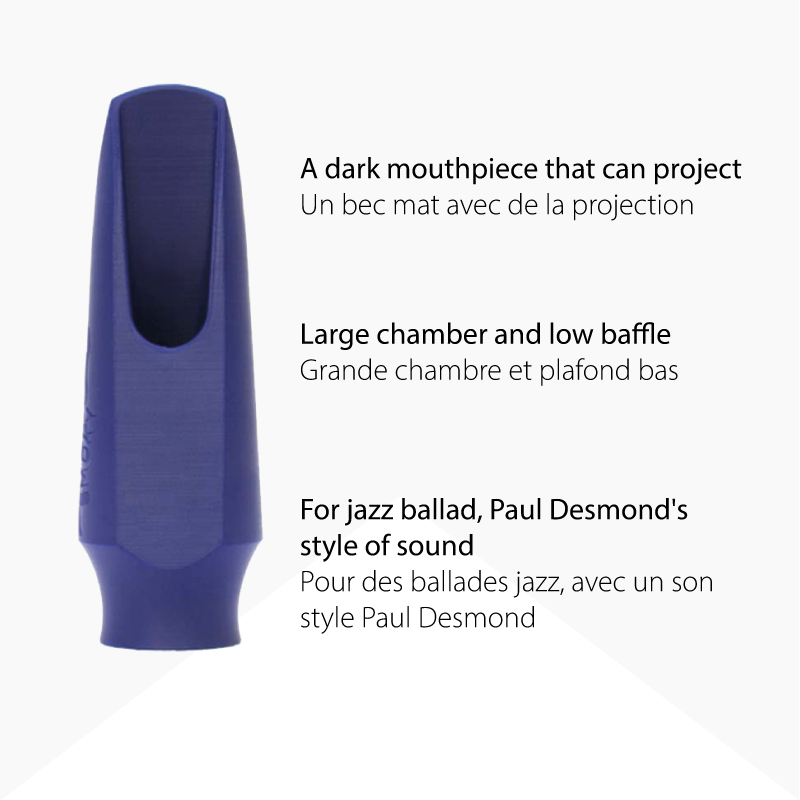
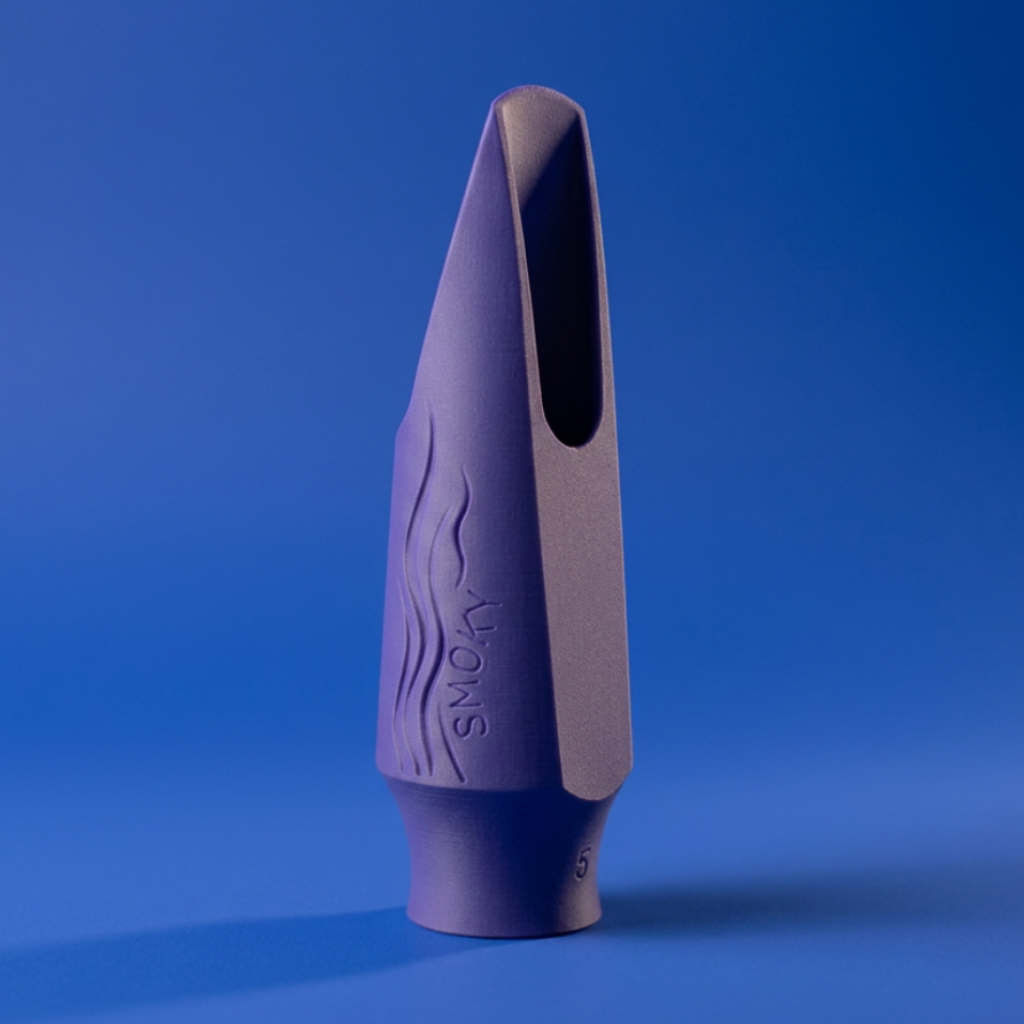
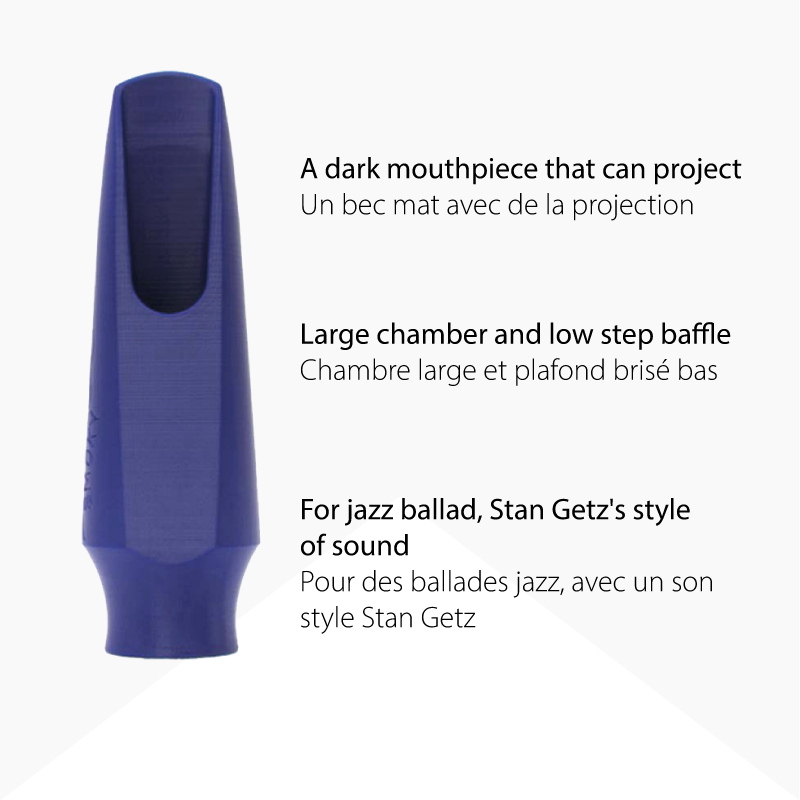
Syos equivalent: Light, airy, and lyrical - the Tenor Originals Smoky captures that warm, round, low-resistance character. For players who want Pres's effortless, singing quality.
9. Coleman Hawkins (Tenor, Swing/Bebop)
Coleman Hawkins essentially invented the tenor saxophone as a jazz instrument. His 1939 recording of "Body and Soul" is one of the most important in jazz history. His sound was quite fat and dark, and harmonically sophisticated - a direct ancestor of every hard bop tenor player who followed.
|
Saxophone |
Mouthpiece |
Reed |
|---|---|---|
|
Selmer Balanced Action tenor (later Selmer Mark VI) |
Hard rubber Otto Link Tone Edge (large chamber, low baffle) |
Hard reeds, approx. strength 3.5-4 |
Hawkins favored a large-chamber, low-baffle hard rubber mouthpiece - the classic warm tenor setup. His hard reeds gave him the density and weight that made his sound so authoritative. He was one of the first jazz musicians to take harmonic improvisation seriously, and his setup reflected that: a sound built for complexity and depth.
Syos equivalent: Quite fat and dark, with that unmistakable harmonic richness - the Robert Martin Tenor Signature is the natural fit. Built for players who want that same authoritative weight and depth at the bottom end of the tenor's register.
10. Ornette Coleman (Alto, Free Jazz)
Ornette Coleman didn't just play free jazz - he invented it. His 1960 album The Shape of Jazz to Come changed what improvisation could mean. His alto sound was raw, vocal, and deeply blues-rooted - emotional before it was technical.
|
Saxophone |
Mouthpiece |
Reed |
|---|---|---|
|
Grafton acrylic alto (early career); later Martin Committee alto |
Hard rubber alto mouthpiece (various; he was not known for specific mouthpiece obsession) |
Medium reeds |
Ornette was famously indifferent to gear orthodoxy - he played a white plastic Grafton alto for much of his early career, a choice that scandalized the jazz world at the time. His sound was entirely in his conception and his embouchure, not in premium equipment. He later moved to a Martin Committee, but the sound remained unmistakably his.
Syos equivalent: Raw, vocal, and expressive - the Greg Osby Alto Signature gives you the presence and directness that Ornette's playing demanded. Not about refinement - about voice.
11. Dexter Gordon (Tenor, Hard Bop)
Dexter Gordon was the first great bebop tenor saxophonist and one of the most influential voices in jazz history. His sound was huge - warm, dark, and deeply swinging - and his laid-back phrasing (always slightly behind the beat) became a defining feature of hard bop tenor playing. He died in 1990.
|
Saxophone |
Mouthpiece |
Reed |
|---|---|---|
|
Selmer Mark VI tenor |
Hard rubber Otto Link Tone Edge (large chamber; reportedly tip opening 7-8) |
Vandoren strength 3-3.5 |
Gordon's massive, dark sound came from a classic large-chamber hard rubber setup - an Otto Link Tone Edge with a medium-wide tip opening. His Vandoren 3-3.5 reeds gave him the right balance of resistance and response for his laid-back, behind-the-beat phrasing. His sound was built for ballads as much as up-tempo blowing.
Syos equivalent: Warm, dark, and authoritative - the Tenor Originals Smoky is the Dexter direction. Large chamber, low baffle, built for that deep, resonant hard bop voice.
12. Paul Desmond (Alto, Cool Jazz)
Paul Desmond is the author of "Take Five" and the alto voice of the Dave Brubeck Quartet. His sound was the most distinctive in cool jazz - pure, clear, and almost impossibly refined. He famously described wanting his tone to sound "like a dry martini." He died in 1977.
|
Saxophone |
Mouthpiece |
Reed |
|---|---|---|
|
Selmer Mark VI alto |
Selmer Soloist alto (hard rubber, medium chamber, medium-low baffle) |
Vandoren strength 2.5 |
Desmond's crystalline tone came from a Selmer Soloist - a medium-chamber, medium-low baffle piece that sits between the warmth of a Meyer and the brightness of a metal mouthpiece. His Vandoren 2.5 reeds were notably soft for a professional player, which contributed to the ease and airiness of his sound. He was meticulous about his setup and rarely changed it.
Syos equivalent: Pure and luminous, with a warm roundness underneath the clarity - the Alto Originals Smoky captures that refined, airy character. You can also read more about Desmond's tonal approach in our article on the brightness of the saxophone tone.
What Makes a Setup "Right"?
There's no universal answer - and that's the point.
The tip opening is usually where players start. A narrower opening (say, 5 or 6) requires less air and gives more control; a wider opening (8, 9, 10) demands more from the embouchure but rewards you with more dynamic range and expressiveness. Most jazz players land somewhere between 6 and 9, depending on their style and physical setup.
The baffle is the most dramatic tone-shaping element inside the mouthpiece. A high or step baffle reflects air upward toward the reed, creating brightness and projection - think Brecker, think Rollins. A low baffle lets the air spread more freely, producing warmth and roundness - think Hawkins, think Getz. The chamber works in tandem: a larger chamber adds warmth and complexity; a smaller, more cylindrical chamber focuses and brightens the sound.
Reed strength is deeply personal and changes with temperature, humidity, and embouchure fatigue. Most players experiment constantly. The key is matching reed strength to tip opening - a very wide opening with a very hard reed becomes almost unplayable; a narrow opening with a soft reed can feel too easy and produce a thin tone. Finding the balance is a lifelong project.
What these players never had access to is precision customization. Their setups were assembled from whatever was available - production mouthpieces, hand-selected reeds, horns that happened to have the right feel. Modern options like Syos, which uses 3D printing to manufacture mouthpieces in France with exact, repeatable specifications, mean that players today can dial in a setup with a level of precision the greats could only dream of.
Build Your Own Setup Inspired by the Greats
The players above spent decades - and in some cases entire careers - finding their sound. You don't have to start from scratch.
The Syos Originals line gives you three clearly defined starting points:
-
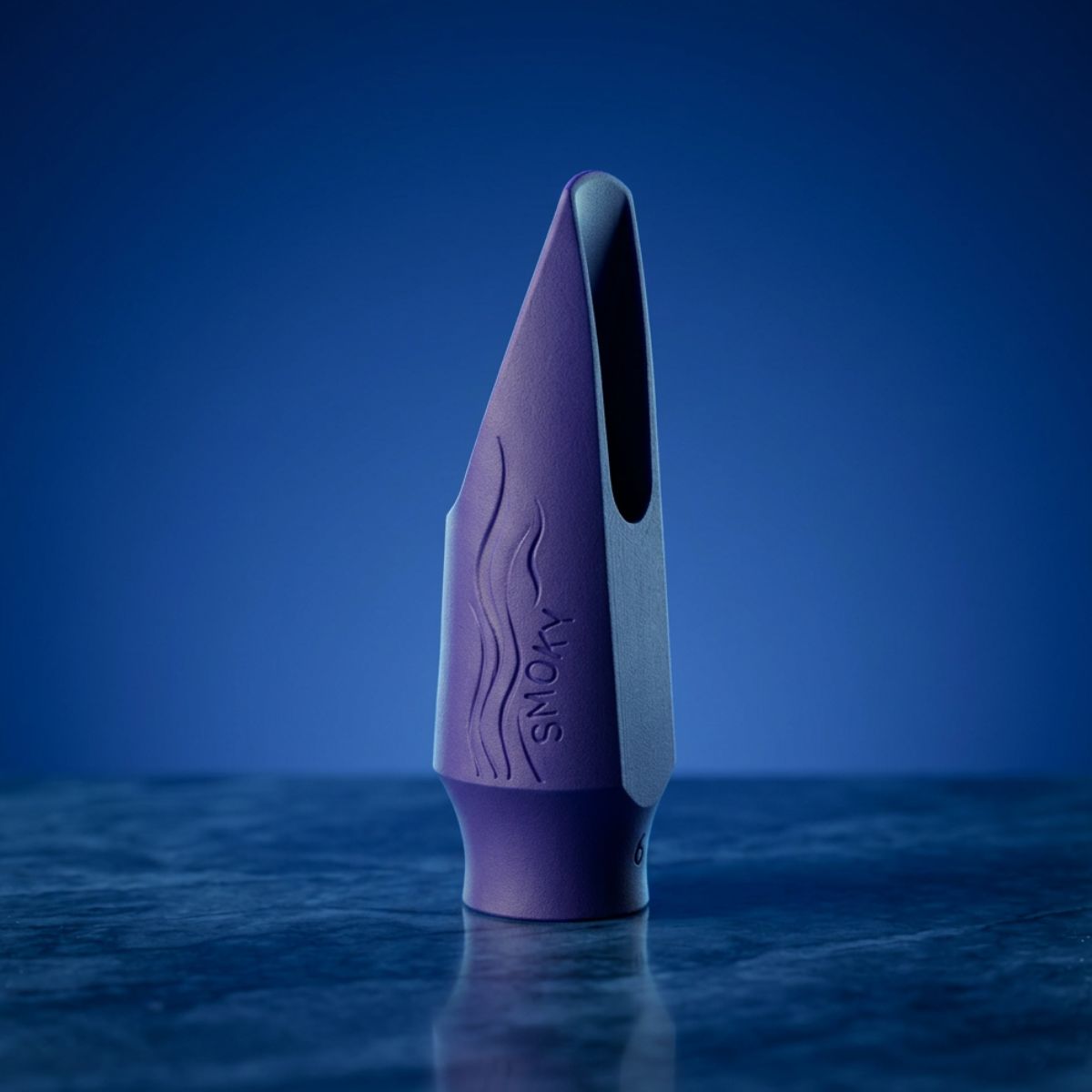
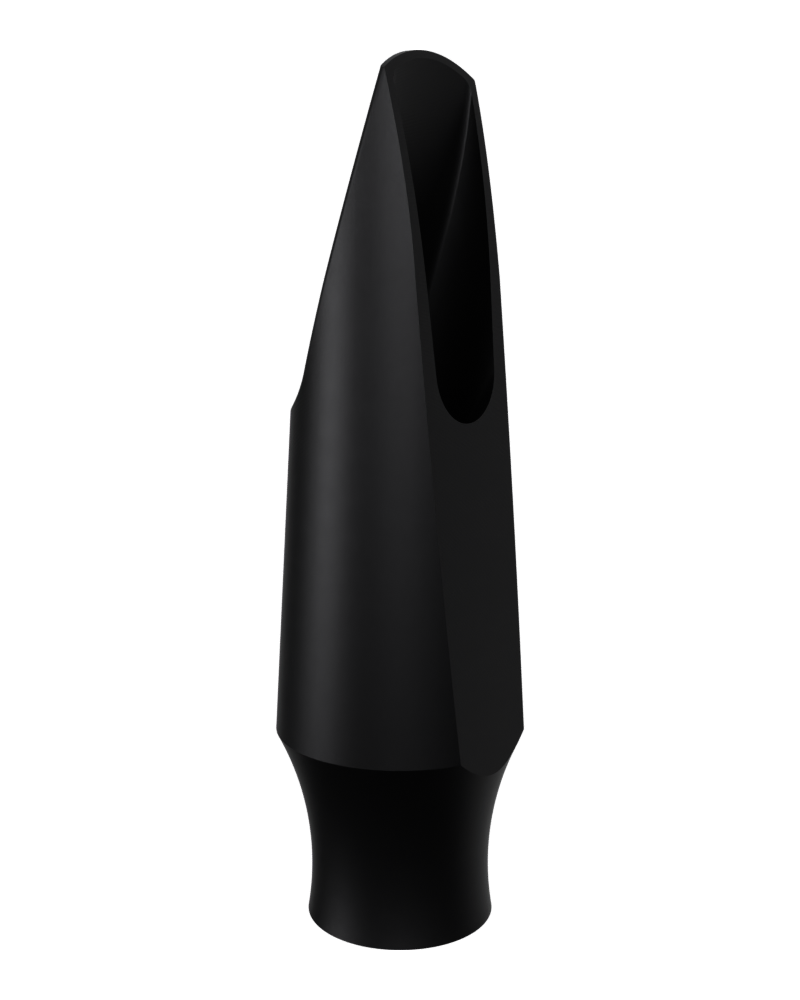
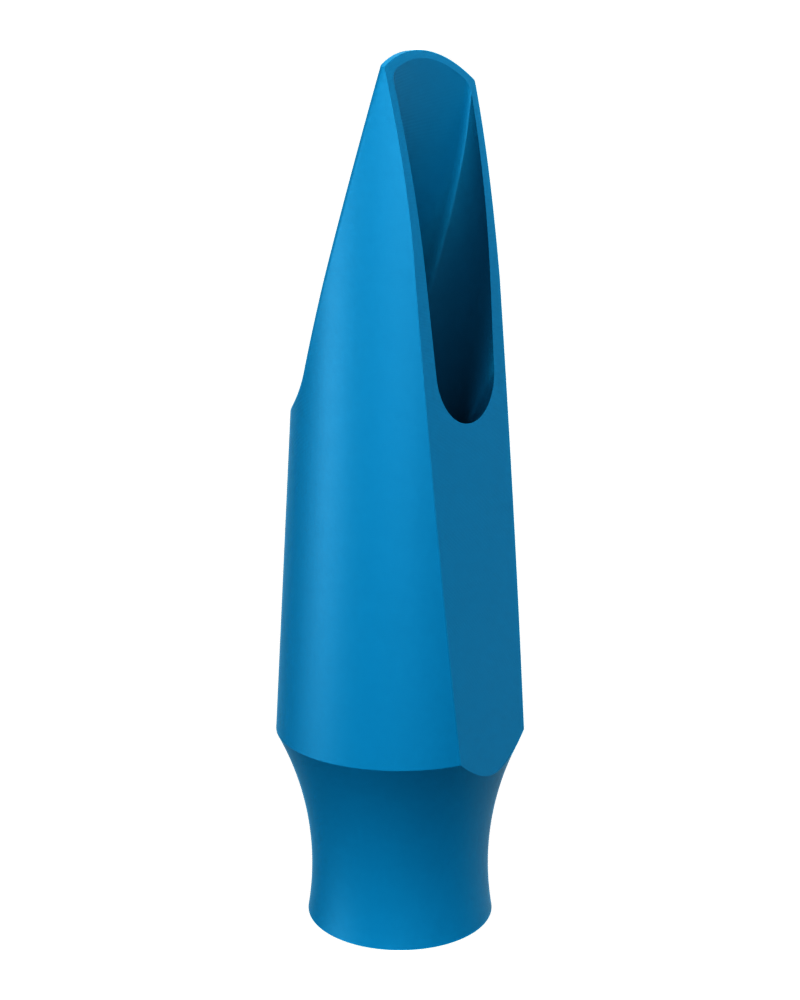
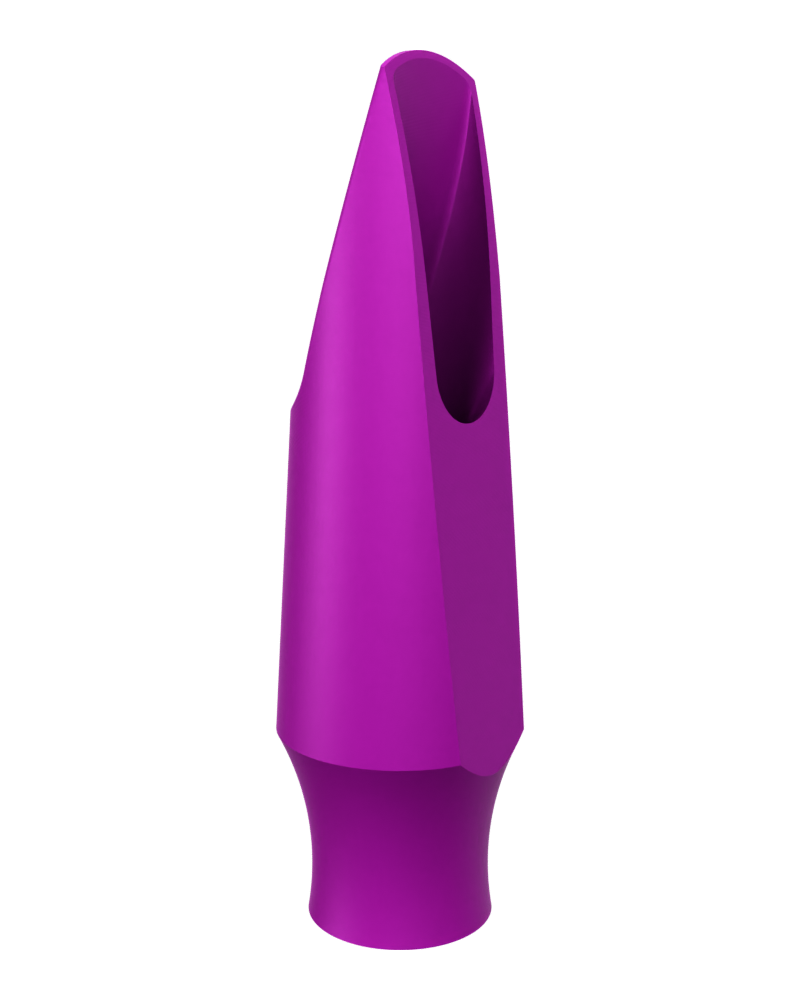
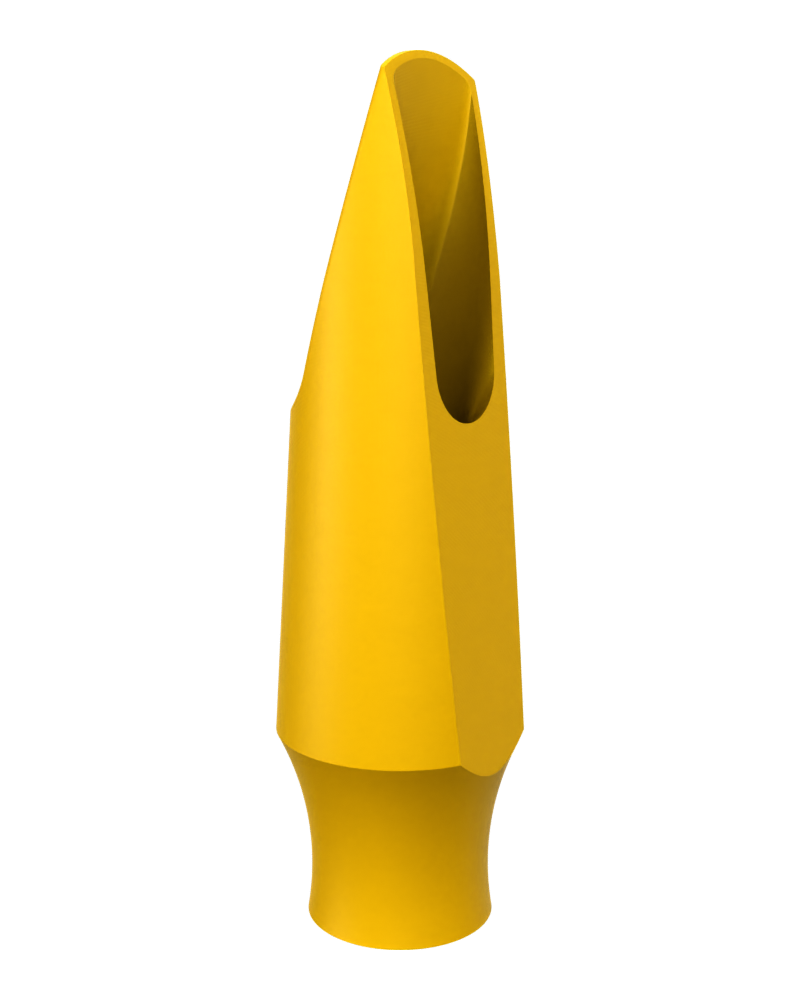
Smoky - warm, dark, and round. For players drawn to Coltrane's depth, Dexter Gordon's warmth, Coleman Hawkins's authority, or Lester Young's lyrical ease.
-
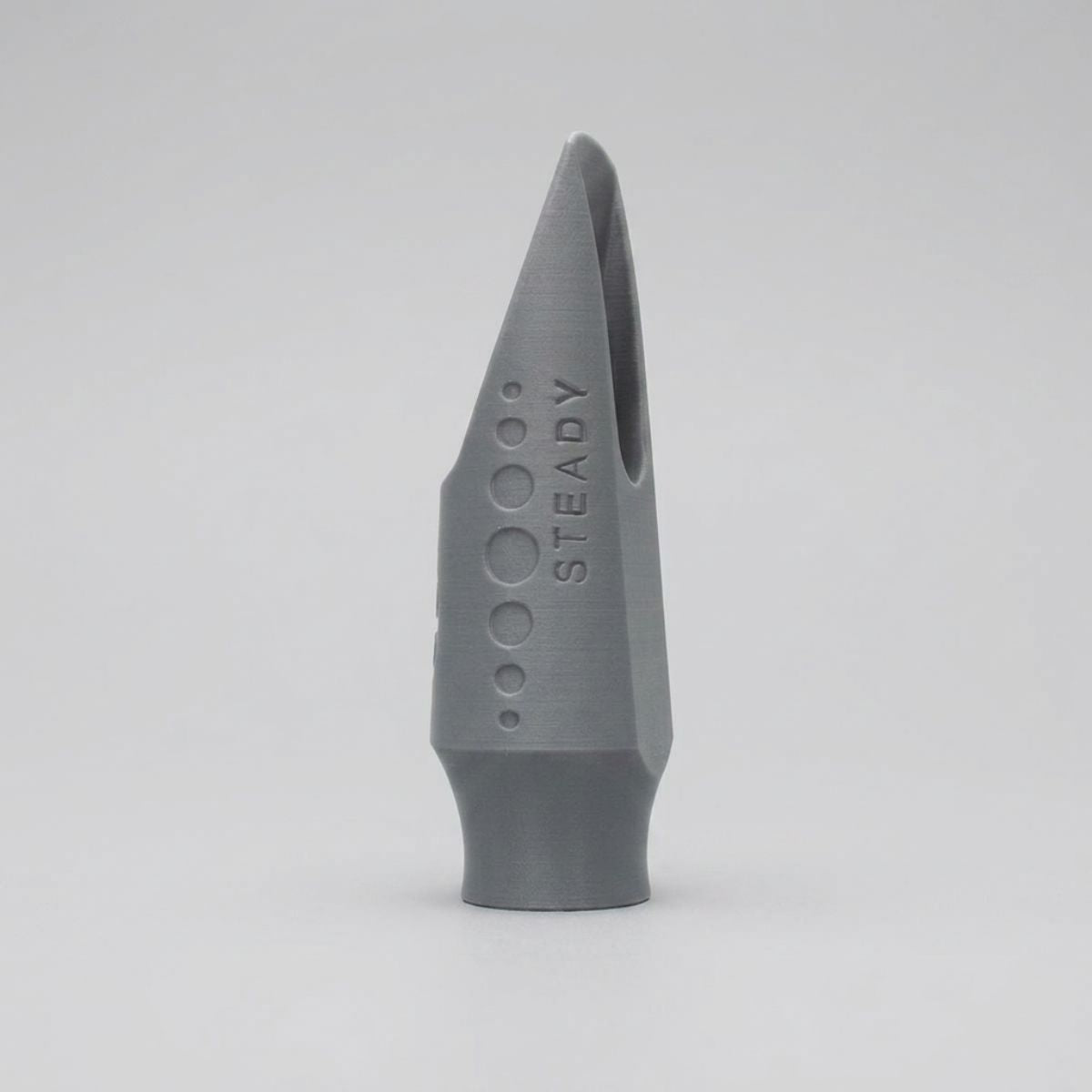
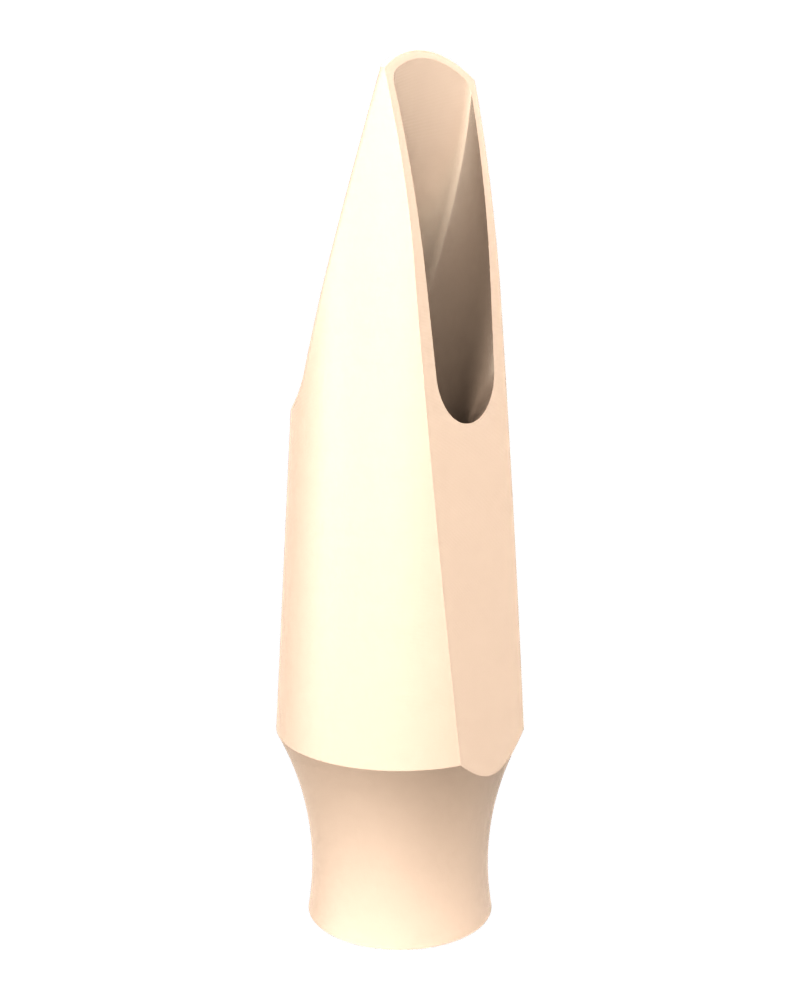
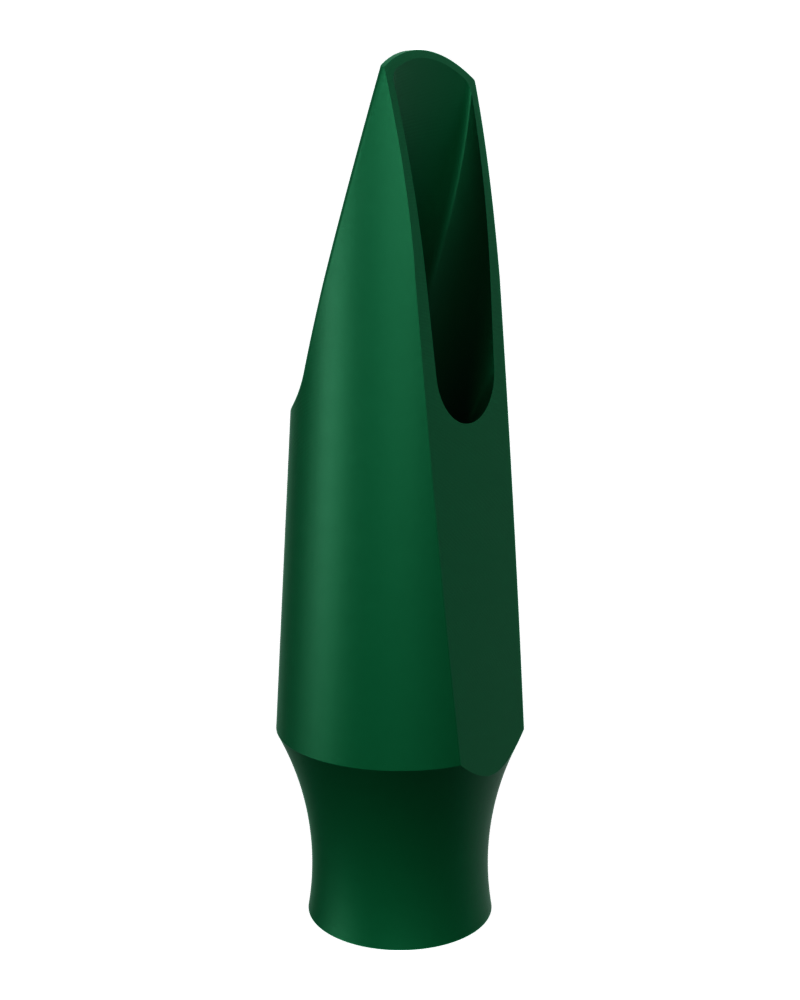
Steady - balanced, clear, and versatile. For players inspired by Rollins's power, Getz's lyricism, or Desmond's crystalline cool.
-
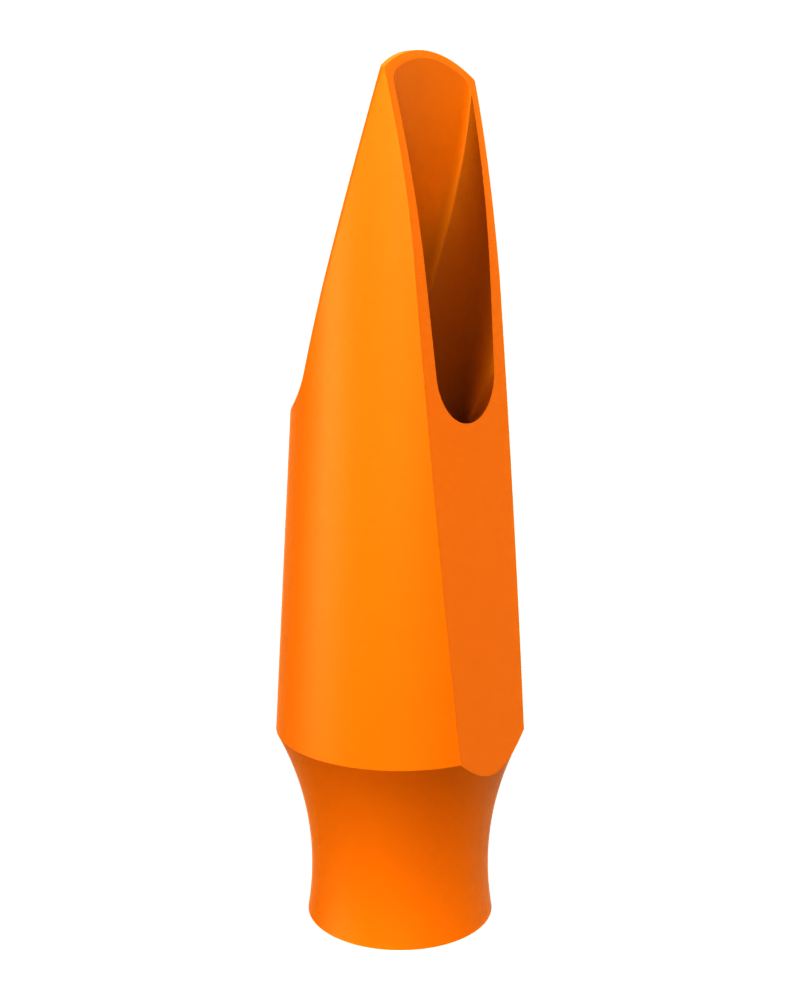
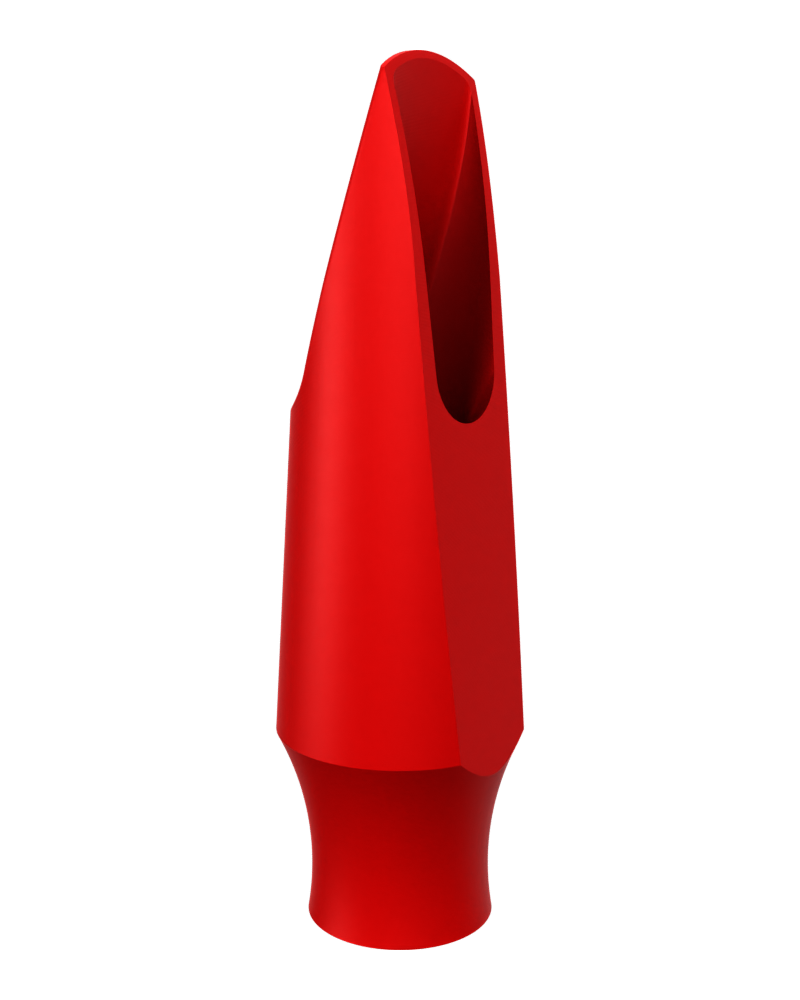
Spark - bright, powerful, and projecting. For players chasing Brecker's fusion energy, Parker's raw bebop presence, or Ornette's raw expressiveness.
Each voice is available for both alto and tenor, and each is made in France with the kind of precision that lets you focus on playing rather than gear-hunting.
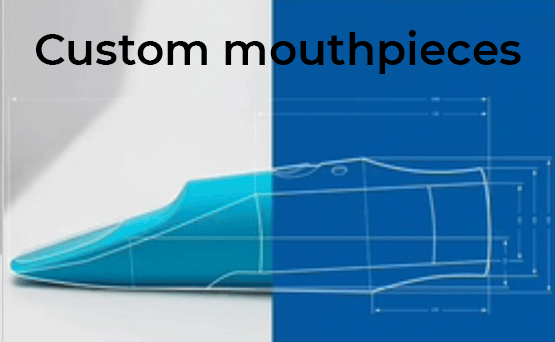
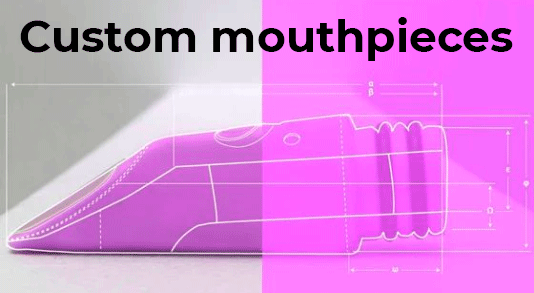
If you want to go deeper, the Syos Custom option (alto / tenor) lets you work with the team to build a mouthpiece around your specific sound - tip opening, baffle, chamber - the way the Signature artists did with their own pieces.
Explore the full saxophone mouthpiece collection at syos.co/collections/saxophone and find the voice that's yours.
FAQ
What mouthpiece did Charlie Parker use?
Parker's exact mouthpiece is genuinely uncertain - he was known to play whatever was available, including borrowed horns. Documented instruments associated with him show a King mouthpiece (per the Smithsonian) and various Brilhart models (Tonalin, Ebolin) are frequently cited by researchers. What's clear is that he favored hard reeds (around a 4) and that his sound came primarily from his embouchure, breath, and musical mind rather than any specific piece of gear.
What saxophone did John Coltrane play?
Coltrane is most closely associated with the Selmer Mark VI tenor saxophone, which he played for much of his career from the late 1950s onward. Earlier in his career he used a Selmer Super Balanced Action. He also played soprano saxophone - most famously on "My Favorite Things" (1961) - and his soprano setup similarly featured a metal Otto Link mouthpiece.
What is the best mouthpiece for jazz saxophone?
There's no single best saxophone mouthpiece for jazz - it depends entirely on the sound you're after and your physical setup. That said, the most historically significant jazz mouthpieces are the Otto Link (hard rubber and metal versions), the Meyer NY (especially for alto), and the Selmer Soloist. Modern players also use pieces from Vandoren, Jody Jazz, and Syos. The best approach is to identify the tonal direction you want - warm/dark, balanced, or bright/projecting - and choose accordingly.
How do I choose between Smoky, Steady, and Spark?
Think about the sound you're drawn to. Smoky is for warm, dark, round tones - think Coltrane, Dexter Gordon, Coleman Hawkins, Lester Young. Steady is for balanced, versatile playing - think Rollins, Getz, Paul Desmond. Spark is for bright, powerful, projecting sounds - think Brecker, Parker, Ornette Coleman. If you're genuinely unsure, Steady is the most versatile starting point. You can always move toward Smoky or Spark once you know which direction your sound wants to go.
Did any famous saxophonists care about mouthpiece precision?
Absolutely - and obsessively. Parker tested dozens of mouthpieces and reeds. Coltrane would spend hours working through reed combinations. Brecker had a mouthpiece custom-built to his exact specifications. The difference today is that modern manufacturing - including Syos's 3D printing process - lets any player access that level of precision, not just those with connections to custom makers.